1. Introduction to Cepodem Oral Suspension (Cefpodoxime)
1.1 What is Cepodem Oral Suspension?
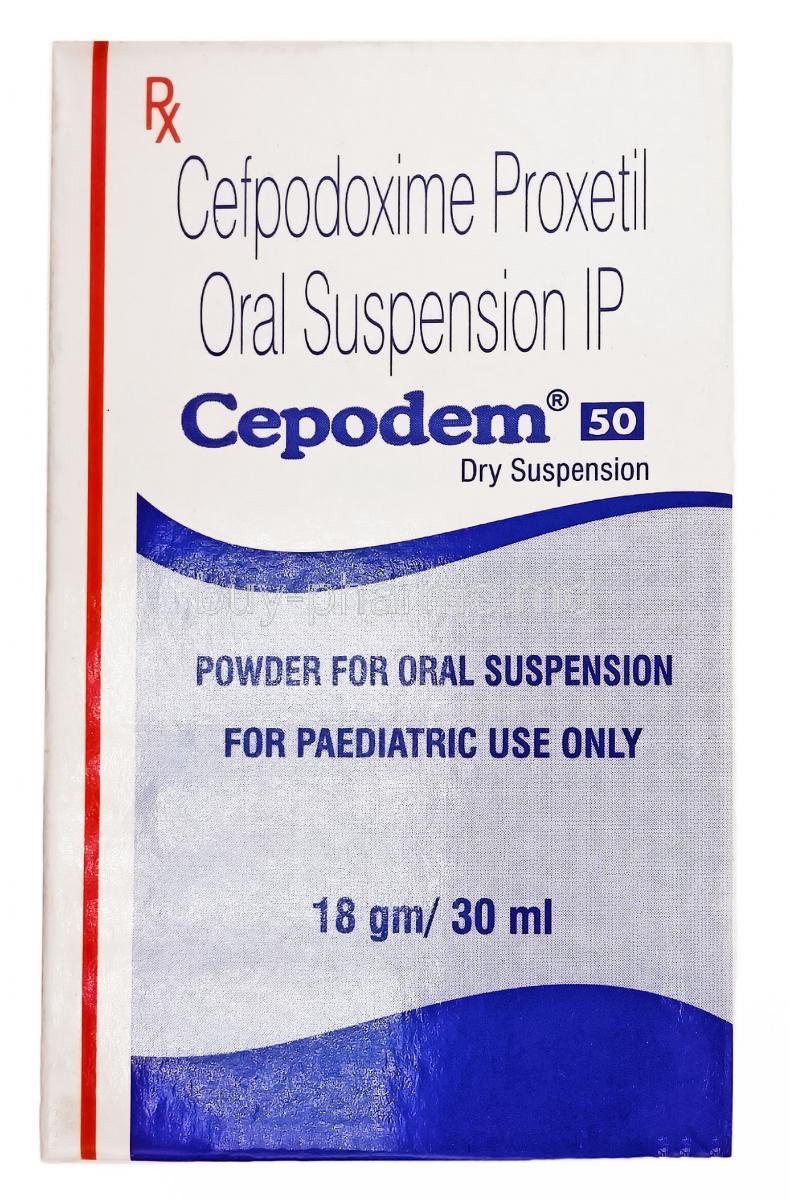
Cepodem Oral Suspension is an antibiotic preparation containing cefpodoxime proxetil, a widely prescribed antimicrobial agent belonging to the cephalosporin family. It is primarily formulated for oral administration, particularly for pediatric patients who require a liquid dosage form. The suspension enables accurate dose titration and improves adherence in individuals who may have difficulty swallowing tablets.
This medication is used to treat a variety of bacterial infections affecting different anatomical systems, including:
- Respiratory tract infections
- Ear infections (otitis media)
- Urinary tract infections
- Skin and soft tissue infections
By eliminating susceptible bacteria, Cepodem helps restore physiological balance and resolve infection-related symptoms.
1.2 Cefpodoxime Generation (Third-Generation Cephalosporin Antibiotic)
Cefpodoxime belongs to the third generation of cephalosporin antibiotics, a class of beta-lactam antimicrobials recognized for their expanded activity against Gram-negative pathogens while retaining efficacy against certain Gram-positive organisms.
These agents function by disrupting bacterial cell wall integrity. Their therapeutic spectrum is particularly valuable in treating respiratory and urinary infections. Cefpodoxime exhibits improved stability against several beta-lactamase enzymes, making it more resilient compared with earlier cephalosporins.
1.3 Brand Names and Generic Formulations
Cefpodoxime proxetil is marketed worldwide under several brand names and generic formulations. Cepodem is one such commercially available formulation widely used in clinical practice.
Common forms include:
- Cepodem Oral Suspension
- Cefpodoxime tablets
- Generic cefpodoxime proxetil oral suspensions
These products contain the same active antibacterial compound but may differ in excipients, packaging, and manufacturer.
1.4 Overview of the Oral Suspension Dosage Form
The oral suspension format is specifically designed to enhance dosing flexibility. Powder is reconstituted with water to create a palatable liquid medication. The final preparation is usually flavored to improve acceptability among children.
Key advantages include:
- Ease of administration
- Precise dose measurement
- Improved patient compliance
This format is frequently used in pediatric antimicrobial therapy.
1.5 Importance of Cefpodoxime in Pediatric and Adult Antibiotic Therapy
Cefpodoxime is widely utilized due to its broad antibacterial spectrum and favorable safety profile. Physicians often prescribe it when first-line antibiotics are ineffective or unsuitable.
It plays a pivotal role in:
- Community-acquired respiratory infections
- Pediatric bacterial illnesses
- Outpatient antimicrobial management
The medication offers effective coverage against several common pathogens responsible for upper and lower respiratory infections.
2. Composition and Pharmaceutical Formulation
2.1 Active Ingredient: Cefpodoxime Proxetil
The principal pharmacologically active component in Cepodem Oral Suspension is cefpodoxime proxetil. This compound functions as a prodrug. After ingestion, it undergoes enzymatic conversion in the gastrointestinal tract to yield cefpodoxime, the active antibacterial agent.
The molecule belongs to the beta-lactam antibiotic family and exerts bactericidal activity by targeting bacterial cell wall synthesis.
2.2 Mechanism of the Prodrug Conversion to Active Cefpodoxime
Cefpodoxime proxetil is not active in its administered form. Following oral ingestion, digestive enzymes hydrolyze the proxetil ester moiety. This metabolic process liberates the active cefpodoxime compound.
Once absorbed into systemic circulation, cefpodoxime distributes into tissues and infection sites where it performs its antibacterial function.
2.3 Inactive Ingredients and Excipients in Oral Suspension
The formulation contains several excipients that stabilize the suspension and improve taste. Although inactive pharmacologically, these ingredients contribute to drug stability and patient acceptability.
Common excipients may include:
- Sucrose or sweetening agents
- Flavoring compounds
- Stabilizing agents
- Suspending agents
These components ensure uniform drug dispersion after reconstitution.
2.4 Available Strengths and Packaging of Cepodem Oral Suspension
Cepodem Oral Suspension is typically available in powder form within sealed bottles. Once reconstituted with water, the medication yields a specific concentration of cefpodoxime.
Common strengths include:
- 50 mg per 5 mL suspension
- 100 mg per 5 mL suspension
The packaging usually contains measuring devices such as dosing syringes or spoons to ensure precise administration.
2.5 Physical Characteristics and Reconstitution Properties
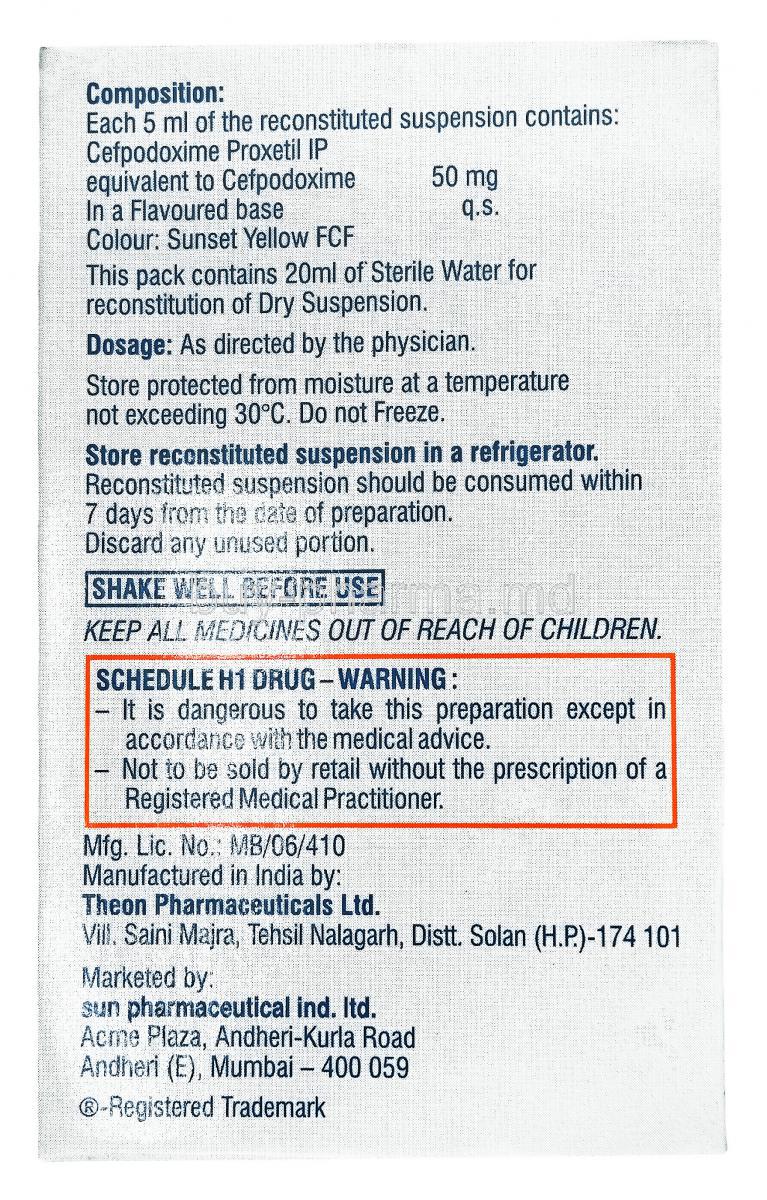
Prior to reconstitution, Cepodem appears as a fine powder. After the addition of water and thorough shaking, the mixture forms a homogenous suspension with a slightly viscous consistency.
The suspension should be shaken vigorously before each dose to maintain uniform distribution of the active ingredient.
Cepodem XP 325 vs augmentin
Cepodem XP 325 (Cefpodoxime/Clavulanic Acid) and Augmentin (Amoxicillin/Clavulanic Acid) are both combination antibiotics used to treat bacterial infections, particularly in the respiratory and urinary tracts. Augmentin is generally preferred for broader resistance, while Cepodem XP 325 is often used when cephalosporins are preferred over penicillins
Cepodem XP 325 vs azithromycin
Cepodem XP 325 (Cefpodoxime 200mg + Clavulanic Acid 125mg) is a broad-spectrum combination antibiotic often used for respiratory and urinary infections by destroying bacterial cell walls. Azithromycin is a macrolide antibiotic that stops bacterial protein synthesis, typically used for a shorter 3–5 day course
Cefpodoxime vs cephalexin
Cefpodoxime (3rd gen) and cephalexin (1st gen) are both cephalosporin antibiotics used for bacterial infections, but differ in spectrum and dosing. Cefpodoxime offers broader, more potent gram-negative coverage and is typically taken twice daily with food. Cephalexin focuses on gram-positive bacteria (like Staph and Strep), requires 2–4 daily doses, and is often used for skin infections.
Cefpodoxime vs cefdinir
Cefpodoxime and cefdinir are both third-generation cephalosporin antibiotics used to treat bacterial infections like pneumonia, bronchitis, and sinusitis. Cefpodoxime generally offers better absorption and broader efficacy against respiratory pathogens, while cefdinir is often preferred for pediatric cases due to its formulation and strong staphylococcal coverage
Cefpodoxime vs ceftriaxone
Cefpodoxime (oral) and ceftriaxone (IV/IM) are both third-generation cephalosporin antibiotics used for similar bacterial infections, with studies showing comparable efficacy in treating community-acquired pneumonia and gonorrhea. Ceftriaxone is generally used for more severe, hospitalized infections due to its intravenous administration, while cefpodoxime offers a convenient oral alternative for milder cases or step-down therapy
3. Mechanism of Action: How Cefpodoxime Works
3.1 Inhibition of Bacterial Cell Wall Synthesis
Cefpodoxime acts by inhibiting the synthesis of bacterial cell walls. The drug binds to specific penicillin-binding proteins (PBPs), enzymes essential for constructing the peptidoglycan layer of bacterial cell walls.
Disruption of this structural layer leads to bacterial instability and eventual cell lysis.
3.2 Bactericidal Activity Against Gram-Positive and Gram-Negative Bacteria
The antibacterial activity of cefpodoxime extends to numerous pathogenic microorganisms. These include both Gram-positive and Gram-negative species commonly implicated in respiratory and urinary infections.
Susceptible bacteria include:
- Streptococcus pneumoniae
- Haemophilus influenzae
- Moraxella catarrhalis
- Escherichia coli
3.3 Role of Beta-Lactam Structure in Antibacterial Activity
The beta-lactam ring is a defining structural feature of cephalosporin antibiotics. This molecular configuration enables the drug to interfere with bacterial cell wall assembly.
Without an intact cell wall, bacteria cannot maintain osmotic stability. The result is cellular rupture and death.
3.4 Stability Against Certain Beta-Lactamase Enzymes
Many bacteria produce beta-lactamase enzymes that degrade antibiotics. Cefpodoxime exhibits moderate resistance to several of these enzymes, allowing it to remain active against bacteria that would otherwise inactivate older beta-lactam antibiotics.
3.5 Pharmacodynamics and Antibacterial Spectrum
The antibacterial efficacy of cefpodoxime depends on maintaining drug concentrations above the minimum inhibitory concentration (MIC) for susceptible bacteria.
This time-dependent killing mechanism underscores the importance of consistent dosing intervals.
4. Cefpodoxime Uses
4.1 FDA-Approved and Standard Medical Indications
Cepodem Oral Suspension is prescribed for numerous bacterial infections affecting various organ systems. It is particularly useful for infections encountered in outpatient clinical settings.
4.1.1 Treatment of Acute Otitis Media (Middle Ear Infection)
Otitis media is one of the most frequent childhood infections. Cefpodoxime effectively targets pathogens responsible for middle ear infections, helping relieve pain, inflammation, and fever.
4.1.2 Treatment of Acute Bacterial Sinusitis
Sinus infections often arise when bacterial organisms proliferate within inflamed sinus cavities. Cefpodoxime assists in eliminating these pathogens and restoring sinus drainage.
4.1.3 Treatment of Pharyngitis and Tonsillitis
Streptococcal infections of the throat can cause severe inflammation and discomfort. Cefpodoxime may be used when alternative antibiotics are unsuitable.
4.1.4 Cefpodoxime for Pneumonia
Community-acquired pneumonia is a serious infection of the lungs. Cefpodoxime helps eradicate respiratory pathogens responsible for this condition.
4.1.5 Treatment of Acute Bronchitis and Lower Respiratory Tract Infections
Lower respiratory infections often present with coughing, sputum production, and chest discomfort. Cefpodoxime can be prescribed to eliminate the bacterial component of these infections.
4.1.6 Treatment of Uncomplicated Skin and Soft Tissue Infections
Bacterial infections of the skin, including cellulitis and infected wounds, may respond well to cefpodoxime therapy.
4.1.7 Cefpodoxime for UTI
Cefpodoxime is also effective in treating uncomplicated urinary tract infections caused by susceptible organisms such as E. coli.
4.2 Use of Cefpodoxime in Pediatric Bacterial Infections
Pediatric patients frequently benefit from cefpodoxime therapy because of its tolerability and convenient liquid formulation.
Common pediatric indications include:
- Ear infections
- Throat infections
- Respiratory infections
4.3 Role in Outpatient Antibiotic Therapy
Cefpodoxime is commonly prescribed in outpatient care settings. Its oral formulation allows patients to receive effective antibiotic therapy without hospitalization.
5. Off-Label Uses of Cefpodoxime
5.1 Treatment of Certain Gastrointestinal Bacterial Infections
Although not always the primary treatment, cefpodoxime may be used in select cases of bacterial gastrointestinal infections where susceptible pathogens are involved.
5.2 Management of Mild to Moderate Dental Infections
Dental abscesses and periodontal infections may sometimes require systemic antibiotic therapy. Cefpodoxime can serve as an alternative antimicrobial option.
5.3 Alternative Therapy for Lyme Disease in Specific Cases
In certain clinical scenarios, cefpodoxime has been considered as an alternative therapy for early Lyme disease when first-line antibiotics are contraindicated.
5.4 Treatment of Certain Sexually Transmitted Infections (STIs)
Cefpodoxime may occasionally be used in the treatment of specific sexually transmitted infections under physician supervision.
5.5 Use in Prophylaxis for Selected Bacterial Infections
In rare situations, cefpodoxime may be administered prophylactically to prevent bacterial infections in susceptible individuals.
5.6 Use in Combination Therapy for Resistant Bacterial Infections
Combination antimicrobial therapy may involve cefpodoxime alongside other antibiotics when treating resistant bacterial pathogens.
6. Dosage and Administration Guidelines
6.1 Recommended Dosage for Children
Pediatric dosing is typically determined according to body weight. Healthcare providers calculate the appropriate dose to ensure therapeutic efficacy while minimizing adverse reactions.
6.2 Cefpodoxime dosage for adults
Adult: Dosage is expressed in terms of the active cefpodoxime moiety: 200 mg 12 hourly, 5-7 days for mild to moderate infection and 10 days for severe infection .
6.3 Dosage Based on Body Weight in Pediatric Patients
Dosing regimens often follow weight-based calculations. This approach ensures that children receive an appropriate therapeutic concentration.
6.4 Duration of Treatment for Different Infections
The duration of therapy varies depending on the type and severity of infection. Typical treatment courses range from 5 to 14 days.
6.5 Instructions for Reconstitution of Oral Suspension
The powder must be reconstituted with purified water before administration. After adding water, the bottle should be shaken vigorously until a uniform suspension forms.
6.6 Proper Administration Techniques
Proper administration improves therapeutic outcomes.
- Shake the bottle before each dose
- Use the provided measuring device
- Follow prescribed dosing intervals
6.7 Importance of Completing the Full Antibiotic Course
Stopping antibiotics prematurely may lead to treatment failure and bacterial resistance. Completing the entire prescribed course ensures eradication of the infection.
7. Cefpodoxime Side Effects
7.1 Gastrointestinal Side Effects
Digestive disturbances represent the most common adverse reactions associated with cefpodoxime therapy.
7.1.1 Diarrhea
Mild diarrhea may occur as a result of alterations in intestinal microbial flora.
7.1.2 Nausea and Vomiting
Some patients experience nausea or occasional vomiting during treatment.
7.1.3 Abdominal Pain
Abdominal discomfort or cramping may occasionally occur.
7.2 Mild Allergic Reactions
Mild hypersensitivity reactions such as rash or itching may develop in susceptible individuals.
7.3 Headache and Dizziness
Neurological symptoms including headache or mild dizziness have been reported in some patients.
7.4 Temporary Changes in Taste
Occasional taste disturbances may occur, though these effects are generally transient.
8. Serious and Rare Side Effects
8.1 Severe Allergic Reactions (Anaphylaxis)
Anaphylaxis is a rare but potentially life-threatening reaction requiring immediate medical intervention.
8.2 Clostridioides difficile–Associated Diarrhea
Prolonged antibiotic therapy may disrupt normal intestinal flora, allowing overgrowth of Clostridioides difficile.
8.3 Severe Skin Reactions (Stevens-Johnson Syndrome, Toxic Epidermal Necrolysis)
Extremely rare but severe dermatologic reactions have been associated with cephalosporin antibiotics.
8.4 Hematologic Abnormalities
Blood disorders such as leukopenia or thrombocytopenia have been reported in isolated cases.
8.5 Liver Function Changes
Temporary elevations in liver enzymes may occur during treatment.
9. Drug Interactions
9.1 Interaction with Antacids and Acid-Reducing Medications
Antacids containing aluminum or magnesium may reduce the absorption of cefpodoxime.
9.2 Interaction with Proton Pump Inhibitors (PPIs)
Acid suppression therapy may influence drug absorption in the gastrointestinal tract.
9.3 Interaction with H2-Receptor Antagonists
H2 blockers may alter stomach acidity, potentially affecting cefpodoxime bioavailability.
9.4 Interaction with Probenecid
Probenecid may increase serum concentrations of cefpodoxime by reducing renal excretion.
9.5 Interaction with Nephrotoxic Drugs
Concurrent use with nephrotoxic medications may increase the risk of kidney impairment.
9.6 Effects on Laboratory Test Results
Cefpodoxime may occasionally interfere with certain diagnostic laboratory tests.
10. Contraindications
10.1 Known Hypersensitivity to Cefpodoxime or Other Cephalosporins
Cepodem Oral Suspension should not be used in individuals with known hypersensitivity to cefpodoxime or other cephalosporin antibiotics.
10.2 Severe Allergic Reaction to Penicillin or Beta-Lactam Antibiotics
Patients with a documented history of severe allergic reactions to beta-lactam antibiotics should avoid cefpodoxime.
10.3 Patients with History of Severe Drug-Induced Hypersensitivity
Individuals with prior severe drug hypersensitivity reactions require careful evaluation before receiving cefpodoxime therapy.
11. Warnings and Important Safety Information
11.1 Risk of Antibiotic-Associated Colitis
Antibiotic-associated colitis is a notable safety concern during treatment with broad-spectrum antimicrobial agents such as cefpodoxime. This condition occurs when normal intestinal flora are disrupted, allowing opportunistic organisms to proliferate. One of the most clinically significant pathogens involved is Clostridioides difficile.
Symptoms may appear during treatment or several weeks after antibiotic therapy has ended. Patients should be vigilant for signs such as:
- Persistent or severe diarrhea
- Abdominal cramping
- Fever and malaise
- Presence of blood or mucus in stool
Prompt medical evaluation is essential if these symptoms develop. In some instances, discontinuation of the antibiotic and targeted treatment may be required.
11.2 Development of Drug-Resistant Bacteria
The inappropriate or excessive use of antibiotics contributes to the emergence of drug-resistant bacterial strains. Cefpodoxime should therefore be prescribed only for confirmed or strongly suspected bacterial infections.
To reduce the development of antimicrobial resistance:
- Use antibiotics strictly according to medical guidance
- Complete the entire prescribed treatment course
- Avoid using antibiotics for viral illnesses such as colds or influenza
Responsible antibiotic stewardship is essential for preserving the effectiveness of existing antimicrobial therapies.
11.3 Risk of Cross-Allergy with Other Beta-Lactam Antibiotics
Cefpodoxime belongs to the beta-lactam class of antibiotics, which also includes penicillins and other cephalosporins. Individuals with known hypersensitivity to these agents may experience allergic reactions.
Symptoms of allergic reactions may include:
- Skin rash or urticaria
- Facial or throat swelling
- Shortness of breath
- Severe anaphylactic reactions
Medical history should always be carefully reviewed before initiating treatment.
11.4 Use in Patients with Renal Impairment
Cefpodoxime is primarily eliminated through renal excretion. Patients with impaired kidney function may experience reduced drug clearance, leading to increased systemic exposure.
In such cases, healthcare providers may recommend:
- Dosage adjustments
- Extended dosing intervals
- Periodic monitoring of renal function
These precautions help maintain therapeutic efficacy while minimizing potential toxicity.
11.5 Monitoring During Long-Term Antibiotic Therapy
Although cefpodoxime is generally prescribed for short treatment courses, extended therapy may occasionally be required. During prolonged administration, clinical monitoring becomes particularly important.
Healthcare providers may evaluate:
- Liver function tests
- Kidney function parameters
- Signs of secondary infections
Regular assessment ensures that treatment remains safe and effective.
12. Careful Administration and Special Precautions
12.1 Use in Patients with Kidney Disease
Patients with chronic kidney disease require careful dose selection when receiving cefpodoxime. Reduced renal clearance can lead to accumulation of the drug within systemic circulation.
Medical supervision may include:
- Baseline renal function evaluation
- Adjusted dosing schedules
- Monitoring for adverse reactions
Individualized treatment helps optimize therapeutic outcomes while minimizing potential complications.
12.2 Use in Patients with Gastrointestinal Disorders
Individuals with a history of gastrointestinal disease, particularly colitis, should use cefpodoxime cautiously. Antibiotic therapy can alter the intestinal microbiome and exacerbate preexisting conditions.
Patients with inflammatory bowel disease or previous antibiotic-associated colitis should inform their healthcare provider before starting treatment.
12.3 Monitoring for Superinfection
Prolonged antibiotic therapy may promote the overgrowth of non-susceptible organisms such as fungi or resistant bacteria. This phenomenon is known as superinfection.
Clinical indicators may include:
- Persistent or worsening symptoms
- New infections during therapy
- Oral or vaginal candidiasis
If superinfection develops, appropriate medical management may be necessary.
12.4 Importance of Medical Supervision During Antibiotic Therapy
Antibiotic therapy should always be conducted under medical supervision. Healthcare professionals evaluate treatment progress and determine whether modifications are necessary.
Patients are encouraged to:
- Report unexpected symptoms
- Follow dosing instructions carefully
- Attend recommended follow-up appointments
This structured approach enhances both safety and therapeutic success.
13. Administration to Specific Populations
13.1 Administration to Elderly Patients
Elderly patients may exhibit physiological changes that influence drug metabolism and excretion. Age-related decline in renal function is particularly relevant when administering cefpodoxime.
13.1.1 Dose Adjustments in Older Adults
Although cefpodoxime is generally well tolerated in older adults, dosage adjustments may occasionally be necessary. Reduced renal function can prolong the elimination half-life of the medication.
Physicians may recommend individualized dosing strategies based on renal clearance and overall health status.
13.1.2 Monitoring Renal Function in Elderly Patients
Routine monitoring of kidney function is often recommended for elderly patients receiving antibiotic therapy.
Assessment may include:
- Serum creatinine levels
- Estimated glomerular filtration rate (eGFR)
- Urinalysis if clinically indicated
Such monitoring ensures safe drug exposure levels.
13.2 Administration to Pregnant Women
The use of antibiotics during pregnancy requires careful evaluation of potential benefits and risks. Cefpodoxime may be prescribed when the anticipated therapeutic benefit outweighs possible risks to the fetus.
13.2.1 Pregnancy Safety Category
Cephalosporin antibiotics are generally considered to have a relatively favorable safety profile during pregnancy. However, treatment decisions must always be individualized.
13.2.2 Clinical Considerations During Pregnancy
When cefpodoxime is prescribed during pregnancy, physicians consider factors such as:
- Severity of infection
- Gestational age
- Availability of alternative therapies
Medical supervision is essential throughout the treatment period.
13.3 Administration to Nursing Mothers
Cefpodoxime may be excreted into breast milk in small quantities. Although the concentration is typically low, the potential effects on nursing infants should be considered.
13.3.1 Passage of Cefpodoxime into Breast Milk
Pharmacokinetic studies indicate that minimal amounts of cefpodoxime can enter breast milk following maternal administration.
13.3.2 Safety Considerations for Breastfed Infants
Infants exposed to small quantities through breast milk may rarely experience mild gastrointestinal disturbances.
- Loose stools
- Temporary changes in gut flora
- Occasional irritability
Healthcare providers may advise monitoring infants for any unusual symptoms.
13.4 Administration to Pediatric Patients
Cepodem Oral Suspension is frequently prescribed for pediatric infections due to its convenient liquid formulation and favorable safety profile.
13.4.1 Age-Appropriate Use of Oral Suspension
The suspension form allows flexible dosing in infants and young children. Caregivers can administer precise volumes using calibrated measuring devices.
13.4.2 Pediatric Dosing Recommendations
Pediatric dosing typically follows weight-based calculations determined by healthcare professionals. Accurate dosing is essential to achieve effective therapeutic levels.
13.4.3 Safety Profile in Children
Cefpodoxime is generally well tolerated in children when used according to prescribed guidelines. Most adverse effects are mild and transient.
14. Overdosage and Toxicity Management
14.1 Symptoms of Cefpodoxime Overdose
Accidental or intentional overdose may lead to exaggerated pharmacological effects. Symptoms are usually related to gastrointestinal or neurological disturbances.
- Nausea and vomiting
- Severe diarrhea
- Abdominal discomfort
- Rare neurological symptoms
14.2 Emergency Medical Management
If overdose is suspected, immediate medical evaluation is recommended. Treatment focuses on stabilizing the patient and managing symptoms.
14.3 Supportive Care and Monitoring
Supportive treatment may include hydration, electrolyte management, and observation for complications.
Healthcare providers may also monitor:
- Kidney function
- Vital signs
- Electrolyte balance
14.4 Role of Dialysis in Severe Cases
In rare situations involving significant toxicity, dialysis may assist in removing cefpodoxime from systemic circulation, particularly in patients with renal impairment.
15. Storage and Stability of Cepodem Oral Suspension
15.1 Storage Conditions Before Reconstitution
Before preparation, Cepodem Oral Suspension is supplied as a dry powder. It should be stored in a cool, dry place away from excessive heat and moisture.
15.2 Storage Instructions After Reconstitution
Once reconstituted, the suspension may require refrigeration depending on manufacturer recommendations.
General storage guidance includes:
- Keep the bottle tightly closed
- Store away from direct sunlight
- Shake well before each use
15.3 Shelf Life of the Prepared Suspension
The stability of the suspension is limited after preparation. Most formulations remain stable for a specified period, commonly around 7 to 14 days.
Unused medication should be discarded after the recommended storage period.
15.4 Safe Disposal of Unused Medication
Expired or unused antibiotics should be disposed of safely to prevent accidental ingestion or environmental contamination.
Recommended disposal practices may include pharmacy take-back programs or local medication disposal guidelines.
16. Handling Precautions
16.1 Proper Reconstitution Techniques
Accurate preparation of the suspension is essential for correct dosing. Water should be added gradually while shaking the bottle to ensure uniform dispersion.
16.2 Measuring Accurate Doses Using Pediatric Dosing Devices
Precision dosing is particularly important in pediatric therapy.
Caregivers should use:
- Oral dosing syringes
- Calibrated measuring cups
- Medication spoons designed for pediatric use
Household spoons should be avoided due to inaccurate measurements.
16.3 Avoiding Contamination During Storage
To maintain product integrity, the bottle opening should remain clean and tightly sealed. Contamination can compromise the safety and effectiveness of the medication.
16.4 Safety Tips for Caregivers and Healthcare Providers
Caregivers play an essential role in ensuring safe medication administration.
- Follow dosing instructions precisely
- Store medication out of children's reach
- Consult healthcare professionals if uncertainties arise
17. Key Clinical Considerations for Safe Use
17.1 When to Seek Medical Advice
Medical advice should be sought if symptoms fail to improve or worsen during treatment. Early intervention may prevent complications.
17.2 Signs of Treatment Failure
Indicators of inadequate therapeutic response may include:
- Persistent fever
- Worsening infection symptoms
- Lack of clinical improvement after several days
17.3 Importance of Adherence to Prescribed Therapy
Strict adherence to the prescribed dosing schedule ensures optimal antibiotic effectiveness. Skipping doses or stopping therapy prematurely may compromise treatment outcomes.
17.4 Patient Counseling Points for Caregivers and Parents
Healthcare providers often educate caregivers about proper antibiotic use.
Important counseling points include:
- Administer medication at consistent intervals
- Complete the entire treatment course
- Monitor for side effects
- Seek medical advice if unusual symptoms occur
Effective communication between caregivers and healthcare professionals contributes significantly to safe and successful treatment.
Cepodem Oral Suspension Cefpodoxime FAQ
- What is cefpodoxime used to treat in kids?
- What is cefpodoxime oral suspension used for?
- What are the side effects of cefpodoxime?
- How effective is cefpodoxime?
- What to avoid when taking cefpodoxime?
- Can cefpodoxime cause kidney damage?
- Is cefpodoxime stronger than amoxicillin?
- Is Cepodem antibiotic for children?
- What are the side effects of Cepodem?
- Is cefpodoxime safe for children?
- Is cefpodoxime good for cough?
- How fast does cefpodoxime start working?
- Is cefpodoxime a safe antibiotic?
- What to eat for breakfast while taking antibiotics?
- What happens if you take cefpodoxime without food?
- How long does cefpodoxime stay in your system?
- What is the main use of cefpodoxime?
- What to avoid while taking cefpodoxime?
- Is cefpodoxime safe for kids?
- How many days to take Cepodem?
- Does cefpodoxime penetrate the kidneys?
- Is cefpodoxime for pneumonia?
- What is the age limit for cefpodoxime?
- Is cefpodoxime once a day?
- What is the success rate of cefpodoxime?
What is cefpodoxime used to treat in kids?
Cefpodoxime is an antibiotic that helps treat bacterial infections in various parts of the body. It's part of a group of medicines called cephalosporins. It works by either killing the bacteria or stopping them from growing. This helps your body recover from the infection. Cefpodoxime is effective against a range of bacterial infections, making it a useful treatment option. By targeting the bacteria, it can help clear up the infection and relieve symptoms.
What is cefpodoxime oral suspension used for?
Cefpodoxime is used to treat bacterial infections, such as bronchitis (infection of the airway tubes leading to the lungs), pneumonia, gonorrhea (a sexually transmitted disease), and infections of the skin, ear, sinuses, throat, tonsils, and urinary tract.
What are the side effects of cefpodoxime?
- Nausea
- Fatigue
- Arrythmia
- Trouble breathing
- Jaundice
How effective is cefpodoxime?
- Gram positive
- Gram negative
What to avoid when taking cefpodoxime?
- Antacids
- Diuretics
- Stomach medications
Can cefpodoxime cause kidney damage?
Yes
Is cefpodoxime stronger than amoxicillin?
Equally effective
Is Cepodem antibiotic for children?
Yes
What are the side effects of Cepodem?
- Vomiting
- Abdominal pain
- Bloatedness
Is cefpodoxime safe for children?
Yes
Is cefpodoxime good for cough?
No
How fast does cefpodoxime start working?
1-2 hours
Is cefpodoxime a safe antibiotic?
Yes
What to eat for breakfast while taking antibiotics?
Bland foods
What happens if you take cefpodoxime without food?
Stomachache
How long does cefpodoxime stay in your system?
12 hours
What is the main use of cefpodoxime?
Cefpodoxime is use to treat bacterial infections such as UTI, pneumonie, strep throat and bronchitis.
What to avoid while taking cefpodoxime?
- Cimetidine
- Famotidine
- Nizatidine
- Probenecid
- Ranitidine
Is cefpodoxime safe for kids?
Yes
How many days to take Cepodem?
5-14 days
Does cefpodoxime penetrate the kidneys?
Yes
Is cefpodoxime for pneumonia?
Yes
What is the age limit for cefpodoxime?
12 years old and older
Is cefpodoxime once a day?
Yes
What is the success rate of cefpodoxime?
84-97%
Popular Products

Similar Product