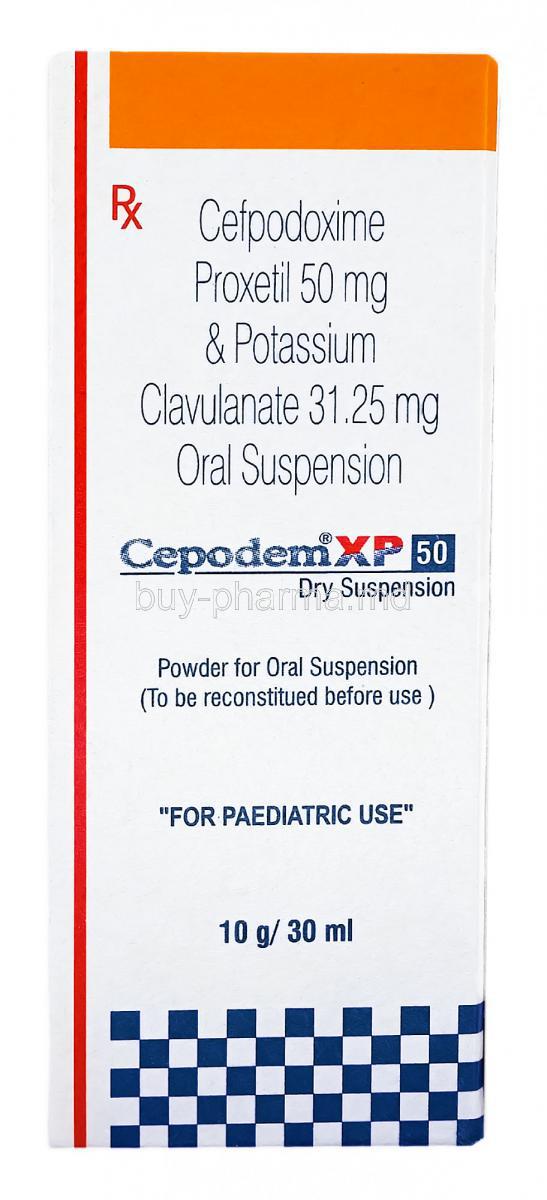
1. Introduction to Cepodem XP Dry Syrup
Cepodem XP Dry Syrup is a combination antibacterial formulation designed to treat a wide spectrum of bacterial infections. It is commonly prescribed in pediatric practice, although it may also be used in adults when an oral suspension is preferred. The preparation offers reliable antimicrobial activity with enhanced resistance protection.
Therapeutically, this medication belongs to the class of third-generation cephalosporin antibiotics combined with a beta-lactamase inhibitor. This dual-action approach improves effectiveness against bacteria that produce resistance enzymes.
This combination antibiotic is prescribed when infections are suspected or confirmed to be caused by susceptible organisms, particularly in cases such as:
- Respiratory tract infections
- Ear, nose, and throat infections
- Urinary tract infections
- Skin and soft tissue infections
Cepodem XP is a prescription-only medicine. Its use should always be guided by a qualified healthcare professional. Medical supervision ensures correct dosing, appropriate duration, and monitoring for potential adverse effects or therapeutic response.
2. Composition and Formulation Details
The formulation contains two active antimicrobial agents:
- Cefpodoxime Proxetil – a third-generation cephalosporin antibiotic
- Clavulanic Acid (Potassium Clavulanate) – a beta-lactamase inhibitor
Each component plays a distinct therapeutic role. Cefpodoxime eliminates bacteria by interfering with cell wall synthesis, while clavulanic acid protects the antibiotic from enzymatic degradation by resistant organisms.
After reconstitution with water, the suspension achieves a standardized strength suitable for accurate dosing. The dry syrup format offers several advantages:
- Ease of administration in children
- Improved palatability due to flavoring agents
- Flexible weight-based dosing
- Enhanced stability prior to reconstitution
Inactive ingredients typically include stabilizers, sweeteners, suspending agents, and flavoring compounds that improve taste and dosing uniformity.
Cepodem XP 325 vs azithromycin
Cepodem XP 325 (Cefpodoxime 200mg + Clavulanic Acid 125mg) and Azithromycin are different types of antibiotics used for various bacterial infections, but they are not interchangeable. Cepodem XP 325 is a cephalosporin+clavulanic acid combination that kills bacteria, while Azithromycin is a macrolide that stops bacterial growth.
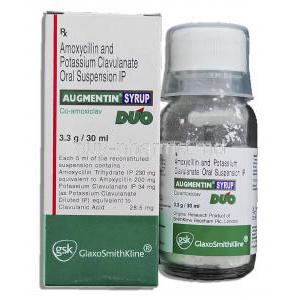
Cepodem xp 325 vs augmentin
Cepodem XP 325 (cefpodoxime + clavulanic acid) and Augmentin (amoxicillin + clavulanate) are both potent antibiotic combinations used for bacterial infections, including respiratory and urinary tract infections. Cepodem XP 325 is generally considered a strong alternative to Augmentin, offering similar efficacy for infections like otitis media.
3. How Cepodem XP Dry Syrup Works (Mechanism of Action)
Cefpodoxime proxetil is a prodrug. Once absorbed from the gastrointestinal tract, it is converted into its active form, cefpodoxime. The active compound exerts bactericidal activity by inhibiting bacterial cell wall synthesis, leading to structural instability and cell death.
However, many pathogenic bacteria produce beta-lactamase enzymes that deactivate cephalosporins. Clavulanic acid addresses this limitation by:
- Binding irreversibly to beta-lactamase enzymes
- Protecting cefpodoxime from enzymatic destruction
- Extending antimicrobial coverage to resistant strains
The combination demonstrates potent activity against a broad range of Gram-positive and Gram-negative organisms. Clinically, this translates into improved treatment success, particularly in recurrent or resistant infections.
4. Approved Medical Uses of Cepodem XP Dry Syrup
4.1 Respiratory Tract Infections
Cepodem XP is frequently prescribed for upper and lower respiratory infections caused by susceptible bacteria, including:
- Acute otitis media (middle ear infection)
- Acute bacterial sinusitis
- Pharyngitis and tonsillitis
- Acute bronchitis
- Community-acquired pneumonia
4.2 Urinary Tract Infections (UTIs)
The medication is effective in treating uncomplicated urinary infections, including pediatric UTIs. It helps eradicate common uropathogens and reduce recurrence when used appropriately.
4.3 Skin and Soft Tissue Infections
- Impetigo
- Cellulitis
- Infected wounds
- Localized abscesses
The bactericidal action helps control infection and promotes tissue healing.
4.4 Gastrointestinal and Enteric Infections
- Bacterial diarrhea
- Typhoid fever, when prescribed by a physician
Use in enteric infections should be guided by clinical evaluation and laboratory findings.
4.5 Dental and Oral Infections
- Dental abscess
- Periodontal infections
The combination is useful in managing oral infections associated with mixed bacterial flora.
5. Off-Label Uses of Cefpodoxime / Clavulanic Acid
In certain clinical situations, physicians may prescribe this combination beyond standard indications. Such use is based on microbiological sensitivity and clinical judgment.
- Treatment of infections caused by resistant organisms
- Pediatric lower respiratory infections unresponsive to first-line therapy
- Prophylaxis in selected high-risk exposure scenarios
- Adjunct therapy in bone and joint infections
- Post-surgical infection prevention or treatment
- Management of complicated skin infections under specialist supervision
Off-label use should always be medically supervised and supported by appropriate diagnostic evaluation.
6. Cefpodoxime Clavulanic Acid Dosage and Administration Guidelines
6.1 Cepodem Dose
Dosing is individualized based on body weight, infection severity, and patient age.
- Children: weight-based dosing at prescribed intervals
- Adults: standard dose where oral suspension is indicated
- Duration: typically 5–14 days depending on infection type
6.2 Preparation and Reconstitution Instructions
- Add the recommended amount of boiled and cooled water to the bottle
- Shake vigorously to ensure uniform suspension
- Allow the mixture to settle and shake again before each use
- Measure doses using a calibrated spoon or oral syringe
6.3 Administration Tips
- May be taken with food to enhance absorption and reduce gastric discomfort
- Complete the full prescribed course, even if symptoms improve early
- If a dose is missed, administer as soon as remembered unless it is close to the next scheduled dose
7. Storage and Shelf-Life Information
Proper storage preserves drug stability and therapeutic potency.
- Store the dry powder in a cool, dry place before reconstitution
- After preparation, keep the suspension refrigerated if recommended
- Use within the specified period (commonly 7–14 days)
- Protect from heat, moisture, and direct sunlight
- Discard any unused suspension after the expiration period
8. Drug Interactions and Food Interactions
8.1 Drug–Drug Interactions
- Antacids and H2 blockers may reduce cefpodoxime absorption
- Probenecid may increase antibiotic concentrations
- Concurrent antibiotics may alter antimicrobial effectiveness
- Oral anticoagulants may increase bleeding risk
- Nephrotoxic drugs require renal function monitoring
8.2 Food and Nutritional Interactions
Food enhances the absorption of cefpodoxime. Consistent administration timing improves therapeutic stability and clinical outcomes.
9. Side Effects of Cepodem XP Dry Syrup
9.1 Common Side Effects
- Diarrhea
- Nausea or vomiting
- Abdominal discomfort
- Mild skin rash
- Reduced appetite
9.2 Less Common Side Effects
- Headache
- Dizziness
- Temporary elevation of liver enzymes
9.3 Serious but Rare Side Effects
- Anaphylactic reactions
- Stevens–Johnson syndrome
- Antibiotic-associated colitis
- Hepatic dysfunction
- Blood count abnormalities such as leukopenia or thrombocytopenia
10. Warnings and Safety Information
- Inappropriate or prolonged use may promote antibiotic resistance
- Risk of Clostridioides difficile-associated diarrhea exists
- Patients with penicillin allergy may experience cross-reactivity
- Liver function monitoring is advised during extended therapy
- Renal impairment may require dose adjustment
11. Contraindications
- Known hypersensitivity to cephalosporins or clavulanic acid
- History of severe allergic reaction to beta-lactam antibiotics
- Previous cholestatic jaundice or hepatic dysfunction associated with similar medications
- Severe gastrointestinal disorders, particularly those involving antibiotic-associated colitis
12. Careful Administration and Important Precautions
Cepodem XP Dry Syrup should be administered with clinical prudence, particularly in patients with underlying medical conditions. Individualization of therapy is essential. Close observation may be required in vulnerable populations.
Renal Impairment
Cefpodoxime is primarily eliminated through the kidneys. In patients with reduced renal function, drug accumulation may occur. Dose adjustment or extended dosing intervals may be necessary to prevent toxicity.
- Assess baseline renal function in moderate to severe impairment
- Monitor for signs of accumulation such as gastrointestinal intolerance or neurological symptoms
- Adjust dosage according to creatinine clearance where applicable
Liver Disease Monitoring
Although hepatic metabolism is limited, clavulanic acid may occasionally affect liver function. Patients with pre-existing hepatic disorders should be monitored periodically, especially during prolonged therapy.
Avoid Unnecessary Prolonged Use
Excessive or inappropriate duration increases the risk of antimicrobial resistance and microbiological imbalance. Therapy should be limited to the shortest effective course based on clinical response.
History of Antibiotic-Associated Diarrhea
Patients with prior episodes of antibiotic-associated colitis or severe diarrhea require careful supervision. Early recognition of gastrointestinal complications is critical.
Risk of Superinfection
Extended antibiotic exposure may suppress normal flora and permit opportunistic organisms to proliferate. Possible complications include:
- Fungal overgrowth
- Secondary bacterial infections
- Clostridioides difficile-associated colitis
13. Administration in Special Populations
13.1 Administration to Children
The dry syrup formulation is specifically designed for pediatric use. When administered appropriately, it demonstrates a favorable safety and efficacy profile.
- Dosing should be calculated based on body weight
- Use calibrated measuring devices to ensure precision
- Avoid estimation using household spoons
Accurate dosing is critical. Both underdosing and overdosing may compromise treatment outcomes or increase adverse effects.
13.2 Administration to Elderly Patients
Elderly individuals may exhibit altered pharmacokinetics due to age-related physiological changes. Renal function assessment is recommended prior to initiation.
- Evaluate kidney function before prescribing
- Monitor for increased sensitivity to gastrointestinal or neurological side effects
- Adjust dosage if renal clearance is reduced
Careful monitoring enhances tolerability and minimizes complications.
13.3 Use During Pregnancy
Available clinical data suggest a relatively low risk when used during pregnancy. However, antibiotic exposure should always be judicious.
- Use only when clearly indicated
- Prescribe under medical supervision
- Consider the benefit–risk balance for both mother and fetus
13.4 Use During Breastfeeding
Small quantities of cefpodoxime and clavulanic acid may be excreted into breast milk. Although generally well tolerated, infant monitoring is advisable.
- Observe for diarrhea or loose stools
- Watch for skin rash or signs of hypersensitivity
- Consult a healthcare provider if unusual symptoms occur
14. Overdosage and Emergency Management
Accidental or excessive ingestion may result in amplified adverse effects. Prompt medical evaluation is recommended in suspected overdose cases.
Symptoms of Overdose
- Severe nausea or vomiting
- Abdominal pain or persistent diarrhea
- Dizziness or confusion
- Rarely, seizures in severe cases
Immediate Management
- Discontinue the medication
- Seek medical attention without delay
- Provide information regarding the quantity ingested
Supportive Treatment
Management is primarily symptomatic and supportive. Adequate hydration and monitoring of vital parameters are essential. In patients with renal impairment, additional observation may be necessary.
Medical supervision ensures early detection of complications and appropriate intervention.
15. Handling and Safety Precautions
Proper handling preserves drug stability and ensures safe administration, particularly in pediatric settings.
- Use an oral syringe or calibrated measuring cup for accurate dosing
- Shake the suspension well before each use to maintain uniformity
- Prepare the suspension using clean, potable water only
Hygiene Considerations
- Avoid touching the bottle opening or measuring device unnecessarily
- Close the bottle tightly after each use
- Prevent contamination from external sources
Store the medication securely. Keep it out of the reach and sight of children. During transport, maintain appropriate temperature conditions to preserve efficacy.
16. Duration of Therapy and Treatment Compliance
Adherence to the prescribed treatment course is essential for complete eradication of infection. Partial treatment may lead to relapse or resistance.
- Complete the full course even if symptoms improve early
- Do not discontinue therapy without medical advice
- Administer doses at regular intervals for consistent drug levels
Risks of Early Discontinuation
- Incomplete bacterial eradication
- Recurrence of infection
- Development of resistant strains
For pediatric patients, caregivers should establish a dosing routine. Follow-up consultations may be required to assess clinical improvement.
17. When to Seek Medical Advice
Although most infections respond promptly, certain situations warrant immediate medical evaluation.
- No improvement within the expected timeframe
- Progressive worsening of symptoms
- High or persistent fever
- New or unusual symptoms during treatment
Signs of Allergic Reaction
- Skin rash, itching, or hives
- Swelling of the face or throat
- Difficulty breathing
Severe Gastrointestinal Symptoms
- Persistent or bloody diarrhea
- Severe abdominal pain
- Signs of dehydration
Early medical consultation helps prevent complications and ensures safe continuation or modification of therapy.
Cepodem XP Dry Syrup, Cefpodoxime/ Clavulanic Acid FAQ
- What is Cepodem XP syrup used for?
- Is Cepodem good for dry cough?
- Is Cepodem safe for kids?
- Is Cepodem a strong antibiotic?
- How many days to take Cepodem?
- What are the side effects of Cepodem Syrup?
- Is Cepodem XP a steroid?
- Is cepodem stronger than amoxicillin?
- Does Cepodem make you sleepy?
- Which is better, Cepodem or Azithromycin?
- What is Cepodem XP used for in babies?
- How fast does Cepodem work?
- Is Cepodem a good antibiotic?
- What is cefpodoxime and clavulanic acid used for?
- What to avoid while taking cefpodoxime?
- What are the benefits of clavulanic acid?
What is Cepodem XP syrup used for?
Cepodem XP Dry Syrup is used to treat bacterial infections such as pharyngitis/tonsillitis (throat infections), otitis media (ear infections), sinusitis (infection of the sinuses).
Is Cepodem good for dry cough?
No
Is Cepodem safe for kids?
Yes
Is Cepodem a strong antibiotic?
No
How many days to take Cepodem?
5-14 days
What are the side effects of Cepodem Syrup?
- Stomachache
- Headache
- Nausea
- Vomiting
Is Cepodem XP a steroid?
No
Is cepodem stronger than amoxicillin?
No
Does Cepodem make you sleepy?
Yes
Which is better, Cepodem or Azithromycin?
Azithromycin
What is Cepodem XP used for in babies?
It is used to treat bacterial infections of the ear, throat, lungs, skin and urinary tract.
How fast does Cepodem work?
Few days
Is Cepodem a good antibiotic?
Yes
What is cefpodoxime and clavulanic acid used for?
It is used to treat a range of baterial infections such as gonorrhea, UTI, sinus infections and throat infections.
What to avoid while taking cefpodoxime?
- Antacids
- Probenecid
What are the benefits of clavulanic acid?
It is used to treat beta-lactamase bacteria.
Popular Products

Similar Product