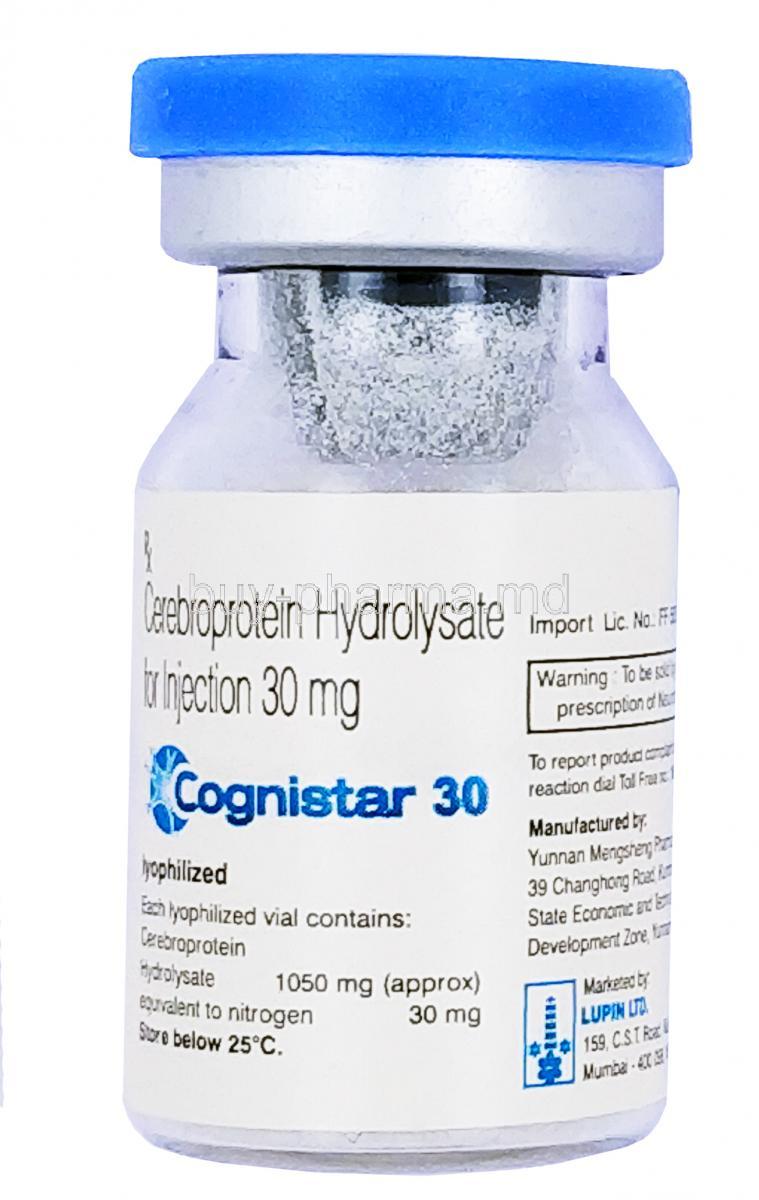
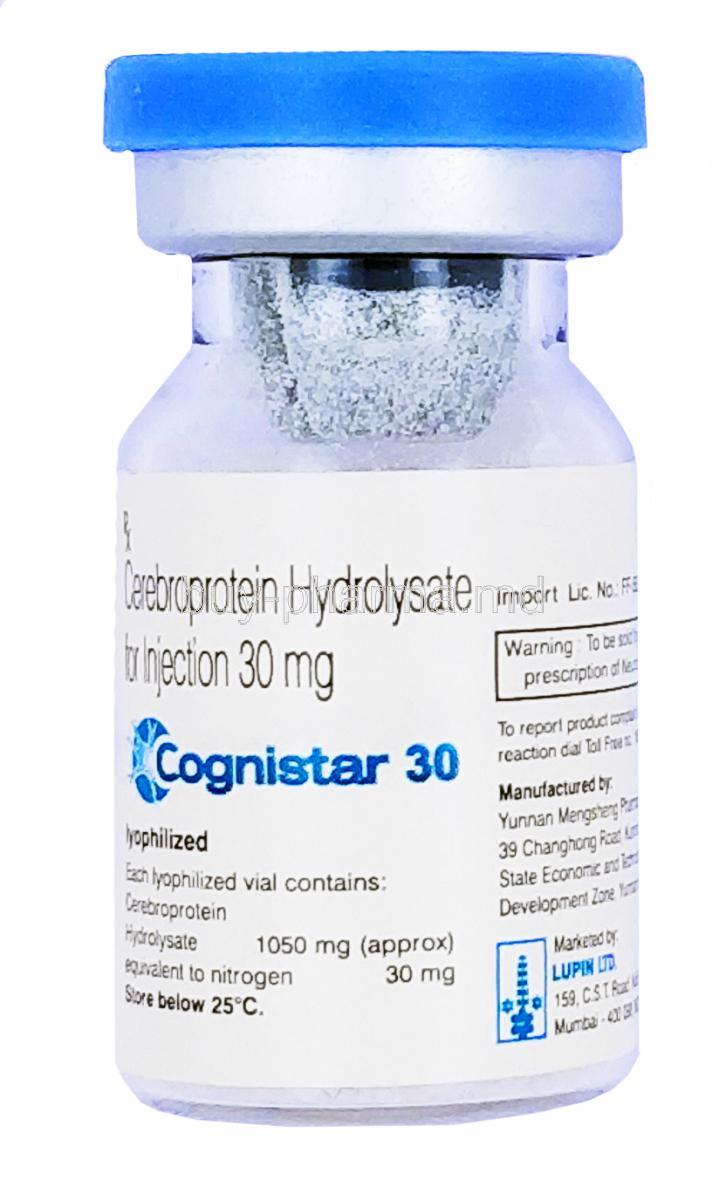
1. Introduction to Cerebroprotein Injection
Overview of Cerebroprotein Injection
Cerebroprotein Injection is a parenteral neurotrophic preparation used in the management of various neurological and neurodegenerative conditions. It contains a complex mixture of biologically active peptides designed to mimic endogenous neurotrophic factors. These low-molecular-weight peptides readily cross the blood–brain barrier and exert direct effects on neuronal tissue.
Therapeutic Classification and Pharmacological Category
Pharmacologically, Cerebroprotein Injection is classified as a neuroprotective and neurometabolic agent. It does not act as a conventional neurotransmitter agonist or antagonist. Instead, it modulates neuronal viability, synaptic efficiency, and cerebral metabolic processes through multimodal biological pathways.
Historical Background and Clinical Development
The clinical use of peptide-based neurotrophic therapies emerged from research into endogenous brain-derived growth factors. Cerebroprotein Injection was developed to harness these properties in a stable injectable form, allowing controlled delivery in acute and chronic neurological settings. Over time, its application expanded from stroke rehabilitation to broader neurocognitive disorders.
Rationale for Use in Neurological and Neurodegenerative Disorders
Neurological disorders often share common pathophysiological features:
- Neuronal loss or dysfunction
- Impaired synaptic plasticity
- Oxidative stress and metabolic imbalance
Cerebroprotein Injection addresses these mechanisms simultaneously, supporting neuronal resilience and functional recovery rather than merely alleviating symptoms.
2. Composition and Pharmaceutical Characteristics
Active Ingredient: Cerebroprotein Hydrolysate (Peptide Complex)
The active component is a purified cerebroprotein hydrolysate composed of short-chain peptides and free amino acids. These peptides exhibit biological activity similar to naturally occurring neurotrophic factors.
Source and Biological Origin of Neuropeptides
The peptide fractions are derived from biological protein sources subjected to controlled enzymatic hydrolysis. This process yields structurally diverse peptides capable of interacting with neuronal receptors and intracellular signaling pathways.
Molecular Weight Profile and Neurotrophic Components
The majority of peptides have a low molecular weight, facilitating rapid tissue penetration. Functionally, they include:
- Neurotrophic peptides
- Neuroprotective amino acid sequences
- Metabolic modulators
Available Dosage Strengths and Formulations
Cerebroprotein Injection is supplied as a sterile aqueous solution in ampoules or vials, available in multiple dosage strengths to accommodate varying clinical requirements.
Excipients and Formulation Considerations
Excipients are selected to maintain peptide stability and isotonicity. The formulation is free from preservatives that may interfere with neurological tolerance.
3. Mechanism of Action: How Cerebroprotein Injection Works
Neurotrophic and Neuroprotective Effects
Cerebroprotein Injection promotes neuronal growth and differentiation while protecting existing neurons from degenerative stimuli. These effects are particularly relevant in ischemic and traumatic brain injury.
Enhancement of Neuronal Survival and Plasticity
By activating intracellular survival pathways, the preparation enhances neuronal adaptability. Synaptic remodeling and dendritic growth are supported, contributing to functional recovery.
Modulation of Synaptic Transmission
The peptide complex influences synaptic efficiency by stabilizing neurotransmitter release and receptor responsiveness. This contributes to improved cognitive processing and signal integration.
Anti-Apoptotic and Antioxidant Mechanisms
Cerebroprotein Injection inhibits apoptosis-related cascades while reducing oxidative stress. These dual actions help preserve neuronal integrity under pathological conditions.
Effects on Cerebral Metabolism and Neuroregeneration
Cerebral glucose utilization and oxygen metabolism are enhanced. In parallel, regenerative processes within neural networks are stimulated, facilitating long-term neurological improvement.
4. Therapeutic Uses of Cerebroprotein Injection
4.1 Approved and Common Clinical Uses
Acute Ischemic Stroke Recovery
Used to support neuronal survival and functional recovery during the post-ischemic phase.
Traumatic Brain Injury (TBI)
Aids in reducing secondary neuronal damage and supports cognitive rehabilitation.
Vascular Dementia
Improves cerebral metabolism and cognitive performance in vascular-related cognitive decline.
Alzheimer’s Disease and Other Dementias
Utilized as supportive therapy to slow functional deterioration and enhance cognitive stability.
Cognitive Impairment Associated with Neurological Disorders
Addresses attention deficits, memory disturbances, and executive dysfunction.
4.2 Expanded and Adjunctive Clinical Applications
- Post-stroke cognitive rehabilitation
- Neurodevelopmental disorders
- Peripheral neuropathies
- Neurorehabilitation following neurosurgery
5. Off-Label Uses of Cerebroprotein Injection
Beyond established indications, Cerebroprotein Injection is explored in several off-label contexts:
- Parkinson’s disease as adjunctive therapy
- Amyotrophic lateral sclerosis (ALS)
- Multiple sclerosis as supportive treatment
- Autism spectrum disorders (investigational)
- Mild cognitive impairment (MCI)
- Age-related cognitive decline
- Depression with neurological involvement
6. Dosage and Administration Guidelines
Standard Adult Dosing Regimens
Dosage is individualized based on disease severity and treatment objectives. Administration is typically performed once daily or in defined cycles.
Acute Versus Chronic Treatment Protocols
Acute neurological conditions may require higher initial doses, whereas chronic disorders are managed with maintenance or cyclic regimens.
Intravenous Infusion Versus Intramuscular Injection
Both routes are utilized:
- Intravenous infusion for rapid systemic distribution
- Intramuscular injection for gradual absorption
Duration of Therapy and Treatment Cycles
Treatment duration may range from several days to multiple weeks, with repeat cycles administered based on clinical response.
Dose Adjustment Considerations Based on Clinical Response
Clinical improvement, tolerability, and neurological status guide dose adjustments throughout therapy.
7. Administration in Special Populations
7.1 Administration to Elderly Patients
Age-related pharmacodynamic changes may influence response. Cerebroprotein Injection is generally well tolerated, but careful monitoring of cognitive and functional outcomes is advised.
7.2 Administration to Pregnant Women and Nursing Mothers
Clinical data in pregnancy and lactation are limited. Use requires a thorough risk–benefit assessment, and administration is typically avoided unless clearly indicated.
7.3 Administration to Children and Adolescents
Pediatric use is considered in select neurodevelopmental disorders. Dosing is adjusted according to age and body weight, with close clinical monitoring.
8. Side Effects and Safety Profile
8.1 Common Side Effects
- Injection site reactions
- Headache
- Dizziness
- Nausea or gastrointestinal discomfort
- Transient fever or flushing
8.2 Less Common and Rare Adverse Effects
- Hypersensitivity reactions
- Agitation or restlessness
- Sleep disturbances
- Cardiovascular reactions
- Transient exacerbation of neurological symptoms
9. Drug Interactions
Cerebroprotein Injection exhibits a low potential for pharmacokinetic interactions. Nevertheless, clinical considerations include:
- Concurrent use with psychotropic medications
- Combination with other neuroprotective agents
- Use alongside anticoagulants or antiplatelet drugs
Careful observation is recommended during combination therapy to ensure optimal safety and therapeutic efficacy.
10. Warnings and Safety Information
Risk of Hypersensitivity Reactions
Cerebroprotein Injection may provoke hypersensitivity reactions in susceptible individuals. Although uncommon, these reactions can manifest abruptly and vary in severity. Clinical vigilance is required, particularly during initial administration.
- Cutaneous reactions such as rash or pruritus
- Transient flushing or warmth
- Rare systemic allergic responses
Immediate discontinuation is advised if signs of hypersensitivity occur.
Use in Patients with Seizure Disorders
Due to its neuroactive properties, Cerebroprotein Injection should be administered cautiously in patients with a history of epilepsy or seizure disorders. Neurostimulatory effects may lower the seizure threshold in predisposed individuals.
- Avoid use during active seizure episodes
- Ensure adequate anticonvulsant control
- Monitor neurological status closely
Considerations in Severe Renal or Hepatic Impairment
Although cerebroprotein peptides are primarily metabolized at the tissue level, patients with significant renal or hepatic dysfunction may exhibit altered metabolic handling. Conservative dosing and enhanced monitoring are recommended in such populations.
Monitoring During High-Dose or Prolonged Therapy
Extended treatment courses or higher-dose regimens necessitate structured clinical monitoring. Periodic evaluation of neurological status, cognitive function, and overall tolerability is essential to ensure continued therapeutic benefit and safety.
11. Contraindications
Known Hypersensitivity to Cerebroprotein or Formulation Components
Cerebroprotein Injection is contraindicated in patients with a documented history of hypersensitivity to the active peptide complex or any excipient contained in the formulation.
Status Epilepticus or Uncontrolled Seizures
Administration is contraindicated in patients experiencing status epilepticus or poorly controlled seizure disorders, as neurostimulatory effects may exacerbate neuronal excitability.
Severe Allergic Conditions
Patients with a history of severe allergic diathesis or anaphylactic reactions should not receive Cerebroprotein Injection due to the potential for immune-mediated adverse responses.
Situations Where Neurostimulatory Effects Are Contraindicated
Conditions characterized by excessive neuronal activation or instability represent a contraindication. In such scenarios, alternative therapeutic strategies should be considered.
12. Careful Administration and Important Precautions
Pre-Treatment Clinical Assessment
A comprehensive clinical evaluation should precede initiation of therapy. This includes neurological examination, review of comorbidities, and assessment of concomitant medications.
Slow Infusion Rate Recommendations
When administered intravenously, a slow and controlled infusion rate is recommended. Gradual administration minimizes the risk of transient adverse reactions and improves tolerability.
Avoidance of Mixing with Incompatible Solutions
Cerebroprotein Injection should not be mixed with other medicinal products or solutions unless compatibility has been clearly established. Incompatible admixtures may compromise peptide stability.
Clinical Monitoring During Administration
Continuous observation during administration is advised, particularly during the initial doses. Monitoring should focus on neurological response, cardiovascular stability, and signs of intolerance.
Risk–Benefit Evaluation in Critically Ill Patients
In critically ill patients, therapy should be guided by a meticulous risk–benefit assessment. Potential neurological benefits must be weighed against systemic vulnerability and overall prognosis.
13. Overdosage Information
Likelihood and Clinical Relevance of Overdose
Overdose with Cerebroprotein Injection is considered unlikely due to its peptide-based composition and clinical dosing protocols. However, excessive exposure may amplify pharmacodynamic effects.
Expected Symptoms of Excessive Exposure
- Heightened neurological stimulation
- Agitation or restlessness
- Headache or dizziness
- Transient autonomic symptoms
Supportive and Symptomatic Management
There is no specific antidote. Management consists of supportive care tailored to presenting symptoms, with particular attention to neurological and cardiovascular stability.
Role of Medical Supervision and Monitoring
Medical supervision is essential in suspected overdose scenarios. Continuous monitoring ensures early detection of complications and facilitates appropriate intervention.
14. Storage and Stability
Recommended Storage Temperature
Cerebroprotein Injection should be stored according to manufacturer specifications, typically at controlled room temperature. Exposure to extreme heat should be avoided.
Protection from Light and Freezing
The solution should be protected from direct light and must not be frozen, as temperature extremes may compromise peptide integrity.
Shelf-Life Considerations
The product should be used within its labeled shelf life. Expired preparations may exhibit reduced efficacy or altered stability.
Stability After Dilution or Opening
Once opened or diluted, the solution should be used promptly. Prolonged storage after preparation is not recommended unless stability data explicitly support it.
15. Handling Precautions
Aseptic Handling Requirements
Strict aseptic technique is mandatory during preparation and administration to prevent microbial contamination.
Proper Preparation for Injection or Infusion
Preparation should be performed by trained healthcare professionals, ensuring accurate dosing and appropriate dilution where required.
Disposal of Unused or Expired Product
Unused or expired Cerebroprotein Injection should be disposed of in accordance with local regulations for pharmaceutical waste.
Safety Precautions for Healthcare Professionals
Healthcare personnel should employ standard safety measures, including the use of protective equipment, to minimize occupational exposure and ensure safe handling.
Cerebroprotein Injection FAQ
Customers also bought



Popular Products

Similar Product