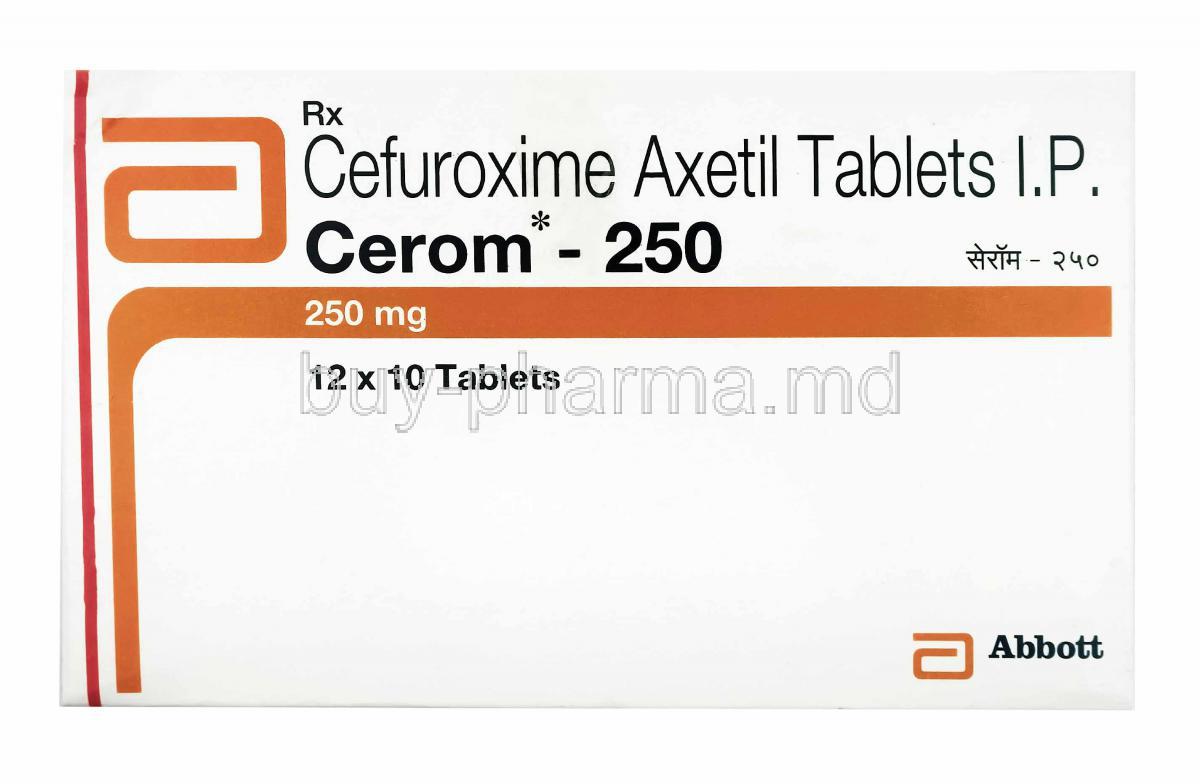
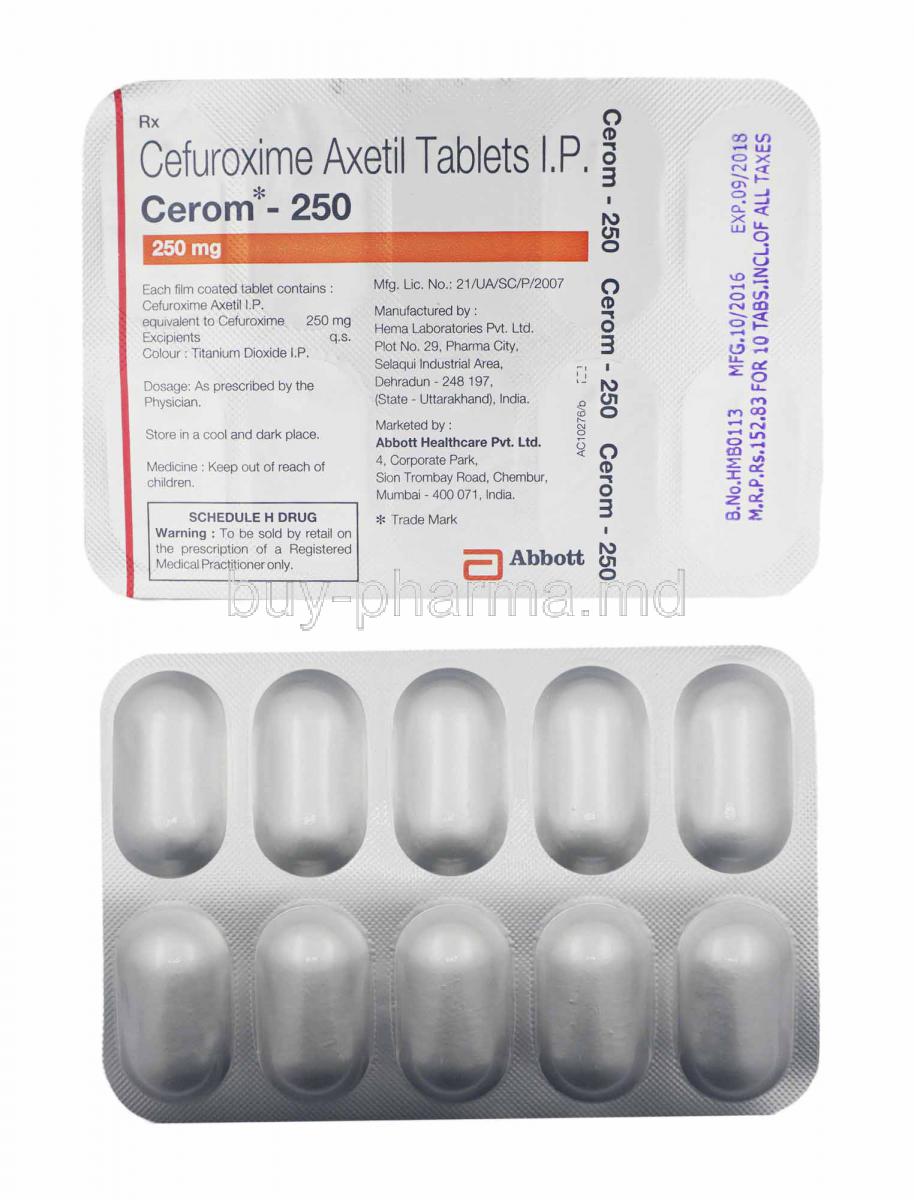
Cerom, Cefuroxime
- Introduction to Cerom, Cefuroxime
- Composition and Pharmaceutical Profile
- How Cerom, Cefuroxime Works
- Uses of Cerom, Cefuroxime
- Off-Label Uses of Cerom, Cefuroxime
- Dosage and Administration
- Administration in Special Populations
- Administration to Elderly Patients
- Dose considerations in age-related renal impairment
- Monitoring requirements
- Administration to Pregnant Women
- Pregnancy safety profile
- Risk benefit assessment
- Administration to Nursing Mothers
- Excretion into breast milk
- Potential effects on breastfed infants
- Administration to Children
- Age-appropriate formulations
- Weight-based dosing accuracy
- Cefuroxime Side Effects
- Other Possible Side Effects
- Cefuroxime Interactions
- Contraindications
- Warnings and Safety Information
- Careful Administration and Monitoring
- Important Precautions
- Overdosage
- Storage and Stability
- Handling Precautions
Introduction to Cerom, Cefuroxime
Overview of Cerom as a second-generation cephalosporin antibiotic
Cerom is a specific brand of Cefuroxime, a second-generation cephalosporin antibiotic. In the spectrum of available treatments, it occupies a "middle ground"—it offers broader coverage than first-generation drugs but is less potent against complex pathogens than newer, later-generation options.
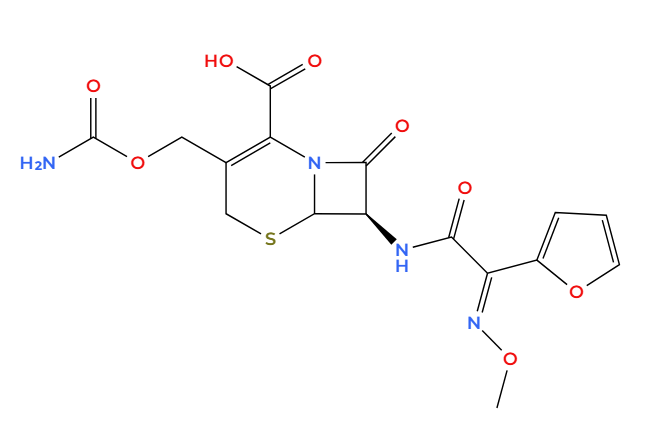
In clinical settings, Cefuroxime is a go-to choice for treating community-acquired infections, particularly when a practitioner needs a beta-lactam that covers a wider range of organisms than basic antibiotics.
Clinical Utility and Advantages
Practitioners often rely on this medication due to its consistent performance in three key areas:
- Reliable Efficacy: It provides a predictable bactericidal (bacteria-killing) action, provided the specific strain is susceptible.
- Versatile Administration: Because it is available in both injectable (parenteral) and oral forms, it is ideal for "step-down therapy," allowing a patient to transition from hospital-based IV treatment to at-home tablets easily.
- Broad Applications: It has a well-established track record for treating infections of the respiratory tract, skin and soft tissues, and urinary system.
Classification and therapeutic role of Cefuroxime
Cefuroxime is a second-generation cephalosporin within the beta-lactam family. Its "second-generation" status signifies a strategic balance: it maintains effective coverage against gram-positive bacteria while offering enhanced activity against certain pathogens compared to its first-generation predecessors. This dual-action profile makes it an excellent choice for empirical treatment—situations where a doctor must act before a precise bacterial diagnosis is confirmed or when a mixed infection is suspected.
Practical Application
While Cefuroxime is a highly versatile "workhorse" in clinical practice, it is not a universal fix and cannot overcome all forms of bacterial resistance. In practice, its use is typically guided by three core strategies:
- Localized Targeting: Selecting the drug based on known local resistance patterns to ensure the specific bacteria remain susceptible.
- Antibiotic Stewardship: Balancing the need for broad coverage with the responsibility to avoid over-prescribing overly potent, later-generation drugs.
- Treatment Transitions: Utilizing its various forms to support structured pathways, such as starting a patient on an initial injection and transitioning them to oral medication as they recover.
Brand and generic positioning in clinical practice
While Cerom is a specific brand name, Cefuroxime is the generic active ingredient produced by various manufacturers globally. In a clinical setting, the choice between the brand-name and the generic version often shifts away from complex pharmacology toward practical logistics: cost, insurance coverage, pharmacy availability, and whether the patient can comfortably swallow a tablet or prefers a liquid suspension.
Formulation and Delivery
From a therapeutic perspective, the brand label is less important than the appropriateness of the dose and delivery method. Regardless of the name on the box, the active medicinal component remains the same. The goal is to ensure the drug reaches the infection effectively, which requires a focus on:
- Clinical Alignment: Selecting a formulation that matches the severity of the illness and the care setting (e.g., IV for hospitalized patients vs. oral for outpatients).

- Patient Compliance: Evaluating "adherence feasibility" by considering how often the dose must be taken, the size of the pills, and the taste of the liquid versions.
- Stewardship: Ensuring the choice aligns with broader medical guidelines to preserve antibiotic effectiveness.
Composition and Pharmaceutical Profile
Active ingredient: Cefuroxime (as Cefuroxime Axetil or Cefuroxime Sodium)
Cefuroxime exists in two distinct chemical forms: Cefuroxime Axetil and Cefuroxime Sodium. While they share the same active ingredient, they serve different clinical purposes based on how they enter the body. Cefuroxime Axetil is a "prodrug" specifically designed to be absorbed through the digestive tract, whereas Cefuroxime Sodium is a salt formulated for direct injection.
Key Differences in Administration
The choice between these two forms depends on the required speed of action and the patient's setting:
- Cefuroxime Axetil (Oral): This form is used for tablets or liquid suspensions. It is primarily chosen for convenience and maintaining recovery outside of a hospital environment.
- Cefuroxime Sodium (Injectable): This form is administered intravenously (IV) or intramuscularly (IM). It is used when healthcare providers need to ensure the drug reaches specific levels in the bloodstream quickly and reliably.
Available formulations (tablets, suspension, injection)
The variety of available formulations for Cerom/Cefuroxime allows clinicians to tailor treatment to a patient’s specific age, physical capabilities, and the severity of their illness. While some patients benefit from the simple dosing of oral medications, those who are critically ill or unable to tolerate oral intake require injectable administration to ensure the drug reaches therapeutic levels reliably.
Formulation Categories and Clinical Use
- Tablets: These offer a convenient option for adults and older children who can easily swallow pills. They are the standard choice for stable, outpatient care.
- Oral Suspension (Liquid): This is the preferred form when precise, weight-based dosing is required (common in pediatrics) or when patients have difficulty swallowing solid tablets.
- Injection (Parenteral): Reserved for hospital settings or severe cases where the medication must be delivered directly into the bloodstream or muscle to ensure immediate and total exposure.
The Importance of "Pharmacotechnical" Choice
The selection of a specific formulation is a clinical decision rather than a matter of preference. The delivery method directly impacts absorption kinetics (how quickly the drug enters the system) and adherence feasibility (how easily the patient can follow the schedule). Choosing the correct form ensures the patient receives a steady, effective dose rather than inconsistent levels that could lead to treatment failure.
Pharmacological class and chemical characteristics
Cefuroxime is a member of the cephalosporin family, characterized by a core beta-lactam ring that serves as its primary functional mechanism. Its specific chemical structure provides a degree of protection against beta-lactamases (enzymes produced by bacteria to resist antibiotics), allowing it to target a broader range of pathogens than earlier-generation cephalosporins.
Pharmacological Profile
The efficacy of Cefuroxime is defined by three key technical attributes:
- Mechanism of Action: It is bactericidal, meaning it actively kills bacteria by inhibiting the synthesis of their cell walls.
- Time-Dependent Dynamics: As with most beta-lactams, its effectiveness depends on the amount of time the drug concentration remains above the minimum level needed to inhibit the bacteria.
- Variable Pharmacokinetics: Its movement through the body changes based on whether it is administered as an oral prodrug (Axetil) or an injectable salt (Sodium).

Clinical Precision and Stewardship
While Cefuroxime’s versatile profile makes it highly useful, it requires a precise approach to prescribing. Selection should not be based on routine habit; instead, it should be informed by the likely pathogens involved, available culture data, and local resistance patterns to ensure the antibiotic remains an effective tool.
How Cerom, Cefuroxime Works
Mechanism of action on bacterial cell wall synthesis
Cefuroxime functions by fundamentally disrupting the structural integrity of a bacterium. It targets and binds to penicillin-binding proteins (PBPs), which are the essential enzymes responsible for knitting together peptidoglycan strands to form a solid cell wall. Without these cross-links, the wall becomes critically weak, causing the internal pressure of the cell to overwhelm its defenses until the bacterium eventually ruptures.
The Mechanism of Action
The progression from administration to bacterial clearance follows a clear, lethal sequence:
- Enzyme Inhibition: The drug binds to PBPs, halting their function.
- Structural Interruption: The assembly of the peptidoglycan framework is stopped.
- Wall Fragility: The cell loses its structural stability.
- Lysis: The bacterium bursts, resulting in a bactericidal (killing) effect.
Architectural Sabotage
Unlike other antibiotics that interfere with internal processes like protein production or DNA replication, Cefuroxime performs a form of architectural sabotage. It methodically destroys the physical "bricks and mortar" of the cell, making it a highly effective and lethal agent against susceptible organisms.
Bactericidal activity against gram-positive and gram-negative organisms
Cefuroxime is effective against a variety of Gram-negative bacteria. However, its specific success depends heavily on the resistance patterns found within a particular community or hospital setting. As a second-generation antibiotic, it is particularly valuable for treating infections caused by common respiratory pathogens, while still maintaining reliable activity against several Gram-positive organisms.
Clinical Reasoning and Spectrum of Activity
When evaluating Cefuroxime for a patient, its utility is generally framed by these three factors:
- Gram-Positive Coverage: It provides significant efficacy against specific susceptible strains.
- Gram-Negative Coverage: It offers a broader reach than first-generation cephalosporins, though certain resistant exceptions exist.
- Clinical Alignment: It is most successful when its use is backed by laboratory susceptibility data or a high epidemiological probability that the target bacteria will respond.
The Importance of Discipline
It is vital to remember that "broad-spectrum" is not a synonym for "universal." A disciplined prescribing approach ensures that Cefuroxime is not used against organisms known for resistance, nor in cases where a more specialized antibiotic would provide better, pathogen-directed results.
Resistance considerations and beta-lactamase stability
Resistance remains a constant challenge in beta-lactam therapy. Bacteria primarily bypass these antibiotics by producing beta-lactamases—enzymes designed to dismantle the drug—or by altering their penicillin-binding proteins (PBPs) to prevent the antibiotic from attaching effectively. Additionally, some bacteria utilize "efflux pumps" or changes in membrane permeability to physically exclude the drug from the cell. While Cefuroxime is engineered for greater stability against beta-lactamases than its predecessors, this protection is not absolute and varies significantly across different organisms.
Practical Resistance Considerations
Effective clinical use of Cefuroxime requires an understanding of these defensive mechanisms:
- Beta-lactamase Diversity: The specific types of enzymes produced by local bacteria dictate the success or failure of the treatment.
- PBP Alterations: Changes in the target binding sites can blunt the drug's effectiveness, even if the drug remains structurally intact.
- Local Variability: Susceptibility patterns are not universal; they fluctuate based on geographical region and the specific healthcare facility.
Evidence-Based Selection
To ensure the best patient outcomes, the choice to use Cefuroxime should be anchored in microbiological evidence and updated antibiograms. Relying on data-driven selection helps preserve the drug's utility and ensures that therapy is appropriately matched to the pathogen's actual resistance profile.
Uses of Cerom, Cefuroxime
Treatment of upper respiratory tract infections
Cerom is a specific brand of Cefuroxime, which is prescribed for infections confirmed or suspected to be bacterial in origin. It is particularly effective for treating conditions like pharyngitis, tonsillitis, and sinusitis caused by susceptible pathogens. Because Cerom offers a balanced spectrum of activity, it allows for the effective targeting of the infection while minimizing unnecessary disruption to the body's healthy bacteria—a key component of responsible prescribing.

Key Clinical Advantages
The practical utility of this medication is supported by several strategic benefits:
- Respiratory Efficacy: It provides consistent and reliable action against a wide range of common respiratory pathogens.
- Outpatient Convenience: The availability of oral formulations makes it an ideal choice for patients being treated at home.
- Targeted Penetration: It offers predictable absorption into inflamed mucosal tissues, ensuring the drug reaches the site of the infection in effective concentrations.
Treatment of lower respiratory tract infections
For lower respiratory tract infections—including bronchitis and certain types of community-acquired pneumonia—Cefuroxime is a highly effective treatment option, provided the underlying bacteria are susceptible. Its clinical value lies in its ability to maintain lethal concentrations within lung tissue, reaching pathogens even when they are embedded deep within inflamed alveoli and bronchi.
Strategic Clinical Use
Practitioners frequently select this agent when a potent cephalosporin is required, particularly in cases where they anticipate a multi-stage recovery. The versatility of Cefuroxime facilitates:
- Seamless Care Transitions: It allows for an easy shift from intravenous injections to oral tablets as the patient’s condition stabilizes.
- Pharmacological Consistency: It maintains steady drug levels in both the bloodstream and affected tissues throughout the treatment course.
- Efficiency in Recovery: By enabling a transition to at-home oral therapy, it reduces the necessity for extended hospital stays.
Skin and soft tissue infections
Cefuroxime to treat skin and soft tissue infections, such as cellulitis and infected wounds, provided the target bacteria are susceptible. These infections typically arise when a breach in the skin barrier allows pathogens to invade deeper tissues. Cefuroxime is effective here because it actively eliminates the bacteria while supporting the body’s natural healing processes.
Key Advantages for Skin and Soft Tissue Infections
In this specific clinical context, Cefuroxime offers several strategic benefits:
- Effective Tissue Distribution: The medication achieves excellent concentration levels in both the dermal and subcutaneous layers of the skin.
- Targeted Coverage: It provides strong activity against the common Gram-positive bacteria typically found in skin flora.
- Care Flexibility: Its versatility makes it a reliable choice for both hospital-based inpatient treatment and at-home outpatient recovery.
Cefuroxime for UTI
Cefuroxime is a frequent choice for urinary tract infections (UTIs) when laboratory results or local epidemiological trends confirm that the bacteria remain susceptible. Because the kidneys excrete Cefuroxime in its active form, the drug reaches high concentrations within the urinary tract, making it a potent tool for fighting infection. This natural processing by the body allows clinicians to effectively treat bladder infections and, in specific instances, infections of the upper urinary system.
Clinical Support for UTI Treatment
The role of Cefuroxime in treating UTIs is backed by several key factors:
- Superior Concentration: Both oral and injectable forms result in high drug levels directly within the urine.
- Pathogen Coverage: It is effective against many of the most common "uropathogens" (bacteria that cause UTIs).
- Proven Track Record: It maintains a well-documented history of safety and efficacy in these cases.
Ear, nose, and throat infections
Infections of the ear, nose, and throat (ENT) often involve a complex variety of bacteria that respond effectively to second-generation cephalosporins. Cefuroxime is used to treat conditions such as otitis media (middle ear infections), acute bacterial sinusitis, and various throat infections. Its primary advantage is its ability to penetrate mucosal tissues and reach pathogens in localized, hard-to-treat areas.
Advantages in ENT Therapy
The use of Cefuroxime in ENT settings is supported by several practical benefits:
- Broad Respiratory Coverage: It effectively targets the most common pathogens associated with breathing and ENT tract infections.
- Patient Adherence: The convenient dosing schedule makes it much easier for patients to complete their full course of treatment, which is vital for preventing recurrence.
- Widespread Trust: Its long history of use provides a high level of clinical familiarity among both primary care physicians and ENT specialists.
Bone and joint infections
Treating bone and joint infections is a significant clinical challenge due to limited blood flow in these areas and the tendency for bacteria to form protective biofilms. While these infections are less common, they are notoriously difficult to resolve. Cefuroxime is a key component of a comprehensive antimicrobial strategy when susceptibility testing confirms the target bacteria will respond.
Role in Orthopedic Infections
The decision to integrate Cefuroxime into a complex treatment plan is guided by several critical factors:
- Tissue Penetration: It is capable of achieving measurable, effective concentrations within bone and synovial (joint) fluid.
-fluid.jpg)
- Treatment Longevity: Its various forms make it highly compatible with the long-term treatment cycles required for these infections, particularly when transitioning from hospital IVs to at-home oral medication (step-down therapy).
- Reliable Killing Power: It provides predictable bactericidal activity against the specific pathogens it is designed to target.
Sexually transmitted infections caused by susceptible bacteria
Cefuroxime is an effective option for treating specific sexually transmitted infections (STIs) caused by susceptible bacteria, provided its use aligns with professional clinical judgment. Because the drug distributes thoroughly throughout the body, it effectively reaches infection sites within the reproductive and urinary tracts.
Clinical Rationale in STI Treatment
The strategic use of Cefuroxime for these infections is supported by:
- Targeted Coverage: It provides an antimicrobial reach specifically suited to certain bacterial pathogens found in the urogenital tract.
- Systemic Reliability: It ensures consistent penetration into both the bloodstream and localized tissues.
- Evidence-Based Practice: It is easily integrated into standardized therapeutic pathways and protocols.
Off-Label Uses of Cerom, Cefuroxime
Empirical treatment of community-acquired pneumonia
In certain clinical scenarios, Cerom (Cefuroxime) is used as a primary intervention for community-acquired pneumonia, particularly when immediate treatment is necessary before laboratory results are finalized. This medication effectively targets common respiratory pathogens while maintaining a relatively narrow impact on other bacteria. This timely administration is often vital, especially for patients with compromised lung function, where every hour counts.
Rationale for Empirical Use
The clinical reasoning behind using Cefuroxime in these urgent cases includes:
- Effective Pathogen Targeting: It provides significant activity against a broad range of organisms typically responsible for community-acquired lung infections.
- Optimized Lung Exposure: Its pharmacokinetic profile ensures the medication remains in the lung tissue at therapeutic levels for an extended duration.
- Treatment Continuity: It is highly compatible with "step-down" protocols, allowing for an easy transition from initial clinical stabilization to oral recovery.
Prophylactic use in selected surgical procedures
Cefuroxime is frequently administered as a prophylactic measure prior to surgery to minimize the risk of post-operative infections. When delivered before the initial incision, the medication reaches therapeutic concentrations in both the bloodstream and the surgical site tissues. This creates a protective antimicrobial barrier that neutralizes bacteria at the moment of potential exposure. This strategy is most effective in procedures where the risk of contamination involves common pathogens known to be susceptible to the drug.
Principles of Prophylactic Deployment
The use of Cefuroxime in a surgical context is guided by several critical factors:
- Anticipated Exposure: Selection is based on the specific types of bacteria most likely to be encountered during a particular operative procedure.
- Precision Timing: Administration is carefully scheduled to ensure peak drug levels are present in the tissue exactly when the incision is made.
- Standardized Protocols: Its use is typically a core component of hospital-wide infection prevention and surgical safety checklists.
Treatment of Lyme disease (early stages)
In the early stages of Lyme disease, as Borrelia bacteria begin to proliferate and disseminate, Cefuroxime serves as a vital alternative treatment. Because the drug distributes effectively throughout the body, it can target and eliminate these spirochetes before they can migrate deeper into tissues or cause long-term neurological or joint complications. Intervention during this early window is critical for neutralizing the infection.
Strategic Advantages in Lyme Treatment
The use of Cefuroxime for Borrelia infections is supported by several clinical factors:
- Spirochetal Efficacy: It has proven activity against the specific spiral-shaped bacteria responsible for Lyme disease.

- Outpatient Management: The availability of oral forms allows patients to complete their recovery at home, avoiding the need for hospital-based IV therapy.
- Safety and Tolerability: Its well-established safety profile makes it suitable for the extended treatment durations sometimes necessary to ensure the infection is fully cleared.
Use in mixed bacterial infections under medical supervision
Treating mixed bacterial infections that involve both Gram-positive and Gram-negative organisms presents a significant clinical challenge. In these scenarios, Cefuroxime is often integrated into a broader multi-drug regimen to target the specific susceptible portions of the bacterial community. Rather than acting as a standalone solution, it serves as a strategic component within a carefully designed combination therapy.
Clinical Rationale for Mixed-Infection Therapy
The decision to include Cefuroxime in a combined treatment plan is typically based on the following justifications:
- Evidence-Based Coverage: Use is driven by documented laboratory results or a high clinical suspicion of specific bacterial susceptibility patterns.
- Therapeutic Synergy: It is chosen for its ability to provide complementary coverage alongside other antimicrobial agents, ensuring a more comprehensive attack on the infection.
- Dynamic Reassessment: The treatment plan remains flexible, with clinicians adjusting the use of Cefuroxime as new microbiological data and culture results become available.
Dosage and Administration
Standard adult dosage guidelines
To determine the appropriate adult dosage for Cerom (Cefuroxime), clinicians evaluate the specific type and location of the infection alongside the patient's overall health. The primary goal is to maintain drug concentrations in the blood and tissues that consistently exceed the Minimum Inhibitory Concentration (MIC)—the threshold required to stop bacterial growth. This is critical because Cefuroxime belongs to the beta-lactam family, which relies on time-dependent killing; its effectiveness is measured by how long the drug remains at a therapeutic level rather than the peak strength of a single dose.
Strategic Goals of Adult Dosing
Standard adult regimens are designed to achieve three main objectives:
- Sustained Coverage: Ensuring the antimicrobial effect remains active throughout the entire window between doses.
- Optimal Balance: Achieving maximum clinical efficacy while minimizing potential side effects or tolerability issues.
- Flexible Administration: Providing a dosing structure that works seamlessly for both hospital-based injections and at-home oral treatments.
Pediatric dosing considerations
Determining the correct pediatric dosage for Cefuroxime requires a specialized approach, as children possess unique physiological profiles that differ significantly from adults. Because children have varying body compositions, metabolic rates, and kidney functions, a "one-size-fits-all" approach is unsafe. This precise calculation ensures that the drug remains within the effective therapeutic range while preventing the risks associated with over-medication.
Critical Considerations for Pediatric Dosing
When prescribing for children, clinicians must carefully evaluate several variables to ensure safety and efficacy:
- Age-Specific Pharmacokinetics: Accounting for how a child’s developing body absorbs, distributes, and clears the medication.
- Body Metrics: Using weight and sometimes body surface area to fine-tune the amount of drug administered.
- Infection Dynamics: Adjusting the dose based on the severity of the illness and the specific part of the body being treated.
Dosage adjustments based on infection severity
The severity of an infection is a primary factor in determining the appropriate Cefuroxime dosing strategy. In clinical practice, localized or mild infections are typically managed with an oral regimen. Conversely, when an infection is severe or has disseminated throughout the body, we utilize higher doses or administer the drug via injection to ensure rapid, systemic coverage. This flexible dosing framework allows clinicians to "step up" or "step down" the intensity of the therapy as the patient’s clinical status evolves.
Frameworks for Dosage Adjustment
When determining the necessary intensity of treatment, clinicians generally evaluate three critical areas:
- Tissue Involvement: The depth and extent of the infection within a specific organ or region of the body.
- Systemic Indicators: The presence of whole-body symptoms, such as fever, tachycardia, or altered mental status, which suggest a more aggressive infection.
- Pathogen Burden: Microbiological data and laboratory markers (such as white blood cell counts or inflammatory markers) that indicate the total "load" of the disease.
Route of administration (oral vs injectable)
Cefuroxime is available in both oral tablets and injectable formulations, allowing clinicians to select the most appropriate delivery method for each specific case. The oral version, Cefuroxime Axetil, is typically prescribed for stable patients who can tolerate medication by mouth. In contrast, the injectable form, Cefuroxime Sodium, is reserved for more critical situations where rapid onset of action or higher systemic concentrations are required.
Criteria for Selecting the Route of Administration
The choice between an oral or injectable route is guided by several clinical factors:
- Urgency and Bioavailability: The severity of the illness and whether the patient requires the drug to be immediately and fully available in the bloodstream.
- Digestive Reliability: The patient's gastrointestinal health and the likelihood that an oral dose will be absorbed consistently.
- Clinical Environment: Whether the patient is being managed in an outpatient setting (where pills are more practical) or as a hospitalized inpatient.
Duration of therapy and adherence importance
The duration of Cefuroxime treatment is determined by the specific nature of the infection and the patient's clinical progress. It is vital for patients to complete the entire prescribed course, even if they begin to feel better before the medication is finished. Prematurely stopping the therapy allows surviving bacteria to multiply, which not only risks a relapse but also provides an opportunity for the bacteria to develop resistance to the antibiotic.
The Importance of Treatment Adherence
Consistency in completing the antibiotic course ensures three critical outcomes:
- Pathogen Eradication: It ensures that every susceptible bacterium is fully eliminated from the body.
- Prevention of Relapse: It significantly lowers the chances of the infection returning or a secondary infection taking hold.
- Antibiotic Stewardship: It helps maintain the drug's long-term effectiveness by preventing the rise of resistant bacterial strains.
Cefuroxime dose for UTI
When treating urinary tract infections (UTIs), clinicians calibrate the Cefuroxime dosage to ensure therapeutic concentrations are achieved directly within the urine. This is highly effective because the kidneys filter and excrete the medication in its active, antibacterial form. For standard infections of the lower urinary tract, oral administration is typically sufficient; however, for upper urinary tract infections (such as those affecting the kidneys), injectable doses may be required to maintain the necessary drug levels in both the bloodstream and the urinary system.

Factors Influencing UTI Dosing Decisions
The specific regimen chosen generally depends on three primary factors:
- Infection Location: Whether the infection is localized in the bladder (lower) or involves the kidneys (upper).
- Clinical History: The overall severity of the current episode and whether the patient has a history of recurrent infections.
- Bacterial Susceptibility: Confirmation that the specific organism causing the infection is sensitive to Cefuroxime.
Administration in Special Populations
Administration to Elderly Patients
Kidney function frequently declines as patients age. Because Cefuroxime is primarily cleared from the body through the kidneys, I often adjust the dosage for elderly patients to prevent the drug from accumulating to toxic levels. To ensure safety and precision, I utilize creatinine clearance measurements to customize the dosing for each individual.
Key Considerations for Geriatric Dosing
When managing Cefuroxime therapy in older adults, I focus on several critical factors:
- Renal Monitoring: Assessing both the baseline kidney function and any changes that occur during the course of treatment.
- Drug-Drug Interactions: Evaluating other medications the patient may be taking that could interfere with how the kidneys clear the antibiotic.
- Physiologic Reserve: Considering the patient's overall health and their body's ability to tolerate and process the medication.
Monitoring requirements
Proactive monitoring allows clinicians to detect subtle shifts in organ function, identify emerging side effects early, and determine if the treatment is failing before serious complications arise.
Essential Monitoring Strategies
To ensure patient safety and therapeutic success, I employ the following monitoring protocols:
- Renal Function Assessment: Periodic testing to track how well the kidneys are clearing the medication.
- Symptomatic Observation: Vigilant screening for any gastrointestinal distress or neurological changes (such as confusion or dizziness) that may indicate drug sensitivity.
- Medication Review: Continuous evaluation of all concurrent drug therapies to prevent adverse interactions.
Administration to Pregnant Women
Pregnancy safety profile
In clinical practice, Cefuroxime is utilized during pregnancy when a bacterial infection poses a significant risk that necessitates treatment. Its specific pharmacological properties and extensive history of clinical use generally suggest it is compatible with pregnancy; however, clinicians always exercise a high degree of caution and deliberate carefully before authorizing its use.
Factors Influencing Use During Pregnancy
The decision to prescribe Cefuroxime in this context is typically determined by:
- Infection Risks: An assessment of the severity of the illness and the potential complications it might cause for both the mother and the developing fetus.
- Treatment Alternatives: A review of other available antimicrobial options to determine the safest and most effective choice.
- Clinical Context: Consideration of the current stage of gestation (trimester) and the mother's overall health status.
Risk benefit assessment
Administering antimicrobial therapy during pregnancy requires a formal and structured risk-benefit analysis. While clinicians strive to minimize unnecessary drug exposure for the developing fetus, they must also recognize that an untreated bacterial infection can pose severe health risks to both the mother and the baby. Cefuroxime is prescribed specifically when the projected clinical benefits of clearing the infection clearly surpass any theoretical risks associated with the medication.
Key Principles of the Assessment
The decision-making process typically hinges on two competing priorities:
- Risk of Non-Treatment: Addressing the potential for maternal complications (such as sepsis or preterm labor) and fetal risks (such as intrauterine infection) if the bacteria are allowed to proliferate.
- Judicious Use: Ensuring that the antibiotic is only used when strictly necessary, maintaining the highest standard of maternal and fetal safety.
Administration to Nursing Mothers
Excretion into breast milk
Cefuroxime is excreted into breast milk in relatively small quantities. While these concentrations are typically low, they are still sufficient to result in a nursing infant receiving trace amounts of the medication through breast milk. Consequently, healthcare providers must remain mindful of this exposure when treating lactating patients.
Clinical Considerations for Nursing Mothers
When Cefuroxime is prescribed during lactation, clinical monitoring focuses on the following factors:
- Therapeutic Parameters: Evaluating the specific dosage and the total duration of the mother's treatment course.
- Infant Profile: Considering the age, weight, and overall health status of the breastfeeding infant.
- Secondary Effects: Monitoring the infant for potential changes in gut health, such as diarrhea or shifts in their natural microbial flora (thrush).
Potential effects on breastfed infants
While the majority of breastfed infants tolerate exposure to Cefuroxime without any adverse issues, there is a theoretical possibility of minor side effects, such as a disruption of natural gut flora or mild digestive upset. Continuous monitoring of the nursing infant is essential for the early detection and management of any uncommon reactions.
Clinical Observation Priorities
To ensure the infant's well-being during maternal therapy, clinicians and parents should look for:
- Digestive Consistency: Monitoring for changes in stool frequency or consistency that might indicate gastrointestinal irritation.
- Microbial Balance: Observing for signs of oral thrush or diaper rash, which can signal a shift in the infant's healthy bacterial colonies.
- Early Detection: Maintaining a vigilant approach to identify and address any sensitivities as soon as they emerge.
Administration to Children
Age-appropriate formulations
Cefuroxime is a highly effective option for pediatric care, as it is available in several formats designed to accommodate a child’s growth and daily routine. The oral suspension is particularly useful, as it allows parents to measure precise dosages and simplifies the administration process for younger children. For older children who have mastered the ability to swallow pills, the tablet form offers a convenient alternative.
Benefits of Appropriate Formulation Selection
Choosing the right delivery method for a pediatric patient provides several key advantages:
- Better Adherence: Children are more likely to complete their full course of medication when the format is easy to take.
- Dosing Precision: Liquid formulations allow for exact milligram-per-kilogram adjustments tailored to the child's weight.
- Lowered Stress: Using a form that the child is comfortable with reduces the anxiety and resistance often associated with taking medicine.
Weight-based dosing accuracy
In pediatric Cefuroxime therapy, weight-based dosing is a foundational requirement for safe and effective treatment. By utilizing precise calculations, clinicians ensure that each child receives a dose sufficient to reach therapeutic levels without the risks associated with unnecessary over-medication. Because children can grow quickly, consistent weight reassessment is vital—especially during extended treatment cycles—to ensure the dosage remains accurate and effective.
Clinical Priorities in Weight-Based Dosing
Maintaining the accuracy of pediatric prescriptions involves:
- Therapeutic Precision: Calculating the exact amount of medication needed to clear the infection based on the child's current mass.
- Minimizing Toxicity: Reducing the risk of side effects by avoiding dosages that exceed what the child's body can safely process.
- Dynamic Monitoring: Updating weight measurements regularly, particularly for infants and toddlers who experience rapid physiological changes during a course of care.
Cefuroxime Side Effects
Gastrointestinal disturbances
In observations, Cefuroxime is frequently associated with gastrointestinal side effects. These disturbances—ranging from nausea and diarrhea to general abdominal discomfort—are most prevalent at the beginning of a treatment course or when high dosages are prescribed. While these symptoms are typically short-lived, they can significantly hinder patient adherence if they are not anticipated or managed effectively.
Common Gastrointestinal Symptoms
Patients may experience a variety of GI-related issues, including:
- Upper GI Distress: Nausea, dyspepsia (indigestion), or a general sense of gastric unrest.
- Bowel Changes: An increase in stool frequency or the development of loose stools.
- Abdominal Sensations: Cramping, bloating, or mild pain in the upper stomach (epigastric) area.

Clinical Warnings
While mild symptoms are common, prolonged or severe diarrhea requires immediate medical evaluation. If the diarrhea is accompanied by fever, signs of dehydration, or blood in the stool, it is critical to investigate the possibility of antibiotic-associated colitis (such as C. difficile infection).
Headache and dizziness
Patients undergoing Cefuroxime therapy occasionally report neurological side effects, most commonly headaches and dizziness. While these symptoms are typically mild and often resolve without intervention, patients frequently describe them as a sense of being "off-balance," lightheadedness, or a temporary decrease in focus. These issues are most prevalent during the early stages of treatment, particularly when the patient is already fatigued or dehydrated from their underlying illness.
Factors That May Exacerbate Neurological Symptoms
Certain clinical conditions can intensify the frequency or severity of these complaints:
- Dehydration: Insufficient fluid intake, especially during a fever, can worsen feelings of lightheadedness.
- Drug Interactions: The concurrent use of other medications that affect the central nervous system may increase these sensations.
- Reduced Kidney Function: Impaired renal clearance can lead to higher-than-intended drug levels in the bloodstream, increasing the risk of systemic side effects.
Skin rash and mild allergic reactions
Cefuroxime responses, ranging from simple rashes and itching to hives. While these skin reactions are often mild, they require vigilant monitoring because an allergy to beta-lactam antibiotics can escalate rapidly. The onset of these symptoms is unpredictable; some patients react almost immediately, while others may not show signs until several doses have been administered.
Characteristics of Mild Allergic Responses
Minor hypersensitivity issues typically manifest as:
- Eruptions: Maculopapular rashes (flat and raised red spots) or localized redness (erythema).
- Sensory Changes: Persistent itching or irritation.
- Soft Tissue Reactions: Hives or slight swelling in localized areas.
Critical Safety Warning
It is imperative to seek immediate medical emergency care if a patient exhibits signs of a severe hypersensitivity reaction. These include:
- Difficulty breathing or wheezing.
- Significant swelling of the face, lips, or tongue.
- Widespread blistering or skin peeling.
Other Possible Side Effects
Hematologic effects
While rare, Cefuroxime can occasionally influence hematologic markers. These shifts are typically identified through laboratory blood tests rather than visible physical symptoms. Such changes in blood cell counts generally stem from either an immune system response or a reaction within the bone marrow. Although the risk remains low, they require careful attention—particularly for patients on long-term therapy or those with pre-existing blood disorders.

Potential Hematologic Observations
In a clinical laboratory setting, these findings may manifest as:
- Leukopenia or Neutropenia: A reduction in the white blood cell count, which can affect the body's ability to fight infection.
- Thrombocytopenia: A decrease in the number of platelets, which are essential for proper blood clotting.
- Eosinophilia: An increase in a specific type of white blood cell, which is often a signal of an underlying allergic or hypersensitivity reaction.
Liver enzyme elevation
In some instances, Cefuroxime can lead to a transient elevation of liver enzymes. Based on my clinical experience, these increases are typically mild, produce no noticeable symptoms, and generally resolve on their own once the medication is discontinued. However, this shift can be significant for patients with pre-existing hepatic conditions or those taking other medications metabolized by the liver. For individuals on extended treatment courses, periodic liver function testing may be necessary.
Clinical Factors for Hepatic Monitoring
When managing a patient on Cefuroxime, I consider the following variables to ensure liver safety:
- Baseline Health: Evaluating the patient’s initial liver function status before starting the antibiotic.
- Treatment Duration: Monitoring the total length of time the patient is exposed to the drug.
- Drug Synergy: Reviewing other medications the patient is using that are known to be hepatotoxic (potentially damaging to the liver).
Superinfection with prolonged use
Extended courses of antibiotics can disrupt the body’s natural microbial balance, allowing opportunistic pathogens to proliferate. These "superinfections" often manifest as oral thrush, vaginal yeast infections, or significant imbalances in gut flora. Risk of such secondary infections increases significantly with prolonged therapy, repeated antibiotic exposure, or in patients with compromised immune systems.
Clinical Indicators of Superinfection
Healthcare providers and patients should stay alert for the following signs:
- Oral Manifestations: The development of white plaques or new soreness in the mouth (indicative of thrush).
- Genitourinary Changes: The onset of vaginal itching or atypical discharge.
- Persistent GI Issues: Digestive symptoms that continue to worsen or fail to resolve despite the primary infection being treated.
Rare but serious adverse reactions
While severe adverse reactions to Cefuroxime are infrequent, they can occur and necessitate immediate clinical intervention. These serious complications may manifest as acute anaphylaxis, severe cutaneous (skin) syndromes, or antibiotic-associated colitis. Because the stakes are so high in these rare scenarios, a physician's ability to recognize these outcomes quickly and take prompt action is critical to patient safety.
Critical Red Flags and Warning Features
The following symptoms require urgent medical assessment and immediate action:
- Anaphylactic Signs: Difficulty breathing, wheezing, or significant swelling of the face and throat.
- Severe Skin Syndromes: The appearance of a widespread blistering rash or involvement of the mucous membranes (such as the mouth or eyes).
- Colitis Indicators: Severe, unrelenting diarrhea accompanied by systemic symptoms like high fever or intense abdominal pain.
Cefuroxime Interactions
Interaction with anticoagulants
Cefuroxime can interact with anticoagulant medications, potentially increasing the risk of bleeding. This occurs because the antibiotic can alter gut bacteria, leading to a shift in Vitamin K levels—a critical component for blood clotting. When these two types of medication are used concurrently, particularly those with a narrow therapeutic index (where precise dosing is vital), rigorous clinical oversight is necessary.
Risk Mitigation Strategies
To ensure patient safety during combined therapy, I typically employ the following approaches:
- Clinical Observation: Checking for signs of unusual bruising, nosebleeds, or prolonged bleeding from minor cuts.

- Laboratory Surveillance: Performing blood tests, such as PT/INR, to monitor clotting times when clinically necessary.
- Medication Reconciliation: Conducting a thorough review of all current prescriptions to identify any other substances that might further increase the risk of bleeding.
Interaction with oral contraceptives
Antibiotic use has the potential to decrease the efficacy of hormonal contraceptives. This can occur because certain antibiotics disrupt the enterohepatic circulation—the natural recycling loop between the gut and the liver—which helps maintain steady hormone levels in the bloodstream. While the impact varies depending on the specific antibiotic and the individual patient, I am particularly cautious when a patient experiences vomiting or severe diarrhea during treatment. These gastrointestinal issues can prevent the contraceptive from being absorbed properly, leading to a drop in hormone levels and an increased risk of pregnancy.
Practical Clinical Considerations
When managing patients on both antibiotics and hormonal birth control, I focus on these key factors:
- Gastrointestinal Monitoring: Evaluating the patient for any significant vomiting or diarrhea that could impair drug absorption.
- Safety Precautions: Advising the use of backup contraceptive methods if there is any concern that the primary medication is not being fully absorbed by the body.
- Method Review: Assessing the specific type of contraceptive used and the patient’s typical adherence patterns to better gauge the overall risk.
Effects of antacids and acid-reducing agents
Antacids and other acid-reducing medications can significantly interfere with the absorption of certain antibiotic formulations. Specifically, when Cefuroxime Axetil is taken orally, any increase in gastric pH can alter how the drug dissolves and is absorbed into the system. This can ultimately reduce the concentration of the medication that reaches the bloodstream, potentially compromising the treatment's efficacy. Consequently, the timing and method of administration are critical factors for patients who rely on daily acid-suppressing therapies.
Management Strategies for Co-administration
To ensure therapeutic success when these medications must be used together, I utilize the following strategies:
- Staggered Dosing: Separating the administration times of the antibiotic and the acid-reducer to minimize direct interaction in the stomach.
- Adherence to Guidelines: Strictly following product-specific instructions regarding whether the medication should be taken with food to optimize absorption.
- Response Monitoring: Closely observing the patient for signs of a diminished clinical response, particularly in cases of persistent or stubborn infections.
Interaction with nephrotoxic medications
Monitoring how Cefuroxime interacts with the renal system, as the kidneys are the primary route for the drug's excretion is essential. While Cefuroxime is not typically classified as highly nephrotoxic on its own, its use alongside other medications that can strain the kidneys increases the risk of renal stress. This is particularly concerning for patients who already have impaired kidney function or those who are dehydrated, as medications that alter renal blood flow or affect the kidney tubules require careful oversight.
Clinical Factors Increasing Renal Risk
When assessing the potential for kidney-related complications, I focus on several key co-factors:
- Concurrent Nephrotoxins: The use of other medications known to be associated with kidney toxicity.
- Baseline Function: Pre-existing renal disease or a naturally low creatinine clearance rate.
- Hydration Status: Volume depletion caused by high fevers, persistent vomiting, or inadequate fluid intake during illness.
Contraindications
Known hypersensitivity to cephalosporins
Allergic responses can range from mild skin rashes and persistent itching to life-threatening systemic reactions that compromise the respiratory or cardiovascular systems. Because a history of sensitivity to any drug in the cephalosporin class significantly elevates the risk of a repeat or more severe reaction, avoiding Cefuroxime is an essential safety protocol.
Clinical History Assessment
When evaluating a patient's suitability for this medication, I conduct a detailed inquiry into their medical background:
- Past Sensitivities: Identifying any previous allergic incidents involving cephalosporin-class antibiotics.
- Reaction Profile: Determining the specific nature and severity of past symptoms to differentiate between minor side effects and true hypersensitivity.
- Temporal Association: Assessing the exact timing between the antibiotic dose and the onset of the reaction to confirm a causal link.
Cross-reactivity with penicillin allergy
The structural similarity between beta-lactam rings can lead to cross-reactivity between penicillins and cephalosporins. While many individuals with a reported penicillin allergy are able to tolerate Cefuroxime without adverse effects, those who have previously experienced severe allergic responses to penicillin remain at an elevated risk when administered a cephalosporin. Consequently, a thorough clinical evaluation is mandatory before proceeding with treatment in these cases.
High-Risk Indicators in Medical History
Clinicians should exercise extreme caution if a patient's history includes any of the following reactions to penicillin:
- Acute Systemic Responses: A history of anaphylaxis or angioedema (severe swelling).

- Severe Cutaneous Reactions: Any previous life-threatening skin eruptions or blistering.
- IgE-Mediated Hypersensitivity: Documented cases of immediate-onset allergic reactions.
Absolute and relative contraindications
A confirmed hypersensitivity to the cephalosporin class of antibiotics serves as the primary absolute contraindication for the use of Cefuroxime. Beyond this, relative contraindications exist—such as severe kidney impairment or a documented history of antibiotic-associated colitis—where the medication should only be used if the therapeutic benefits clearly outweigh the potential risks. In these complex cases, the decision to proceed relies heavily on individualized clinical judgment and rigorous patient assessment.
Warnings and Safety Information
Risk of severe allergic reactions
Severe hypersensitivity responses, including anaphylaxis, have been observed following the administration of Cefuroxime. These allergic reactions can manifest unpredictably at any stage of treatment and may become life-threatening if they are not identified and addressed immediately. Symptoms such as respiratory distress, swelling of the face or throat (angioedema), and a sudden, dangerous drop in blood pressure (hypotension) constitute a medical emergency.
Critical Periods for Clinical Vigilance
Heightened monitoring for anaphylactic signs is particularly essential under the following circumstances:
- Treatment Initiation: During the administration of the first few doses of the medication.
- Allergic Predisposition: When treating patients who have a documented history of sensitivities to other drugs.
- Parenteral Delivery: During intravenous or intramuscular administration, as systemic absorption is more rapid.
Clostridioides difficile associated diarrhea
In clinical practice, it is observed that antibiotic therapy can disrupt the protective balance of intestinal flora, allowing for the overgrowth of Clostridioides difficile. As a broad-spectrum antibiotic, Cefuroxime is among the agents linked to the development of this infection. Medical evaluation for C. difficile is mandatory if a patient develops severe, persistent diarrhea, particularly when accompanied by fever or abdominal distress.
Clinical Red Flags for Infection
The following indicators should prompt immediate diagnostic testing:
- Stool Characteristics: The onset of watery diarrhea or the presence of blood in the stool.
- Physical Discomfort: Significant abdominal cramping, bloating, or localized tenderness.
- Systemic Involvement: General feelings of illness (malaise) or the development of a fever.
Antimicrobial resistance considerations
Each time Cefuroxime is given Cefuroxime puts pressure on germs. The pressure lets the resistant germs survive. When doctors prescribe Cefuroxime based on the microbiologic evidence they keep Cefuroxime for a long time. Responsible use emphasizes: Targeted therapy when possible Avoidance of treatment for non-bacterial conditions Completion of prescribed courses
Cefuroxime and alcohol
While alcohol doesn’t stop Cefuroxime from working, drinking while on the medication can worsen side effects like headaches, dizziness, or stomach upset. Furthermore, heavy drinking can weaken your immune system and slow down your recovery, so it is best to limit alcohol intake until you have finished your treatment.

Careful Administration and Monitoring
Renal function monitoring
Since Cefuroxime is primarily filtered out of the body through the kidneys, how well those organs are functioning is vital for setting the right dosage. If the kidneys aren't clearing the drug efficiently, it can build up in the system, increasing the risk of toxic side effects. Consequently, doctors should regularly monitor kidney health, especially in high-risk patients.
Long-term use considerations
Using Cefuroxime for an extended period increases the likelihood of secondary infections, disruptions to healthy gut bacteria, and abnormal lab results. Because of these risks, long-term treatment should only be used when medically necessary, with doctors continuously weighing the benefits against potential complications.
Laboratory monitoring during therapy
For patients on long-term treatment or those with pre-existing health issues, regular lab tests may be necessary. Monitoring kidney function, liver enzymes, and blood counts allows healthcare providers to catch and address any developing complications early on.
Important Precautions
Use in patients with gastrointestinal disease
Individuals with a history of stomach or intestinal issues may be more likely to experience digestive problems while taking Cefuroxime. It is important to monitor these patients closely, particularly if they have dealt with inflammatory bowel disease (IBD) or frequent bouts of diarrhea triggered by antibiotics in the past.
History of antibiotic-associated colitis
If a patient has previously suffered from antibiotic-related colitis, they are at a higher risk of it returning when they take antibiotics again. For these individuals, Cefuroxime should only be prescribed if absolutely necessary, and they must be watched closely for any early symptoms of digestive trouble.
Adherence to prescribed course
It is vital to finish the entire Cefuroxime prescription exactly as directed to ensure the infection is fully cleared. Skipping doses or ending the treatment early gives surviving bacteria a chance to recover and adapt, which can lead to antibiotic resistance; this not only makes your own infection harder to treat but also contributes to a wider public health problem.
Overdosage
Symptoms of Cefuroxime overdose
Taking too much Cefuroxime can lead to standard side effects or, in serious instances, neurological issues. These symptoms might appear slowly and subtly or manifest quite suddenly. The severity of the situation usually depends on the amount taken, the patient's kidney health, and whether they are taking other medications that affect drug clearance or lower the seizure threshold.
Potential signs of an overdose include:

- Significant stomach pain and digestive upset.
- Dizziness, restlessness, or mental confusion.
- Muscle twitching, tremors, or in rare cases, seizures.
Patients with kidney problems face a higher risk because the medication can build up in their system, increasing the chances of nerve-related toxicity and making symptoms last longer.
Emergency management and supportive care
Emergency treatment for a Cefuroxime overdose focuses primarily on managing symptoms and maintaining stability. The priority is to ensure that vital functions—like heart rate and breathing—remain steady while preventing further absorption of the drug. When a significant amount is ingested, patients require close monitoring for neurological issues, dehydration, or changes in mental state.
Key elements of supportive care include:
- Vital Sign Stabilization: Immediate assessment and support of the airway, breathing, and circulation.
- Fluid Management: Using hydration and electrolyte replacement to counteract losses from vomiting or diarrhea.
- Symptom Control: Providing targeted treatment for nausea, stomach upset, or restlessness.
- Neurological Monitoring: Watching closely for signs of brain-related stress, such as confusion or seizures.
A thorough review of the patient's medication history is vital. If other substances were taken—especially drugs that are hard on the kidneys—the situation can become much more complex and dangerous.
Role of hemodialysis
Hemodialysis is an effective option for treating a Cefuroxime overdose, particularly when the patient shows signs of toxicity or their kidneys are unable to filter the medication properly. Since Cefuroxime is primarily removed by the kidneys, using a dialysis machine to filter the blood can quickly lower drug levels and reduce the duration of the overdose. Doctors typically turn to this method if standard treatments fail or if kidney function is severely compromised.
Hemodialysis is most often used in the following scenarios:
- Kidney Failure: When the kidneys can no longer clean the blood, dialysis must take over that role.
- Persistent Toxicity: Cases where a massive overdose has occurred and symptoms are not improving with basic care.
- Severe Neurological Issues: To address dangerous brain-related complications, such as seizures that do not respond to typical medication.
Storage and Stability
Recommended storage conditions
To maintain the effectiveness of Cerom and other Cefuroxime products, it is essential to store them correctly to prevent the medicine from breaking down. Storage needs vary depending on the form of the drug: while tablets are generally stable at standard room temperature, liquid suspensions and injectable forms usually have much stricter requirements. Always consult the product label for specific temperature limits, as extreme heat, moisture, or improper light exposure can ruin the medication.
Standard storage guidelines include:
- Original Packaging: Always keep the medicine in its original, tightly sealed container.
- Environmental Control: Protect the product from high humidity and excessive heat.
- Strategic Placement: Avoid storing medication in bathrooms (due to moisture) or near kitchen appliances that generate heat.
Shelf life of tablets, suspension, and injections
The shelf life of Cefuroxime depends entirely on the specific form of the medication. Tablets tend to remain stable the longest if stored properly, whereas dry powders for liquids or injections stay effective only until they are mixed. Once these powders are reconstituted, they must be used quickly because their stability drops significantly. It is essential to follow the expiration date on the package, as it is based on scientific testing under specific storage conditions.
Stability Overview by Product Type:
- Tablets: These usually stay potent until the printed expiration date, provided they are kept away from heat and moisture.
- Dry Powder (Suspension): While the powder itself is stable, the liquid version has a very short lifespan once water is added.
- Injectables: These are highly sensitive and require strict adherence to storage instructions once prepared to remain safe and effective.
Handling reconstituted suspensions
To ensure that a Cefuroxime suspension is both effective and free from contamination, it must be handled and prepared with care. It is important to follow the mixing instructions exactly, paying close attention to the amount of water used and the shaking technique. Once mixed, the liquid must be stored as directed and thrown away immediately after the specified timeframe on the label, even if there is medication remaining.
Essential Handling Practices:
- Consistent Mixing: Always shake the bottle thoroughly before every use to ensure the medicine is evenly distributed.
- Accurate Measurement: Use a proper dosing syringe or a calibrated measuring tool rather than a standard household spoon.
- Timely Disposal: Follow the "discard after" instructions strictly once the powder has been turned into a liquid.
Handling Precautions
Safe handling and administration guidelines
Safe handling of Cefuroxime is essential to prevent dosing errors, maintain the purity of the medicine, and ensure it is administered correctly. Injectable versions require extra caution and sterile techniques to avoid infection, while oral versions must be handled carefully to ensure the dose is accurate and to prevent the spread of germs within a household.
Best Practices for Safe Handling:
- Hygiene: Always wash your hands thoroughly before and after touching the medication.
- Precise Tools: Use only clean, dedicated measuring devices for liquid forms to ensure accuracy.
- Sterile Preparation: In medical settings, injections must be prepared using aseptic (germ-free) methods.
- Final Verification: Double-check the dosage, the scheduled time, and the correct method (swallowing vs. injection) before every use.
Disposal of unused medication
It is important to dispose of any unused or expired Cefuroxime properly to prevent accidental ingestion, protect the environment, and ensure the drug isn't misused. The correct disposal method often depends on your local regulations, but the best option is usually a dedicated medication take-back program. If a take-back service isn't available, follow specific safety instructions to discard the medicine legally and safely.
Key Disposal Priorities:
- Safety First: Keep all leftover medications in a secure place where children and pets cannot reach them.
- No Sharing: Never give leftover antibiotics to anyone else; medications are prescribed specifically for an individual’s unique condition.
- Environmental Protection: Avoid flushing medications down the toilet or pouring them down the drain unless specifically instructed, as this can contaminate the water supply.
Infection control considerations
Controlling the spread of germs is just as important as taking the medication itself. While antibiotics like Cefuroxime reduce the number of bacteria in your system, they don't replace the need for good hygiene to prevent passing the illness to others. In hospitals, medical staff follow strict safety protocols, but even at home, simple habits can significantly lower the risk of spreading the infection to family members or getting sick again.
Practical Infection Control Measures:
- Frequent Handwashing: Wash hands thoroughly, especially after coughing, using the bathroom, or cleaning a wound.
- Surface Disinfection: Regularly clean "high-touch" areas—like doorknobs, light switches, and counters—while the infection is active.
- Wound Care: Maintain strict cleanliness when treating skin infections to prevent the bacteria from spreading.
- Isolation: Follow your doctor’s advice regarding staying home or limiting contact with others until you are no longer contagious.
Cerom, Cefuroxime FAQ
- What is Cefuroxime used for?
- What infections does Cefuroxime treat?
- What is Cefuroxime ?
- How long does it take for Cefuroxime to work?
- How long do Cefuroxime side effects last?
- How Cefuroxime work?
- What is Cefuroxime axetil?
- What infections does Cefuroxime treat?
- What is Cefuroxime axetil used for?
- What are the common brand names for Cefuroxime available in the US?
- Is Cefuroxime available as an oral tablet or injection?
- What not to take with Cefuroxime?
- Is Cefuroxime safe in pregnancy?
- How long does Cefuroxime stay in your system?
- Can you drink alcohol while taking Cefuroxime ?
- Is Cefuroxime a penicillin?
- Can you drink on Cefuroxime ?
- Is Cefuroxime good for UTI?
- How long after taking Cefuroxime can I drink alcohol?
- Is Cefuroxime a strong antibiotic?
- What are the side effects of Cefuroxime ?
- Can dogs take Cefuroxime ?
- Can I take Tylenol with Cefuroxime ?
- Can Cefuroxime treat yeast infection?
- Is Cefuroxime safe during pregnancy?
- Can Cefuroxime be crushed?
- Is Cefuroxime good for sinus infection?
- What are the common side effects of Cefuroxime ?
- Can Cefuroxime treat tooth infection?
- Which is stronger Cefuroxime or ciprofloxacin?
- Is Cefuroxime an antibiotic?
- How long does Cefuroxime take to work?
- Can Cefuroxime treat strep throat?
- What is Cefuroxime antibiotic used for?
- Can Cefuroxime cause a yeast infection?
- Which is stronger, Azithromycin or Cefuroxime?
- How long does it take Cefuroxime to start working?
- What to avoid while taking Cefuroxime?
What is Cefuroxime used for?
Cefuroxime is a versatile antibiotic designed to eliminate a broad range of bacterial infections. It is frequently prescribed to treat issues affecting the respiratory tract, urinary tract, skin, sinuses, and ears.
Commonly Treated Conditions:
- Respiratory & Sinus: Pneumonia, bronchitis, and sinusitis.
- Urinary & Skin: Urinary tract infections (UTIs) and various skin-based bacterial infections.
- Special Cases: It is also used as an effective treatment for the early stages of Lyme disease.
Important Limitation: Cefuroxime is strictly an antibacterial medication. It is not effective against viral infections, such as the common cold or the flu, and using it for these purposes will not improve symptoms.
What infections does Cefuroxime treat?
Cefuroxime is used for various bacterial ailments, ranging from sinus and ear problems to respiratory conditions like bronchitis, urinary tract issues, skin-related infections, and early-stage Lyme disease. This medication targets several frequent pathogens, including Streptococcus, Haemophilus influenzae, and specific types of Escherichia coli or Neisseria gonorrhoeae. It offers therapeutic activity against a wide array of both gram-negative and gram-positive bacterial species.
What is Cefuroxime ?
Classified as a second-generation cephalosporin, cefuroxime serves as an antibiotic for managing various bacterial conditions. It operates by obstructing the development of the bacterial cell wall, which results in the destruction of the pathogen. This medication is offered in both oral and intravenous formats for use within community clinics and inpatient hospital facilities.
How long does it take for Cefuroxime to work?
Cefuroxime generally starts taking effect within one to two days of the initial dose. During this period, symptoms like fever, discomfort, and inflammation usually begin to subside. It remains crucial, however, to complete the entire prescription to ensure the bacteria are fully eradicated and the infection does not return.
How long do Cefuroxime side effects last?
Common reactions to Cefuroxime, such as nausea, diarrhea, or light abdominal discomfort, typically disappear within a few days of finishing the course. If side effects are minor, they frequently subside as your system adapts to the medication. However, you should consult a healthcare professional if you experience any lingering or intense symptoms.
How Cefuroxime work?
Cefuroxime operates by inhibiting the development of bacterial cell walls. This process compromises the structural integrity of the bacteria, leading them to burst and perish. By actively destroying these pathogens, the medication assists the immune system in more efficiently clearing the infection from the body.
What is Cefuroxime axetil?
Cefuroxime Axetil serves as the oral prodrug version of Cefuroxime, which the body transforms into its active state following absorption. This specific chemical structure enables the medication to be administered as a liquid or pill, making it suitable for treatment outside of a hospital.
What infections does Cefuroxime treat?
Cefuroxime is prescribed for bacterial ailments affecting the respiratory system, sinuses, ears, and throat, as well as the skin, urinary tract, and specific STIs like gonorrhea. Additionally, it is utilized to manage early-stage Lyme disease. Because it targets a wide range of pathogens, it is a versatile option for many infections contracted in daily life.
What is Cefuroxime axetil used for?
Cefuroxime Axetil is indicated for managing mild to moderate bacterial conditions, such as sinus issues, bronchitis, pneumonia, ear and skin ailments, urinary tract infections, and early-stage Lyme disease. It is a frequent choice for medical providers when a patient requires an oral antibiotic that offers dependable efficacy against a variety of pathogens.
What are the common brand names for Cefuroxime available in the US?
In the United States, Ceftin is the most recognized brand name associated with Cefuroxime. Intravenous or intramuscular versions have historically been marketed under labels like Zinacef. Today, the generic equivalent of Cefuroxime is easily accessible across most pharmacies.
Is Cefuroxime available as an oral tablet or injection?
Cefuroxime is produced in both oral and injectable preparations. The "Axetil" version is administered orally via pills or liquid, whereas Cefuroxime Sodium is delivered through an injection, typically within a clinical or hospital environment.
What not to take with Cefuroxime?
Care should be taken when using Cefuroxime alongside antacids, stomach-acid reducers, or specific anticoagulants, as these can interfere with drug uptake or elevate the danger of bleeding. Additionally, Probenecid may increase the concentration of Cefuroxime in your system. It is vital to disclose all current prescriptions and dietary supplements to your medical provider.
Is Cefuroxime safe in pregnancy?
When authorized by a medical expert, Cefuroxime is typically viewed as a secure option during pregnancy. Research involving humans has not indicated that it poses risks to a developing fetus. Consequently, physicians frequently utilize Cefuroxime to manage bacterial conditions in expectant mothers when the clinical situation warrants its use.
How long does Cefuroxime stay in your system?
In individuals with healthy renal function, Cefuroxime is largely cleared from the system within 24 hours of the final dose. The medication has a half-life of roughly one to two hours, though minor amounts may persist for a short time thereafter. However, reduced kidney function can extend the duration the drug remains in the body.
Can you drink alcohol while taking Cefuroxime ?
Moderate alcohol consumption does not trigger a direct chemical reaction with Cefuroxime. Nevertheless, drinking can intensify adverse effects such as nausea, lightheadedness, or exhaustion. To better facilitate the healing process, it is usually recommended to abstain from alcohol while undergoing treatment.
Is Cefuroxime a penicillin?
Cefuroxime is distinct from Penicillin, as it is categorized within the Cephalosporin class of antibiotics. While these groups are related, they possess unique chemical structures. It is important to note that individuals with severe Penicillin allergies might still experience a cross-reaction when taking Cephalosporins.
Can you drink on Cefuroxime ?
While there isn't a strict ban on alcohol consumption during Cefuroxime treatment, drinking can lower your tolerance and exacerbate unwanted side effects. To best support your body during the recovery process, it is a practical and cautious strategy to limit or entirely avoid alcohol while taking antibiotics.
Is Cefuroxime good for UTI?
Cefuroxime is an effective treatment for straightforward urinary tract infections resulting from vulnerable bacteria. It is frequently utilized when pathogens like Escherichia coli or Klebsiella are present. To ensure this antibiotic is the most appropriate option, a urine culture is often performed for confirmation.
How long after taking Cefuroxime can I drink alcohol?
It is typically fine to consume alcohol roughly one day after your final dose of Cefuroxime. Waiting for this 24-hour window ensures the drug has left your system and minimizes the likelihood of experiencing lingering side effects.
Is Cefuroxime a strong antibiotic?
Cefuroxime is considered a moderately strong, broad-spectrum antibiotic. It is more potent than many first-generation Cephalosporins and is effective against a wide range of bacteria. It is often used when simple antibiotics are not sufficient.
What are the side effects of Cefuroxime ?
Frequent adverse effects associated with Cefuroxime involve digestive issues like nausea, diarrhea, and abdominal discomfort, as well as headaches or skin rashes. Occasionally, it may lead to secondary yeast infections, hypersensitivity reactions, or fluctuations in blood cell levels. While serious complications are infrequent, they necessitate urgent medical care.
Can dogs take Cefuroxime ?
Veterinarians may prescribe Cefuroxime for dogs to manage various bacterial conditions. Because the dosage and treatment length must be precisely tailored for animals, it is essential to never administer this medication to pets without direct professional oversight.
Can I take Tylenol with Cefuroxime ?
It is perfectly safe to use Tylenol alongside Cefuroxime, as there are no documented interactions between acetaminophen and this antibiotic. This pairing is frequently recommended to manage discomfort or reduce a fever while treating an underlying infection.
Can Cefuroxime treat yeast infection?
Cefuroxime is ineffective against yeast infections because its activity is limited to bacteria, rather than fungi. In fact, by eliminating beneficial bacteria that keep yeast in check, the medication can sometimes unintentionally cause a yeast overgrowth.
Is Cefuroxime safe during pregnancy?
Medical professionals generally view Cefuroxime as a safe option for use during pregnancy when a clinical need exists. It has an extensive history of use with no documented evidence suggesting it harms the developing baby. However, any decision regarding its use should be made under the supervision of a physician.
Can Cefuroxime be crushed?
Unless instructed otherwise by a healthcare professional, Cefuroxime tablets should not be crushed. Breaking or grinding the pills can interfere with how the medication is absorbed and typically results in an extremely bitter or unpleasant taste. For individuals who have difficulty swallowing solids, liquid versions of the medicine are an available alternative.
Is Cefuroxime good for sinus infection?
Cefuroxime is frequently prescribed for bacterial sinusitis, particularly when caused by pathogens like Streptococcus pneumoniae or Haemophilus influenzae. It serves as a valuable option when initial antibiotic treatments are ineffective or if drug-resistant bacteria are a concern. Most individuals begin to see a positive change in their symptoms after just a few days of treatment.
What are the common side effects of Cefuroxime ?
Frequent side effects associated with Cefuroxime include digestive discomfort like nausea, diarrhea, and stomach pain, as well as headaches or a slight rash. Additionally, some individuals might develop yeast infections as the medication alters the body's natural bacterial balance. Generally, these symptoms are minor and subside once treatment is complete.
Can Cefuroxime treat tooth infection?
Cefuroxime is an appropriate treatment for dental and tooth-related infections, provided the underlying bacteria are responsive to the drug. It works effectively against various oral pathogens responsible for gum disease and abscesses. Consequently, dentists often turn to this medication as an alternative when other standard antibiotics are not the best fit for a patient.
Which is stronger Cefuroxime or ciprofloxacin?
While Ciprofloxacin is typically viewed as more potent against numerous gram-negative bacteria, Cefuroxime offers more extensive protection against gram-positive and respiratory pathogens. Neither drug is inherently "stronger," as their effectiveness depends on the specific bacteria being targeted; therefore, the selection of one over the other is based on the particular nature of the infection.
Is Cefuroxime an antibiotic?
Cefuroxime is a prescription-only medication categorized as a cephalosporin antibiotic. It is effective against a broad spectrum of bacterial illnesses, working by directly destroying the bacteria responsible for the infection.
How long does Cefuroxime take to work?
Typically, Cefuroxime starts taking effect within one to two days of the first dose. During this initial window, patients often notice a reduction in symptoms like pain and fever. However, achieving a complete recovery varies based on how serious the infection is and what part of the body is affected.
Can Cefuroxime treat strep throat?
Cefuroxime is an effective treatment for strep throat, as it targets the Streptococcus pyogenes bacteria responsible for the illness. It is frequently used as an alternative when Penicillin is not a viable option. When the prescribed regimen is followed correctly, it is highly reliable at clearing the infection.
What is Cefuroxime antibiotic used for?
Cefuroxime is frequently utilized to address various community-acquired bacterial illnesses, including infections affecting the lungs, sinuses, ears, and throat. Additionally, it is an effective treatment for skin and urinary tract infections, as well as the initial stages of Lyme disease.
Can Cefuroxime cause a yeast infection?
In some individuals, Cefuroxime can lead to yeast infections by upsetting the body's natural bacterial equilibrium. This disruption creates an environment where yeast can flourish more readily, a risk that increases with extended periods of treatment.
Which is stronger, Azithromycin or Cefuroxime?
While Cefuroxime typically shows greater potency against many bacteria affecting the skin and respiratory system, Azithromycin is often the superior choice for "atypical" pathogens like Mycoplasma. Neither is universally more powerful; rather, their effectiveness is determined by the specific profile of the infection they are meant to treat.
How long does it take Cefuroxime to start working?
What to avoid while taking Cefuroxime?
While on a course of Cefuroxime, it is best to refrain from heavy alcohol consumption and avoid taking antacids at the same time as your dose. You should also steer clear of any unapproved medications, as these factors can hinder how well the drug is absorbed or worsen potential side effects.
Popular Products

Similar Product