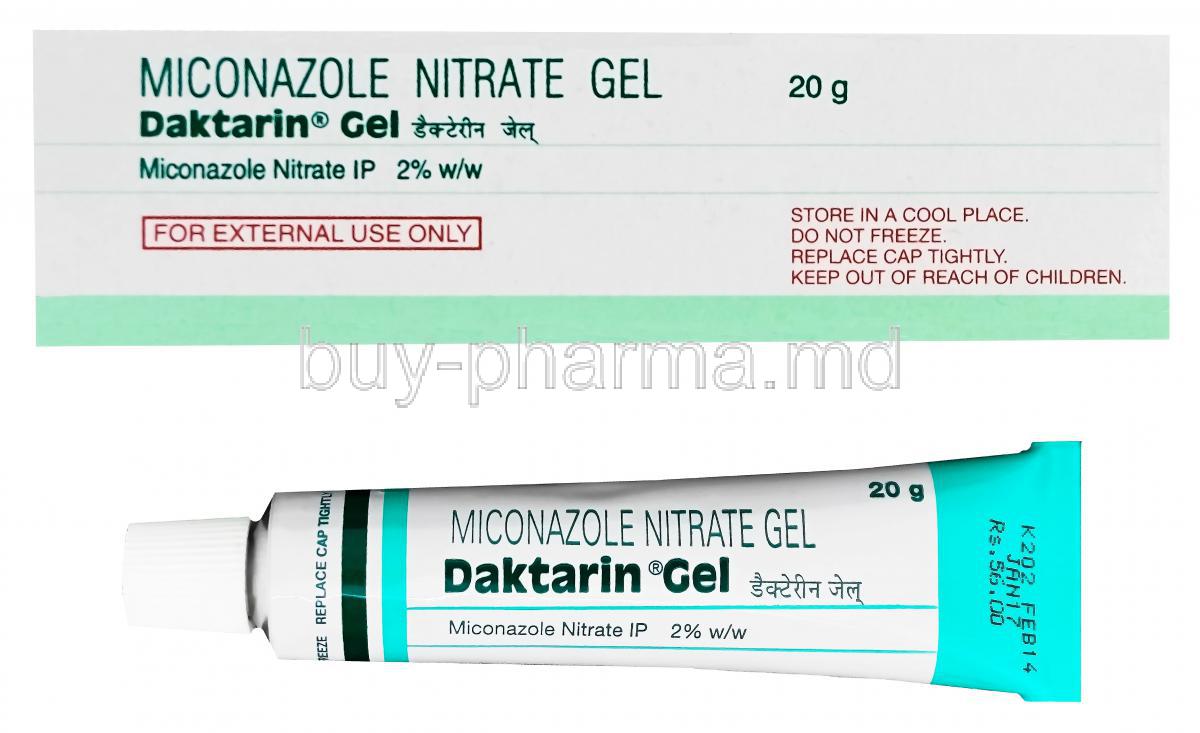
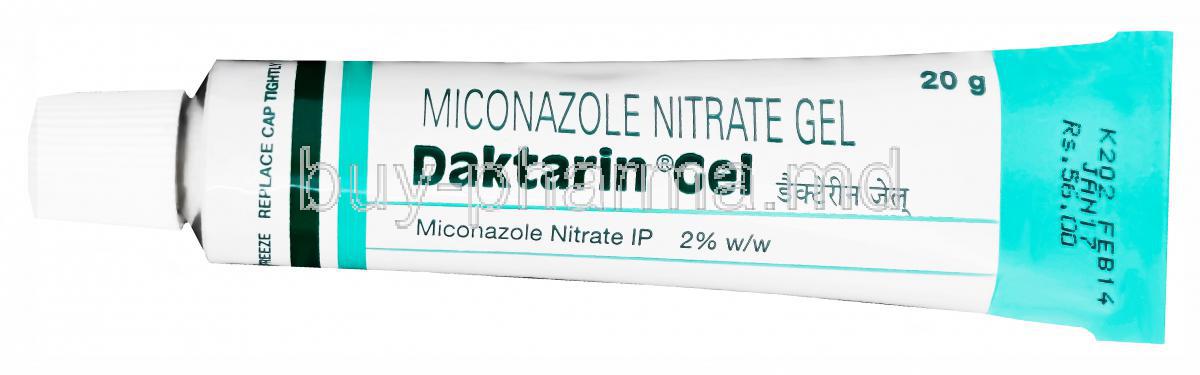
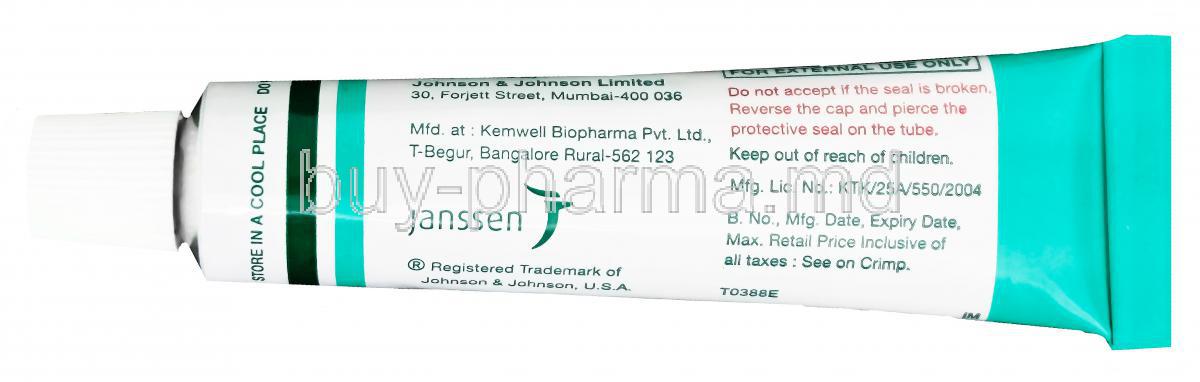
1. Introduction to Daktarin (Miconazole Gel)
1.1 Overview and therapeutic purpose
Daktarin (Miconazole Gel) is an antifungal oral preparation formulated to manage and eliminate fungal and yeast infections within the mouth and gastrointestinal tract. It provides localized, targeted relief, helping reduce discomfort, inflammation, and microbial overgrowth. The gel’s adhesive consistency ensures prolonged contact with mucosal surfaces, offering steady antifungal action and improved treatment response.
1.2 Classification as a topical imidazole antifungal
Miconazole belongs to the imidazole class of antifungal agents, recognized for their broad-spectrum activity. These compounds are widely used for infections caused by Candida and dermatophytes. Their targeted effect on fungal cell membranes makes them highly effective for oral mucosal infections.
1.3 Global availability, brand names, and formulations
Daktarin is available worldwide under various trade names, including Miconazole Oral Gel, Daktarin Oral Gel, and branded regional equivalents. It is commonly packaged in tubes of varying sizes and offered in standardized concentrations to accommodate diverse patient needs.
1.4 Importance in treating fungal and yeast infections of the mouth and gastrointestinal tract
This gel serves as a frontline treatment for oral candidiasis, denture-induced infections, and yeast proliferation within the upper digestive tract. By reducing fungal load and preventing recurrence, Daktarin supports oral health and comfort, particularly in vulnerable or immunocompromised individuals.
1.5 Scope of approved and off-label uses
The approved indications include oral thrush, oropharyngeal candidiasis, and denture stomatitis. Off-label applications extend to mild angular cheilitis, gastrointestinal candidiasis, and superficial yeast-related dermatitis around the mouth, when recommended by a healthcare professional.
2. Composition and Formulation
2.1 Active ingredient: Miconazole
The core therapeutic component is miconazole, an antifungal agent that disrupts fungal cell membrane synthesis. Its potent activity ensures rapid reduction of fungal presence within the affected regions.
2.2 Mechanism-driven formulation: oral gel
The gel form is engineered to adhere to oral mucosa, enabling prolonged release of the active ingredient. This enhances therapeutic contact time and minimizes the loss of medication through saliva or swallowing.
2.3 Concentration strength and excipient overview
Daktarin typically contains a standardized concentration of miconazole, combined with pharmaceutical excipients such as thickening agents, sweeteners, stabilizers, and emulsifiers. These supporting ingredients optimize viscosity, taste, and product stability.
2.4 Flavoring and consistency for patient compliance
The mild, palatable flavoring supports ease of administration in both adults and children. The smooth, cohesive texture allows the gel to be applied comfortably to affected areas without irritation.
2.5 Physical characteristics and standard packaging
Packaged in collapsible tubes, the gel maintains its integrity under room temperature storage. Each unit is sealed to prevent contamination and ensure precise dosing.
3. How Daktarin (Miconazole Gel) Works
3.1 Antifungal mechanism: inhibition of ergosterol synthesis
Miconazole inhibits ergosterol production, a vital component of fungal cell membranes. This disruption weakens the structure and function of fungal cells, eventually leading to their death.
3.2 Bacteriostatic and bactericidal actions
Beyond fungal activity, the gel exhibits limited action against certain gram-positive bacteria, contributing to a broader decrease in pathogenic oral microorganisms.
3.3 Activity against Candida species and dermatophytes
Its highest efficacy is seen against Candida albicans and related species, as well as select dermatophytes that may colonize oral tissues.
3.4 Reduction of fungal cell membrane integrity
By weakening membrane stability, the gel increases cell permeability, causing leakage of essential components and progressive degradation of fungal colonies.
3.5 Onset of action and expected timeframe for improvement
Initial symptom relief may be observed within a few days, though full therapeutic benefit typically requires consistent use for the prescribed duration.
4. Approved Uses
4.1 Treatment of oral candidiasis (thrush)
Daktarin is widely used to treat thrush, a common fungal infection causing white patches, soreness, and inflammation inside the mouth.
4.2 Fungal infections of the oral cavity, gums, and tongue
The gel effectively manages infections affecting the gums, buccal mucosa, palate, and tongue, restoring comfort and oral balance.
4.3 Oropharyngeal candidiasis in immunocompromised patients
It serves as an essential therapy for individuals with weakened immune systems, including those undergoing chemotherapy or prolonged antibiotic therapy.
4.4 Adjunct use in denture stomatitis
The gel helps reduce fungal colonization in denture wearers, improving mucosal health and preventing recurrent irritation.
4.5 Prevention of relapse in recurrent oral candida infections
Consistent use helps curb recurrence in patients prone to repeated fungal episodes, supporting long-term oral comfort.
5. Off-Label Uses
5.1 Gastrointestinal candidiasis management
When swallowed as directed, the gel may assist in reducing fungal presence in the upper digestive tract.
5.2 Mild angular cheilitis caused by candida
It may be applied to the corners of the mouth to soothe fissures and reduce yeast overgrowth contributing to irritation.
5.3 Yeast-associated perioral dermatitis
Some clinicians may recommend it for superficial skin irritation around the lips caused by yeast colonization.
5.4 Secondary bacterial reduction due to antifungal properties
Its antimicrobial spectrum may indirectly lower bacterial burden in mixed infections.
5.5 Prophylactic use in high-risk immunosuppressed patients
Under medical supervision, the gel may be used preventively in individuals at high risk for fungal proliferation.
6. Dosage and Administration
6.1 Standard dosing for adults
Dosing typically involves applying measured amounts of gel several times daily, ensuring contact with all affected oral areas.
6.2 Pediatric dosing and dosing frequency adjustments
Children require age-appropriate dosing, applied cautiously to minimize choking risk.
6.3 Method of application inside the mouth
The gel is placed directly on lesions and spread gently. Small portions may be swallowed for gastrointestinal benefit if advised.
6.4 Duration of therapy and tapering guidance
Therapy generally continues for several days after symptoms resolve to prevent fungal recurrence.
6.5 Administration in patients with dentures
Dentures should be cleaned thoroughly, and the gel applied to both the mouth and denture surface if instructed.
6.6 Missed dose instructions
If a dose is missed, it should be applied as soon as remembered unless close to the next scheduled dose.
7. Side Effects
7.1 Overview of adverse reactions
Most reactions are mild and localized, though systemic effects may occur in sensitive individuals.
7.2 Gastrointestinal reactions
Nausea, abdominal discomfort, or altered bowel habits may occasionally develop.
7.3 Local irritation in the oral cavity
Mild burning, dryness, or tingling sensations may be noted as the gel interacts with mucosal tissue.
7.4 Hypersensitivity-related symptoms
Rashes, swelling, or itching may indicate sensitivity to the medication or its ingredients.
7.5 Systemic absorption-related events (rare)
Rare systemic effects include headache or dizziness due to minimal absorption of miconazole.
8. Common Side Effects
8.1 Dry mouth or altered taste
A temporary change in taste sensation is common but typically resolves quickly.
8.2 Mild nausea
Nausea may occur particularly when swallowing small amounts of the gel.
8.3 Oral discomfort or burning sensation
These sensations usually diminish as the infection improves.
8.4 Soft stool or diarrhea
Minor gastrointestinal effects may result from swallowed gel.
8.5 Headache (uncommon)
Occasional headache has been reported but is generally mild.
9. Important Precautions
9.1 Continuation of treatment after symptom resolution
Completing the full course ensures complete clearance of fungal colonies.
9.2 Ensuring adequate oral hygiene
Regular brushing, gentle mouth rinsing, and denture cleaning enhance treatment results.
9.3 Avoiding concurrent ingestion of incompatible substances
Substances such as alcohol or irritant foods may worsen oral discomfort during treatment.
9.4 Use in patients with liver dysfunction
Caution is required as miconazole may be metabolized differently in patients with hepatic impairment.
9.5 Avoidance in patients with history of severe hypersensitivity to azoles
Individuals with past allergic reactions to imidazole antifungals should avoid use.
10. Careful Administration
10.1 Patients with hepatic impairment
Dose adjustments or medical supervision may be necessary to prevent accumulation.
10.2 Patients with diabetes (risk of oral glucose effects)
The gel’s sugar content may influence local glucose levels; monitoring is advised.
10.3 Patients on chronic medications metabolized by CYP enzymes
Potential interactions may alter plasma concentrations of concurrent medications.
10.4 Patients with severe oral lesions requiring careful application
Application should be gentle to avoid aggravating mucosal damage.
10.5 Patients with history of anaphylaxis to topical antifungals
Alternative therapies should be considered to prevent severe hypersensitivity reactions.
11. Contraindications
11.1 Known hypersensitivity to miconazole or excipients
Daktarin (Miconazole Gel) must not be used in individuals with a known allergy to miconazole or any component contained within the formulation. Hypersensitivity reactions may manifest rapidly and can include swelling, rash, respiratory difficulty, or severe irritation. Any prior history of azole antifungal allergy increases the likelihood of cross-reactivity.
11.2 Concurrent use with warfarin (risk of potentiation)
Co-administration with warfarin is contraindicated because miconazole can potentiate anticoagulant effects. This interaction may significantly increase bleeding risk by enhancing the pharmacologic activity of warfarin. Patients receiving anticoagulants should avoid the gel entirely unless supervised within a controlled medical environment.
11.3 Severe hepatic dysfunction
Severe liver impairment represents a major contraindication. Miconazole may interfere with hepatic metabolic pathways, leading to elevated systemic levels and unpredictable reactions. Those with advanced hepatic disease should avoid use unless specifically advised otherwise.
11.4 Infants less than 4 months old (risk of choking)
The gel’s sticky consistency may pose a choking hazard in infants younger than four months. Immature swallowing reflexes increase the probability of airway obstruction, making use at this age strictly inappropriate.
12. Drug Interactions
12.1 Warfarin and other anticoagulants
Miconazole can markedly increase the anticoagulant effect of warfarin and similar agents, resulting in potential hemorrhage. Enhanced INR values and spontaneous bleeding episodes may occur, even with topical oral use.
12.2 CYP3A4 and CYP2C9 substrate interactions
The medication influences cytochrome P450 isoenzymes, especially CYP3A4 and CYP2C9. Medications metabolized through these pathways may accumulate, leading to toxicity or enhanced pharmacologic potency.
12.3 Oral hypoglycemics (potentiation risk)
Enhanced hypoglycemic activity may occur when miconazole is taken concurrently with oral diabetes medications. Patients may experience dizziness, sweating, or confusion due to excessive glucose lowering.
12.4 Interactions with statins, immunosuppressants, and anticonvulsants
Miconazole may elevate the serum levels of statins, certain immunosuppressants (such as cyclosporine), and anticonvulsants. Increased drug accumulation heightens the risk of muscle injury, toxicity, or neurologic disturbances.
12.5 Alcohol and food-related interaction considerations
Although major food interactions are unlikely, alcohol may exacerbate mucosal irritation or interfere with the body’s response to treatment. Avoiding harsh or acidic foods during application may reduce discomfort.
13. Use in Specific Populations
13.1 Administration to Elderly
13.1.1 Age-related oral dryness considerations
Elderly patients often experience xerostomia, which may affect gel adhesion and distribution. Ensuring adequate hydration can improve comfort and treatment efficacy.
13.1.2 Polypharmacy interaction risks
Multiple medications increase the probability of drug–drug interactions. Miconazole may alter the pharmacokinetics of various medications frequently used in older adults.
13.1.3 Monitoring for sensitivity
Skin and mucosal tissues may be more fragile, necessitating careful monitoring for irritation, burning sensation, or allergic response.
13.2 Administration to Pregnant Women
13.2.1 Safety category and available clinical data
Studies indicate minimal systemic absorption, but definitive safety classifications can vary by region. Most data suggest low fetal risk when used as directed.
13.2.2 When benefits may outweigh risks
Therapy may be justified when fungal infections compromise maternal nutrition or comfort. Clinical judgment determines whether treatment provides substantial benefit.
13.2.3 Considerations in early vs late pregnancy
During early pregnancy, caution is emphasized due to organ development. Later stages may allow more flexibility, though supervision remains essential.
13.3 Administration to Nursing Mothers
13.3.1 Transfer into breast milk
Systemic absorption is minimal, making significant transfer into breast milk unlikely. Nonetheless, theoretical exposure risks exist.
13.3.2 Risk of infant exposure
If applied near the breast, infants may unintentionally ingest residue. Application should be limited to areas away from breastfeeding contact.
13.3.3 Timing of application relative to breastfeeding
Applying the gel immediately after a feeding reduces the probability of accidental ingestion by the infant.
13.4 Administration to Children and Infants
13.4.1 Safe use above 4 months
Children older than four months may receive the gel under proper supervision. Age-adjusted dosing is recommended.
13.4.2 Risk of choking—gel application technique
The gel must be applied in small, manageable amounts carefully distributed around the mouth. Large blobs should be avoided to prevent aspiration.
13.4.3 Adjusted dosing by age and oral condition
Younger children may require smaller, more frequent applications. Severe infections may need extended treatment durations.
14. Overdosage
14.1 Signs and symptoms of excessive ingestion
Ingesting large amounts may cause nausea, vomiting, abdominal pain, or diarrhea. Rarely, more serious symptoms may appear in sensitive individuals.
14.2 Gastrointestinal disturbances
Cramping, loose stools, and bloating may develop due to excessive antifungal exposure within the gastrointestinal tract.
14.3 Management and supportive treatment
Supportive treatment includes hydration, symptomatic care, and monitoring for allergic responses. Activated charcoal is typically unnecessary.
14.4 When to seek emergency care
Severe vomiting, persistent abdominal pain, or signs of allergic reaction warrant immediate medical attention.
15. Storage and Handling
15.1 Optimal storage temperature
Daktarin should be stored at controlled room temperature, typically between 20°C and 25°C.
15.2 Protecting from heat and moisture
Excessive humidity or heat may degrade product quality. Tubes should be kept sealed when not in use.
15.3 Shelf life and stability
The gel maintains stability until its printed expiration date when stored correctly. Changes in color or texture indicate compromised product integrity.
15.4 Safe handling precautions, especially around children
Keep tubes out of reach of children to prevent accidental ingestion or misuse. Secure storage is essential in households with infants.
15.5 Disposal of unused or expired gel
Expired product should be discarded safely, preferably through pharmacy take-back programs. Avoid disposing into sinks or toilets.
16. Handling Precautions
16.1 Avoid contamination of the applicator
The tube’s tip should not come into contact with infected tissues directly. Contamination may spread infection or reduce product efficacy.
16.2 Preventing cross-infection in shared environments
Sharing the tube among multiple individuals is strongly discouraged. Each patient should have a dedicated supply.
16.3 Using clean hands and sterile technique for oral application
Hands must be washed thoroughly before application. Using a sterile applicator may further reduce contamination risk.
16.4 Avoiding eye contact and accidental aspiration
Miconazole gel should never be placed near the eyes. Accidental aspiration may lead to coughing or airway irritation.
16.5 Instructions for caregivers applying the gel
Caregivers should apply small quantities, monitor swallowing, and ensure the gel is evenly distributed. Vigilant observation is essential for infants, children, and elderly patients with swallowing difficulties.
Daktarin, Miconazole Gel FAQ
- What is Daktarin used for?
- Is Daktarin good for singaw?
- Is Daktarin a steroid or an antibiotic?
- How many times should I use Daktarin?
- Can I buy Daktarin over-the-counter?
- How quickly does Daktarin work?
- What are the side effects of Daktarin gel?
- What happens if I use too much Daktarin?
- What is the generic name of Daktarin?
- What can I use instead of Daktarin?
- How long should you keep Daktarin in your mouth?
- When to stop using Daktarin?
- Can Daktarin make skin worse?
- Which is better, Daktarin or clotrimazole?
- What happens if you swallow Daktarin?
- What skin conditions does Daktarin treat?
- Does Daktarin stop itching?
- Is Daktarin an antibiotic?
- Is there a generic version of Daktarin?
- Is Daktarin a hydrocortisone?
- Can Daktarin treat candida?
- What is miconazole gel used for?
- Can I use miconazole on cats?
- Can miconazole be used in pregnancy?
- How do I know if miconazole gel is working?
- Can I put miconazole on ringworm?
- Why use miconazole at night?
- Is miconazole a steroid?
- When should you not use miconazole?
- What is better, Monistat or miconazole?
- How effective is miconazole?
- Can miconazole cause bleeding?
- Can I stop miconazole early?
- What are the side effects of miconazole?
- How long is the treatment for miconazole?
- What happens if I overuse miconazole?
What is Daktarin used for?
Daktarin is used for treating athlete's foot, tinea, ringworm and thrush infections of the skin caused by fungi, including yeast.
Is Daktarin good for singaw?
Yes
Is Daktarin a steroid or an antibiotic?
It is an antifungal medicine.
How many times should I use Daktarin?
2x a day
Can I buy Daktarin over-the-counter?
Yes
How quickly does Daktarin work?
2-6 weeks
What are the side effects of Daktarin gel?
- Vomiting
- Dry mouth
- Nausea
What happens if I use too much Daktarin?
Skin irritation
What is the generic name of Daktarin?
Miconazole Nitrate
What can I use instead of Daktarin?
How long should you keep Daktarin in your mouth?
As long as possible
When to stop using Daktarin?
After all the symptoms have cleared to prevent them from coming back
Can Daktarin make skin worse?
It may sometimes cause a skin reaction such as a rash, redness, swelling, itching or a burning sensation.
Which is better, Daktarin or clotrimazole?
Clotrimazole
What happens if you swallow Daktarin?
- Vomiting
- Stomachache
- Diarrhea
- Nausea
What skin conditions does Daktarin treat?
- Athlete's foot
- Tinea
- Ringworm
- Thrush
Does Daktarin stop itching?
Yes
Is Daktarin an antibiotic?
No
Is there a generic version of Daktarin?
Yes
Is Daktarin a hydrocortisone?
No
Can Daktarin treat candida?
Yes
What is miconazole gel used for?
Topical miconazole is used to treat tinea corporis(ringworm; fungal skin infection that causes a red scaly rash on different parts of the body), tinea cruris (jock itch; fungal infection of the skin in the groin or buttocks), and tinea pedis (athlete's foot; fungal infection of the skin on the feet and between the toes
Can I use miconazole on cats?
Yes
Can miconazole be used in pregnancy?
Yes
How do I know if miconazole gel is working?
You should begin to feel better during the first three days of treatment with miconazole
Can I put miconazole on ringworm?
Yes
Why use miconazole at night?
To prevent it from spreading
Is miconazole a steroid?
No
When should you not use miconazole?
If you have an allergic reaction
What is better, Monistat or miconazole?
Miconazole
How effective is miconazole?
80%-95%
Can miconazole cause bleeding?
No
Can I stop miconazole early?
No
What are the side effects of miconazole?
Burning, irritation, abdominal cramps, allergic contact dermatitis, itching, stinging, maceration, erythema. With oral dose- diarrhoea, nausea, headache, dysgeusia, upper abdominal pain, vomiting.
How long is the treatment for miconazole?
2 weeks
What happens if I overuse miconazole?
Skin irritation
Popular Products


Similar Product