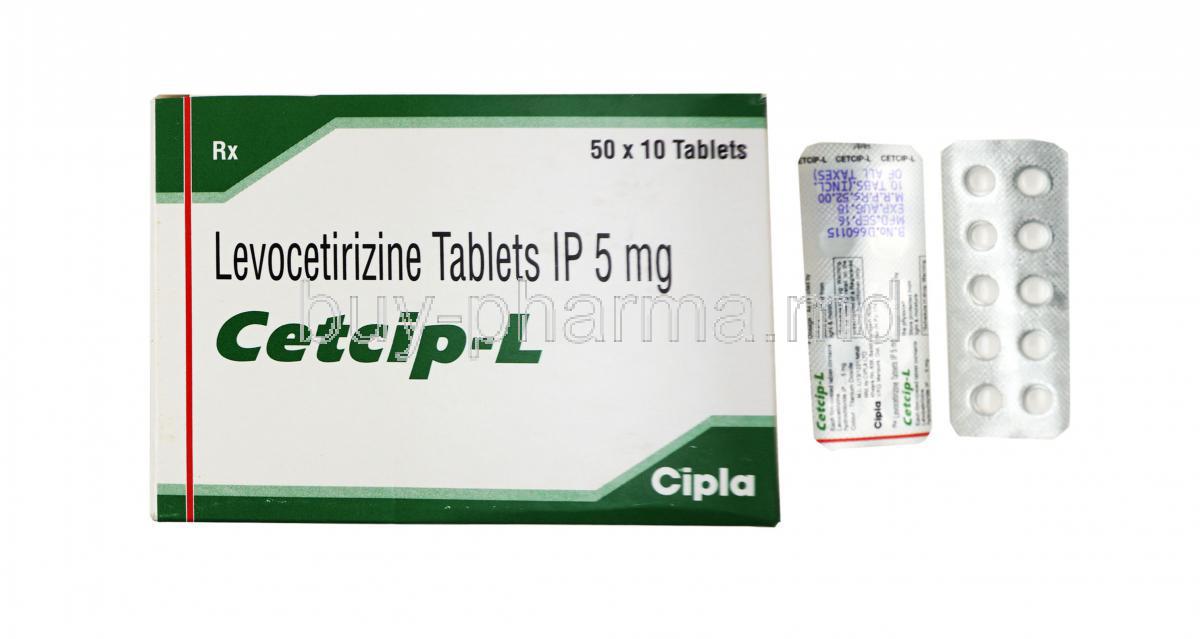
Introduction to Cetcip-L (Levocetirizine)
Cetcip-L is a widely used second-generation antihistamine formulated to manage a broad spectrum of allergic conditions. It contains levocetirizine, the pharmacologically active enantiomer of cetirizine, developed to provide potent antihistaminic effects with improved tolerability.
Classified within the selective peripheral H1-receptor antagonists, Cetcip-L occupies an important position in modern allergy therapeutics. It is routinely prescribed for both acute and chronic allergic disorders where histamine-mediated symptoms dominate.
Unlike first-generation antihistamines, which frequently cross the blood–brain barrier and induce sedation, levocetirizine demonstrates enhanced receptor specificity. This pharmacological refinement translates into effective symptom control with a reduced burden of central nervous system adverse effects.
Composition and Formulation Details
The active pharmaceutical ingredient in Cetcip-L is levocetirizine dihydrochloride, a chemically stable and highly selective H1-antagonist. It belongs to the piperazine derivative class of antihistamines.
Cetcip-L is available in multiple formulations to accommodate diverse patient needs:
- Film-coated oral tablets
- Syrup formulations for pediatric and geriatric use
- Oral solutions and drops for flexible dosing
Inactive excipients are carefully selected to enhance bioavailability, maintain formulation stability, and ensure palatability, particularly in liquid preparations intended for children.
Levocetirizine vs cetirizine
Levocetirizine (Xyzal) is the active part of cetirizine (Zyrtec); both are effective antihistamines for allergies, but levocetirizine might offer slightly less drowsiness for some and is potentially more potent per dose, while cetirizine is generally cheaper and widely available.
Levocetirizine and montelukast
Levocetirizine and montelukast are two different types of allergy and asthma medications that are often used in combination because they work together to provide more effective symptom relief than either drug alone.
How Cetcip-L Works (Mechanism of Action)
Levocetirizine exerts its therapeutic effect through competitive inhibition of peripheral histamine H1-receptors. By preventing histamine from binding to these receptors, it effectively attenuates the hallmark manifestations of allergic reactions.
Its pronounced peripheral selectivity minimizes penetration into the central nervous system. As a result, sedative effects are substantially less pronounced compared to older antihistamines.
Beyond receptor blockade, levocetirizine modulates the allergic inflammatory cascade by reducing eosinophil migration, vascular permeability, and cytokine release. Symptom relief typically begins within one hour of administration and persists for approximately 24 hours.
Levocetirizine Uses
Allergic Rhinitis (Seasonal and Perennial)
Cetcip-L is commonly prescribed for allergic rhinitis, whether triggered by seasonal allergens such as pollen or perennial irritants like dust mites. It alleviates:
- Sneezing and nasal irritation
- Rhinorrhea and postnasal drip
- Nasal congestion and itching
Chronic Idiopathic Urticaria
In chronic urticaria of unknown etiology, levocetirizine reduces the frequency and intensity of wheals, diminishes pruritus, and improves overall skin comfort, supporting long-term disease control.
Other Allergic Conditions
Additional approved indications include allergic conjunctivitis and various hypersensitivity-mediated dermatologic reactions. Patients often experience reduced ocular itching, erythema, and cutaneous inflammation.
Off-Label Uses of Cetcip-L
In clinical practice, Cetcip-L is also utilized beyond its formal indications. Off-label applications may include:
- Adjunctive therapy in allergic asthma to reduce histamine-related triggers
- Symptomatic management of atopic dermatitis-associated pruritus
- Supportive treatment in sinusitis with an allergic component
- Relief of localized reactions following insect bites
- Management of idiopathic or non-specific pruritus
Such uses are typically guided by clinician judgment and individual patient response.
Levocetirizine Dosage and Administration Guidelines
Standard Adult Dosage
For adults, Cetcip-L is generally administered once daily, preferably in the evening. This dosing schedule aligns with its prolonged duration of action and may help minimize daytime drowsiness.
Pediatric Dosage Recommendations
Pediatric dosing is determined by age and body weight. Lower-strength formulations are often selected to allow precise dose titration and enhanced safety.
Dose Adjustment Considerations
In patients with renal impairment, dosage reduction or extended dosing intervals may be necessary due to reduced drug clearance. Hepatic impairment typically has a minimal impact on dosing, although clinical monitoring remains advisable.
Levocetirizine maximum dose
the maximum daily dose is 2 tablets (10 mg). For children: In general, for children 7 or over but under 15 years old, take 1/2 tablet (2.5 mg
Administration Instructions
Cetcip-L may be taken with or without food. Consistent timing of administration is recommended to maintain steady symptom control, particularly in chronic allergic conditions.
Administration in Special Populations
Administration to Elderly Patients
Elderly individuals may exhibit altered pharmacokinetics due to age-related renal function decline. Careful dose selection and monitoring for sedation or dizziness are advised.
Administration to Pregnant Women
Available safety data suggest limited risk during pregnancy; however, use should be guided by a thorough risk–benefit assessment and medical supervision.
Administration to Nursing Mothers
Levocetirizine may be excreted in small amounts into breast milk. Caution is recommended, with attention to potential infant exposure and behavioral changes.
Administration to Children
Cetcip-L is approved for use in specific pediatric age groups. Clinical studies support its safety and tolerability when administered according to recommended dosing guidelines.
Side Effects of Cetcip-L
Levocetirizine Side Effects
- Mild drowsiness or fatigue
- Dry mouth
- Headache
- Transient gastrointestinal discomfort
Less Common Side Effects
Some patients may experience dizziness or mild upper respiratory symptoms, particularly during the initial phase of therapy.
Rare but Serious Adverse Reactions
Although uncommon, serious reactions such as hypersensitivity responses, pronounced sedation, or neuropsychiatric effects have been reported and warrant immediate medical evaluation.
Levocetirizine Interactions
Cetcip-L may potentiate the effects of central nervous system depressants, including sedatives and anxiolytics. Concomitant alcohol consumption can further enhance sedative effects.
The concurrent use of multiple antihistamines is generally discouraged due to the risk of additive adverse reactions. Overall, levocetirizine exhibits a favorable drug interaction profile, but careful assessment remains essential in polypharmacy settings.
Levocetirizine warnings and Safety Information
Cetcip-L may induce varying degrees of drowsiness, particularly during the initial phase of therapy or when combined with other sedative agents. Although classified as a second-generation antihistamine, individual sensitivity may still result in reduced psychomotor performance.
Caution is advised when engaging in activities that demand sustained mental acuity, such as driving, operating machinery, or performing tasks requiring rapid decision-making. Even subtle impairment can carry clinical or occupational consequences.
Long-term use of levocetirizine is generally well tolerated; however, periodic reassessment is recommended to confirm continued necessity and therapeutic benefit. Prolonged, unsupervised use without symptom reevaluation should be avoided.
- Discontinue use if unusual fatigue or cognitive dulling develops
- Exercise caution in patients with known drug sensitivities
- Immediately report signs of intolerance or allergic response
Contraindications
Cetcip-L is contraindicated in individuals with a documented hypersensitivity to levocetirizine, cetirizine, or any formulation excipients. Exposure in such cases may precipitate acute allergic reactions.
Patients with severe renal impairment are not suitable candidates for levocetirizine therapy due to markedly reduced drug clearance and heightened risk of accumulation.
A prior history of allergic reactions to piperazine derivatives constitutes a clear contraindication, as cross-reactivity within this chemical class has been reported.
Important Precautions and Careful Administration
In patients with renal disease, careful dose adjustment and vigilant monitoring are essential. Reduced glomerular filtration may significantly alter pharmacokinetics, increasing systemic exposure.
During prolonged therapy, clinicians should periodically evaluate renal function and overall tolerability, especially in elderly patients or those with comorbid conditions.
- Avoid concurrent use of multiple antihistamines
- Review all over-the-counter allergy products before initiation
- Educate patients on recognizing early adverse effects
Effective patient counseling should emphasize adherence to prescribed dosing, avoidance of unnecessary polypharmacy, and prompt reporting of any unexpected symptoms.
Overdosage Information
Overdose of levocetirizine may manifest as pronounced drowsiness, agitation, restlessness, or, less commonly, anticholinergic-like symptoms. Children may exhibit paradoxical excitation rather than sedation.
Management of overdose is primarily supportive. There is no specific antidote, and treatment focuses on maintaining airway patency, monitoring vital signs, and addressing symptoms as they arise.
Immediate medical attention should be sought if excessive sedation, altered consciousness, or severe behavioral changes occur following ingestion beyond the recommended dose.
Storage and Stability Guidelines
Cetcip-L should be stored at controlled room temperature, away from excessive heat. Exposure to high humidity or direct sunlight may compromise product stability.
Liquid formulations require particular attention to storage conditions to preserve potency and prevent microbial contamination.
- Do not use beyond the stated expiration date
- Keep containers tightly closed when not in use
- Store out of sight and reach of children
Handling Precautions
Tablets should be handled with dry hands to prevent degradation, while liquid formulations should be measured using calibrated devices to ensure dosing accuracy.
Expired or unused medication should be disposed of in accordance with local pharmaceutical waste regulations. Improper disposal may pose environmental or safety risks.
During transportation, ensure secure packaging to prevent breakage, leakage, or exposure to adverse environmental conditions that could affect product integrity.
Cetcip-L, Levocetirizine FAQ
- What is Cetcip-L used for?
- Can cetcip-l treat a cold?
- Is Cetcip-L safe for long-term use?
- Is cetcip-L and cetirizine the same?
- What are the side effects of cetcip?
- Does cetirizine make you sleepy?
- Is CETCIP-L worth getting?
- Can I take cetirizine for a blocked nose?
- Is cetirizine safe for the kidneys?
- What is levocetirizine used for?
- What is the difference between cetirizine and levocetirizine?
- How many days to take levocetirizine?
- Is levocetirizine good for cold and cough?
- Who should avoid levocetirizine?
- Why do doctors prescribe levocetirizine?
- Which is better, montelukast or levocetirizine?
- Why is levocetirizine taken at night?
- Is levocetirizine safe for kidneys?
- Does levocetirizine help with phlegm?
- How quickly does levocetirizine work?
- What are the side effects of levocetirizine?
- Does levocetirizine affect sleep?
- What not to mix with levocetirizine?
- Is levocetirizine a steroid?
- Is levocetirizine a strong antihistamine?
- Are montelukast and levocetirizine the same?
- How to stop taking levocetirizine?
What is Cetcip-L used for?
It is used to treat allergic conditions, such as hay fever, conjunctivitis, some skin reactions, such as eczema, hives, and reactions to bites and stings
Can cetcip-l treat a cold?
No
Is Cetcip-L safe for long-term use?
No
Is cetcip-L and cetirizine the same?
Yes
What are the side effects of cetcip?
- Sore throat
- Constipation
- Drowsiness
- Fatigue
Does cetirizine make you sleepy?
Yes
Is CETCIP-L worth getting?
It is especially useful in treating allergic rhinitis, which is often triggered by dust, pollen, mould, or animal dander.
Can I take cetirizine for a blocked nose?
Yes
Is cetirizine safe for the kidneys?
Yes
What is levocetirizine used for?
Levocetirizine is used to relieve a runny nose, sneezing, and redness, itching, and tearing of the eyes caused by allergies.
What is the difference between cetirizine and levocetirizine?
Levocetirizine is the active part (enantiomer) of cetirizine
How many days to take levocetirizine?
5 mg once every 3 days.
Is levocetirizine good for cold and cough?
Levocetirizine is much effective to treat cold and runny nose
Who should avoid levocetirizine?
You should not use levocetirizine if you are allergic to levocetirizine or cetirizine.
Why do doctors prescribe levocetirizine?
Levocetirizine is used to relieve the symptoms of hay fever and hives of the skin.
Which is better, montelukast or levocetirizine?
Levocetirizine blocks histamine for faster relief (sneezing, itching, runny nose), while montelukast (leukotriene blocker) targets leukotrienes for longer-term control
Why is levocetirizine taken at night?
Levocetirizine causes drowsiness
Is levocetirizine safe for kidneys?
Yes
Does levocetirizine help with phlegm?
No
How quickly does levocetirizine work?
1 hour
What are the side effects of levocetirizine?
- Drowsiness
- Dry mouth
- Diarrhea
- Vomiting
- Fatigue
Does levocetirizine affect sleep?
Yes
What not to mix with levocetirizine?
- Atypical antipsychotics
- COMT inhibitors
- Opioids
- Sedative/hypnotic drugs
Is levocetirizine a steroid?
No
Is levocetirizine a strong antihistamine?
Yes
Are montelukast and levocetirizine the same?
Nos
How to stop taking levocetirizine?
Slowly taper off your dose instead of stopping it suddenly
Popular Products
Similar Product