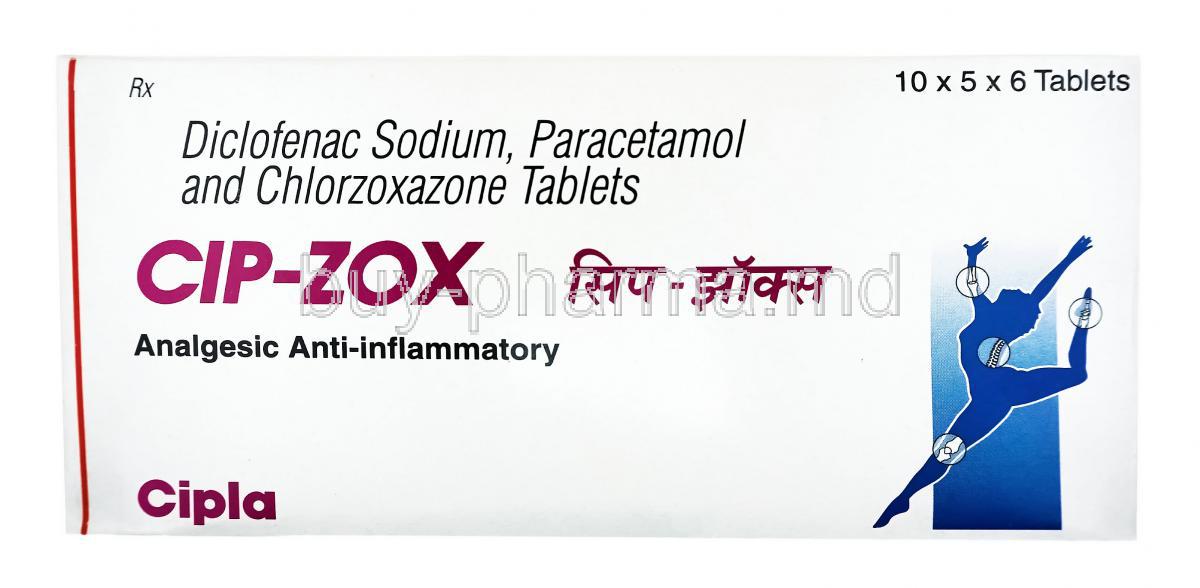

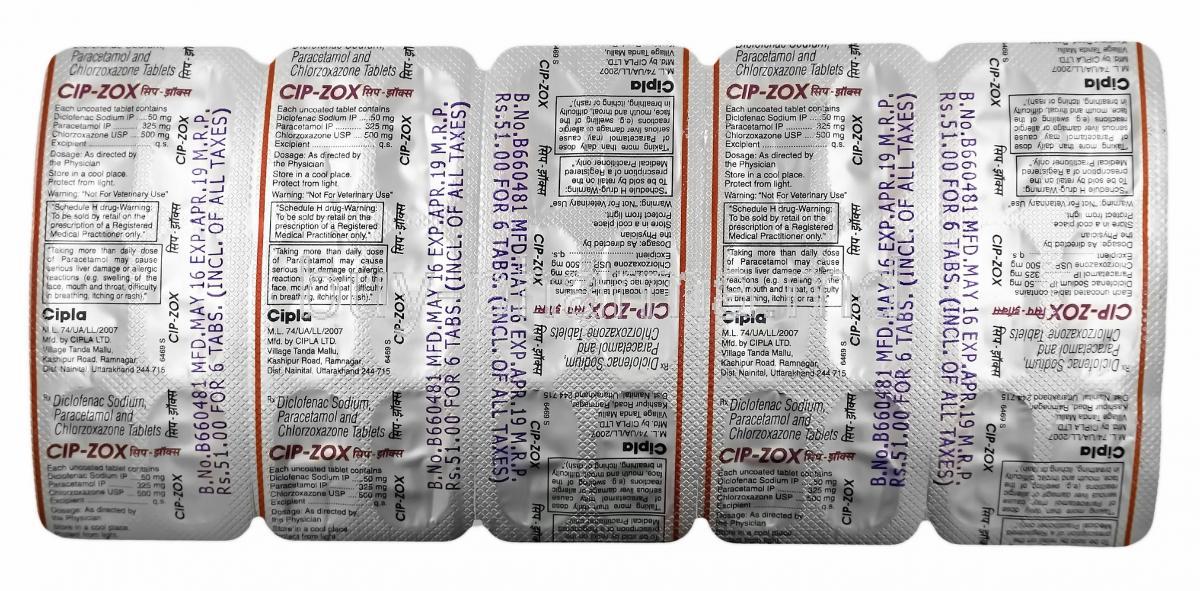
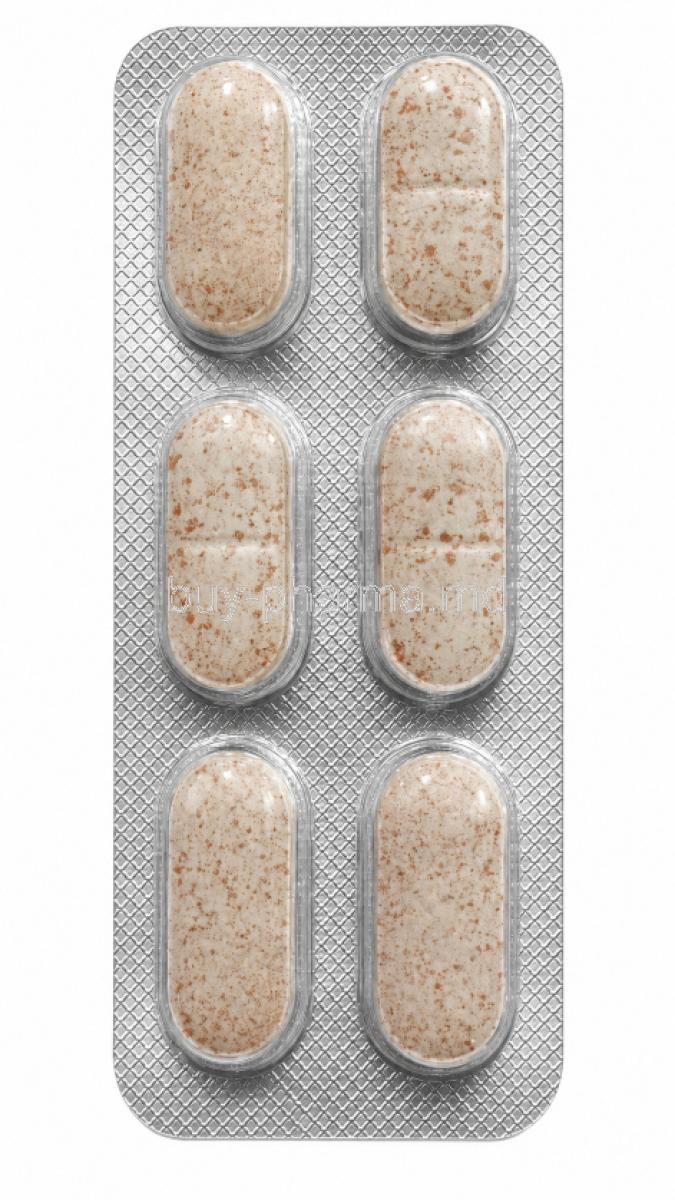
Introduction to Cip-Zox (Chlorzoxazone / Diclofenac / Paracetamol)
Overview of Cip-Zox Combination Therapy
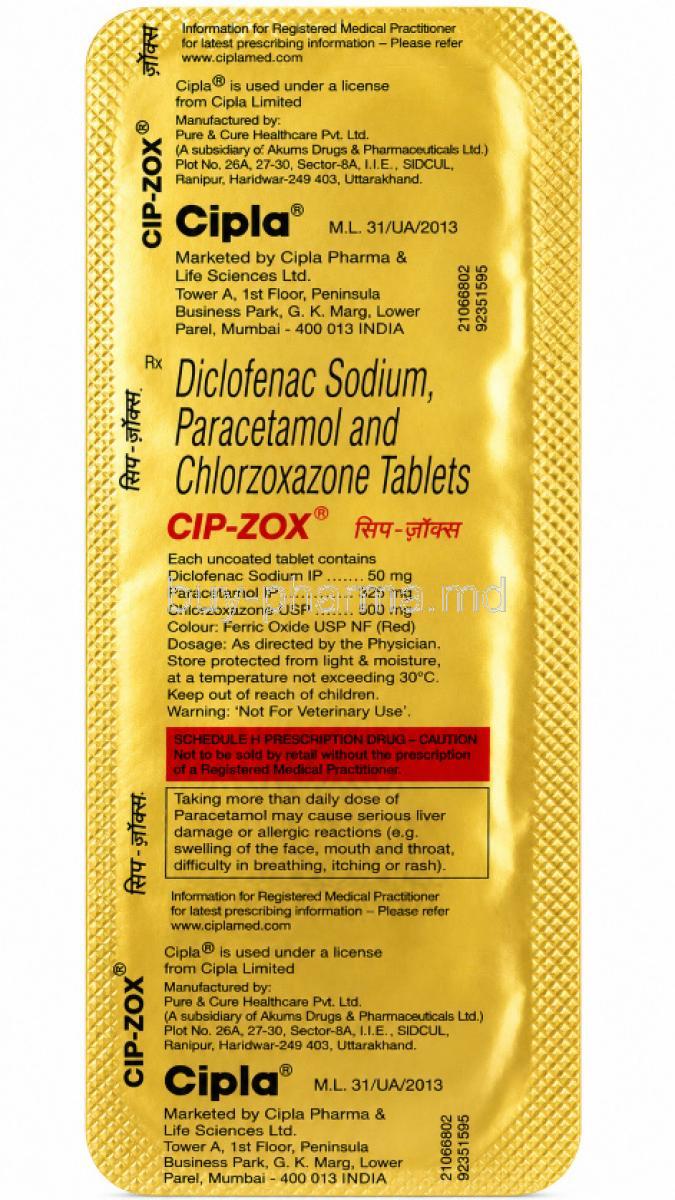
Cip-Zox represents a strategically engineered pharmacological combination designed to address multifactorial musculoskeletal pain. It integrates three therapeutically distinct agents—chlorzoxazone, diclofenac, and paracetamol—into a single formulation. This triad offers both symptomatic relief and functional restoration. The formulation is particularly advantageous in conditions where inflammation, nociception, and muscle spasm coexist.
Therapeutic Class: Muscle Relaxant + NSAID + Analgesic/Antipyretic
Cip-Zox belongs to a composite therapeutic class:
- Muscle relaxant (chlorzoxazone)
- Non-steroidal anti-inflammatory drug (diclofenac)
- Analgesic and antipyretic (paracetamol)
This classification underscores its multimodal pharmacological spectrum. Each component contributes uniquely, enabling broader symptom control than monotherapy.
Clinical Rationale for Combination Use in Musculoskeletal Conditions
Musculoskeletal disorders often involve overlapping pathophysiological processes. Pain, inflammation, and muscle spasm form a cyclical cascade. Cip-Zox disrupts this cycle. It alleviates discomfort while simultaneously reducing inflammation and relaxing hypertonic musculature. This integrated approach enhances recovery kinetics and improves patient mobility.
Brand Positioning and Availability in Global Markets
Cip-Zox is commonly positioned as a prescription-based therapy in several regions. It is widely utilized in orthopedic and general practice settings. Availability may vary depending on regulatory frameworks, but its role in acute pain management remains consistently recognized across global healthcare systems.
Composition and Active Ingredients
Chlorzoxazone – Centrally Acting Muscle Relaxant
Mechanism and Pharmacological Classification
Chlorzoxazone is categorized as a centrally acting skeletal muscle relaxant. It primarily exerts its effects within the spinal cord and subcortical regions of the brain. Its pharmacological action involves modulation of neuronal transmission pathways responsible for muscle tone regulation.
Role in Relieving Muscle Spasm and Stiffness
By attenuating reflex arcs, chlorzoxazone reduces involuntary muscle contractions. The result is diminished stiffness and improved range of motion. This effect is particularly beneficial in acute muscle injuries and tension-related disorders.
Diclofenac – Non-Steroidal Anti-Inflammatory Drug (NSAID)
Anti-Inflammatory and Analgesic Properties
Diclofenac is a potent NSAID with robust anti-inflammatory efficacy. It alleviates pain while reducing inflammatory mediators at the site of injury. Its analgesic potency makes it a cornerstone in musculoskeletal therapy.
COX Inhibition and Prostaglandin Suppression
Diclofenac inhibits cyclooxygenase (COX) enzymes:
- COX-1 (constitutive enzyme)
- COX-2 (inducible inflammatory enzyme)
This inhibition suppresses prostaglandin synthesis, thereby mitigating inflammation, swelling, and pain perception.
Paracetamol (Acetaminophen) – Analgesic and Antipyretic
Pain Relief and Fever Reduction
Paracetamol provides effective analgesia with minimal gastrointestinal irritation. It is also widely used for its antipyretic properties. The drug is particularly suitable for patients who require pain relief without strong anti-inflammatory action.
Central Action on Prostaglandin Pathways
Unlike NSAIDs, paracetamol primarily acts centrally. It modulates prostaglandin synthesis within the central nervous system. This results in reduced pain perception and temperature regulation without significant peripheral anti-inflammatory effects.
Synergistic Action of the Combination
Multimodal Pain Management Approach
Cip-Zox exemplifies multimodal analgesia. Each component targets a distinct pathway:
- Muscle spasm reduction (chlorzoxazone)
- Inflammation control (diclofenac)
- Central pain modulation (paracetamol)
This layered mechanism enhances therapeutic efficacy while potentially reducing the need for higher doses of individual agents.
Benefits of Combining Muscle Relaxant and Anti-Inflammatory Agents
The combination offers comprehensive symptom control. It improves patient comfort and accelerates functional recovery. Such synergy is particularly valuable in acute injury scenarios and chronic musculoskeletal disorders.
How Cip-Zox Works (Mechanism of Action)
Central Nervous System Effects of Chlorzoxazone
Inhibition of Polysynaptic Reflex Arcs
Chlorzoxazone suppresses polysynaptic reflexes within the spinal cord. These reflexes are often responsible for sustained muscle contractions. By dampening this activity, the drug reduces neuromuscular excitability.
Reduction of Skeletal Muscle Spasm
The outcome is a marked decrease in muscle spasm. Patients experience relief from rigidity and improved functional movement. This effect is subtle yet clinically significant.
Peripheral Anti-Inflammatory Action of Diclofenac
COX-1 and COX-2 Enzyme Inhibition
Diclofenac exerts dual inhibition on COX isoenzymes. This reduces the biosynthesis of inflammatory mediators. The result is a pronounced anti-inflammatory effect.
Reduction of Inflammation, Swelling, and Pain
By limiting prostaglandin production, diclofenac decreases:
- Tissue edema
- Pain sensitization
- Local inflammatory response
Central Analgesic Action of Paracetamol
Modulation of Pain Perception in the Brain
Paracetamol acts on central pain pathways. It alters the perception of pain signals, making discomfort more tolerable. This mechanism complements the peripheral action of diclofenac.
Antipyretic Effect via Hypothalamic Regulation
The drug also influences thermoregulatory centers in the hypothalamus. This results in normalization of elevated body temperature.
Combined Pharmacodynamic Effects
Rapid Relief of Pain, Inflammation, and Muscle Tightness
The integration of three pharmacological mechanisms produces rapid and sustained symptom relief. Patients often report early improvement in pain intensity and muscle flexibility.
Improved Mobility and Functional Recovery
Enhanced mobility is a key therapeutic outcome. By addressing multiple pathological components simultaneously, Cip-Zox facilitates faster return to normal activities.
Uses of Cip-Zox
Approved Medical Uses
Cip-Zox is primarily indicated for the management of acute musculoskeletal conditions, including:
- Back pain and neck pain
- Sprains and strains
- Muscle spasm associated with orthopedic disorders
- Post-traumatic inflammation
- Postoperative musculoskeletal pain
Expanded Clinical Uses
Beyond primary indications, Cip-Zox is frequently utilized in:
- Cervical spondylosis and lumbar spondylitis
- Frozen shoulder (adhesive capsulitis)
- Myalgia and fibromyalgia-related stiffness
- Sports injuries and soft tissue trauma
Off-Label Uses of Cip-Zox
In clinical practice, off-label applications may include:
- Tension-type headaches linked to muscle contraction
- Chronic pain syndromes with muscular involvement
- Temporomandibular joint (TMJ) disorders
- Postural pain due to ergonomic strain
- Adjunct therapy in physiotherapy and rehabilitation programs
Dosage and Administration
Standard Adult Dosage Guidelines
Dosage is typically determined based on severity and clinical response. Physicians prescribe a fixed-dose combination administered multiple times daily. Adherence to recommended limits is essential to prevent toxicity.
Administration Instructions
The medication is taken orally, preferably with food. This minimizes gastrointestinal irritation. Consistency in timing enhances therapeutic outcomes.
Dose Adjustments
Special populations may require dose modifications:
- Patients with hepatic impairment
- Individuals with renal dysfunction
- Elderly patients with reduced metabolic capacity
Duration of Therapy
Cip-Zox is generally intended for short-term use. Prolonged administration should occur only under medical supervision. Chronic unsupervised use increases the risk of adverse effects.
Side Effects of Cip-Zox
Common Side Effects
- Nausea and vomiting
- Gastrointestinal discomfort
- Drowsiness and dizziness
- Headache and fatigue
Less Common Side Effects
- Elevated liver enzymes
- Skin rash and hypersensitivity
- Fluid retention or edema
Serious Adverse Effects
- Gastrointestinal bleeding or ulceration
- Hepatotoxicity associated with paracetamol
- Severe allergic reactions, including anaphylaxis
Drug Interactions
Interactions with NSAIDs and Analgesics
Concurrent use with other NSAIDs increases gastrointestinal risk. Combining multiple analgesics may lead to cumulative toxicity.
Interactions with Anticoagulants and Antiplatelet Drugs
Diclofenac may potentiate bleeding risk when used with anticoagulants. Monitoring is essential.
Interactions with Hepatotoxic Drugs
Paracetamol-related liver toxicity may be amplified when combined with hepatotoxic agents or alcohol. Caution is advised.
Interactions with CNS Depressants
Chlorzoxazone may enhance sedation when used with CNS depressants. This can impair cognitive and motor functions.
Warnings and Safety Considerations
Risk of Gastrointestinal Complications
NSAID-related complications include ulceration, bleeding, and perforation. These risks are heightened in elderly patients and those with a history of GI disorders.
Hepatic Safety Concerns
Regular monitoring of liver function is recommended during prolonged use. Early detection of hepatotoxicity is critical.
Cardiovascular Risk Associated with Diclofenac
Diclofenac may increase the risk of cardiovascular events:
- Hypertension
- Myocardial infarction
- Stroke
Sedation and Impaired Alertness
Patients may experience reduced alertness. Activities requiring concentration—such as driving or operating machinery—should be approached with caution.
Contraindications
Known Hypersensitivity to Any Component
Cip-Zox must not be administered to individuals with a documented hypersensitivity to any of its active constituents. Allergic predisposition to chlorzoxazone, diclofenac, or paracetamol can precipitate severe immunologic reactions. Even minimal exposure may provoke disproportionate responses.
- Urticaria and pruritus
- Angioedema
- Anaphylactic reactions in rare but critical cases
Such hypersensitivity reactions may manifest rapidly. Immediate discontinuation is imperative upon suspicion.
Active Gastrointestinal Ulcer or Bleeding
Patients with active gastrointestinal pathology should avoid this medication. Diclofenac, as an NSAID, compromises mucosal integrity. This increases susceptibility to ulceration and hemorrhage.
- Peptic ulcer disease
- Gastrointestinal bleeding
- Inflammatory bowel exacerbations
Administration in such contexts may exacerbate bleeding tendencies and delay mucosal healing.
Severe Hepatic or Renal Impairment
Severe dysfunction of the liver or kidneys constitutes a significant contraindication. These organs are central to drug metabolism and excretion. Impairment leads to accumulation of active compounds and toxic metabolites.
The risk profile includes:
- Hepatocellular injury and necrosis
- Renal insufficiency and electrolyte imbalance
- Systemic toxicity due to impaired clearance
History of NSAID-Induced Asthma or Allergic Reactions
Patients with NSAID-exacerbated respiratory disease (NERD) are particularly vulnerable. Diclofenac may trigger bronchospasm in sensitized individuals. This reaction can be abrupt and potentially life-threatening.
- Bronchoconstriction
- Wheezing and dyspnea
- Acute respiratory distress
Careful Administration (Use with Caution)
Patients with Liver Dysfunction
Caution is warranted in individuals with pre-existing hepatic impairment. Paracetamol metabolism relies heavily on hepatic enzymatic pathways. Even therapeutic doses may become deleterious under compromised conditions.
- Regular monitoring of liver enzymes is recommended
- Dose adjustments may be necessary
- Avoid prolonged use without supervision
Patients with Renal Impairment
Renal dysfunction alters drug elimination kinetics. Diclofenac and its metabolites may accumulate, increasing nephrotoxicity risk. Fluid retention and electrolyte disturbances may also occur.
Clinical vigilance should include:
- Monitoring renal function parameters
- Assessing urine output and fluid balance
- Adjusting dosage accordingly
Individuals with Cardiovascular Disease
Diclofenac has been associated with an elevated risk of cardiovascular events. Patients with pre-existing conditions require meticulous evaluation. Risk-benefit analysis is essential prior to initiation.
- Hypertension
- Ischemic heart disease
- History of cerebrovascular events
Patients with History of Gastrointestinal Disorders
Those with a history of gastrointestinal complications require precautionary strategies. NSAIDs can aggravate latent mucosal vulnerabilities.
- Co-administration of proton pump inhibitors may be considered
- Use the lowest effective dose
- Limit duration of therapy
Important Precautions
Avoidance of Alcohol Consumption
Concurrent alcohol intake significantly amplifies the hepatotoxic potential of paracetamol. It may also potentiate sedation associated with chlorzoxazone.
- Increased risk of liver injury
- Enhanced central nervous system depression
- Impaired cognitive and motor function
Monitoring During Long-Term Use
Extended therapy necessitates periodic clinical monitoring. Subclinical toxicity may develop insidiously. Regular assessments help mitigate long-term complications.
- Liver function tests (ALT, AST)
- Renal function parameters (creatinine, urea)
- Blood pressure monitoring
Avoiding Concurrent Use with Similar Medications
Polypharmacy involving similar pharmacological agents increases toxicity risk. Duplicate therapy with NSAIDs or paracetamol-containing products should be strictly avoided.
- Risk of cumulative overdose
- Enhanced gastrointestinal and hepatic toxicity
- Increased likelihood of adverse drug interactions
Administration in Special Populations
Administration to Elderly Patients
Elderly individuals exhibit altered pharmacokinetics and pharmacodynamics. Reduced organ reserve heightens susceptibility to adverse effects.
- Initiate therapy at lower doses
- Monitor closely for side effects
- Assess renal and hepatic function regularly
Administration to Pregnant Women
Use during pregnancy requires careful consideration. Diclofenac, particularly in the third trimester, may adversely affect fetal circulation and labor.
- Avoid use unless clearly necessary
- Contraindicated in late pregnancy
- Consultation with a healthcare provider is essential
Administration to Nursing Mothers
Active components may be excreted into breast milk. This poses potential risks to the nursing infant, including sedation or gastrointestinal disturbances.
- Weigh benefits against potential risks
- Monitor infants for adverse effects
- Consider alternative therapies if necessary
Administration to Children
Safety and efficacy in pediatric populations may not be fully established. Age-specific dosing and clinical judgment are required.
- Use only when prescribed
- Adhere strictly to pediatric dosing guidelines
- Monitor for unusual reactions
Overdosage and Management
Symptoms of Overdose
Overdosage can lead to serious systemic toxicity. Clinical manifestations may vary depending on the predominant agent involved.
- Nausea, vomiting, and abdominal pain
- Signs of liver damage such as jaundice
- Central nervous system depression and confusion
Emergency Management of Overdose
Prompt medical intervention is critical. Early recognition improves prognosis significantly.
- Immediate hospitalization
- Administration of antidotes such as N-acetylcysteine for paracetamol toxicity
- Supportive care including fluid management and monitoring of vital functions
Storage and Stability
Recommended Storage Conditions
Proper storage ensures the stability and efficacy of the medication. Environmental factors can degrade active ingredients.
- Store at controlled room temperature
- Keep away from moisture
- Protect from direct sunlight and heat
Shelf Life and Expiry Considerations
Expired medications may lose potency or become unsafe. Adherence to expiration guidelines is essential for therapeutic reliability.
- Check expiry date before use
- Avoid using degraded or discolored products
- Follow manufacturer recommendations
Handling Precautions
Safe Handling and Dispensing
Proper handling minimizes the risk of misuse and ensures patient safety. Accurate labeling is fundamental.
- Clear dosage instructions
- Proper identification of the medication
- Secure storage out of reach of children
Disposal Guidelines
Improper disposal can lead to environmental contamination and accidental ingestion. Safe disposal practices should be followed.
- Do not flush medications unless instructed
- Use designated pharmaceutical disposal programs
- Consult local regulations for disposal methods
Patient Counseling Points
Effective patient education enhances therapeutic outcomes and reduces risks. Awareness is crucial.
- Adhere strictly to prescribed dosing schedule
- Recognize early signs of adverse reactions
- Seek medical attention if unusual symptoms occur
Customers also bought
Popular Products


Similar Product