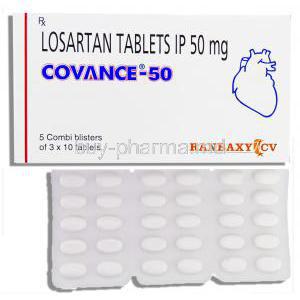
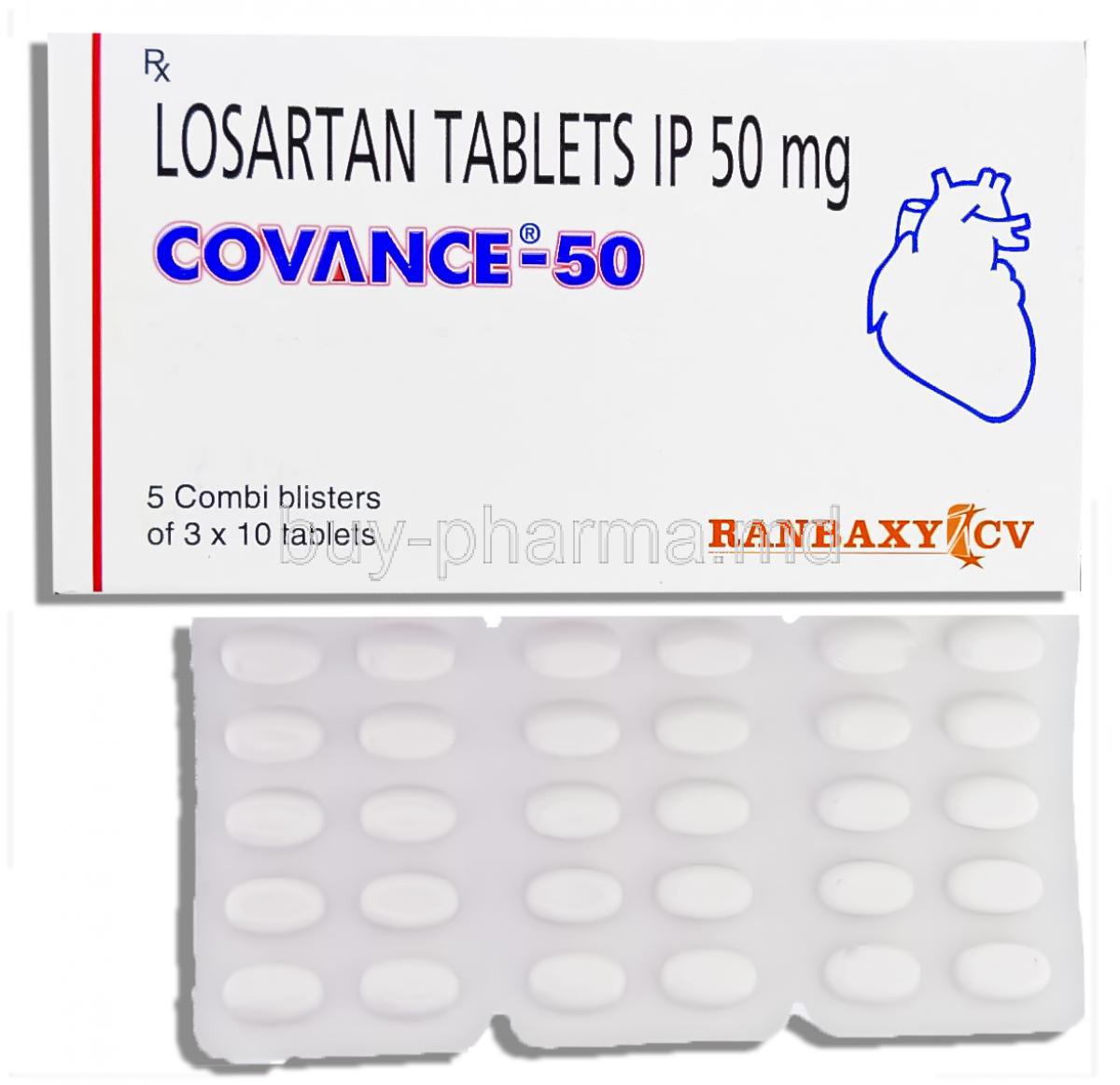
Introduction to Covance (Losartan Potassium Tablet)
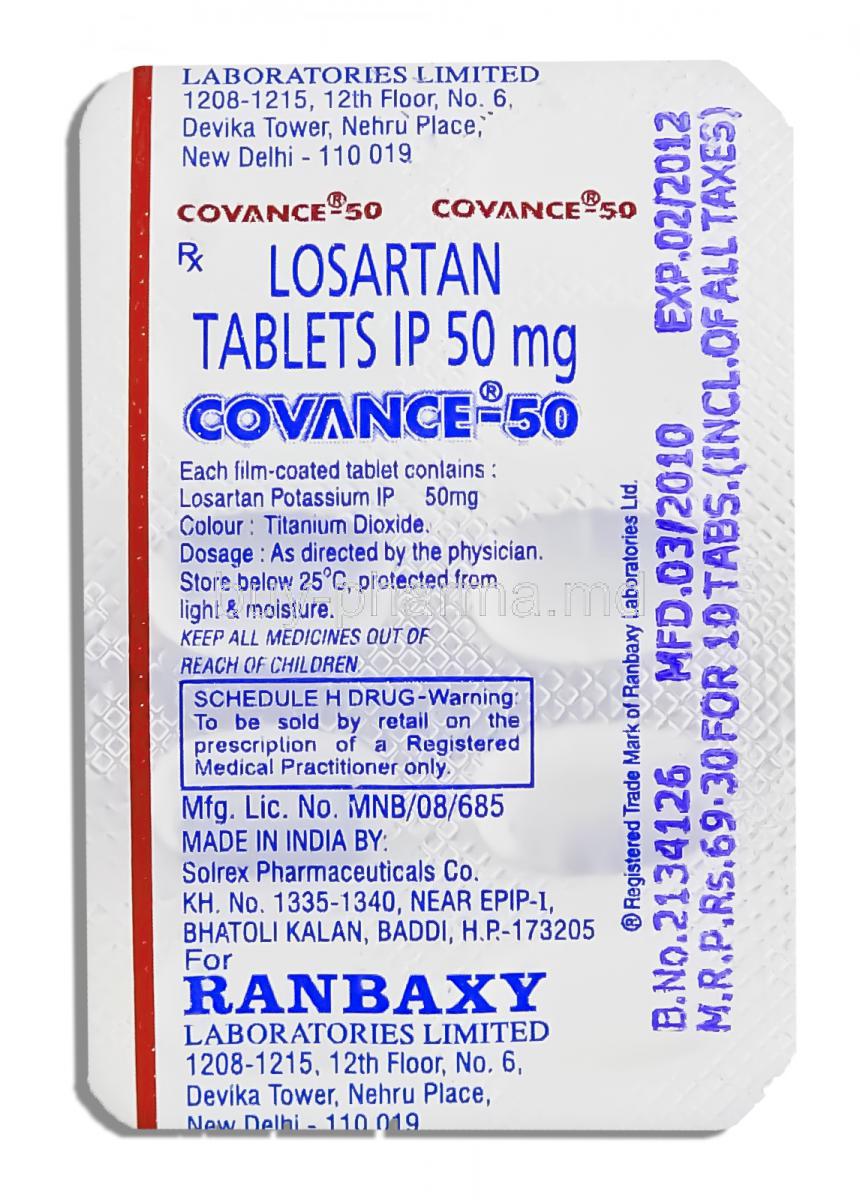
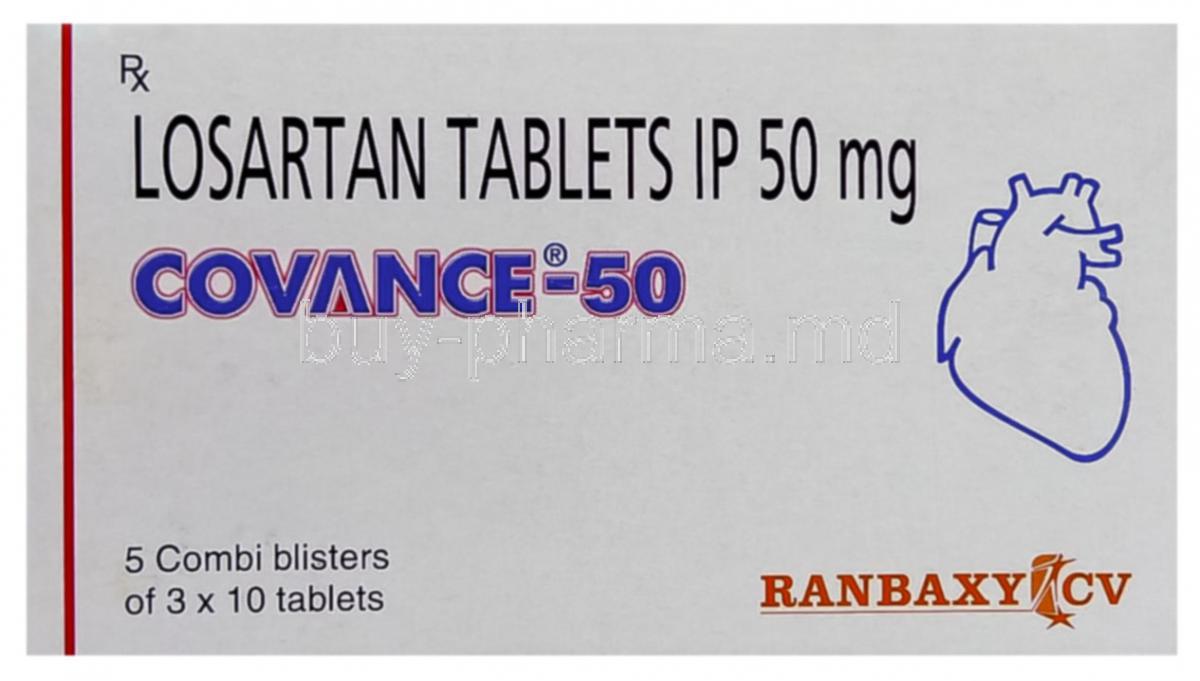
Covance containing Losartan Potassium is formulated to support precision-based cardiovascular therapy. It is designed for patients who require targeted control of systemic blood pressure and kidney protection under specific risk conditions.
- Trusted antihypertensive category agent
- Frequently used in both primary and specialist care
Overview of Covance brand and therapeutic category
Covance belongs to a therapeutic segment that focuses on modifying vascular resistance and endocrine-mediated pressure dynamics. It is esteemed for its predictable pharmacological response and reliability in long-term therapy.
Classification as an angiotensin II receptor blocker (ARB)
Losartan is scientifically classified as an ARB, a group of medications that selectively inhibit specific receptor signalling pathways.
Key clinical role in cardiovascular disease management
This medicine occupies a crucial role in modern cardiovascular protocols. Many treatment guidelines endorse ARBs as foundational agents in long-term hypertension strategy and renal preservation.
Composition and Pharmaceutical Characteristics
Active ingredient: Losartan Potassium
The primary active moiety is Losartan Potassium, which exerts systemic vasomodulation.
Available strengths and dosage forms
Tablets are typically offered in multiple strengths to accommodate incremental dosing adjustments. These adjustments are vital for individualised therapy.
Pharmacological class and receptor affinity profile
Losartan targets AT1 receptors with high selectivity. This selectivity is an essential differentiator compared to older antihypertensive categories.
Mechanism of Action – How Losartan Works in the Body
Blockade of angiotensin II AT1 receptors
Losartan interferes with angiotensin II by obstructing its receptor docking process. This blockade suppresses vasoconstriction impulses.
Effects on vascular resistance and blood pressure lowering
By reducing systemic resistance, overall mean arterial pressure declines, often quietly and steadily.
Impact on aldosterone secretion and fluid balance regulation
This drug attenuates aldosterone’s effect on sodium and water retention, improving fluid equilibrium and decreasing intravascular load.
Renin-angiotensin system modulation and renal hemodynamic effect
Losartan modulates RAS-mediated renal haemodynamics, providing nephron-level protective benefits particularly when proteinuria is present.
Approved Therapeutic Uses
Treatment of essential hypertension in adults
Used as a front-line intervention for elevated blood pressure in adult populations.
Management of hypertension in patients with diabetes or metabolic syndrome
Especially suitable in diabetic cohorts due to renal protective pathways.
Prevention of stroke in high-risk hypertensive patients
Reduction in cerebrovascular event probability has been demonstrated in at-risk patients.
Treatment of diabetic nephropathy with proteinuria
Covance assists in slowing nephron decline where protein leakage is evident.
Off-Label and Emerging Clinical Uses
Adjunct therapy in chronic heart failure
Losartan is sometimes incorporated into multi-drug regimens for congestive cardiomyopathy.
Management of left ventricular hypertrophy regression
Structural reverse remodelling has been observed in research populations.
Use in albuminuria reduction in non-diabetic kidney disease
Losartan may be considered for microalbuminuria suppression beyond diabetic cases.
Potential use in resistant hypertension combined therapy strategies
Can be paired with calcium channel blockers or thiazide diuretics.
Dosage and Administration Guidelines
Standard starting dosage for hypertension
A common starting dose is administered once daily. Frequency is typically maintained throughout therapy unless titration is warranted.
Titration strategy for inadequate response
Doses may be escalated carefully if targeted blood pressure thresholds are not attained.
Dose adjustments in renal or hepatic impairment
Dose moderation may be required when hepatic or renal metabolism is compromised.
Administration timing, frequency, and with/without food recommendations
Losartan can be taken with or without meals, providing convenient scheduling flexibility.
Important Precautions and Careful Administration Considerations
Monitoring recommendations for serum potassium and renal function
Potassium monitoring is critical, particularly in those at risk of hyperkalemia.
Precautions for dehydrated or volume-depleted patients
Volume depletion may exaggerate hypotensive response, necessitating correction before initiation.
Blood pressure monitoring strategies during therapy initiation
Periodically measuring seated and standing pressure values ensures therapeutic equilibrium.
Special considerations in patients with renal artery stenosis
Renal artery stenosis may potentiate renal perfusion shifts, requiring professional oversight.
Contraindications
Known hypersensitivity to losartan or ARB class
Hypersensitive reactions preclude further formulation exposure.
Use in pregnancy (especially 2nd/3rd trimester)
Fetal toxicity risk renders ARBs inappropriate during mid to late pregnancy.
Patients with severe hypotension or acute renal failure risk
Individuals with unstable hemodynamics should not be initiated on losartan.
Drug Interaction Risk Profile
Interactions with NSAIDs and effect on kidney perfusion
NSAIDs may blunt antihypertensive benefit and diminish renal perfusion synergy.
Potassium supplements and potassium-sparing diuretics
Concurrent use may precipitate hyperkalemia, which may become clinically significant.
Dual blockade with ACE inhibitors or aliskiren
Dual RAAS suppression heightens adverse renal and electrolyte instability risk.
Alcohol interaction and additive blood pressure lowering
Co-ingestion may amplify antihypertensive intensity and should be approached cautiously.
Common Adverse Effects of Losartan
While Losartan is generally well tolerated, a subset of users may experience physiological reactions during therapy. Some are transient, while others may persist depending on dose exposure and baseline health status.
Dizziness and hypotension-related symptoms
Transient dizziness can occur as systemic vascular resistance begins to decline. Some users may exhibit postural hypotension, especially when rising quickly from a seated or supine position. Brief lightheadedness may also surface during early dose titration.
Headache, fatigue, or asthenia
Neurological heaviness or mild fatigue is observed in some individuals. Manifestations may include:
- Intermittent cephalgia
- A subjective feeling of weakness
- Reduced physical stamina
Musculoskeletal discomfort including back pain
Some recipients report localized musculoskeletal tension. Back discomfort, diffuse muscle heaviness, or mild myalgia may intermittently appear during therapy phases.
Other Possible Side Effects and Serious Reactions
More clinically relevant adverse effects may arise in sensitive or high-risk cohorts. Immediate medical attention may be warranted in certain cases.
Hyperkalemia and arrhythmia risk
By reducing aldosterone activity, Losartan may elevate serum potassium levels. Severe potassium elevation can provoke electrophysiological instability and trigger rhythm disturbances.
Renal function deterioration in susceptible patients
Those with renal artery stenosis or pre-existing nephron compromise may experience reduced filtration performance. Subtle increases in creatinine or reduced eGFR may indicate renal hemodynamic fluctuations.
Angioedema (rare) and emergency response guidance
Although uncommon, abrupt swelling of the face, tongue, or airway tissues may appear. Emergency medical intervention is mandatory due to airway obstruction risks.
Administration in Special Populations
Administration to elderly – reduced physiological reserve and dose caution
Elderly patients often exhibit reduced hemodynamic compensation. Lower initiation doses and incremental titration may be prudent.
Administration to pregnant women and nursing mothers – fetal toxicity risk and breastfeeding considerations
Second and third trimester use is contraindicated due to fetal renal toxicity risk. Lactation safety should be evaluated clinically, as trace passage into milk is possible.
Administration to children – pediatric hypertension dosing strategies and limitations
Pediatric dosing requires weight-based calculations with strict professional oversight. Long-term renal impact monitoring may be required in juvenile cohorts.
Overdose and Toxicity Management
Expected physiological effects of losartan overdose
Marked hypotension, excessive vasodilation, and altered electrolyte equilibrium are expected sequelae of overdose events.
Recommended emergency intervention protocols
Rapid stabilization may include:
- Volume resuscitation
- Electrolyte assessment and correction
- Cardiovascular support as indicated
Supportive care and hemodynamic stabilization guidance
Supportive therapy is prioritized until pressure gradients normalize. Symptom-guided therapeutic action is typically required.
Handling Precautions and Storage Recommendations
Storage temperature, humidity, and packaging integrity protection
Store at controlled room temperature. Humidity exposure should be minimized to maintain tablet stability and disintegration profile.
Light and moisture exposure prevention
Keep tablets sealed away from direct sunlight to avoid degradation of active chemical constituents.
Safe handling and disposal instructions for expired medication
Expired medication should not be reclaimed or reused. Proper disposal guidelines should be followed according to local pharmaceutical waste directives.


Similar Product