
1. Introduction to Cosart (Losartan)
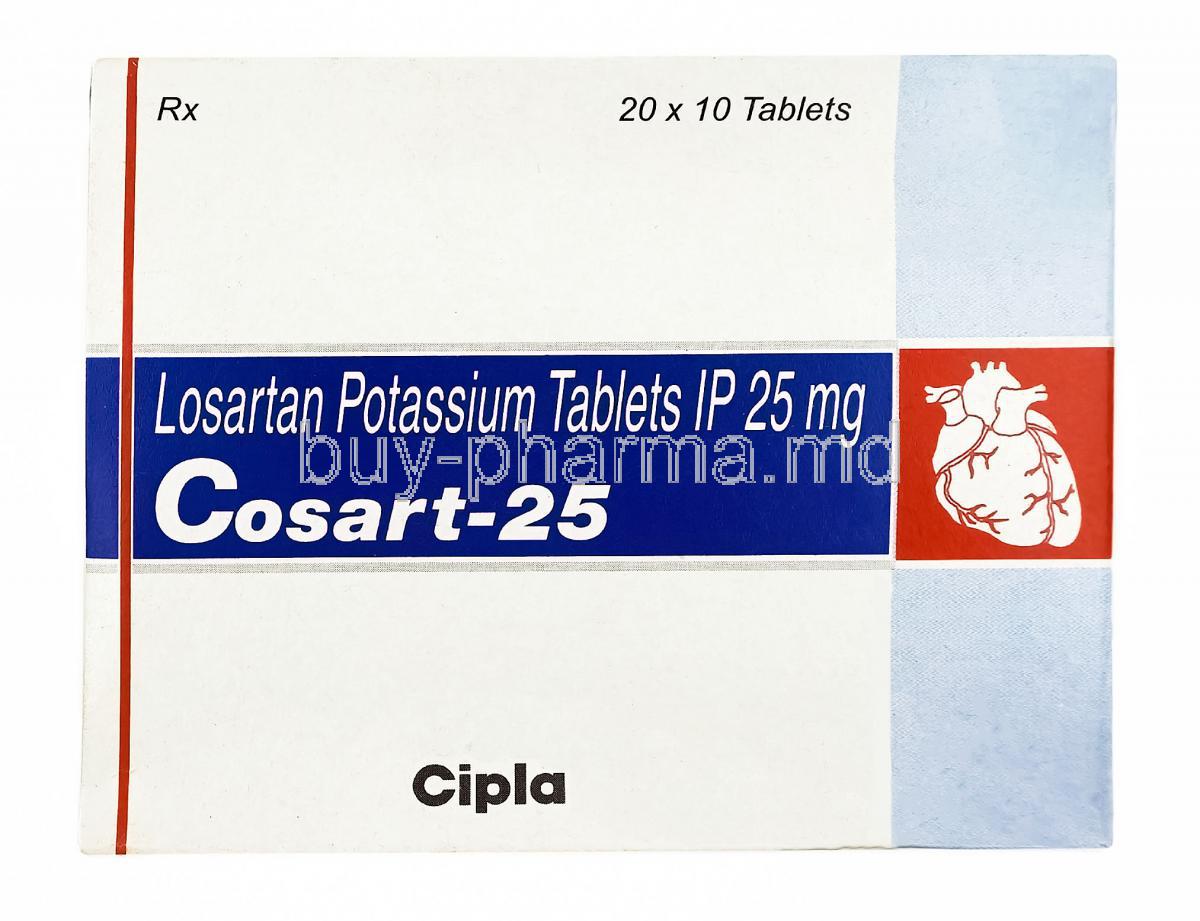
Cosart, containing losartan potassium, is a widely prescribed antihypertensive agent belonging to the class of Angiotensin II Receptor Blockers (ARBs). It is utilized extensively in modern cardiovascular pharmacotherapy due to its targeted mechanism and favorable tolerability profile.
The medication is available under various brand names and in multiple oral tablet strengths. It is primarily indicated for conditions involving elevated blood pressure and renal impairment associated with systemic diseases.
- Hypertension management
- Cardiovascular risk reduction
- Renal protection in diabetic patients
Its long-term use contributes significantly to reducing morbidity and mortality associated with chronic cardiovascular disorders.
2. Composition and Formulation of Cosart
The principal active constituent of Cosart is losartan potassium, a selective angiotensin receptor antagonist. It is formulated into oral tablets with varying strengths to accommodate individualized dosing regimens.
- 25 mg tablets for initial or lower-dose therapy
- 50 mg tablets for standard treatment
- 100 mg tablets for advanced or resistant cases
Inactive ingredients may include binders, fillers, and stabilizing agents that ensure pharmacological integrity and shelf stability. The product is typically packaged in blister packs or bottles, depending on manufacturer specifications.
3. Mechanism of Action: How Cosart (Losartan) Works
Losartan exerts its therapeutic effects by selectively inhibiting the binding of angiotensin II to AT1 receptors. Angiotensin II is a potent vasoconstrictor responsible for elevating blood pressure and stimulating aldosterone secretion.
By antagonizing this pathway, Cosart facilitates:
- Vasodilation and reduced peripheral resistance
- Decreased aldosterone-mediated sodium retention
- Lowered blood pressure and cardiac workload
Additionally, it improves renal hemodynamics, attenuates glomerular hypertension, and reduces proteinuria—an important consideration in nephroprotective therapy.
4. Approved Uses of Cosart (Losartan)
Cosart is approved for multiple clinical indications, particularly those involving cardiovascular and renal systems. Its versatility stems from its ability to modulate the renin-angiotensin-aldosterone system effectively.
- Treatment of essential hypertension
- Reduction of stroke risk in patients with left ventricular hypertrophy
- Management of diabetic nephropathy in type 2 diabetes
- Cardiovascular risk reduction in high-risk populations
These applications underscore its pivotal role in both primary and secondary prevention strategies.
5. Expanded and Off-Label Uses of Losartan
Beyond its approved indications, losartan has been explored in several off-label scenarios where modulation of angiotensin II pathways offers therapeutic advantages.
- Adjunctive treatment in heart failure
- Management of chronic kidney disease not related to diabetes
- Prevention of atrial fibrillation recurrence
- Reduction of serum uric acid levels in hyperuricemia
- Slowing aortic dilation in Marfan syndrome
- Migraine prophylaxis in select patients
- Delay of disease progression in polycystic kidney disease
Such uses are often guided by emerging clinical evidence and specialist discretion.
6. Dosage and Administration Guidelines
Dosage of Cosart is individualized based on patient profile, underlying condition, and therapeutic response. The medication is typically administered once daily, with or without food.
- Initial dose: commonly 50 mg once daily
- Adjustment range: 25 mg to 100 mg per day
- Diabetic nephropathy: often initiated at 50 mg and titrated
Missed doses should be taken as soon as remembered unless close to the next scheduled dose. Long-term adherence is crucial for optimal therapeutic outcomes.
7. Administration in Special Populations
7.1 Administration to Elderly Patients
Elderly individuals may exhibit heightened sensitivity to antihypertensive effects. Careful titration is recommended to avoid excessive hypotension.
- Monitor renal function regularly
- Assess electrolyte balance
- Start with lower initial doses when appropriate
7.2 Administration to Pregnant Women and Nursing Mothers
Cosart is contraindicated during pregnancy due to the risk of fetal toxicity, particularly affecting renal development. Exposure may lead to serious complications, including fetal hypotension and renal failure.
In breastfeeding mothers, caution is advised as excretion into breast milk is not fully established.
7.3 Administration to Pediatric Patients
Losartan may be used in pediatric patients under specific conditions. Dosing is typically weight-based, and clinical supervision is essential.
- Limited data in very young children
- Monitoring for safety and efficacy is required
- Use only when clearly indicated
8. Side Effects of Cosart (Losartan)
Like all pharmacological agents, Cosart may produce adverse effects. These can range from mild and transient to severe and clinically significant.
Side effects are generally categorized by frequency and intensity, allowing clinicians to differentiate between expected reactions and those requiring intervention.
9. Common Side Effects of Losartan
The most frequently reported adverse effects are typically mild and often diminish with continued use.
- Dizziness, particularly upon initiation
- Hypotension in susceptible individuals
- Upper respiratory tract infections
- Fatigue and generalized weakness
- Gastrointestinal disturbances such as diarrhea
- Hyperkalemia due to altered electrolyte balance
Routine monitoring helps mitigate potential complications associated with these effects.
10. Serious and Rare Side Effects
Although uncommon, serious adverse reactions may occur and necessitate immediate medical attention.
- Severe hypotension leading to syncope
- Acute kidney injury or worsening renal function
- Angioedema, presenting as facial or airway swelling
- Significant electrolyte imbalances
- Rare cases of hepatic dysfunction
11. Drug Interactions with Cosart
Cosart (losartan) demonstrates a generally favorable interaction profile; however, clinically significant interactions may occur, particularly when co-administered with agents affecting renal function or electrolyte balance. Vigilant assessment is essential.
Interaction with Potassium Supplements and Potassium-Sparing Diuretics
Concurrent use may potentiate hyperkalemia due to reduced aldosterone-mediated potassium excretion.
- Potassium supplements
- Spironolactone, eplerenone, amiloride
Close monitoring of serum potassium is recommended to avert potentially hazardous electrolyte disturbances.
NSAIDs and Impact on Renal Function
Nonsteroidal anti-inflammatory drugs (NSAIDs) may attenuate the antihypertensive effect of losartan and impair renal perfusion, particularly in susceptible individuals.
- Risk of acute kidney injury
- Reduced therapeutic efficacy
Lithium Toxicity Risk
Co-administration with lithium may increase serum lithium concentrations, predisposing to toxicity.
- Neurological symptoms
- Potential need for dose adjustment
Other Antihypertensive Agents
Combination therapy may produce additive or synergistic hypotensive effects. While often beneficial, excessive blood pressure reduction can occur.
CYP450 Interactions and Metabolism Considerations
Losartan is metabolized via hepatic cytochrome P450 enzymes, particularly CYP2C9 and CYP3A4. Enzyme inducers or inhibitors may alter drug exposure.
12. Contraindications of Losartan
Use of Cosart is contraindicated in specific clinical scenarios where the risk outweighs potential benefit.
- Known hypersensitivity to losartan or formulation components
- Pregnancy, especially during the second and third trimesters
- Concomitant use with aliskiren in patients with diabetes
Severe hepatic impairment is considered a relative contraindication, necessitating cautious evaluation.
13. Warnings and Safety Considerations
Cosart requires careful clinical oversight in certain patient populations. Safety considerations are paramount to prevent adverse outcomes.
- Risk of pronounced hypotension in volume-depleted individuals
- Potential complications in renal artery stenosis
- Hyperkalemia due to impaired potassium excretion
- Worsening renal function in predisposed patients
A significant safety concern includes the boxed warning related to fetal toxicity, necessitating strict avoidance during pregnancy.
14. Careful Administration (Use with Caution)
Certain populations require judicious use of losartan, with individualized dosing and enhanced monitoring protocols.
- Patients with hepatic dysfunction due to altered metabolism
- Individuals with electrolyte imbalance
- Patients receiving diuretics or experiencing volume depletion
- Those with coexisting cardiovascular conditions
- History of angioedema with other agents
Therapeutic prudence and incremental dose titration are advised.
15. Important Precautions Before and During Use
Appropriate precautions optimize treatment efficacy and mitigate risks. Regular clinical evaluation is indispensable.
- Routine blood pressure monitoring to assess response
- Periodic renal function tests, including serum creatinine and BUN
- Monitoring serum potassium levels
- Ensuring adequate hydration status
- Strict adherence to prescribed dosing regimen
Patients should be educated on recognizing symptoms that warrant prompt medical consultation.
16. Overdosage and Management
Overdosage of losartan may lead to exaggerated pharmacodynamic effects. Early recognition is critical.
- Hypotension
- Tachycardia or, less commonly, bradycardia
- Dizziness and syncope
Management strategies include:
- Immediate supportive care and hemodynamic stabilization
- Administration of activated charcoal if ingestion is recent
- Close monitoring of vital signs and renal function
Dialysis is generally ineffective due to high protein binding of losartan.
17. Storage and Stability Information
Proper storage ensures drug stability and therapeutic integrity.
- Store at controlled room temperature
- Protect from excessive moisture and direct light
- Observe expiration date strictly
Maintaining optimal storage conditions prevents degradation and loss of efficacy.
18. Handling Precautions
Appropriate handling practices are essential for maintaining product quality and safety.
- Handle tablets with clean, dry hands
- Avoid splitting tablets unless specifically directed
- Dispose of expired or unused medication responsibly
Safe storage within households reduces the risk of accidental ingestion.
19. Patient Counseling and Lifestyle Considerations
Patient education enhances adherence and therapeutic success. Lifestyle modifications complement pharmacotherapy.
- Emphasize consistent medication adherence
- Adopt a low-sodium diet
- Monitor potassium intake
- Limit alcohol consumption
- Engage in regular physical activity
Patients should be advised to seek medical attention if experiencing severe dizziness, swelling, or unusual symptoms.
20. Summary and Clinical Importance of Cosart (Losartan)
Cosart represents a cornerstone therapy in the management of hypertension and associated complications. Its ability to modulate the renin-angiotensin system confers both cardiovascular and renal benefits.
- Effective blood pressure reduction
- Protection against end-organ damage
- Reduction in cardiovascular morbidity
Long-term use, guided by individualized therapy and diligent monitoring, supports optimal clinical outcomes and improved patient prognosis.
Early recognition and prompt management are critical to preventing long-term complications.
 Verified Purchase
Blood Pressure
Great company to order from!
Customers also bought


Popular Products

Similar Product