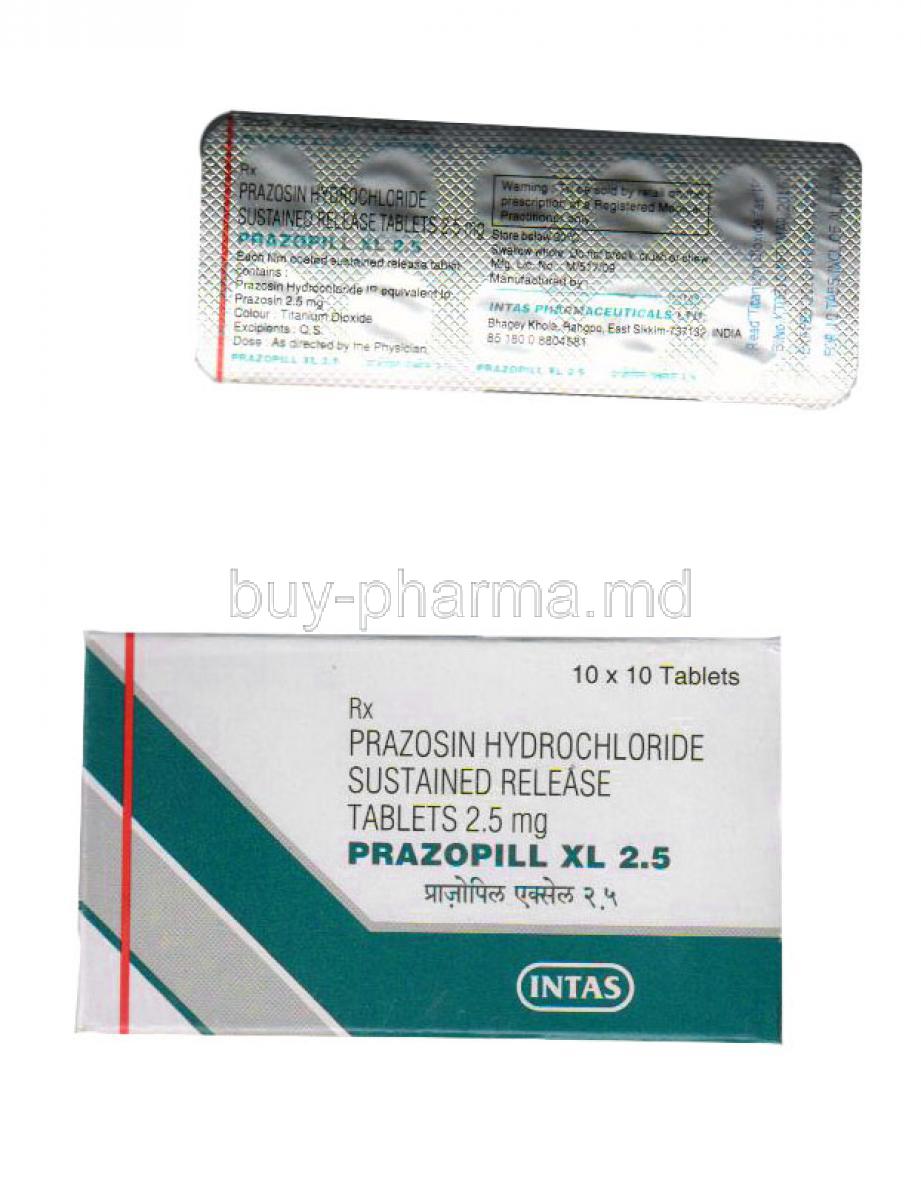
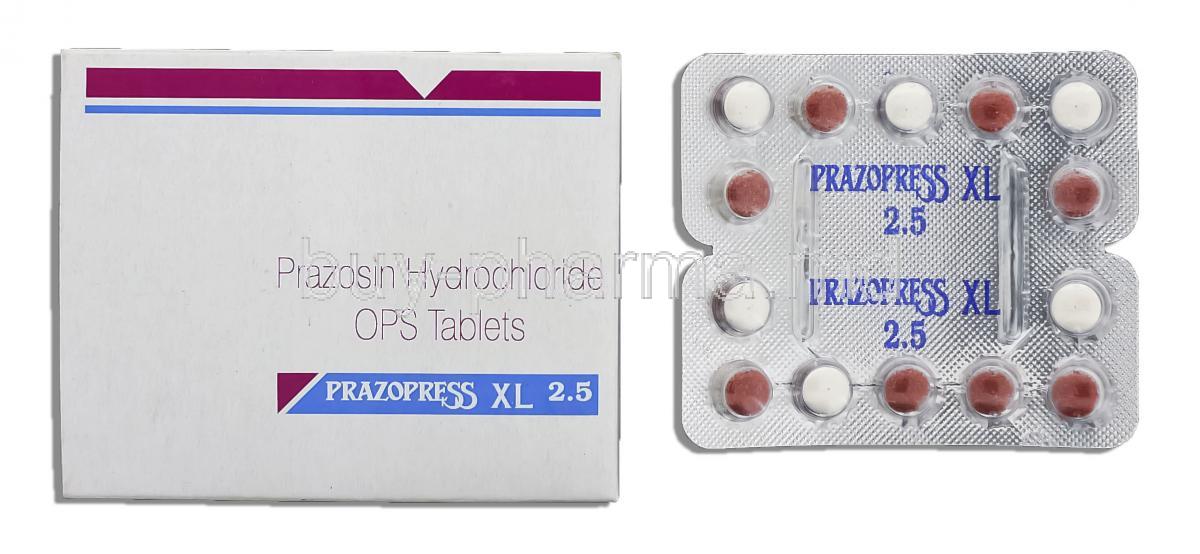
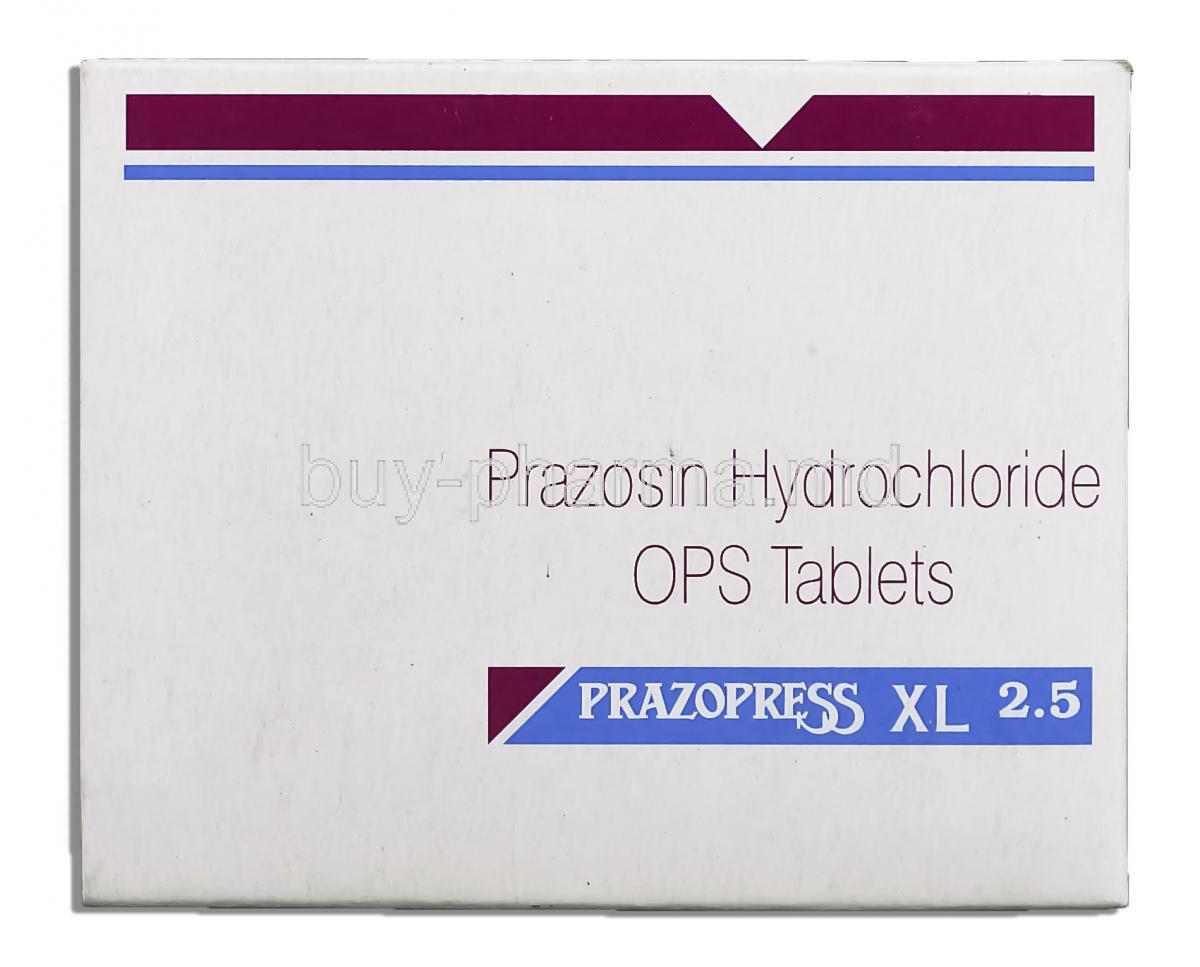
Introduction toprazosin side effects XL (Extended-Release Formulation)
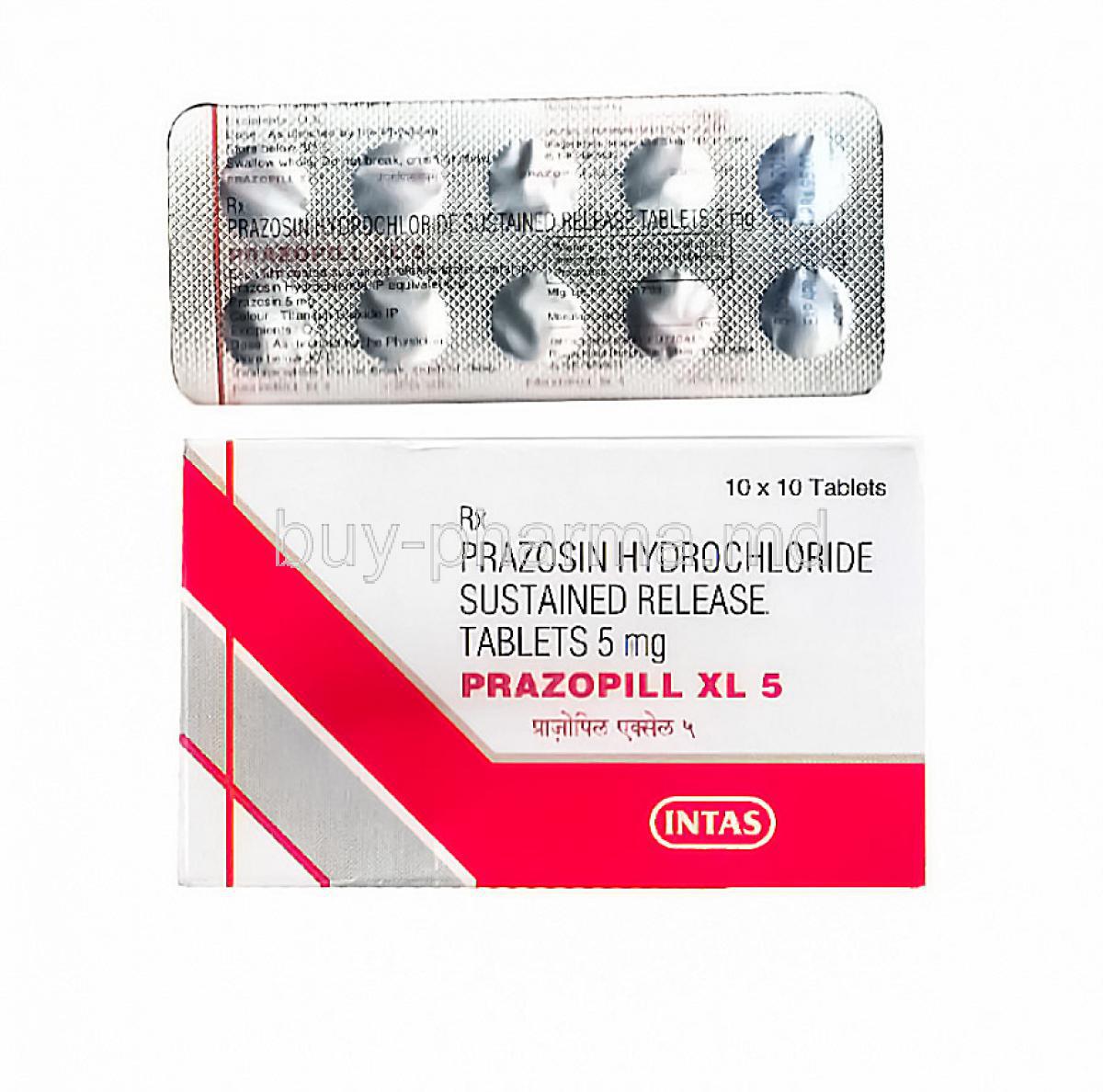
Prazosin XL is an extended-release formulation of prazosin, a well-established alpha-1 adrenergic receptor antagonist used in cardiovascular and selected neuropsychiatric settings. Designed for sustained drug delivery, the XL formulation provides smoother plasma concentration curves and prolonged therapeutic coverage.
Unlike conventional preparations, this formulation emphasizes consistency rather than immediacy. The result is steadier symptom control, fewer peak-related adverse effects, and improved tolerability in long-term therapy.
- Extended-release alpha-1 blocker
- Optimized for once-daily administration
- Improved hemodynamic stability
Overview of Prazosin XL as an Extended-Release Alpha-1 Adrenergic Receptor Antagonist
Prazosin XL selectively inhibits postsynaptic alpha-1 adrenergic receptors, reducing sympathetic vasoconstrictor tone. The extended-release platform allows gradual receptor engagement, minimizing abrupt blood pressure reductions while maintaining efficacy over a 24-hour period.
Difference Between Immediate-Release Prazosin and Extended-Release (XL) Formulation
Immediate-release prazosin is characterized by rapid absorption and short duration, often necessitating multiple daily doses. In contrast, Prazosin XL:
- Releases the active compound slowly
- Reduces plasma concentration fluctuations
- Improves adherence through simplified dosing
Therapeutic Rationale for Extended-Release Delivery
Sustained delivery mitigates the “first-dose phenomenon” and limits sharp hemodynamic shifts. This controlled exposure enhances safety in patients sensitive to orthostatic changes, particularly during long-term antihypertensive therapy.
Brief History and Clinical Development
Prazosin was initially developed as a short-acting antihypertensive. Subsequent clinical insights into tolerability and adherence led to the evolution of extended-release formulations, aligning pharmacologic action with modern chronic disease management principles.
Composition and Pharmaceutical Characteristics
Active Ingredient: Prazosin Hydrochloride
The therapeutic effect of Prazosin XL is driven by prazosin hydrochloride, a quinazoline derivative with selective alpha-1 adrenergic antagonism.
Extended-Release Matrix and Formulation Technology
Prazosin XL employs a polymer-based matrix system that regulates drug diffusion. This architecture ensures gradual release along the gastrointestinal tract without dose dumping.
Available Strengths and Dosage Forms
The medication is supplied as oral extended-release tablets in multiple strengths, enabling individualized titration based on clinical response and tolerance.
Excipients and Inactive Ingredients
Inactive components stabilize the formulation, preserve bioavailability, and maintain tablet integrity. These excipients do not contribute to pharmacological activity.
Pharmacokinetic Profile Specific to XL Formulation
Prazosin XL demonstrates delayed peak concentration, extended half-life, and reduced inter-dose variability. Hepatic metabolism predominates, with renal excretion of metabolites.
Prazosin and Trazodone
Prazosin and trazodone are two different prescription medications that can be used together under careful medical supervision, particularly for patients with conditions like Post-Traumatic Stress Disorder (PTSD) that involve both nightmares and insomnia. The primary concern with combining them is an increased risk of low blood pressure (orthostatic hypotension) and excessive sedation.
Hydroxyzine and Prazosin
Hydroxyzine and prazosin are both used for sleep issues, especially in PTSD, but combining them increases the risk of low blood pressure (hypotension), causing dizziness or fainting, so caution and monitoring are needed, though some studies show they help nightmares and sleep quality, with prazosin often seen as more effective for nightmares but hydroxyzine good for initial insomnia.
Prazosin Mechanism of Action: How Prazosin XL Works
Alpha-1 Adrenergic Receptor Blockade
By antagonizing alpha-1 receptors, prazosin prevents catecholamine-mediated vasoconstriction. This mechanism underpins both cardiovascular and autonomic effects.
Effects on Vascular Smooth Muscle Relaxation
Receptor blockade promotes smooth muscle relaxation within arterioles and veins, enhancing vascular compliance and reducing preload and afterload.
Impact on Peripheral Resistance and Blood Pressure
Systemic vascular resistance decreases, leading to measurable reductions in both systolic and diastolic blood pressure without reflex tachycardia in most patients.
Central Nervous System Effects Relevant to Off-Label Use
Prazosin crosses the blood–brain barrier, modulating noradrenergic signaling in central pathways associated with arousal, fear conditioning, and sleep regulation.
Differences in Pharmacodynamics Between XL and Immediate-Release Forms
Extended-release delivery produces prolonged receptor occupancy with attenuated peak effects, reducing adverse reactions while maintaining therapeutic action.
Approved Medical Uses of Prazosin XL
Treatment of Hypertension
Prazosin XL is indicated for the management of essential hypertension, either as monotherapy or in combination with other antihypertensive agents.
Role in Blood Pressure Control and Cardiovascular Risk Reduction
Sustained blood pressure control contributes to decreased risk of stroke, myocardial infarction, and other hypertensive complications.
Use in Patients Requiring Stable 24-Hour Blood Pressure Management
The XL formulation is particularly beneficial for patients experiencing nocturnal or early-morning blood pressure surges.
Prazosin off label uses
Prazosin for Nightmares-Post-Traumatic Stress Disorder (PTSD)
Prazosin XL is widely used to attenuate trauma-related nightmares by dampening central adrenergic hyperactivity during sleep.
Prazosin for Sleep Disturbances Associated with Trauma and Prazosin for daytime anxiety
Beyond nightmares, improvements in sleep continuity and reduced nocturnal awakenings have been observed.
Benign Prostatic Hyperplasia (BPH) Symptom Relief
Alpha-1 blockade relaxes smooth muscle in the bladder neck and prostate, improving urinary flow and reducing hesitancy.
Raynaud Phenomenon
Vasodilatory effects may alleviate peripheral vasospasm and cold-induced digital ischemia.
Pheochromocytoma (Adjunctive Therapy)
Prazosin XL may be used preoperatively to control blood pressure and mitigate catecholamine-induced crises.
Heart Failure Adjunct Therapy (Selected Cases)
In carefully selected patients, afterload reduction may offer symptomatic relief when combined with standard therapies.
Alcohol Use Disorder–Related Autonomic Symptoms
The medication has shown benefit in reducing adrenergic hyperarousal linked to withdrawal and craving.
Migraine Prophylaxis (Limited Evidence)
Modulation of vascular tone and central adrenergic pathways has prompted exploratory use in migraine prevention.
Prazosin Dosage
General Dosing Principles for Extended-Release Formulations
Tablets should be swallowed whole, without crushing or chewing, to preserve controlled-release properties.
Prazosin dose and Titration Schedules
Therapy typically begins at the lowest available dose, with gradual upward titration based on response.
Prazosin maximum dose for nightmares
the maximum dose used is 25 mg daily. The highest dose of prazosin used clinically is 50 mg daily in veterans
Maintenance Dosing for Hypertension
Maintenance doses are individualized, aiming for optimal blood pressure control with minimal adverse effects.
Prazosin for sleep dosage
Prazosin was started at 1 mg at bedtime for 3 days and then increased to 2 mg at bedtime for 4 days. The dose could be titrated to a maximum of 10 mg
Dosing Considerations for Off-Label Indications
Lower doses are often sufficient for neuropsychiatric indications, particularly when administered at bedtime.
Administration Timing (Once-Daily vs Divided Dosing)
Most patients benefit from once-daily evening dosing, reducing daytime hypotension.
Importance of Gradual Dose Escalation
Slow titration reduces syncope risk and enhances long-term tolerability.
Careful Administration and Dose Adjustment
First-Dose Phenomenon and Prevention Strategies
Initial dosing may cause marked hypotension. Bedtime administration and low starting doses are essential preventive measures.
Blood Pressure Monitoring During Initiation
Regular monitoring during initiation and dose changes is strongly advised.
Dose Adjustment in Renal Impairment
Although prazosin is primarily hepatically metabolized, cautious dosing is recommended in renal dysfunction.
Dose Adjustment in Hepatic Impairment
Reduced metabolism may necessitate lower doses and extended titration intervals.
Switching from Immediate-Release Prazosin to XL Formulation
Conversion should be performed carefully, accounting for total daily dose and clinical response.
Prazosin withdrawal symptoms
Prazosin withdrawal symptoms can include anxiety, agitation, sweating, headaches, nervousness, tachycardia (fast heart rate), nausea, and insomnia, sometimes accompanied by a rapid rise in blood pressure (rebound hypertension) and the return of nightmares (especially for PTSD). Abruptly stopping this blood pressure medication is dangerous and can trigger a severe sympathetic nervous system overactivity; a doctor must supervise a gradual tapering plan.
Prazosin Side Effects
- Dizziness and lightheadedness
- Orthostatic hypotension
- Headache
- Fatigue and drowsiness
- Nasal congestion
Less Common and Serious Side Effects
- Syncope and severe hypotension
- Palpitations and tachycardia
- Peripheral edema
- Visual disturbances
- Priapism (rare but serious)
- Prazosin side effects in females: Breast Soreness and swelling
Prazosin Interactions
- Additive hypotensive effects with other antihypertensives
- Potentiation with phosphodiesterase-5 inhibitors
- Interactions with beta-blockers and calcium channel blockers
- Enhanced effects with diuretics
- Increased sedation with central nervous system depressants
- Alcohol-related blood pressure instability
Warnings and Safety Information
Prazosin XL carries a known risk of postural hypotension, particularly during treatment initiation and dose escalation. Syncope may occur if precautions are not observed.
Caution is advised in patients with cardiovascular disease, and activities requiring alertness should be avoided until individual response is known. Long-term therapy requires periodic reassessment to ensure continued benefit and safety.
Prazosin Contraindications
Known Hypersensitivity to Prazosin or Related Compounds
Prazosin XL is contraindicated in individuals with a documented hypersensitivity to prazosin hydrochloride or structurally related quinazoline derivatives. Allergic reactions may manifest as cutaneous eruptions, angioedema, or, in rare instances, systemic hypersensitivity responses.
- History of drug-induced rash or urticaria
- Prior anaphylactoid reactions
- Cross-sensitivity to similar alpha-1 antagonists
History of Severe Orthostatic Hypotension
Patients with a known history of pronounced orthostatic hypotension are at heightened risk of syncope and traumatic injury. The vasodilatory effects of prazosin may exacerbate positional blood pressure drops, particularly during initiation.
Conditions Requiring Extreme Caution Due to Blood Pressure Instability
Clinical situations characterized by labile hemodynamics warrant exceptional caution. These include autonomic dysfunction, volume depletion, and advanced cardiovascular disease, where even modest reductions in vascular tone may precipitate instability.
Prazosin and Alcohol
You should limit or avoid alcohol consumption while taking prazosin, as alcohol significantly enhances the medication's side effects, particularly dizziness and dangerously low blood pressure.
Important Precautions Before and During Use
Patient Education on Positional Changes
Patients should be counseled to rise slowly from sitting or supine positions. Gradual transitions help mitigate dizziness, vertigo, and transient visual dimming associated with sudden blood pressure shifts.
Avoidance of Abrupt Therapy Discontinuation
Sudden cessation may result in rebound sympathetic activity. Dose tapering is recommended to maintain physiological equilibrium and prevent abrupt symptom recurrence.
Monitoring During High-Risk Activities
Activities requiring sustained alertness or balance should be approached cautiously during therapy initiation and dose escalation.
- Driving or operating machinery
- Climbing or working at heights
- Endurance or high-intensity exercise
Lifestyle Considerations During Therapy
Adequate hydration, moderation of alcohol intake, and attention to environmental heat exposure are essential supportive measures during treatment.
Prazosin alternatives
Prazosin alternatives depend on the condition (hypertension, BPH, PTSD nightmares), but common options include other alpha-blockers like doxazosin, terazosin, and tamsulosin, which offer similar blood pressure or prostate relief, with doxazosin often preferred for longer duration. For blood pressure, other classes like ACE inhibitors (lisinopril) or beta-blockers (metoprolol) are used, while clonidine is another option for PTSD symptoms.
Administration to Elderly Patients
Increased Sensitivity to Hypotensive Effects
Elderly patients often exhibit enhanced pharmacodynamic sensitivity due to altered vascular compliance and diminished baroreceptor responsiveness. This predisposes them to exaggerated hypotensive responses.
Recommended Lower Starting Doses
Therapy should commence at the lowest feasible dose, with incremental adjustments guided by tolerability and clinical response rather than rapid symptom suppression.
Fall Risk and Monitoring Strategies
Falls represent a significant morbidity risk. Regular blood pressure monitoring, particularly postural measurements, is strongly advised.
Polypharmacy Considerations
Concurrent use of multiple cardiovascular or sedative agents may potentiate adverse effects. Comprehensive medication reconciliation is essential.
Administration During Pregnancy
Pregnancy Risk Classification Overview
Prazosin has not been extensively studied in pregnant populations. Available data are insufficient to definitively establish fetal safety.
Available Clinical Data and Limitations
Limited observational data suggest no consistent pattern of teratogenicity; however, controlled studies are lacking.
Risk–Benefit Assessment
Therapy should be considered only when potential maternal benefit clearly outweighs theoretical fetal risk.
Use Only When Clearly Indicated
Alternative therapies with more established safety profiles should be evaluated prior to initiation.
Administration During Breastfeeding
Excretion into Breast Milk
Prazosin is known to be excreted into human breast milk in small quantities. The clinical significance of this transfer remains uncertain.
Potential Effects on Nursing Infants
Hypotension, lethargy, or feeding difficulties are theoretical concerns, particularly in neonates and premature infants.
Clinical Recommendations for Lactating Mothers
Cautious use is advised. Monitoring the infant for unusual sedation or feeding changes is recommended if therapy is deemed necessary.
Administration to Pediatric Patients
Limited Pediatric Data
Robust clinical trials in pediatric populations are lacking, resulting in limited evidence to support routine use.
Situations Where Use May Be Considered
In selected cases, such as severe autonomic hyperarousal or refractory conditions, off-label use may be contemplated.
Dosing Considerations and Monitoring
Dosing must be conservative, weight-adjusted, and accompanied by vigilant cardiovascular monitoring.
Specialist Supervision Requirements
Initiation and continuation should occur under the supervision of a specialist experienced in pediatric pharmacotherapy.
Overdose and Emergency Management
Symptoms of Prazosin XL Overdose
Overdose typically presents with profound hypotension, dizziness, weakness, and potential loss of consciousness.
Severe Hypotension and Cardiovascular Collapse
In extreme cases, circulatory collapse may ensue, necessitating immediate medical intervention.
Immediate Management Strategies
Prompt positioning in the supine posture with leg elevation is essential to restore cerebral perfusion.
Supportive Care and Monitoring
Continuous blood pressure and cardiac monitoring are required. Intravenous fluids may be administered as needed.
Role of Activated Charcoal and Medical Intervention
If ingestion is recent, activated charcoal may be considered. There is no specific antidote; management remains supportive.
Storage and Stability
Recommended Storage Temperature
Store at controlled room temperature, away from excessive heat or cold.
Protection from Moisture and Light
Exposure to moisture or direct sunlight may compromise tablet integrity and release characteristics.
Shelf Life Considerations
Do not use beyond the expiration date indicated on the packaging.
Safe Storage Away from Children
Medication should be kept in secure locations to prevent accidental ingestion.
Handling Precautions
Do Not Crush or Chew Extended-Release Tablets
Altering the tablet disrupts the extended-release mechanism and may result in dose dumping.
Proper Disposal of Unused Medication
Unused or expired tablets should be disposed of in accordance with local pharmaceutical waste guidelines.
Safe Handling for Caregivers and Healthcare Providers
Routine handling poses minimal risk; however, standard hygiene practices are recommended.
Patient Counseling and Clinical Monitoring
Importance of Adherence to Prescribed Dosing
Consistent dosing is essential to maintain therapeutic stability and prevent adverse hemodynamic fluctuations.
What to Do in Case of Missed Doses
Missed doses should be taken as soon as remembered unless the next scheduled dose is imminent.
Signs Requiring Immediate Medical Attention
- Fainting or near-syncope
- Severe dizziness or weakness
- Chest discomfort or palpitations
Long-Term Follow-Up and Blood Pressure Monitoring
Regular follow-up allows assessment of efficacy, tolerability, and ongoing necessity of therapy, ensuring optimal long-term outcomes.

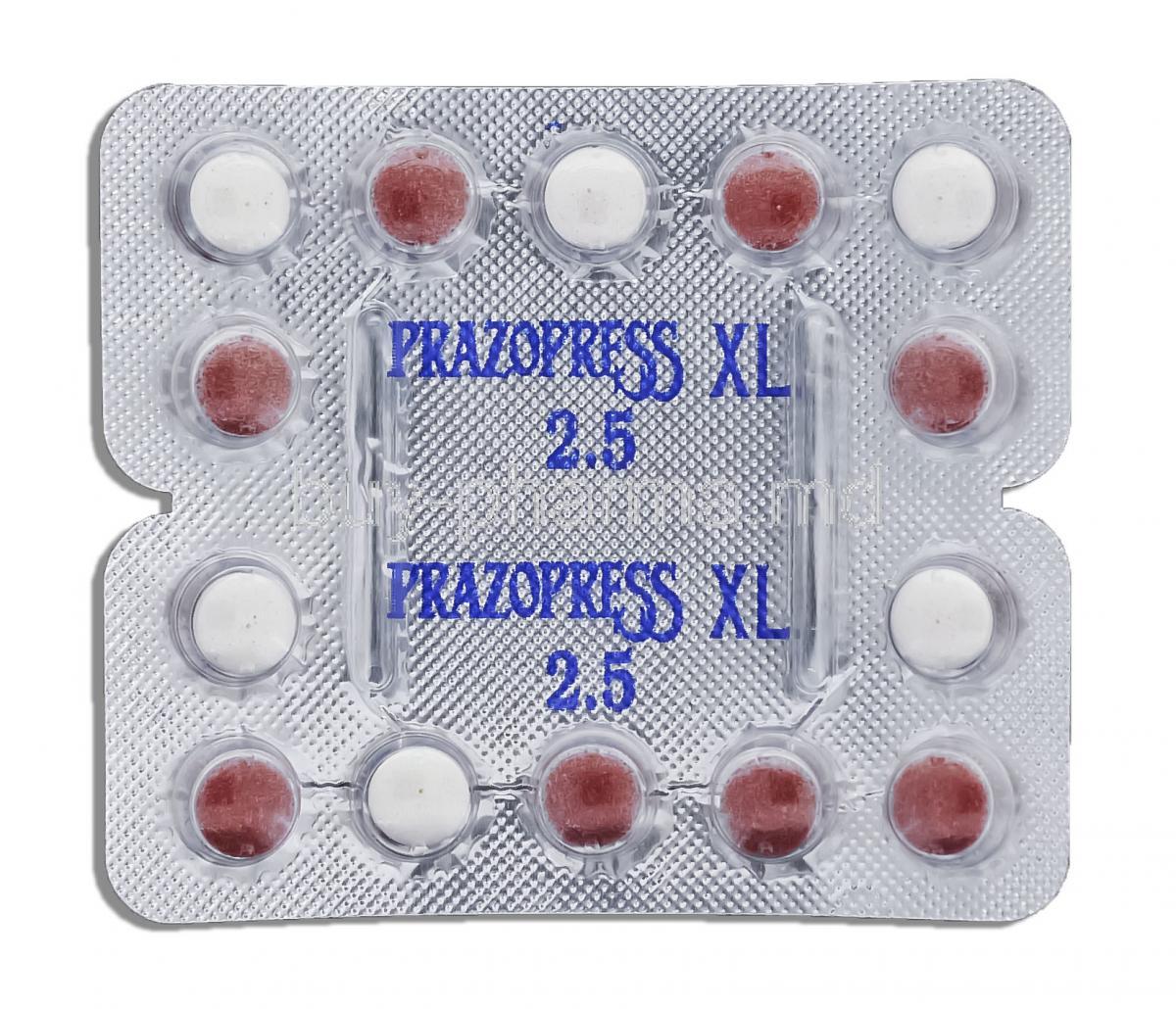
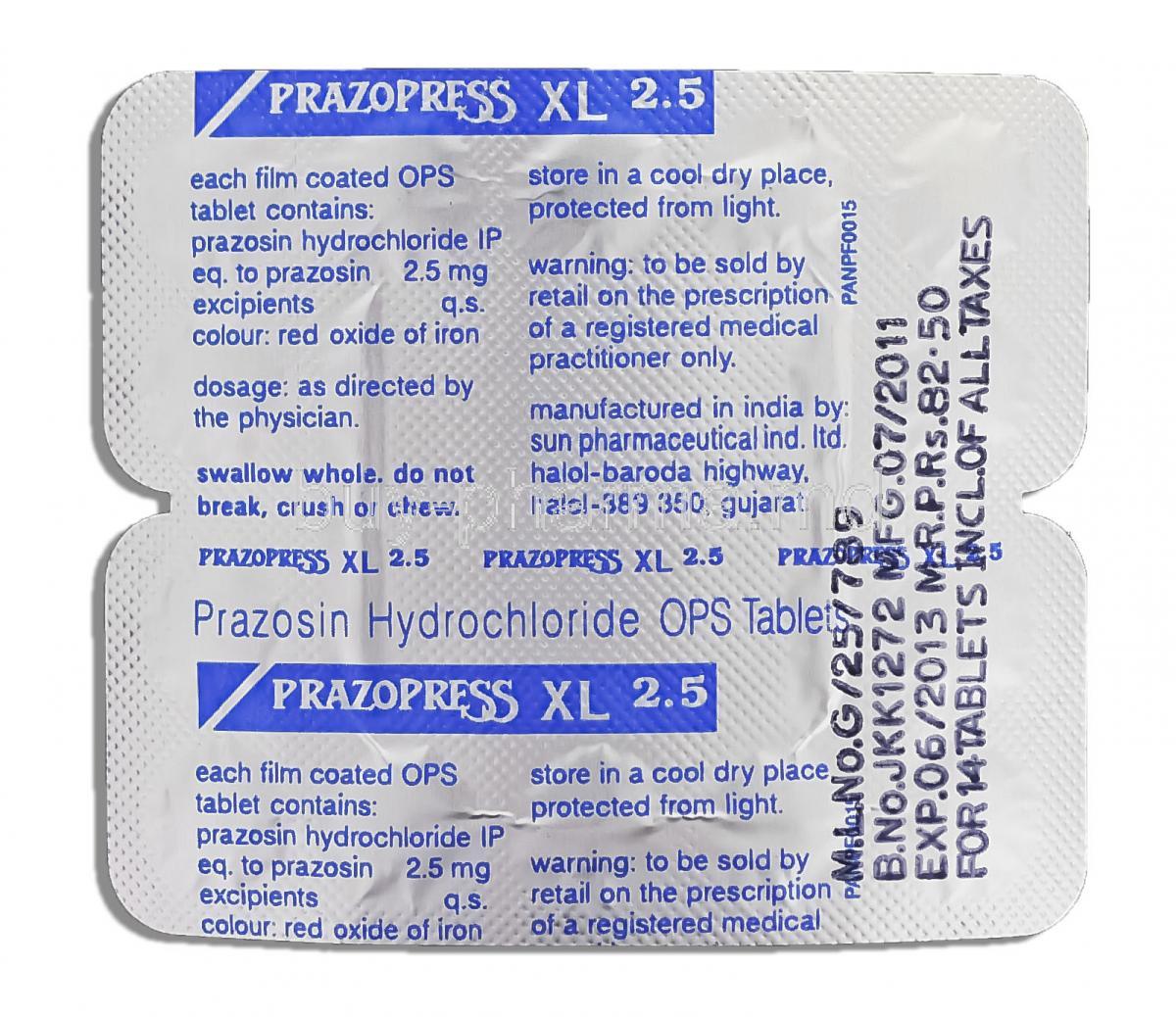
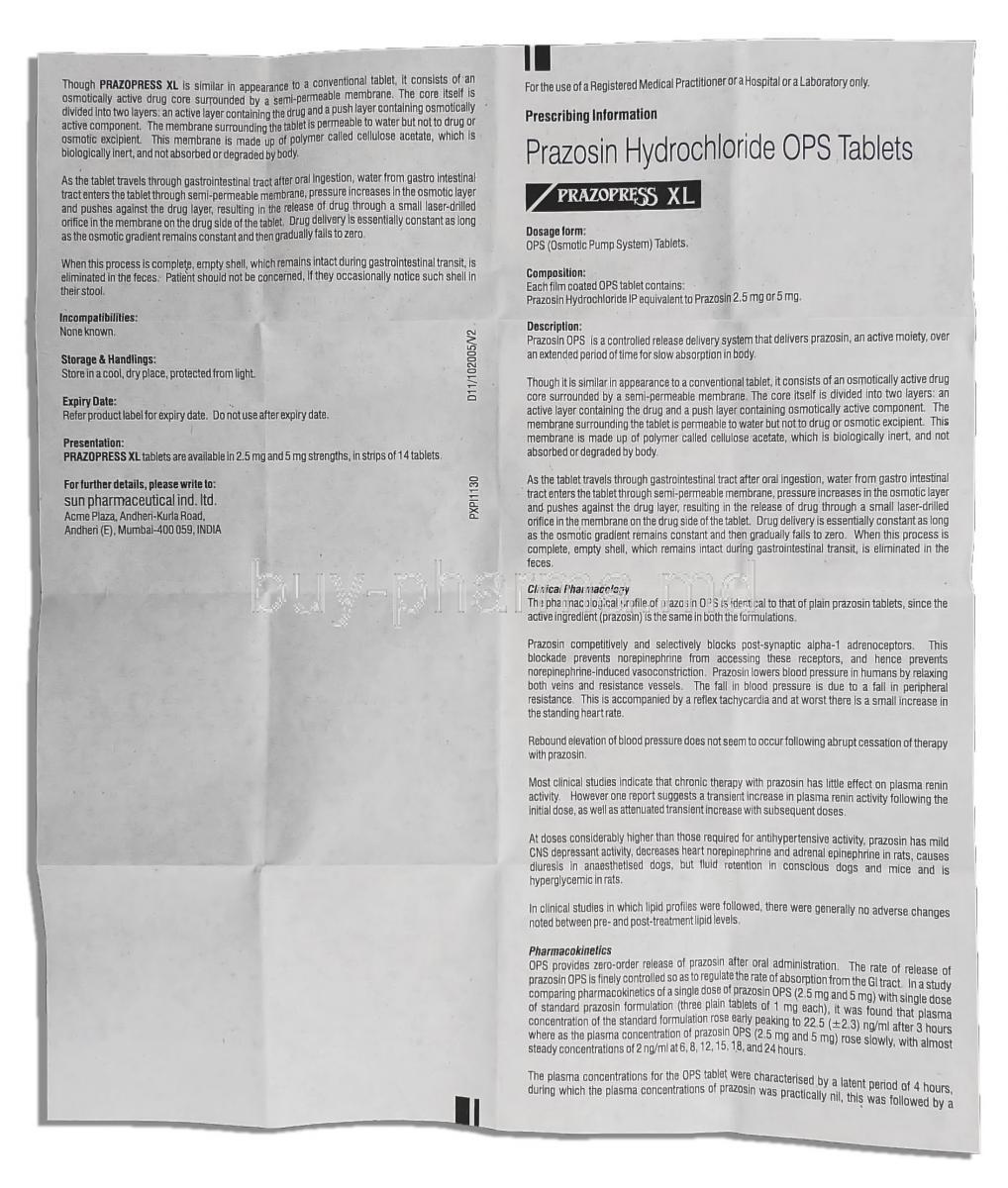
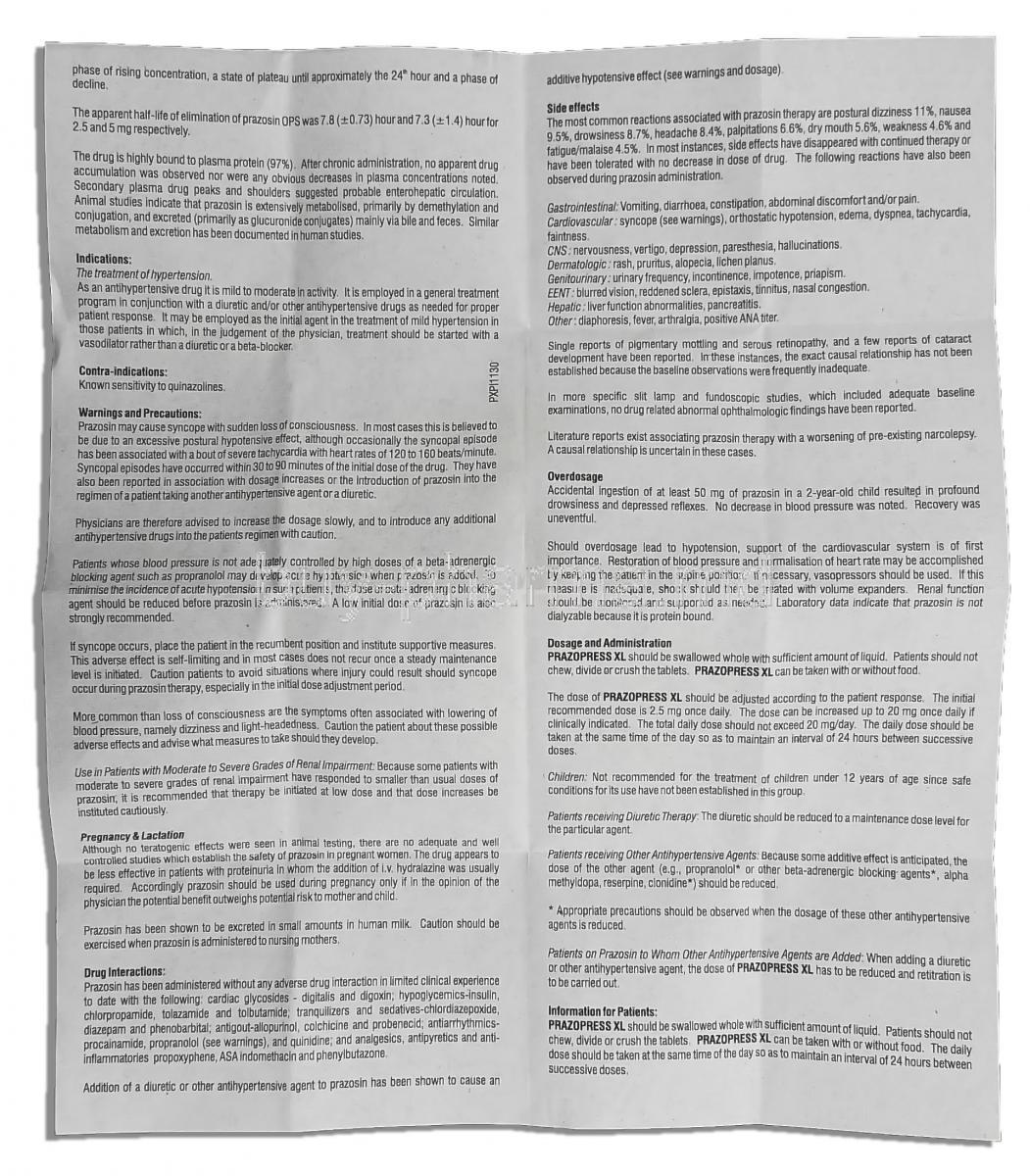
Prazosin XL FAQ
- What is prazosin XL used for?
- How does Prazopill XL 2.5 work?
- What is the main use of prazosin?
- What are the bad side effects of prazosin?
- What does prazosin do to your brain?
- Is prazosin a sleeping pill?
- What should I avoid while taking prazosin?
- Can prazosin make you sleepy?
- What is the problem with prazosin?
- Can prazosin affect memory?
- Can you take amlodipine and prazosin together?
- Can I take losartan and prazosin?
- Why is prazosin not preferred?
- How soon before bed should I take prazosin?
- Why would a psychiatrist prescribe prazosin?
- How quickly does prazosin start working?
- Can prazosin make your sleep worse?
- What happens if you take prazosin during the day?
- What is the main side effect of prazosin?
- What happens if I stop taking prazosin?
- Does prazosin give you energy?
- What are the benefits of taking prazosin?
- Does prazosin cause weight gain?
- What medications should not be taken with prazosin?
What is prazosin XL used for?
Prazosin is used to treat hypertension, benign prostatic hyperplasia, PTSD-associated nightmares, and the Raynaud phenomenon.
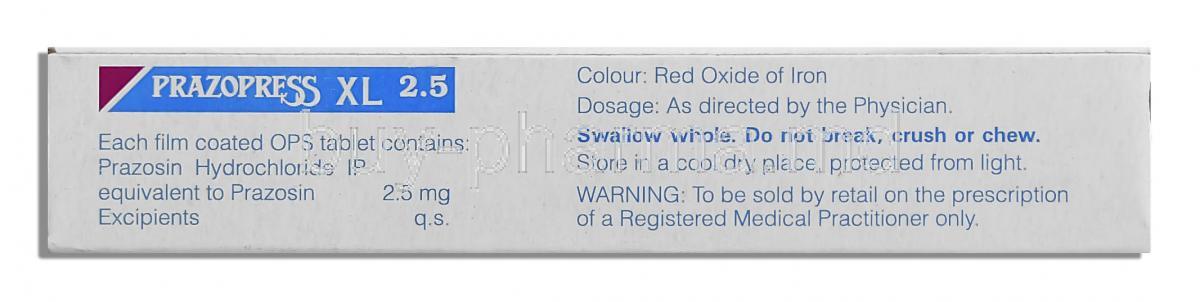
How does Prazopill XL 2.5 work?
Prazopill XL 2.5 Tablet works by relaxing the muscles in your prostate gland and at the base of your bladder.
What is the main use of prazosin?
Prazosin is used to treat high blood pressure.
What are the bad side effects of prazosin?
- Allergic Reaction
- Rashes
- Itching
- Lightheadedness
- Prolonged or painful erection
What does prazosin do to your brain?
This medication stabilizes certain areas of the brain, making them “less excited” improving PTSD symptoms, such as nightmares and sleep disturbances.
Is prazosin a sleeping pill?
No
What should I avoid while taking prazosin?
Do not drink alcohol while taking this medication.
Can prazosin make you sleepy?
Yes
What is the problem with prazosin?
It contains cancer-causing chemicals called nitrosamines.
Can prazosin affect memory?
Prazosin acts upon the encoding of the memory, affecting both inhibitory and excitatory plasticity
Can you take amlodipine and prazosin together?
A combination of Amlodipine and Prazosin increases the risk of hypotension.
Can I take losartan and prazosin?
Losartan might increase the risk of first dose hypotension when given with Prazosin
Why is prazosin not preferred?
Prazosin may cause first-dose hypotension, anorexia, vomiting, diarrhea and syncope.
How soon before bed should I take prazosin?
Prazosin was started at 1 mg 1 hour before bedtime for 1 week
Why would a psychiatrist prescribe prazosin?
Prazosin has been shown to be effective for treating PTSD trauma-related nightmares.
How quickly does prazosin start working?
Within a few hours
Can prazosin make your sleep worse?
Rarely
What happens if you take prazosin during the day?
Taking Prazosin during the day decreases psychological distress.
What is the main side effect of prazosin?
- Vomiting
- Fatigue
- Dizziness
- Headaches
What happens if I stop taking prazosin?
It can put you at risk of serious health problems such as a heart attack and stroke.
Does prazosin give you energy?
No
What are the benefits of taking prazosin?
It treats high blood pressure.
Does prazosin cause weight gain?
No
What medications should not be taken with prazosin?
- Sildenafil
- Tamsulosin
- Vardenafil
- Yohimbe
Customers also bought



Popular Products




Similar Product