1. Introduction
1.1 Overview of Lonitab (Oral Minoxidil)
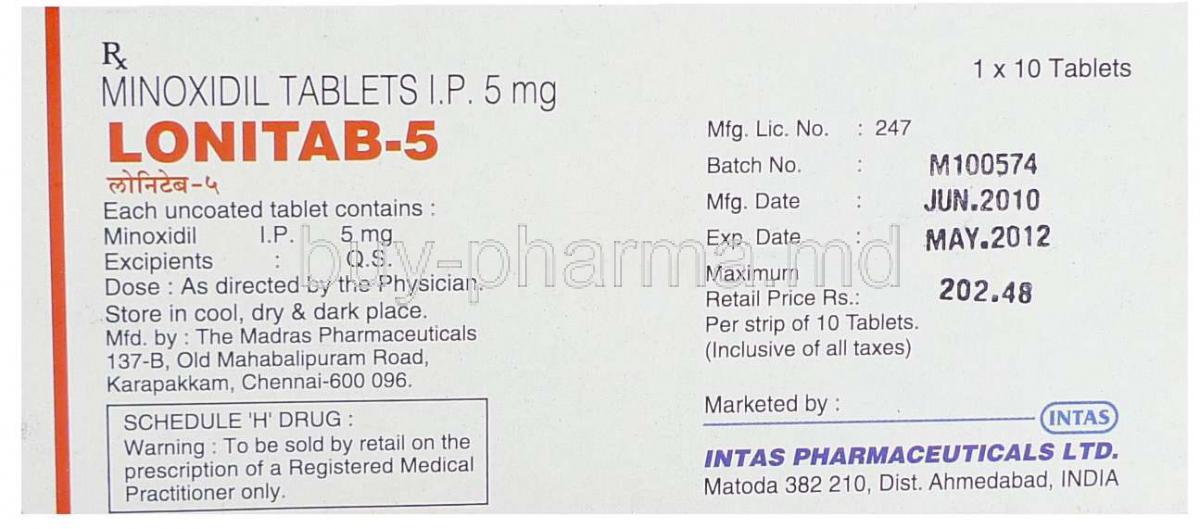
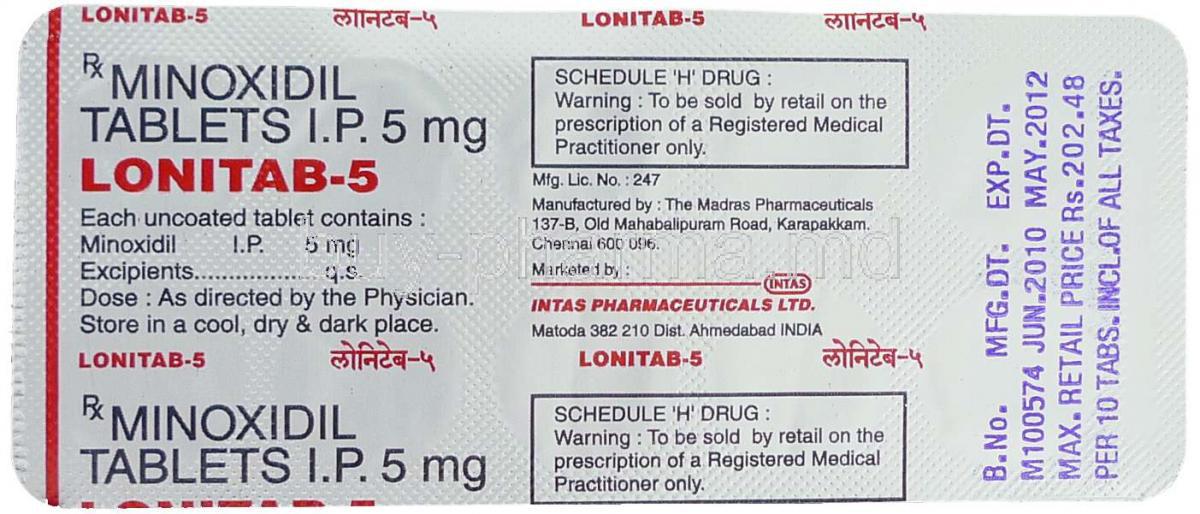
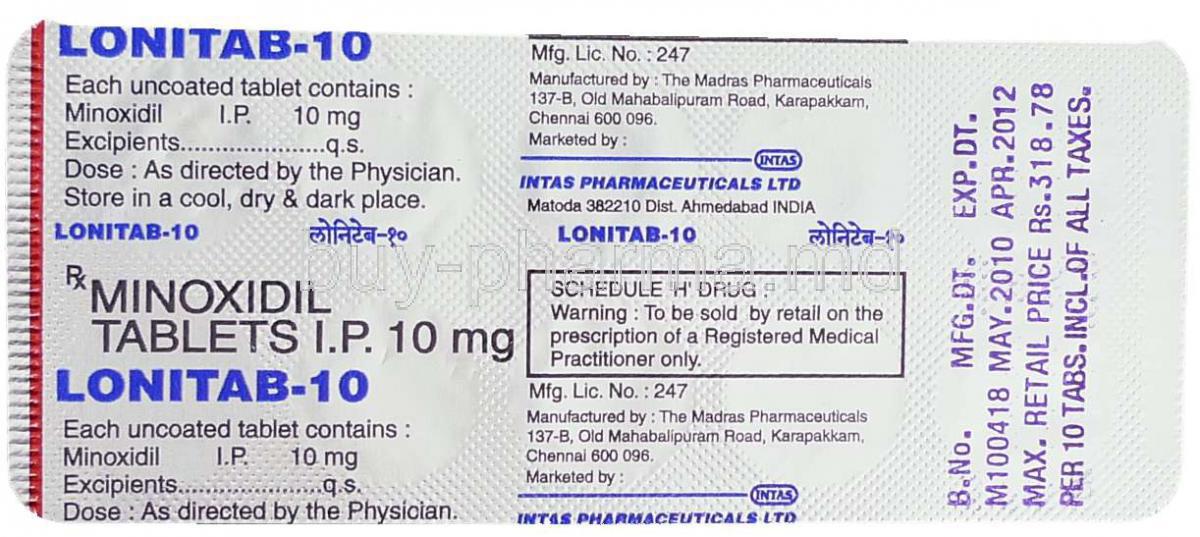
Lonitab, an oral formulation of minoxidil, is recognized for its powerful vasodilatory properties and its unique ability to stimulate robust hair growth. Originally developed as an antihypertensive medication, it has found significant relevance in dermatology due to its systemic influence on follicular activity. The tablet offers wide-ranging therapeutic potential for individuals requiring advanced management of resistant hypertension or chronic hair loss.
1.2 History and Development of Minoxidil as a Vasodilator and Hair-Growth Agent
Minoxidil emerged in the 1970s as a breakthrough oral vasodilator for patients with severe hypertension. During clinical use, researchers observed an unexpected yet beneficial effect: pronounced hair growth. This incidental discovery prompted extensive study and ultimately revolutionized the treatment landscape for various alopecia conditions. Lonitab continues to embody this dual-purpose legacy.
1.3 FDA-Approved Uses vs Global Therapeutic Applications
While the FDA approves minoxidil solely as a topical agent for hair loss and as an oral medication for severe hypertension, global medical practice embraces broader applications. Dermatologists worldwide prescribe low-dose oral minoxidil for androgenetic alopecia, telogen effluvium, and female pattern hair loss. The therapeutic versatility of Lonitab allows practitioners to tailor treatment far beyond standard guidelines.
1.4 Key Benefits and Limitations of Lonitab Tablets
Lonitab combines high efficacy with systemic activity, offering consistent results when topical treatments prove insufficient. Benefits include:
- Enhanced absorption and predictable pharmacologic action
- Convenience of once-daily dosing
- Effectiveness in widespread or refractory hair loss
Limitations may include cardiovascular side effects, fluid retention, and the need for careful medical supervision.
2. What Is Lonitab?
2.1 Definition and Therapeutic Classification
Lonitab is an oral minoxidil tablet classified as a potent peripheral vasodilator. It is primarily indicated for the treatment of severe and resistant hypertension that does not respond sufficiently to first-line antihypertensive medications.
2.2 Minoxidil as a Systemic Antihypertensive and Hair-Growth Stimulator
The systemic formulation exerts multidimensional effects: it relaxes blood vessels to lower blood pressure and simultaneously stimulates hair follicles by increasing blood flow and prolonging the growth (anagen) phase. These combined mechanisms make Lonitab a unique therapeutic agent.
2.3 Prescription Status, Strengths, and Formulations
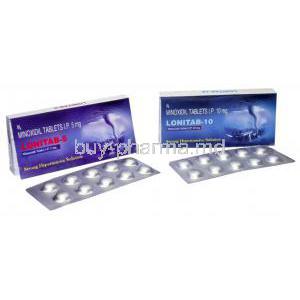
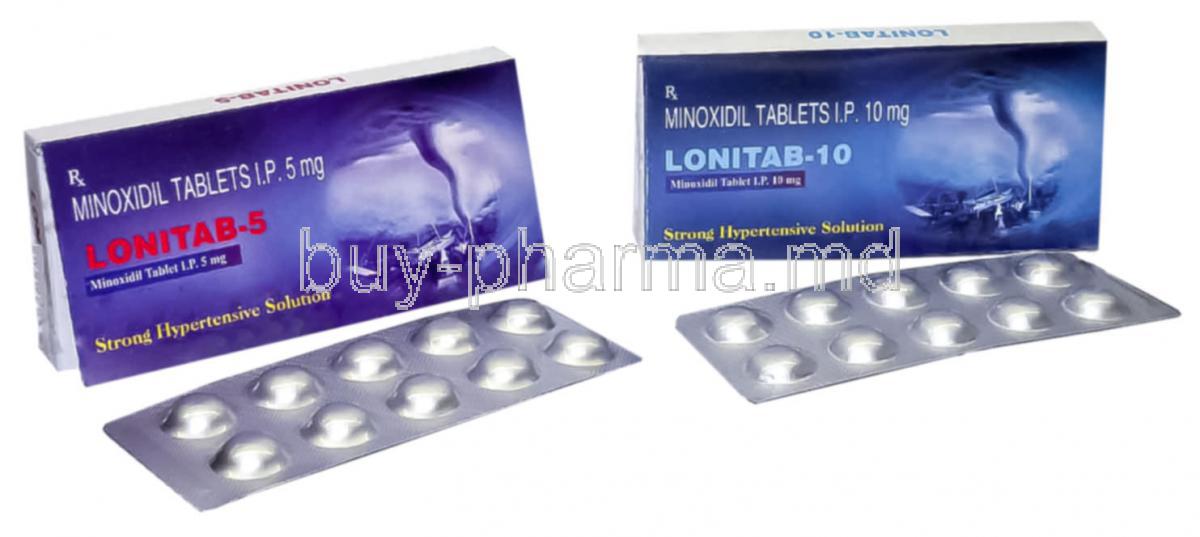
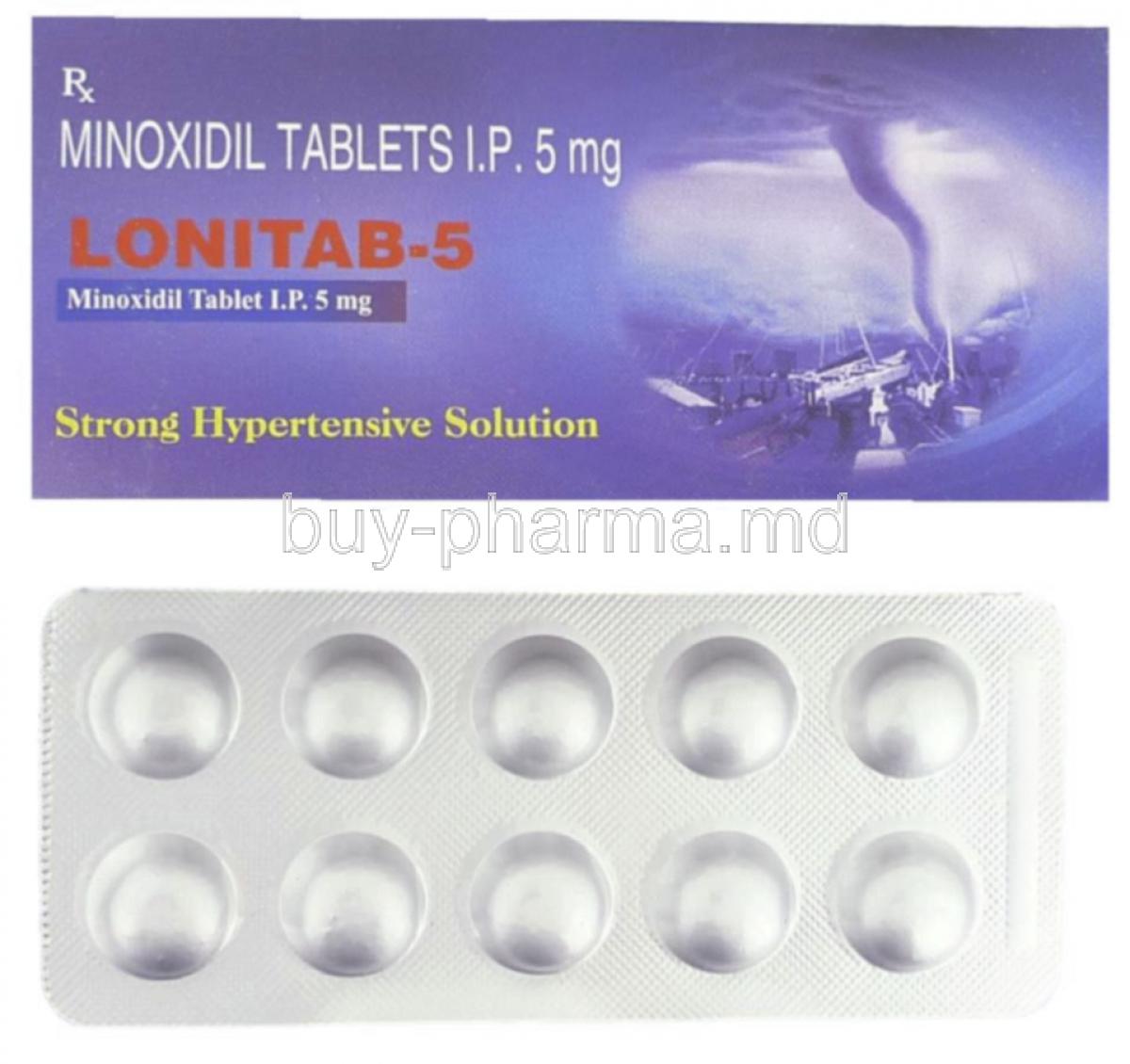
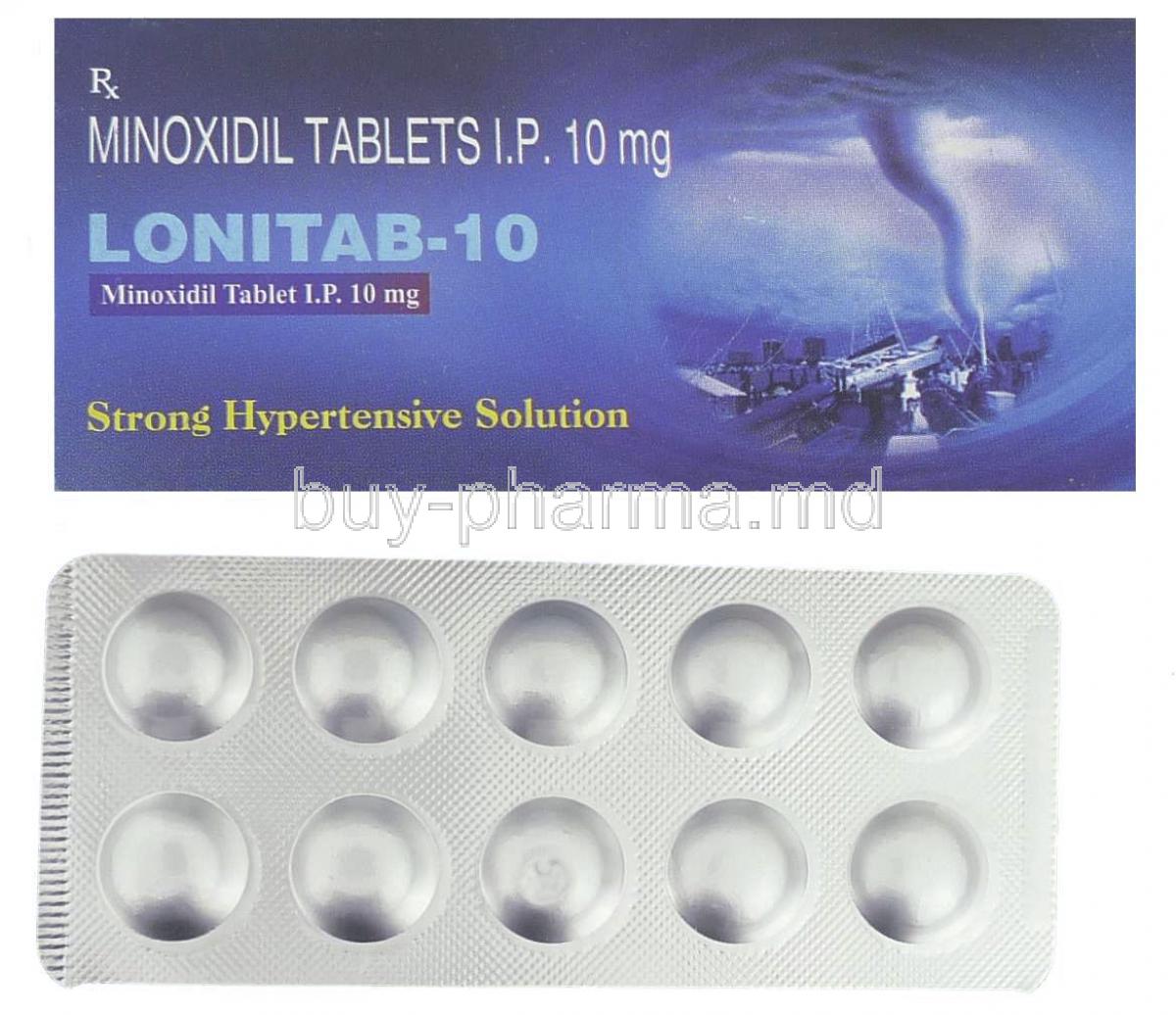
Lonitab is typically available in tablet strengths ranging from low-dose options (0.25 mg–5 mg) used in hair loss management to higher doses (10 mg–20 mg) for hypertension. The product is prescription-based in many countries due to its potent cardiovascular effects.
2.4 Comparison With Topical Minoxidil Products
Unlike topical formulations that act only on localized areas, oral minoxidil delivers systemic circulation and uniform follicular stimulation. Patients unresponsive to topical solutions often observe superior results with Lonitab. However, systemic exposure also increases the likelihood of adverse effects.
3. Composition
3.1 Active Ingredient: Minoxidil
The primary therapeutic compound is minoxidil, a potent arteriolar vasodilator with proven efficacy in promoting hair density and managing resistant hypertension.
3.2 Excipients and Tablet Formulation Details
Lonitab tablets may contain stabilizers, fillers, and binding agents that ensure stability, accurate dosing, and optimal absorption. Common excipients include lactose, cellulose derivatives, and magnesium stearate.
3.3 Pharmacokinetic Properties (Absorption, Metabolism, Elimination)
Minoxidil demonstrates rapid gastrointestinal absorption, hepatic metabolism, and renal excretion. The half-life typically ranges from 3 to 4 hours, although its physiologic effects can last significantly longer due to active metabolites.
4. How Lonitab (Minoxidil) Works
4.1 Mechanism of Action as a Peripheral Vasodilator
Minoxidil activates potassium channels in vascular smooth muscle, causing hyperpolarization and relaxation of arterial walls. This leads to a drop in systemic vascular resistance and helps control severe hypertension.
4.2 Mechanism of Action for Hair Growth Stimulation
By improving microcirculation and enhancing nutrient delivery to hair follicles, Lonitab prolongs the anagen phase. This creates thicker, stronger, and more abundant hair fibers over time.
4.3 Effects on Potassium Channels and Vascular Smooth Muscle
Minoxidil specifically targets ATP-sensitive potassium channels, profoundly influencing vascular tone and follicular behavior. This dual activation underpins its unique therapeutic profile.
4.4 Onset of Effects for Blood Pressure vs Hair Growth
Blood-pressure reduction may occur within hours, while visible hair-growth improvements typically require 8–12 weeks of consistent dosing.
4.5 Why Oral Minoxidil Works When Topical Treatment Fails
Oral administration ensures systemic distribution and bypasses issues associated with poor scalp penetration, skin irritation, or inconsistent topical application.
5. Uses of Lonitab
5.1 Primary Use: Treatment-Resistant Hypertension
Lonitab is reserved for patients with severe hypertension that does not respond adequately to standard therapy. It is frequently used as a third- or fourth-line treatment option.
5.2 Use With Beta-Blockers and Diuretics in Hypertension Management
Due to its potent vasodilatory effect, Lonitab is often prescribed alongside:
- Beta-blockers to counteract reflex tachycardia
- Diuretics to mitigate fluid retention
5.3 Dosing Considerations for Severe or Refractory Hypertension
Doses must be individualized, starting low and gradually titrating to optimal control. Close monitoring is essential to avoid precipitous drops in blood pressure.
6. Off-Label and Cosmetic Uses
6.1 Off-Label Use for Androgenetic Alopecia
Oral minoxidil is increasingly used to treat male pattern baldness when topical therapies fail. Low doses promote noticeable improvements in density and regrowth.
6.2 Off-Label Use for Female Pattern Hair Loss
Clinicians prescribe microdoses for women experiencing diffuse thinning, hormonal hair loss, or chronic shedding. The results are often substantial and well-tolerated.
6.3 Alopecia Areata and Other Hair-Loss Disorders
Although not universally effective, Lonitab may offer benefits in autoimmune or patchy alopecia when used under professional supervision.
6.4 Use in Eyebrow Enhancement and Body-Hair Stimulation
Low-dose oral minoxidil can influence hair growth beyond the scalp, including eyebrows and limbs, offering aesthetic options for individuals seeking fuller features.
6.5 Comparison With Topical, Finasteride, Dutasteride, and Combination Therapy
Many patients achieve superior results when combining oral minoxidil with DHT blockers such as finasteride or dutasteride. This multimodal approach targets both vascular and hormonal pathways.
7. Dosage and Administration
7.1 Standard Dosage for Hypertension
Doses typically range between 10–40 mg daily, adjusted according to blood-pressure response. Hospital initiation may be necessary for high-risk patients.
7.2 Off-Label Low-Dose Oral Minoxidil for Hair Growth
Hair-loss treatment often involves microdoses such as 0.25 mg, 0.5 mg, 1 mg, or 2.5 mg daily. These lower levels minimize cardiovascular risk while delivering cosmetic benefits.
7.3 Titration Schedules and Dose Adjustments
Gradual dose adjustments ensure safety and efficacy. Patients may require tailored regimens depending on tolerance and treatment goals.
7.4 How to Take Lonitab (Food, Timing, Missed Dose)
Lonitab may be taken with or without food, preferably at the same time each day. If a dose is missed, it should be skipped rather than doubled.
7.5 Safe Discontinuation and Tapering
Sudden cessation may trigger rebound hypertension or accelerated hair shedding. Slow tapering is recommended under medical supervision.
8. Side Effects
8.1 General Overview of Adverse Reactions
Lonitab may produce a spectrum of mild to severe adverse effects, influenced by dosage, patient health status, and concurrent medications.
8.2 Cardiovascular Side Effects (Tachycardia, Edema, Hypotension)
Patients may experience rapid heartbeat, peripheral swelling, or drops in blood pressure, particularly at higher therapeutic doses.
8.3 Dermatologic Side Effects (Hypertrichosis, Rashes)
Enhanced hair growth on unintended areas is common, while rashes or mild irritation can occur in sensitive individuals.
8.4 Fluid Retention and Electrolyte Imbalances
Minoxidil may provoke sodium and water retention, requiring diuretic therapy to maintain physiologic balance.
8.5 Rare but Serious Adverse Effects (Pericardial Effusion, Heart Failure)
Although rare, these events necessitate prompt medical attention and immediate discontinuation of the drug.
9. Common Side Effects
9.1 Increased Hair Growth on Face and Body
Hypertrichosis is one of the most frequently reported cosmetic effects.
9.2 Mild Swelling of Ankles, Feet, or Hands
Edema may manifest early in therapy and often improves with dose adjustments.
9.3 Headache, Dizziness, or Light-Headedness
These symptoms may arise due to blood-pressure changes.
9.4 Rapid Heartbeat or Palpitations
Patients may notice transient episodes of tachycardia.
9.5 Fatigue or Lethargy
Systemic vasodilation can contribute to occasional tiredness.
9.6 Mild Gastrointestinal Discomfort
Nausea or stomach upset may occur in sensitive individuals.
10. Important Precautions
10.1 Monitoring Blood Pressure and Heart Rate
Frequent monitoring ensures safety and helps prevent cardiovascular complications.
10.2 Sodium and Fluid Intake Considerations
Limiting sodium intake may help reduce the risk of edema and fluid overload.
10.3 Avoiding Abrupt Dose Changes
Sudden dosage alterations may destabilize blood pressure or hair growth cycles.
10.4 When to Stop the Medication and Seek Medical Advice
Severe swelling, chest pain, or persistent palpitations warrant immediate evaluation.
10.5 Safety Considerations When Used for Cosmetic Indications
Even at low doses, cosmetic use requires vigilance due to systemic activity. Professional guidance ensures optimal results with minimal risk.
11. Interaction
11.1 Interaction with Antihypertensive Medications
Lonitab interacts significantly with other antihypertensive agents due to its potent vasodilatory effects. When combined with medications such as ACE inhibitors, ARBs, or calcium channel blockers, a marked amplification in blood-pressure reduction may occur. This synergy can be beneficial for resistant hypertension, yet it requires vigilant monitoring to avoid precipitous hypotension.
- Enhanced reduction in systolic and diastolic pressure
- Potential increase in dizziness or orthostatic imbalance
- Need for dosage recalibration when therapy is combined
11.2 Interaction with Diuretics and Beta-Blockers
Diuretics and beta-blockers are routinely co-prescribed with Lonitab to counteract its adverse cardiovascular effects. Diuretics mitigate sodium and fluid retention, while beta-blockers prevent reflex tachycardia. The interplay between these agents creates a balanced therapeutic strategy but also increases the complexity of treatment.
11.3 Interaction with Stimulants, Alcohol, and Vasodilators
Stimulants may offset the antihypertensive action of Lonitab, leading to unpredictable blood-pressure fluctuations. Alcohol enhances vasodilation and can further lower blood pressure, increasing the likelihood of fainting or severe dizziness. Additional vasodilators may also produce additive effects that require medical oversight.
11.4 Drug-Disease Interactions (Heart Disease, Kidney Disease)
Lonitab interacts adversely with pre-existing cardiac conditions such as heart failure, angina, or arrhythmias. Its fluid-retention potential may exacerbate cardiac workload. Likewise, patients with renal impairment may exhibit altered drug clearance, leading to prolonged or intensified pharmacologic effects.
11.5 Interaction with Topical Minoxidil and Other Alopecia Treatments
Simultaneous use of oral and topical minoxidil may produce exaggerated hair-growth response or increase systemic exposure. When combined with finasteride, dutasteride, or topical corticosteroids, synergistic effects may occur, but monitoring is necessary to ensure safe, balanced outcomes.
12. Contraindications
12.1 Known Hypersensitivity to Minoxidil
Patients with documented allergy to minoxidil or its excipients should not take Lonitab. Reactions may include rash, swelling, or respiratory distress.
12.2 Pheochromocytoma
Lonitab is contraindicated in individuals with pheochromocytoma, as the drug may trigger excessive catecholamine release and provoke hypertensive crises.
12.3 Severe Cardiovascular Conditions
Conditions such as advanced heart failure, significant valvular disorders, or severe coronary artery disease may worsen with Lonitab due to increased cardiac workload and fluid retention.
12.4 Pregnancy and Breastfeeding Contraindications
Minoxidil crosses the placenta and may pose risks to fetal development. It is also excreted in breast milk, making its use unsuitable for nursing mothers.
12.5 Contraindications for Cosmetic/Hair-Growth Use
Individuals with uncontrolled hypertension, unstable cardiac conditions, or severe renal disease should not use Lonitab solely for cosmetic purposes. The systemic impact outweighs potential aesthetic benefits.
13. Careful Administration
13.1 Patients with Heart Disease or Arrhythmias
In patients with cardiac disorders, Lonitab may cause reflex tachycardia or exacerbate arrhythmias. Continuous monitoring and adjunct beta-blocker therapy are essential.
13.2 Patients with Renal Impairment
Reduced kidney function may prolong drug exposure and amplify side effects. Conservative dosing and renal function assessments are recommended.
13.3 Patients with Hepatic Impairment
Liver dysfunction can influence drug metabolism. Dose adjustments may be needed to prevent accumulation and toxicity.
13.4 Patients Prone to Edema or Salt Retention
Lonitab may intensify fluid retention. Dietary sodium restriction and diuretic therapy may help maintain homeostasis.
13.5 Use with Concurrent Antihypertensive Therapy
Combination therapy requires a coordinated regimen to prevent excessive blood-pressure reduction. Healthcare supervision ensures therapeutic equilibrium.
14. Administration in Special Populations
14.1 Administration to Elderly Patients
Elderly individuals may exhibit heightened sensitivity to vasodilatory effects. Low starting doses and gradual titration minimize hypotension risk.
14.2 Administration to Pregnant Women and Nursing Mothers
Use during pregnancy or lactation is discouraged due to potential fetal or neonatal exposure. Safer alternatives should be considered.
14.3 Administration to Children and Adolescents
Younger patients may require individualized dosing, as cardiovascular responses can be unpredictable. Specialist supervision is essential.
14.4 Dosage Considerations for Low-Body-Weight and High-Risk Individuals
Low-body-weight individuals may require reduced starting doses to avoid excessive plasma concentrations. High-risk patients benefit from intensified monitoring and cautious titration.
15. Overdosage
15.1 Signs and Symptoms of Overdose
Symptoms may include profound hypotension, rapid heartbeat, dizziness, and severe fluid retention. In extreme cases, cardiovascular collapse may occur.
15.2 Emergency Management and Supportive Care
Immediate medical intervention focuses on stabilizing blood pressure, administering IV fluids, and providing vasopressors if necessary.
15.3 Risk of Severe Hypotension and Cardiac Complications
Overdose may cause dangerously low blood pressure, precipitating shock or myocardial stress. Continuous cardiac monitoring is imperative.
15.4 Long-Term Complications of Overdose
Prolonged hypotension may impair organ perfusion, leading to renal injury, cardiac strain, or neurologic complications.
16. Handling Precautions
16.1 Safe Handling and Storage of Tablets
Lonitab tablets should be handled with dry hands and stored securely in their original packaging to preserve integrity.
16.2 Keeping the Medication Out of Reach of Children
Accidental ingestion by children can cause life-threatening cardiovascular effects. Secure storage is essential.
16.3 Proper Disposal of Unused Tablets
Expired or unused tablets should be disposed of through approved pharmaceutical disposal systems to prevent accidental misuse.
16.4 Safe Handling for Caregivers or Family Members
Caregivers should avoid crushing or inhaling tablet particles and follow hygiene protocols when handling the medication.
17. Storage
17.1 Optimal Storage Temperature and Humidity
Lonitab should be stored at a stable temperature, ideally between 20°C and 25°C, with controlled humidity to prevent degradation.
17.2 Protecting Tablets from Light and Moisture
Exposure to direct sunlight or moisture may compromise tablet potency. Airtight containers and shaded environments are recommended.
17.3 Shelf-Life and Expiration Handling
Users should check expiration dates regularly and discard expired medication promptly to ensure safety and effectiveness.
17.4 How to Store During Travel or Long-Term Use
During travel, tablets should remain in a cool, dry case. Long-term storage requires consistent environmental conditions to maintain quality.

 Verified Purchase
A+++
2 weeks+ to arrive. Flawless transaction to hard to reach country. Full tracking and legit HQ pharma products
Lonitab, Minoxidil FAQ
Customers also bought


Similar Product