1. Introduction to Cresp (Darbepoetin Alfa Injection)
Overview of Cresp Injection
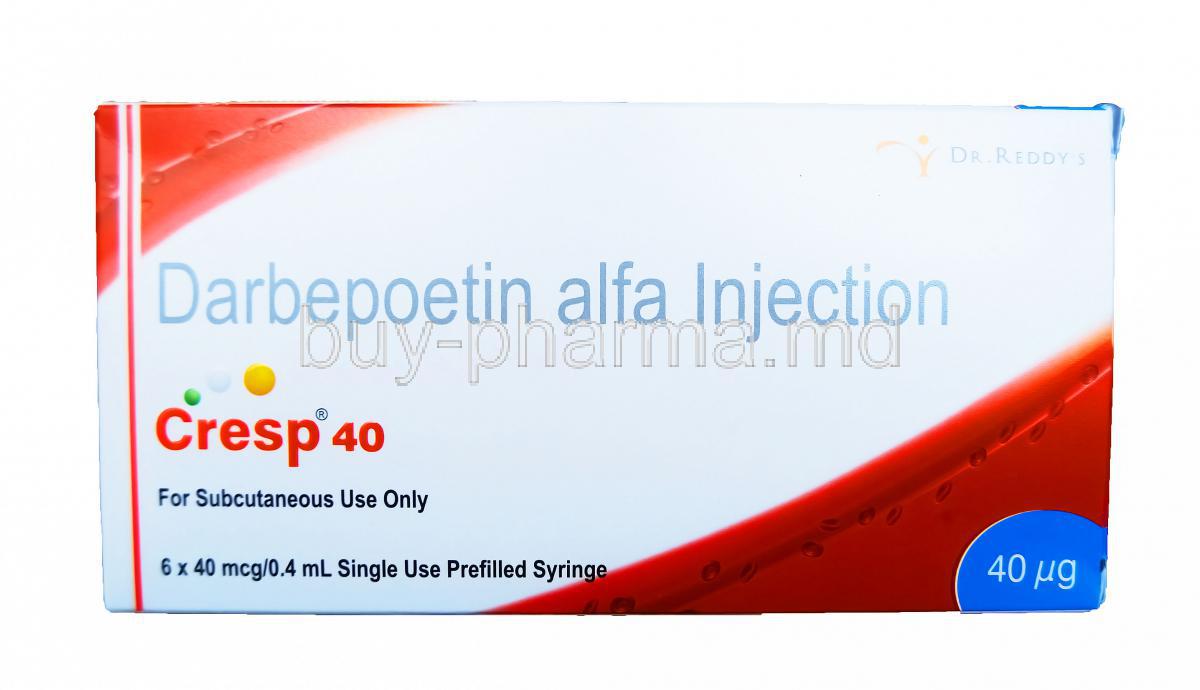
Cresp is an injectable formulation of darbepoetin alfa, a long-acting erythropoiesis-stimulating agent (ESA) used to address clinically significant anemia in selected settings. It is designed to support red blood cell production when endogenous erythropoietin activity is inadequate or when anemia emerges as a complication of disease or treatment. In practical terms, Cresp is used to improve hemoglobin levels, reduce symptomatic fatigue, and decrease transfusion dependence in appropriately evaluated patients.
Anemia is not merely a laboratory finding; it can be a physiologic constraint that impairs oxygen delivery, exercise tolerance, and cognitive endurance. Some patients describe it as “walking through wet concrete.” Others simply notice persistent lassitude. Cresp targets the hematopoietic axis to help restore red cell mass under medical supervision.
Therapeutic Classification and Clinical Relevance
Cresp belongs to the class of erythropoiesis-stimulating agents. These agents are biologic therapies that emulate or augment the action of endogenous erythropoietin by promoting erythroid progenitor survival and maturation. Clinically, ESAs occupy a carefully regulated niche because:
- They may reduce the need for red blood cell transfusions.
- They may improve anemia-related symptoms in selected patients.
- They require meticulous monitoring due to thrombotic and cardiovascular risk signals.
This risk–benefit calculus is central. When used appropriately and monitored judiciously, darbepoetin alfa can provide meaningful clinical utility. When misused—especially to push hemoglobin above recommended thresholds—it can introduce avoidable harm.
Role of Erythropoiesis-Stimulating Agents (ESAs) in Modern Medicine
Modern anemia management is increasingly stratified, not generic. ESAs are typically considered after reversible contributors are assessed and addressed, such as iron deficiency, inflammation, nutritional deficits, occult bleeding, hemolysis, or marrow pathology. In contemporary care pathways, ESAs may be used as part of a broader regimen that can include iron repletion, folate or vitamin B12 correction, dialysis optimization, or oncology supportive care measures.
In short: ESAs are not “energy injections.” They are targeted biologics with specific indications, guardrails, and monitoring requirements.
2. Composition and Pharmaceutical Profile
Active Ingredient: Darbepoetin Alfa
The active ingredient in Cresp is darbepoetin alfa, a recombinant glycoprotein engineered to stimulate erythropoiesis. Compared with earlier epoetin formulations, darbepoetin alfa is designed with additional carbohydrate chains, a feature that influences its pharmacokinetics and supports longer dosing intervals in many protocols.
Molecular Structure and Biotechnological Origin
Darbepoetin alfa is produced via biotechnological manufacturing processes using recombinant DNA technology. As a biologic, it is structurally more complex than small-molecule drugs. Its tertiary structure, glycosylation pattern, and protein integrity are essential to activity and tolerability. Because biologics are sensitive to handling conditions, correct storage and administration are not optional—they are intrinsic to product performance.
Formulation Strength and Injectable Dosage Forms
Cresp is provided as an injectable product intended for parenteral administration. Dosing strength and presentation can vary by market and product configuration (for example, prefilled syringes or vials). The prescribing clinician selects dose and interval based on indication, patient weight (when applicable), baseline hemoglobin, response trajectory, and safety parameters.
- Parenteral use allows predictable systemic exposure.
- Long-acting properties may permit less frequent dosing for some patients.
- Regimen design typically emphasizes the lowest effective dose to achieve treatment goals.
Excipients and Formulation Characteristics
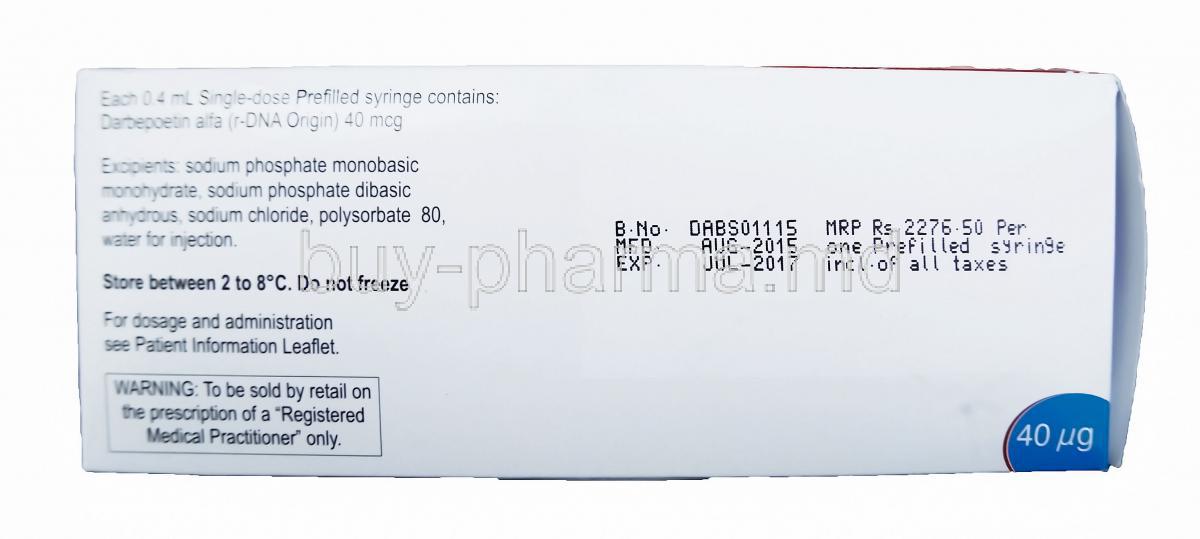
In addition to the active biologic, injectable formulations include excipients that stabilize the protein and maintain appropriate pH and tonicity. These components support product integrity during storage and use. Patients with known hypersensitivity to any component should avoid administration and seek medical guidance.
3. How Cresp (Darbepoetin Alfa) Works
Mechanism of Action on Erythropoietin Receptors
Darbepoetin alfa binds to erythropoietin receptors on erythroid progenitor cells in the bone marrow. This receptor engagement activates intracellular signaling pathways that promote cell survival, proliferation, and differentiation along the red blood cell lineage. The end result is an increase in reticulocyte production followed by a rise in circulating red blood cells and hemoglobin.
Stimulation of Red Blood Cell Production in Bone Marrow
The bone marrow functions like a high-throughput bioreactor. When erythropoietin signaling is deficient—commonly in chronic kidney disease—red cell production decelerates. By reconstituting this stimulus, Cresp helps re-establish erythropoietic momentum. The symptomatic benefit, when it occurs, is linked to improved oxygen carrying capacity and reduced anemia burden.
However, the response is not instantaneous. Hemoglobin increases typically emerge over weeks, not days. Slow, controlled correction is preferred.
Differences Between Darbepoetin Alfa and Recombinant Erythropoietin
While both agents stimulate the same receptor system, darbepoetin alfa is engineered to have an extended duration of action compared with traditional epoetin formulations. This distinction often allows:
- Less frequent dosing schedules in certain treatment plans.
- Potentially smoother hemoglobin trajectories when titrated appropriately.
- Greater convenience for some patients, particularly in chronic therapy settings.
Pharmacodynamic Advantages of Extended Half-Life
The longer half-life of darbepoetin alfa can translate into prolonged receptor stimulation and sustained erythropoietic signaling, enabling dosing intervals that may be weekly, biweekly, or longer depending on the indication and clinical protocol. This is not merely a convenience feature; it can also support adherence in patients who struggle with complex regimens. Still, extended action does not eliminate risk—monitoring remains essential.
4. Approved Medical Uses of Cresp Injection
4.1 Treatment of Anemia Associated With Chronic Kidney Disease (CKD)
Use in Dialysis and Non-Dialysis Patients
Anemia is common in CKD due to reduced erythropoietin production, inflammation-mediated iron dysregulation, and shortened red cell survival. In appropriate patients, Cresp may be used to treat anemia related to CKD, including those receiving dialysis and those not on dialysis, when clinician assessment supports ESA therapy.
- Dialysis patients may receive intravenous or subcutaneous dosing per center protocol.
- Non-dialysis patients commonly receive subcutaneous administration.
Improvement of Hemoglobin Levels and Quality of Life
The clinical intent is to improve hemoglobin to a safer range that reduces anemia symptoms and limits transfusion exposure. Patients may experience improved stamina and reduced dyspnea on exertion. Yet, hemoglobin targets should remain conservative; overly aggressive correction is associated with elevated thrombotic and cardiovascular risk.
4.2 Chemotherapy-Induced Anemia in Cancer Patients
Use in Patients Receiving Myelosuppressive Chemotherapy
Myelosuppressive chemotherapy can attenuate marrow erythropoiesis, leading to anemia that may compromise function and treatment continuity. In selected oncology settings, darbepoetin alfa may be used as supportive care to manage chemotherapy-induced anemia, consistent with protocol-based criteria and clinical risk assessment.
Reduction of Transfusion Requirements
One practical benefit of ESA therapy in this context can be reduced reliance on transfusions. Transfusions can be lifesaving, but they also introduce burdens such as:
- Alloimmunization risk
- Volume overload in susceptible patients
- Transfusion reactions and logistical delays
ESAs are not universally appropriate in oncology. Careful patient selection is essential, particularly given concerns related to thrombotic events and cancer outcomes in certain contexts.
4.3 Anemia Due to Other Chronic Conditions
Inflammatory Diseases and Chronic Systemic Disorders
Some patients develop anemia in the setting of chronic inflammatory disorders, systemic illness, or complex comorbidity profiles. In these scenarios, the primary strategy is to treat the underlying condition and address iron-restricted erythropoiesis. ESA use may be considered in select cases under specialist oversight, especially when anemia is severe, persistent, and symptomatic.
Anemia of Chronic Disease Under Specialist Supervision
Anemia of chronic disease is frequently multifactorial and can involve hepcidin-mediated iron sequestration, inflammatory cytokine effects, and impaired marrow responsiveness. If an ESA is contemplated, clinicians typically ensure:
- Iron status is evaluated and optimized as appropriate.
- Alternative etiologies (bleeding, hemolysis, nutritional deficiency) are excluded.
- Blood pressure and thrombotic risk factors are addressed.
5. Off-Label Uses of Darbepoetin Alfa Injection
Anemia Associated With HIV Infection and Antiretroviral Therapy
In some settings, anemia may occur in people living with HIV due to chronic inflammation, opportunistic illness, medication effects, or marrow suppression. Off-label ESA use may be considered by specialists when clinically appropriate and when correctable causes have been addressed. Treatment decisions are individualized and require close monitoring.
Anemia Following Major Surgery or Trauma
Postoperative or post-traumatic anemia can be pronounced, particularly when blood loss is significant or inflammation is intense. While transfusion and iron strategies remain common, off-label ESA use may be considered in select cases where minimizing transfusion exposure is a clinical priority and risks are acceptable. This is not routine and should be directed by experienced clinicians.
Bone Marrow Suppression Not Related to Chemotherapy
Marrow suppression can occur from infections, inflammatory conditions, medications, or systemic illness. In carefully selected patients, darbepoetin alfa may be used off-label to support erythropoiesis, especially if endogenous erythropoietin response is inadequate. The rationale must be explicit, and response should be objectively measured.
Use in Selected Hematologic Disorders (Specialist-Guided)
Certain hematologic conditions may involve ineffective erythropoiesis or reduced red cell production. Off-label use is sometimes explored in specialist practice with strict criteria, particularly when transfusion dependence is emerging and when alternative treatments are limited.
Performance Recovery in Severe Anemia Cases (Regulated Medical Contexts)
In regulated medical contexts, clinicians may consider darbepoetin alfa to support recovery from severe anemia when clinically justified. It is important to distinguish legitimate medical treatment from non-medical enhancement. Non-prescribed use is unsafe and prohibited in many settings due to serious risk and ethical concerns.
6. Dosage and Administration Guidelines
6.1 Recommended Dosage Based on Indication
Cresp dosing is individualized. Regimens are determined by the treating clinician based on indication, baseline hemoglobin, body weight (when relevant), comorbid conditions, and treatment goals. In general, the guiding principle is conservative titration—achieving the lowest dose that provides an acceptable clinical response.
Chronic Kidney Disease Dosing Schedules
In CKD, dosing schedules vary by dialysis status, route of administration, and response dynamics. Clinicians typically:
- Establish baseline hemoglobin and iron indices.
- Initiate therapy at a protocol-defined starting dose.
- Adjust dose gradually based on hemoglobin trajectory and safety parameters.
Chemotherapy-Related Anemia Dosing Protocols
In chemotherapy-induced anemia, dosing is often aligned with oncology supportive care protocols and may be influenced by:
- Severity of anemia
- Timing relative to chemotherapy cycles
- Transfusion history and risk factors
6.2 Route and Method of Administration
Subcutaneous Versus Intravenous Administration
Cresp may be administered subcutaneously or intravenously depending on the clinical setting. Dialysis centers often incorporate IV administration into existing access workflows, whereas non-dialysis patients commonly use subcutaneous injections for practicality.
Injection Technique and Site Rotation
Proper technique reduces injection-site complications and helps ensure consistent dosing. Common best practices include:
- Using aseptic technique and clean injection sites
- Rotating injection locations to minimize local irritation
- Avoiding areas with inflammation, scarring, or skin infection
6.3 Dose Adjustment and Monitoring
Hemoglobin Targets and Titration Strategies
Hemoglobin targets are determined by clinical guidelines and patient-specific risk. The goal is typically to reduce transfusion need and alleviate symptoms, not to normalize hemoglobin to high levels. A rapid hemoglobin rise can be hazardous, so dose escalations should be restrained and evidence-driven.
Frequency of Laboratory Monitoring
Monitoring frequency depends on treatment phase and stability. In general:
- Hemoglobin is monitored more frequently during initiation and dose changes.
- Iron status (ferritin, transferrin saturation) is periodically reassessed.
- Blood pressure and clinical signs of thrombosis are actively surveilled.
7. Side Effects of Cresp Injection
7.1 Overview of Adverse Reactions
Adverse reactions range from mild and transient to rare but clinically serious. The probability and severity of side effects can be influenced by dose intensity, speed of hemoglobin correction, baseline cardiovascular risk, and concurrent therapies. Continuous monitoring is part of safe ESA administration.
Frequency and Severity Classification
Side effects can be conceptually categorized as:
- Common, generally manageable: headaches, injection site discomfort, mild flu-like symptoms.
- Clinically significant: sustained hypertension requiring medication adjustment.
- Serious, less common: thromboembolic events, seizures (rare), pure red cell aplasia (very rare).
7.2 Common Side Effects
Headache
Headache can occur, sometimes in association with blood pressure changes. Some headaches are mild; others may be persistent. Any severe or unusual headache warrants medical review, particularly if accompanied by neurologic symptoms.
Hypertension
Blood pressure elevation is a recognized concern with ESAs. This may require intensified monitoring or adjustment of antihypertensive therapy. Uncontrolled hypertension is a notable safety issue and may contraindicate use until control is achieved.
Injection Site Reactions
Local reactions can include erythema, tenderness, pruritus, or mild swelling. Good technique and site rotation help minimize these effects. Persistent or severe reactions should be evaluated to exclude hypersensitivity or infection.
Fatigue and Flu-Like Symptoms
Some patients report transient malaise, myalgia, or flu-like sensations. These effects may overlap with underlying illness or concurrent chemotherapy, making attribution nuanced. Symptom tracking can be helpful.
7.3 Less Common and Serious Side Effects
Thromboembolic Events
Thrombotic complications—including deep vein thrombosis, pulmonary embolism, and vascular access thrombosis—are serious risks, especially when hemoglobin rises too quickly or is maintained above recommended thresholds. Patients with prior thrombosis, cardiovascular disease, or multiple risk factors require heightened vigilance.
Rapid Rise in Hemoglobin
A brisk hemoglobin increase is not a therapeutic victory; it is a warning sign. Rapid correction can amplify blood viscosity and thrombogenic potential. Dose adjustments should aim for controlled, incremental change.
Seizures (Rare)
Seizures are uncommon but have been reported with ESA therapy, particularly in the context of significant hemoglobin changes or other predisposing conditions. Any seizure activity requires urgent medical evaluation.
Pure Red Cell Aplasia (PRCA)
PRCA is a rare but severe condition characterized by a profound reduction in red blood cell precursors, leading to severe anemia. It is typically associated with neutralizing antibodies against erythropoietin. A sudden loss of response to therapy with declining hemoglobin should prompt immediate specialist assessment.
8. Drug Interactions
Interaction With Antihypertensive Medications
Because ESAs can increase blood pressure in some patients, antihypertensive regimens may require adjustment. This is less a classic “drug–drug interaction” and more a clinically relevant pharmacologic interplay. Blood pressure trends should guide management.
Use Alongside Iron Supplements and Folic Acid
ESA response depends on adequate substrate availability. Iron deficiency—absolute or functional—can blunt efficacy. Many patients benefit from iron optimization, and in some cases, folate or vitamin B12 correction is necessary. Common supportive components include:
- Oral or intravenous iron, depending on severity and absorption constraints
- Folate supplementation when deficiency is present or risk is high
- Vitamin B12 correction when indicated
Impact of Concomitant Chemotherapy or Immunosuppressive Therapy
In oncology and transplant-related contexts, co-administered therapies may influence marrow responsiveness, inflammation, and thrombosis risk. Treatment planning should be multidisciplinary when possible, balancing anemia control against disease-specific outcomes and thrombotic risk.
Laboratory Parameter Interference
Cresp primarily affects hematologic parameters. Hemoglobin, hematocrit, reticulocyte indices, and iron studies may shift as erythropoiesis changes. Interpreting labs requires context; for instance, a rising hemoglobin without adequate iron stores may predict impending functional iron deficiency.
9. Warnings and Safety Information
Cardiovascular Risk Warnings
ESAs are associated with cardiovascular risks, particularly when hemoglobin is increased beyond recommended targets or rises too rapidly. Patients with ischemic heart disease, heart failure, prior stroke, or uncontrolled hypertension are typically managed with heightened caution.
Increased Risk of Stroke and Thrombosis
Stroke and thromboembolic events are among the most consequential safety concerns. Risk is not uniform; it is shaped by baseline comorbidity and treatment intensity. Warning signs that warrant urgent evaluation may include:
- Sudden chest pain or shortness of breath
- Unilateral leg swelling or pain
- Neurologic symptoms such as weakness, facial droop, or speech difficulty
Cancer Progression and Survival Considerations
In some cancer settings, ESA use has been associated with concerns regarding tumor outcomes and survival, depending on tumor type, treatment intent, and hemoglobin targets. For this reason, oncology use should be aligned with evidence-based guidelines, and therapy goals should be explicit—often focused on reducing transfusion requirement rather than achieving high hemoglobin values.
Importance of Controlled Hemoglobin Targets
The most important safety principle in ESA therapy is disciplined control of hemoglobin. The objective is to treat anemia responsibly, not to pursue supraphysiologic correction. A careful approach typically emphasizes:
- Regular hemoglobin monitoring
- Incremental dose adjustments rather than abrupt escalation
- Use of the lowest effective dose to reach clinically appropriate endpoints
When managed with precision, Cresp can be an effective component of anemia care. When approached casually, it can become perilous. That dichotomy is exactly why medical oversight is essential.
10. Contraindications
Uncontrolled Hypertension
Cresp is contraindicated in patients with uncontrolled hypertension. Erythropoiesis-stimulating agents may exacerbate blood pressure elevation through increased blood viscosity and vascular resistance. Initiation of therapy should be deferred until blood pressure is adequately controlled, as failure to do so may significantly increase the risk of cerebrovascular and cardiovascular events.
Hypersensitivity to Darbepoetin Alfa or Excipients
Patients with known hypersensitivity reactions to darbepoetin alfa or any formulation excipients must not receive this medication. Hypersensitivity may manifest as:
- Generalized rash or urticaria
- Angioedema
- Bronchospasm or anaphylactoid reactions
Any suspected allergic response requires immediate discontinuation and appropriate medical intervention.
History of Pure Red Cell Aplasia Related to ESAs
Cresp is contraindicated in patients with a history of pure red cell aplasia (PRCA) associated with erythropoietin therapy. PRCA is characterized by a severe loss of erythroid precursors due to neutralizing anti-erythropoietin antibodies. Re-exposure may lead to recurrence and profound, transfusion-dependent anemia.
11. Careful Administration and Special Monitoring
Patients With Cardiovascular Disease
Patients with ischemic heart disease, heart failure, cerebrovascular disease, or peripheral vascular disease require heightened caution. ESA-induced hemoglobin increases may elevate thrombotic risk and myocardial workload. Conservative dosing strategies and strict hemoglobin targets are essential in this population.
Patients With Seizure Disorders
Although uncommon, seizures have been reported during ESA therapy, particularly during rapid hemoglobin correction. Patients with pre-existing seizure disorders should be monitored closely, and abrupt hemoglobin rises should be avoided to reduce neurologic risk.
Iron Deficiency and Nutritional Anemia Considerations
ESA efficacy depends on adequate iron availability and intact erythropoietic substrates. Functional or absolute iron deficiency may blunt response and lead to inappropriate dose escalation. Prior to and during therapy:
- Iron status should be evaluated and corrected
- Folate and vitamin B12 deficiency should be excluded
- Inflammatory contributors to iron sequestration should be considered
Risk Management in Rapid Hemoglobin Correction
A rapid increase in hemoglobin is a recognized risk factor for thrombosis, hypertension, and cerebrovascular events. Dose adjustments should be incremental, with close interval monitoring to ensure hemoglobin rises remain within safe limits.
12. Important Precautions Before and During Treatment
Baseline Laboratory Evaluation Requirements
Prior to initiation of Cresp therapy, a comprehensive baseline assessment is recommended. This typically includes:
- Hemoglobin and hematocrit
- Serum ferritin and transferrin saturation
- Blood pressure assessment
- Evaluation for alternative causes of anemia
Ongoing Hemoglobin and Blood Pressure Monitoring
Continuous monitoring is central to safe use. Hemoglobin levels should be checked regularly, particularly during initiation and dose adjustments. Blood pressure should be monitored at each clinical encounter, as hypertension may develop or worsen during therapy.
Avoidance of Unnecessary Dose Escalation
Escalating the dose without addressing underlying causes of poor response—such as iron deficiency, inflammation, or occult blood loss—may increase adverse event risk without clinical benefit. The guiding principle remains use of the lowest effective dose.
Patient Education and Compliance Considerations
Patients should be educated on treatment goals, expected timelines for response, and warning signs that require medical attention. Adherence to dosing schedules and monitoring appointments is critical for maintaining safety and therapeutic efficacy.
13. Administration in Special Populations
13.1 Administration to Elderly Patients
Age-Related Sensitivity and Dose Considerations
Elderly patients may exhibit increased sensitivity to ESAs due to age-related changes in cardiovascular reserve and comorbidity burden. Lower starting doses and cautious titration are often appropriate, particularly in those with multiple risk factors.
Monitoring for Cardiovascular Complications
Close monitoring for hypertension, thrombosis, and cardiac decompensation is advised in older adults. Any unexpected clinical deterioration should prompt reassessment of therapy.
13.2 Administration to Pregnant Women and Nursing Mothers
Pregnancy Risk Assessment
Data on darbepoetin alfa use during pregnancy are limited. Therapy should only be considered if the potential benefit justifies the potential risk to the fetus. Individual risk assessment and specialist consultation are recommended.
Use During Lactation and Potential Neonatal Exposure
It is not known whether darbepoetin alfa is excreted into human breast milk. Caution is advised when administering to nursing mothers, with consideration given to the importance of therapy to the mother versus potential exposure to the infant.
13.3 Administration to Children and Adolescents
Pediatric Dosing Principles
In pediatric patients, dosing is typically weight-based and tailored to the underlying indication. Growth, developmental status, and comorbid conditions should be factored into treatment planning.
Safety and Efficacy Considerations
Long-term safety data in children are more limited than in adults. Regular monitoring of hemoglobin response, blood pressure, and overall growth parameters is essential when therapy is prescribed.
14. Overdosage Management
Signs and Symptoms of Overdose
Overdose may result in excessive erythropoietic stimulation, leading to markedly elevated hemoglobin levels. Clinical manifestations can include:
- Severe hypertension
- Headache or visual disturbances
- Thromboembolic events
Risks Associated With Excessive Hemoglobin Elevation
Excessive hemoglobin increases blood viscosity and heightens the risk of stroke, myocardial infarction, and vascular thrombosis. These risks underscore the importance of adherence to recommended targets.
Supportive Management and Clinical Monitoring
There is no specific antidote. Management focuses on withholding further doses, close monitoring, and supportive care. In severe cases, therapeutic phlebotomy may be considered under specialist supervision.
15. Storage and Stability
Recommended Storage Temperature
Cresp should be stored under refrigerated conditions, typically between 2°C and 8°C, unless otherwise specified by product labeling. Temperature excursions may compromise biologic stability.
Protection From Light and Freezing
The product should be kept in its original packaging to protect from light. Freezing must be avoided, as it can irreversibly damage the protein structure and reduce efficacy.
Shelf Life and Handling After Opening
Once opened, single-use presentations should be administered promptly and any unused portion discarded. Multi-dose use is generally not recommended unless explicitly indicated by the manufacturer.
16. Handling Precautions
Safe Handling of Injectable Biologics
Cresp is a biologic product and should be handled with care. Shaking should be avoided, as agitation can denature the protein. Visual inspection for particulate matter or discoloration is recommended prior to administration.
Single-Use Vial or Prefilled Syringe Precautions
Single-use vials and prefilled syringes are intended for one-time administration only. Reuse increases the risk of contamination, dosing errors, and infection.
Disposal of Sharps and Medical Waste
Used needles and syringes should be disposed of in approved sharps containers in accordance with local regulations. Proper disposal protects patients, caregivers, and healthcare personnel.
Prevention of Contamination and Dosing Errors
Strict adherence to aseptic technique is essential. Clear labeling, correct dose verification, and staff training all contribute to minimizing medication errors and ensuring safe administration.
Popular Products

Similar Product