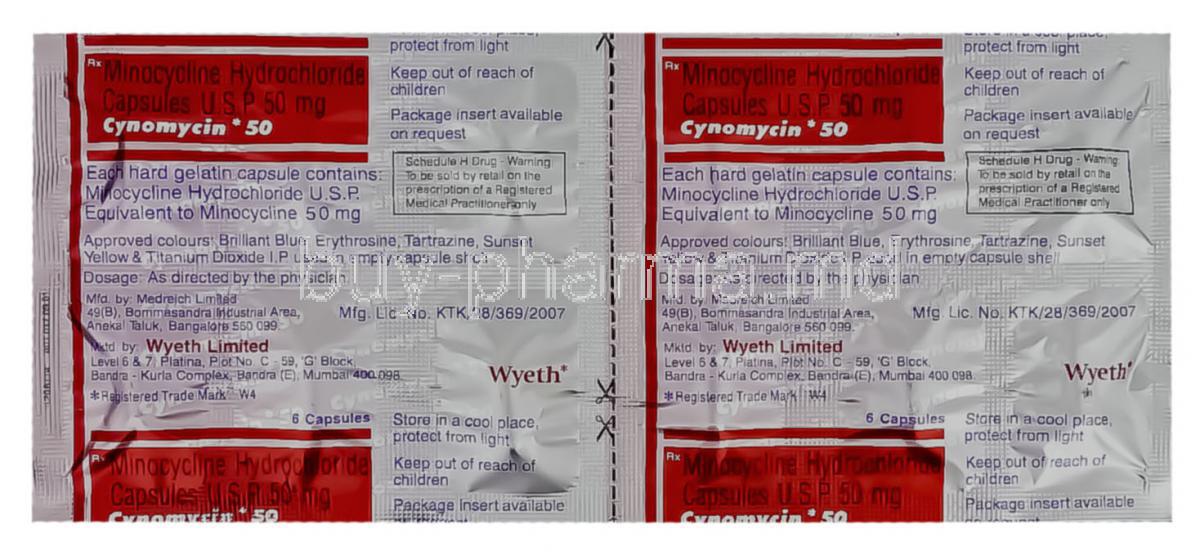
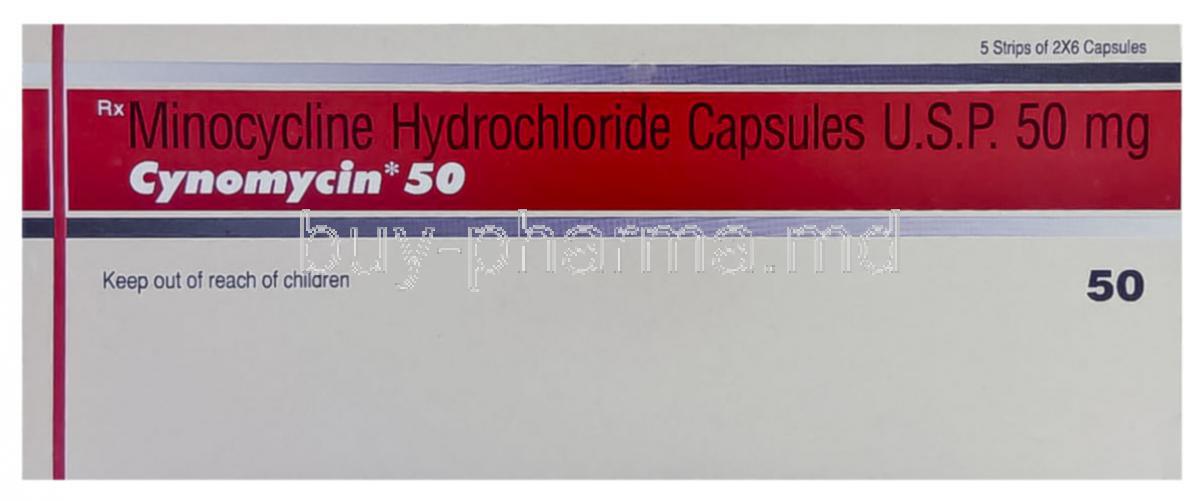

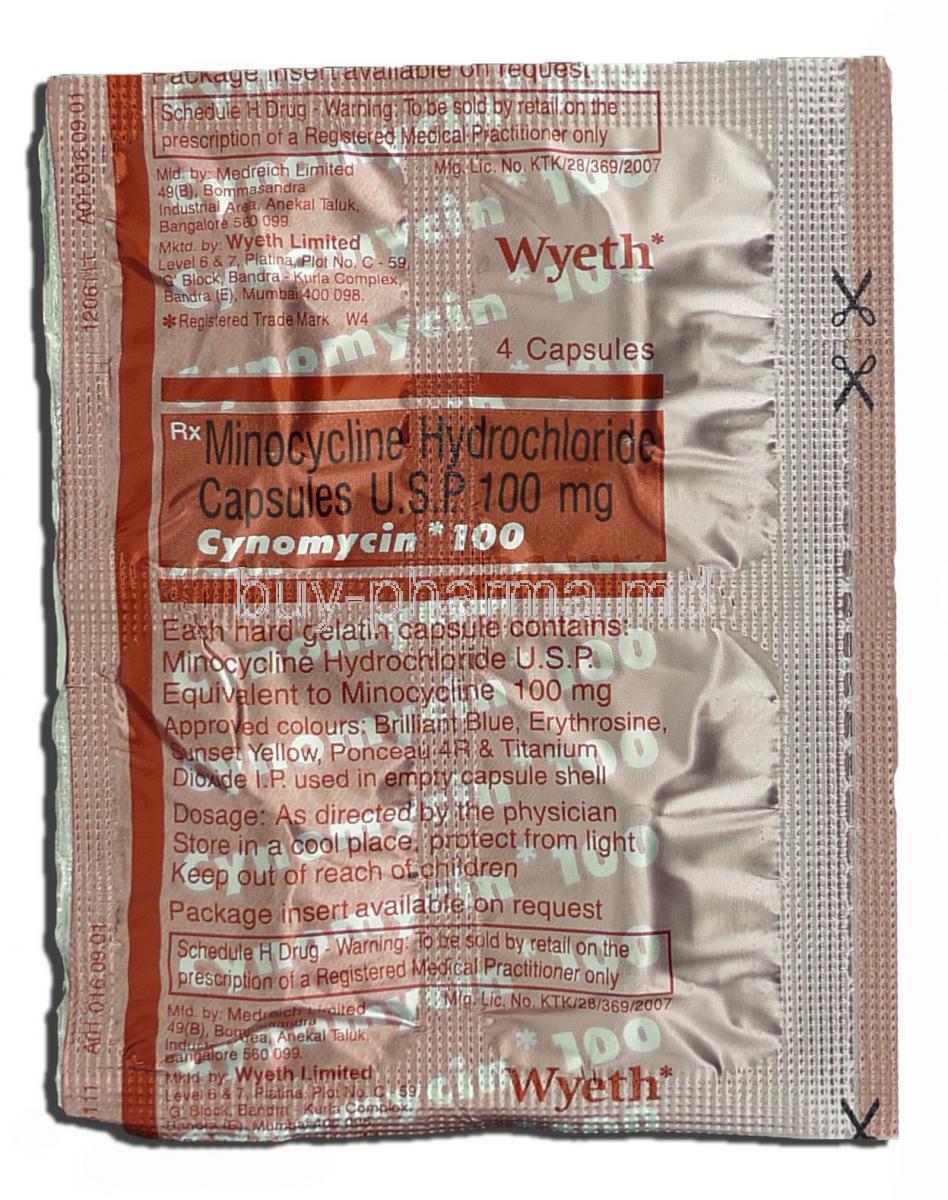
1. Introduction to Cynomycin (Minocycline Capsules)
1.1 Overview of Minocycline as a Tetracycline Antibiotic
Cynomycin, containing minocycline, belongs to the tetracycline class of antibiotics, a group known for broad-spectrum antimicrobial activity. It exerts its effect by inhibiting bacterial proliferation across a remarkably wide range of pathogens. This unique capability makes it a preferred option in dermatology, infectious disease medicine, and respiratory care.
Key characteristics include:
- High lipophilicity enabling superior tissue penetration
- Prolonged antibacterial action
- Enhanced performance against resistant bacterial strains
1.2 Key Therapeutic Roles and Clinical Relevance
Minocycline plays a critical role in addressing infections where conventional antibiotics may falter. It is widely utilized for chronic dermatologic ailments, respiratory infections, sexually transmitted infections, and zoonotic diseases. Its clinical relevance continues to expand due to its anti-inflammatory and immunomodulatory properties, making it indispensable in modern therapeutic regimens.
1.3 Benefits of Oral Capsule Formulation
The capsule form offers unmatched convenience and dosage precision. It enables:
- Rapid gastrointestinal absorption
- Steady plasma concentration for sustained therapeutic effect
- Ease of use for long-term antibiotic or anti-inflammatory therapy
Short courses or extended regimens can both be delivered effectively with minimal complexity.
1.4 Comparison With Other Tetracyclines (Doxycycline, Tetracycline)
Minocycline is often preferred over older tetracyclines due to:
- Superior lipid solubility enabling deeper tissue distribution
- Greater potency against Cutibacterium acnes
- Reduced frequency of gastrointestinal discomfort compared with tetracycline
While doxycycline remains a close comparator, minocycline offers additional benefits in inflammatory skin conditions and resistant bacterial patterns.
2. What Cynomycin Is Used For
2.1 FDA-Approved Uses of Minocycline
The medication is approved for multiple infectious diseases, including:
- Acne vulgaris
- Respiratory tract infections
- Skin and soft tissue infections
- Chlamydial infections
- Rickettsial diseases
These indications demonstrate its broad-spectrum and versatile clinical application.
2.2 Broad-Spectrum Antibacterial Applications
Minocycline targets Gram-positive and Gram-negative bacteria, anaerobes, and atypical organisms. Its wide spectrum encompasses pathogens that are commonly implicated in community-acquired and hospital-acquired infections.
2.3 Indications in Dermatology
Cynomycin is one of the most widely prescribed oral antibiotics for dermatologic concerns, particularly:
- Inflammatory acne
- Pustular eruptions
- Dermatitis complicated by secondary bacterial infection
Its anti-inflammatory effect adds considerable therapeutic value beyond mere antibacterial activity.
2.4 Indications in Respiratory, Genitourinary, and Gastrointestinal Infections
Minocycline is utilized in:
- Chronic bronchitis, pneumonia, and atypical respiratory infections
- Chlamydia and urethritis
- Intestinal infections involving susceptible organisms
Such broad applicability underscores its clinical significance across specialties.
3. Detailed Medical Uses of Cynomycin
3.1 Acne Vulgaris (Moderate to Severe)
Minocycline remains a cornerstone therapy for persistent acne. It reduces bacterial load, inflammation, and lesion frequency, helping restore clearer skin and reducing the risk of scarring.
3.2 Rosacea-Associated Inflammatory Lesions
Its anti-inflammatory profile provides relief from papules and pustules associated with rosacea, particularly in refractory cases.
3.3 Skin and Soft Tissue Infections
Cynomycin is frequently prescribed for cellulitis, folliculitis, and infected wounds. Its deep-penetrative capacity allows thorough eradication of infection sources.
3.4 Respiratory Tract Infections (Bronchitis, Pneumonia)
The antibiotic is effective against pathogens responsible for:
- Acute and chronic bronchitis
- Community-acquired pneumonia
- Atypical infections like Mycoplasma
3.5 Urogenital Infections Including Chlamydia
Minocycline is a mainstay option for chlamydial infections, reducing bacterial burden and preventing reproductive complications.
3.6 Rickettsial Infections and Tick-Borne Diseases
Diseases such as Rocky Mountain spotted fever and Q fever respond well to minocycline due to its intracellular penetration.
3.7 Anthrax (Cutaneous Exposure)
Cynomycin can be utilized in anthrax exposure when alternative therapies are unsuitable or unavailable.
3.8 Meningococcal Carrier State
Minocycline may be prescribed to eliminate meningococcal colonization in specific clinical scenarios.
4. Off-Label Uses of Minocycline
4.1 Rheumatoid Arthritis (Disease-Modifying Effects)
Minocycline demonstrates immunomodulating abilities that reduce joint inflammation and slow disease progression in rheumatoid arthritis.
4.2 Autoimmune and Inflammatory Disorders
It has been explored as adjunct therapy for conditions involving chronic inflammation, demonstrating beneficial outcomes in select cases.
4.3 Neuroprotective Uses in Neurological Conditions
Emerging research highlights minocycline’s potential in neurodegenerative conditions due to:
- Microglial inhibition
- Reduction of oxidative stress
- Prevention of neuronal apoptosis
4.4 Staphylococcus aureus Decolonization
Its activity against resistant strains contributes to decolonization strategies in persistent or recurrent MRSA environments.
4.5 Emerging Off-Label Applications Based on Recent Studies
Investigators are evaluating its role in:
- Psychiatric disorders with neuroinflammation
- Multiple sclerosis
- Metabolic inflammatory syndromes
5. How Cynomycin Works (Mechanism of Action)
5.1 Inhibition of Bacterial Protein Synthesis
Minocycline binds to the 30S ribosomal subunit, halting protein synthesis essential for bacterial survival.
5.2 Bacteriostatic vs. Bactericidal Activity
The antibiotic typically exhibits bacteriostatic action but may display bactericidal effects at higher concentrations or against certain susceptible organisms.
5.3 Anti-Inflammatory and Immunomodulatory Effects
Beyond antimicrobial activity, minocycline suppresses inflammatory cytokines, dampens oxidative stress, and modulates immune responses.
5.4 Lipophilicity and Enhanced Tissue Penetration
Its lipid-soluble nature enables penetration into sebaceous glands, the central sites of acne pathogenesis.
5.5 Impact on Cutibacterium acnes in Acne Treatment
Minocycline reduces the proliferation of acne-causing bacteria, diminishing inflammation and preventing lesion formation.
6. Composition and Formulation
6.1 Active Ingredient: Minocycline Hydrochloride
Cynomycin contains minocycline hydrochloride, a refined and potent derivative of tetracycline.
6.2 Available Strengths and Capsule Colors
The capsules are commonly available in multiple strengths, enabling physicians to tailor dosing regimens to therapeutic needs.
6.3 Inactive Ingredients and Excipients
Formulations may include stabilizers, coloring agents, and fillers designed to optimize capsule integrity and absorption.
6.4 Pharmacokinetics and Absorption Profile
Minocycline is absorbed rapidly after oral administration, achieving high bioavailability with minimal first-pass metabolism.
7. Dosage and Administration Guidelines
7.1 Recommended Standard Dosages for Adults
Typical adult dosing ranges between 100–200 mg daily, depending on infection severity and clinical goals.
7.2 Dosage for Acne and Long-Term Therapy
For chronic acne, extended therapy using lower daily doses is standard, providing both antibacterial and anti-inflammatory benefits.
7.3 Dosage Adjustments in Renal Impairment
Patients with compromised renal function may require dosage reduction to prevent accumulation and adverse effects.
7.4 Administration Instructions (With/Without Food)
Minocycline may be taken with or without food; however, high-fat meals and dairy products may hinder absorption.
7.5 Duration of Treatment for Various Indications
Treatment regimens vary, from short 7-day courses for uncomplicated infections to several months for dermatologic therapy.
7.6 Missed Dose Management
If a dose is missed, it should be taken promptly unless close to the next scheduled dose. Double dosing is discouraged.
7.7 Restrictions on Concomitant Intake (Dairy, Antacids)
Calcium, magnesium, and iron-containing products may chelate minocycline, significantly reducing efficacy.
8. Side Effects of Cynomycin
8.1 Understanding Mild, Moderate, and Severe Reactions
Reactions range from transient digestive upset to more serious hypersensitivity or autoimmune responses.
8.2 Frequency and Severity of Adverse Effects
Common adverse effects are usually temporary. Severe reactions require immediate clinical attention and discontinuation.
8.3 Long-Term Use Risks
Prolonged therapy may lead to pigmentation changes, autoimmune complications, or liver dysfunction.
8.4 Photosensitivity and Skin Pigmentation Changes
Exposure to sunlight may trigger heightened sensitivity or unusual blue-grey skin discoloration during extended therapy.
8.5 Hepatic and Autoimmune Complications
Rare but serious reactions include:
- Lupus-like syndromes
- Autoimmune hepatitis
- Drug-related fever and vasculitis
8.6 Intracranial Hypertension (Pseudotumor Cerebri)
Patients may experience severe headache, vision disturbances, and pressure-related symptoms due to increased intracranial pressure.
9. Common Side Effects (Frequently Reported)
9.1 Nausea, Vomiting, and Gastrointestinal Upset
These effects often occur at the start of therapy and typically diminish as the body adjusts.
9.2 Dizziness and Vestibular Effects
Some individuals may experience balance issues or mild vertigo, especially at higher doses.
9.3 Headache and Fatigue
Transient headaches may appear early in therapy but are usually mild.
9.4 Skin Rash or Itching
Hypersensitivity reactions may produce localized rash or pruritus.
9.5 Changes in Skin, Nail, or Tooth Pigmentation
Prolonged administration can cause reversible or permanent discoloration, particularly in high-dose or long-term use.
10. Important Drug Interactions
10.1 Interactions With Antacids, Calcium, Iron, and Magnesium
Minocycline interacts with minerals and compounds that contain polyvalent cations. These substances form insoluble chelates in the gastrointestinal tract, significantly reducing drug absorption. This can lead to subtherapeutic levels and clinical failure.
- Antacids containing aluminum or magnesium
- Iron supplements
- Calcium tablets or dairy-rich meals
- Magnesium-based laxatives
To avoid reduced effectiveness, these substances should be taken several hours apart from minocycline.
10.2 Oral Contraceptive Interaction and Reduced Effectiveness
Minocycline may reduce the efficacy of estrogen-containing oral contraceptives. Breakthrough bleeding, cycle disruption, or unintended pregnancy may occur in rare cases.
- Backup contraceptive measures are recommended
- Risk increases during prolonged therapy
10.3 Anticoagulants (Warfarin)
Minocycline may enhance the anticoagulant effect of warfarin, increasing bleeding tendency. Regular monitoring of INR is strongly advised.
10.4 Effects on Penicillin and Other Antibiotics
The bacteriostatic action of minocycline can antagonize the bactericidal activity of penicillin. Concurrent use should be avoided whenever clinically possible.
10.5 Interaction With Isotretinoin and Risk of Intracranial Hypertension
Both isotretinoin and minocycline carry the risk of pseudotumor cerebri (intracranial hypertension). Used together, the likelihood increases significantly.
- Severe headaches
- Visual disturbances
- Pressure sensation behind the eyes
10.6 Alcohol and Hepatic Burden Considerations
Alcohol consumption elevates hepatic stress. Combined with minocycline’s hepatic metabolism, the risk of liver injury intensifies with excessive alcohol intake.
11. Warnings and Important Precautions
11.1 Severe Hypersensitivity and Anaphylaxis Risk
Hypersensitivity reactions, ranging from mild skin eruptions to life-threatening anaphylaxis, may occur. Immediate discontinuation is essential for severe reactions.
11.2 Autoimmune Syndromes Associated With Minocycline
Minocycline has been associated with drug-induced lupus, autoimmune hepatitis, and vasculitis. Symptoms may include:
- Joint pain
- Fatigue
- Fever
11.3 Photosensitivity Precautions
Exposure to ultraviolet light may cause exaggerated sunburn or rash. Protective clothing and sunblock are strongly recommended.
11.4 Pigmentation Risks With Long-Term Use
Chronic use can cause blue-gray pigmentation of the skin, nails, gums, or sclera. This may persist even after discontinuing therapy.
11.5 Liver Function Monitoring
Regular hepatic function assessment is advisable, especially in prolonged therapy or in patients with preexisting risks.
11.6 Avoiding Use During Active Fungal or Viral Infections
Antibiotic therapy can aggravate fungal overgrowth or viral conditions by disrupting normal flora. Minocycline should not be used as monotherapy in these settings.
12. Contraindications
12.1 Known Hypersensitivity to Minocycline or Tetracyclines
Individuals with a history of allergic reactions to the tetracycline class should avoid this medication entirely.
12.2 Pregnancy-Related Restrictions
Minocycline can impair fetal skeletal and dental development. Use during pregnancy is contraindicated unless absolutely necessary.
12.3 Children Under 8 Years of Age
Tetracyclines bind to developing bones and teeth, causing permanent discoloration or enamel defects. Thus, use in young children is strongly discouraged.
12.4 Severe Hepatic Dysfunction
Patients with advanced liver impairment are at risk for drug accumulation and toxicity.
12.5 History of Drug-Induced Lupus or Hypersensitivity Syndromes
Re-exposure may trigger severe autoimmune or hypersensitivity reactions.
13. Careful Administration Guidelines
13.1 Patients With Kidney or Liver Impairment
Impaired renal or hepatic systems can heighten drug toxicity. Lower dosages or extended intervals may be required.
13.2 Patients With Autoimmune Disease
Preexisting autoimmune disorders may worsen due to immunomodulatory effects of minocycline.
13.3 Patients With History of Intracranial Hypertension
Past episodes of increased intracranial pressure elevate the risk of recurrence during minocycline therapy.
13.4 Patients on Multiple Drug Therapies
Polypharmacy increases the likelihood of interactions. Comprehensive medication review is recommended before initiating treatment.
13.5 Monitoring Requirements for Long-Term Users
Extended therapy necessitates:
- Periodic liver function panels
- Assessment for pigmentation changes
- Evaluation of autoimmune-related symptoms
14. Special Considerations for Specific Populations
14.1 Administration to the Elderly
14.1.1 Dose Adjustments and Tolerance Issues
Elderly patients may require reduced dosages due to diminished organ function or polypharmacy challenges.
14.1.2 Monitoring for Hepatic or Renal Burden
Age-related decline increases susceptibility to liver or kidney strain. Routine monitoring ensures safe therapy.
14.1.3 Fall Risk Due to Dizziness
Dizziness or balance disturbances may occur, heightening fall risks in older adults.
14.2 Administration to Pregnant Women and Nursing Mothers
14.2.1 Fetal Risks and Tooth Discoloration
Minocycline crosses the placenta and may cause permanent tooth discoloration or delayed skeletal growth in the fetus.
14.2.2 Teratogenic Concerns
Animal and human data indicate a potential for teratogenic effects. Alternative therapies are preferred.
14.2.3 Transfer Into Breast Milk
Minocycline is excreted into breast milk. Infant exposure may lead to dental staining or altered bone growth.
14.3 Administration to Children
14.3.1 Avoidance in Children Under 8 Years
Tooth and skeletal risks necessitate avoidance in younger age groups unless no alternatives exist.
14.3.2 Tooth and Bone Development Effects
The drug binds to calcium, affecting developing structures. Discoloration may be permanent.
14.3.3 When Pediatric Use May Be Considered
Certain severe infections may justify cautious use under specialist supervision.
15. Overdosage Information
15.1 Symptoms of Minocycline Overdose
Signs may include:
- Severe nausea or vomiting
- Pronounced dizziness
- Respiratory difficulty
- Neurological symptoms
15.2 Emergency Management and Supportive Care
Immediate medical attention is required. Supportive measures focus on stabilizing vital signs and preventing complications.
15.3 Activated Charcoal and Gastric Decontamination
Activated charcoal may be administered to limit absorption if overdose is identified early.
15.4 Long-Term Risks After Severe Overdose
Prolonged toxicity may result in:
- Hepatic impairment
- Neurological sequelae
- Persistent vestibular dysfunction
16. Handling and Safety Precautions
16.1 Safe Handling of Capsules
Capsules should be kept intact and handled with clean, dry hands to preserve product integrity.
16.2 Guidelines for Storage and Disposal
Unused or expired medication should be discarded responsibly. Avoid flushing antibiotics to prevent environmental contamination.
16.3 Preventing Accidental Exposure in Children and Pets
Store securely in childproof containers and away from pets to avoid unintended ingestion.
16.4 Handling Precautions for Caregivers
Caregivers should avoid direct contact with damaged capsules to minimize exposure.
17. Storage Requirements
17.1 Ideal Temperature and Humidity
Cynomycin should be stored at controlled room temperature, typically between 20°C and 25°C. Avoid high humidity environments.
17.2 Protecting From Light and Moisture
Keep capsules in their original container to shield them from light and moisture, both of which may compromise potency.
17.3 Shelf Life and Stability
Minocycline maintains stability for its labeled shelf life when stored correctly. Degraded medication may lose effectiveness or pose safety concerns.
17.4 Identifying Spoiled or Degraded Capsules
Signs of degradation include:
- Discoloration
- Unusual odor
- Capsule deformation
Any capsule showing abnormalities should be discarded immediately.
 Verified Purchase
Cynomycin, Minocycline Capsules
yesss always good product and in time.good blesing you guys
Verified Purchase
Cynomycin, Minocycline Capsules 10 Caps 100 mg
YESSSSSS INN TIME FASATER AND GOOD PRODUCT!!!!!!!
Cynomycin, Minocycline Capsules FAQ
- What is cynomycin used for?
- Does cynomycin 100 treat bacterial infections?
- Is Cynomycin 50 a prescription drug?
- Is cynomycin 100 available over the counter?
- How long does Cynomycin 50 take to work?
- What are minocycline capsules used for?
- Is minocycline used for dogs?
- Is minocycline a powerful antibiotic?
- What should I avoid while taking minocycline?
- Can minocycline cure acne?
- What is the most common side effect of giving minocycline?
- How long does it take for minocycline to work?
- How long can minocycline be taken?
- Does minocycline clear scars?
- Why can't you lay down after taking minocycline?
- How quickly will minocycline work?
- Does minocycline make you sleepy?
- Does acne come back after minocycline?
- What to avoid while taking minocycline?
- What bacteria does minocycline treat?
- How strong is minocycline?
- Is minocycline safe?
- Does minocycline affect sleep?
- What not to do after taking minocycline?
What is cynomycin used for?
Cynomycin 100 Capsule is an antibiotic medicine used to treat bacterial infections in your body. It is effective against some lung, urinary tract, eye, and other organ diseases. It kills bacteria, which helps to improve your symptoms and cure the disease. It may also be used for the treatment of severe acne
Does cynomycin 100 treat bacterial infections?
Cynomycin 100 Capsule is an effective antibiotic medication used to combat bacterial infections within the body.
Is Cynomycin 50 a prescription drug?
Yes
Is cynomycin 100 available over the counter?
No
How long does Cynomycin 50 take to work?
Few weeks
What are minocycline capsules used for?
Minocycline is used to treat infections caused by bacteria, including pneumonia and other respiratory tract infections; certain infections of the skin, eye, lymphatic, intestinal, genital, and urinary systems; and certain other infections that are spread by ticks, lice, mites, and infected animals.
Is minocycline used for dogs?
Yes
Is minocycline a powerful antibiotic?
Yes
What should I avoid while taking minocycline?
- Dairy Products
Can minocycline cure acne?
Yes
What is the most common side effect of giving minocycline?
- Dizziness
- Rashes
- Stomachache
How long does it take for minocycline to work?
2-3 months
How long can minocycline be taken?
3 months
Does minocycline clear scars?
No
Why can't you lay down after taking minocycline?
Minocycline can irritate your throat and food pipe if it's not swallowed properly.
How quickly will minocycline work?
2 weeks
Does minocycline make you sleepy?
Yes
Does acne come back after minocycline?
Yes
What to avoid while taking minocycline?
Avoid dairy products 1 hour before and 1 ½ hours after drug is taken
What bacteria does minocycline treat?
- Escherichia coli.
- Enterobacter aerogenes.
- Shigella species.
- Acinetobacter species.
How strong is minocycline?
Fairly strong
Is minocycline safe?
No
Does minocycline affect sleep?
It increases sensitivity to sunlight, and may affect the quality of sleep and rarely causes sleep disorders.
What not to do after taking minocycline?
Do not use sun lamps, tanning beds, or tanning booths
Customers also bought
Popular Products
Similar Product