1. Introduction to Daclahep (Daclatasvir Dihydrochloride)
Daclahep is a direct-acting antiviral agent formulated with daclatasvir dihydrochloride, designed for the targeted treatment of chronic hepatitis C virus (HCV) infection. It represents a modern approach to antiviral therapy, focusing on precise molecular inhibition rather than broad-spectrum viral suppression.
Belonging to the class of NS5A inhibitors, Daclahep plays a critical role in contemporary hepatitis C management. It is routinely prescribed as part of combination regimens, reflecting the paradigm shift toward interferon-free therapies with higher cure rates and improved tolerability.
The development of daclatasvir marked a significant milestone in HCV therapeutics. Following extensive clinical trials demonstrating high sustained virologic response (SVR) rates, it gained regulatory approval in multiple regions and became a cornerstone of genotype-specific antiviral protocols.
2. Composition and Pharmaceutical Characteristics
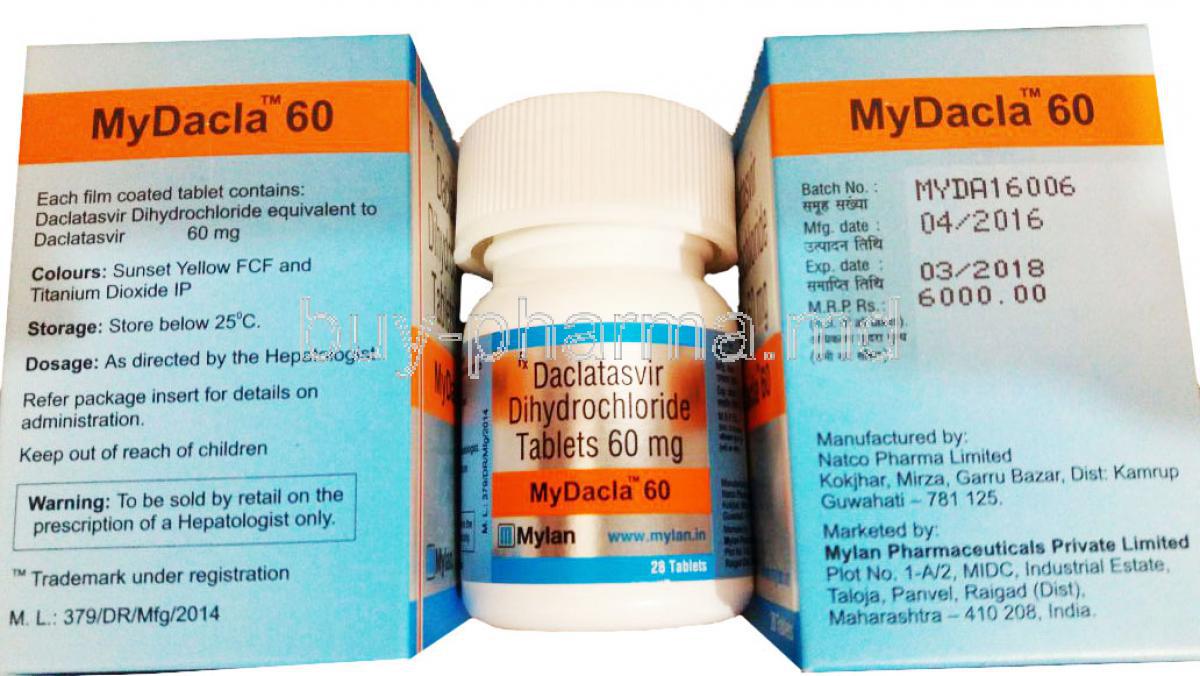
The active pharmaceutical ingredient in Daclahep is daclatasvir dihydrochloride, a synthetic small-molecule antiviral compound.
- Chemical profile: Daclatasvir is characterized by high lipophilicity and potent intracellular activity.
- Formulation: Designed for oral administration with optimized bioavailability.
Daclahep is typically available in tablet form, manufactured in standardized strengths to facilitate fixed-dose combination therapy. The formulation includes excipients that enhance stability, ensure uniform drug distribution, and support gastrointestinal absorption without contributing to pharmacologic activity.
3. How Daclahep Works (Mechanism of Action)
Daclahep exerts its antiviral effect by selectively inhibiting the HCV nonstructural protein 5A (NS5A), a multifunctional protein essential for viral replication.
NS5A inhibition disrupts multiple stages of the viral lifecycle, including:
- Viral RNA replication within hepatocytes
- Assembly and maturation of infectious virions
This dual interference results in a rapid decline in viral load. Daclahep demonstrates activity across multiple HCV genotypes, although susceptibility may vary. Resistance-associated substitutions (RASs) in the NS5A region can reduce efficacy, underscoring the importance of combination therapy and adherence.
4. Therapeutic Uses of Daclahep
Daclahep is primarily indicated for the treatment of chronic hepatitis C infection in adults.
Clinical use typically involves combination therapy with other direct-acting antivirals, such as sofosbuvir, to achieve optimal viral eradication. These regimens are tailored according to viral genotype and patient-specific factors.
Therapeutic applications include:
- Genotype-specific treatment strategies
- Use in treatment-naïve patients initiating antiviral therapy
- Use in treatment-experienced patients with prior therapy failure
Daclahep is also used in patients with compensated liver disease, where preserved hepatic function allows safe and effective antiviral intervention.
5. Off-Label and Expanded Clinical Uses
Beyond labeled indications, Daclahep may be utilized in expanded clinical contexts under specialist supervision.
- Use in less common or regionally prevalent HCV genotypes
- Combination therapy in patients with compensated cirrhosis
- Inclusion in investigational or region-specific treatment protocols
In selected cases, Daclahep has been incorporated into post-liver transplant hepatitis C management to prevent graft reinfection, with careful monitoring for drug interactions and hepatic tolerance.
6. Dosage and Administration Guidelines
The standard adult dosing of Daclahep is determined by the combination regimen and viral genotype. It is administered orally, usually once daily.
Key administration principles include:
- Strict adherence to prescribed combination therapy
- Treatment duration typically ranging from 12 to 24 weeks
- Adjustment of dose when co-administered with enzyme-modifying agents
Daclahep may be taken with or without food. Consistent daily intake enhances antiviral efficacy and minimizes the risk of resistance development.
7. Administration in Special Populations
7.1 Administration to Elderly Patients
In older adults, pharmacokinetic changes such as altered hepatic metabolism may occur. However, no routine dose adjustment is required solely based on age.
Clinical vigilance is advised, including:
- Monitoring for drug interactions due to polypharmacy
- Regular assessment of liver function
7.2 Administration to Pregnant Women and Nursing Mothers
The safety of daclatasvir during pregnancy has not been fully established. Risk assessment is essential before initiation.
Special caution is required when Daclahep is used with ribavirin-containing regimens due to known teratogenic effects. Breastfeeding considerations should be guided by clinical judgment, weighing maternal benefit against potential infant exposure.
7.3 Administration to Children and Adolescents
Pediatric use of Daclahep is limited and dependent on evolving clinical evidence. Age and weight-based considerations apply where approved.
Ongoing research continues to refine pediatric dosing strategies and safety profiles, with current use guided by specialist recommendations.
8. Drug Interactions
Daclahep is metabolized primarily via the CYP3A4 pathway, making it susceptible to pharmacokinetic interactions.
- CYP3A4 inducers: May significantly reduce daclatasvir plasma concentrations
- CYP3A4 inhibitors: May increase systemic exposure
Contraindicated combinations include strong enzyme inducers such as certain anticonvulsants. Additional caution is required with antiretroviral therapies, cardiovascular agents, and select anticonvulsants. Proactive medication review and dose adjustments are essential for safe co-administration.
9. Side Effects and Adverse Reactions
Daclahep is generally well tolerated when used as part of combination antiviral therapy. Most adverse reactions are mild to moderate in severity.
Reported treatment-emergent effects may include:
- Fatigue
- Headache
- Nausea
Adverse events are classified by frequency and clinical impact. Regular monitoring during therapy allows early detection and management of potential complications, supporting uninterrupted treatment and optimal outcomes.
10. Common Side Effects
Daclahep is generally well tolerated when administered as part of combination antiviral therapy. Most adverse reactions observed are transient, non-life-threatening, and tend to diminish as treatment progresses.
Fatigue and asthenia are among the most frequently reported effects. Patients may describe a persistent sense of tiredness or reduced stamina, particularly during the initial weeks of therapy.
Headache and dizziness can occur, often mild to moderate in intensity. These symptoms are usually self-limiting and rarely necessitate treatment discontinuation.
Nausea and gastrointestinal discomfort may present as:
- Upper abdominal unease
- Mild nausea
- Occasional diarrhea
Insomnia and mild laboratory abnormalities, such as transient changes in liver enzymes or hematologic parameters, have been observed. These findings are typically asymptomatic and identified through routine monitoring.
11. Serious and Less Common Adverse Effects
Although uncommon, certain adverse effects associated with Daclahep require heightened clinical awareness.
Hepatic decompensation may occur in patients with advanced liver disease, particularly those with pre-existing cirrhosis. Symptoms may include worsening jaundice, ascites, or hepatic encephalopathy.
Bradycardia has been reported when Daclahep is co-administered with specific agents, notably certain antiarrhythmic drugs. This interaction can result in clinically significant heart rate reduction.
Hypersensitivity reactions, though rare, may manifest as:
- Skin rash or pruritus
- Facial or peripheral edema
- Respiratory discomfort
Risk of viral resistance development is a concern in cases of poor adherence or inappropriate monotherapy. Resistance-associated substitutions may compromise future treatment options.
12. Warnings and Safety Alerts
Several important safety considerations apply to Daclahep therapy.
Hepatitis B virus reactivation has been reported in patients co-infected with HBV and HCV undergoing direct-acting antiviral treatment. Reactivation may lead to fulminant hepatitis if not promptly recognized.
Use in advanced hepatic impairment requires careful assessment. Patients with severe liver dysfunction may be at increased risk of adverse outcomes.
Cardiovascular warnings are relevant when Daclahep is combined with certain cardiac or metabolic agents, necessitating electrocardiographic and clinical monitoring.
Given these risks, specialist supervision is strongly recommended throughout the treatment course.
13. Contraindications
Daclahep is contraindicated in specific clinical scenarios where the risk of harm outweighs potential benefit.
- Known hypersensitivity to daclatasvir or any formulation excipients
- Concomitant use with strong CYP3A4 inducers that significantly reduce drug exposure
- Specific combination regimens known to result in unsafe pharmacokinetic interactions
Use during pregnancy is contraindicated when Daclahep is combined with teratogenic agents, such as ribavirin, due to the risk of severe fetal harm.
14. Careful Administration and Monitoring
Careful patient selection and ongoing monitoring are essential to optimize therapeutic outcomes.
Patients with liver cirrhosis or viral co-infections require individualized treatment plans and frequent clinical review.
Renal impairment considerations include evaluation of concurrent medications and overall metabolic burden, although daclatasvir itself is not primarily renally excreted.
Routine monitoring should include:
- Viral load assessments to confirm treatment response
- Liver function tests to detect early signs of hepatic stress
Adherence strategies, including patient education and simplified dosing schedules, play a critical role in preventing resistance development.
15. Important Precautions
Prior to initiating therapy, comprehensive pre-treatment screening is essential. This typically includes evaluation for HBV co-infection, liver disease staging, and drug interaction review.
Patient counseling should emphasize:
- The importance of daily adherence
- Recognition of warning symptoms
- Avoidance of unapproved concomitant medications
A thorough risk–benefit assessment is particularly important in patients with complex comorbidities. Completion of the full prescribed course is critical to achieving sustained virologic response.
16. Overdosage
Clinical experience with daclatasvir overdose is limited. Available data suggest that excessive exposure may amplify known adverse effects.
Potential features of overdose include:
- Exaggerated fatigue or dizziness
- Gastrointestinal distress
- Laboratory abnormalities
No specific antidote exists. Management relies on supportive and symptomatic care, with close clinical monitoring until resolution.
17. Storage and Stability
Daclahep should be stored under recommended conditions to maintain pharmaceutical integrity.
- Store at controlled room temperature
- Protect from excessive moisture and direct light
Tablets should remain in their original packaging until use to preserve stability. All medications must be stored safely, out of reach of children.
18. Handling Precautions
Proper handling minimizes the risk of contamination and misuse.
Patients and healthcare providers should:
- Handle tablets with clean, dry hands
- Avoid crushing or splitting unless directed
Unused or expired medication should be disposed of according to local pharmaceutical waste regulations. In healthcare and pharmacy settings, adherence to standard safety protocols ensures appropriate storage, dispensing, and environmental protection.
Popular Products


Similar Product