1. Introduction to Dermo-Trosyd Skin Cream
1.1 Overview of Dermo-Trosyd as an Antifungal Dermatological Treatment
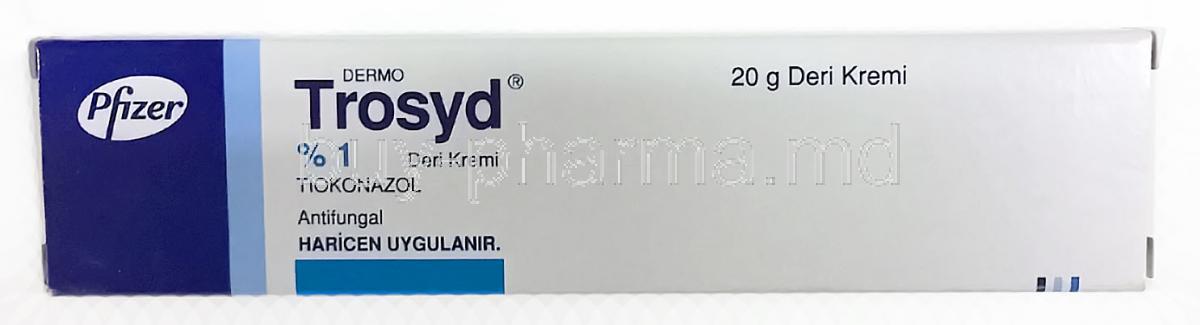
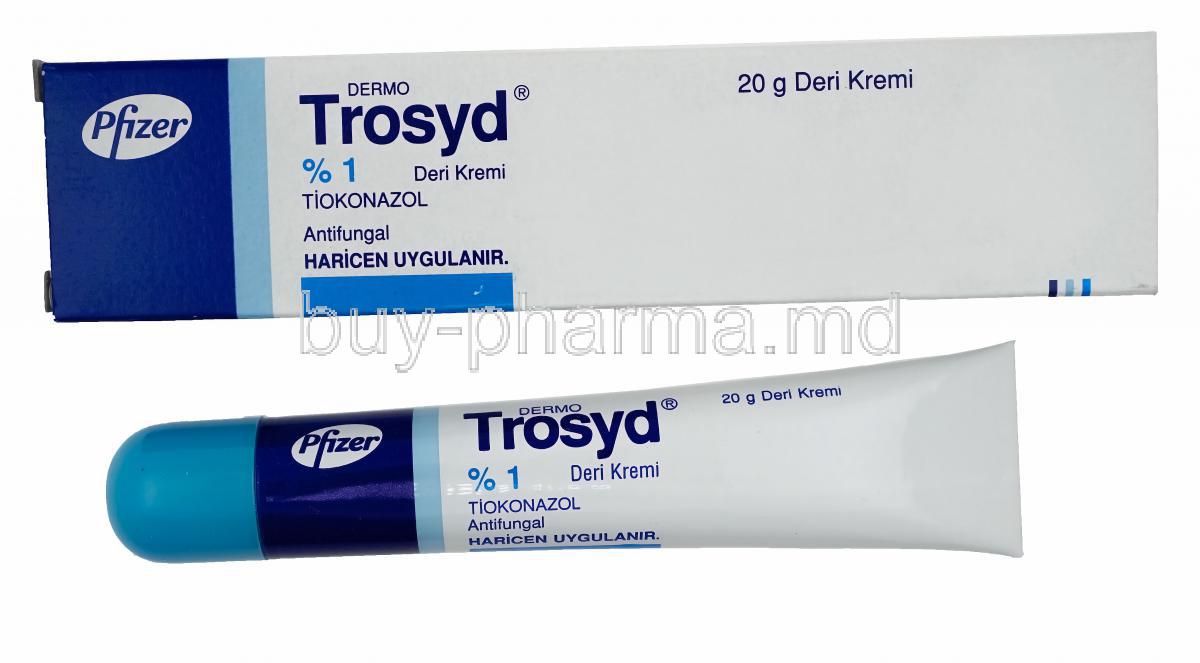
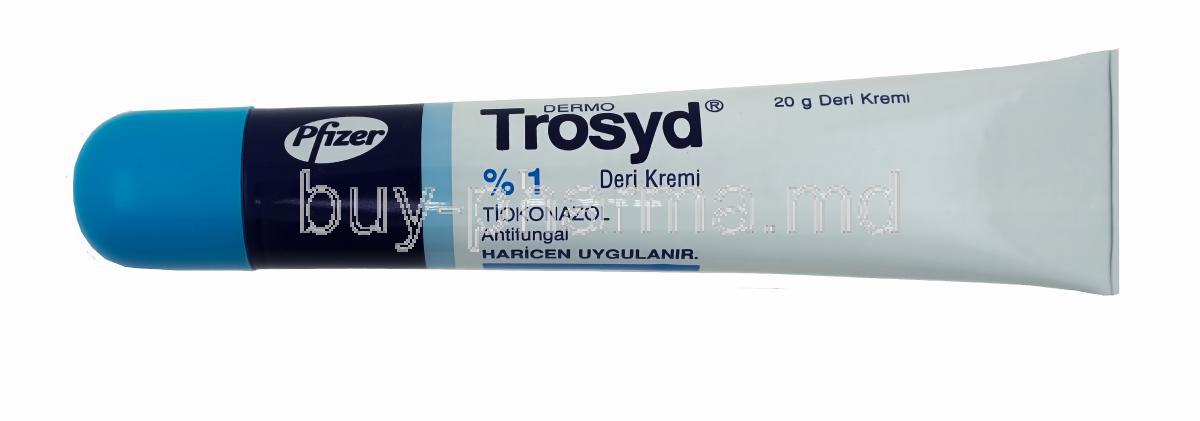
Dermo-Trosyd Skin Cream is a topical antifungal formulation designed to combat a wide range of superficial fungal infections. Its active ingredient, tioconazole, offers potent antimicrobial effects that target pathogenic fungi directly on the skin surface. The cream provides localized relief, helping restore dermal balance while minimizing systemic exposure.
Patients often turn to this medication for its dependable action and rapid alleviation of discomfort. It is crafted to be gentle on the skin while delivering a strong antifungal response.
1.2 Key Therapeutic Purposes and Patient Populations
Dermo-Trosyd is primarily used in individuals affected by fungal infections of the skin, ranging from mild to moderate severity. It is suitable for adults, elderly patients, and adolescents under appropriate guidance.
- Patients with dermatophyte-related skin lesions
- Individuals experiencing yeast-induced irritation
- Those prone to recurrent fungal flare-ups
1.3 Conditions Commonly Managed with Topical Antifungal Therapy
Topical antifungals like Dermo-Trosyd are indicated for a variety of fungal conditions, including:
- Ringworm (tinea corporis)
- Athlete’s foot (tinea pedis)
- Jock itch (tinea cruris)
- Candidal intertrigo
- Superficial yeast infections
1.4 Benefits of Localized Treatment vs. Systemic Antifungals
Localized therapy delivers medication directly to the affected site, minimizing systemic absorption and reducing the risk of adverse systemic reactions. Dermo-Trosyd provides rapid symptomatic relief and maintains a high concentration of antifungal activity exactly where it is needed.
- Lower risk of drug interactions
- More targeted therapeutic action
- Reduced gastrointestinal disturbance compared to oral antifungals
2. Composition and Formulation
2.1 Active Ingredient: Tioconazole – Concentration, Class, and Properties
The cream contains tioconazole, an imidazole-class antifungal agent renowned for its broad-spectrum effects. Its mechanism enables inhibition of fungi responsible for dermatologic infections, helping restore healthy skin integrity.
2.2 Inactive Ingredients and Their Functional Roles
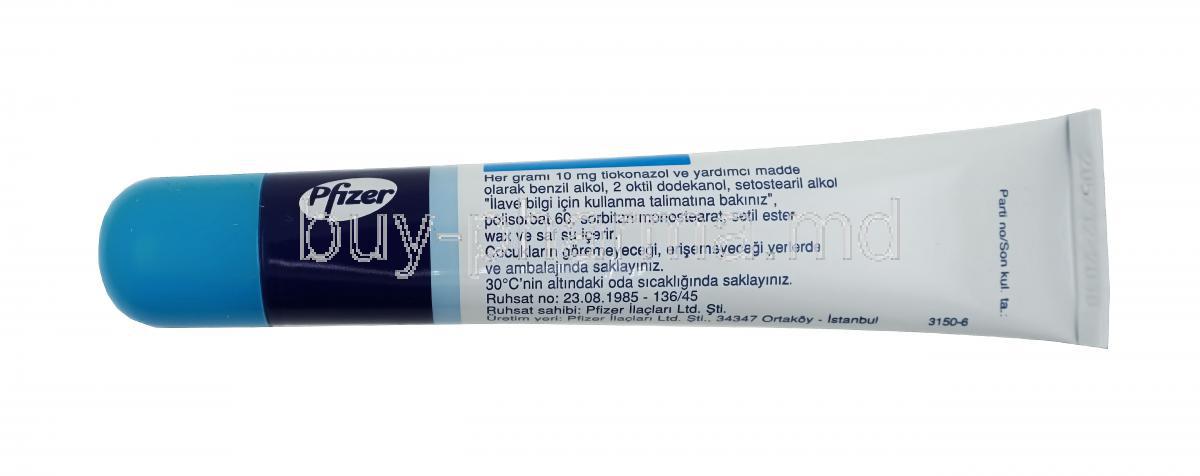
Dermo-Trosyd includes several excipients designed to enhance absorption and improve dermal tolerability. These may include emollients for skin hydration, stabilizers for product consistency, and preservatives to maintain formulation safety.
- Emollients supporting skin softness
- Stabilizers that maintain cream structure
- Preservatives preventing microbial contamination
2.3 Pharmacological Classification and Therapeutic Category
Tioconazole belongs to the imidazole antifungal class and is categorized as a topical dermatological therapy targeting superficial fungal infections. Its clinical role is well-established across various cutaneous fungal conditions.
2.4 Formulation Characteristics
Dermo-Trosyd offers a smooth, easily spreadable texture that absorbs efficiently into the skin. This formulation minimizes greasiness and ensures better adherence to the therapeutic regimen.
3. Uses of Dermo-Trosyd Skin Cream
3.1 Treatment of Dermatophyte Infections
The cream is frequently prescribed for fungal infections caused by dermatophytes, including tinea corporis, tinea cruris, and tinea pedis. It helps reduce inflammation and eliminates fungal overgrowth.
3.2 Management of Cutaneous Candidiasis
Dermo-Trosyd effectively treats yeast infections caused by Candida species, especially in moist or occluded skin areas. Symptoms such as itching and redness diminish with consistent use.
3.3 Treatment of Pityriasis Versicolor
Its antifungal properties also target pityriasis versicolor, a common superficial infection resulting in skin discoloration. Regular application helps restore normal pigmentation.
3.4 Relief of Symptoms Associated with Fungal Overgrowth
The cream alleviates the uncomfortable manifestations of fungal proliferation, such as:
- Itching
- Scaling
- Redness
3.5 Prevention of Recurrent Fungal Flare-Ups
When used as directed, Dermo-Trosyd may help reduce recurrence in individuals predisposed to fungal infections, especially those in humid or occluded environments.
4. Off-Label Uses
4.1 Off-Label Use in Secondary Bacterial-Fungal Infections
In certain cases, clinicians may recommend the cream to manage mixed infections where both fungal and bacterial components contribute to inflammation.
4.2 Use in Intertrigo-Associated Inflammation
Intertrigo, affecting skin folds, may benefit from antifungal treatment when yeast involvement is suspected.
4.3 Possible Application for Fungal-Related Diaper Rash
Under medical supervision, tioconazole may be applied for yeast-related diaper rash, supporting symptom relief.
4.4 Management in Immunocompromised Patients
Patients with weakened immunity may develop persistent fungal colonization. Dermo-Trosyd may be used adjunctively to control localized fungal burden.
4.5 Emerging Uses Supported by Case Reports
Dermatologists occasionally explore additional antifungal applications, although these require further clinical evidence.
5. How Dermo-Trosyd Works (Mechanism of Action)
5.1 Fungistatic and Fungicidal Activity
Tioconazole exhibits dual action: it can slow fungal growth while also eliminating active pathogens depending on concentration and duration.
5.2 Disruption of Fungal Cell Membrane Integrity
By destabilizing cell membranes, the medication weakens fungi, causing leakage of intracellular components.
5.3 Inhibition of Ergosterol Synthesis
Tioconazole interferes with the production of ergosterol, a vital structural element of fungal membranes, leading to eventual fungal death.
5.4 Broad Activity Spectrum
The cream targets dermatophytes, yeasts, and certain molds, making it a versatile option for numerous infections.
5.5 Onset of Action
Most patients notice symptomatic improvement within a few days, though complete eradication may require several weeks of consistent use.
6. Dosage and Administration
6.1 Standard Dosage Guidelines
Typically, the cream is applied once or twice daily, depending on the severity and type of infection.
6.2 Step-by-Step Application Instructions
- Cleanse and dry the affected area thoroughly.
- Apply a thin, even layer of cream.
- Gently massage until fully absorbed.
- Wash hands after application unless treating the hands.
6.3 Duration of Therapy
Treatment duration varies from 1 to 4 weeks, depending on the infection type and response to therapy.
6.4 Missed Dose Instructions
If a dose is missed, it should be applied as soon as remembered unless it is close to the next scheduled application.
6.5 Application Precautions
The cream should not be applied to the eyes, broken skin, or mucous membranes.
7. Important Precautions
7.1 Avoiding Occlusive Dressings
Using airtight or occlusive coverings may increase absorption and irritate the skin.
7.2 Preventing Spread of Infection
Proper hygiene is crucial to avoid cross-contamination. Avoid sharing towels or personal items.
7.3 Maintaining Hygiene During Treatment
- Wash hands before and after use
- Keep skin dry to reduce fungal growth
7.4 Recognizing Worsening Infection
If redness, swelling, or symptoms intensify, the cream should be discontinued and medical assistance sought.
7.5 When to Seek Medical Attention
Consultation is warranted when symptoms persist beyond the expected treatment duration.
8. Side Effects
8.1 Overview of Dermatologic Adverse Reactions
Most side effects are localized and mild, though individual reactions vary.
8.2 Local Irritation
Some patients may experience burning, itching, or redness shortly after application.
8.3 Allergic Contact Dermatitis
Sensitized individuals may develop allergic responses requiring discontinuation.
8.4 Rare Systemic Reactions
Systemic absorption is minimal but possible, leading to exceptionally rare systemic sensitivity.
8.5 Exacerbation of Skin Inflammation
Patients with pre-existing dermatitis may experience heightened irritation.
9. Common Side Effects
9.1 Mild Stinging or Burning
A brief tingling or stinging effect may occur upon application.
9.2 Redness or Dryness
The treated area may become mildly red or dry during therapy.
9.3 Peeling or Flaking
Minor peeling can occur as the infected skin begins to recover.
9.4 Mild Swelling or Discomfort
A slight sensation of discomfort is occasionally reported.
9.5 Temporary Discoloration
Skin color changes may occur temporarily but usually resolve with continued healing.
10. Contraindications
10.1 Hypersensitivity to Tioconazole
Patients with known allergies to tioconazole or other imidazole antifungals should avoid use.
10.2 Severe Acute Skin Infections
Deep or rapidly spreading infections may require systemic therapy.
10.3 Allergic Reactions to Azoles
A documented history of azole sensitivity warrants alternative therapy.
10.4 Not for Deep or Systemic Fungal Infections
Dermo-Trosyd is formulated exclusively for superficial cutaneous use.
```html
11. Careful Administration
11.1 Caution in Patients with Chronic Skin Conditions (Eczema, Psoriasis)
Individuals with preexisting dermatologic disorders such as eczema or psoriasis may exhibit heightened cutaneous reactivity when using antifungal creams. The disrupted epidermal barrier in these conditions can intensify absorption, potentially increasing irritation. For this group, a conservative application approach is recommended, starting with minimal amounts and gradually increasing based on tolerance.
- Monitor areas treated for unusual sensitivity or redness.
- Avoid application on severely inflamed or weeping lesions.
- Consultation with a dermatologist is advised for chronic skin comorbidities.
11.2 Special Precautions for Patients with Highly Sensitive or Broken Skin
Patients with fragile or compromised skin may experience amplified stinging or burning sensations. Broken or abraded skin can facilitate deeper absorption, increasing the risk of discomfort. Only intact skin should be treated unless a physician specifically recommends otherwise.
- Apply a thin layer to minimize unnecessary absorption.
- Discontinue use if severe irritation develops.
11.3 Monitoring in Immunocompromised Individuals
Immunocompromised patients—including those undergoing chemotherapy or living with chronic systemic illness—may exhibit atypical infection patterns. These individuals benefit from closer monitoring, as fungal infections may progress more aggressively despite topical therapy.
- Evaluate response at regular intervals.
- Seek medical advice if improvement is slower than expected.
11.4 Risks of Prolonged or Excessive Application
Extended use beyond prescribed duration can disrupt the skin’s natural microbiota and lead to unnecessary irritation. Excessive application does not accelerate healing and may worsen dryness or sensitivity.
- Use only the recommended amount.
- Stop treatment once symptoms fully resolve unless instructed otherwise.
12. Interaction
12.1 Interaction with Other Topical Antifungals or Corticosteroids
Combining multiple antifungal agents may provide no additional therapeutic value and could promote irritation. Concurrent application with corticosteroids may mask symptoms, potentially delaying identification of treatment failure.
12.2 Potential Interference with Skin Barrier Repair Products
Products designed to reinforce the epidermal barrier—such as ceramide-based creams—may alter the penetration of antifungal agents. Spacing applications by several hours can help prevent interference.
12.3 Use with Medicated Cleansers, Antiseptics, or Exfoliating Agents
Antiseptic washes or exfoliating scrubs can increase skin dryness, intensifying irritation when combined with antifungal creams.
- Avoid harsh cleansers immediately before application.
- Use gentle, pH-balanced products to maintain barrier integrity.
12.4 Avoiding Simultaneous Use with Alcohol-Based Products
Alcohol-based sanitizers and toners can cause significant dehydration of the epidermis. When used alongside antifungal creams, this increases the likelihood of burning sensations.
12.5 Cross-Interaction Concerns with Systemic Azole Antifungals
Although systemic interaction is minimal, patients using oral azoles should inform their healthcare provider to avoid redundant therapy or potential hypersensitivity issues.
13. Administration in Special Populations
13.1 Administration to the Elderly
13.1.1 Skin Sensitivity Considerations
Aging skin tends to be thinner and more fragile, increasing susceptibility to irritation. Elderly patients may require reduced application frequency.
13.1.2 Risk of Dryness and Irritation
The natural decline in sebum production heightens dryness. Moisturizing adjacent non-affected areas may help maintain comfort.
13.1.3 Monitoring for Atypical Fungal Infections
Elderly patients occasionally present with atypical or chronic fungal infections. Regular assessment ensures early detection of inadequate response.
13.2 Administration to Pregnant Women and Nursing Mothers
13.2.1 Safety Profile in Pregnancy
Topical azoles are generally considered low-risk when used under medical supervision. Systemic exposure from dermal application is minimal.
13.2.2 Avoiding Nipple Application During Breastfeeding
The cream should not be applied to the breast area to avoid infant ingestion. If treatment is essential, alternative sites must be chosen.
13.2.3 Physician-Guided Use During Pregnancy
Pregnant individuals should seek clinical guidance before initiating therapy to ensure suitability for their specific condition.
13.3 Administration to Children
13.3.1 Safety and Efficacy in Pediatric Fungal Infections
Children often respond well to topical antifungal therapy. However, their skin is more permeable, necessitating cautious use.
13.3.2 Age-Specific Dosing Considerations
Dosing frequency may be adjusted based on age, weight, and infection severity. Only a thin application is required.
13.3.3 Risks of Accidental Ingestion or Misuse
Children may inadvertently ingest topical medications. Secure storage is essential to prevent accidental exposure.
14. Overdosage
14.1 Signs of Excessive Topical Application
Excessive use may manifest as pronounced redness, burning, or heightened dryness.
14.2 Risk of Increased Irritation and Inflammation
Overuse irritates the epidermis and disrupts the recovery process, potentially worsening symptoms.
14.3 Management of Accidental Ingestion
If swallowed, mild gastrointestinal discomfort may occur. Rinse the mouth and seek medical assessment if symptoms arise.
14.4 When to Seek Emergency Medical Attention
Immediate care is necessary if an allergic reaction occurs—manifesting as swelling, difficulty breathing, or severe rash.
15. Storage
15.1 Recommended Storage Temperature and Environment
Store the cream at room temperature in a cool, dry environment. Avoid exposure to humidity.
15.2 Protecting the Cream from Excessive Heat or Direct Sunlight
Heat may degrade its active ingredients, reducing therapeutic potency. Keep the tube away from direct sunlight and heaters.
15.3 Shelf Life and Product Stability Considerations
Observe the expiry date to ensure maximum efficacy. Using outdated medication may lead to diminished therapeutic benefit.
15.4 Safe Handling and Disposal of Expired Products
Do not dispose of expired cream in household drains. Follow local medication disposal guidelines.
16. Handling Precautions
16.1 Proper Hygiene Before and After Application
Handwashing minimizes the transfer of fungi to other areas and prevents product contamination.
16.2 Avoiding Contamination of the Tube Tip
Ensure the nozzle does not touch the skin directly. This prevents bacterial or fungal buildup around the opening.
16.3 Keeping Out of Reach of Children
Store the medication securely to prevent accidental misuse.
16.4 Instructions for Secure Closure and Safe Storage After Each Use
Close the cap firmly after dispensing the cream. Protect the product from dust and moisture.
16.5 Preventing Secondary Spread of Fungal Pathogens Through Shared Items
Avoid sharing towels, clothing, or footwear with others during treatment. Fungal spores can persist on fabrics.
```html
Popular Products
Similar Product