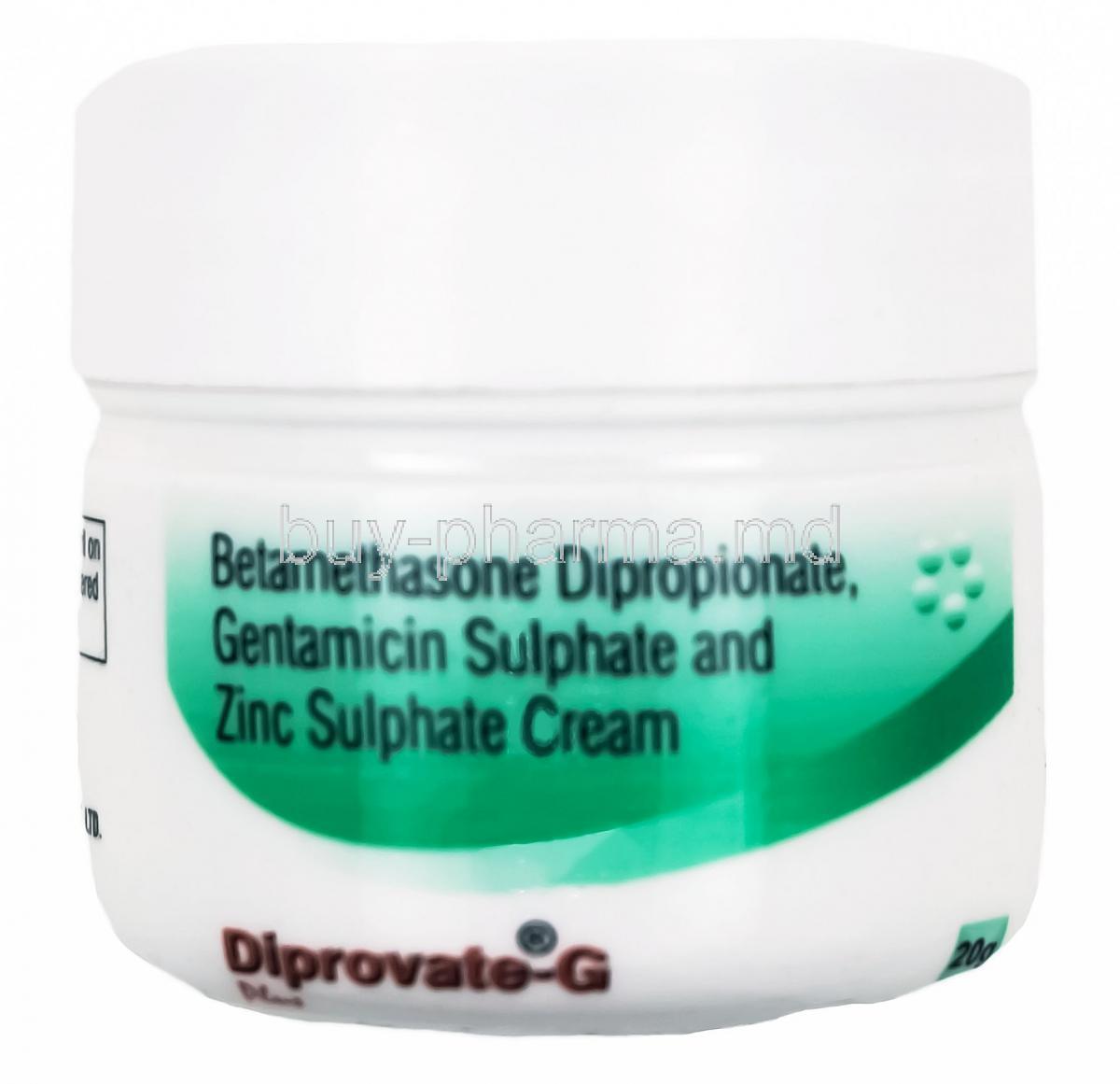
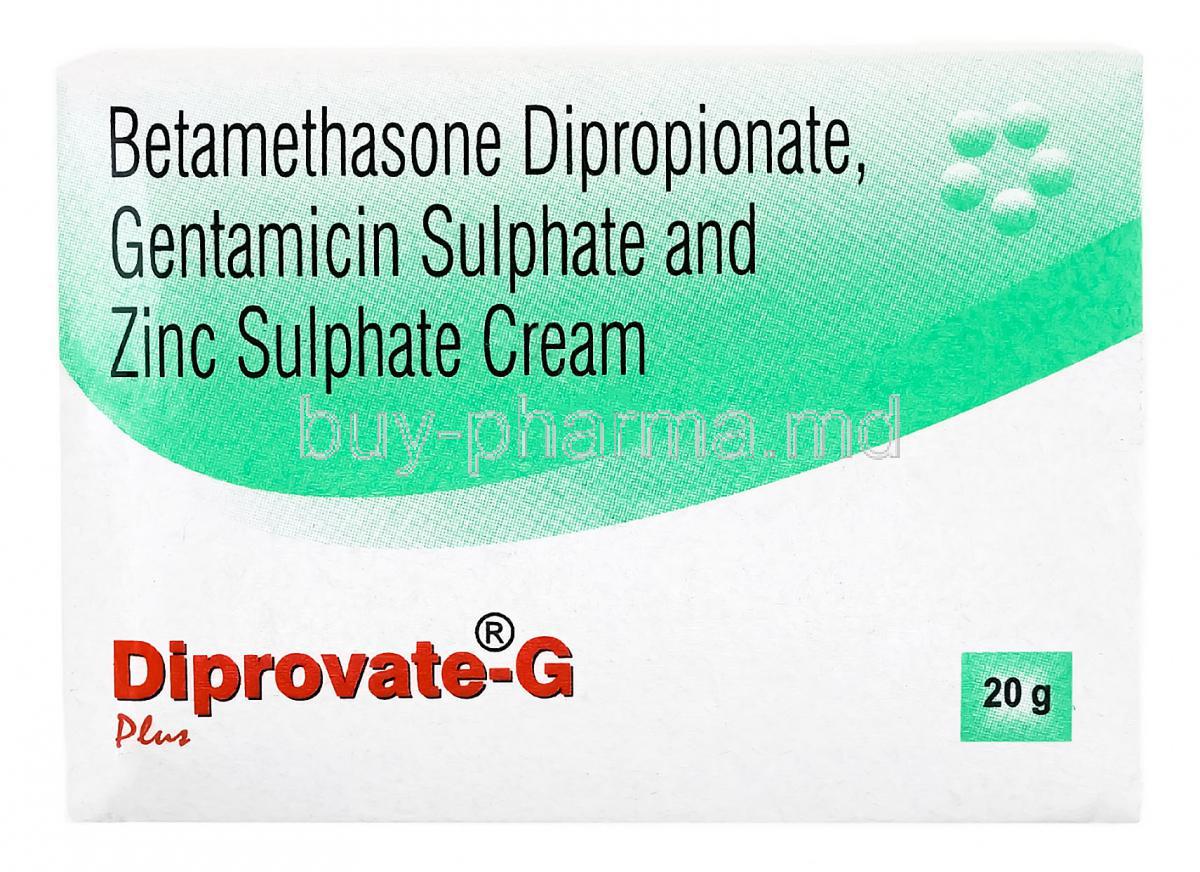
Diprovate Plus G Cream
- 1. Introduction to Diprovate Plus G Cream
- 2. Composition and Active Ingredients
- 3. How Diprovate Plus G Cream Works (Mechanism of Action)
- 4. Diprovate Plus Cream Uses
- 5. Expanded and Off-Label Uses
- 6. Dosage and Administration Guidelines
- 7. Common Side Effects
- 8. Other Potential Side Effects
- 9. Drug and Product Interactions
- 10. Warnings and Safety Information
- 11. Contraindications
- 12. Careful Administration and Important Precautions
- 13. Administration in Special Populations
- 14. Overdose and Excessive Use
- 15. Storage Instructions
- 16. Handling Precautions
1. Introduction to Diprovate Plus G Cream
Diprovate Plus G Cream is a combination topical dermatologic preparation formulated for the management of inflammatory skin disorders complicated by microbial involvement. It belongs to a therapeutic class that integrates anti-inflammatory, antibacterial, and antifungal actions within a single formulation. Such multi-target therapy is particularly valuable in dermatology, where inflammation and infection frequently coexist.
This medication is generally prescribed by healthcare professionals and is intended for short-term, supervised use. It is commonly recommended when a simple corticosteroid or antimicrobial alone may be insufficient.
- Inflammatory dermatoses with suspected or confirmed infection
- Mixed bacterial and fungal skin conditions
- Dermatoses with intense erythema, pruritus, and exudation
The principal advantage of combination therapy lies in therapeutic efficiency. A single application addresses multiple pathological pathways, improving patient adherence while reducing the need for multiple products. Diprovate Plus G Cream is typically recommended when rapid symptom relief and microbial control are both clinically necessary.
2. Composition and Active Ingredients
2.1 Active Components
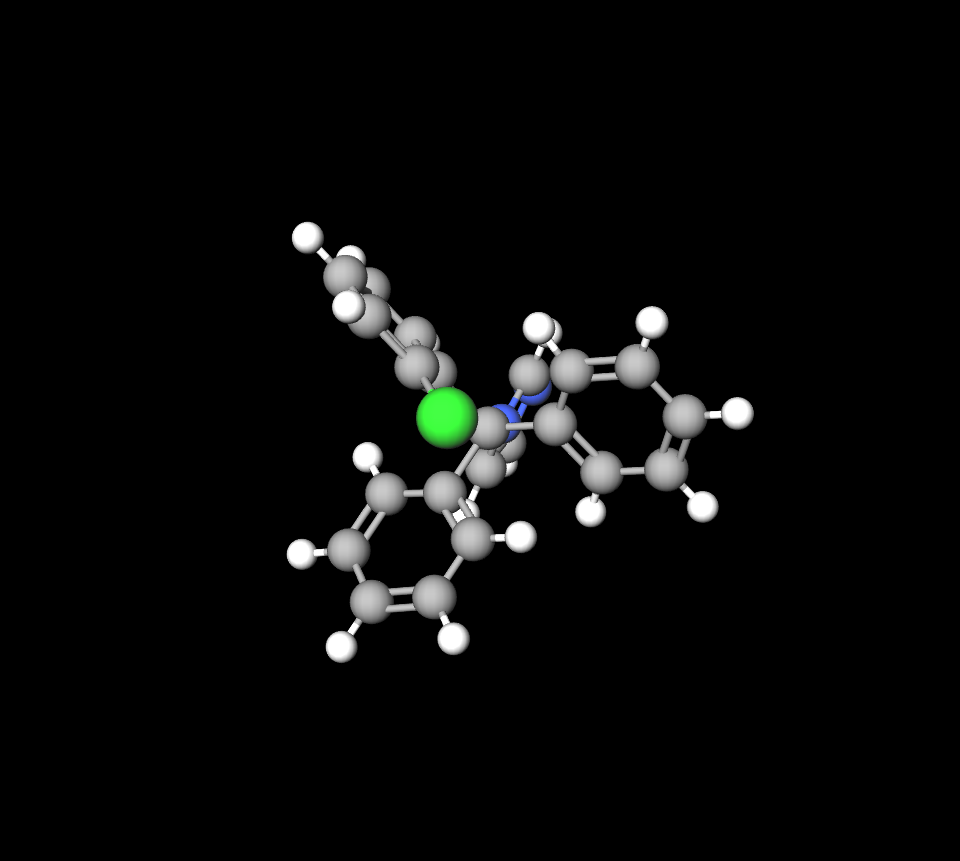
The formulation contains a synergistic combination of pharmacologically active agents:
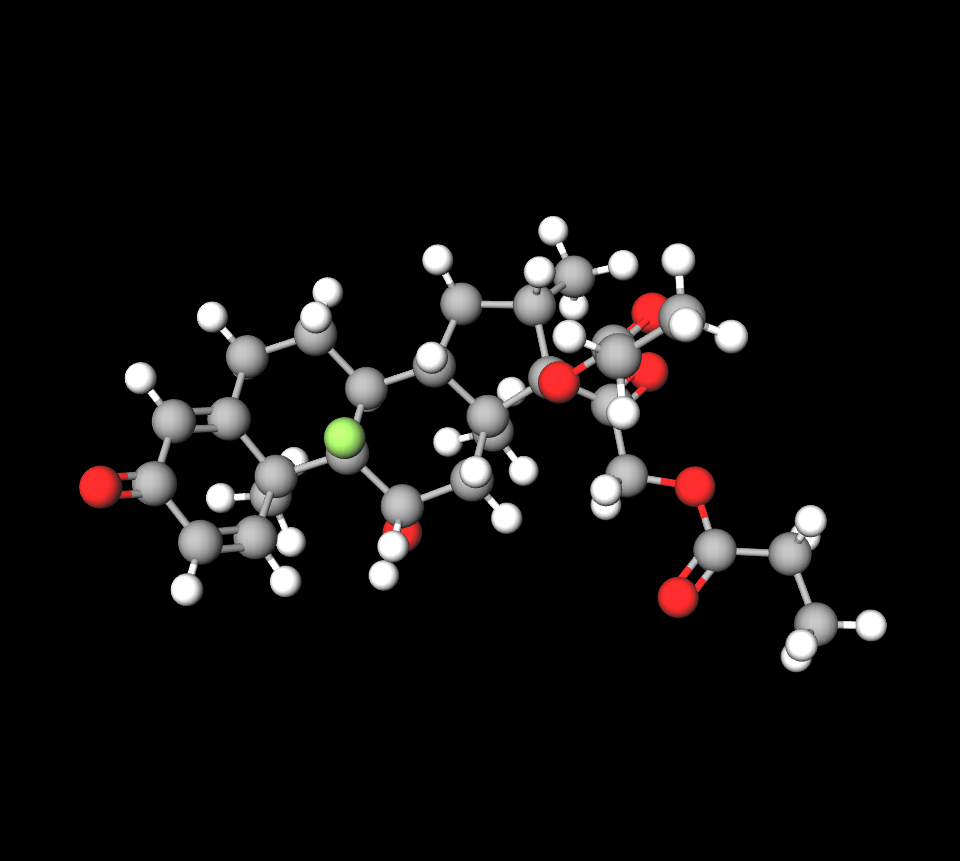
- Betamethasone Dipropionate: a potent topical corticosteroid
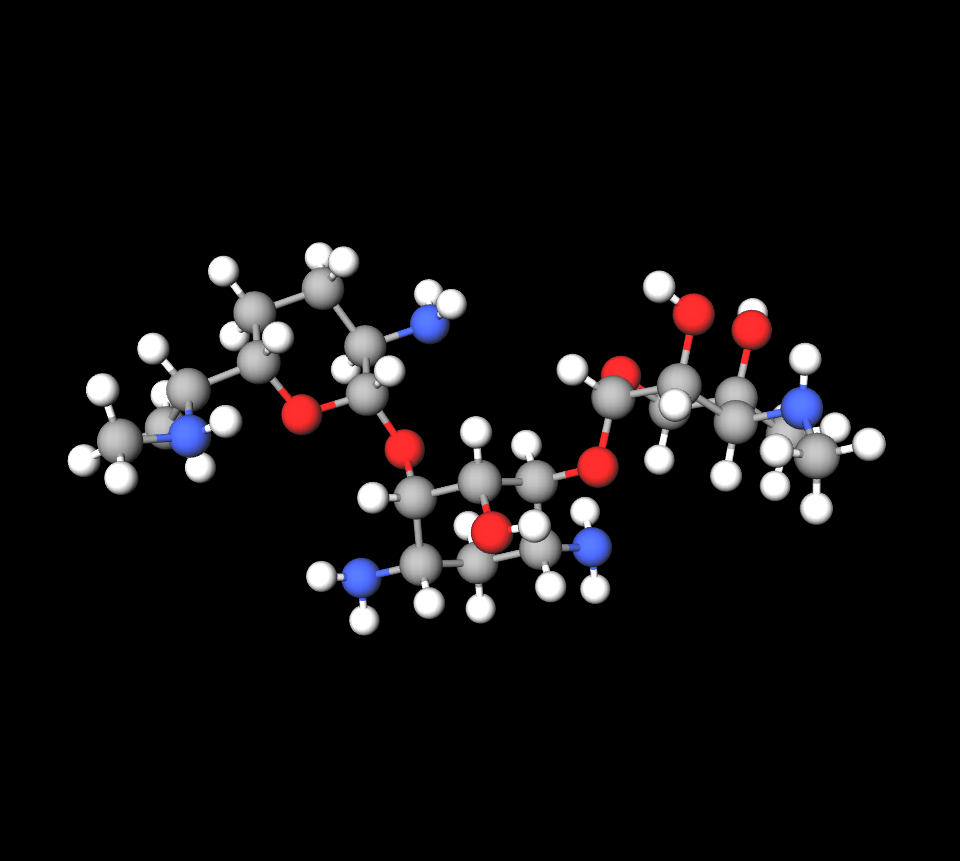
- Gentamicin: a broad-spectrum aminoglycoside antibiotic
- Clotrimazole (or equivalent antifungal, depending on formulation): an imidazole antifungal agent
2.2 Role of Each Ingredient
Each component contributes a distinct therapeutic function:
- Betamethasone suppresses inflammatory mediators, reducing erythema, edema, and itching
- Gentamicin provides bactericidal activity against many gram-positive and gram-negative organisms
- Clotrimazole inhibits fungal growth, particularly dermatophytes and Candida species
Together, these agents create a broad-spectrum dermatologic intervention suitable for complex or mixed infections.
2.3 Excipients and Base Formulation
The cream base is designed for optimal dermal delivery. It ensures: Uniform distribution across affected areas Enhanced penetration into the stratum corneum Moisturizing and protective effects on compromised skin Absorption varies depending on skin integrity, anatomical location, and the presence of occlusion.
3. How Diprovate Plus G Cream Works (Mechanism of Action)
The therapeutic efficacy of Diprovate Plus G Cream results from its multi-mechanistic pharmacology.
Betamethasone inhibits phospholipase activity and cytokine release. This suppresses inflammatory cascades, leading to rapid reduction of redness, swelling, and pruritus.
Gentamicin binds to bacterial ribosomal subunits, interrupting protein synthesis and causing irreversible bacterial cell death.
When present, clotrimazole disrupts fungal cell membrane integrity by inhibiting ergosterol synthesis, resulting in fungal growth inhibition and eventual eradication.
The combined effect is clinically significant. In mixed or complicated skin infections, inflammation subsides quickly while pathogenic organisms are simultaneously eliminated.

4. Diprovate Plus Cream Uses
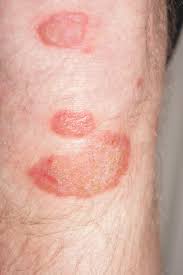
4.1 Inflammatory Dermatoses with Secondary Infection
- Infected eczema
- Contact dermatitis (allergic or irritant)
- Localized infected psoriasis
4.2 Fungal Skin Conditions with Inflammation
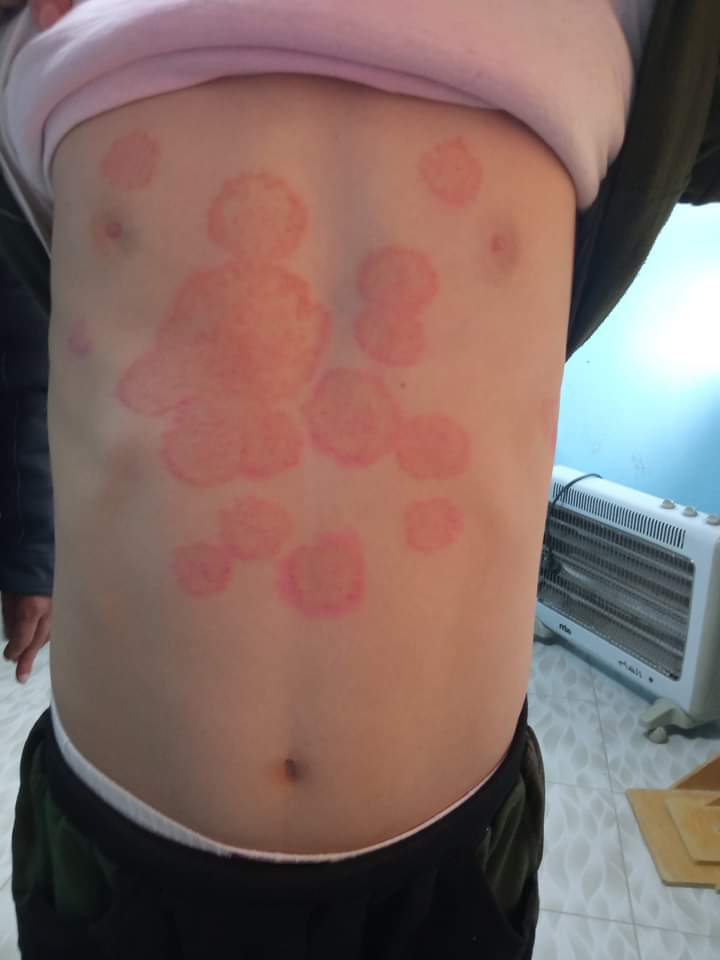
- Tinea corporis (ringworm)
- Tinea cruris (jock itch)
- Tinea pedis (athlete's foot)
4.3 Bacterial Skin Infections with Inflammation
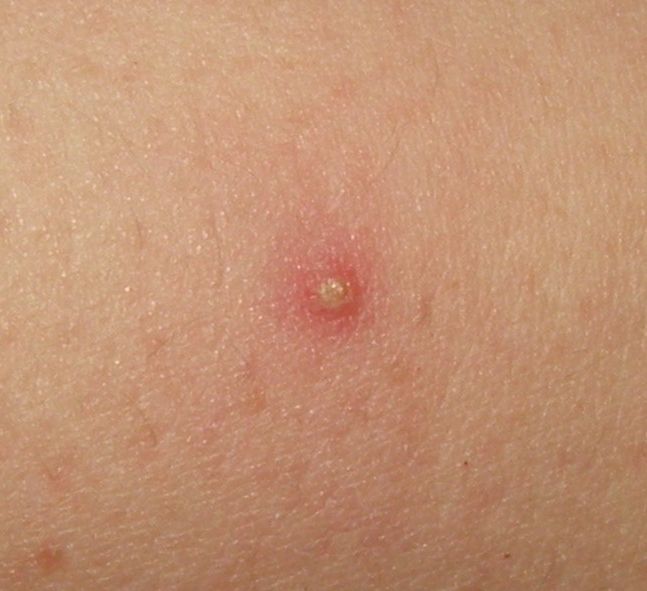
- Impetiginized lesions
- Folliculitis
- Minor infected cuts, abrasions, or superficial wounds
These conditions benefit from simultaneous anti-inflammatory and antimicrobial therapy, particularly when symptoms are acute or severe.
5. Expanded and Off-Label Uses
In clinical practice, Diprovate Plus G Cream may be used for additional dermatologic conditions under medical supervision.
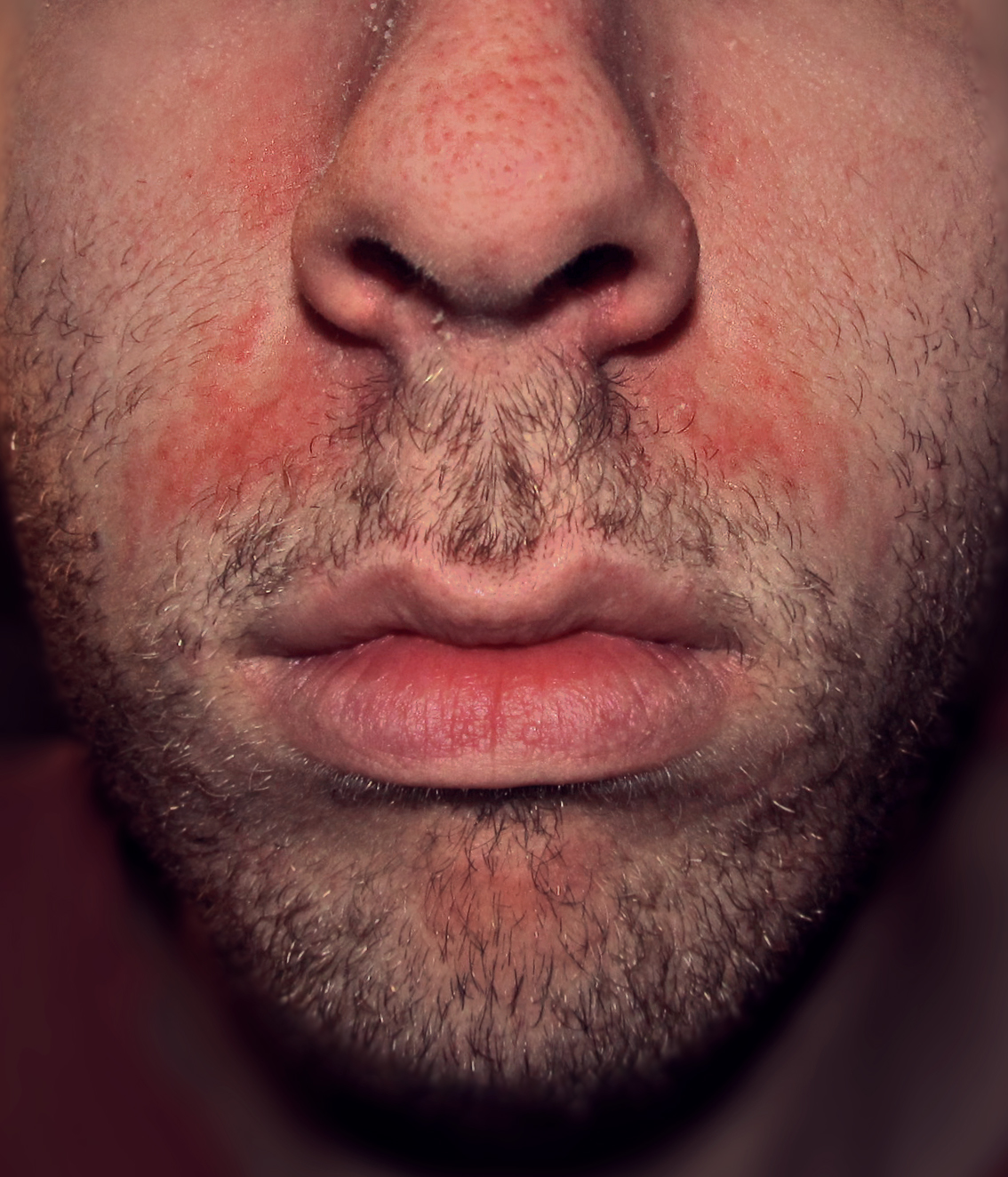
- Seborrheic dermatitis with secondary infection
- Intertrigo involving mixed fungal and bacterial flora
- Inflammatory candidiasis
- Lichen simplex chronicus with superinfection
- Infected insect bites or minor trauma-related lesions
- Secondary infected atopic dermatitis
- Short-term treatment of inflammatory diaper rash
- Adjunct therapy in chronic pruritic dermatoses with microbial colonization
Such uses require careful clinical judgment due to the potency of the corticosteroid component.
6. Dosage and Administration Guidelines
6.1 Standard Application Instructions
- Apply a thin layer to the affected area once or twice daily
- Gently massage until absorbed
- Clean and dry the skin thoroughly before application

6.2 Duration of Therapy
When this medicine is used, it's usually for a short time. This is because it has a strong steroid in it. If it's used for too long or too much, it can cause problems. The steroid can get into the whole body, not just the area it's applied to, and cause side effects. It can also cause issues in the area where it's used.
6.3 Areas Requiring Special Caution
- Face
- Groin and genital area
- Axillae
Occlusive dressings should be avoided unless specifically prescribed, as they significantly increase drug absorption.
7. Common Side Effects
Most patients tolerate the cream well when used appropriately. Mild local reactions may occur:
- Transient burning or irritation
- Dryness or mild erythema
- Itching or stinging at the application site
These effects are usually temporary and resolve with continued or discontinued use, depending on severity.
8. Other Potential Side Effects
8.1 Corticosteroid-Related Effects
- Skin atrophy (thinning)
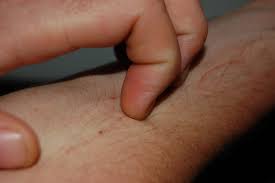
- Striae (stretch marks)
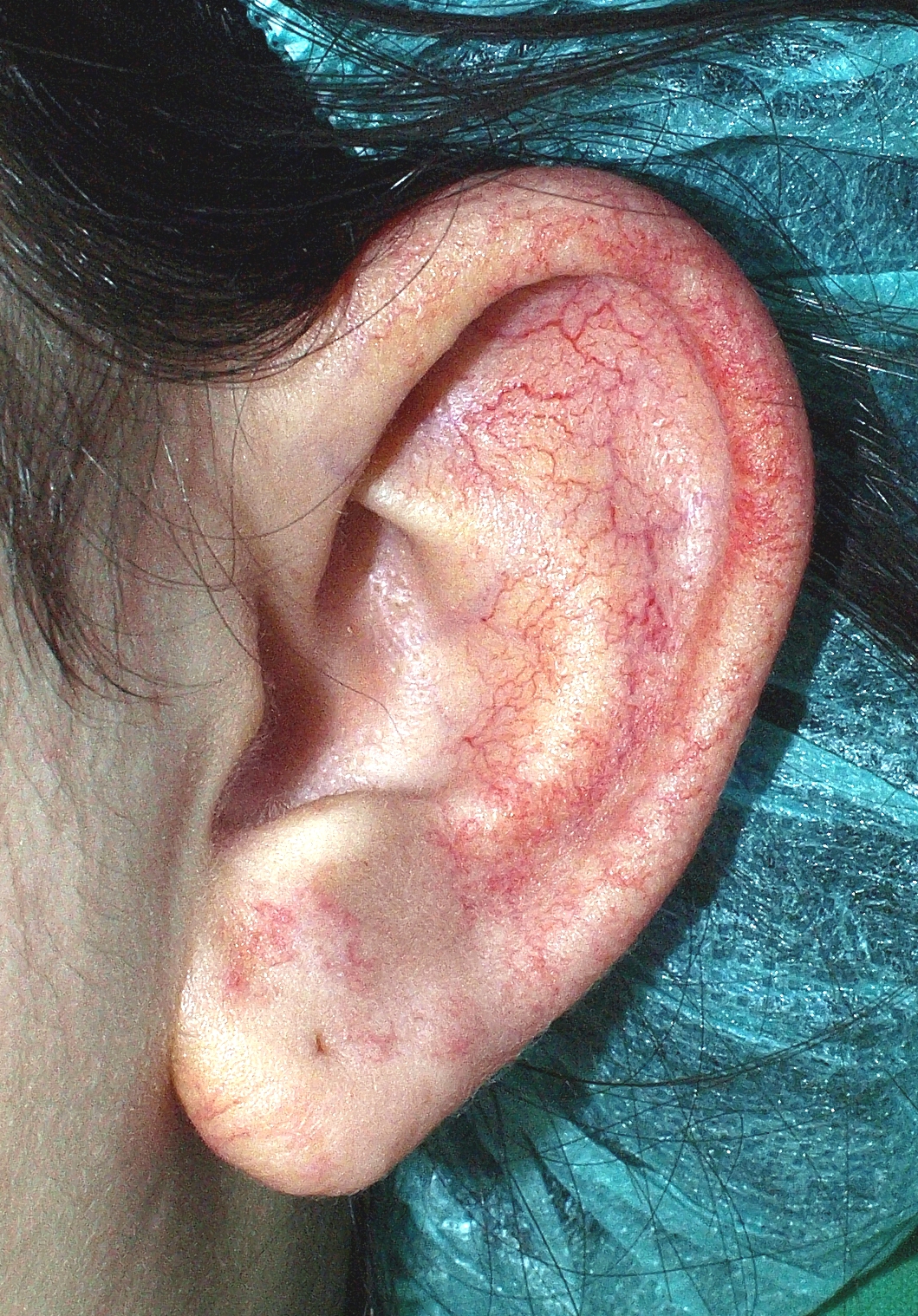
- Telangiectasia
- Hypopigmentation
8.2 Antibiotic-Related Effects
- Allergic contact dermatitis
- Selection of resistant bacterial strains
8.3 Antifungal/Combination Effects
- Local hypersensitivity reactions
- Overgrowth of non-susceptible organisms
- Secondary infections
9. Drug and Product Interactions
- Concurrent use with other topical corticosteroids may increase cumulative exposure
- Occlusive therapy enhances systemic absorption
- Simultaneous use of other topical antibiotics or antifungals should be medically supervised
- Rare additive toxicity with systemic aminoglycosides
- Avoid combining with harsh cosmetics, exfoliants, or irritant dermatologic products
Patients should inform healthcare providers about all topical and systemic medications being used.
10. Warnings and Safety Information
Improper or prolonged use of Diprovate Plus G Cream may lead to clinically significant complications.
- Potential systemic absorption of corticosteroid with long-term or extensive use
- Risk of hypothalamic-pituitary-adrenal (HPA) axis suppression
- Greater susceptibility in children and when applied over large surface areas
- Development of antimicrobial resistance with inappropriate or prolonged use
- Not intended for ophthalmic or intraocular use
Careful adherence to prescribed duration and application instructions is essential for safe and effective treatment.
11. Contraindications
Diprovate Plus G Cream should not be used in certain clinical situations where the risks outweigh potential benefits. Careful patient evaluation is essential prior to initiation, particularly when inflammatory dermatoses may mask underlying infectious or systemic pathology.
- Known hypersensitivity to betamethasone, gentamicin, antifungal components, or any excipient
- Untreated viral skin infections such as herpes simplex, herpes zoster, or varicella, where corticosteroid use may exacerbate viral replication
- Cutaneous tuberculosis or syphilis, as immunosuppression may worsen disease progression
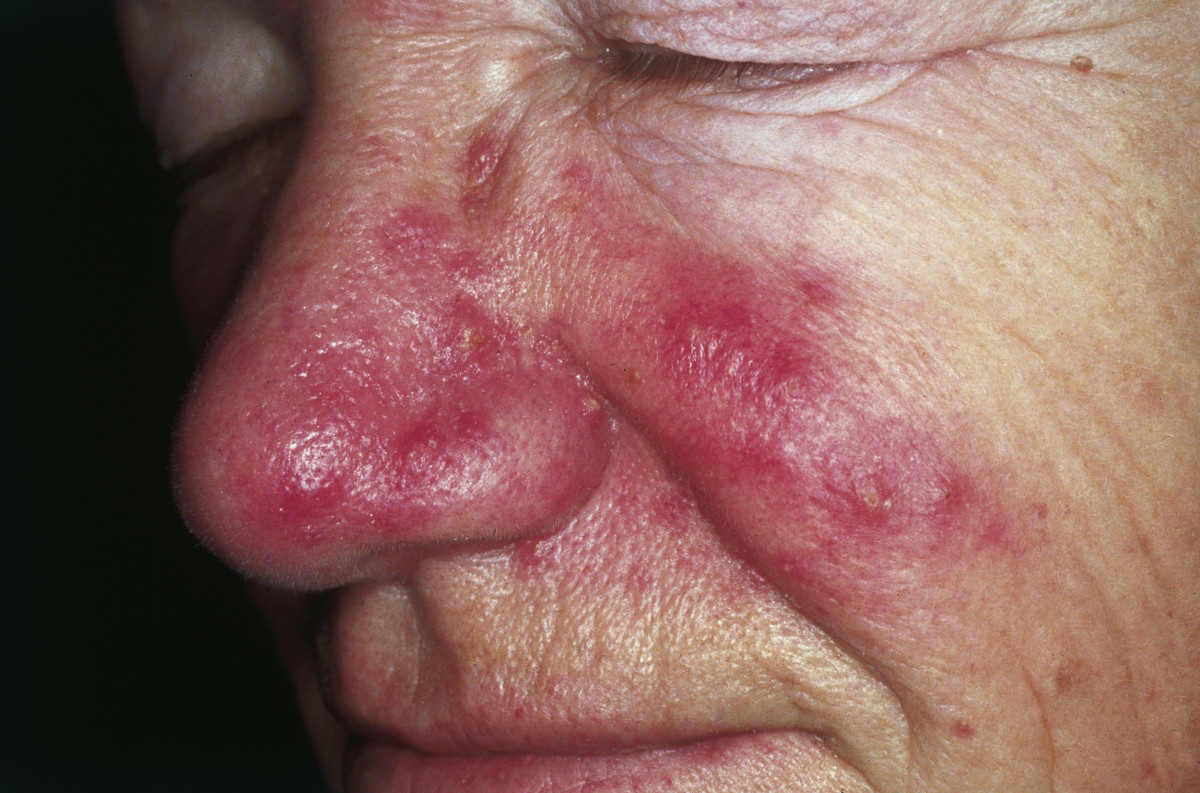
- Rosacea or perioral dermatitis, conditions known to deteriorate with potent topical corticosteroids
- Acne vulgaris, unless specifically prescribed, due to the risk of aggravation and steroid-induced acneiform eruptions
Use in contraindicated conditions may lead to diagnostic delay, disease exacerbation, or unintended systemic effects.
12. Careful Administration and Important Precautions
Potent combination topical therapies require judicious use. The therapeutic objective is rapid symptom control without exposing the patient to unnecessary pharmacologic burden.
- Apply the lowest effective amount for the shortest clinically appropriate duration
- Avoid prolonged, uninterrupted therapy to minimize local and systemic corticosteroid complications
- Regularly assess treated areas for early signs of adverse changes such as thinning, telangiectasia, or altered pigmentation
- Discontinue treatment if irritation, allergic reaction, or hypersensitivity develops
- Avoid routine application to broken, ulcerated, or severely damaged skin unless specifically directed by a healthcare professional
Clinical vigilance is essential. Even topical medications, when used excessively, may produce systemic pharmacodynamic consequences.
13. Administration in Special Populations
13.1 Use in Elderly Patients
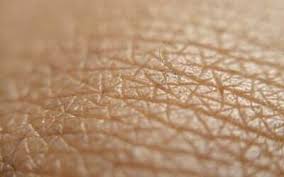
Age-related dermal changes increase vulnerability to corticosteroid effects. Thinner epidermis and reduced regenerative capacity heighten the risk of atrophy and fragility.
- Use conservative dosing schedules
- Limit treatment duration
- Monitor regularly for skin thinning, bruising, or delayed healing
Short courses are generally preferred in geriatric dermatologic care.
13.2 Use During Pregnancy
Topical corticosteroids should be used cautiously during pregnancy. Although systemic absorption is typically low, prolonged or extensive application may increase fetal exposure.
- Use only when potential therapeutic benefit justifies possible risk
- Avoid large surface area treatment
- Do not use under occlusion or for extended periods
Medical supervision is strongly recommended when treatment is required during pregnancy.
13.3 Use in Nursing Mothers
Special precautions are necessary to prevent inadvertent infant exposure.
- Avoid application to the breast or surrounding areas
- Ensure treated skin does not come into direct contact with the infant
- Use minimal quantities and shortest duration possible
Systemic transfer through topical use is unlikely but caution remains prudent.
13.4 Pediatric Use
Children are particularly susceptible to systemic absorption due to a higher surface-area-to-body-weight ratio. Enhanced absorption increases the risk of hypothalamic-pituitary-adrenal axis suppression.
- Restrict duration and treated surface area
- Use the lowest effective potency and frequency
- Avoid occlusive conditions, including tight bandaging or diapers that act as occlusive dressings
Close medical supervision is essential when treating pediatric patients.
14. Overdose and Excessive Use
Topical overdose is typically associated with prolonged or excessive application rather than acute exposure. Chronic misuse may lead to both local and systemic complications.
Signs of corticosteroid overuse may include:
- Skin atrophy, striae, or telangiectasia
- Persistent erythema or rebound dermatitis
- Delayed wound healing
Symptoms of systemic absorption may include:
- HPA axis suppression
- Cushingoid features with prolonged high-dose use
- Growth suppression in children (rare but clinically significant)
Inappropriate or prolonged antimicrobial exposure may also contribute to the development of resistant bacterial or fungal organisms.
Management involves gradual discontinuation, symptomatic care, and clinical evaluation when systemic effects are suspected.
15. Storage Instructions
Proper storage preserves the pharmacological stability and therapeutic efficacy of the cream.
- Store at controlled room temperature, typically between 20°C and 25°C (68°Fâ77°F)
- Protect from excessive heat and direct sunlight
- Keep the container tightly closed to prevent contamination and evaporation
- Keep out of reach of children and pets
Do not use the product beyond the expiration date indicated on the packaging.
16. Handling Precautions
Appropriate handling ensures both treatment effectiveness and patient safety.
- For external use only
- Wash hands before and after each application, unless the hands are the treatment site
- Avoid contact with eyes, mouth, and other mucous membranes
- Do not share the medication with others, even if symptoms appear similar
- Dispose of expired or unused medication in accordance with local pharmaceutical disposal guidelines
Careful handling reduces the risk of contamination, accidental exposure, and inappropriate use.
Diprovate Plus G Cream FAQ
- What is Diprobate G Plus cream used for?
- How long does it take for Diprobate G Plus to work?
- What is Diprovate Plus used for?
- Is Diprobate a strong steroid cream?
- Is diprovate a steroid?
- Can Diprobate G Plus cause skin thinning?
- What are the side effects of diprovate cream?
- Is Diprovate Plus safe for long-term use?
- What skin conditions does Diprovate treat?
- How to use diprobate G Plus cream?
- How does Diprovate Plus relieve itching?
- What skin conditions does Diprobate G Plus treat?
- Can diprobate G Plus cause skin thinning?
- How often should I apply Diprobate G Plus?
- Can I use Diprobate G Plus on my face?
What is Diprobate G Plus cream used for?
Diprobate G Plus Cream is a treatment for skin infections caused by bacteria, like boils or impetigo, which are red sores that appear on the face. It's also used to treat infections in the hair follicle.
How long does it take for Diprobate G Plus to work?
2-4 weeks
What is Diprovate Plus used for?
Diprovate Plus Cream is used to treat psoriasis and dermatitis.
Is Diprobate a strong steroid cream?
Yes
Is diprovate a steroid?
Yes
Can Diprobate G Plus cause skin thinning?
Yes
What are the side effects of diprovate cream?
- Itching
- Burning
- Irritation
Is Diprovate Plus safe for long-term use?
Long term use of Diprovate plus can cause skin thinning
What skin conditions does Diprovate treat?
- Eczema
- Psoriasis
- Skin infections
How to use diprobate G Plus cream?
- Ensure your hands are clean before application.
- Apply a thin layer of the cream to the affected area.
- Gently massage the cream until it is fully absorbed into your skin.
How does Diprovate Plus relieve itching?
It stops the release of chemicals that causes itching.
What skin conditions does Diprobate G Plus treat?
- Boils
- Impetigo
- Follicle infection
Can diprobate G Plus cause skin thinning?
Yes
How often should I apply Diprobate G Plus?
2-3 times a day
Can I use Diprobate G Plus on my face?
No
Customers also bought
Popular Products
Similar Product