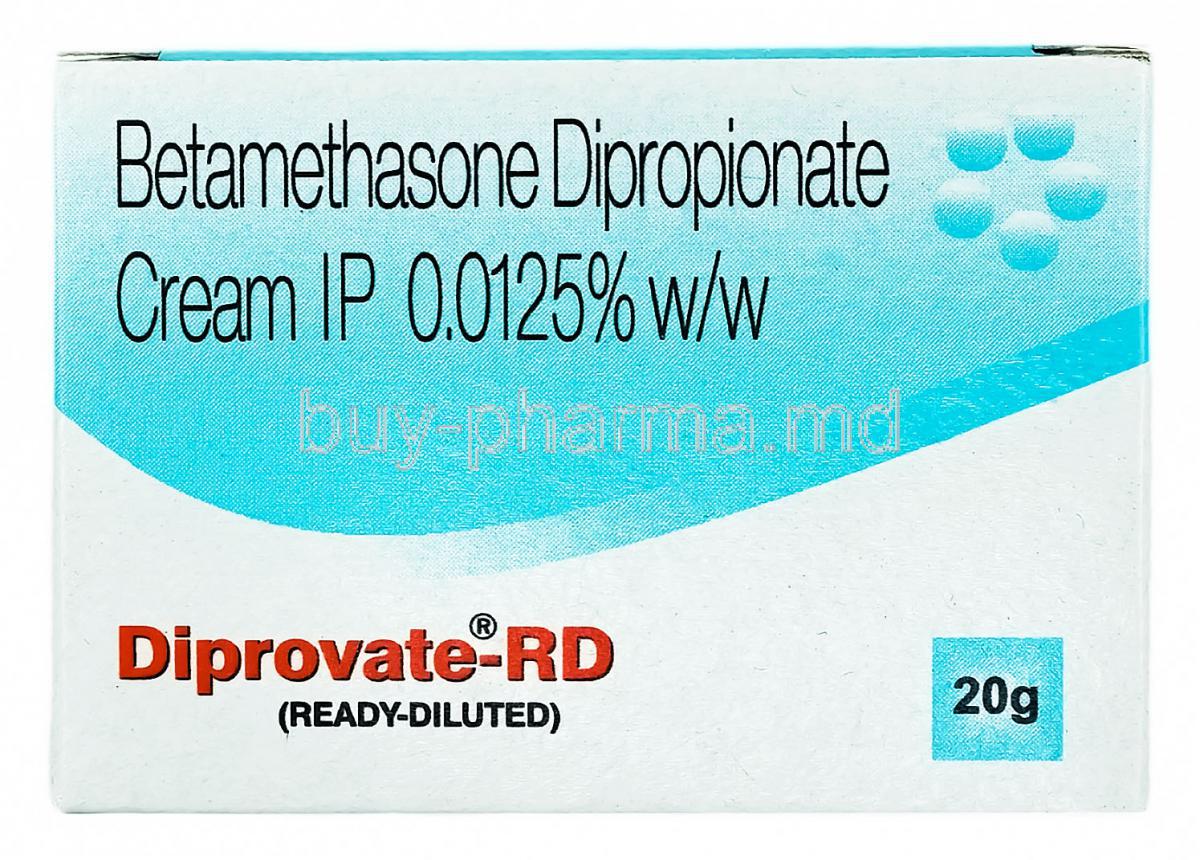
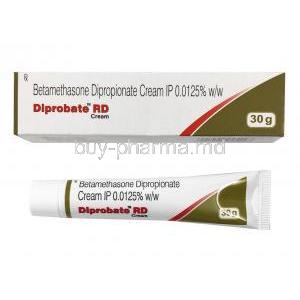
Diprovate RD Cream, Betamethasone
- 1. Introduction to Diprovate RD Cream (Betamethasone)
- 2. Composition and Formulation
- 3. How Diprovate RD Cream Works (Mechanism of Action)
- 4. Diprovate RD Cream Uses
- 4.1 Treatment of Eczema (Atopic Dermatitis)
- 4.2 Management of Contact Dermatitis (Allergic and Irritant)
- 4.3 Betamethasone Psoriasis (Mild to Moderate Cases)
- 4.4 Seborrheic Dermatitis
- 4.5 Insect Bite Reactions and Localized Skin Inflammation
- 4.6 Lichen Simplex Chronicus
- 4.7 Pruritic Dermatoses (Chronic Itching Conditions)
- 4.8 Sunburn and Mild Radiation Dermatitis (Physician-Guided Use)
- 5. Off-Label Uses of Betamethasone Cream
- 5.1 Vitiligo (Adjunct Therapy)
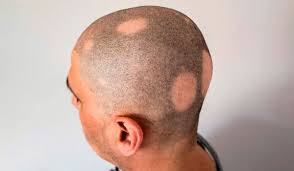
- 5.2 Alopecia Areata (Localized Cases)
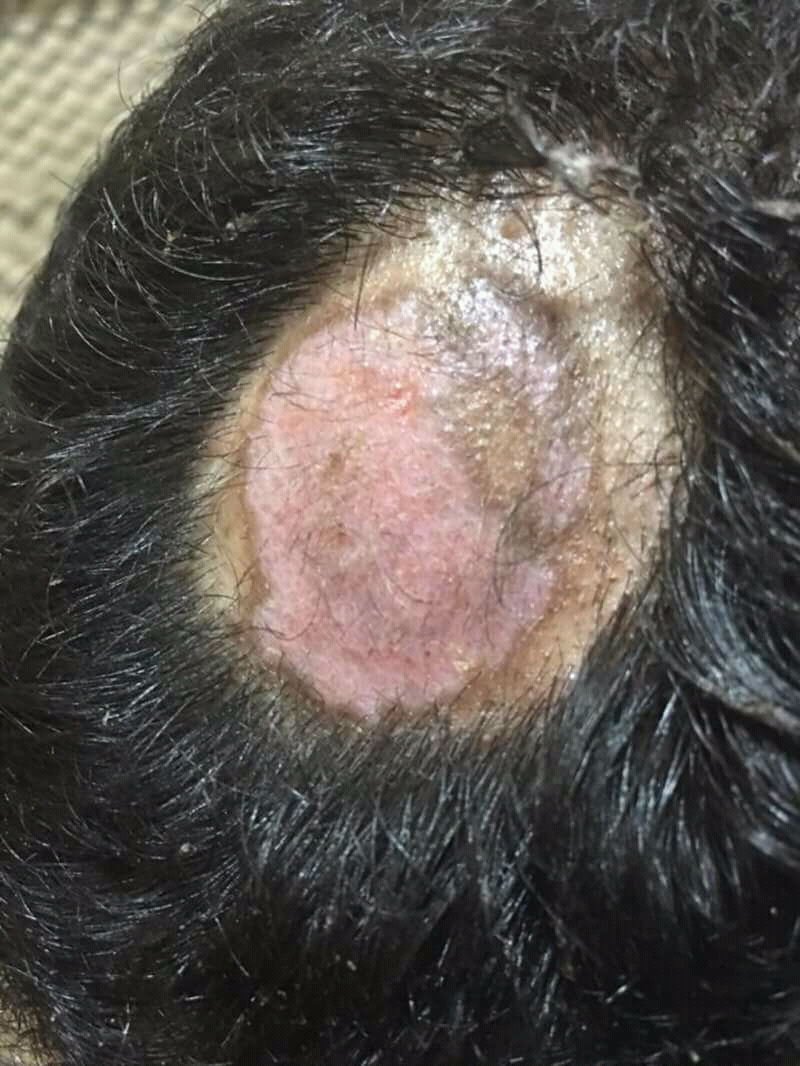
- 5.3 Lichen Planus
- 5.4 Discoid Lupus Erythematosus (Cutaneous Forms)
- 5.5 Post-Inflammatory Hyperpigmentation (Short-Term Use)
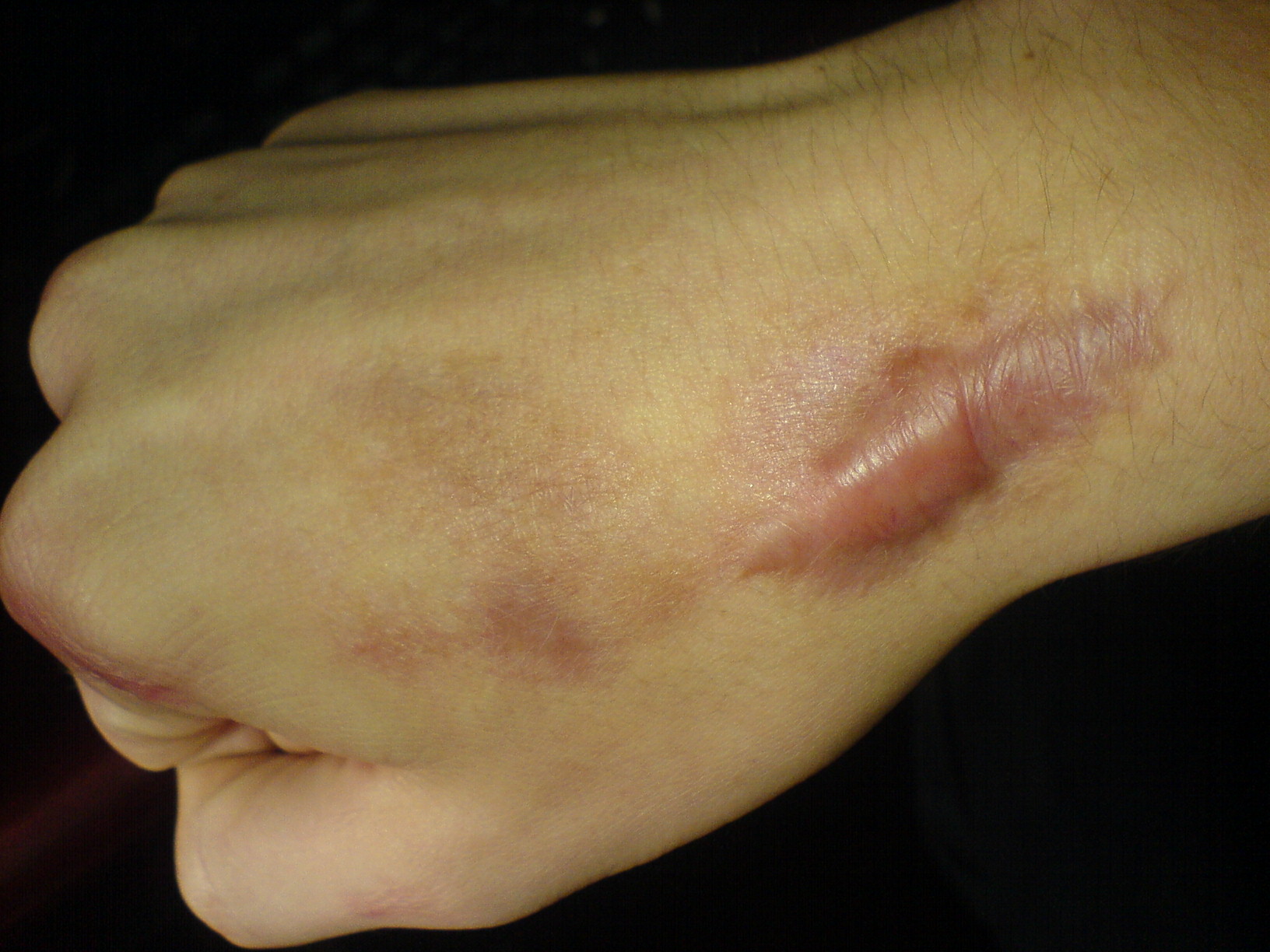
- 5.6 Hypertrophic Scars and Keloids (Adjunct Management)
- 5.7 Chronic Hand Dermatitis and Occupational Dermatoses
- 5.8 Genital or Intertriginous Dermatoses (Low-Dose, Short-Term Only)
- 6. Dosage and Administration Guidelines
- 7. Betamethasone Side Effects
- 8. Serious and Long-Term Side Effects
- 9. Drug and Product Interactions
- 10. Warnings and Safety Information
- 10.1 Not for Long-Term Continuous Use Without Medical Supervision
- 10.2 Avoid Use on Face, Groin, and Underarms Unless Directed
- 10.3 Risk of Systemic Absorption with Large Surface Area Application
- 10.4 Avoid Use on Broken or Infected Skin Without Medical Advice
- 10.5 Risk of Masking Underlying Skin Infections
- 11. Contraindications
- 11.1 Known Hypersensitivity to Betamethasone or Formulation Components
- 11.2 Untreated Bacterial, Viral, or Fungal Skin Infections
- 11.3 Cutaneous Tuberculosis or Syphilis
- 11.4 Rosacea or Perioral Dermatitis
- 11.5 Acne Vulgaris (Unless Specifically Prescribed)
- 11.6 Primary Skin Conditions Where Steroids May Worsen Symptoms
- 12. Careful Administration and Important Precautions
- 13. Administration in Special Populations
- 14. Overdose and Excessive Use
- 15. Storage and Stability Instructions
- 16. Handling Precautions
- 17. Patient Counseling and Practical Use Tips
1. Introduction to Diprovate RD Cream (Betamethasone)
1.1 What is Diprovate RD Cream?
Diprovate RD Cream is a topical dermatological preparation containing betamethasone, a synthetic corticosteroid used to manage inflammatory and allergic skin disorders. It is formulated for external use and designed to alleviate redness, itching, swelling, and irritation associated with a wide spectrum of dermatoses. The RD designation indicates a reduced-dose formulation intended for safer, controlled therapeutic use.
1.2 Therapeutic Class: Topical Corticosteroid
This medication belongs to the class of topical glucocorticoids. These agents exert potent anti-inflammatory, antipruritic, and vasoconstrictive effects. They are widely used in dermatology to suppress immune-mediated skin reactions and restore epidermal homeostasis.
1.3 Potency Level and Clinical Role in Dermatology
Diprovate RD is considered a moderate-potency corticosteroid. It occupies an important therapeutic niche:
- Effective for inflammatory skin diseases
- Suitable for sensitive areas when used cautiously
- Designed for short-term or intermittent therapy
Its reduced strength helps minimize the risk of steroid-related adverse effects while maintaining clinical efficacy.
1.4 When Diprovate RD Cream is Prescribed
Clinicians prescribe Diprovate RD when inflammation is significant but high-potency steroids are not required. It is commonly used for acute flares, localized lesions, or maintenance therapy following control with stronger corticosteroids.
1.5 Difference Between Diprovate RD and Standard Betamethasone Creams
Standard formulations may contain higher concentrations, offering stronger anti-inflammatory action but increased risk of complications. Diprovate RD provides:
- Lower steroid exposure
- Improved safety for longer courses
- Better tolerability for delicate skin regions
2. Composition and Formulation
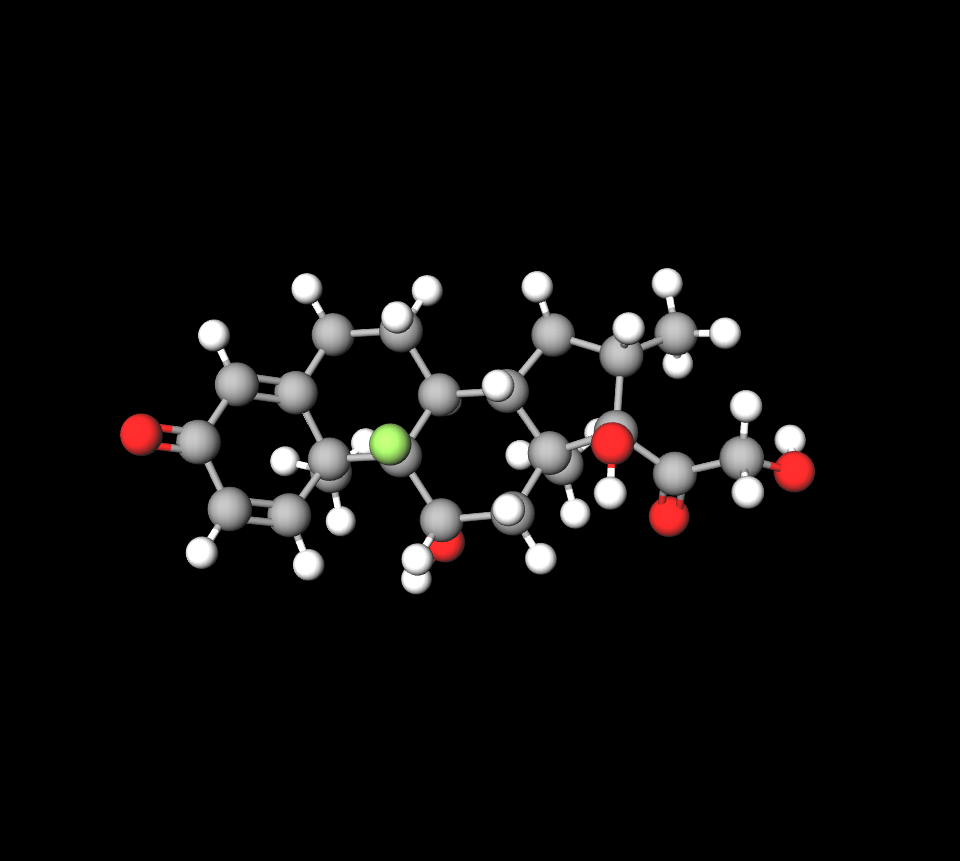
2.1 Active Ingredient: Betamethasone (Type and Concentration)
The active component is betamethasone dipropionate or valerate in a reduced therapeutic concentration. This synthetic corticosteroid exhibits high topical efficacy with minimal systemic activity when used appropriately.
2.2 Base Components and Their Role in Skin Absorption
The cream base includes emollients, stabilizers, and penetration enhancers. These excipients:
- Facilitate uniform drug distribution
- Improve epidermal hydration
- Enhance percutaneous absorption
2.3 Reduced-Dose (RD) Formulation: Clinical Advantages
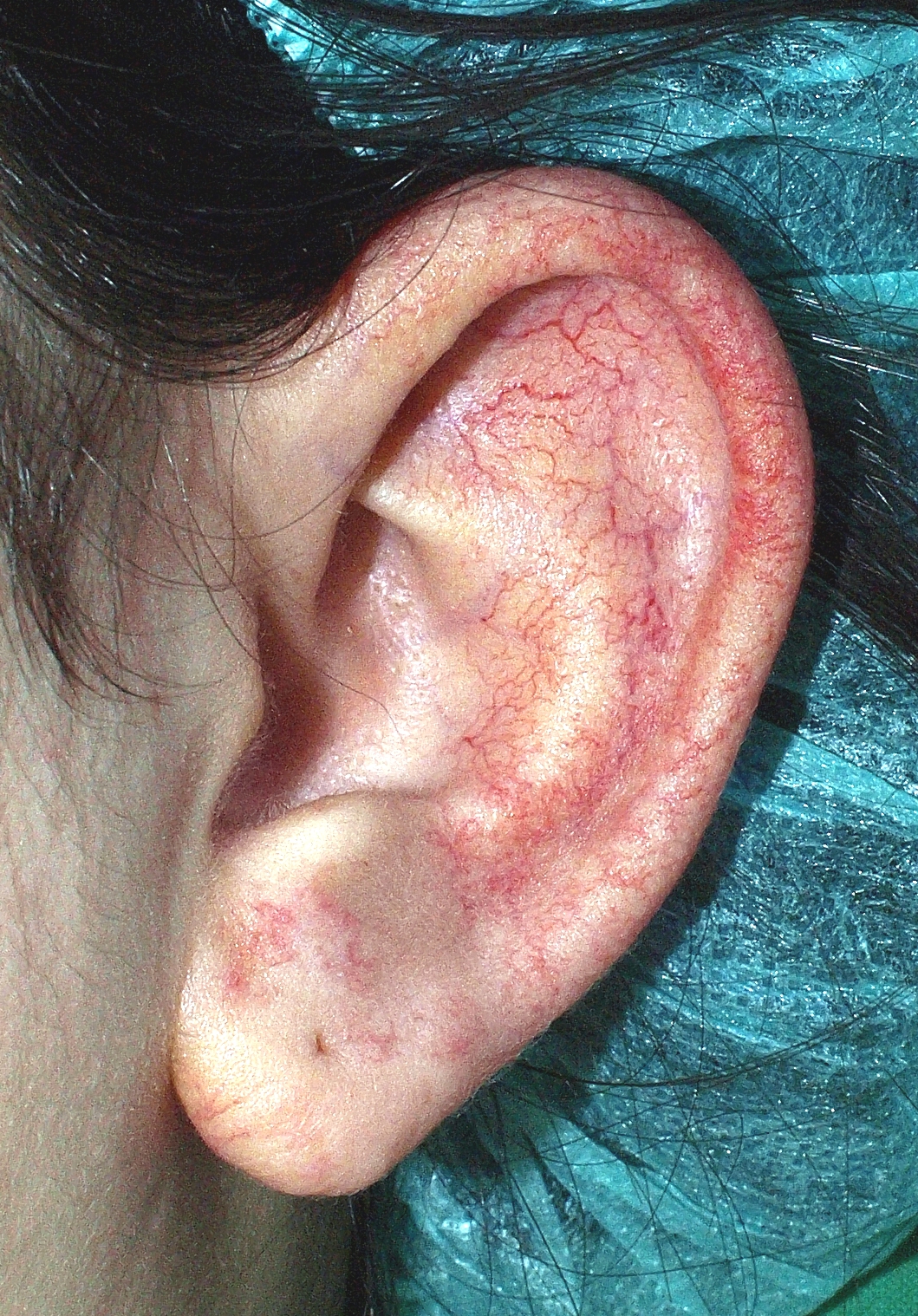
The RD formulation lowers cumulative steroid exposure. This reduces the risk of skin atrophy, telangiectasia, and systemic absorption, making it suitable for repeated or intermittent use.
2.4 Pharmaceutical Form and Packaging Options
Diprovate RD is supplied in laminated or aluminum tubes of various sizes. The cream consistency allows easy spreading and rapid absorption without excessive greasiness.
2.5 Stability and Shelf-Life Considerations
The formulation remains stable under recommended storage conditions. Exposure to excessive heat or moisture may degrade active potency.
Clotrimazole-betamethasone
Clotrimazole/betamethasone dipropionate is a prescription topical cream or lotion used to treat symptomatic inflammatory fungal infections of the skin, including athlete's foot (tinea pedis), jock itch (tinea cruris), and ringworm (tinea corporis).
Betamethasone vs triamcinolone
Betamethasone is a stronger and longer-lasting synthetic steroid than triamcinolone. This means that betamethasone can be used less often to get the same results. Both steroids can provide similar pain relief in joints for about 6 months. However, triamcinolone might work faster and be more effective at first, especially for conditions like alopecia or alopecia areata.
3. How Diprovate RD Cream Works (Mechanism of Action)
3.1 Anti-inflammatory Effects on Skin Cells
3.2 Immunosuppressive Action in Dermatological Conditions
The drug inhibits immune cell migration and reduces antigen presentation. This diminishes hypersensitivity reactions and autoimmune skin inflammation.
3.3 Reduction of Itching, Redness, and Swelling
Vasoconstrictive effects decrease erythema. Inhibition of inflammatory mediators reduces edema and pruritus, providing rapid symptomatic relief.
3.4 Effects on Cytokines and Inflammatory Mediators
Betamethasone suppresses the synthesis of prostaglandins, leukotrienes, and pro-inflammatory cytokines such as interleukins and tumor necrosis factor.

3.5 Onset of Action and Expected Clinical Response Timeline
Symptom relief may begin within 24 to 72 hours. Maximum therapeutic benefit is typically observed within one to two weeks of consistent use.
4. Diprovate RD Cream Uses
4.1 Treatment of Eczema (Atopic Dermatitis)
4.2 Management of Contact Dermatitis (Allergic and Irritant)
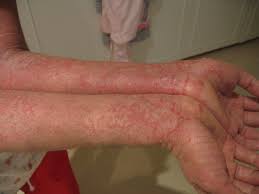
Effective for reactions caused by chemicals, cosmetics, metals, or environmental irritants.
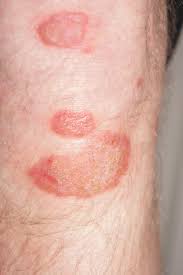
4.3 Betamethasone Psoriasis (Mild to Moderate Cases)
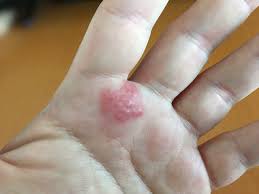
Helps reduce scaling, erythema, and plaque thickness in localized disease.
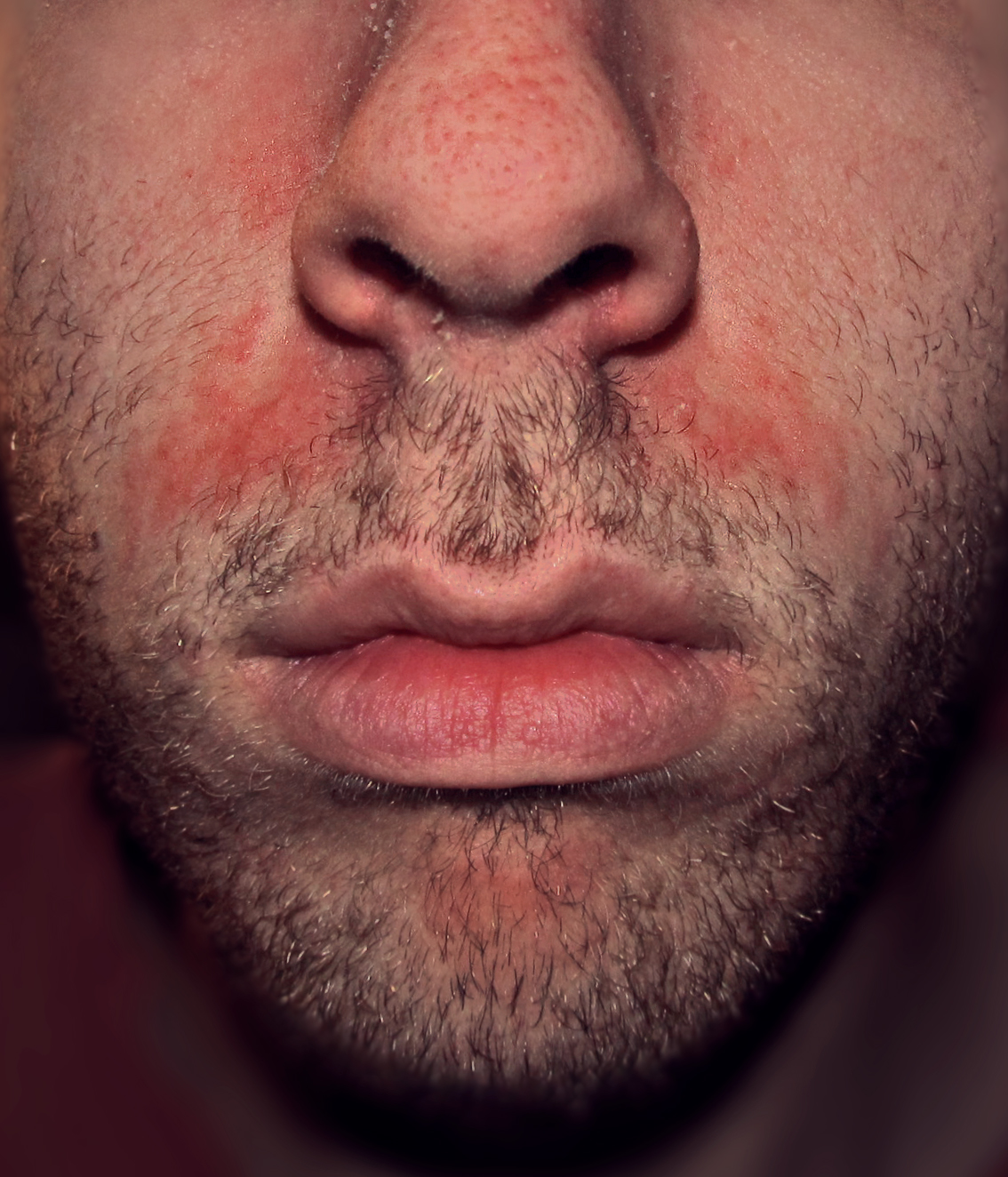
4.4 Seborrheic Dermatitis
Reduces inflammation and itching in affected areas such as the scalp margins and facial folds.
4.5 Insect Bite Reactions and Localized Skin Inflammation
Provides rapid symptomatic relief from swelling and pruritus.
4.6 Lichen Simplex Chronicus
Interrupts the itch scratch cycle and promotes skin healing.
4.7 Pruritic Dermatoses (Chronic Itching Conditions)
Useful in various inflammatory conditions characterized by persistent itching.
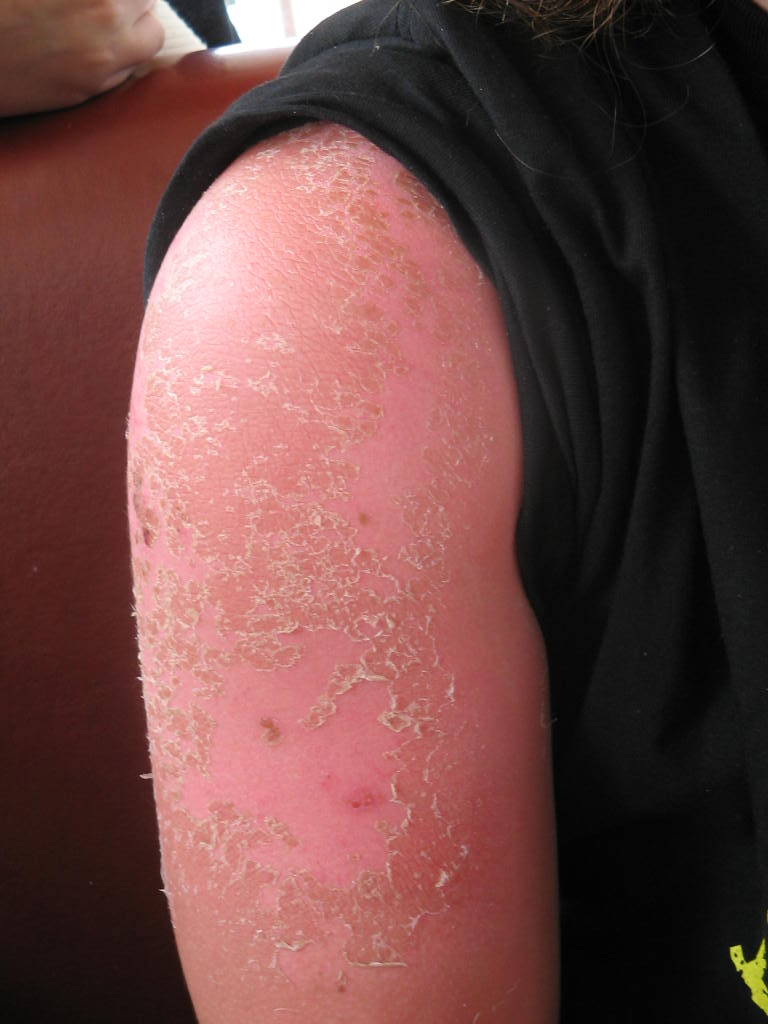
4.8 Sunburn and Mild Radiation Dermatitis (Physician-Guided Use)
May be used short-term to reduce inflammation in selected cases under medical supervision.
5. Off-Label Uses of Betamethasone Cream
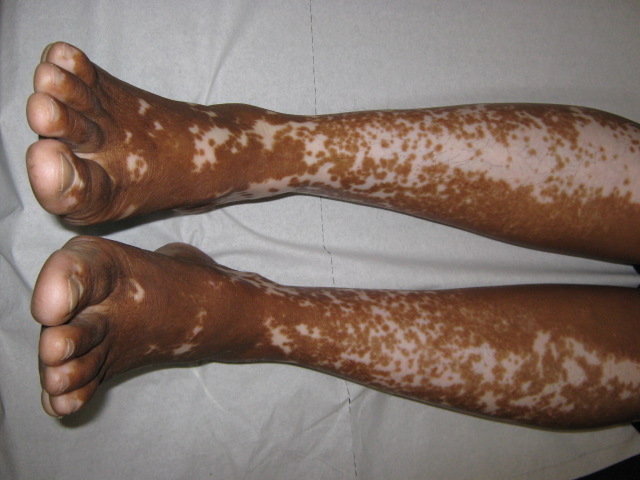
5.1 Vitiligo (Adjunct Therapy)
May assist in repigmentation when combined with phototherapy.
5.2 Alopecia Areata (Localized Cases)
Topical application may reduce autoimmune inflammation around hair follicles.
5.3 Lichen Planus
Controls inflammatory lesions and relieves discomfort.
5.4 Discoid Lupus Erythematosus (Cutaneous Forms)
Helps reduce erythema and scaling in localized lesions.
5.5 Post-Inflammatory Hyperpigmentation (Short-Term Use)
Reduces ongoing inflammation that contributes to pigment alteration.
5.6 Hypertrophic Scars and Keloids (Adjunct Management)
May help reduce inflammatory components when used alongside other therapies.
5.7 Chronic Hand Dermatitis and Occupational Dermatoses
Provides symptomatic control in recurrent irritant exposure.
5.8 Genital or Intertriginous Dermatoses (Low-Dose, Short-Term Only)
Used cautiously due to increased absorption in thin or occluded skin.
6. Dosage and Administration Guidelines
6.1 Betamethasone Dosage
Apply a thin layer once or twice daily as directed. Treatment duration should be limited to the shortest effective period.
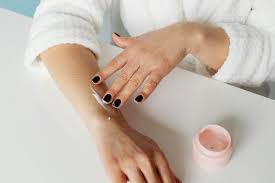
6.2 Fingertip Unit (FTU) Method for Accurate Dosing
- One FTU covers approximately two adult palm areas
- Helps prevent overuse
6.3 Application Technique for Optimal Absorption
Clean and dry the affected area. Apply gently and avoid vigorous rubbing.
6.4 Duration Limits to Prevent Steroid-Related Complications
Prolonged continuous use increases the risk of skin thinning and systemic effects.
6.5 Use with Occlusive Dressings: Indications and Risks
Occlusion enhances absorption but may increase adverse effects. Use only under medical advice.
6.6 Missed Dose and Treatment Interruption Guidance
If a dose is missed, apply when remembered unless the next application is imminent. Avoid double application.
7. Betamethasone Side Effects
7.1 Mild Burning or Stinging at Application Site
7.2 Skin Dryness or Peeling
7.3 Local Irritation or Redness
7.4 Acneiform Eruptions
7.5 Folliculitis
These reactions are usually transient and resolve with continued use or dose adjustment.
8. Serious and Long-Term Side Effects
8.1 Skin Thinning (Atrophy)
8.2 Stretch Marks (Striae)
8.3 Telangiectasia and Skin Fragility
8.4 Hypopigmentation or Hyperpigmentation
8.5 Perioral Dermatitis and Rosacea-like Symptoms
8.6 Secondary Skin Infections
8.7 Systemic Absorption and HPA Axis Suppression (Rare)
Risk increases with prolonged use, large surface area application, or occlusion.
9. Drug and Product Interactions
9.1 Interaction with Other Topical Corticosteroids
Concurrent use may increase cumulative steroid exposure.
9.2 Combined Use with Antifungal or Antibiotic Creams
Often prescribed together for mixed inflammatory and infectious conditions.
9.3 Interaction with Immunosuppressive Therapies
May enhance systemic immunosuppressive effects when used extensively.
9.4 Effects of Occlusive Products and Moisturizers
Occlusive emollients increase penetration and systemic absorption.
9.5 Cosmetic and Skincare Product Compatibility
Avoid irritants, exfoliants, or alcohol-based products on treated areas.
10. Warnings and Safety Information
10.1 Not for Long-Term Continuous Use Without Medical Supervision
Chronic use may lead to local and systemic complications.

10.2 Avoid Use on Face, Groin, and Underarms Unless Directed
These areas have thin skin and higher absorption rates.
10.3 Risk of Systemic Absorption with Large Surface Area Application
Particularly relevant in children and elderly patients.
10.4 Avoid Use on Broken or Infected Skin Without Medical Advice
May delay healing or worsen infection.
10.5 Risk of Masking Underlying Skin Infections
Corticosteroids may suppress visible signs while infection progresses. Medical evaluation is recommended if symptoms persist or worsen.
11. Contraindications
11.1 Known Hypersensitivity to Betamethasone or Formulation Components
Diprovate RD Cream must not be used in individuals with a documented hypersensitivity to betamethasone or any excipient contained in the formulation. Allergic reactions, although uncommon, may present as:
- Severe redness or swelling
- Contact dermatitis
- Intense itching or burning
Immediate discontinuation and medical evaluation are warranted if hypersensitivity is suspected.
11.2 Untreated Bacterial, Viral, or Fungal Skin Infections
Topical corticosteroids can suppress local immune responses. This may allow infectious organisms to proliferate unchecked. Conditions such as impetigo, herpes simplex, dermatophytosis, or candidiasis should be treated with appropriate antimicrobial therapy before initiating corticosteroid use.
11.3 Cutaneous Tuberculosis or Syphilis
Corticosteroids may obscure clinical manifestations and delay diagnosis. Their use in tuberculous or syphilitic skin lesions is contraindicated due to the risk of disease exacerbation and dissemination.
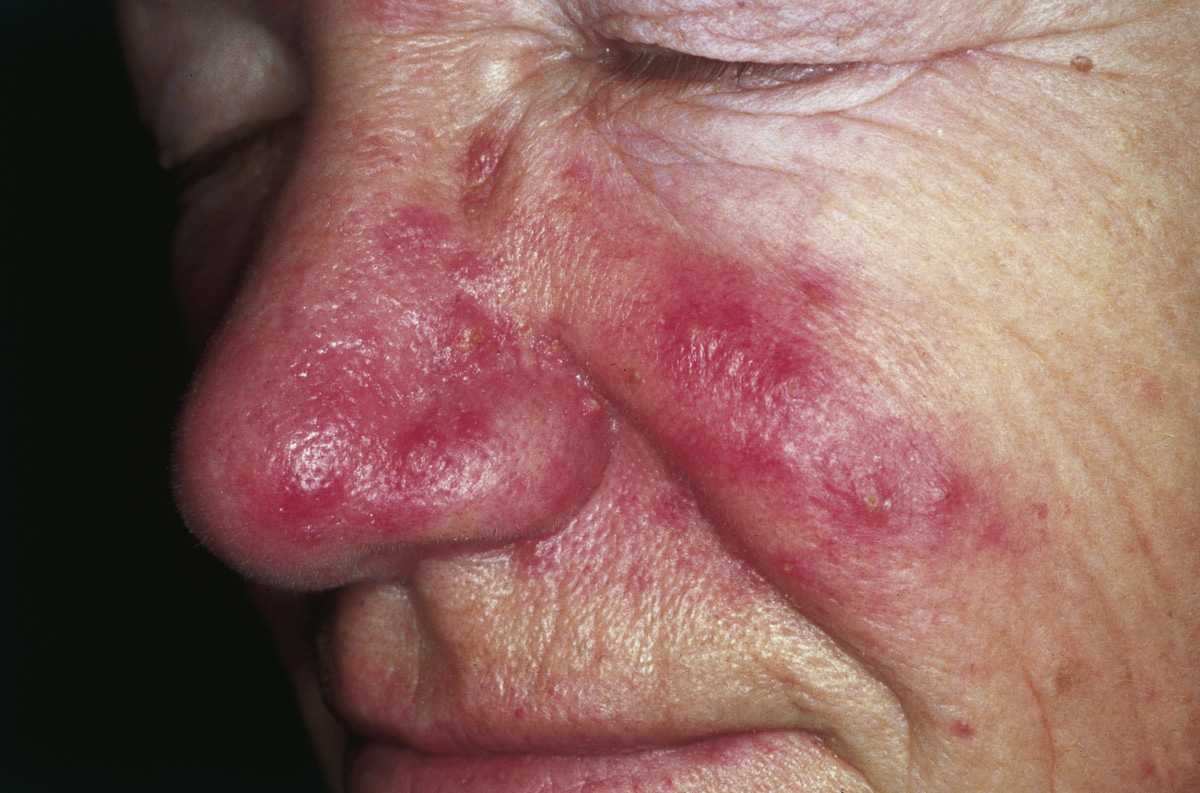
11.4 Rosacea or Perioral Dermatitis
Application of topical steroids in these conditions often results in paradoxical worsening. Steroid-induced rosacea, persistent erythema, and rebound dermatitis may develop with inappropriate use.
11.5 Acne Vulgaris (Unless Specifically Prescribed)
11.6 Primary Skin Conditions Where Steroids May Worsen Symptoms
Conditions such as viral warts, molluscum contagiosum, and untreated fungal infections may deteriorate under steroid therapy due to immunosuppressive effects.
12. Careful Administration and Important Precautions
12.1 Use the Lowest Effective Dose for the Shortest Duration
Therapy should be tailored to achieve clinical control with minimal exposure. Prolonged or excessive application increases the risk of both local and systemic adverse effects.
12.2 Monitoring for Signs of Skin Atrophy or Steroid Overuse
Regular assessment is essential, particularly in long-term therapy. Early warning signs include:
- Skin thinning and fragility
- Visible blood vessels (telangiectasia)
- Stretch marks or pigmentary changes
12.3 Avoid Sudden Discontinuation After Prolonged Use
Abrupt cessation may trigger rebound inflammation or steroid withdrawal reactions, characterized by redness, burning, and worsening of symptoms.
12.4 Gradual Tapering in Chronic Conditions
For long-standing dermatoses, a step-down approach is recommended. Frequency reduction or transition to a lower-potency corticosteroid helps prevent relapse.
12.5 Patient Education on Correct Application Practices
Patients should be instructed to:
- Apply a thin layer only to affected areas
- Avoid occlusion unless directed
- Wash hands before and after application
13. Administration in Special Populations
13.1 Use in Elderly Patients
Age-related dermal thinning increases susceptibility to corticosteroid-induced atrophy. Clinical considerations include:
- Use reduced quantities
- Limit duration of therapy
- Monitor for bruising or skin fragility
13.2 Betamethasone in pregnancy
Topical corticosteroids should be used during pregnancy only when the anticipated benefits outweigh potential risks. Precautionary measures include:
- Avoid application over large body areas
- Do not use under occlusive dressings
- Limit treatment duration

13.3 Use in Nursing Mothers
Application to the breast area should be avoided to prevent accidental ingestion by the infant. Careful hand hygiene is essential after each use.
13.4 Use in Pediatric Patients
Children are particularly vulnerable to systemic absorption due to a higher surface area-to-body weight ratio. Potential concerns include:
- Growth suppression
- Adrenal axis suppression
- Increased risk of systemic effects
Treatment should be limited in duration and conducted under medical supervision.
14. Overdose and Excessive Use
14.1 Signs of Topical Steroid Overuse
Chronic excessive application may lead to:
- Skin thinning and striae
- Persistent redness or irritation
- Delayed wound healing
14.2 Symptoms of Systemic Corticosteroid Effects
Although rare, prolonged use over large areas may result in systemic manifestations such as weight gain, fluid retention, fatigue, or features of hypercortisolism.
14.3 Management of Chronic Overapplication
Treatment involves gradual withdrawal rather than abrupt discontinuation. Supportive dermatological care and medical supervision may be necessary.
14.4 When to Seek Medical Attention
Immediate consultation is recommended if signs of systemic effects, severe skin changes, or worsening of the underlying condition occur.
15. Storage and Stability Instructions
15.1 Recommended Storage Temperature
Store at controlled room temperature, typically below 25°C, unless otherwise specified.
15.2 Protection from Heat, Moisture, and Direct Sunlight
Environmental exposure may degrade the formulation and reduce therapeutic efficacy.
15.3 Shelf Life and Expiry Considerations
The product should not be used beyond its expiry date. Discoloration, separation, or changes in texture may indicate compromised stability.
15.4 Safe Storage Away from Children
Keep the tube securely closed and stored out of reach to prevent accidental ingestion or misuse.
16. Handling Precautions
16.1 Hygiene Practices Before and After Application
Proper handwashing minimizes contamination and prevents unintended transfer to sensitive areas.
16.2 Avoiding Contact with Eyes and Mucous Membranes
Accidental exposure may cause irritation or ocular complications. Rinse thoroughly with water if contact occurs.
16.3 Preventing Cross-Contamination
The applicator tip should not touch infected or open lesions. Individual use is recommended to avoid microbial transmission.
16.4 Disposal of Expired or Unused Cream
Unused medication should be discarded according to local pharmaceutical waste guidelines rather than disposed of in household drains.
16.5 Travel and Portability Considerations
Keep the product tightly sealed during transport. Avoid prolonged exposure to high temperatures inside vehicles or luggage.
17. Patient Counseling and Practical Use Tips
17.1 How Long It Takes to See Results
Symptom relief often begins within a few days. Significant improvement is typically observed within one to two weeks when used as directed.
17.2 When to Consult a Doctor if Symptoms Persist
Medical advice should be sought if:
- No improvement occurs within 1-2 weeks
- Symptoms worsen
- Signs of infection develop
17.3 Avoiding Self-Medication for Undiagnosed Skin Conditions
Incorrect use may mask underlying disease or delay appropriate treatment. Accurate diagnosis is essential before initiating corticosteroid therapy.
17.4 Long-Term Skin Care While Using Topical Steroids
Adjunctive measures help maintain skin integrity:
- Regular use of fragrance-free moisturizers
- Avoidance of irritants and harsh cleansers
- Sun protection for treated areas
Proper technique and judicious use enhance therapeutic outcomes while minimizing adverse effects.
Diprovate RD Cream, Betamethasone FAQ
- What is diprovate RD cream used for?
- How long should I use diprobate RD cream?
- Is diprobate RD cream for fungal infections?
- Is diprovate cream a steroid?
- What is RD cream used for?
- What are the side effects of diprobate RD cream?
- Can diprobate RD cream cause skin thinning?
- Does diprobate RD cream have any alternatives?
- How does diprobate RD cream work?
- Where should you not apply betamethasone?
- How often should I apply diprobate RD cream?
- How quickly does diprobate work?
- Is Betnovate RD cream strong?
- What is the danger of betamethasone?
- How quickly does betamethasone start working?
- What to avoid while taking betamethasone?
- What happens if you use too much betamethasone cream?
- Can betamethasone make fungal infections worse?
- What skin conditions does betamethasone treat?
- What happens when you stop using betamethasone?
- Who should not use betamethasone cream?
What is diprovate RD cream used for?
Diprobate RD Cream is used for skin swelling, itching, redness, heat, and pain caused due to certain skin problems such as psoriasis (scales and itchy, dry patches), dermatitis (itchy, swelling of the skin) and eczema (itchy, cracked, swollen or rough skin).
How long should I use diprobate RD cream?
Not to be used for more than 5 days
Is diprobate RD cream for fungal infections?
No
Is diprovate cream a steroid?
No
What is RD cream used for?
RD Cream is used for the treatment of eczema, psoriasis, and dermatitis.
What are the side effects of diprobate RD cream?
- Burning
- Itching
- Pain
Can diprobate RD cream cause skin thinning?
Yes
Does diprobate RD cream have any alternatives?
Bethamethasone
How does diprobate RD cream work?
Diprobate RD Cream blocks the production of certain chemical messengers (prostaglandins) that make the skin red, swollen and itchy
Where should you not apply betamethasone?
Genital areas
How often should I apply diprobate RD cream?
2-3x daily
How quickly does diprobate work?
2-4 weeks
Is Betnovate RD cream strong?
Yes
What is the danger of betamethasone?
- Itching
- Moodiness
- High blood sugar
- Adrenal suppression
- Skin thinning
How quickly does betamethasone start working?
Few days
What to avoid while taking betamethasone?
- Alcohol
- Grapefruit
What happens if you use too much betamethasone cream?
Using too much betamethasone increases your risk of adrenal gland problems
Can betamethasone make fungal infections worse?
Yes
What skin conditions does betamethasone treat?
- Itching
- Swollen and irritated skin
What happens when you stop using betamethasone?
Adverse effects such as burning and itching
Who should not use betamethasone cream?
- If you've ever had an allergic reaction to betamethasone or any of its ingredients
- If you're breastfeeding
- If you have some skin conditions that might be a problem - like impetigo, acne, or rosacea,
Customers also bought
Popular Products
Similar Product