1. Introduction
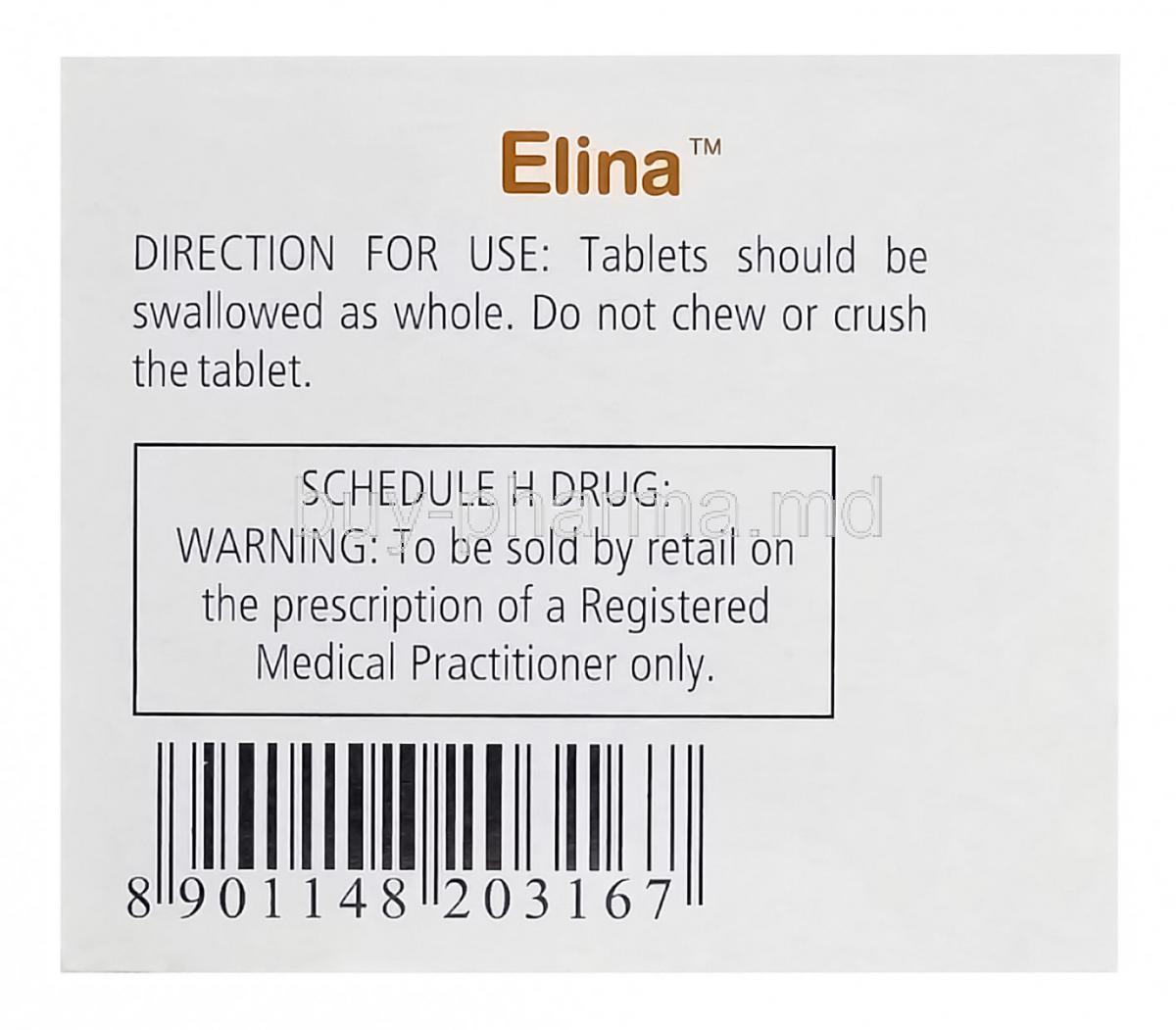
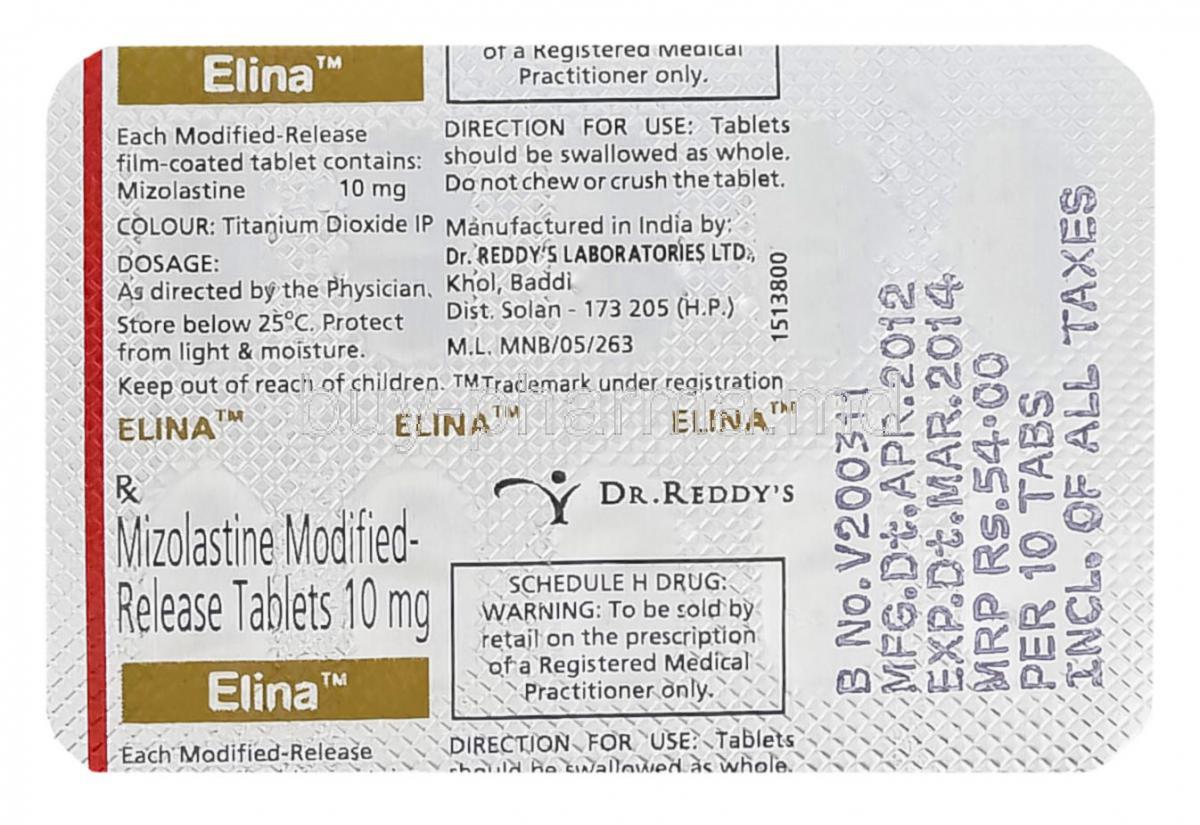
1.1 Overview of Elina (Mizolastine)
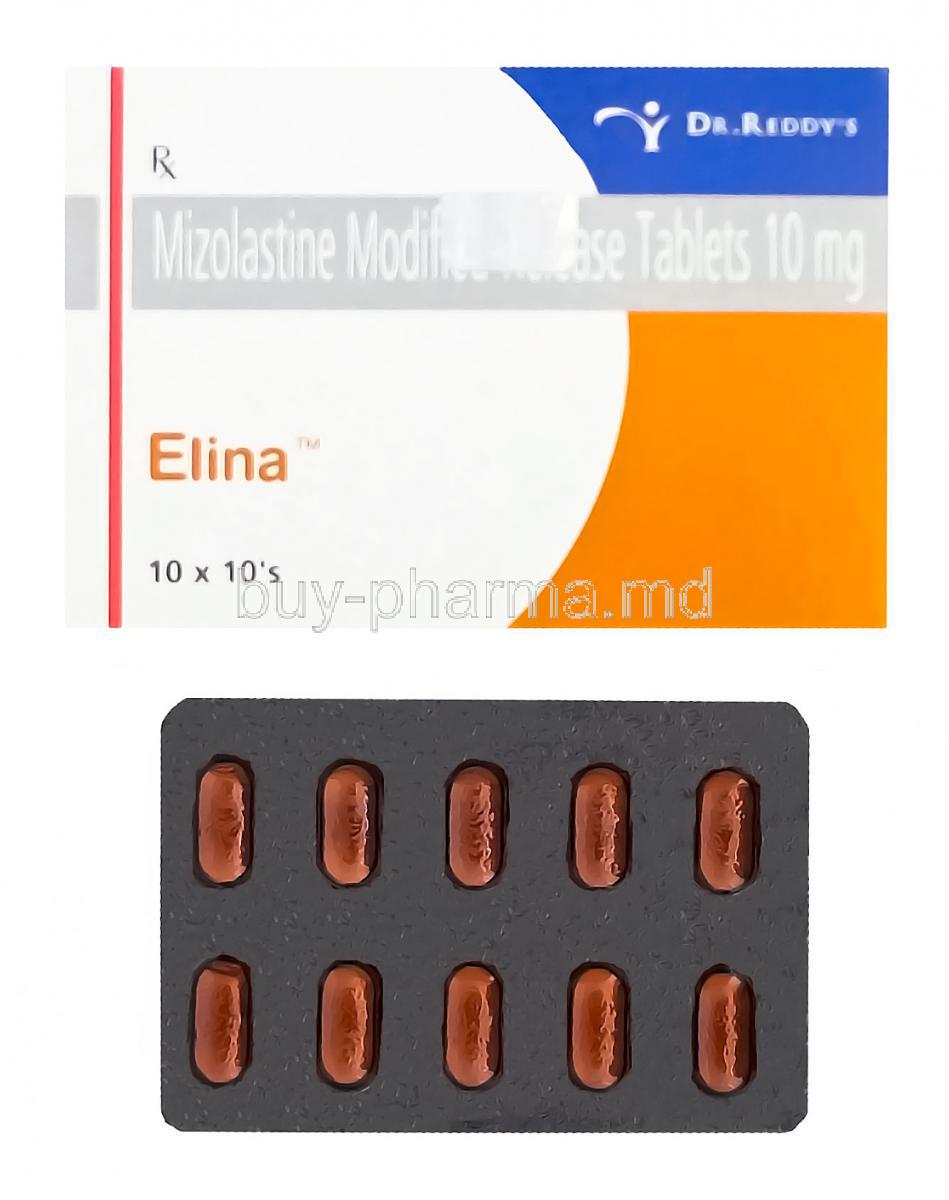
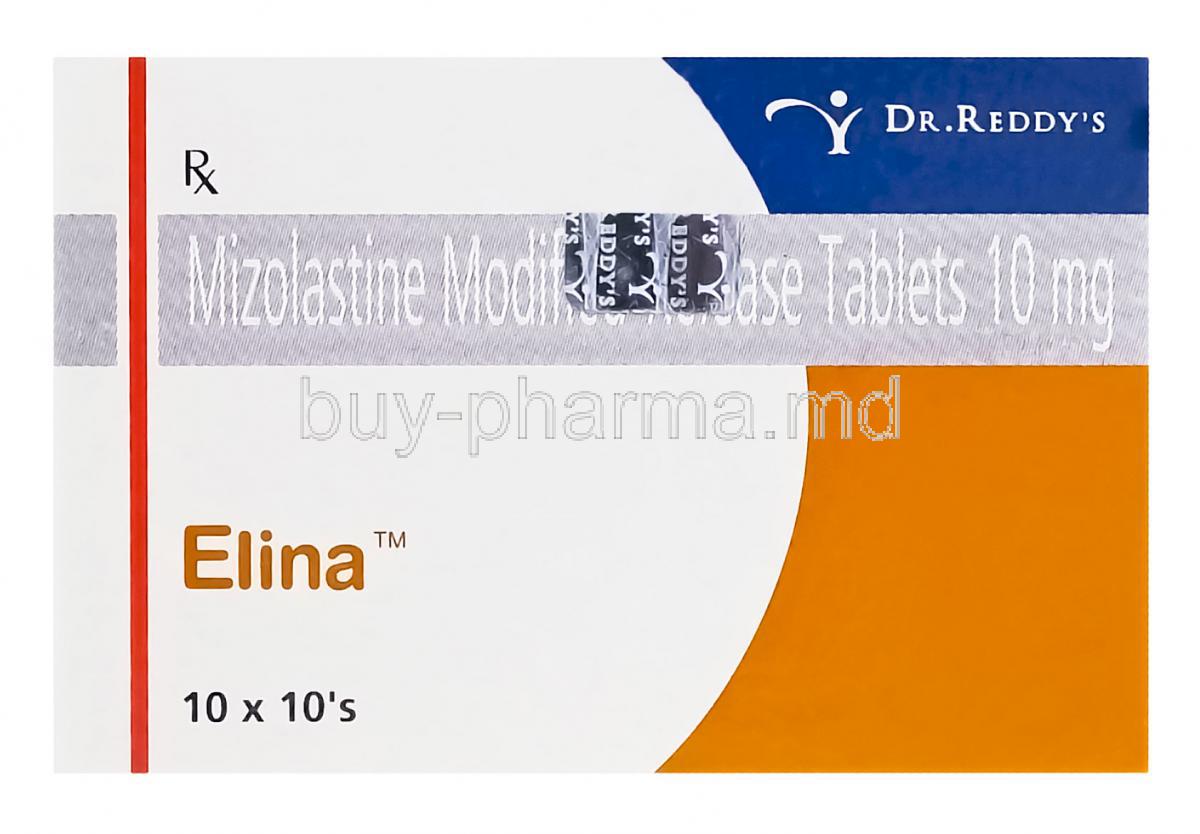
Elina, containing the active substance mizolastine, is a potent second-generation antihistamine created to alleviate a wide array of allergic manifestations. It is widely recognized for its targeted pharmacological precision, offering effective relief while minimizing sedation. Patients commonly seek this medication for conditions that involve persistent itching, sneezing, or mucosal irritation.
1.2 Classification as a Second-Generation Antihistamine
Mizolastine is categorized as a second-generation antihistamine because of its refined molecular profile. This classification reflects:
- Reduced penetration across the blood–brain barrier.
- Lower incidence of drowsiness compared with first-generation compounds.
- Enhanced selectivity toward peripheral H1 receptors.
Its pharmacodynamic sophistication makes it a preferred choice in clinical settings requiring non-sedating therapeutic approaches.
1.3 Key Therapeutic Benefits and Clinical Relevance
The therapeutic impact of Elina extends beyond simple symptom suppression. It provides:
- Long-lasting suppression of histamine-mediated reactions.
- Improved patient adherence due to once-daily dosing.
- Sustained relief from pruritus, erythema, and nasal congestion.
These attributes position mizolastine as a clinically valuable option for individuals requiring predictable symptomatic control.
1.4 Comparison With Other Antihistamines (Loratadine, Cetirizine, Fexofenadine)
Elina shares therapeutic territory with agents such as loratadine, cetirizine, and fexofenadine, yet it maintains distinctive advantages. Its receptor affinity profile yields rapid onset without compromising safety. While cetirizine may induce mild somnolence and fexofenadine is known for variability in absorption, mizolastine offers a robust balance of potency and tolerability.
2. Composition and Formulation
2.1 Active Ingredient: Mizolastine
The primary active compound, mizolastine, acts selectively on histamine receptors involved in allergic inflammation. Its molecular structure confers high receptor specificity, limiting adverse systemic repercussions.
2.2 Available Dosage Forms (Tablets, ODT, Other Regions)
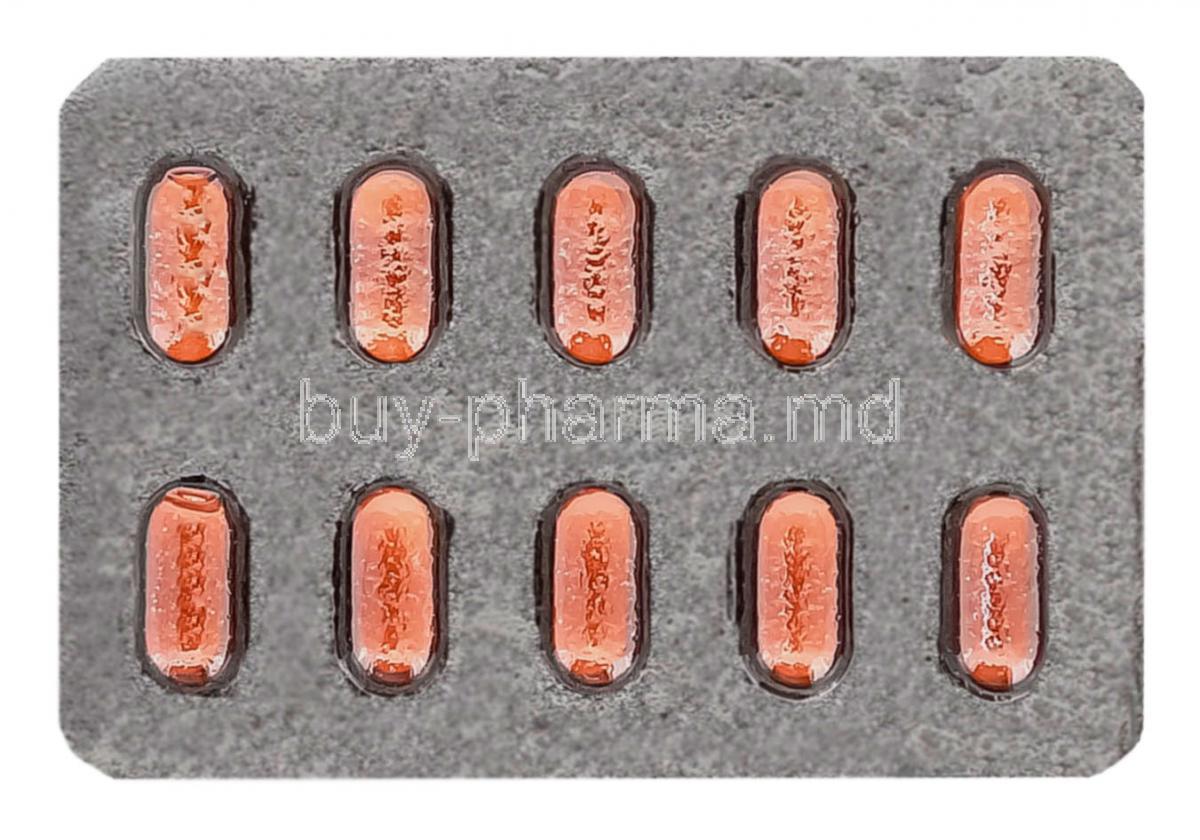
Elina is predominantly available in film-coated tablets across various markets. In certain regions, orally disintegrating tablets (ODT) are also offered for patients who prefer or require a swallow-free formulation.
2.3 Inactive Components and Excipients
Typical excipients may include lactose monohydrate, microcrystalline cellulose, povidone, magnesium stearate, and coating agents. These auxiliary substances contribute to tablet stability, controlled disintegration, and hardness.
2.4 Pharmacokinetic Characteristics (Absorption, Distribution, Half-life, Excretion)
Mizolastine is rapidly absorbed through the gastrointestinal tract, achieving peak plasma concentrations within several hours. It demonstrates:
- High protein-binding capacity.
- A prolonged elimination half-life supporting once-daily dosing.
- Hepatic metabolism with renal and fecal excretion pathways.
3. Mechanism of Action
3.1 Selective Antagonism of Peripheral H1 Receptors
Elina works by selectively inhibiting peripheral H1 receptors. This blockade prevents histamine from initiating inflammatory responses, directly reducing itching, swelling, and nasal hyperreactivity.
3.2 Inhibition of Histamine-Mediated Allergic Response
By interfering with the histamine cascade, mizolastine mitigates allergic responses that trigger vasodilation, mucosal edema, and excessive secretions. This yields swift relief from acute and chronic allergic symptoms.
3.3 Anti-inflammatory Properties Beyond Antihistamine Effects
Evidence suggests ancillary anti-inflammatory benefits, including:
- Modulation of cytokine release.
- Reduction of eosinophil infiltration.
- Diminished epithelial irritation.
3.4 Onset of Action and Duration of Therapeutic Effect
The onset of symptom relief often begins within one to two hours. Its duration allows complete coverage for 24 hours, creating stable and predictable control of allergic manifestations.
4. Approved Uses
4.1 Treatment of Seasonal Allergic Rhinitis (Hay Fever)
Mizolastine effectively reduces hallmark symptoms of seasonal allergies, including sneezing bursts, rhinorrhea, and ocular irritation. Patients experience marked enhancement in daily functionality.
4.2 Management of Perennial Allergic Rhinitis
For those with year-round triggers, Elina provides consistent alleviation by attenuating the chronic inflammatory cycle that stems from dust mites, mold, and pet dander.
4.3 Relief of Allergic Conjunctivitis Symptoms
Elina supports relief of itchy, watery, or swollen eyes by inhibiting ocular histamine activity. It is a beneficial adjunct during high-pollen periods.
4.4 Management of Chronic Idiopathic Urticaria
Patients with persistent urticaria often report fewer outbreaks and diminished wheal formation when treated with mizolastine.
5. Off-Label Uses
5.1 Adjunctive Therapy for Atopic Dermatitis Pruritus
Although not officially approved for eczema-related itching, many clinicians utilize mizolastine to reduce pruritic flare intensity.
5.2 Symptomatic Relief in Contact Dermatitis
Its antihistaminic properties can help stabilize skin responses after exposure to irritants or allergens.
5.3 Prevention of Allergic Reactions in Sensitive Individuals
Some individuals with pronounced sensitivity employ Elina prophylactically before encountering known triggers.
5.4 Supportive Therapy for Mild Allergic Asthma Symptoms
While not a substitute for bronchodilators, mizolastine may improve upper airway stability in mild allergic asthma presentations.
5.5 Management of Dermatographism-Related Itching
Patients with inducible urticaria (dermatographism) often exhibit symptom relief through consistent H1 receptor blockade.
6. Dosage and Administration
6.1 Standard Recommended Dose for Adults
The typical adult dosage is 10 mg once daily, preferably at the same time each day to maintain consistent plasma levels.
6.2 Dose Adjustment Based on Clinical Severity
Adjustment is rarely required, but clinicians may tailor treatment based on symptom persistence or comorbid conditions.
6.3 Optimal Timing of Administration
Elina may be taken with or without food. Evening dosing is commonly preferred to harmonize with circadian histamine rhythms.
6.4 Missed Dose Instructions
If a dose is missed, it should be taken promptly unless the next dose is near. Doubling doses should be avoided.
6.5 Special Administration Considerations for Long-Term Use
Extended therapy may require periodic re-evaluation to ensure therapeutic necessity and cardiovascular safety.
7. How Elina (Mizolastine) Works in the Body
7.1 Interaction With H1 Histamine Receptors
Its selectivity minimizes unwanted interactions with central receptors, focusing action exclusively on peripheral tissues.
7.2 Reduction of Vascular Permeability and Edema
By stabilizing vascular integrity, Elina reduces fluid leakage into tissues, lessening swelling and congestion.
7.3 Stabilization of Mast Cells and Immune Modulation
The medication may contribute to mast-cell calming, diminishing excessive mediator release that drives allergic cycles.
7.4 Why Mizolastine Causes Less Sedation Compared to First-Generation Antihistamines
Its inability to readily cross the blood–brain barrier limits central sedative effects, offering a clear cognitive advantage.
8. Side Effects
8.1 Overview of Adverse Reaction Profile
Elina is generally well-tolerated, with most adverse effects presenting as mild and transient.
8.2 Frequency of Side Effects in Clinical Studies
Clinical evaluations reveal that adverse events occur in a minority of users, often diminishing with continued use.
8.3 Serious but Rare Side Effects (Cardiac, Hepatic)
- QT interval prolongation.
- Arrhythmias in predisposed individuals.
- Rare hepatic enzyme elevation.
8.4 Allergic Reactions to Mizolastine
Hypersensitivity reactions such as swelling, rash, or difficulty breathing require immediate discontinuation and medical attention.
9. Common Side Effects
9.1 Dry Mouth or Throat
This may occur due to reduced mucosal secretions, typically mild and manageable with hydration.
9.2 Headache or Lightheadedness
Some patients experience transient cranial discomfort, often resolving spontaneously.
9.3 Mild Drowsiness or Fatigue
Though uncommon, slight drowsiness may develop, especially during the first days of therapy.
9.4 Gastrointestinal Symptoms (Nausea, Constipation)
Occasional digestive disturbance may occur but seldom requires discontinuation.
9.5 Skin Reactions (Rash, Itching)
Dermal irritation can appear in sensitive individuals but is usually self-limiting.
10. Important Precautions
10.1 Avoiding Alcohol or CNS Depressants
Concurrent use may amplify sedative potential, even though mizolastine itself is minimally sedating.
10.2 Driving and Operating Machinery
Until an individual understands their response to the medication, caution with machinery or vehicles is recommended.
10.3 Monitoring in Patients With Cardiac Conduction Disorders
Those with existing cardiac conditions may require ECG monitoring due to rare risks of rhythm disturbance.
10.4 Use in Patients With History of Allergic Reactions to Antihistamines
Cross-sensitivity is uncommon but possible. Patients should be vigilant for early hypersensitivity signs.
11. Contraindications
11.1 Known Hypersensitivity to Mizolastine or Formulation Ingredients
Elina must not be administered to individuals with a documented hypersensitivity to mizolastine or any excipient contained in the formulation. Reactions may manifest abruptly and include:
- Dermal eruptions such as urticaria.
- Angioedema involving facial or airway structures.
- Anaphylactoid responses requiring emergent intervention.
Any prior allergic reaction to antihistamines warrants additional caution.
11.2 Severe Hepatic Impairment
Severe hepatic dysfunction significantly alters mizolastine metabolism. This can result in:
- Excessive accumulation in systemic circulation.
- Elevated risk for cardiac rhythm disturbances.
- Heightened susceptibility to adverse central effects.
For these reasons, use is contraindicated in advanced liver disease.
11.3 Known QT Interval Prolongation
Patients with congenital or documented QT prolongation should avoid Elina due to its potential to exacerbate electrical conduction abnormalities. Such risks may be magnified by coexisting bradycardia or structural cardiac anomalies.
11.4 Concomitant Use With Potent CYP3A4 Inhibitors
Strong CYP3A4 inhibitors—such as ketoconazole or itraconazole—markedly increase plasma levels of mizolastine. This pharmacokinetic interference elevates adverse-event probability and may precipitate critical arrhythmias.
12. Careful Administration
12.1 Patients With Mild-to-Moderate Liver Impairment
Although contraindicated in severe hepatic disease, patients with moderate impairment should receive mizolastine cautiously. Reduced clearance may require dosage adjustments or enhanced monitoring.
12.2 Patients With Electrolyte Disturbances (Hypokalemia, Hypomagnesemia)
Electrolyte imbalances potentiate arrhythmogenic risk. Clinicians should correct abnormalities before initiating therapy. Ongoing electrolyte assessment may be necessary in high-risk individuals.
12.3 Patients With Cardiovascular Disease
Underlying cardiac conditions—particularly those affecting conduction—necessitate careful evaluation. Subtle conduction delays or structural defects may predispose patients to rhythm instability when exposed to QT-active agents.
12.4 Use in Individuals With Renal Insufficiency
Mild to moderate renal impairment typically does not require major dose modifications. Nevertheless, reduced elimination capacity may incrementally elevate systemic drug levels.
12.5 Long-term Use Monitoring Recommendations
For patients requiring prolonged therapy, periodic evaluations should include:
- Cardiac monitoring when indicated.
- Assessment of hepatic function during extended administration.
- Review of concurrent medications to avoid interactions.
13. Drug Interactions
13.1 CYP3A4 Inhibitors (Ketoconazole, Erythromycin)
Potent inhibitors of CYP3A4 elevate circulating mizolastine concentrations. This interaction increases the likelihood of dose-dependent cardiotoxicity. Combinations should be avoided.
13.2 QT-Prolonging Medications (Antiarrhythmics, Antipsychotics)
Concurrent use with medications known to prolong QT intervals may amplify electrophysiological instability. Agents such as amiodarone, sotalol, haloperidol, or select macrolides warrant strict avoidance.
13.3 Interactions With Alcohol and Sedatives
Although mizolastine is minimally sedating, alcohol and sedative-hypnotics may augment subtle CNS effects. Cognitive response times can be impaired, especially in sensitive individuals.
13.4 Interactions Affecting Absorption (Grapefruit, High-fat Meals)
Grapefruit can modify intestinal enzyme activity, altering plasma levels unpredictably. High-fat meals may delay absorption slightly but do not significantly impact therapeutic efficacy.
14. Administration in Specific Populations
14.1 Administration to Elderly
14.1.1 Increased Sensitivity to Cardiovascular Effects
Elderly patients frequently possess heightened susceptibility to arrhythmias due to age-related myocardial changes. Therefore, cautious titration and monitoring are advised.
14.1.2 Dose Considerations in Frail Patients
Frail or polypharmacy-dependent older adults may require lower starting dosages or enhanced surveillance due to altered metabolic and excretory processes.
14.1.3 Monitoring for Sedation and Confusion
Although rare, elderly individuals may exhibit increased CNS sensitivity. Careful observation for disorientation, somnolence, or cognitive fluctuation is recommended.
14.2 Administration to Pregnant Women
14.2.1 Safety Classification and Available Data
Human data are limited. Animal studies may suggest potential embryofetal effects at high doses.
14.2.2 Potential Fetal Risks
Theoretical concerns include subtle cardiac conduction effects or developmental toxicity. These remain insufficiently characterized due to sparse clinical evidence.
14.2.3 Use Only When Benefit Outweighs Risk
Administration should be restricted to circumstances in which maternal benefit clearly surpasses fetal risk, and alternative therapies are unsuitable.
14.3 Administration to Nursing Mothers
14.3.1 Transfer of Mizolastine Into Breast Milk
Limited data suggest possible drug transfer into breast milk, albeit at low concentrations.
14.3.2 Effects on Breastfed Infants
Potential infant exposure raises concerns regarding sedation or feeding difficulties, though evidence remains inconclusive.
14.3.3 Recommended Alternatives
Preferred alternatives with more established lactation safety profiles may be considered if antihistamine therapy is required.
14.4 Administration to Children
14.4.1 Age Restrictions for Use
Mizolastine is generally not recommended for children below a specified age threshold due to insufficient safety data.
14.4.2 Pediatric Dosage Considerations
When deemed necessary in older children, dosage must be precisely calibrated to body weight and clinical context.
14.4.3 Safety Concerns Regarding Cardiac Effects
Pediatric patients with congenital heart conditions or electrolyte imbalances may face increased risk of arrhythmogenic events.
15. Overdosage
15.1 Recognized Symptoms of Overdose
Overdose may manifest with pronounced anticholinergic or cardiac symptoms such as:
- Extreme dizziness.
- Palpitations or faintness.
- Marked somnolence.
15.2 Cardiac-Related Toxicities (QT Prolongation)
High serum levels may precipitate dangerous QT prolongation, potentially culminating in torsades de pointes or syncope.
15.3 Immediate Management and Medical Intervention
Prompt medical care is critical. Gastric decontamination may be considered if ingestion is recent. Advanced cardiac life support protocols may be required.
15.4 Supportive Care and Monitoring Guidelines
Ongoing management includes continuous ECG monitoring, correction of electrolytes, and stabilization of vital signs.
16. Handling and Storage
16.1 Recommended Storage Conditions (Temperature, Humidity)
Store at controlled room temperature, typically below 25°C, in a dry environment. Excess humidity may degrade the integrity of the tablets.
16.2 Protection From Light and Moisture
Tablets should be kept in tightly sealed packaging to prevent photodegradation and moisture intrusion.
16.3 Safe Handling Practices at Home
Patients should avoid crushing or splitting tablets unless specifically instructed. Keep out of reach of children to prevent accidental ingestion.
16.4 Disposal of Expired or Unused Medication
Expired products should be discarded responsibly. Local pharmacy disposal programs or sealed household waste methods may be utilized.
17. Handling Precautions for Caregivers and Healthcare Providers
17.1 Avoiding Direct Contact With Damaged Tablets
If tablets are cracked or crumbling, handlers should avoid direct skin contact to prevent unintended exposure.
17.2 Safe Transport and Storage in Healthcare Settings
Healthcare facilities should store Elina in climate-controlled areas with secure access to prevent tampering or misplacement.
17.3 Instructions for Pharmacists and Dispensers
Pharmacists must verify patient contraindications and drug interaction risks before dispensing. Clear counseling should be provided regarding dosing, precautions, and potential adverse effects.

Popular Products
Similar Product