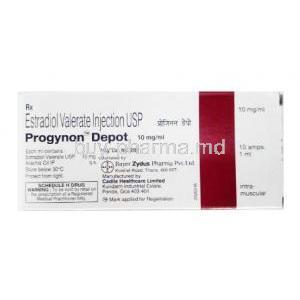
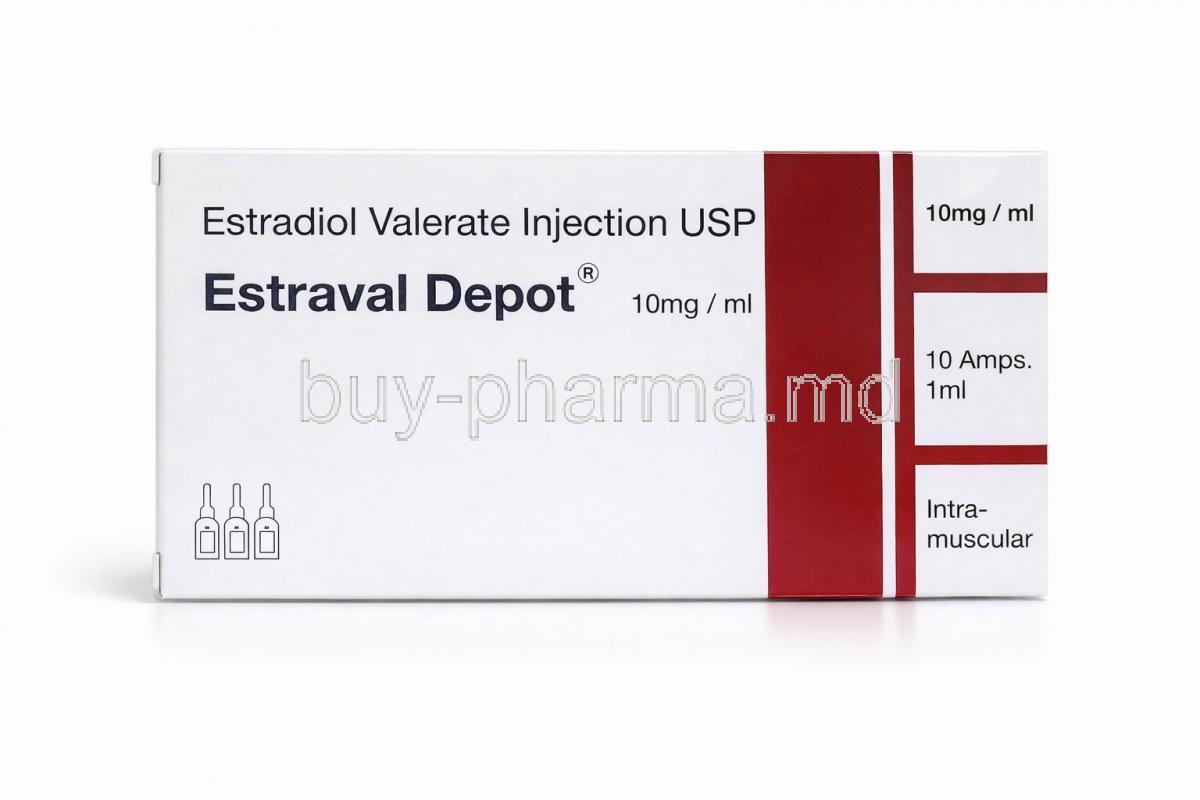
Estraval Depot Injection, Estradiol valerate
- 1. Introduction to Estraval Depot Injection (Estradiol Valerate)
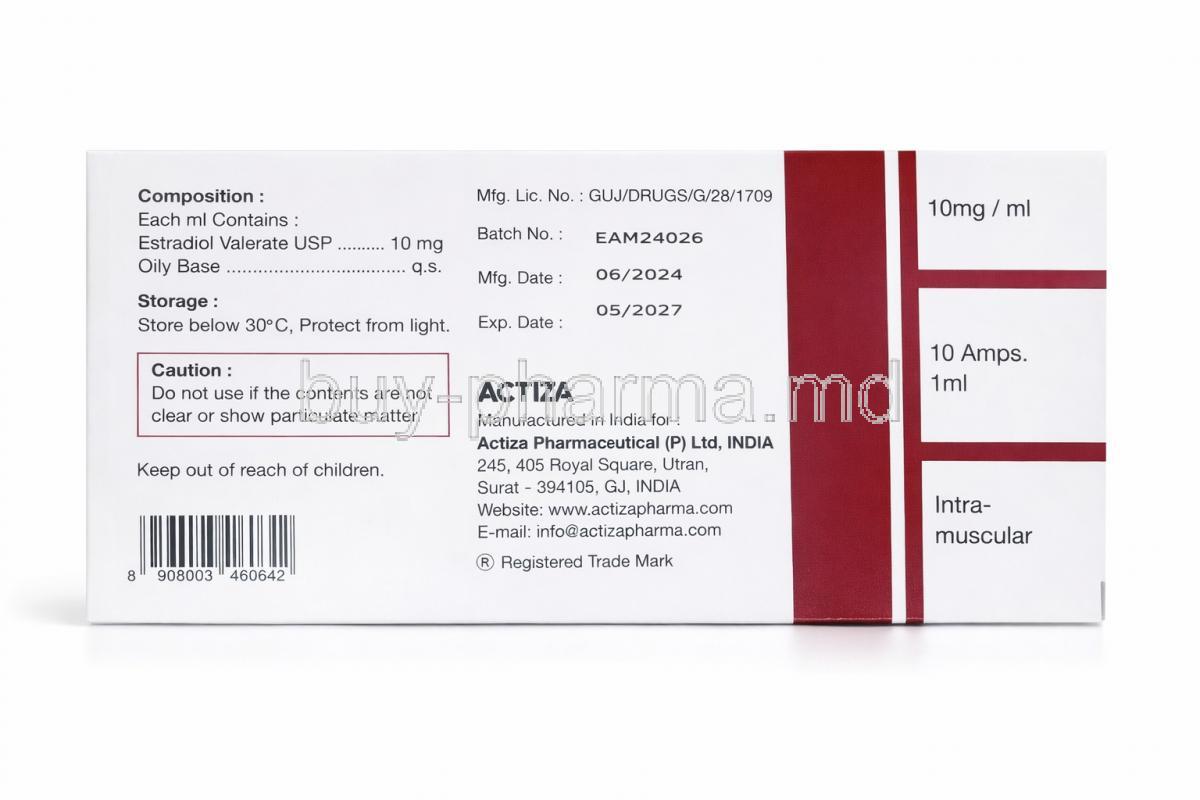
- 2. Composition and Pharmaceutical Formulation
- 3. Mechanism of Action: How Estradiol Valerate Works
- 4. Estradiol Valerate Uses
- 4.1 Hormone Replacement Therapy (HRT) for Estrogen Deficiency
- 4.2 Estraval Menopause Support
- 4.3 Management of Hypoestrogenism Due to Ovarian Failure
- 4.4 Treatment of Primary Ovarian Insufficiency
- 4.5 Hormonal Therapy Following Oophorectomy
- 4.6 Management of Menstrual Disorders Associated with Estrogen Deficiency
- 5. Expanded and Off-Label Uses of Estradiol Valerate Injection
- 5.1 Gender-Affirming Hormone Therapy for Transgender Women
- 5.2 Hormonal Support in Assisted Reproductive Technology (ART)
- 5.3 Endometrial Preparation for Embryo Transfer Procedures
- 5.4 Adjunctive Hormonal Therapy in Certain Gynecological Disorders
- 5.5 Treatment of Delayed Puberty in Females
- 5.6 Management of Hypogonadism in Women
- 6. Estradiol Valerate Dosage and Administration Guidelines
- 7. Estraval Side Effects
- 8. Other Potential Side Effects
- 9. Drug Interactions
- 9.1 Interactions with Enzyme-Inducing Drugs (e.g., Rifampin, Carbamazepine)
- 9.2 Interaction with Anticoagulants and Antiplatelet Agents
- 9.3 Effects of Estrogen Therapy on Thyroid Hormone Replacement
- 9.4 Interaction with Herbal Supplements such as St. JohnâÂÂs Wort
- 9.5 Potential Interaction with Other Hormonal Therapies
- 10. Warnings and Safety Considerations
- 11. Contraindications
- 12. Careful Administration and Special Patient Considerations
- 13. Important Precautions Before and During Treatment
- 14. Administration in Elderly Patients
- 15. Administration in Pregnant Women and Nursing Mothers
- 16. Administration in Pediatric Patients
- 17. Overdosage
- 18. Storage Recommendations
- 19. Handling Precautions
1. Introduction to Estraval Depot Injection (Estradiol Valerate)
Estraval Depot Injection is a type of medicine that has a long-lasting effect and contains a synthetic version of the female hormone estradiol, called estradiol valerate. This medicine is often used to replace hormones in the body, especially in women, and to treat other conditions related to hormones. When it's injected into a muscle, the hormone is slowly released, which helps keep its effects longer. This slow release is what makes it a "depot" formulation, and it's useful for providing ongoing treatment without needing to take more medicine all the time. Estrogen is really important for our bodies. It helps keep our reproductive system healthy, makes sure our bones are strong, and affects how our bodies process fats. It also plays a role in keeping many of our organs healthy.
1.1 Overview of Estradiol Valerate Injections
Estradiol valerate depot injections are designed to provide a prolonged release of estrogen following a single intramuscular injection. Once administered, the medication is slowly hydrolyzed into active estradiol, allowing stable hormone levels over extended periods.
- Provides sustained estrogen delivery
- Reduces the need for frequent dosing
- Helps maintain consistent hormonal balance
Such long-acting formulations are particularly useful in conditions where continuous hormonal support is required. Patients often benefit from improved adherence due to the reduced dosing frequency.
1.2 Therapeutic Classification of Estraval Depot Injection
Estraval Depot Injection belongs to the pharmacological category of estrogen hormone therapies. It is classified as a systemic estrogenic agent and is commonly used in hormone replacement therapy, reproductive medicine, and endocrine disorders involving estrogen deficiency.
Therapeutically, it may be categorized under:
1.3 Key Characteristics of Long-Acting Estrogen Depot Formulations
Depot formulations possess distinctive pharmacokinetic characteristics that differentiate them from oral or short-acting hormonal preparations. The medication is suspended in an oil-based solution that forms a depot in the muscle tissue after injection.
- Slow and steady hormone release
- Extended duration of therapeutic activity
- Reduced hormonal fluctuations
These features make depot estrogen preparations particularly useful in maintaining hormonal stability while minimizing peaks and troughs associated with oral medications.
1.4 Clinical Importance of Estradiol Replacement Therapy
Estrogen replacement therapy is essential for individuals experiencing reduced or absent estrogen production. Such deficiencies can occur due to menopause, ovarian failure, surgical removal of the ovaries, or certain endocrine disorders.
Restoring physiologic estrogen levels may help:
- Alleviate vasomotor symptoms
- Maintain bone density
- Support reproductive tissue health
- Improve overall quality of life
2. Composition and Pharmaceutical Formulation
Estraval Depot Injection is formulated to deliver estradiol valerate through a sterile injectable solution. The composition is designed to maintain stability, ensure controlled release, and preserve pharmacological efficacy.
2.1 Active Ingredient: Estradiol Valerate
Estradiol is the predominant and most biologically active estrogen in humans. It regulates reproductive tissues, influences metabolic pathways, and participates in numerous endocrine signaling cascades.
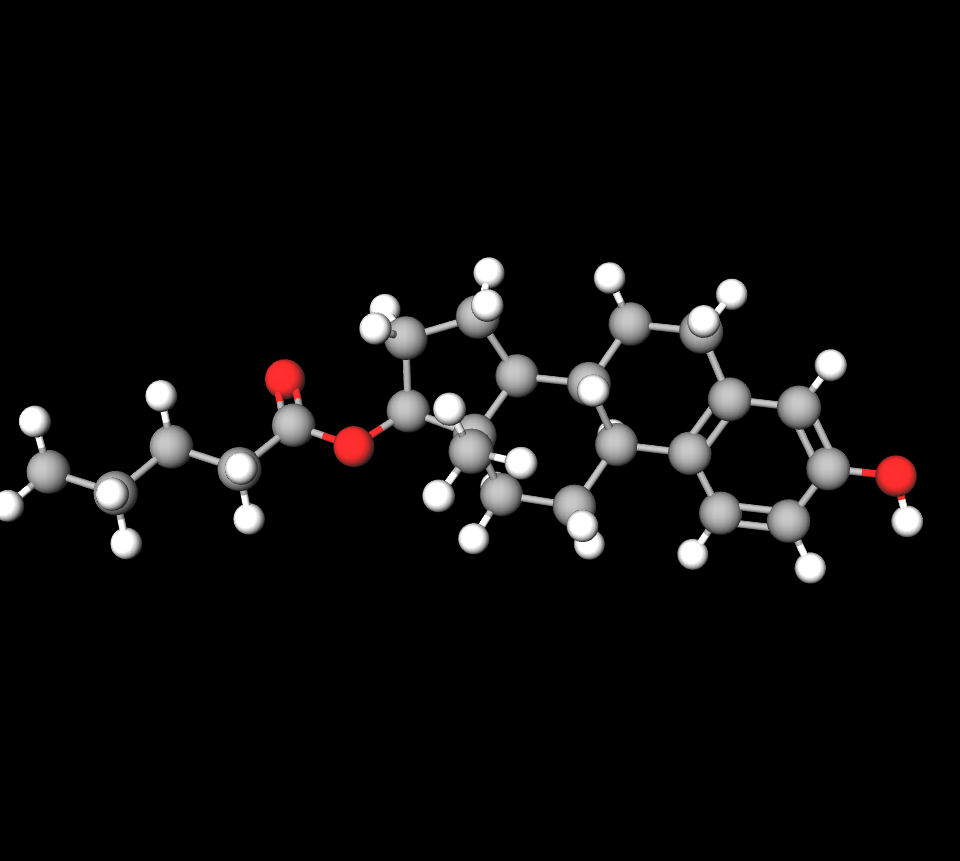
2.2 Strength and Concentration of Estraval Depot Injection
Estraval Depot Injection usually comes in certain strengths that are meant to be given by injection into a muscle. The exact concentration can differ based on what the manufacturer specifies. Measured in milligrams of estradiol valerate per milliliter Administered according to clinical indication Adjusted based on patient response
2.3 Excipients and Carrier Oils in Depot Formulations
Depot injections commonly contain carrier oils that act as vehicles for the hormone ester. These oils facilitate the slow release of the medication from the injection site into systemic circulation.
Typical excipients may include pharmaceutical-grade oils that ensure sterility and stability while maintaining the integrity of the injectable preparation.
2.4 Pharmacological Class: Estrogen Hormone Therapy
Estraval Depot Injection belongs to the estrogen hormone therapy class. These medications mimic or supplement endogenous estrogen activity in the body.
Therapeutically, estrogen therapy may influence multiple physiological domains:
- Reproductive hormone regulation
- Bone metabolism
- Lipid and cardiovascular balance
- Central nervous system signaling
Estradiol cypionate vs valerate
The dosing of estradiol cypionate is lower. Estradiol cypionate tends to produce a lower, later, and longer peak level when compared to estradiol valerate
Estradiol hemihydrate vs estradiol valerate
Estradiol hemihydrate and estradiol valerate are two types of hormone therapy that work well for feminization and menopause. They both do a good job of increasing estrogen levels in the body. The hemihydrate form starts working faster because it doesn't need to be broken down by the body first. On the other hand, the valerate form needs to be converted before it can work, but in the long run, both forms yield similar results. This means that even though one might start working a bit quicker, they both end up being effective in the same way.
3. Mechanism of Action: How Estradiol Valerate Works
Estradiol valerate works by increasing estrogen levels and activating estrogen receptors. It acts a lot like the estrogen that our bodies naturally produce.
3.1 Conversion of Estradiol Valerate to Active Estradiol in the Body
When estradiol valerate is injected into a muscle, it slowly gets into the bloodstream. The body then breaks it down using enzymes, turning it into estradiol, which is the active form that the body can use. This process ensures: Steady systemic hormone levels Prolonged pharmacological action Reduced frequency of administration
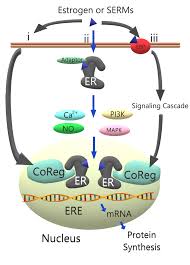
3.2 Role of Estrogen Receptors (ER-α and ER-β)
Estradiol interacts with intracellular estrogen receptors, primarily ER-alpha and ER-beta. These receptors function as transcription regulators that influence gene expression in estrogen-responsive tissues.
Activation of these receptors contributes to multiple physiological outcomes, including reproductive regulation, bone preservation, and metabolic modulation.
3.3 Effects on the Female Reproductive System
Estradiol supports the development and maintenance of reproductive organs. It stimulates endometrial growth, regulates menstrual cycles, and modulates the hormonal environment necessary for reproductive health. Adequate estrogen levels are essential for: Endometrial proliferation, Cervical mucus regulation, Ovarian function

3.4 Influence on Bone Metabolism and Calcium Homeostasis
Estrogen plays a critical role in bone remodeling. It inhibits excessive bone resorption and promotes skeletal stability by influencing osteoclast and osteoblast activity.
In estrogen-deficient states, bone loss may accelerate. Estradiol therapy helps preserve bone mineral density and reduces the risk of osteoporosis-related complications.
3.5 Impact on Cardiovascular, Skin, and Metabolic Functions
Estradiol affects numerous physiological systems beyond reproduction. It contributes to vascular elasticity, lipid metabolism, and dermal collagen maintenance. Supports favorable lipid profiles Enhances skin elasticity Influences metabolic pathways
4. Estradiol Valerate Uses
4.1 Hormone Replacement Therapy (HRT) for Estrogen Deficiency
Hormone replacement therapy is one of the most common indications for Estraval Depot Injection. It is prescribed when the body produces insufficient estrogen.
Such a deficiency may occur during menopause, ovarian failure, or surgical removal of the ovaries.
4.2 Estraval Menopause Support
- Hot flashes
- Night sweats
- Sleep disturbances

4.3 Management of Hypoestrogenism Due to Ovarian Failure
4.4 Treatment of Primary Ovarian Insufficiency
4.5 Hormonal Therapy Following Oophorectomy

4.6 Management of Menstrual Disorders Associated with Estrogen Deficiency
Certain menstrual irregularities arise due to insufficient estrogen levels. Hormonal therapy may help restore normal cycle regulation and improve endometrial stability.
5. Expanded and Off-Label Uses of Estradiol Valerate Injection
5.1 Gender-Affirming Hormone Therapy for Transgender Women
Estradiol valerate injections are sometimes used in gender-affirming hormone therapy to promote feminizing physiological changes. These treatments are typically administered under specialist supervision.
5.2 Hormonal Support in Assisted Reproductive Technology (ART)
In reproductive medicine, estrogen therapy may be used to optimize the uterine environment during fertility treatments. Estradiol plays an important role in preparing the endometrium for embryo implantation.

5.3 Endometrial Preparation for Embryo Transfer Procedures
Endometrial receptivity is essential for successful embryo transfer. Controlled estrogen supplementation may help synchronize the endometrial lining with the embryo development stage.

5.4 Adjunctive Hormonal Therapy in Certain Gynecological Disorders
In some gynecological conditions, estrogen therapy may be utilized alongside other treatments to support hormonal equilibrium and reproductive health.
5.5 Treatment of Delayed Puberty in Females
Delayed puberty can occur when estrogen production is insufficient during adolescence. Carefully supervised hormone therapy may stimulate the development of secondary sexual characteristics.

5.6 Management of Hypogonadism in Women
6. Estradiol Valerate Dosage and Administration Guidelines
6.1 Recommended Dosage for Hormone Replacement Therapy
Dosage regimens vary according to clinical indication, patient characteristics, and physician assessment. Treatment should always be individualized to achieve optimal therapeutic outcomes.
Estradiol valerate injection dosage mtf
Injectable: estradiol. 5 to 20 mg IM every 5-30 mg IM every 2.
6.2 How to inject estradiol valerate
Estraval Depot Injection is administered intramuscularly, typically into a large muscle such as the gluteal region. Proper injection technique helps ensure accurate drug delivery and minimizes complications.
6.3 Dosing Intervals for Depot Estradiol Injections
Depot formulations allow extended dosing intervals. Depending on clinical circumstances, injections may be administered at intervals ranging from several weeks to months.
6.4 Dose Adjustments Based on Clinical Response
Individual responses to estrogen therapy may vary. Physicians may adjust dosage or dosing frequency to maintain appropriate hormone levels while minimizing side effects.
6.5 Monitoring During Long-Term Estrogen Therapy
Long-term estrogen therapy requires periodic monitoring. Clinical assessments may include:
- Hormone level evaluation
- Breast examinations
- Cardiovascular risk assessment

7. Estraval Side Effects
7.1 Injection Site Reactions
Some patients may experience localized discomfort at the injection site. Symptoms may include mild pain, redness, or swelling.
7.2 Breast Tenderness and Enlargement
7.3 Headache and Migraine
Hormonal fluctuations may occasionally trigger headaches or migraines in susceptible individuals.
7.4 Nausea and Gastrointestinal Discomfort

7.5 Fluid Retention and Edema
8. Other Potential Side Effects
8.1 Irregular Vaginal Bleeding or Spotting
Hormonal therapy may alter endometrial stability, leading to irregular bleeding or spotting in some cases.
8.2 Mood Changes and Emotional Disturbances
8.3 Weight Changes and Fat Distribution
Estrogen therapy may influence body composition and fat distribution patterns.
8.4 Increased Risk of Thromboembolic Events
8.5 Cardiovascular and Metabolic Effects
Changes in lipid metabolism and cardiovascular parameters may occur, particularly during prolonged therapy.
9. Drug Interactions
9.1 Interactions with Enzyme-Inducing Drugs (e.g., Rifampin, Carbamazepine)
Certain medications may accelerate estrogen metabolism, potentially reducing the effectiveness of estradiol therapy.
9.2 Interaction with Anticoagulants and Antiplatelet Agents
Estrogen therapy may influence coagulation pathways and may interact with anticoagulant medications.
9.3 Effects of Estrogen Therapy on Thyroid Hormone Replacement
Estrogen can increase levels of thyroid-binding globulin, potentially affecting thyroid hormone dosing requirements.
9.4 Interaction with Herbal Supplements such as St. Johnâs Wort
Herbal supplements may influence drug metabolism pathways and alter estrogen concentrations.
9.5 Potential Interaction with Other Hormonal Therapies
Concurrent hormonal treatments may influence the pharmacological effects of estradiol therapy.
10. Warnings and Safety Considerations
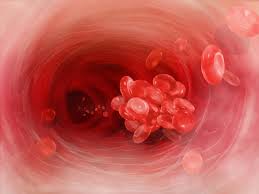
10.1 Risk of Venous Thromboembolism (VTE)
10.2 Estrogen Therapy and Risk of Hormone-Sensitive Cancers
Estrogen therapy may influence hormone-dependent tissues. Patients with a history of estrogen-sensitive cancers require careful medical evaluation before treatment.
10.3 Cardiovascular Risk Considerations
Certain patients may have elevated cardiovascular risk during estrogen therapy. Healthcare professionals may assess individual risk profiles before initiating treatment.
10.4 Monitoring Requirements During Long-Term Treatment
Regular medical monitoring helps ensure safe and effective therapy. Follow-up assessments may include physical examinations, laboratory testing, and periodic evaluation of treatment benefits and risks.
11. Contraindications
Certain medical conditions preclude the use of Estraval Depot Injection containing estradiol valerate. These contraindications are established to prevent serious adverse outcomes. Estrogen therapy exerts systemic physiological effects. Consequently, patients with particular disorders or predispositions may experience complications if exposed to exogenous estrogen.
Before initiating therapy, clinicians typically evaluate medical history, current medications, and underlying disease states. Careful screening helps ensure that estrogen therapy is both safe and appropriate.
- Presence of hormone-sensitive diseases
- History of thromboembolic disorders
- Severe hepatic dysfunction
- Undiagnosed abnormal bleeding
11.1 Known Hypersensitivity to Estradiol Valerate
Patients with a documented hypersensitivity or allergic reaction to estradiol valerate or any component of the formulation should not receive this medication. Hypersensitivity reactions may manifest in various ways.
- Skin rash or urticaria
- Localized swelling
- Respiratory distress in severe cases
Although uncommon, allergic reactions may occur following exposure to injectable estrogen preparations. Immediate medical attention is required if hypersensitivity symptoms arise.
11.2 History of Estrogen-Dependent Malignancies
Estrogen can stimulate the proliferation of certain hormone-sensitive tissues. Individuals with a history of estrogen-dependent malignancies should generally avoid estradiol therapy unless specifically directed by a specialist.
Examples of estrogen-sensitive cancers include:
- Breast carcinoma
- Endometrial carcinoma
- Certain ovarian malignancies
In such cases, estrogen exposure may potentially accelerate tumor growth or recurrence.
11.3 Active or History of Thromboembolic Disorders
Estrogen therapy is associated with an increased risk of blood clot formation. Patients with active thromboembolic disease or a documented history of deep vein thrombosis or pulmonary embolism should not receive estradiol injections.
Estrogen may influence coagulation pathways. This can lead to increased thrombin activity and altered fibrinolysis in susceptible individuals.
11.4 Undiagnosed Abnormal Vaginal Bleeding
Unexplained vaginal bleeding requires medical evaluation before initiating estrogen therapy. The underlying cause must be determined to exclude serious conditions such as malignancy or endometrial pathology.
Hormonal therapy should not commence until an appropriate diagnostic assessment has been completed.
11.5 Severe Liver Disease
Patients with significant liver disease may experience increased adverse effects. For this reason, estradiol valerate injections are generally contraindicated in individuals with severe hepatic dysfunction.
12. Careful Administration and Special Patient Considerations
Certain populations require cautious administration of estradiol therapy. While not absolute contraindications, these conditions necessitate vigilant monitoring and individualized treatment plans.
The goal is to balance therapeutic benefits against potential risks. Physicians often adopt a conservative approach when prescribing estrogen in complex clinical scenarios.
12.1 Patients with Cardiovascular Risk Factors
Patients with pre-existing cardiovascular risk factors require careful assessment before receiving estrogen therapy. Estradiol can influence lipid metabolism, vascular tone, and coagulation pathways.
Risk factors that may require monitoring include:
- Hypertension
- Hyperlipidemia
- Smoking history
- Obesity
Regular cardiovascular evaluation may help mitigate potential complications.
12.2 Individuals with Liver or Kidney Disorders
Patients with hepatic or renal impairment may process medications differently. Estradiol metabolism occurs primarily in the liver, while metabolites are eliminated through renal and biliary pathways.
Careful dosage adjustment and monitoring may be required in these individuals.
12.3 Patients with Migraine Disorders
Hormonal fluctuations can exacerbate migraine headaches in certain individuals. Estrogen therapy may influence neurological pathways associated with migraine pathophysiology.
Patients with a history of severe migraines should be monitored for changes in headache frequency or intensity during treatment.
12.4 Individuals with Diabetes or Metabolic Syndrome
Estrogen therapy may influence glucose metabolism and lipid regulation. Individuals with diabetes or metabolic syndrome require periodic evaluation of metabolic parameters.
- Blood glucose levels
- Lipid profiles
- Body weight changes
13. Important Precautions Before and During Treatment
Appropriate precautions help ensure safe administration of estradiol therapy. Medical professionals typically conduct a comprehensive assessment prior to treatment initiation and continue monitoring during therapy.
13.1 Baseline Medical Evaluation Before Initiation
Before initiating Estraval Depot Injection, patients usually undergo a thorough medical evaluation. This assessment helps identify contraindications and risk factors.
- Complete medical history
- Physical examination
- Relevant laboratory investigations
13.2 Regular Monitoring of Hormone Levels
Hormone levels may be monitored periodically to ensure that estradiol concentrations remain within a therapeutic range. Monitoring also helps prevent excessive hormone exposure.
13.3 Screening for Breast and Endometrial Health
Long-term estrogen therapy may affect breast and endometrial tissues. Routine screening procedures may include:
- Breast examinations
- Mammography
- Endometrial evaluation when indicated
13.4 Monitoring Blood Pressure and Lipid Profile
Estrogen therapy can influence cardiovascular risk markers. Regular monitoring of blood pressure and lipid profiles helps identify potential metabolic changes during treatment.
14. Administration in Elderly Patients
14.1 Considerations for Postmenopausal Women
Postmenopausal women may receive estradiol therapy to manage symptoms related to declining estrogen levels. These symptoms often include vasomotor disturbances, sleep disruption, and bone density loss.
However, therapy must be individualized. Age-related physiological changes may alter drug metabolism and sensitivity.
14.2 Dose Adjustment and Monitoring in Older Adults
Lower doses are often recommended for elderly patients. Gradual titration allows clinicians to achieve therapeutic benefits while minimizing adverse effects.
Monitoring may include:
- Bone density evaluation
- Cardiovascular assessment
- Hormonal monitoring
14.3 Risk-Benefit Evaluation in Long-Term Therapy
Long-term estrogen therapy in older adults requires periodic reassessment. Healthcare providers evaluate whether continued treatment remains beneficial compared to potential risks.
15. Administration in Pregnant Women and Nursing Mothers
15.1 Risks of Estrogen Exposure During Pregnancy
Estraval Depot Injection is generally contraindicated during pregnancy. Exposure to exogenous estrogen may disrupt normal hormonal regulation during fetal development.

15.2 Effects on Fetal Development
Estrogen exposure during pregnancy has been associated with potential developmental risks. For this reason, estradiol valerate injections should not be administered to pregnant individuals unless specifically directed under exceptional medical circumstances.
15.3 Considerations for Breastfeeding Mothers
Estrogen may influence milk production and composition. In certain cases, estrogen therapy may reduce lactation by inhibiting prolactin-mediated milk synthesis.
Healthcare providers typically evaluate the benefits and risks before prescribing estrogen therapy to nursing mothers.
16. Administration in Pediatric Patients
16.1 Use in Delayed Puberty and Hormonal Disorders
Estradiol therapy may be used in carefully supervised pediatric cases involving delayed puberty or specific hormonal deficiencies. Treatment aims to replicate natural pubertal progression.
16.2 Safety and Monitoring in Adolescents
Adolescents receiving estrogen therapy require meticulous monitoring. Hormonal balance, growth patterns, and psychological well-being should be assessed regularly.
16.3 Growth and Development Considerations
Exogenous estrogen may influence epiphyseal closure in growing adolescents. Physicians must therefore carefully calibrate treatment to avoid premature cessation of growth.
17. Overdosage
17.1 Symptoms of Estradiol Valerate Overdose
Overdosage of estradiol valerate is uncommon but may produce noticeable symptoms. Excess estrogen exposure may lead to hormonal imbalance.
- Nausea
- Breast tenderness
- Fluid retention
- Irregular bleeding
17.2 Clinical Management of Estrogen Overexposure
Management of overdose typically involves symptomatic treatment and clinical observation. Discontinuation or temporary suspension of therapy may be required.
17.3 Supportive Treatment and Monitoring
Patients experiencing estrogen excess may undergo supportive medical care. Monitoring includes assessment of vital signs, hormonal levels, and overall clinical stability.
18. Storage Recommendations
18.1 Recommended Storage Temperature
Estraval Depot Injection should be stored at controlled room temperature according to manufacturer recommendations. Extreme heat or freezing temperatures may compromise the stability of the injectable formulation.
18.2 Protection from Light and Environmental Exposure
Light exposure can degrade certain pharmaceutical compounds. For this reason, injectable estrogen preparations are typically stored in protective packaging until use.
18.3 Shelf Life and Stability of Depot Injections
Each product has a defined shelf life established through stability testing. Patients and healthcare providers should always verify the expiration date before administration.
19. Handling Precautions
19.1 Safe Handling of Injectable Hormone Preparations
Proper handling of injectable medications ensures both patient safety and drug efficacy. Estraval Depot Injection should be administered by trained healthcare professionals using sterile techniques.
19.2 Sterility and Injection Safety Practices
Strict adherence to aseptic technique is essential during preparation and administration. Contamination can lead to infection or reduced medication effectiveness.
- Use sterile needles and syringes
- Clean the injection site with antiseptic
- Avoid reuse of disposable equipment
19.3 Disposal of Used Needles and Medical Waste
Used needles and syringes must be disposed of in approved sharps containers. Proper disposal practices help prevent accidental injury and reduce the risk of infection transmission.
Estraval Depot Injection, Estradiol valerate FAQ
- What is Estraval Depot injection used for?
- Where is the best place to inject estradiol?
- What are the side effects of estrogen injections?
- Does estrogen injection increase breast size?
- Can the depo injection be given wrong?
- What is estradiol valerate used for?
- How does estradiol help fertility?
- What is the difference between estradiol and estradiol valerate?
- Is estradiol valerate a contraceptive?
- What are the risks of taking estradiol valerate?
- How long is estradiol valerate good for after first use?
- Can I get pregnant while taking estradiol?
- What are the benefits of taking estradiol?
- What should I avoid while using estradiol valerate?
- What are the benefits of estradiol valerate?
- Does estradiol valerate prevent ovulation?
- When is the best time to use estradiol?
- What is the most common side effect of estradiol?
- What are the common side effects of estradiol valerate?
- Does estradiol valerate stop your period?
- Does estradiol help egg growth?
- What to avoid while using estradiol?
- Is it safe to use estradiol every day?
- Can I drink coffee while taking estradiol?
- What does estradiol valerate mean?
- Does estradiol make you more fertile?
- What foods should you avoid while taking estradiol?
- How soon will estradiol take to be effective?
- Who should avoid estradiol?
- What organ does estradiol affect?
- How long does estradiol take to work?
- Does estradiol change face shape?
What is Estraval Depot injection used for?
Estraval Depot is a type of injection containing estradiol valerate. It's mainly used to help women who are going through menopause or have low estrogen levels. This treatment is called hormone replacement therapy. It can also be used for transgender women as a way to help them transition. The goal of this therapy is to make their body more feminine.
Where is the best place to inject estradiol?
When giving an IM injection, you want to aim for the middle of your thigh, about halfway between your knee and your hip, on the outer part. This is where the muscle is thick enough for the needle to go in safely. IM injections use a longer needle that goes deep into the muscle, so it's essential to get the right spot. You can give IM injections in two main areas: the thighs or the buttocks.
What are the side effects of estrogen injections?
- Mood swing
- Weight gain
- Hot flashes
- Anxiety
- Migraines
Does estrogen injection increase breast size?
Yes
Can the depo injection be given wrong?
Yes
What is estradiol valerate used for?
Estradiol valerate is used to treat some effects of menopause, hypoestrogenism, androgen-dependent carcinoma of the prostate, and in combination products for endometriosis and contraception.
How does estradiol help fertility?
It helps jumpstart ovulation and prepare the uterus for pregnancy.
What is the difference between estradiol and estradiol valerate?
Estradiol valerate is an estradiol ester, or a prodrug of estradiol
Is estradiol valerate a contraceptive?
Yes
What are the risks of taking estradiol valerate?
- Stroke
- Heart Attack
How long is estradiol valerate good for after first use?
28 days
Can I get pregnant while taking estradiol?
Yes
What are the benefits of taking estradiol?
Before women enter menopause, estradiol protects women from cardiovascular disease due to increased regulation of cholesterol and triglyceride metabolism, thus decreasing the risk for atherosclerotic heart disease.
What should I avoid while using estradiol valerate?
- Tobacco
- Smoking
- Alcohol
What are the benefits of estradiol valerate?
Menopause can be a tough time for women, with hot flashes and vaginal dryness being two of the most common symptoms. To help treat these symptoms, doctors often prescribe estrogen injections, such as estradiol cypionate and estradiol valerate. These injections can help alleviate hot flashes and vaginal dryness, making menopause a more manageable experience.
Does estradiol valerate prevent ovulation?
Yes
When is the best time to use estradiol?
Any time
What is the most common side effect of estradiol?
- Bloating
- Vaginal Discharge
What are the common side effects of estradiol valerate?
- Breast tenderness
- Headaches
- Vomiting
- Vaginal
- Stomach Cramps
- Weight changes
Does estradiol valerate stop your period?
Yes
Does estradiol help egg growth?
Yes
What to avoid while using estradiol?
- Alcohol
- Caffeine
- Sugary foods
- Grapefruit
Is it safe to use estradiol every day?
Using this medicine over a long period of time may increase your risk of breast cancer, endometrial cancer, or uterine cancer
Can I drink coffee while taking estradiol?
No
What does estradiol valerate mean?
Estradiol Valerate (also known as E2V) is a pro-drug ester of Estradiol, a naturally occurring hormone that circulates endogenously within the human body.
Does estradiol make you more fertile?
Yes
What foods should you avoid while taking estradiol?
Grapefruit
How soon will estradiol take to be effective?
6-12 weeks
Who should avoid estradiol?
- Vaginal bleeding
- Cancer patients
- Heart attack or stroke
- Allergic to ingredients
What organ does estradiol affect?
Female reproductive system
How long does estradiol take to work?
Few weeks
Does estradiol change face shape?
Yes
Customers also bought
Popular Products

Similar Product