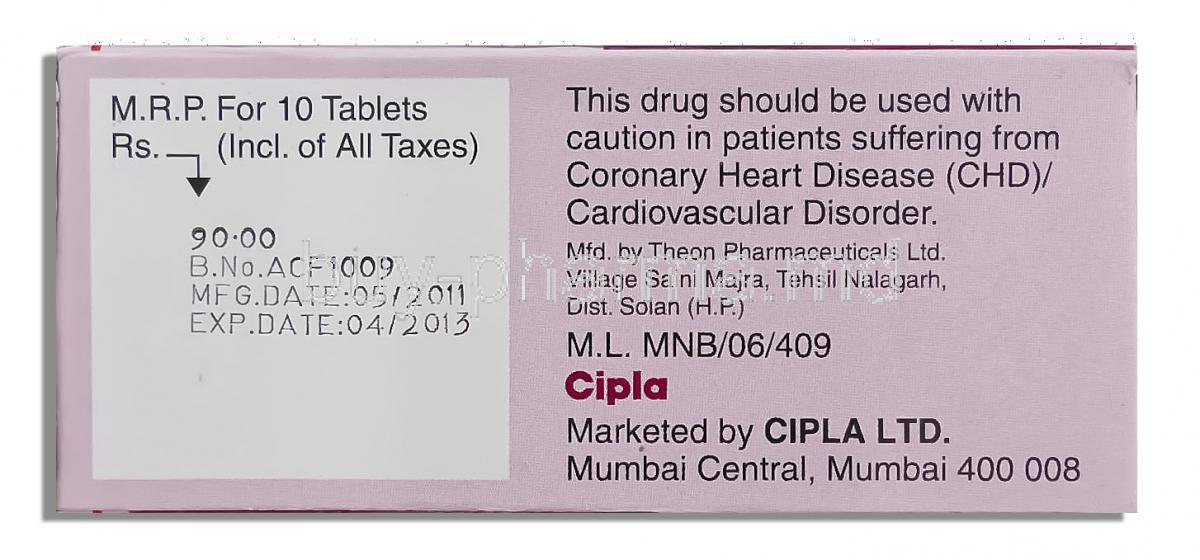
1. Introduction to Etozox (Etoricoxib)
1.1 Overview of Etoricoxib as a Selective COX-2 Inhibitor
Etozox, containing the active agent Etoricoxib, belongs to a modern class of nonsteroidal anti-inflammatory drugs (NSAIDs) known as selective COX-2 inhibitors. This category was developed to provide powerful pain relief while minimizing gastrointestinal irritation commonly seen with older NSAIDs. Etoricoxib specifically targets the COX-2 enzyme responsible for inflammatory prostaglandin production.
Because of this selectivity, the medication offers a refined therapeutic approach that combines potent anti-inflammatory activity with improved tolerability for many patients.
1.2 Evolution and Development of COX-2–Selective NSAIDs
The development of COX-2 inhibitors represents a pivotal milestone in pain management. Traditional NSAIDs inhibit both COX-1 and COX-2 enzymes. While COX-2 inhibition reduces inflammation, blocking COX-1 often leads to gastrointestinal complications.
Selective COX-2 inhibitors emerged to address this limitation, creating a new generation of analgesics offering:
- Reduced gastric ulceration
- Comparable or superior anti-inflammatory efficacy
- More predictable pharmacodynamic activity
1.3 Comparison with Traditional NSAIDs (Ibuprofen, Diclofenac, Naproxen)
Compared with conventional NSAIDs, Etoricoxib acts more precisely and generally exhibits a lower risk of gastric mucosal injury. While ibuprofen and naproxen inhibit both COX-1 and COX-2, Etoricoxib spares COX-1, which helps preserve protective gastric mechanisms. Diclofenac offers strong efficacy but carries a higher gastrointestinal and hepatic risk.
Overall, Etoricoxib strikes a balance for individuals who require effective chronic pain management but are sensitive to gastrointestinal side effects.
1.4 Therapeutic Class and Pharmacological Profile
Etoricoxib is classified as a selective COX-2 inhibitor with analgesic, anti-inflammatory, and antipyretic actions. It is rapidly absorbed, features predictable pharmacokinetics, and demonstrates a long half-life that supports once-daily dosing, making it a convenient option for long-term therapy in chronic conditions.
2. Composition and Formulation
2.1 Active Ingredient: Etoricoxib
The primary therapeutic component in Etozox is Etoricoxib, a synthetic compound engineered to inhibit COX-2 with high specificity.
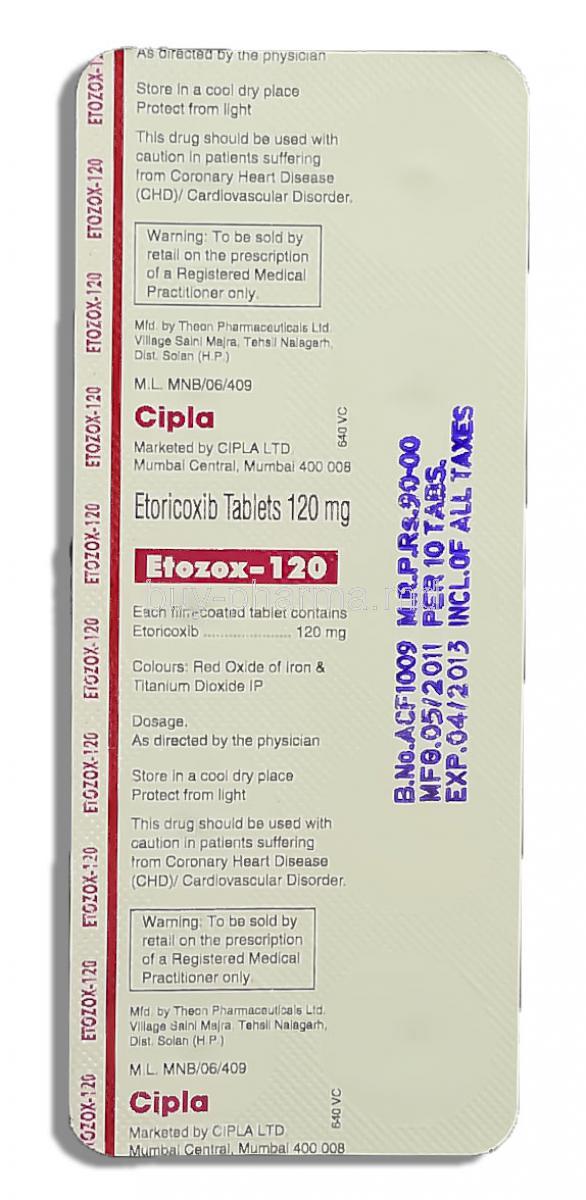
2.2 Available Strengths (60 mg, 90 mg, 120 mg)
The product is commonly available in multiple strengths to accommodate different therapeutic needs:
- 60 mg – typically used for osteoarthritis
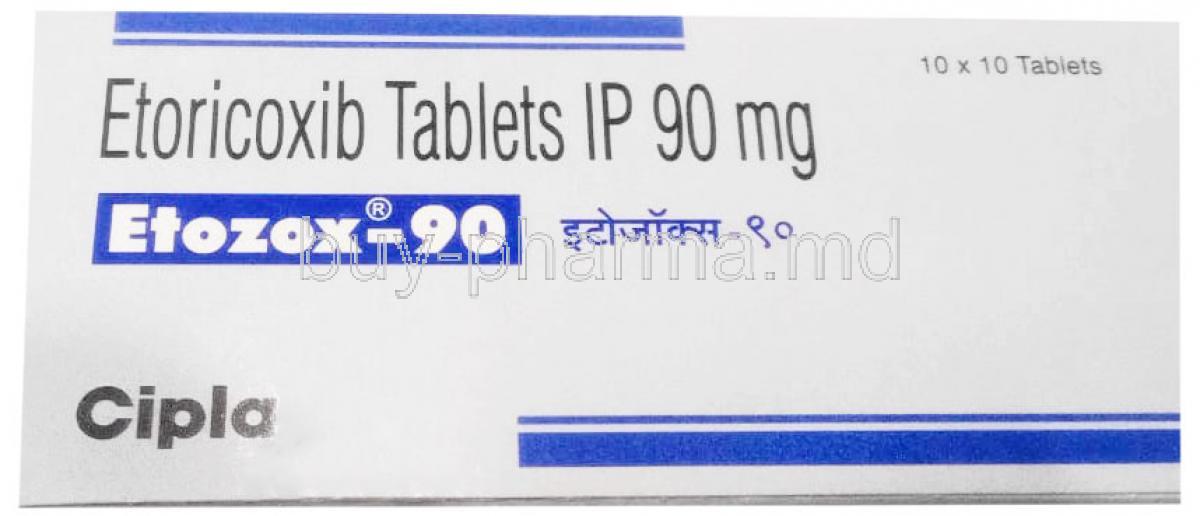
- 90 mg – frequently used for rheumatoid arthritis and ankylosing spondylitis
- 120 mg – reserved for short-term management of acute pain, such as gout
2.3 Inactive Ingredients and Excipients
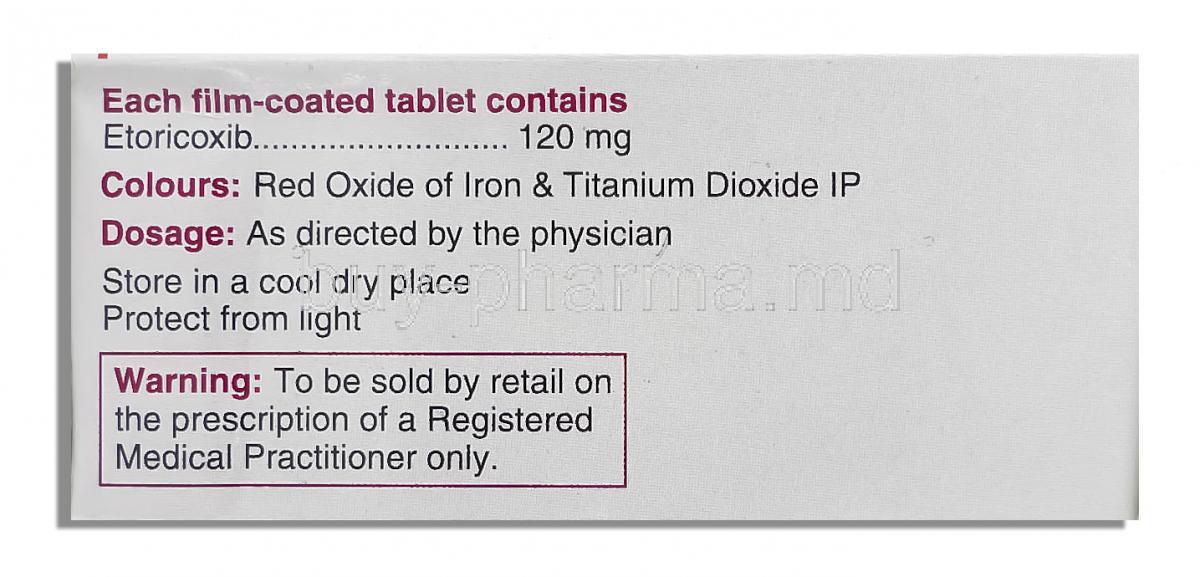
Etozox tablets may also contain excipients such as lactose monohydrate, microcrystalline cellulose, croscarmellose sodium, and magnesium stearate. These components assist in tablet stability, dissolution, and absorption.
2.4 Tablet Characteristics and Packaging Variants
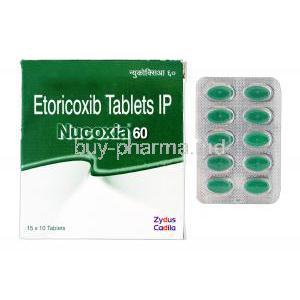
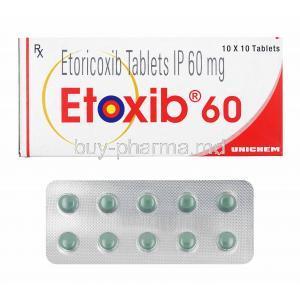
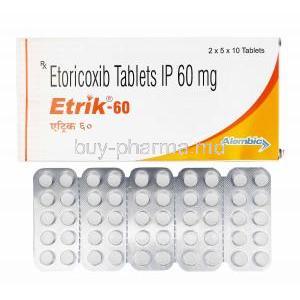
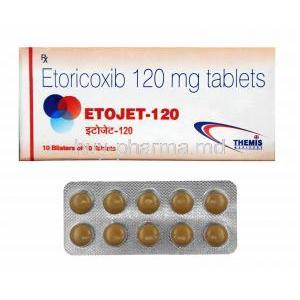
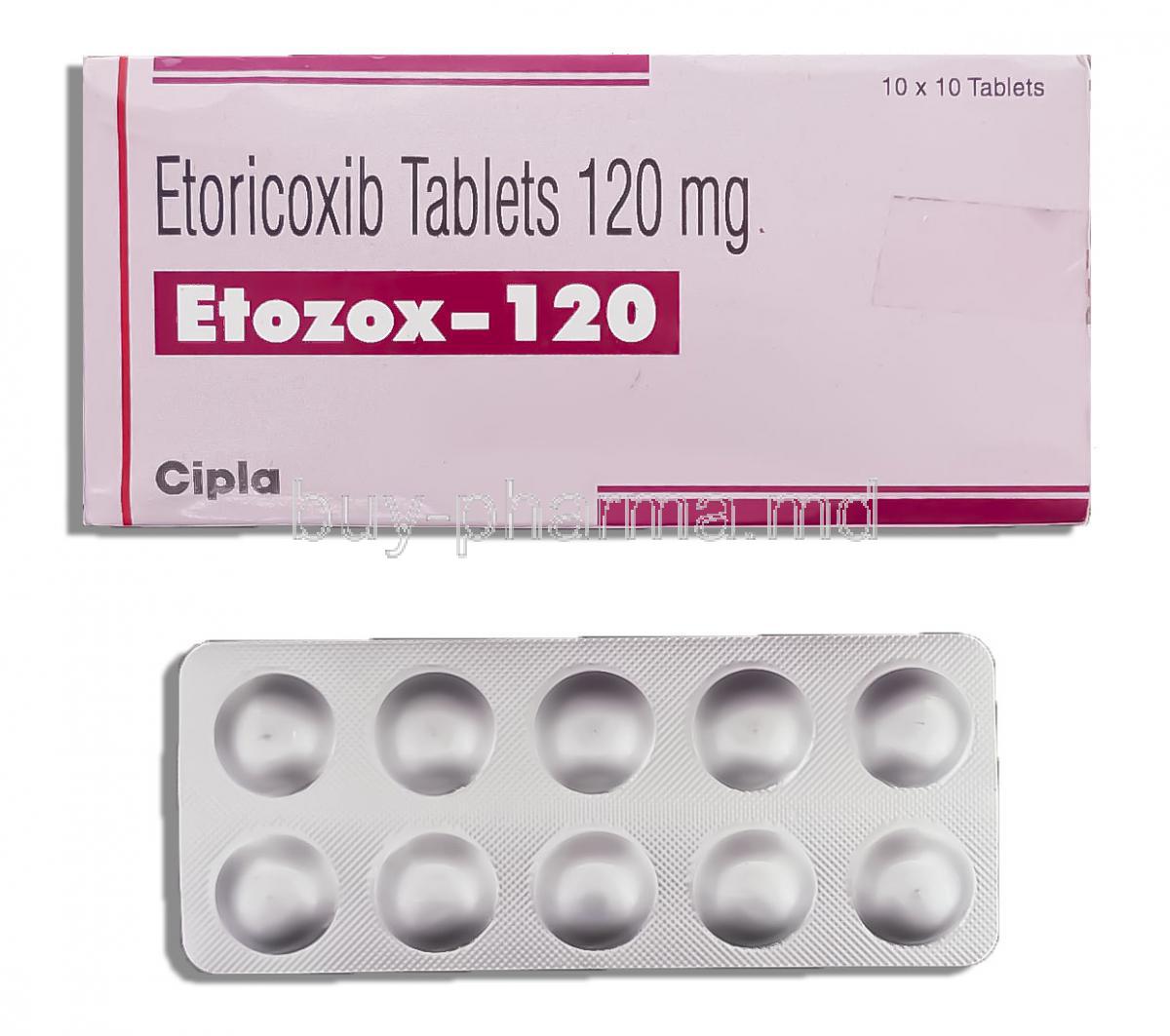
Etozox tablets are film-coated, often round or oval, and color-coded based on strength. Packaging may vary between blister strips and bottles, ensuring safe storage and preservation of potency.
3. Mechanism of Action: How Etozox Works
3.1 Selective Inhibition of COX-2 Enzyme
Etoricoxib acts by selectively blocking the COX-2 enzyme, which plays a central role in producing prostaglandins involved in pain and inflammation.
3.2 Reduction of Prostaglandin Synthesis and Inflammation
By reducing prostaglandin synthesis, the drug diminishes:
- Tissue inflammation
- Pain sensitivity
- Swelling in affected joints and muscles
3.3 Analgesic, Anti-Inflammatory, and Antipyretic Effects
Etozox provides broad-spectrum relief by:
- Alleviating pain of varying intensities
- Suppressing inflammatory responses
- Lowering elevated body temperature associated with disease states
3.4 Advantages of COX-2 Selectivity (Reduced Gastric Irritation)
The most significant advantage of COX-2–specific inhibition is the decreased likelihood of gastric ulcers and dyspepsia. Patients intolerant to traditional NSAIDs often find Etoricoxib more suitable.
3.5 Limitations and Safety Considerations
Despite its benefits, COX-2 inhibitors have their limits. Cardiovascular safety must be considered, particularly in individuals with preexisting heart conditions. Long-term use requires careful monitoring.
4. Approved Medical Uses
4.1 Treatment of Osteoarthritis
Etoricoxib helps reduce stiffness, swelling, and pain in osteoarthritis, improving daily mobility and comfort.
4.2 Management of Rheumatoid Arthritis
The drug offers sustained anti-inflammatory benefits to help control the chronic pain associated with rheumatoid arthritis.
4.3 Ankylosing Spondylitis Symptom Relief
Etozox alleviates spinal inflammation and morning stiffness, enhancing functional capacity for individuals with ankylosing spondylitis.
4.4 Acute Gouty Arthritis Pain Management
At higher doses, Etoricoxib provides rapid relief from acute gout flares, reducing joint inflammation and debilitating pain.
4.5 Management of Chronic Musculoskeletal Pain
Conditions such as chronic back strain or persistent soft-tissue discomfort may benefit from Etoricoxib’s daily anti-inflammatory effect.
4.6 Relief of Acute Pain, Including Postoperative Pain
Short-term use can help manage acute postoperative discomfort or injury-related pain without the gastrointestinal burden of traditional NSAIDs.
5. Off-Label Uses
5.1 Chronic Low Back Pain and Sciatica
Etozox is sometimes used in persistent lumbar pain and nerve-related discomfort, including sciatica.
5.2 Dysmenorrhea (Menstrual Pain)
Its potent analgesic action can reduce menstrual cramps and pelvic pain.
5.3 Dental Pain and Post-Dental Procedure Pain
Etoricoxib may help stabilize pain after tooth extractions or root canal treatments.
5.4 Post-Traumatic Pain and Soft-Tissue Injuries
Sprains, strains, and sports-related injuries may respond well to its targeted anti-inflammatory effects.
5.5 Alternative Regimen in Patients Intolerant to Traditional NSAIDs
Its gastric-sparing advantage makes it a feasible substitute for those unable to tolerate ibuprofen or naproxen.
6. Dosage and Administration
6.1 Standard Dosing Guidelines for Each Approved Indication
- Osteoarthritis: 60 mg once daily
- Rheumatoid arthritis: 90 mg once daily
- Ankylosing spondylitis: 90 mg once daily
- Acute gout: 120 mg once daily (short duration)
6.2 Maximum Daily Dose Limit
120 mg per day is generally considered the upper limit and should not be exceeded.
6.3 Dosing Adjustments Based on Pain Severity
Dosing may be tailored to individual pain intensity, but the lowest effective dose for the shortest duration is preferred.
6.4 Duration of Therapy and Short-Term Use Recommendations
High-dose therapy should be short-term. Long-term use requires regular assessment.
6.5 Administration Instructions (With or Without Food)
The tablet may be taken with or without meals. However, taking it with food may slightly delay absorption.
6.6 Adjustments in Renal, Hepatic, or Cardiovascular Impairment
Patients with mild organ impairment may require dose adjustments or enhanced monitoring. Severe impairment generally contraindicates use.
7. Common Side Effects
7.1 Gastrointestinal Discomfort
Although milder than traditional NSAIDs, some users may experience stomach discomfort or dyspepsia.
7.2 Headache and Dizziness
These symptoms are typically mild and transient.
7.3 Edema and Fluid Retention
Slight swelling in the extremities can occur due to fluid retention.
7.4 Elevated Blood Pressure
Blood pressure elevations may develop during prolonged therapy.
7.5 Mild Skin Reactions
Rashes or mild irritation may appear in rare cases.
8. Serious Side Effects
8.1 Cardiovascular Risks (Heart Attack, Stroke, Thrombosis)
Selective COX-2 inhibition may elevate cardiovascular risk, especially at higher doses or prolonged use.
8.2 Severe Allergic Reactions
Anaphylaxis, difficulty breathing, and facial swelling require immediate medical attention.
8.3 Liver Toxicity and Elevated Liver Enzymes
Unexplained fatigue, jaundice, or dark urine may indicate hepatic injury.
8.4 Kidney Function Impairment
Reduced urine output and electrolyte imbalances may signal renal complications.
8.5 Serious Skin Reactions (Stevens-Johnson Syndrome, Toxic Epidermal Necrolysis)
These are extremely rare but life-threatening dermatologic conditions requiring urgent care.
9. Drug Interactions
9.1 Interaction with Antihypertensive Medications
Etoricoxib may diminish the effect of ACE inhibitors, ARBs, and beta-blockers.
9.2 Risk with Anticoagulants and Antiplatelet Drugs
The risk of bleeding may increase when combined with warfarin or similar agents.
9.3 Interaction with Diuretics and ACE Inhibitors
Renal function decline is more likely when these drugs are used together.
9.4 NSAIDs and COX-2 Inhibitors Co-administration Risks
Combining NSAIDs increases the chance of side effects without additional benefit.
9.5 Effect on Methotrexate and Cyclosporine Levels
Etoricoxib may alter the clearance of certain immunosuppressive agents, requiring close monitoring.
10. Warnings and Precautions
10.1 Cardiovascular Risk Warning
Patients with a history of heart disease should avoid use unless medically justified.
10.2 Gastrointestinal Bleeding and Ulcer Risk
Although reduced, the risk still exists, particularly in at-risk individuals.
10.3 Renal Function Monitoring Requirements
Periodic renal assessments are recommended for long-term therapy.
10.4 Risk of Edema and Hypertension
Patients with hypertension or fluid balance disorders require careful monitoring.
10.5 Impact on Liver Function
Liver enzymes may rise during therapy. Monitoring is essential in long-term users.
10.6 Avoiding Use in Dehydrated Patients
Dehydration can exacerbate renal risk and should be corrected before use.
10.7 Use in Patients with Chronic Inflammatory Disorders
Such patients may require adjusted dosing or enhanced supervision due to increased risk factors.
11. Contraindications
11.1 Known Hypersensitivity to Etoricoxib or NSAIDs
Etoricoxib must not be used in individuals who have exhibited hypersensitivity reactions to this medication or to other NSAIDs. Reactions may include urticaria, bronchospasm, angioedema, or severe cutaneous eruptions. Even seemingly mild allergic tendencies can escalate quickly, making strict avoidance essential.
11.2 Active Peptic Ulcer or GI Bleeding
Patients with ongoing gastric or duodenal ulcers, or those experiencing gastrointestinal bleeding, should not use Etoricoxib. COX-2 inhibition does not eliminate GI risks completely, and active lesions may worsen rapidly.
11.3 Severe Hepatic Impairment
Marked liver dysfunction significantly alters drug metabolism. When hepatic enzymes are profoundly elevated or synthetic liver function is impaired, Etoricoxib accumulation may intensify toxicity and heighten systemic complications.
11.4 Severe Renal Dysfunction
Severe renal insufficiency diminishes drug clearance and destabilizes electrolyte balance. Etoricoxib may further constrict renal blood flow, leading to acute decompensation.
11.5 Established Heart Disease and Peripheral Arterial Disease
Individuals with ischemic heart disease, cerebrovascular disease, or peripheral arterial disease should avoid Etoricoxib. COX-2 inhibitors may shift hemostatic balance, increasing thrombotic risk.
11.6 Uncontrolled Hypertension
In uncontrolled hypertension, Etoricoxib may exacerbate blood pressure elevations. This increase, although sometimes subtle, can contribute to long-term cardiovascular strain.
11.7 Pregnancy (Especially Third Trimester)
Use during the third trimester poses risks such as premature closure of the fetal ductus arteriosus and impaired renal development. For this reason, Etoricoxib is contraindicated late in pregnancy and discouraged throughout gestation unless no safer alternative is available.
12. Careful Administration Requirements
12.1 Patients with Controlled Hypertension
Although controlled hypertension is not an outright contraindication, blood pressure may fluctuate. Regular monitoring helps ensure continued cardiovascular stability.
12.2 Patients with Mild to Moderate Liver Impairment
Patients with mild or moderate hepatic impairment may require dose adjustments. Even slight declines in liver function can influence Etoricoxib metabolism.
12.3 Patients with Mild Renal Insufficiency
Renal-compromised individuals may still use Etoricoxib cautiously. Monitoring serum creatinine and urine output becomes essential, particularly during prolonged therapy.
12.4 Patients with a History of GI Disease
People with previous ulcers, gastric erosions, or chronic gastritis require additional caution. Protective strategies may include:
- Co-prescription of gastroprotective agents
- Shortened treatment duration
- Use of the lowest effective dose
12.5 Use in Smokers and Patients with Cardiovascular Risk Factors
Smoking, dyslipidemia, diabetes, and obesity all amplify cardiovascular risk. Combining these factors with COX-2 inhibitor use necessitates vigilant monitoring.
12.6 Monitoring in Long-Term Therapy
Long-term therapy should involve periodic assessments of liver function, renal markers, blood pressure, and cardiovascular status. Subtle changes can indicate early toxicity.
13. Important Precautions
13.1 Avoid Concomitant Use with Other NSAIDs
Concurrent NSAID usage increases the likelihood of gastrointestinal ulcers, renal impairment, and cardiovascular complications without improving therapeutic benefit.
13.2 Avoid Alcohol Consumption to Reduce GI Risk
Alcohol exacerbates gastric irritation. Combining alcohol with Etoricoxib can heighten GI bleeding risk even in individuals without prior digestive issues.
13.3 Monitoring Blood Pressure Regularly
Blood pressure may rise subtly or abruptly. Routine monitoring—especially during dose escalation—helps detect hypertensive responses early.
13.4 Avoid Use Before Major Surgery
COX-2 inhibitors may affect hemostasis and renal perfusion. Discontinuing Etoricoxib prior to significant surgical procedures reduces perioperative complications.
13.5 Recognizing Symptoms of GI or Cardiovascular Complications
Early detection of adverse reactions is crucial. Warning signs include:
- Black, tarry stools
- Unexplained chest pain
- Sudden shortness of breath
- Swelling of extremities
14. Administration in Special Populations
14.1 Elderly Patients
14.1.1 Increased Sensitivity to Cardiovascular Effects
Elderly individuals often possess diminished cardiovascular reserve and may be more susceptible to adverse effects such as edema, hypertension, and thrombotic events.
14.1.2 Dose Adjustments and Monitoring
Starting with lower doses and gradually titrating upward helps mitigate risk. Continuous monitoring of renal status, liver enzymes, and circulatory function is encouraged.
14.2 Pregnant Women
14.2.1 Potential Fetal Risks

Etozox, Etoricoxib FAQ
- What is etozox used for?
- What are the side effects of Etozox 60 mg?
- How long does etozox last?
- What should I tell my doctor before taking etozox 90?
- Is etozox 60 safe for long-term use?
- What drugs interact with etozox?
- What is the drug etozox used for?
- How quickly does Etozox 90 work?
- What are the side effects of Etozox 60 mg Tablet?
- Is etozox 60 safe for elderly people?
- Can etozox 60 cause drowsiness?
- Is etozox safe?
- How does etozox 60 work in the body?
- What is the use of Etozox 60 Tablet?
- What is Etoricoxib used for?
- Is Etoricoxib a strong pain killer?
- When is the best time to take Etoricoxib?
- Can Etoricoxib damage kidneys?
- Does Etoricoxib make you sleepy?
- Is Etoricoxib a muscle relaxant?
- Can Etoricoxib cause stroke?
- Is Etoricoxib 90 mg a steroid?
- Which is stronger, celecoxib or etoricoxib?
- Is etoricoxib bad for your heart?
- What are the side effects of Etoricoxib?
- Do you gain weight with Etoricoxib?
- How bad is Etoricoxib?
What is etozox used for?
Etozox 90 Tablet is a pain-relieving medicine. It is used to relieve moderate pain and joint swelling associated with various forms of gout and arthritis. It effectively alleviates pain, redness, and swelling.
What are the side effects of Etozox 60 mg?
- Stomach pain
- Dry socket
- Swelling of the legs
- Dizziness
- Headache
- Palpitations
- Increased blood pressure
- Shortness of breath
- Constipation
- Flatulence
- Heartburn
How long does etozox last?
The pain-relieving effect of Etoricoxib lasts for at least a day with a single tablet.
What should I tell my doctor before taking etozox 90?
- Complete medical history, including any heart, kidney, liver, or stomach issues
Is etozox 60 safe for long-term use?
No
What drugs interact with etozox?
- Anticoagulants: Such as warfarin, which may increase the risk of bleeding.
- Diuretics: May reduce the effectiveness of certain diuretics.
- Other NSAIDs: Increased risk of gastrointestinal side effects.
What is the drug etozox used for?
It is used to treat pain, swelling, and inflammation in osteoarthritis, rheumatoid arthritis, ankylosing spondylitis, and gout in people older than 16 years of age. It is also used to treat moderate pain after dental surgery.
How quickly does Etozox 90 work?
1-2 days
What are the side effects of Etozox 60 mg Tablet?
- Nausea or vomiting
- Swelling of the face, lips, eyelids, tongue, hands, and feet.
- Yellowing of skin and eyes
- Diarrhea
- Increased blood pressure
- Swelling of feet and lower legs
- Drowsiness.
Is etozox 60 safe for elderly people?
Yes
Can etozox 60 cause drowsiness?
Yes
Is etozox safe?
Yes
How does etozox 60 work in the body?
It works by blocking the release of certain chemicals (prostaglandins) that cause pain, swelling, and inflammation, thereby reducing pain and inflammation associated with inflammatory conditions.
What is the use of Etozox 60 Tablet?
Etozox 60mg Tablet is a pain-relieving medicine. It is used to relieve moderate pain and joint swelling associated with various forms of gout and arthritis. It is also used for short-term treatment of mild pain after dental surgery.
What is Etoricoxib used for?
Etoricoxib is a nonsteroidal anti-inflammatory drug (NSAID) used to relieve pain and inflammation associated with conditions such as osteoarthritis, rheumatoid arthritis, ankylosing spondylitis, and acute gouty arthritis.
Is Etoricoxib a strong pain killer?
Etoricoxib given at a dose of 120 mg is as effective or even better than other analgesics that are commonly used.
When is the best time to take Etoricoxib?
Before or after meal
Can Etoricoxib damage kidneys?
Yes
Does Etoricoxib make you sleepy?
Yes
Is Etoricoxib a muscle relaxant?
No
Can Etoricoxib cause stroke?
Yes
Is Etoricoxib 90 mg a steroid?
No
Which is stronger, celecoxib or etoricoxib?
Etoricoxib is generally considered stronger than celecoxib
Is etoricoxib bad for your heart?
It is associated with an increased risk of coronary and cerebrovascular thrombotic events, heart failure, hypertension, and edema
What are the side effects of Etoricoxib?
Swollen ankles, fluid retention, being aware of your heart beating (palpitations), feeling short of breath, bruising, headache and flu-like symptoms
Do you gain weight with Etoricoxib?
No
How bad is Etoricoxib?
Prolonged use without medical supervision should be avoided as this may increase the risk of heart attacks or stroke, kidney problems and stomach ulcers
Customers also bought


Similar Product