

1. Introduction to Exermet (Metformin XR)
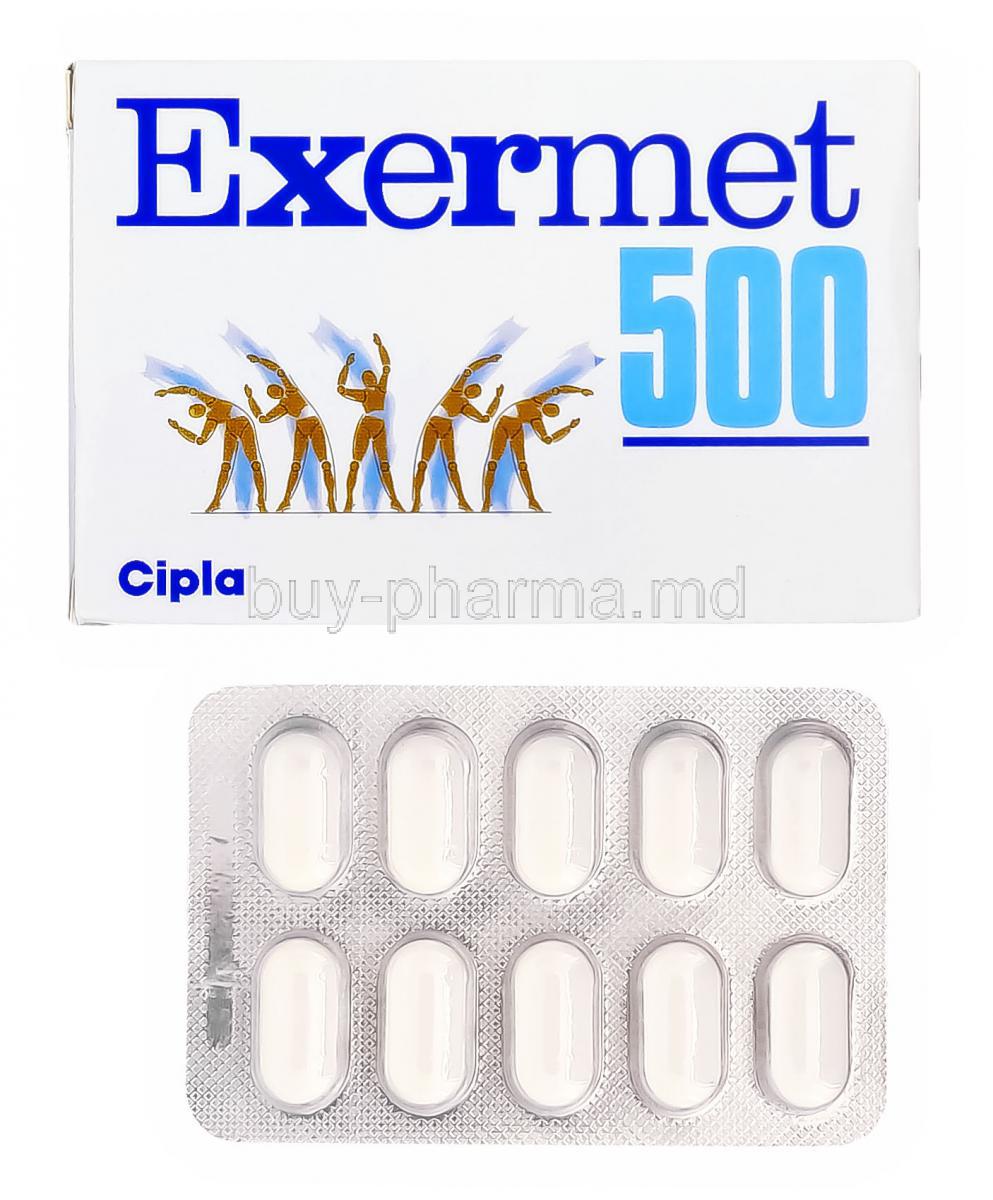
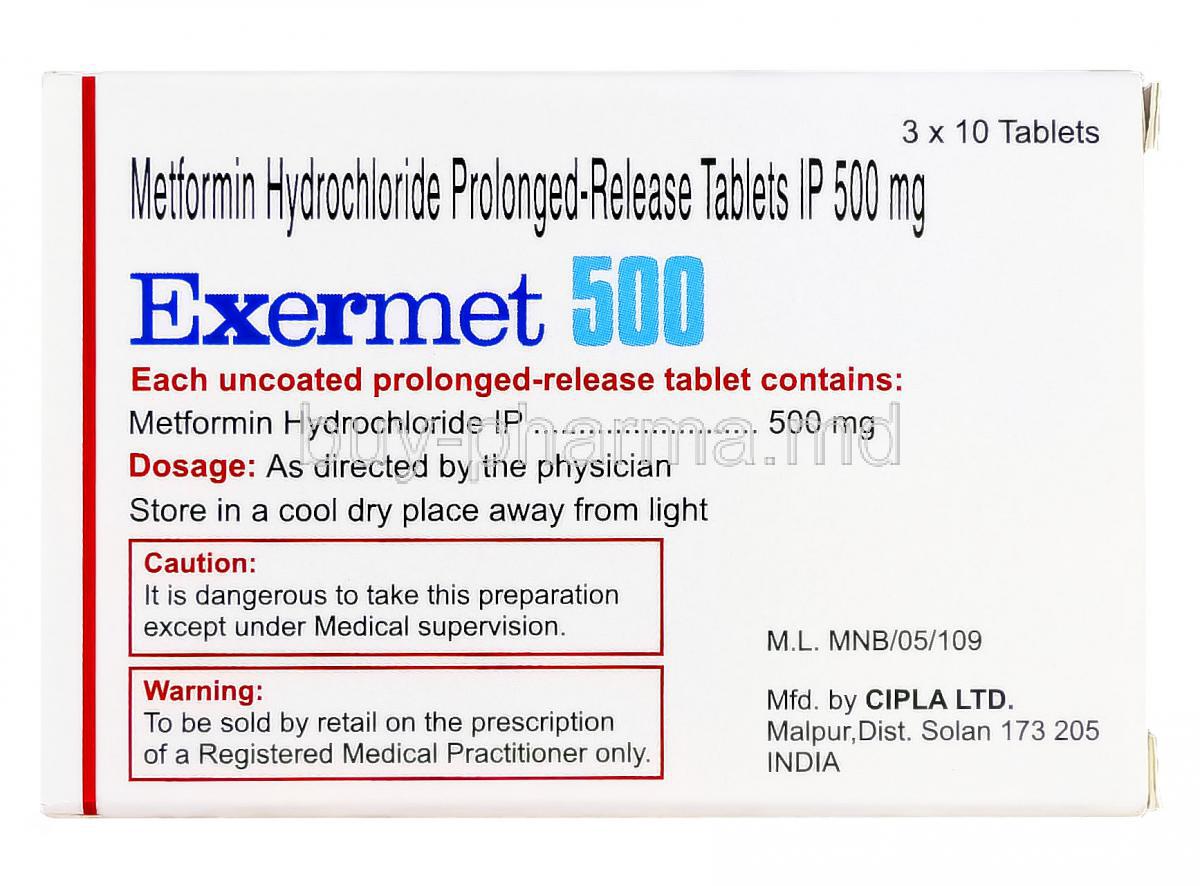
1.1 Overview of Exermet Extended-Release Formulation
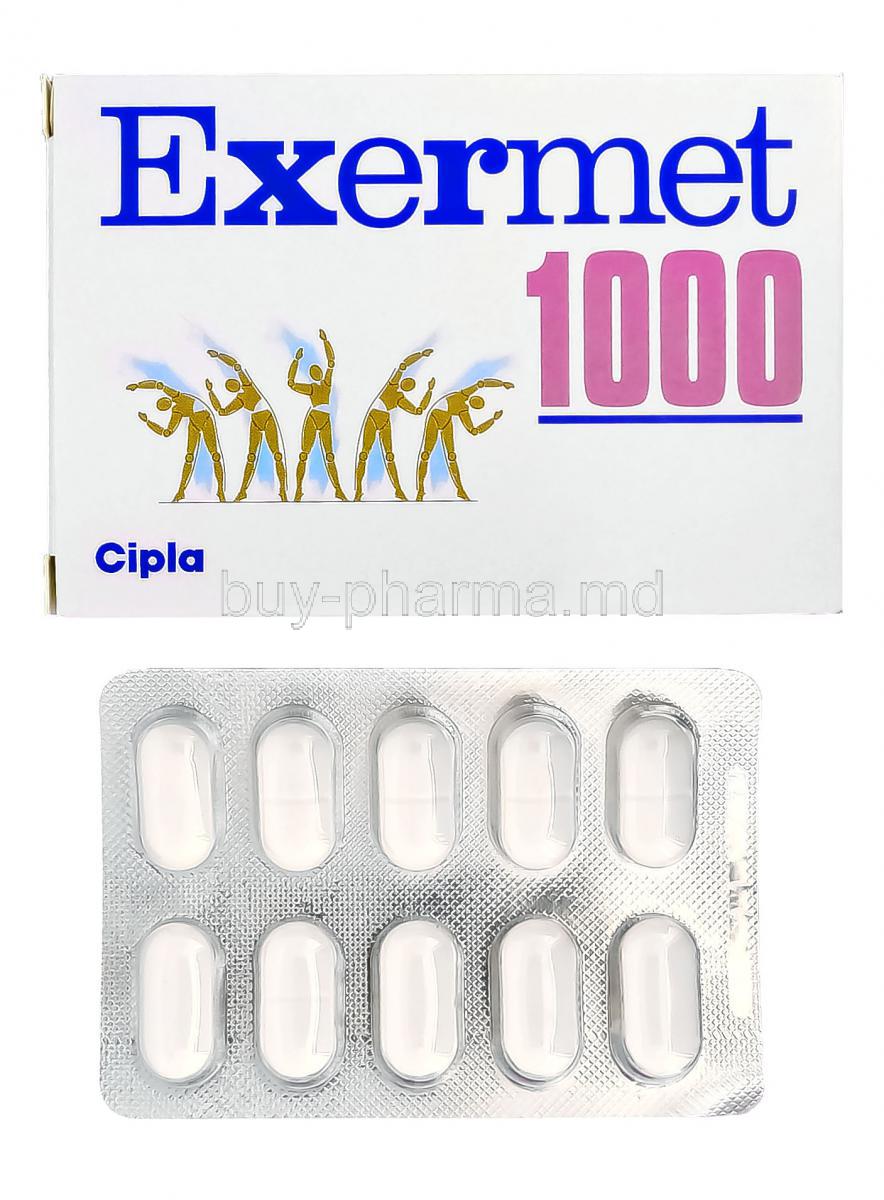
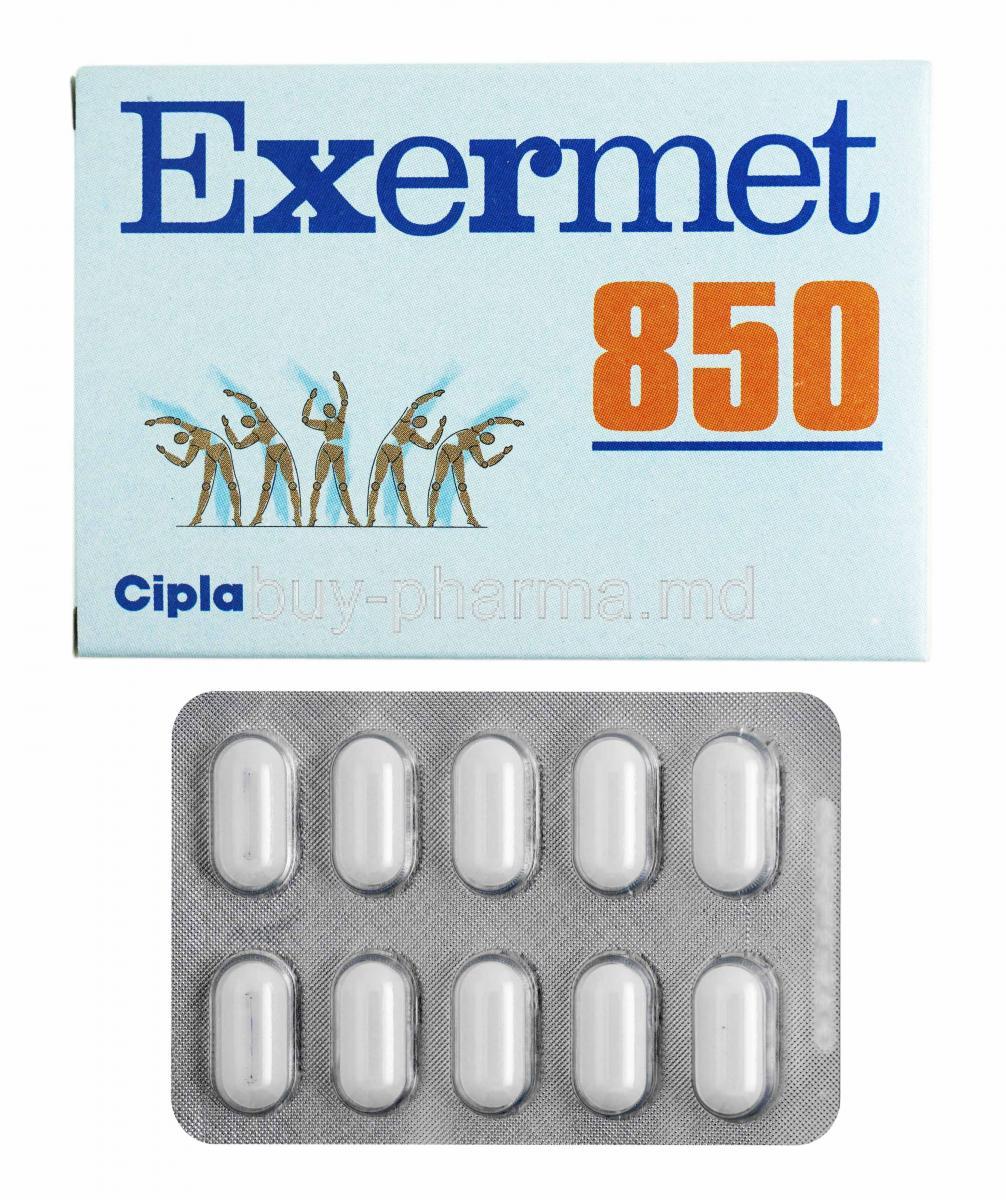
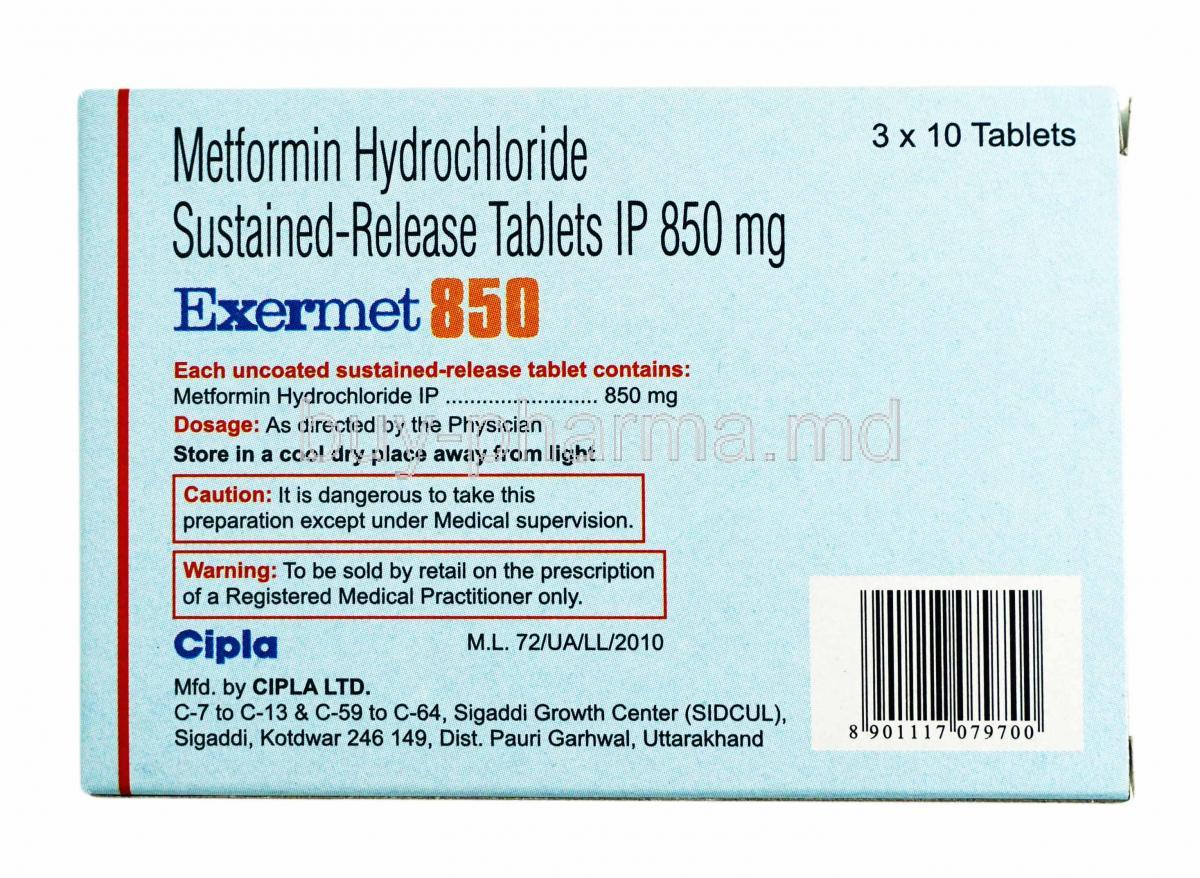
Exermet, a meticulously engineered extended-release formulation of metformin, delivers a steady pharmacological effect over an extended duration. The tablet is designed to minimize sharp fluctuations in plasma concentration while offering dependable glucose-lowering activity throughout the day. This controlled-release profile enhances patient comfort and improves medication adherence.
1.2 Therapeutic Role in Type 2 Diabetes Management
As a frontline therapy for Type 2 diabetes, Exermet assists in rebalancing dysregulated glucose metabolism. The medication acts on several metabolic pathways, helping individuals achieve better glycemic control. Through consistent use, it reduces long-term complications associated with hyperglycemia, such as neuropathy and cardiovascular strain.
1.3 Benefits of XR vs. Immediate-Release Metformin
The extended-release variant offers multiple benefits over traditional immediate-release formulations:
- Smoother glycemic modulation with fewer gastrointestinal disturbances
- Once-daily dosing for enhanced convenience
- Reduced peak-related side effects
- Improved long-term adherence and metabolic stability
1.4 Global Availability, Brand Names, and Regulatory Status
Exermet is available across numerous regions under various brand names, each adhering to strict national and international regulatory frameworks. It is approved by key health authorities for its safety, efficacy, and predictable therapeutic profile, making it a widely trusted option for diabetics worldwide.
1.5 Importance in Glycemic Control and Metabolic Health
Exermet plays a pivotal role in optimizing glycemic indices and improving metabolic resilience. Its multifaceted actions—spanning glucose reduction, lipid modulation, and insulin sensitization—support long-term metabolic stability and enhance overall quality of life.
2. Composition and Formulation
2.1 Active Ingredient: Metformin Hydrochloride Extended-Release
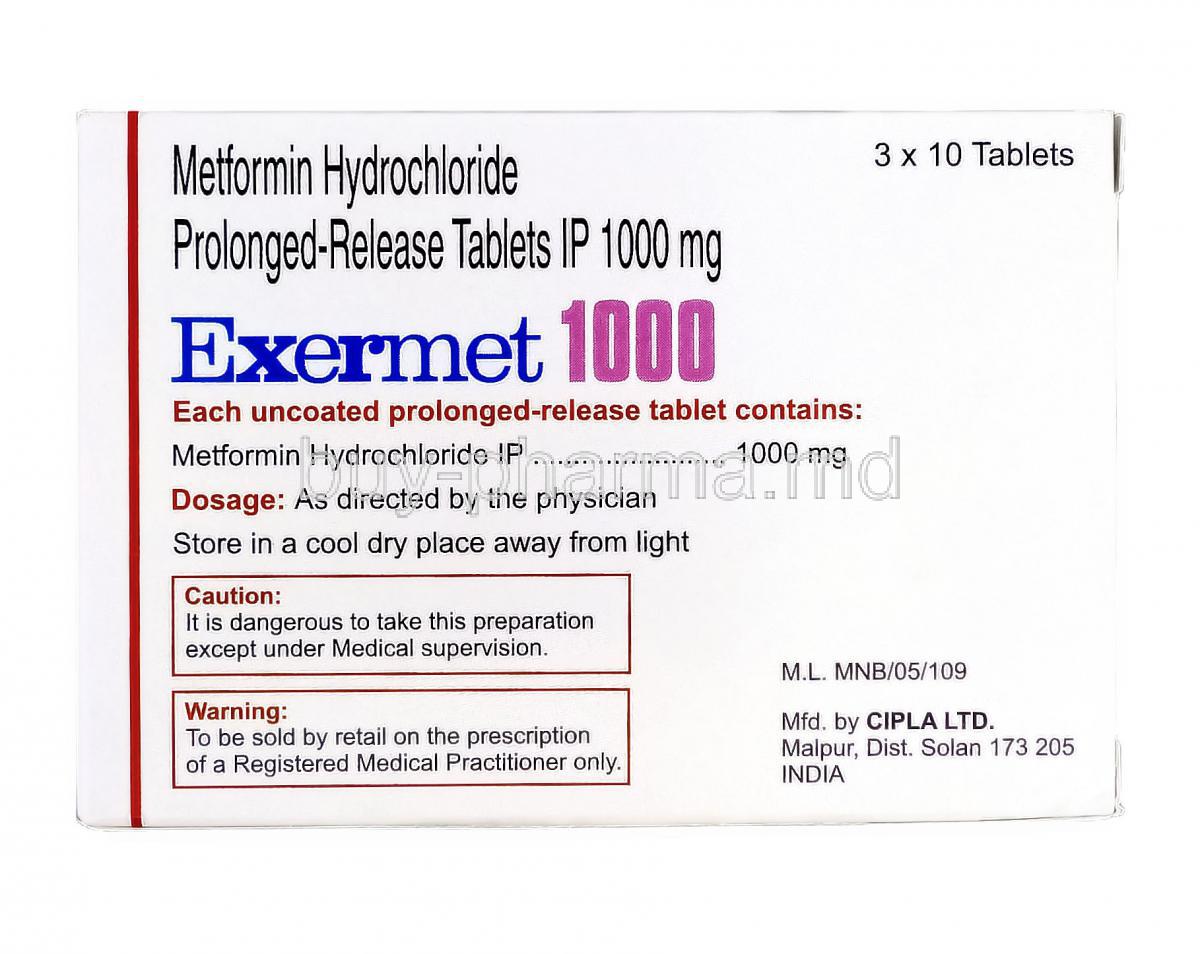
The primary active component is metformin hydrochloride in an extended-release matrix. This formulation slows the dissolution rate, ensuring prolonged therapeutic coverage.
2.2 Available Dosage Strengths and Tablet Characteristics
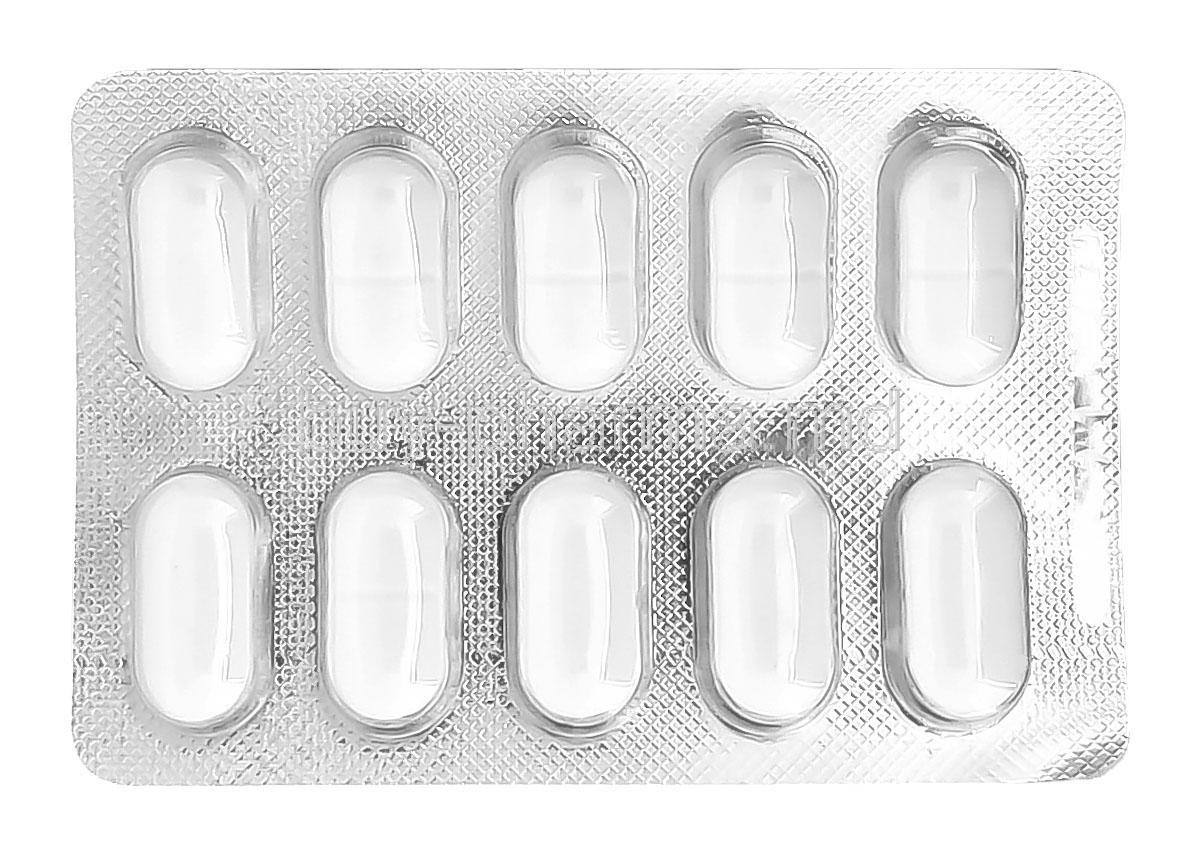
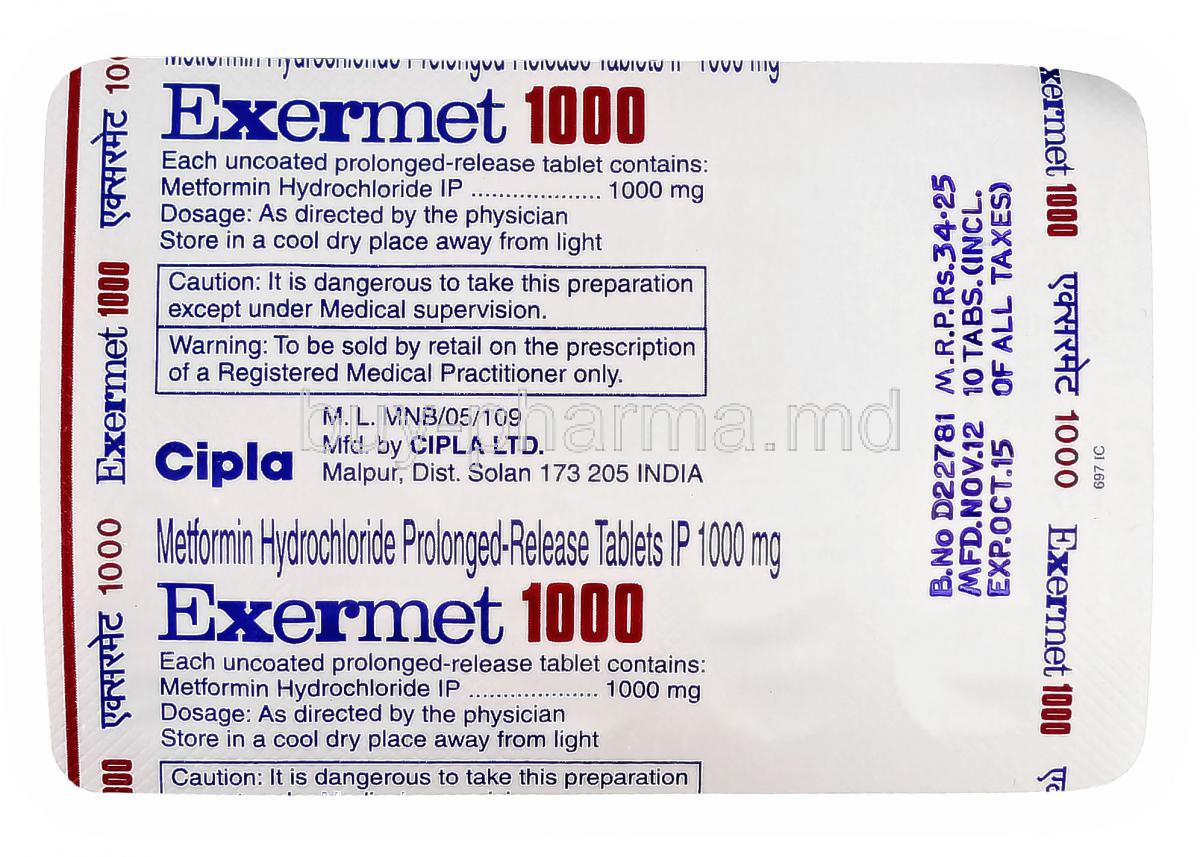
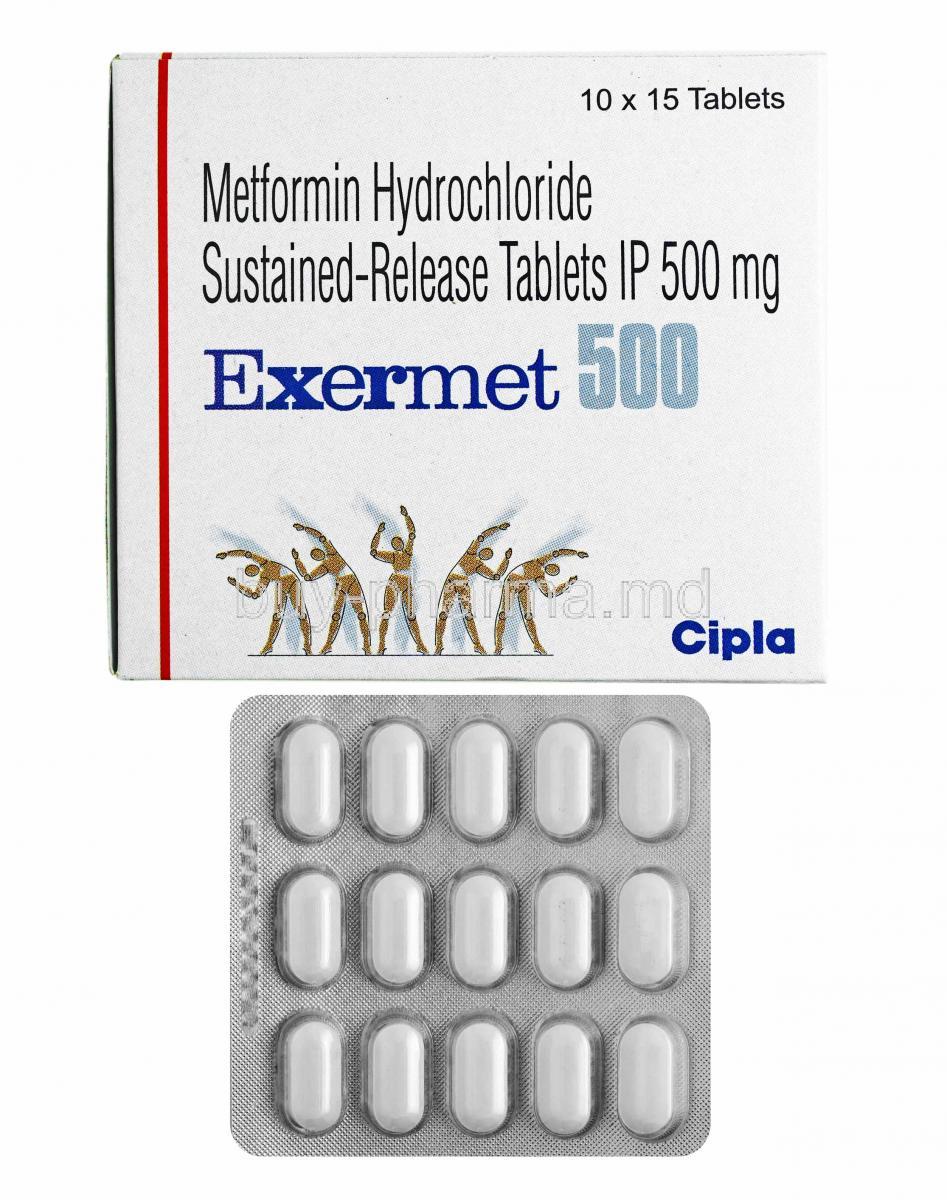
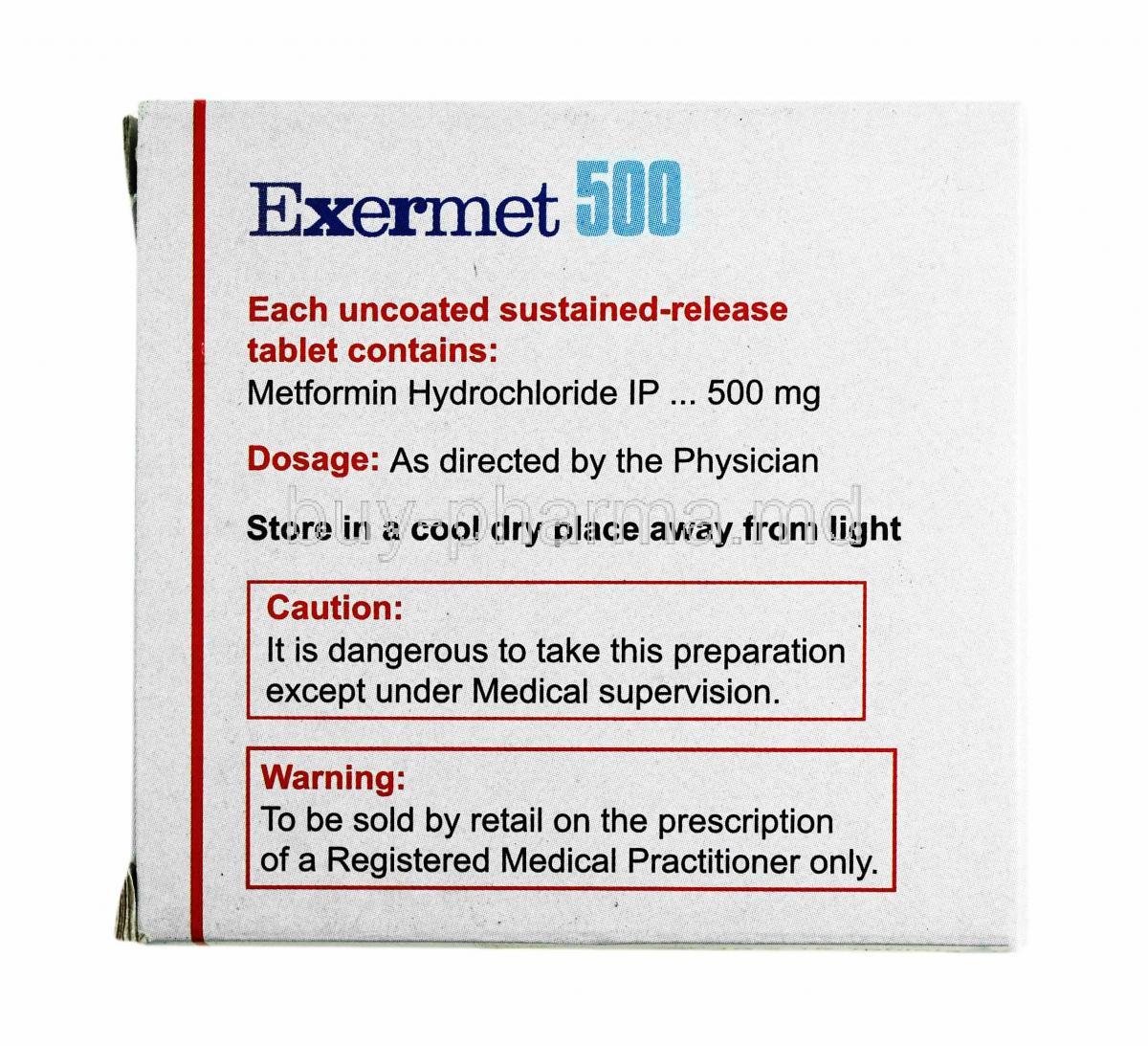
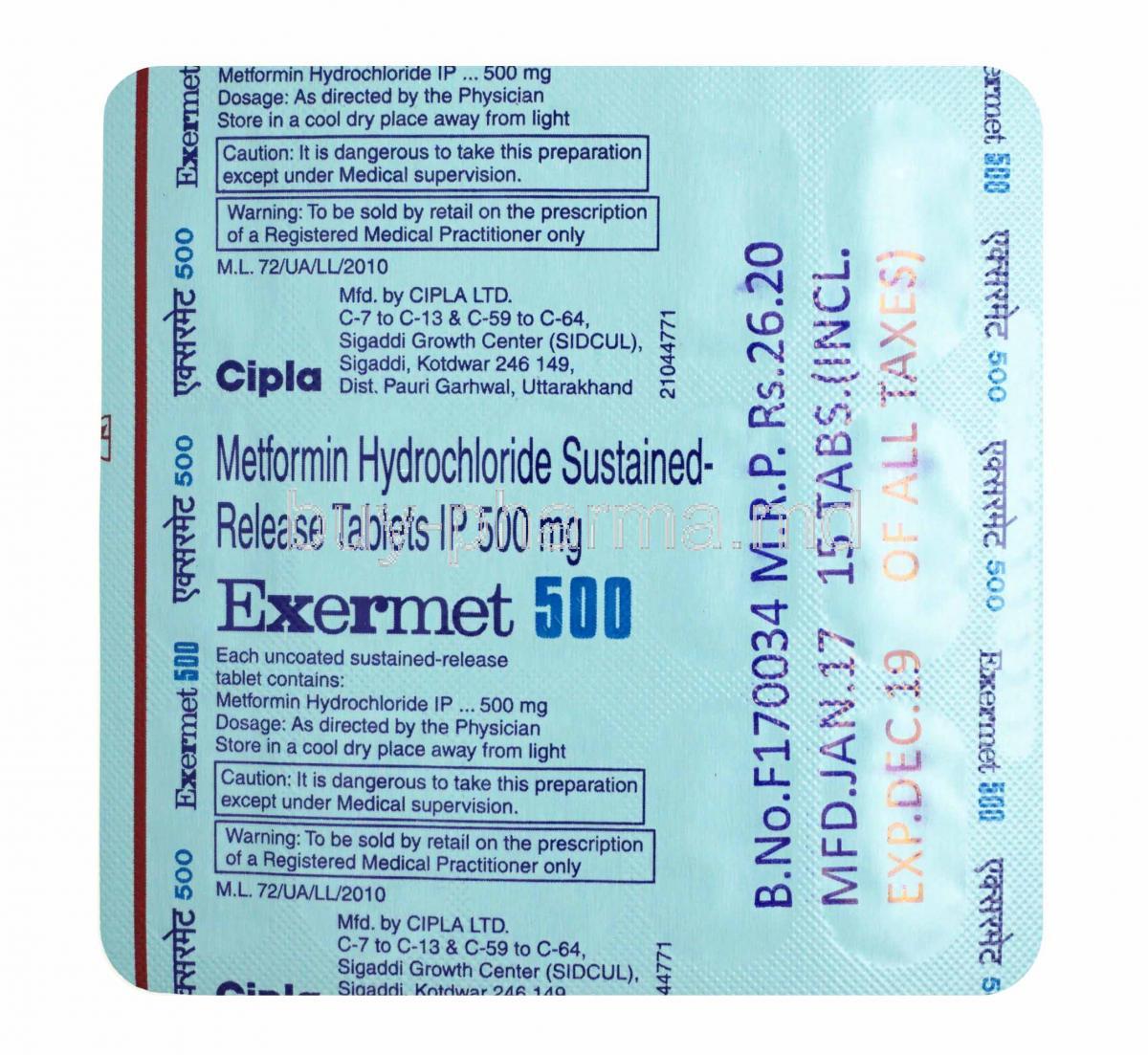
Exermet is commonly available in strengths such as 500 mg, 750 mg, and 1000 mg. Each tablet features a robust polymer matrix designed to withstand digestive transit while gradually releasing the active ingredient.
2.3 Inactive Ingredients and Their Functional Roles
Excipients include polymers, binders, dispersing agents, and protective coatings. These components regulate the release rate, enhance tablet stability, and ensure consistent pharmacokinetics across different populations.
2.4 Pharmacokinetic Profile of XR Tablets
The extended-release structure produces a prolonged absorption phase. Peak plasma levels are typically lower yet more sustained, decreasing adverse effects while preserving efficacy.
2.5 Release Mechanism and Absorption Dynamics
Exermet employs a hydrophilic matrix that slowly hydrates in the gastrointestinal tract. This mechanism prolongs the drug’s release, offering smoother glucose control over a full 24-hour cycle.
3. Uses of Exermet (Metformin XR)
3.1 Primary Use: Type 2 Diabetes Mellitus Control
The primary indication of Exermet is managing Type 2 diabetes by lowering elevated blood glucose levels and improving peripheral insulin sensitivity.
3.2 Prevention of Diabetes in Prediabetes (Impaired Glucose Tolerance)
In individuals with impaired glucose tolerance, Exermet may delay or prevent progression to full Type 2 diabetes, especially when combined with lifestyle modification.
3.3 Use in Patients with Metabolic Syndrome
Exermet addresses core components of metabolic syndrome, including insulin resistance, dyslipidemia, and central adiposity.
3.4 Weight Management and Insulin Resistance Reduction
While not a weight-loss drug, its ability to enhance insulin sensitivity often contributes to modest reductions in body weight and improved metabolic flexibility.
3.5 Cardioprotective Effects in Diabetic Patients
Research indicates beneficial effects on cardiovascular risk markers, including reduced LDL levels, improved endothelial function, and diminished oxidative stress.
4. Off-Label Uses of Metformin XR
4.1 Polycystic Ovary Syndrome (PCOS) and Fertility Support
Metformin is widely used off-label for PCOS to improve ovulatory regularity, reproductive function, and androgen-related symptoms.
4.2 Management of Insulin Resistance in Non-Diabetic Patients
Individuals with insulin dysregulation but no diabetes may benefit from improved metabolic control when using metformin under medical supervision.
4.3 Anti-aging and Longevity Research Insights
Emerging data suggest metabolic modulation may influence aging pathways. Metformin is being explored for its potential role in longevity research.
4.4 Use in Obesity Treatment Protocols
Exermet can complement weight-management regimens, especially when insulin resistance or metabolic dysfunction contributes to weight gain.
4.5 Off-Label Use in NAFLD (Non-Alcoholic Fatty Liver Disease)
Some clinicians prescribe metformin XR to support liver health by reducing hepatic fat accumulation and improving metabolic indices.
4.6 Role in Cancer Risk Reduction Research
Preliminary studies have examined metformin’s influence on cellular proliferation and metabolic signaling pathways involved in certain cancers.
5. How Exermet (Metformin XR) Works
5.1 Mechanism of Reducing Hepatic Glucose Production
Metformin primarily suppresses gluconeogenesis in the liver, reducing the excessive glucose output characteristic of Type 2 diabetes.
5.2 Enhancing Insulin Sensitivity in Peripheral Tissues
It increases insulin receptor responsiveness in muscles and adipose tissues, enabling more efficient glucose uptake.
5.3 Slowing Intestinal Glucose Absorption
Exermet gently modulates intestinal glucose absorption, preventing rapid postprandial spikes.
5.4 Impact on Gut Microbiome and Metabolic Pathways
Recent studies highlight a subtle but meaningful influence on gut microbiota composition, enhancing metabolic homeostasis.
5.5 Effects on Lipid Metabolism and Weight Regulation
Metformin contributes to improvements in lipid profiles and may provide auxiliary support in weight regulation for certain individuals.
6. Dosage and Administration
6.1 Standard Adult Dosage Guidelines for Type 2 Diabetes
The typical starting dose is 500–750 mg once daily, gradually increased to achieve desired glycemic targets.
6.2 Titration Protocols to Improve Tolerability
Incremental dose adjustments help mitigate gastrointestinal discomfort and optimize long-term adherence.
6.3 Maximum Daily Dose and Divided Dose Scheduling
The maximum recommended daily dosage typically reaches 2000 mg, depending on clinical judgment and patient tolerance.
6.4 Administration Instructions: With Meals vs. Bedtime
It is commonly administered with the evening meal to reduce gastrointestinal upset and promote stable overnight glucose control.
6.5 Adjustments Based on Renal Function
Renal function dictates dosing frequency and suitability. Patients with reduced eGFR require adjusted regimens or alternative therapies.
6.6 Switching from Immediate-Release to Extended-Release Metformin
Transitioning is straightforward and often improves tolerability, particularly in those experiencing gastrointestinal side effects.
6.7 Missed Dose Protocols and Safety Considerations
If a dose is missed, patients should take it as soon as remembered unless it is near the next scheduled dose. Doubling doses is discouraged.
7. Side Effects of Exermet
7.1 Overview of Adverse Effects
Most effects are mild and transient, reflecting the drug’s strong safety record. Serious reactions are rare but require immediate attention.
7.2 Gastrointestinal Reactions (diarrhea, nausea)
Common digestive disturbances include nausea, loose stools, or mild abdominal discomfort, especially early in therapy.
7.3 Metabolic Effects (lactic acidosis risk)
Although extremely rare, lactic acidosis is a serious condition requiring prompt medical intervention.
7.4 Dermatological Reactions
Occasional skin rash or flushing may occur, typically resolving without long-term issues.
7.5 Vitamin B12 Deficiency and Long-Term Use
Long-term therapy may gradually reduce vitamin B12 absorption, warranting periodic monitoring.
7.6 Rare but Serious Adverse Events
Severe allergic reactions, pronounced metabolic imbalance, or unexpected intolerance should trigger immediate evaluation.
8. Common Side Effects
8.1 Mild Gastrointestinal Disturbances
Patients often experience transient digestive symptoms as the body adapts to the medication.
8.2 Abdominal Discomfort and Bloating
Gas buildup or subtle abdominal tightness may occur and typically subsides with continued use.
8.3 Metallic Taste Sensation
A faint metallic or altered taste perception is sometimes reported but is usually short-lived.
8.4 Appetite Changes
Some patients notice reduced appetite, which can support weight-management efforts.
8.5 Mild Headache or Fatigue
Occasional mild headaches or transient fatigue may appear during treatment initiation.
9. Important Precautions
9.1 Monitoring Renal and Hepatic Function
Regular assessment of organ function ensures safe long-term use, especially in individuals with pre-existing conditions.
9.2 Risk of Lactic Acidosis and Prevention Strategies
Avoiding dehydration, excessive alcohol intake, and contraindicated drug combinations minimizes this risk.
9.3 Alcohol Consumption Precautions
Alcohol may potentiate metabolic acidosis and should be limited while taking Exermet.
9.4 Use During Surgical or Radiologic Procedures
Temporary discontinuation may be necessary before procedures involving iodinated contrast.
9.5 Importance of Regular Blood Glucose Monitoring
Consistent tracking helps assess treatment efficacy and reduce the risk of glycemic fluctuations.
9.6 When to Discontinue and Seek Medical Care
Severe abdominal pain, unexpected lethargy, or breathing abnormalities warrant prompt cessation and medical review.
10. Contraindications
10.1 Severe Renal Impairment (eGFR Thresholds)
Patients with significantly reduced renal filtration capacity should avoid metformin due to elevated risk of drug accumulation.
10.2 Metabolic Acidosis, Including Diabetic Ketoacidosis
Conditions involving significant metabolic derangement contraindicate metformin usage.
10.3 Hypersensitivity to Metformin
Individuals with known intolerance or allergic responses to metformin should not take the medication.
10.4 Unstable Cardiovascular Conditions
Severe heart failure or unstable circulatory conditions may increase the risk of adverse metabolic consequences.
10.5 Severe Hepatic Impairment
Liver dysfunction can impair lactate clearance, heightening the risk of lactic acidosis.
11. Careful Administration
11.1 Patients With Mild to Moderate Renal Impairment
Individuals with reduced renal filtration require meticulous dosing oversight. The kidneys play a central role in metformin clearance, and diminished function can lead to gradual accumulation. A cautious approach—beginning with the lowest effective dose and monitoring renal markers such as eGFR—is essential.
- Routine assessment of serum creatinine is recommended.
- Dose intervals may need widening depending on renal status.
- Any abrupt decline in kidney function warrants immediate reassessment.
11.2 Patients With Liver Dysfunction
Hepatic impairment can hinder lactate metabolism, increasing susceptibility to metabolic acidosis. Patients with chronic liver disease should be managed conservatively, with regular monitoring of hepatic enzymes.
Severe liver dysfunction often necessitates avoidance of metformin due to compromised metabolic clearance.
11.3 Heart Failure and Cardiovascular Concerns
Heart failure, especially when unstable or associated with hypoperfusion, can heighten the risk of lactic accumulation. Stabilizing cardiovascular status is imperative before initiating therapy. Patients should be monitored for shortness of breath, fluid retention, or declining exercise tolerance.
11.4 Elderly Patients With Reduced Organ Function
Aging is associated with a progressive decline in renal, hepatic, and cardiovascular performance. In elderly patients, slow titration, lower maintenance doses, and frequent laboratory monitoring help minimize adverse outcomes.
Even minor physiological stresses may precipitate metabolic imbalance in this population.
11.5 Patients With Gastrointestinal Sensitivities
Because metformin may irritate the gastrointestinal tract, patients prone to dyspepsia, bloating, or chronic gastrointestinal disorders require careful assessment. Extended-release formulations may improve tolerability.
- Administer with meals to reduce gastric discomfort.
- Consider dose spacing to mitigate digestive symptoms.
11.6 Patients With Vitamin B12 Deficiency or Malabsorption
Long-term treatment may impair B12 absorption, particularly in individuals already predisposed to deficiencies. Routine measurement of B12 levels and supplementation when necessary help prevent complications such as neuropathy or cognitive decline.
12. Drug Interactions
12.1 Interactions With Antidiabetic Agents
Concurrent use with sulfonylureas, insulin, or other glucose-lowering agents may intensify hypoglycemic effects. Glucose monitoring should be increased to avoid unintended lows.
12.2 Drugs That Affect Renal Function (NSAIDs, Diuretics)
NSAIDs, ACE inhibitors, and certain diuretics can impair renal perfusion. When combined with metformin, this may elevate drug retention and metabolic risks. Patients should be monitored closely during concurrent therapy.
12.3 Iodinated Contrast Media Interaction
Contrast dyes used in radiologic procedures can precipitate acute kidney injury, heightening metformin accumulation. Temporarily withholding metformin before and after contrast administration is often required.
12.4 Impact of Alcohol and Carbonic Anhydrase Inhibitors
Alcohol potentiates lactate accumulation. Likewise, carbonic anhydrase inhibitors such as acetazolamide can exacerbate acid–base disturbances. Combined use increases the likelihood of metabolic complications.
12.5 Interactions With Steroids and Hormonal Medications
Glucocorticoids, oral contraceptives, and thyroid hormones may elevate blood glucose levels, counteracting the effects of metformin. Dose adjustments or enhanced monitoring may be required.
12.6 Antihypertensives and Cardiovascular Drugs
Beta-blockers and certain antihypertensives may obscure early hypoglycemia symptoms. Clinicians often monitor cardiovascular patients more stringently to ensure safe co-administration.
13. Administration to Specific Populations
13.1 Administration to Elderly Patients
13.1.1 Dose Adjustments and Monitoring Requirements
Elderly patients benefit from conservative initiation and gradual titration. Regular evaluation of renal function, hydration status, and glycemic trends supports safe long-term therapy.
13.1.2 Increased Lactic Acidosis Risk
This demographic carries a heightened vulnerability to lactic acidosis due to diminished organ reserve. Early recognition of symptoms such as unexplained fatigue or respiratory distress is critical.
13.2 Administration to Pregnant Women
13.2.1 Use in Gestational Diabetes
Metformin is sometimes employed as an alternative to insulin in gestational diabetes care. It improves glucose tolerance while avoiding frequent injections, though clinical suitability is determined individually.
13.2.2 Safety Profile and Study Findings
Studies suggest metformin is generally well tolerated during pregnancy, with no significant increase in fetal abnormalities. Long-term offspring outcomes continue to be actively researched.
13.3 Administration to Nursing Mothers
13.3.1 Transfer Into Breast Milk and Infant Considerations
Small quantities of metformin may pass into breast milk, but infant exposure remains minimal. Breastfed infants should be monitored for gastrointestinal or metabolic symptoms as a precaution.
13.4 Administration to Children
13.4.1 Approved Pediatric Use and Age Restrictions
Metformin is approved for pediatric patients with Type 2 diabetes, typically beginning at age 10. Dosing is tailored to body weight, glucose profile, and tolerance.
13.4.2 Tolerability and Safety in Adolescents
Adolescents generally tolerate extended-release formulations well, though gastrointestinal symptoms may occur during early treatment phases.
14. Overdosage
14.1 Symptoms of Metformin Overdose
Signs include profound weakness, gastrointestinal upset, dizziness, and deep rapid breathing. Severe overdose may precipitate metabolic acidosis.
14.2 Lactic Acidosis as the Primary Complication
Lactic acidosis is the most serious consequence of excess metformin exposure. It manifests with hypothermia, hypotension, and respiratory distress.
14.3 Emergency Management and Hospitalization
Immediate hospitalization is required. Supportive interventions may include electrolyte correction, oxygen therapy, and circulatory stabilization.
14.4 Hemodialysis Role in Clearing Metformin
Hemodialysis is highly effective in removing accumulated metformin and correcting acidosis. Early initiation significantly improves prognosis.
14.5 Long-Term Monitoring After Overdose
Following stabilization, periodic evaluation of organ function, metabolic status, and neurological recovery is advised.
15. Storage and Handling Precautions
15.1 Recommended Storage Conditions
Store tablets in a cool, dry environment, ideally between 20°C and 25°C. Avoid exposing the medication to direct sunlight.
15.2 Protecting Tablets From Moisture and Heat
Humidity compromises tablet stability. Keeping medication in an airtight container helps preserve potency.
15.3 Safe Handling to Prevent Tablet Damage
Tablets should remain intact until ingested. Crushing or breaking extended-release tablets interferes with the controlled-release mechanism.
15.4 Keeping Medication Away From Children
Store the product in a secure area to prevent accidental ingestion by children or pets.
15.5 Shelf-Life, Expiry Monitoring, and Disposal Guidelines
Always verify expiration dates before use. Dispose of unused tablets through approved pharmaceutical disposal programs to protect environmental safety.
Exermet, Metformin XR FAQ
Customers also bought

Popular Products
Similar Product