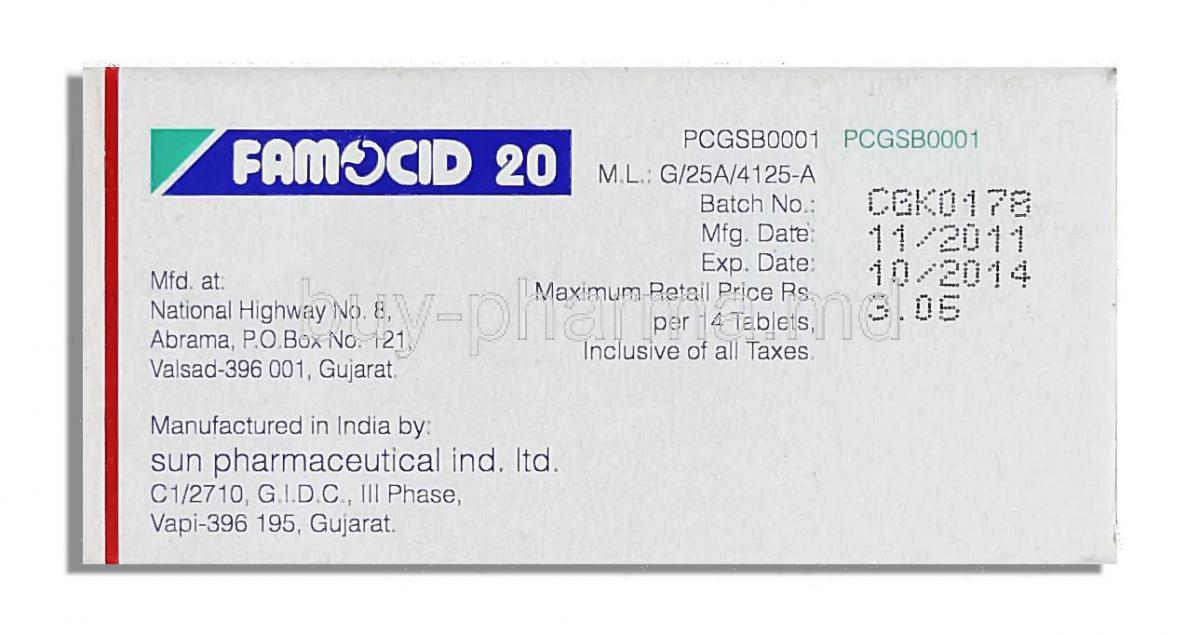
1. Introduction
1.1 Overview of Famocid (Famotidine)
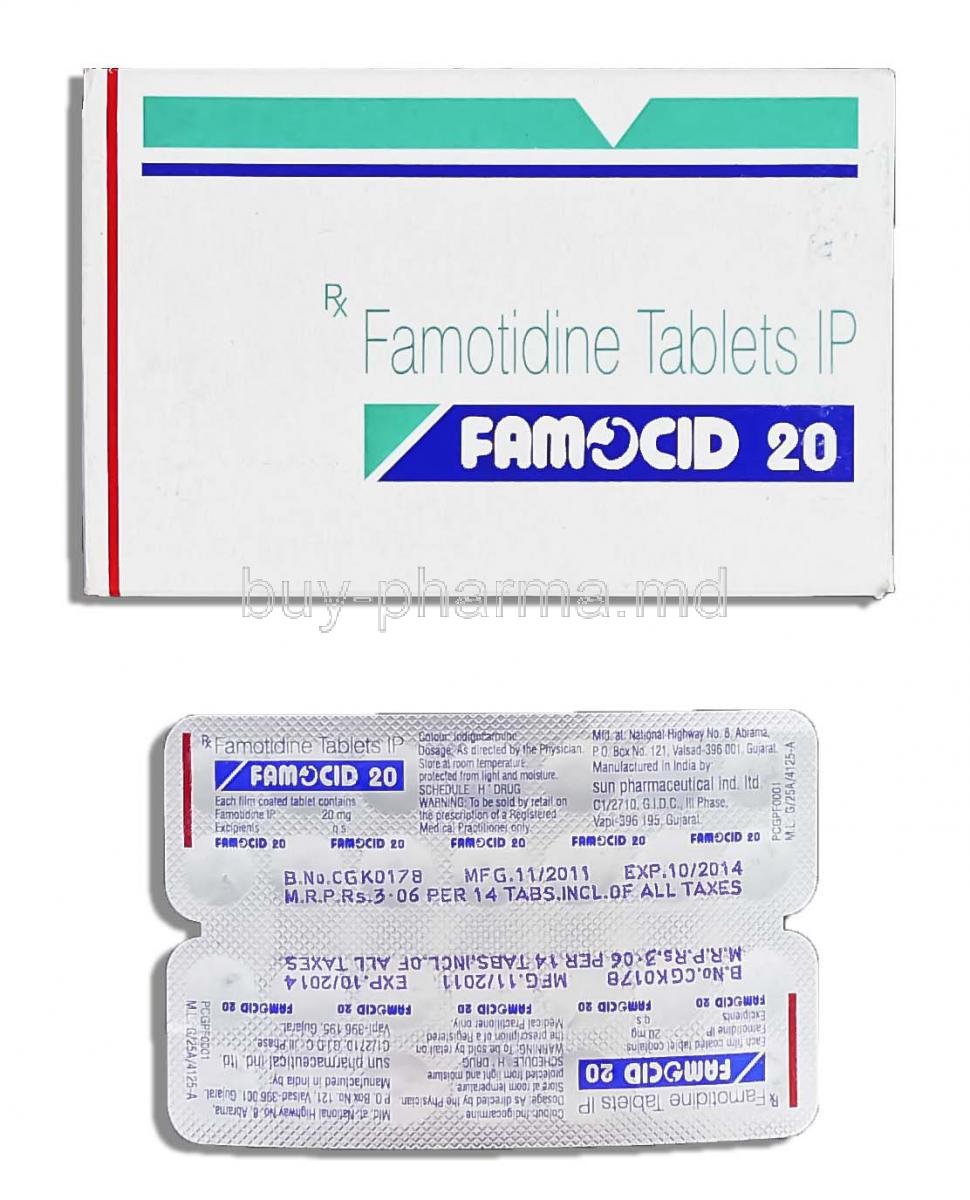
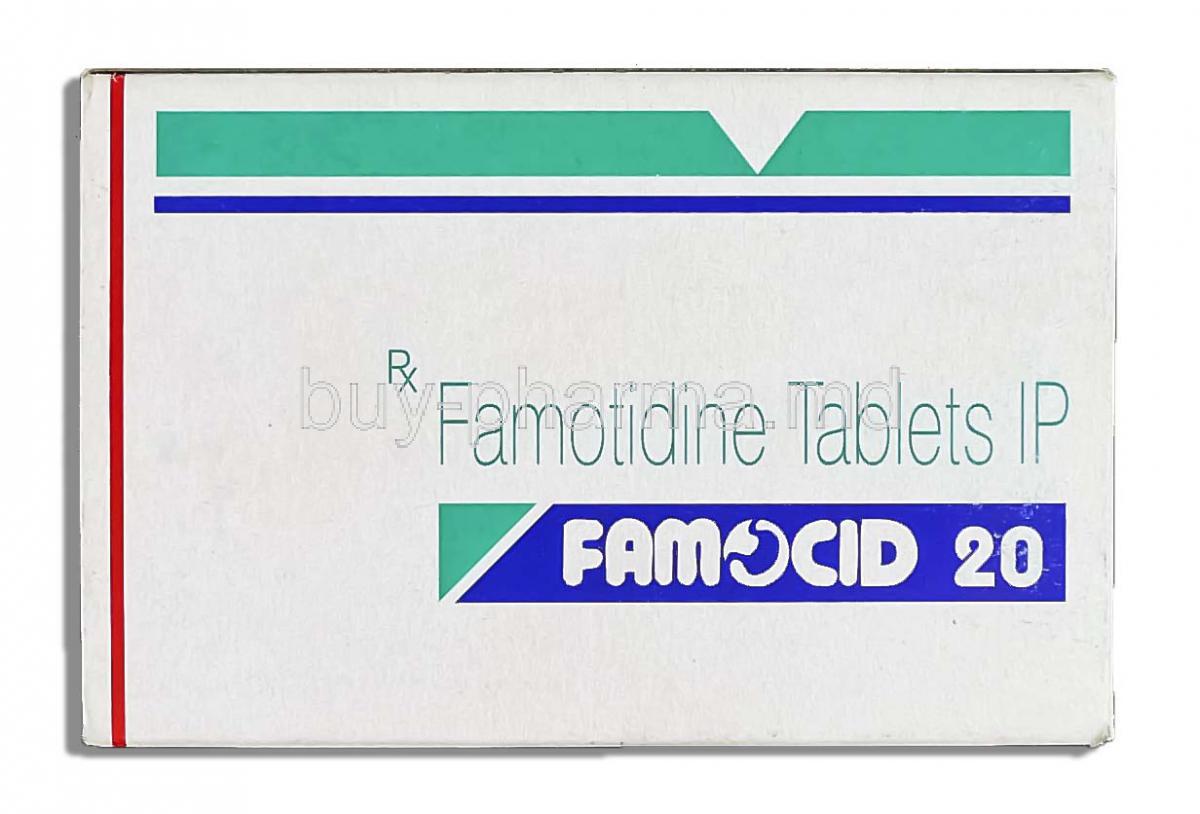
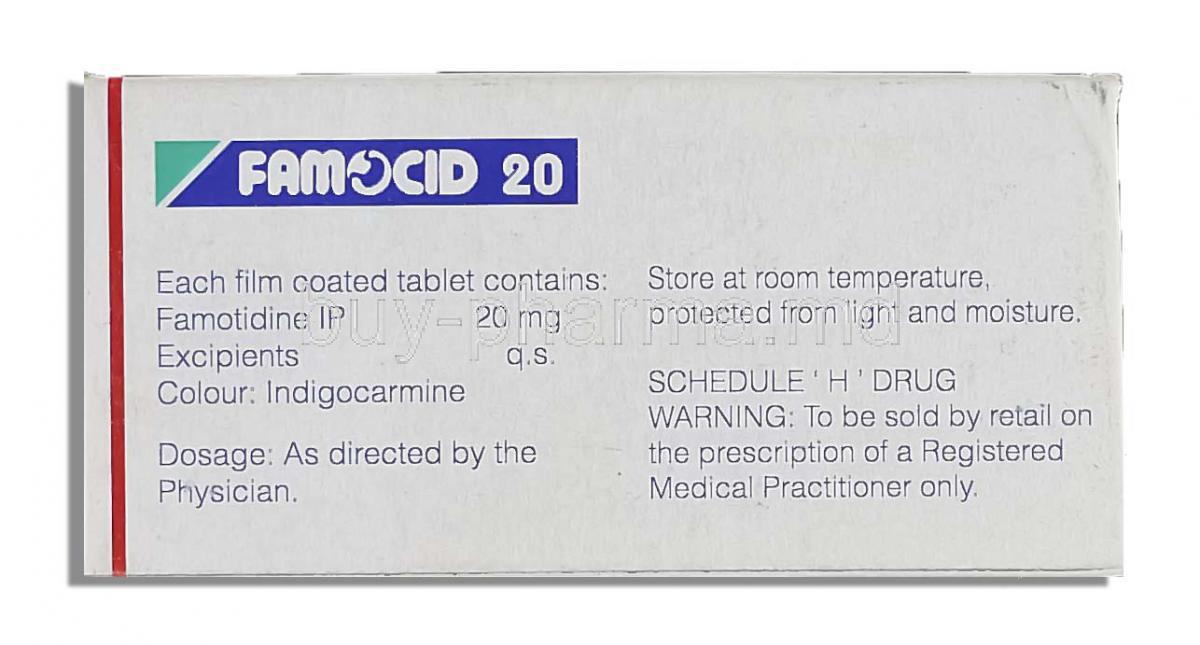
Famocid, formulated with the active compound famotidine, is a widely utilized medication designed to mitigate excessive gastric acidity. It is known for its consistent therapeutic effects, dependable safety profile, and broad clinical applications, especially in disorders where the gastrointestinal mucosa is exposed to prolonged acid exposure.
1.2 Therapeutic Classification: H2 Receptor Antagonist
Famotidine belongs to the pharmacological group known as H2 receptor antagonists. These agents selectively block histamine H2 receptors within the stomach lining, reducing acid secretion and alleviating acid-related symptoms. This mechanism offers a targeted and controlled approach to managing acid-mediated gastrointestinal disorders.
1.3 Purpose of Treatment and Clinical Relevance
The primary purpose of Famocid therapy is to alleviate discomfort and prevent complications associated with excessive gastric acid production. It plays a crucial role in the management of conditions such as:
- Gastroesophageal reflux disease (GERD)
- Peptic ulcer disease
- Hypersecretory conditions
Its clinical relevance extends to both acute symptom relief and long-term maintenance of mucosal healing.
1.4 Benefits Compared to Other Acid-Reducing Medications
Famocid offers several advantages over alternative acid-modifying agents such as PPIs and antacids. These benefits include:
- Rapid onset of symptom relief
- Lower risk of nutrient malabsorption
- Reduced drug–drug interactions
- Consistent efficacy in mild to moderate acid-mediated diseases
2. Composition
2.1 Active Ingredient: Famotidine
The principal active component in Famocid is famotidine, a potent H2 receptor blocker designed to reduce gastric acid secretion and provide symptomatic relief.
2.2 Available Strengths and Formulations
Famocid is available in the following tablet strengths:
- 10 mg tablets
- 20 mg tablets
- 40 mg tablets
These variations allow for individualized therapy based on symptom severity and clinical diagnosis.
2.3 Inactive Ingredients and Excipients
The formulation may also include inert compounds such as microcrystalline cellulose, magnesium stearate, lactose monohydrate, and other stabilizers. These components improve tablet integrity, absorption, and shelf stability.
2.4 Pharmaceutical Characteristics and Stability
Famocid tablets are engineered for optimal dissolution and bioavailability. They demonstrate stability under standard storage conditions, maintaining potency across their designated shelf life.
3. How Famocid Works
3.1 Mechanism of Action on H2 Receptors
Famocid acts by selectively inhibiting histamine H2 receptors located on gastric parietal cells. This inhibition suppresses basal and stimulated gastric acid secretion.
3.2 Reduction of Gastric Acid Secretion and Pepsin Activity
By reducing acid production, Famocid subsequently decreases pepsin activity, preserving mucosal integrity and promoting healing in ulcerative conditions.
3.3 Onset of Action and Duration of Effect
The medication begins to act within one hour of ingestion. Its acid-reducing effect may persist for up to 12 hours, providing sustained symptom control.
3.4 Comparison with Proton Pump Inhibitors (PPIs)
While PPIs suppress acid production more profoundly, Famocid provides faster relief and carries fewer long-term risks such as nutrient malabsorption and microbial imbalance. This makes it suitable for targeted, short-to-medium-term therapy.
4. Uses of Famocid
4.1 Treatment of Gastroesophageal Reflux Disease (GERD)
Famocid alleviates hallmark GERD symptoms such as heartburn, regurgitation, and chest discomfort, helping restore esophageal comfort.
4.2 Management of Acid Reflux and Heartburn
It is frequently used for episodic or chronic heartburn relief, reducing acid exposure to the esophagus and upper digestive tract.
4.3 Duodenal Ulcer Healing and Maintenance Therapy
Famocid promotes duodenal ulcer healing by creating a less acidic environment, with maintenance therapy reducing future recurrence.
4.4 Gastric Ulcers Associated with NSAID Use
Long-term NSAID use can cause mucosal damage; Famocid helps protect the stomach lining and supports ulcer recovery.
4.5 Zollinger–Ellison Syndrome and Hypersecretory Conditions
In rare conditions characterized by excessive gastrin secretion, Famocid helps control elevated acid levels.
4.6 Stress-Related Mucosal Damage Prevention
The medication is occasionally used to prevent stress-induced erosions in hospitalized patients.
4.7 Combination Therapy in H. pylori Treatment
Famotidine may be part of multidrug regimens to enhance *H. pylori* eradication by reducing gastric acidity.
5. Off-Label Uses
5.1 Chronic Cough Attributed to Acid Reflux
Reflux-induced cough can respond to famotidine in patients where acid exposure irritates respiratory pathways.
5.2 Laryngopharyngeal Reflux (LPR) Management
Famocid may reduce throat irritation and hoarseness associated with LPR, a condition where acid reaches the upper airway.
5.3 Prevention of Gastrointestinal Symptoms in Athletes
Some athletes use H2 blockers to prevent reflux triggered by strenuous physical exertion.
5.4 Adjunct Treatment in Urticaria or Histamine-Related Conditions
Famotidine may be combined with H1 antihistamines to better control symptoms of chronic urticaria.
5.5 Pediatric Off-Label Use
Children with reflux-related symptoms may benefit from famotidine when prescribed under medical direction.
6. Dosage and Administration
6.1 Standard Adult Dosage Guidelines
Typical adult dosing ranges from 20–40 mg daily depending on symptom severity and diagnosis.
6.2 Dosage for GERD, Ulcers, and Hypersecretory States
More severe conditions may require divided doses or higher strength tablets. Hypersecretory disorders often need individualized dose titration.
6.3 Renal Impairment Dosage Adjustments
Since famotidine is primarily excreted by the kidneys, dosage reduction may be necessary in patients with renal dysfunction.
6.4 Timing of Doses Relative to Meals
Famocid can be taken with or without food, although evening dosing is often recommended for nocturnal symptoms.
6.5 Missed Dose Instructions
If a dose is missed, it should be taken promptly unless it is near the time for the next scheduled dose.
6.6 Duration of Therapy and Monitoring
Treatment length varies based on clinical response, with periodic follow-up recommended to assess efficacy.
7. Administration in Special Populations
7.1 Administration to Elderly
7.1.1 Age-Related Renal Function Considerations
Elderly patients often exhibit reduced renal clearance, necessitating cautious dosing.
7.1.2 Dose Adjustments and Monitoring
Lower starting doses and routine monitoring enhance drug safety in older adults.
7.2 Administration to Pregnant Women and Nursing Mothers
7.2.1 Safety Data in Pregnancy
While famotidine is considered relatively safe, it should be used during pregnancy only when clearly needed.
7.2.2 Use During Breastfeeding
Small amounts may be excreted in breast milk; therefore, infant monitoring is advisable.
7.3 Administration to Children
7.3.1 Pediatric Dosing Recommendations
Dosing for children is weight-based and requires medical supervision.
7.3.2 Safety Profile in Infants and Adolescents
Famotidine is generally well tolerated but must be used cautiously in very young infants.
8. Side Effects
8.1 Overview of Potential Adverse Effects
Side effects may range from mild gastrointestinal disturbances to rare hypersensitivity reactions.
8.2 Gastrointestinal Disturbances
Altered digestion, bloating, and changes in bowel habits may occur.
8.3 CNS Effects
Some users may experience dizziness, confusion, or headaches due to central nervous system involvement.
8.4 Rare but Serious Reactions
- Anaphylactic reactions
- Severe skin eruptions
- Arrhythmias
8.5 Long-Term Safety Considerations
Long-term use may obscure underlying conditions or contribute to altered gastric pH balance.
9. Common Side Effects
9.1 Constipation or Diarrhea
Changes in bowel patterns are common yet typically temporary.
9.2 Headache or Fatigue
These mild symptoms generally resolve without intervention.
9.3 Nausea, Vomiting, or Abdominal Discomfort
Transient gastrointestinal discomfort may occur during early therapy.
9.4 Mild Skin Rash or Itching
Allergic-type skin reactions are uncommon but possible.
9.5 Dizziness or Sleep Disturbances
Occasional sensations of imbalance or altered sleep may be reported.
10. Important Precautions
10.1 Identifying Symptoms Requiring Medical Attention
Persistent abdominal pain, vomiting blood, or blackened stools warrant immediate evaluation.
10.2 Avoiding Alcohol and Irritant Foods
Alcohol, spicy dishes, and acidic beverages may worsen reflux symptoms and should be minimized.
10.3 Monitoring for Ulcer Complications
Patients with known ulcers should be monitored for bleeding, perforation, or worsening pain.
10.4 Risks of Masking Severe Conditions Such as Gastric Cancer
Symptom relief from Famocid may delay detection of more serious conditions, making proper diagnosis essential.
10.5 Precautions with Long-Term Use
Extended therapy should be supervised by a healthcare provider to avoid overuse and ensure ongoing safety.
11. Warnings
11.1 Severe Abdominal Pain or Persistent Symptoms
Severe abdominal discomfort, unrelenting pain, or persistent gastrointestinal symptoms may indicate underlying conditions that require immediate evaluation. These manifestations can be early clues of peptic ulcer complications, gastrointestinal bleeding, or other structural abnormalities. When such symptoms persist despite therapy, medical attention becomes essential.
- Unexplained weight loss
- Persistent vomiting
- Black or tarry stools
Ignoring these signs may delay diagnosis of serious gastrointestinal pathology.
11.2 Kidney Function Impairment and Caution
Famotidine is primarily excreted by the kidneys. Individuals with impaired renal function may accumulate higher systemic concentrations of the drug, heightening the risk of adverse reactions. Dose adjustments and close monitoring are recommended for such patients.
In cases of advanced renal decline, toxic effects—including confusion or arrhythmias—may arise if doses remain unmodified.
11.3 CNS Effects in Elderly or Renal-Impaired Patients
Elderly individuals and those with compromised renal function often display increased sensitivity to famotidine’s central nervous system effects. Drowsiness, dizziness, and even acute confusion can occur unexpectedly. These symptoms may pose safety risks such as falls or impaired motor coordination.
11.4 Hypersensitivity Reactions, Including Anaphylaxis
Though rare, severe hypersensitivity reactions may arise. Skin eruptions, breathing difficulty, or swelling of the face and throat are hallmark indicators of anaphylaxis. Immediate medical intervention is vital to prevent life-threatening consequences.
11.5 Interaction with Diagnostic Tests (Gastric pH Levels)
Famotidine alters gastric acidity. This can influence results of procedures that rely on accurate gastric pH measurement, potentially complicating diagnostic interpretations. Clinicians may advise discontinuing the medication before certain tests.
12. Contraindications
12.1 Known Allergy to Famotidine or Other H2 Blockers
Individuals with documented hypersensitivity to famotidine or any other H2 receptor antagonists must avoid Famocid. Exposure may trigger immediate allergic reactions or delayed hypersensitivity responses.
12.2 Severe Renal Insufficiency Without Medical Supervision
Without appropriate dose modification and monitoring, severe renal dysfunction increases the likelihood of drug accumulation and toxicity. Supervised therapy is essential to maintain safe plasma levels.
12.3 Concomitant Use with Certain Interacting Drugs
Some medications rely on acidic gastric environments for proper absorption. Co-administration with Famocid may significantly alter their bioavailability. Medications such as atazanavir or select antifungals may be contraindicated without modification.
12.4 History of Severe Hypersensitivity Reactions
Patients with prior life-threatening allergic responses to similar medications should refrain from using Famocid. Re-exposure may lead to acute immunologic reactions requiring emergency care.
13. Careful Administration
13.1 Patients with Renal Impairment
Reduced dosing frequency or lower strength tablets may be necessary for individuals with decreased kidney function. Routine monitoring of renal parameters helps minimize adverse effects.
13.2 Patients with Hepatic Dysfunction
Although famotidine is not extensively metabolized by the liver, hepatic dysfunction may still influence overall medication tolerance. Caution is warranted in severe liver disease due to altered drug distribution.
13.3 Patients with Gastric Malignancy Suspicion
Symptom relief induced by famotidine may obscure early signs of gastric cancer. If alarm features such as weight loss or persistent vomiting are present, malignancy must be ruled out prior to therapy.
13.4 Patients with Cardiovascular Disease
Rare cardiovascular reactions, including arrhythmias, have been documented. Individuals with pre-existing cardiac conditions should use Famocid under supervision.
13.5 Considerations in Long-Term Users
Extended use may influence nutrient absorption or mask serious gastrointestinal disorders. Periodic re-evaluation ensures ongoing suitability of treatment.
14. Drug Interactions
14.1 Interaction with Antacids and Absorption Changes
Concurrent antacid use may modify the absorption rate of famotidine. Although the clinical impact is often minimal, spacing administration may enhance effectiveness.
14.2 Effects on pH-Dependent Drug Absorption
Some medications require an acidic gastric environment for optimal absorption. Drugs such as ketoconazole, itraconazole, or atazanavir may exhibit decreased efficacy when combined with famotidine.
14.3 Interactions with Ketoconazole, Atazanavir, and Others
Famotidine-induced increases in gastric pH may significantly reduce serum levels of certain antifungals or antivirals. Dose timing or alternative therapies may be necessary to preserve therapeutic efficacy.
14.4 Alcohol, Caffeine, and Dietary Interactions
Alcohol and caffeinated beverages can exacerbate reflux symptoms, reducing the therapeutic impact of Famocid. Spicy foods, acidic meals, and high-fat dishes may also provoke symptoms.
14.5 Laboratory Test Interference
Altered gastric acidity may affect results of tests evaluating gastric function. If accurate measurement of gastric secretions is required, temporary discontinuation may be advised.
15. Overdosage
15.1 Signs and Symptoms of Overdose
Symptoms of excessive famotidine intake may include pronounced dizziness, tremors, confusion, abnormal heart rhythms, or severe hypotension.
15.2 Emergency Management Guidelines
Immediate medical intervention is necessary. Supportive measures should be initiated promptly to stabilize the individual.
15.3 Supportive Treatment and Monitoring Protocols
Monitoring may include:
- Electrocardiographic observation
- Assessment of kidney function
- Management of electrolyte imbalances
15.4 Activated Charcoal and Gastric Decontamination
Activated charcoal may be used in early overdose management to reduce absorption. Gastric lavage may be considered in severe cases at the discretion of healthcare providers.
16. Handling and Storage
16.1 Storage Temperature and Humidity Recommendations
Famocid should be stored at controlled room temperatures, ideally between 20°C and 25°C. High humidity environments should be avoided to maintain tablet integrity.
16.2 Protecting Tablets from Light and Moisture
Exposure to direct sunlight or moisture may degrade the medication. Tablets should remain in their original packaging until use.
16.3 Shelf Life and Stability Considerations
When stored properly, Famocid retains its potency throughout its designated shelf life. Expiry dates must be respected to ensure efficacy.
16.4 Safe Handling Practices and Disposal
Handling should be done with clean, dry hands. Expired or unused medication must be discarded responsibly.
16.5 Storage Away from Children and Pets
As with all medications, storage should be secure and inaccessible to young children or animals to prevent accidental ingestion.
17. Handling Precautions
17.1 Safe Tablet Administration Practices
Tablets should be swallowed whole with water. Ensuring proper technique prevents choking and supports optimal absorption.
17.2 Avoiding Tablet Crushing Unless Advised
Crushing or splitting tablets may alter their intended absorption characteristics. Only modify tablets under professional guidance.
17.3 Preventing Contamination During Handling
Hands should be clean and dry before handling. Contamination may compromise tablet quality or introduce pathogens.
17.4 Proper Disposal of Expired Medication
Expired tablets should never be discarded in household waste. Many local pharmacies or medical centers offer safe medication disposal programs.
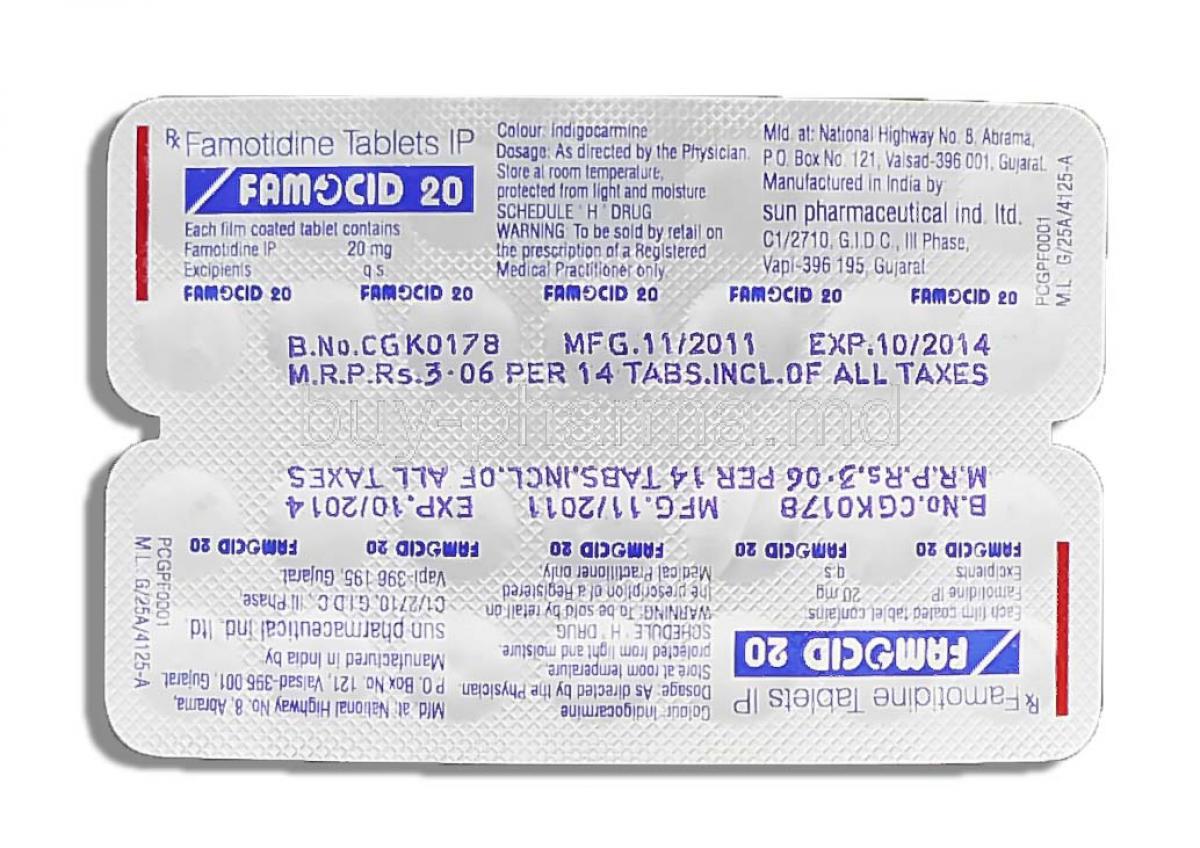
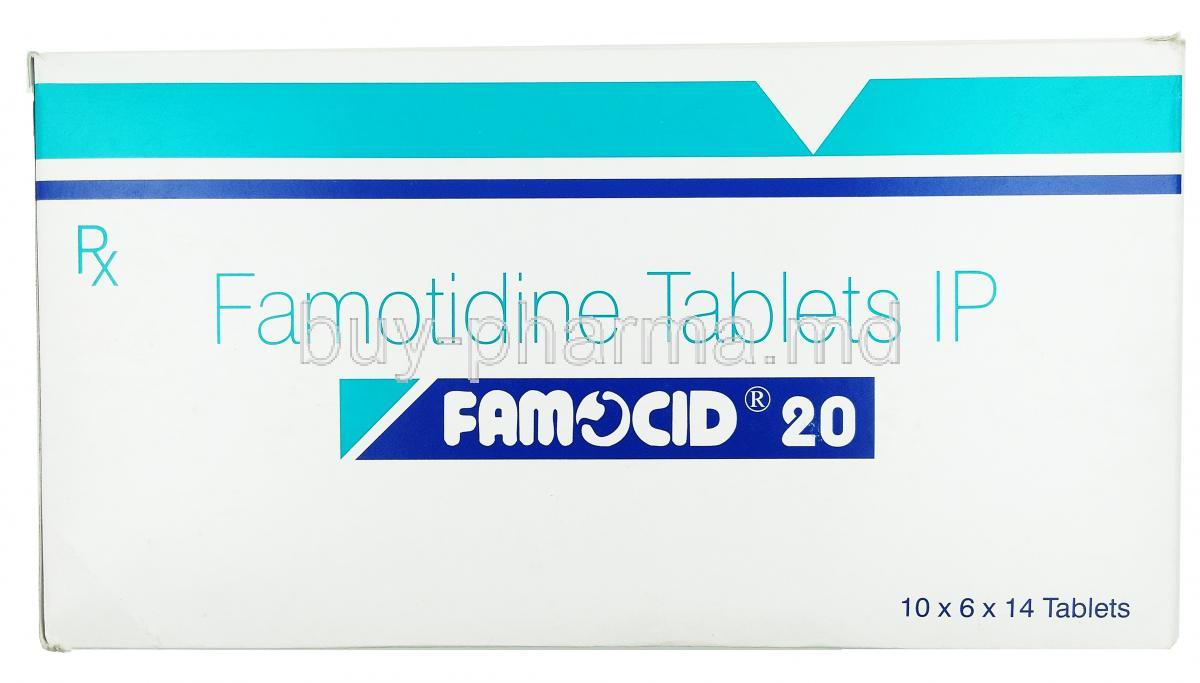
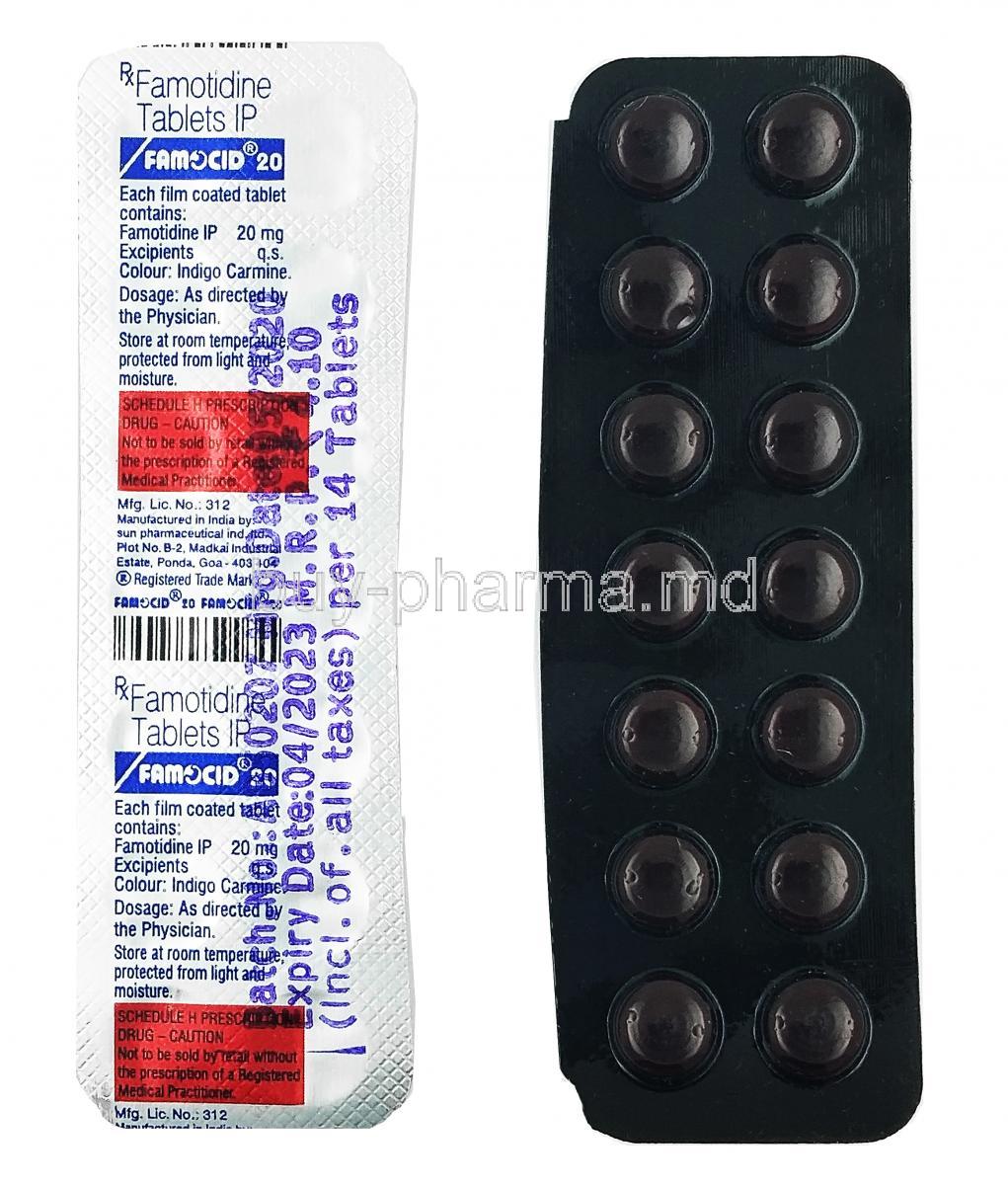
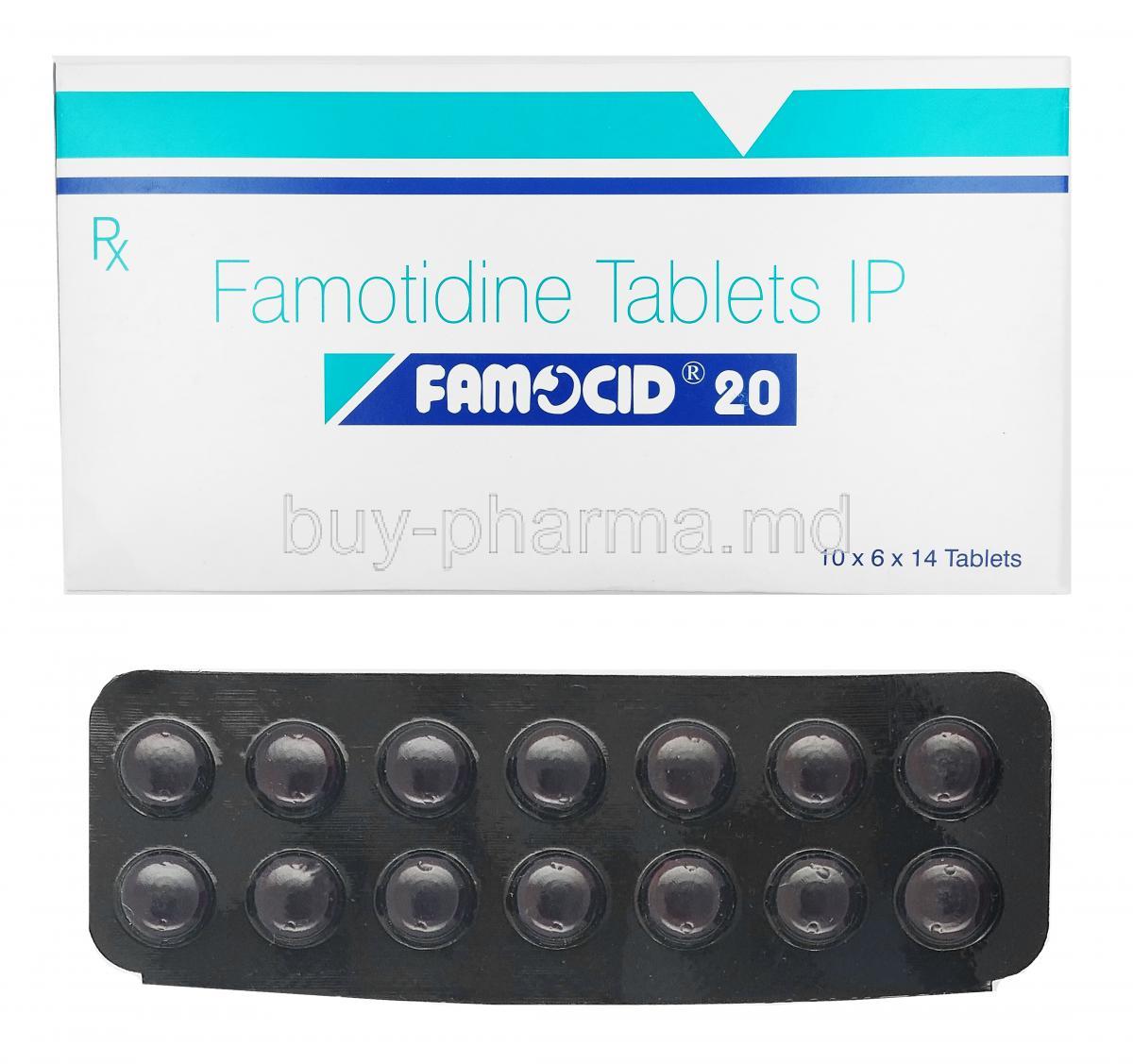
Famocid, Famotidine Tablet FAQ
- What is famocid medicine used for?
- Are famocid and famotidine the same?
- What are the side effects of famocid 20?
- When is the best time to take famocid?
- What is the biggest side effect of famotidine?
- Is it harmful to take famotidine every day?
- What should I avoid while taking famotidine 40mg?
- Is famocid 40 safe for kidneys?
- What organ does famotidine affect?
- Can famotidine get rid of GERD?
- Does famotidine make you sleep?
- How quickly does famotidine work?
- Is Zantac better than famotidine?
- Can famotidine raise creatinine levels?
- Can famotidine damage your liver?
What is famocid medicine used for?
Famocid 40 Tablet is an antacid. It reduces the amount of acid your stomach produces. It is used to treat and prevent heartburn, indigestion, and other symptoms caused by excess stomach acid. It is also used to treat and prevent stomach ulcers, reflux disease, and some other rare conditions.
Are famocid and famotidine the same?
Yes
What are the side effects of famocid 20?
- Headache
- Dizziness
- Diarrhea
- Constipation
When is the best time to take famocid?
5 to 60 minutes before eating foods or drinking drinks that may cause heartburn
What is the biggest side effect of famotidine?
- Headache
- Dizziness
- Diarrhea
- Constipation
Is it harmful to take famotidine every day?
Yes
What should I avoid while taking famotidine 40mg?
Do not smoke cigarettes or drink alcohol.
Is famocid 40 safe for kidneys?
Famocid 40mg Tab may make it hard for your kidneys to perform essential tasks like getting rid of waste from the body, keeping your blood pressure steady, making red blood cells.
What organ does famotidine affect?
Stomach
Can famotidine get rid of GERD?
Famotidine relieves symptoms of gastroesophageal reflux disease and heals erosions and ulcerations.
Does famotidine make you sleep?
No
How quickly does famotidine work?
1 hour
Is Zantac better than famotidine?
No
Can famotidine raise creatinine levels?
Yes
Can famotidine damage your liver?
Rare instances of clinically apparent liver injury have been reported in patients receiving famotidine
Customers also bought

Popular Products
Similar Product