1. Introduction to Filgrastim Injection
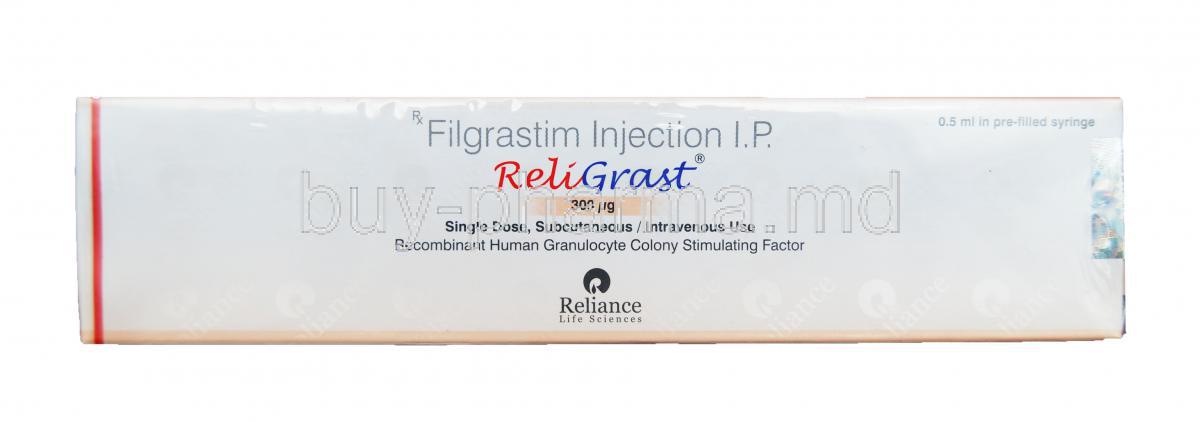
Filgrastim Injection is a biologically engineered agent classified as a granulocyte colony-stimulating factor (G-CSF). It plays a pivotal role in stimulating the production of neutrophils, a critical subset of white blood cells essential for innate immune defense.
Within hematology and oncology, filgrastim is regarded as a cornerstone of supportive therapy. It mitigates treatment-related myelosuppression and enables patients to maintain optimal chemotherapy intensity.
In contemporary clinical practice, its relevance extends beyond oncology, supporting immune recovery in diverse conditions characterized by neutropenia and impaired bone marrow function.
2. Composition and Pharmaceutical Characteristics
The active constituent of Filgrastim Injection is recombinant human filgrastim, structurally analogous to endogenous human G-CSF.
- Produced using recombinant DNA technology
- Expressed in Escherichia coli bacterial systems
- Purified to high biological specificity
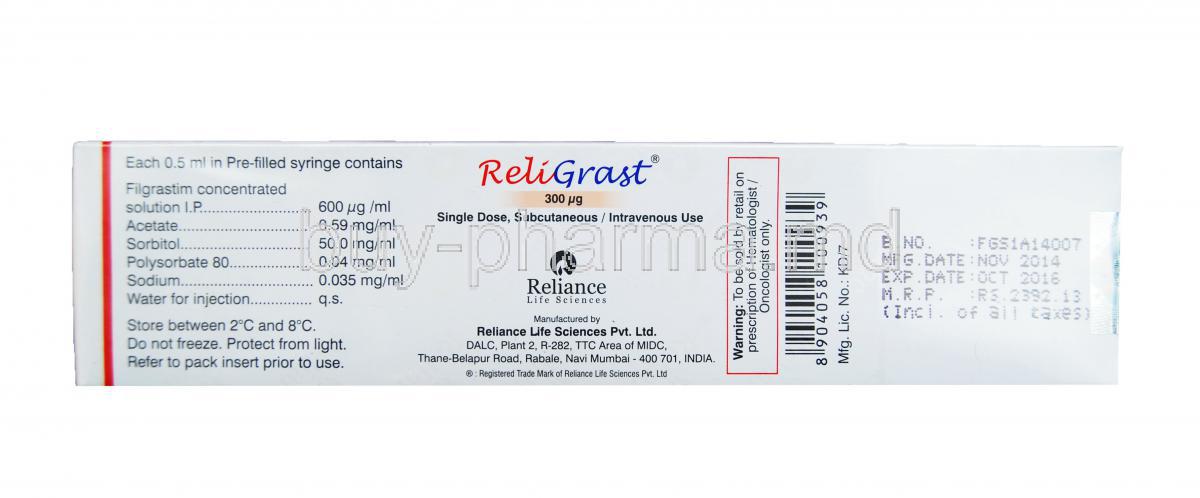
Formulations typically include stabilizing excipients designed to preserve molecular integrity. Filgrastim is supplied in prefilled syringes or vials, available in multiple strengths to accommodate individualized dosing requirements.
3. Mechanism of Action: How Filgrastim Works
Filgrastim exerts its pharmacological effect by binding to specific G-CSF receptors on hematopoietic progenitor cells within the bone marrow.
This interaction triggers a cascade of intracellular signaling pathways that:
- Stimulate proliferation of neutrophil precursors
- Accelerate differentiation and maturation
- Enhance functional activation of mature neutrophils
Additionally, filgrastim prolongs neutrophil survival by reducing programmed cell death, thereby sustaining effective circulating neutrophil counts.
4. Approved Therapeutic Uses of Filgrastim Injection
Filgrastim Injection is approved for multiple clinically significant indications involving neutrophil depletion.
- Prevention and treatment of chemotherapy-induced neutropenia
- Reduction in the incidence and duration of febrile neutropenia
- Supportive care following bone marrow or stem cell transplantation
- Long-term management of severe chronic neutropenia
- Mobilization of peripheral blood progenitor cells for apheresis
These applications collectively reduce infection risk and improve treatment continuity.
5. Expanded and Off-Label Uses of Filgrastim
Beyond approved indications, filgrastim is utilized in several off-label and investigational settings where neutrophil recovery is clinically desirable.
- Drug-induced neutropenia unrelated to chemotherapy
- HIV-associated neutropenia
- Aplastic anemia and selected myelodysplastic syndromes
- Neutropenia complicating severe bacterial or systemic infections
Ongoing research continues to explore novel applications in immune modulation and regenerative medicine.
6. Dosage and Administration Guidelines
Dosing regimens for Filgrastim Injection are indication-specific and typically weight-based.
Key administration principles include:
- Subcutaneous injection as the preferred route
- Intravenous infusion in selected clinical settings
- Daily administration until adequate neutrophil recovery
Therapy duration and dose adjustments are guided by absolute neutrophil count (ANC) monitoring and patient response.
7. Administration in Special Populations
7.1 Administration to Elderly Patients
In elderly populations, age-related physiological changes may influence hematopoietic responsiveness.
Filgrastim is generally well tolerated; however:
- Closer monitoring is recommended
- Bone pain may be more pronounced
- Comorbid conditions should be considered
7.2 Administration to Pregnant Women and Nursing Mothers
Data on filgrastim use during pregnancy remain limited.
Clinical decision-making requires careful risk-benefit evaluation, particularly when maternal neutropenia poses a significant health threat.
Breastfeeding considerations should account for the theoretical potential of minimal systemic exposure in infants.
7.3 Administration to Children and Pediatric Patients
Filgrastim is widely used in pediatric oncology and congenital neutropenia.
- Doses are adjusted according to body weight
- Safety profiles are well established in children
- Long-term monitoring is essential in chronic use
8. Side Effects and Adverse Reactions
8.1 Common Side Effects
Most adverse effects are mild to moderate and reversible.
- Bone pain due to marrow expansion
- Localized injection site reactions
- Headache and generalized fatigue
8.2 Less Common Side Effects
Less frequently observed reactions include:
- Mild splenomegaly
- Transient changes in liver enzymes or blood counts
- Nausea, diarrhea, or abdominal discomfort
8.3 Serious and Rare Adverse Effects
Although uncommon, serious complications require immediate medical attention.
- Splenic rupture presenting with acute abdominal pain
- Acute respiratory distress syndrome (ARDS)
- Severe hypersensitivity or anaphylactic reactions
- Capillary leak syndrome with hypotension and edema
9. Drug Interactions and Clinical Considerations
Filgrastim interactions primarily relate to concurrent cytotoxic therapies.
Clinical considerations include:
- Avoiding administration within 24 hours before or after chemotherapy
- Potential synergistic effects with lithium on neutrophil counts
- Interference with laboratory assays measuring leukocyte parameters
Careful scheduling and monitoring optimize therapeutic outcomes while minimizing risk.
10. Warnings and Safety Information
Filgrastim therapy necessitates vigilant safety oversight due to its potent effects on hematopoiesis. While generally well tolerated, certain risks warrant particular attention.
Risk of excessive leukocytosis may occur if dosing exceeds physiological requirements. Markedly elevated white blood cell counts can alter blood rheology and complicate clinical interpretation.
Splenic complications, including splenomegaly and rare cases of rupture, have been reported. Patients should be monitored for left upper quadrant pain, shoulder tip discomfort, or unexplained hypotension.
Pulmonary adverse events such as interstitial infiltrates, pulmonary edema, or acute respiratory distress syndrome have been observed, particularly in patients with underlying lung pathology or active infection.
Immunogenicity considerations include the potential for antibody formation. Although neutralizing antibodies are uncommon, their development may attenuate therapeutic response.
11. Contraindications
Filgrastim Injection is contraindicated in specific clinical scenarios where the risk outweighs the benefit.
- Known hypersensitivity to filgrastim or to proteins derived from Escherichia coli
- History of severe allergic or anaphylactic reactions to granulocyte colony-stimulating factor products
- Situations where neutrophilia may exacerbate the underlying condition
In such cases, alternative supportive strategies should be considered.
12. Careful Administration and Monitoring
Careful administration begins with a comprehensive baseline assessment.
- Complete blood count with differential prior to initiation
- Evaluation of comorbidities that may increase adverse event risk
During therapy, absolute neutrophil count (ANC) should be monitored regularly to guide dosing and duration.
Clinical examination and, when indicated, imaging studies may be employed to assess for splenic enlargement.
For patients receiving prolonged therapy, long-term safety surveillance is essential to detect cumulative or delayed adverse effects.
13. Important Precautions Before and During Treatment
Appropriate patient selection underpins safe and effective use of filgrastim.
Risk stratification should account for:
- Severity and etiology of neutropenia
- Concurrent cytotoxic or immunosuppressive therapies
- Baseline organ function
Unnecessary prolonged administration should be avoided once therapeutic objectives are achieved.
Infection risk management remains paramount, as rising neutrophil counts do not immediately equate to restored immune competence.
Patient education should emphasize symptom recognition, adherence to monitoring schedules, and timely reporting of adverse events.
14. Overdose and Emergency Management
Overdose with filgrastim is uncommon but may lead to exaggerated pharmacologic effects.
Clinical manifestations include pronounced leukocytosis, bone pain, and splenic enlargement.
Management focuses on:
- Immediate discontinuation of therapy
- Close hematologic monitoring
- Supportive care tailored to symptom severity
Neutrophil counts typically normalize following cessation due to the short half-life of the drug.
15. Storage and Stability Requirements
Proper storage is essential to maintain biological activity.
- Store under refrigeration at recommended temperatures
- Protect from light exposure
- Do not freeze or shake vigorously
Once opened, handling should comply with manufacturer guidance regarding shelf life and in-use stability.
Unused or expired product should be disposed of in accordance with biomedical waste regulations.
16. Handling Precautions and Safe Use
As a parenteral biologic, filgrastim requires meticulous handling.
- Employ aseptic technique during preparation and administration
- Inspect solution visually for particulates or discoloration
- Minimize accidental exposure or contamination
Healthcare professionals and caregivers should receive appropriate training to ensure safe administration and to uphold patient safety standards.
Filgrastim Injection FAQ
Popular Products
Similar Product