

1. Introduction to Flonida (Fluorouracil Cream)
1.1 Overview of Fluorouracil as a Topical Antineoplastic Agent
Flonida, containing fluorouracil, is a topical antineoplastic medication designed to target atypical and precancerous skin cells. It disrupts cellular growth patterns, allowing damaged tissue to be replaced by healthier skin. This cream is widely recognized for its potency and clinical reliability in dermatologic oncology.
1.2 Key Therapeutic Roles in Dermatology
Fluorouracil plays a pivotal role in the management of surface-level malignancies and premalignant keratinocyte disorders. Its ability to selectively eradicate abnormal cells makes it indispensable in treating:
- Actinic keratoses
- Superficial carcinomas
- Cutaneous intraepithelial neoplasia
Its therapeutic profile continues to expand as dermatologists identify new applications for epidermal remodeling.
1.3 Marketed Strengths, Formulations, and Brand Variants
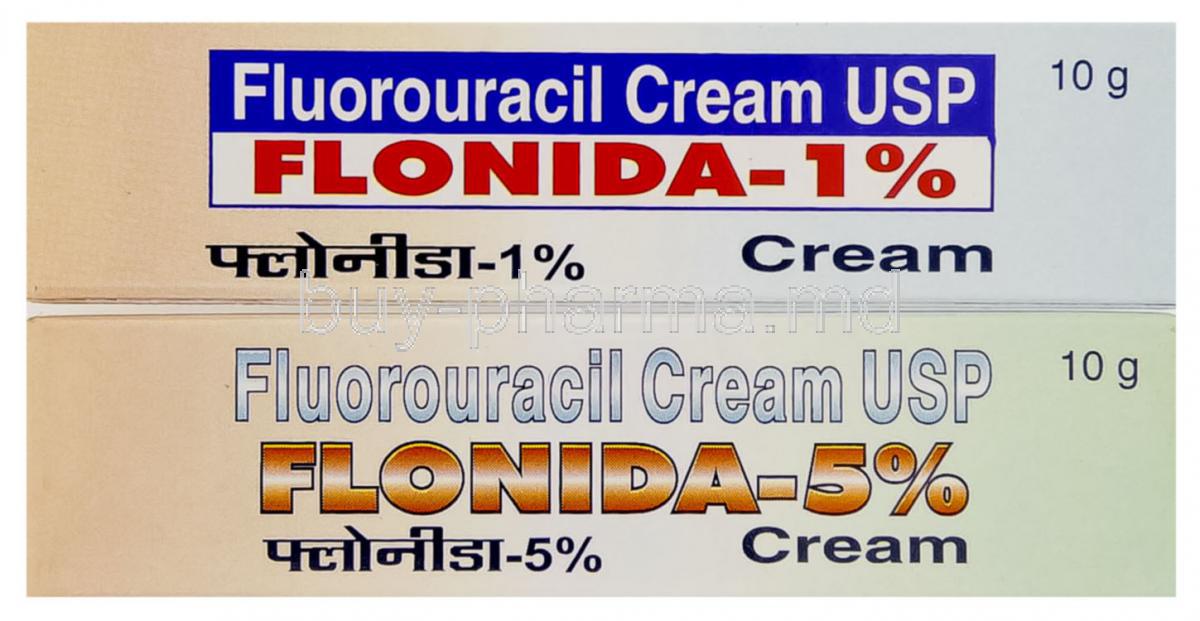
Flonida is typically available in strengths ranging from 1% to 5%, with creams and ointments forming the primary delivery vehicles. Multiple global brands offer variations featuring emulsions optimized for absorption, stability, or patient comfort.
1.4 Benefits of Topical Chemotherapeutic Treatment Versus Systemic Options
Topical fluorouracil allows highly localized treatment. This minimizes systemic exposure and reduces overall toxicity. Compared with systemic chemotherapy, patients experience:
- Lower risk of systemic side effects
- Targeted action confined to the diseased epidermis
- Avoidance of invasive procedures
2. Composition and Formulation
2.1 Active Ingredient: Fluorouracil (5-FU) Concentration and Pharmacological Class
The active compound, fluorouracil, is a pyrimidine analog that interrupts DNA and RNA synthesis. Standard formulations include 1%, 4%, and 5% concentrations, each selected based on disease severity and lesion depth.
2.2 Inactive Ingredients and Their Functional Roles
Excipients frequently include:
- Emulsifiers for structural stability
- Humectants to maintain skin hydration
- Preservatives that ensure microbial safety
- Base creams enhancing uniform drug dispersion
2.3 Available Strengths and Packaging Information
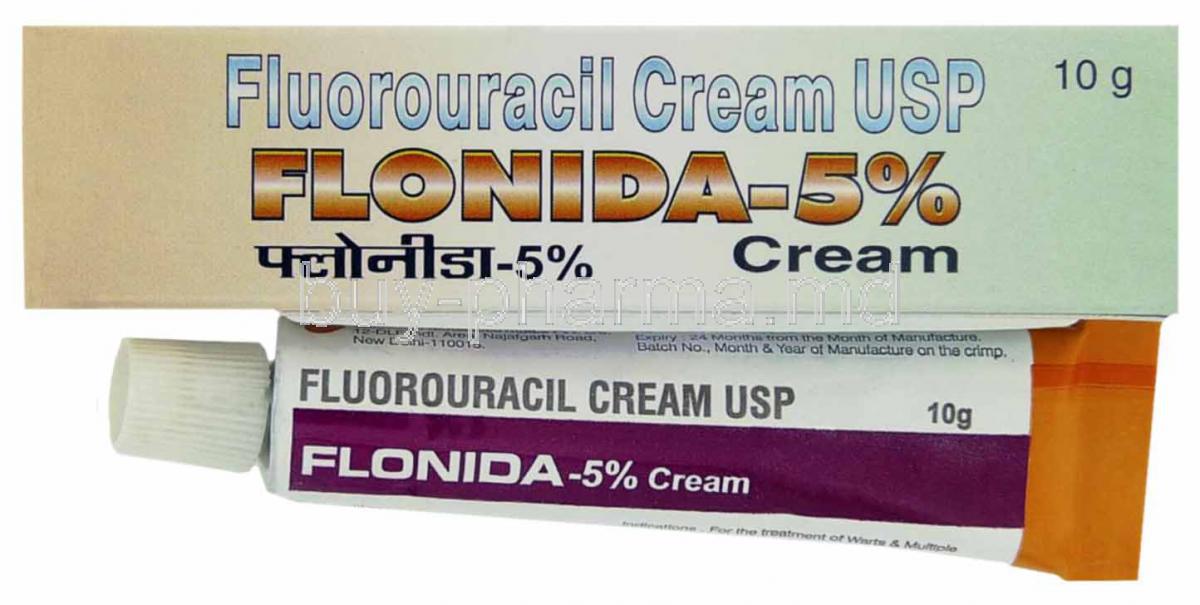
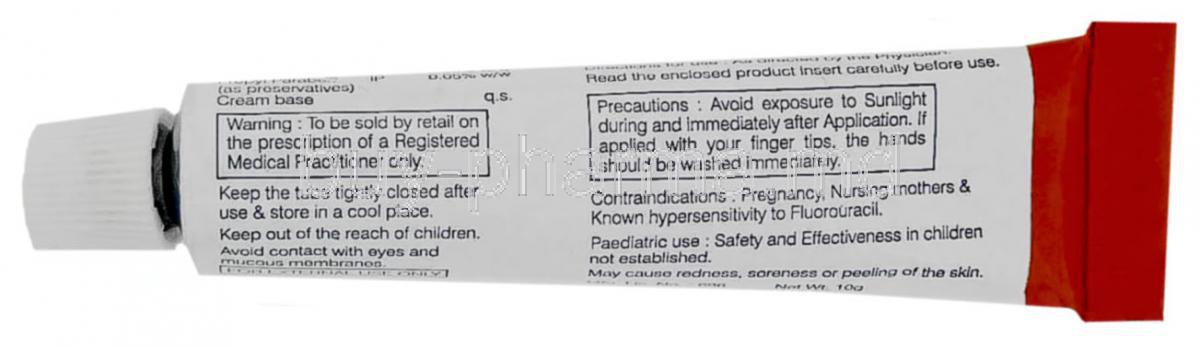
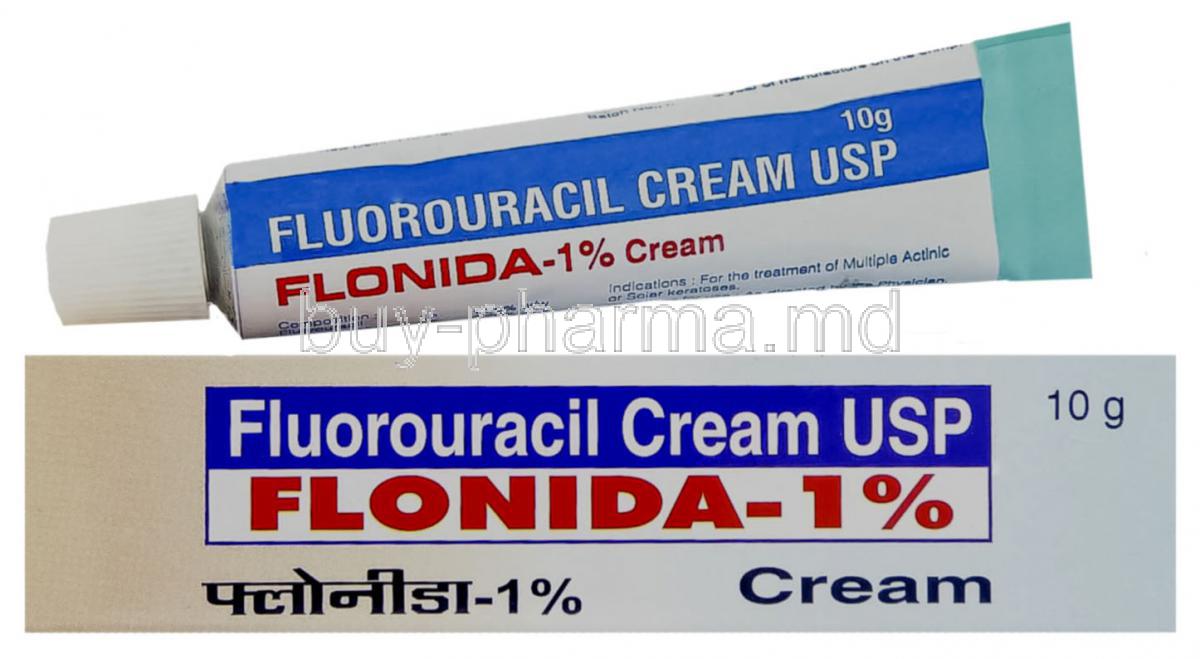
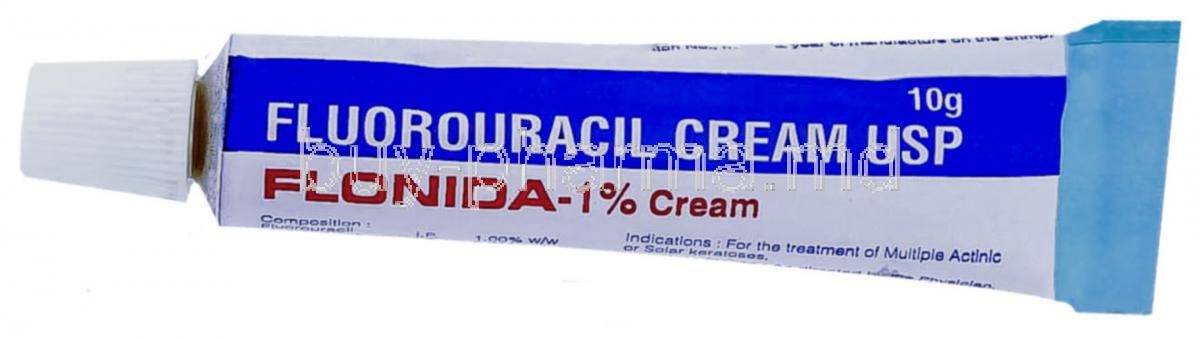
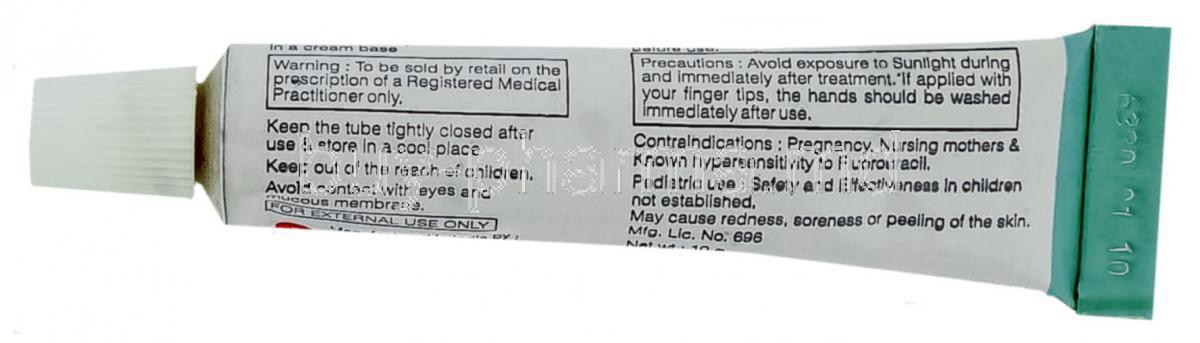
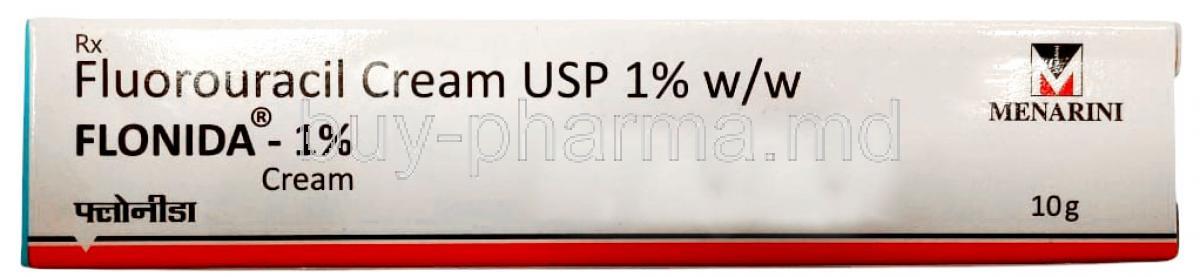
Flonida is supplied in aluminum tubes or laminated containers to maintain potency. Packaging sizes generally range between 10 g and 30 g depending on treatment duration.
2.4 Physical Characteristics (Texture, Absorption, Stability)
The cream is typically smooth, fast-absorbing, and formulated to preserve pharmacologic integrity under standard storage conditions.
3. How Flonida (Fluorouracil) Cream Works
3.1 Mechanism of Action: Antimetabolite Interference with DNA/RNA Synthesis
Fluorouracil mimics cellular nucleotides. Once incorporated, it inhibits thymidylate synthase, halting the cell’s ability to replicate DNA. This interruption leads to cell apoptosis, particularly in rapidly dividing keratinocytes.
3.2 Effects on Abnormal Keratinocytes in Precancerous Lesions
Dysplastic keratinocytes absorb fluorouracil at higher rates. As the medication disrupts their replication, lesions gradually erode, allowing regeneration of normal tissue.
3.3 Selective Toxicity for Rapidly Dividing Skin Cells
Due to its selectivity, fluorouracil focuses activity on pathologic cells, sparing healthy, slow-dividing epidermal cells.
3.4 Expected Treatment Timeline and Biologic Response Phases
Most patients experience a predictable cycle:
- Erythema: Early redness
- Inflammation: Crusting, peeling, discomfort
- Destruction: Clearing of damaged cells
- Healing: Re-epithelialization and smoother skin
4. Uses of Flonida Cream
4.1 Primary Indications
4.1.1 Actinic Keratosis (Solar Keratosis)
Used widely to eliminate sun-induced precancerous lesions. Regular therapy reduces the risk of progression to squamous cell carcinoma.
4.1.2 Superficial Basal Cell Carcinoma
For early-stage, superficial tumors, fluorouracil provides a non-invasive alternative under physician supervision.
4.1.3 Bowen’s Disease (Squamous Cell Carcinoma in Situ)
Fluorouracil offers effective field therapy for intraepidermal carcinoma, especially when surgery may be impractical.
4.2 Off-Label Uses
4.2.1 Plane Warts and Recalcitrant Warts
Its antimitotic properties can suppress wart proliferation in stubborn viral warts.
4.2.2 Molluscum Contagiosum
Occasionally employed in specialist settings for resistant lesions.
4.2.3 Psoriasis
Applied in rare, localized cases to reduce hyperproliferative plaques.
4.2.4 Cosmetic Dermatology for Severe Photodamage
Fluorouracil may improve extensive photoaged skin under strict medical supervision.
5. Dosage and Administration
5.1 Standard Dosage Schedules for Each Indication
Application frequency varies by condition, typically ranging from once to twice daily for several weeks.
5.2 Step-by-Step Instructions for Application
- Wash hands thoroughly.
- Cleanse affected skin gently.
- Apply a thin layer of cream to the lesion.
- Avoid healthy surrounding skin when possible.
5.3 Duration of Treatment and Treatment Cycle Expectations
Treatment often spans 2–6 weeks depending on lesion severity. Visible changes intensify as therapeutic effects progress.
5.4 What to Expect During the Erythema, Inflammation, and Healing Phases
Patients may experience redness, crusting, and erosion before eventual softening and renewal of the treated area.
5.5 Missed Dose Instructions
If a dose is missed, apply it when remembered unless it is close to the next scheduled application.
5.6 When to Stop Treatment and When to Continue Under Monitoring
Temporary discontinuation may be necessary for severe reactions. Resumption should occur only under clinician guidance.
6. Important Precautions
6.1 Sun Exposure Precautions and UV-Protection Requirements
Photosensitivity significantly increases during treatment. Avoid sunlight and use high-SPF protection.
6.2 Avoiding Application on Sensitive or Damaged Skin
Do not apply to open wounds, eczema-affected zones, or irritated areas.
6.3 Preventing Contact with Eyes, Mouth, or Mucous Membranes
If accidental exposure occurs, rinse immediately with copious water.
6.4 Avoiding Occlusive Dressings Unless Directed
Occlusion intensifies absorption and can worsen irritation unless specifically recommended.
6.5 Handling During Severe Skin Reactions
Intense inflammation, ulceration, or intolerable pain requires immediate reassessment by a healthcare professional.
7. Side Effects of Flonida Cream
7.1 Overview of Possible Dermatologic and Systemic Reactions
Side effects arise primarily at the application site, though systemic effects remain infrequent.
7.2 Localized Skin Reactions
7.2.1 Redness, Burning, Stinging
These typically mark early therapeutic response.
7.2.2 Swelling, Crusting, Scaling
Mid-treatment phases may include pronounced inflammation and exfoliation.
7.2.3 Ulceration or Erosion
Lesion destruction may cause superficial ulceration prior to healing.
7.3 Systemic Side Effects (rare)
Prolonged use over large areas may theoretically increase systemic absorption, though cases are rare.
7.4 Long-Term or Repeated Use Risks
Chronic overuse may contribute to delayed healing or heightened sensitivity.
8. Common Side Effects
8.1 Mild Local Irritation
Often transient and manageable with supportive skin care.
8.2 Dryness, Flaking, and Peeling
These reflect ongoing keratinocyte turnover.
8.3 Temporary Hyperpigmentation or Hypopigmentation
Skin tone changes may arise but typically normalize over time.
8.4 Photosensitivity Reactions
Patients must minimize UV exposure to prevent exacerbation.
8.5 Mild Pain or Tenderness at Application Site
Discomfort tends to fade as skin adapts and heals.
9. Drug Interactions
9.1 Interaction with Other Topical Agents (Retinoids, Keratolytics, Steroids)
Combination therapy may enhance irritation or unpredictably amplify therapeutic effects.
9.2 Photosensitizing Medications
Concomitant use may worsen UV-induced reactions.
9.3 Systemic Medications Affecting Immune Response
Immunosuppressants may alter healing or inflammatory patterns.
9.4 Effects of Concurrent Dermatologic Procedures (Chemical Peels, Laser)
Recent cosmetic procedures can intensify skin sensitivity and should be postponed during treatment.
10. Warnings
10.1 Risk of Severe Local Inflammatory Reaction
Some patients may experience marked inflammation requiring temporary discontinuation.
10.2 Avoid Use on Invasive Skin Cancers Unless Physician-Supervised
Fluorouracil is not appropriate for deep or aggressive malignancies without specialist direction.
10.3 Risk of Systemic Absorption in Large-Area Use
Treating extensive areas may elevate systemic uptake and should be avoided.
10.4 Avoidance in DPD-Deficient Patients (Dihydropyrimidine Dehydrogenase Deficiency)
Patients lacking DPD enzyme activity face heightened toxicity risk.
10.5 Special Handling for Compromised Skin Barriers
Barrier defects increase absorption and potential adverse responses.
11. Contraindications
11.1 Known Hypersensitivity to Fluorouracil or Formulation Components
Flonida must not be used in individuals with a documented allergy to fluorouracil or any excipients contained within the formulation. Even minimal exposure can provoke exaggerated inflammatory responses or systemic reactions. These reactions may manifest as:
- Intense erythema and burning
- Generalized urticaria
- Angioedema involving the face or lips
Immediate discontinuation is required when hypersensitivity is suspected.
11.2 Pregnancy (Category X) and Embryotoxic Risks
Fluorouracil is strictly contraindicated during pregnancy. As a potent antimetabolite, it interferes with DNA synthesis and poses severe teratogenic effects. Even topical exposure can carry embryotoxic potential. Women of reproductive age should employ reliable contraception throughout treatment.
11.3 Breastfeeding Contraindications
Due to the risk of systemic absorption and the unknown potential for transfer into breast milk, fluorouracil must not be used while breastfeeding. Subtle skin absorption may still pose neonatal toxicity risks.
11.4 Use on Open Wounds, Infections, or Severe Inflammatory Dermatoses
Application on compromised skin barriers enhances drug permeability and may result in severe ulceration or systemic exposure. Avoid use when:
- Active bacterial or viral infections are present
- Skin shows significant weeping, erosion, or trauma
- Severe eczema or dermatitis exists in the affected region
12. Careful Administration
12.1 Patients with Pre-Existing Skin Conditions
Caution is essential in individuals with chronic dermatologic disorders such as rosacea, psoriasis, or atopic dermatitis. These conditions may intensify treatment reactions and prolong healing.
12.2 Patients with Liver or Metabolic Disorders
Metabolic abnormalities, especially those affecting nucleotide metabolism, may alter drug handling. Although topical application results in limited systemic load, vigilance is warranted in:
- Hepatic insufficiency
- Metabolic enzyme deficiencies
- Severe malnutrition
12.3 Patients Using Immunosuppressive Therapy
Immunosuppressed individuals may exhibit unpredictable skin responses, including delayed healing or exaggerated inflammation. The cream should be used under medical supervision in these populations.
12.4 Concurrent Dermatologic Treatments Requiring Dose Adjustments
Patients undergoing chemical peels, laser resurfacing, topical retinoids, or keratolytic therapy may require modified dosing to prevent excessive irritation. Careful spacing of treatments is advised.
13. Administration to Special Populations
13.1 Elderly Patients
13.1.1 Skin Fragility Considerations
Aging skin is thinner, more delicate, and prone to irritation. Elderly patients may require gentler application techniques and shorter exposure periods.
13.1.2 Adjusted Treatment Duration
Due to increased sensitivity, treatment cycles may be reduced or spaced out to prevent excessive erythema and erosion.
13.2 Pregnant Women and Nursing Mothers
13.2.1 Teratogenicity and Embryotoxicity
Fluorouracil carries a substantial risk of fetal malformations. Exposure during pregnancy is unacceptable, even in minimal topical quantities.
13.2.2 Avoidance During Breastfeeding
Topical fluorouracil must not be applied during lactation, as neonatal exposure—even theoretical—presents unacceptable risk.
13.3 Children
13.3.1 Limited Evidence and Strict Specialist Supervision
Pediatric use is not routinely recommended due to limited clinical data. When necessary, treatment must occur exclusively under dermatologic specialist oversight.
13.3.2 Off-Label Use Risks
Off-label applications in children may provoke excessive irritation, absorption concerns, or unpredictable inflammatory responses.
14. Overdosage
14.1 Symptoms of Excessive Application
Overapplication or extended use may lead to severe cutaneous inflammation characterized by:
- Intense erythema
- Widespread ulceration
- Serous discharge
14.2 Management of Severe Local Reactions
Immediate cessation is required. Supportive care may include cool compresses, topical emollients, or physician-directed steroid creams to manage inflammation.
14.3 Systemic Toxicity Concerns and Emergency Measures
Although rare, systemic toxicity may manifest as mucosal irritation, gastrointestinal upset, or hematologic abnormalities. Emergency intervention is necessary if systemic symptoms emerge.
14.4 What to Do if a Child Accidentally Ingests or Applies
Accidental ingestion requires urgent medical evaluation. If applied to skin, wash the area promptly and monitor for irritation.
15. Storage
15.1 Recommended Temperature Range and Light Protection
Store Flonida at controlled room temperature, typically between 20°C and 25°C. Protect from direct sunlight to prevent degradation.
15.2 Shelf Life and Stability
The product maintains stability for its labeled shelf life when stored appropriately. Exposure to heat may accelerate potency loss.
15.3 Handling Expired or Damaged Tubes
Expired cream should not be used, as degradation may compromise therapeutic effect. Damaged tubes should be discarded safely.
15.4 Safe Storage Away from Children and Pets
Store securely in closed cabinets. Even small amounts can cause harm if accidentally ingested.
16. Handling Precautions
16.1 Proper Handwashing Before and After Application
Hands must be washed thoroughly to prevent accidental transfer to unintended skin areas or sensitive mucosal surfaces.
16.2 Use of Gloves When Applying to Another Person
Caregivers should wear disposable gloves to avoid inadvertent exposure.
16.3 Avoiding Contamination of Surrounding Objects and Surfaces
Fluorouracil residue can transfer to fabrics, countertops, or bedding. Take precautions to prevent secondary contamination.
16.4 Safe Disposal of Residue, Packaging, and Contaminated Materials
Dispose of empty tubes, gloves, or wipes in sealed containers. Avoid flushing or discarding into environments accessible to children or animals.

 Verified Purchase
Happy Joe Happy
Liked the product, ease of sourcing and speed of delivery. I'll be back for more!
Verified Purchase
Strong and affective.
The Fluorouracil cream is strong and attacks the skin cancer cells (and other skins) that it comes in contact. Although painful during the treatment cycle it does kill the cancer tissue layers deep and appears to perform exactly as it is intended. New healthy smooth skin tissue is returning with proper care.
Verified Purchase
Skin
Helps with many skin problems
Verified Purchase
Efudex
Reliable product and supplier for dealing with sun related skin problems.
Customers also bought
Popular Products



Similar Product