1. Introduction to Fucibet Cream (Betamethasone / Fusidic Acid)
1.1 Overview of the Combination Medication
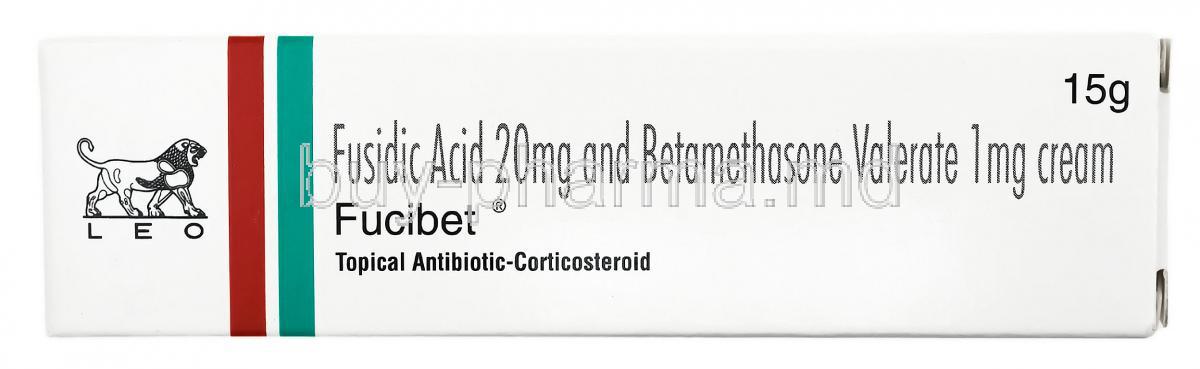
Fucibet Cream is a dermatological preparation that combines two pharmacologically distinct agents: betamethasone valerate and fusidic acid. The formulation is designed for topical application and is commonly prescribed for inflammatory skin disorders complicated by bacterial infection.
This dual-component therapy addresses both inflammation and microbial proliferation simultaneously. In practical dermatological care, inflammatory dermatoses frequently become colonized by bacteria, especially Staphylococcus aureus. When this occurs, a single-agent therapy may not provide adequate control.
The combined formulation therefore provides multiple therapeutic actions:
- Reduction of inflammation and erythema
- Suppression of bacterial growth
- Relief from itching and irritation
- Improvement of skin barrier function
1.2 Therapeutic Classification: Topical Corticosteroid and Antibiotic
Fucibet Cream belongs to a pharmacological class of medications known as combination topical corticosteroid–antibiotic preparations. These medicines are typically reserved for inflammatory skin diseases where bacterial infection either coexists or is highly suspected.
The therapeutic categories involved include:
- Topical corticosteroids – anti-inflammatory dermatologic agents
- Topical antibiotics – antimicrobial agents targeting skin pathogens
- Combination dermatological preparations
Such preparations are commonly used in dermatology when rapid suppression of inflammation and infection is required simultaneously.
1.3 Why Combination Therapy Is Used in Dermatology
Inflammatory skin diseases often create a compromised epidermal barrier. This disruption allows microorganisms to colonize and multiply. In many cases, the inflammatory process and bacterial proliferation exacerbate one another, forming a cyclical pathology.
Combination therapy offers several advantages:
- Simultaneous treatment of inflammation and infection
- Reduction of treatment complexity
- Faster symptomatic relief
- Lower likelihood of persistent infection
For patients experiencing inflamed bacterial dermatoses, the dual-action formulation can provide a more efficient therapeutic response compared with single-agent treatment.
1.4 Key Benefits in Treating Inflamed Bacterial Skin Conditions
Inflamed skin that becomes secondarily infected presents multiple clinical challenges. The tissue may be swollen, painful, erythematous, and colonized by pathogenic bacteria. Fucibet Cream addresses these overlapping issues with a coordinated pharmacological strategy.
Key clinical benefits include:
- Rapid reduction of redness and swelling
- Suppression of bacterial growth
- Relief from itching and discomfort
- Promotion of skin healing
The medication is particularly useful in conditions where inflammation is prominent but infection must also be controlled.
1.5 Conditions Commonly Treated With Fucibet Cream
Fucibet Cream is prescribed for several dermatological conditions characterized by inflammation and bacterial involvement. Physicians typically recommend it for localized infections of the skin that display clear inflammatory features.
Common conditions treated include:
- Infected eczema
- Inflamed dermatitis with bacterial colonization
- Superinfected skin lesions
- Localized bacterial skin infections accompanied by irritation
2. Composition and Active Ingredients
2.1 Betamethasone Valerate: Potent Topical Corticosteroid
Betamethasone valerate is a synthetic corticosteroid with strong anti-inflammatory properties. When applied to the skin, it penetrates the epidermis and modulates immune responses within dermal tissues.
The compound acts by inhibiting inflammatory mediators and reducing vascular permeability. Consequently, swelling, redness, and itching are diminished.
Its therapeutic effects include:
- Suppression of inflammatory cytokines
- Reduction of immune-mediated skin reactions
- Relief of itching and irritation
2.2 Fusidic Acid: Topical Antibiotic for Gram-Positive Bacteria
Fusidic acid is an antibiotic that exhibits strong activity against Gram-positive bacteria, particularly Staphylococcus aureus. It functions by inhibiting bacterial protein synthesis, thereby preventing microbial replication.
The antibiotic component is especially valuable in dermatology because bacterial colonization often worsens inflammatory skin diseases. Fusidic acid effectively eliminates susceptible bacteria present on the skin surface.
2.3 Mechanistic Synergy Between Anti-Inflammatory and Antibacterial Components
The therapeutic strength of Fucibet Cream lies in the synergistic relationship between its two active components. Betamethasone controls inflammation while fusidic acid eradicates bacteria responsible for infection.
This dual mechanism results in:
- Reduced inflammation and swelling
- Elimination of bacterial pathogens
- Improved recovery of damaged skin
By addressing both causes simultaneously, the formulation promotes efficient healing.
2.4 Inactive Ingredients and Base Formulation
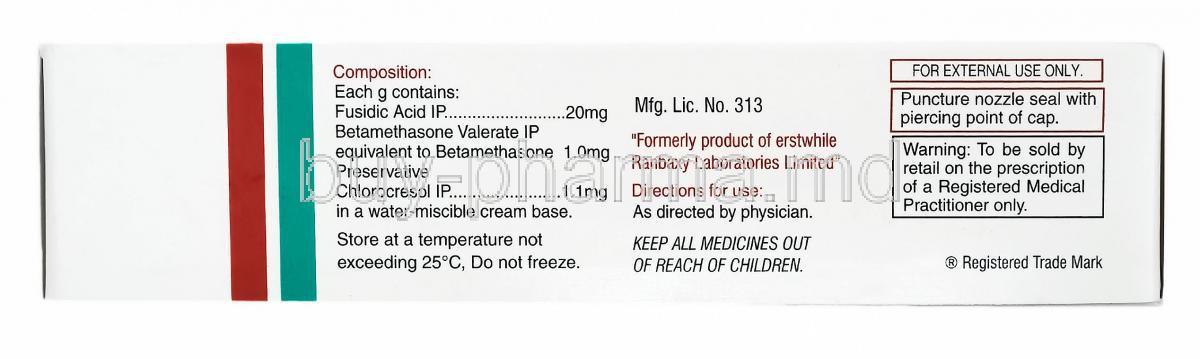
In addition to the active pharmaceutical ingredients, Fucibet Cream contains excipients that create a stable and easily applicable topical formulation. These substances contribute to texture, absorption, and stability.
Typical excipients may include:
- Emollient bases
- Stabilizers
- Preservatives
- Water-based carriers
2.5 Pharmacological Properties of the Combined Formulation
The pharmacological profile of Fucibet Cream is defined by localized dermal action with minimal systemic absorption when used appropriately. The cream base facilitates uniform distribution across the affected area while maintaining stability of the active ingredients.
Important characteristics include:
- Localized therapeutic effect
- Limited systemic exposure
- Rapid anti-inflammatory activity
3. Mechanism of Action: How Fucibet Cream Works
3.1 Anti-Inflammatory Effects of Betamethasone on Skin Tissue
Betamethasone reduces inflammation by inhibiting inflammatory pathways within skin cells. The corticosteroid suppresses immune activity, decreases leukocyte infiltration, and reduces capillary permeability.
These effects alleviate redness, swelling, and itching that accompany inflammatory dermatoses.
3.2 Suppression of Cytokines and Immune Mediators
Corticosteroids such as betamethasone interfere with the production of pro-inflammatory cytokines. These molecules normally promote immune activity and tissue inflammation.
Through this suppression, the medication reduces:
- Inflammatory signaling pathways
- Immune cell migration
- Local tissue swelling
3.3 Fusidic Acid Inhibition of Bacterial Protein Synthesis
Fusidic acid interferes with bacterial protein synthesis by inhibiting elongation factor G. This interruption prevents bacteria from producing essential proteins required for growth and replication.
Without functional protein synthesis, bacterial cells cannot proliferate effectively.
3.4 Activity Against Staphylococcus aureus and Other Skin Pathogens
Fusidic acid demonstrates strong antibacterial activity against Gram-positive organisms. Its effectiveness against Staphylococcus aureus makes it particularly valuable in dermatology.
This pathogen is frequently responsible for secondary infection in eczema, dermatitis, and other inflammatory skin conditions.
3.5 Combined Effect on Infected Inflammatory Dermatoses
When inflammation and bacterial infection occur simultaneously, treatment requires a coordinated approach. Fucibet Cream provides this through the combined action of corticosteroid and antibiotic therapy.
The result is:
- Reduction of inflammatory symptoms
- Eradication of bacterial pathogens
- Improved healing of damaged skin
4. Approved Medical Uses of Fucibet Cream
4.1 Treatment of Infected Dermatitis
Dermatitis refers to inflammation of the skin characterized by redness, irritation, and itching. When bacterial infection complicates dermatitis, combination therapy may be necessary.
4.2 Bacterial Skin Infections With Secondary Inflammation
Some bacterial infections provoke intense inflammatory responses. In these cases, both antimicrobial and anti-inflammatory actions are beneficial.
4.3 Infected Eczema (Atopic Dermatitis With Bacterial Infection)
Eczema frequently becomes colonized by bacteria due to compromised skin barriers. Treatment with Fucibet Cream helps reduce inflammation while addressing bacterial proliferation.
4.4 Infected Contact Dermatitis (Allergic or Irritant)
Contact dermatitis caused by allergens or irritants may become secondarily infected. The combination medication helps resolve both aspects of the condition.
4.5 Infected Seborrheic Dermatitis
Seborrheic dermatitis occasionally develops secondary bacterial infection, especially in irritated areas of the scalp or face. The medication may be used in selected cases under medical supervision.
4.6 Infected Intertrigo and Skin Fold Infections
Intertrigo occurs in warm, moist skin folds where friction and microbial growth are common. Anti-inflammatory and antimicrobial treatment can improve symptoms and reduce infection.
4.7 Impetiginized Dermatoses (Inflammatory Skin Conditions Complicated by Infection)
Some inflammatory dermatoses develop impetiginization, meaning they become infected with bacteria that produce crusted lesions. Fucibet Cream can be used for localized areas of such infection.
4.8 Treatment of Minor Localized Skin Infections With Inflammation
Minor skin infections associated with irritation or inflammation may respond well to short-term topical treatment with this combination medication.
5. Off-Label Uses of Fucibet Cream
5.1 Treatment of Inflamed Insect Bites With Secondary Infection
Insect bites sometimes become inflamed and infected due to scratching. A topical corticosteroid–antibiotic preparation may reduce inflammation and bacterial contamination.
5.2 Management of Infected Psoriasis Lesions
Psoriasis plaques can occasionally develop secondary bacterial colonization. In selected cases, short-term topical therapy may be considered.
5.3 Treatment of Inflamed Acne Lesions With Bacterial Superinfection
Certain acne lesions become secondarily infected and highly inflamed. In these situations, targeted topical therapy may provide temporary relief.
5.4 Use for Infected Minor Wounds or Scratches
Small superficial wounds that show signs of bacterial infection and inflammation may benefit from topical combination therapy when recommended by a healthcare professional.
5.5 Use in Inflamed Dermatoses With Suspected Bacterial Colonization
Some inflammatory skin conditions are prone to bacterial colonization. In these situations, combination therapy may help control both inflammation and microbial proliferation.
5.6 Short-Term Treatment of Infected Skin Irritation After Cosmetic Procedures
Procedures that disrupt the epidermis can occasionally lead to irritation and bacterial contamination. Short-term topical therapy may be used in selected circumstances.
5.7 Treatment of Bacterial Colonization in Chronic Dermatitis
Chronic dermatitis can harbor persistent bacterial colonization. Targeted topical treatment may help control flare-ups associated with infection.
6. Dosage and Administration
6.1 Recommended Application Frequency
Fucibet Cream is typically applied to the affected area once or twice daily. The exact frequency may vary depending on the severity of the skin condition and physician recommendations.
6.2 Typical Duration of Treatment
Treatment duration is usually limited to short courses, often ranging from one to two weeks. Prolonged use may increase the risk of adverse effects.
6.3 Proper Method of Applying Fucibet Cream
The cream should be applied in a thin layer to clean, dry skin. Gentle spreading across the affected area ensures adequate coverage.
- Wash hands before and after application
- Apply only to affected skin
- Avoid excessive quantities
6.4 Use With Occlusive Dressings
Occlusive dressings may increase absorption of topical medications. Such use should only occur under medical supervision.
6.5 Guidelines for Treating Small vs. Large Skin Areas
Topical corticosteroids should generally be used on limited skin areas to minimize systemic absorption and potential adverse effects.
6.6 When to Stop Treatment or Seek Medical Advice
Medical advice should be sought if symptoms persist, worsen, or fail to improve within the recommended treatment period.
7. Administration in Special Populations
7.1 Administration to Elderly Patients
Older adults may experience increased susceptibility to corticosteroid-related skin changes. Careful monitoring is therefore recommended during treatment.
7.1.1 Skin Thinning Risks in Older Adults
Age-related skin thinning can increase vulnerability to corticosteroid effects. Treatment should therefore be conservative and closely supervised.
7.1.2 Monitoring for Corticosteroid-Related Adverse Effects
Healthcare providers may monitor for skin atrophy, bruising, and other corticosteroid-related changes.
7.2 Administration to Pregnant Women
Use during pregnancy should be considered only when the potential benefit outweighs potential risks.
7.2.1 Risk–Benefit Assessment During Pregnancy
Physicians evaluate the severity of the skin condition and available alternatives before recommending treatment.
7.2.2 Limited Systemic Absorption of Topical Formulations
Topical medications generally produce minimal systemic exposure when used appropriately, though caution remains advisable.
7.3 Administration to Nursing Mothers
Breastfeeding mothers may use topical medications cautiously, provided application does not occur near areas that could contact the infant.
7.3.1 Safety Considerations During Breastfeeding
Minimal systemic absorption reduces the likelihood of transfer into breast milk.
7.3.2 Avoidance of Application to the Breast Area
Direct application to the breast should be avoided to prevent accidental ingestion by the infant.
7.4 Administration to Children and Pediatric Patients
Children may absorb topical medications more readily than adults due to differences in skin structure.
7.4.1 Increased Absorption Through Pediatric Skin
Pediatric skin may permit greater systemic absorption of corticosteroids.
7.4.2 Recommended Duration and Area Restrictions
Short treatment courses and limited treatment areas are recommended in pediatric patients.
7.4.3 Monitoring for Adrenal Suppression
Rarely, prolonged corticosteroid use may suppress adrenal function. Medical supervision is therefore essential.
8. Common Side Effects of Fucibet Cream
8.1 Mild Skin Irritation
Some individuals experience mild irritation following application. This reaction usually resolves spontaneously.
8.2 Burning or Stinging Sensation at Application Site
A transient burning sensation may occur shortly after applying the cream.
8.3 Dryness or Redness of the Skin
Temporary dryness or erythema may develop during treatment.
8.4 Itching or Mild Rash
Occasional itching or mild rash may occur as part of the skin's response to topical therapy.
9. Less Common and Serious Side Effects
9.1 Skin Thinning (Cutaneous Atrophy)
Prolonged corticosteroid use may cause thinning of the skin.
9.2 Telangiectasia and Visible Blood Vessels
Long-term use may lead to dilation of superficial blood vessels.
9.3 Steroid-Induced Acne or Rosacea
Topical corticosteroids may exacerbate acne or rosacea in susceptible individuals.
9.4 Skin Discoloration or Hypopigmentation
Changes in skin pigmentation may occur during extended treatment.
9.5 Allergic Contact Dermatitis
Some patients may develop allergic reactions to components of the formulation.
9.6 Development of Antibiotic Resistance With Prolonged Use
Overuse of antibiotics may promote bacterial resistance.
9.7 Secondary Fungal Infections
Suppression of local immune responses may allow fungal organisms to proliferate.
10. Drug and Product Interactions
10.1 Interaction With Other Topical Corticosteroids
Using multiple corticosteroid products simultaneously may increase the risk of adverse skin reactions.
10.2 Concurrent Use With Topical Antibiotics
Concurrent antibiotic use should be monitored to prevent excessive antimicrobial exposure.
10.3 Interaction With Antifungal Creams or Ointments
In cases where fungal infection is suspected, antifungal therapy may be required in addition to or instead of antibacterial treatment.
10.4 Combined Use With Moisturizers and Emollients
Moisturizers may help restore skin barrier function and complement topical treatment.
10.5 Effects of Occlusive Bandages on Drug Absorption
Occlusion increases penetration of topical medications and may enhance systemic absorption.
11. Warnings and Safety Considerations
11.1 Risk of Corticosteroid Overuse
Topical corticosteroids can be remarkably effective, yet they are not innocuous. Betamethasone valerate is a potent anti-inflammatory agent; when applied too frequently, over large areas, or for extended periods, it can shift from therapeutic to deleterious. The skin is not merely a passive surface. It is a dynamic organ with endocrine-like signaling and an intricate barrier function, both of which can be disrupted by excessive steroid exposure.
Overuse may lead to local adverse effects that can be cosmetically distressing and clinically consequential:
- Cutaneous atrophy (thinning of the epidermis and dermis)
- Striae (stretch marks), especially in flexural regions
- Purpura or easy bruising due to vascular fragility
- Delayed wound healing and increased susceptibility to secondary infections
Use the smallest amount that achieves control. Apply in a thin film. Then reassess. Short courses are often sufficient, while prolonged unmonitored use increases risk without adding benefit.
11.2 Development of Bacterial Resistance
Fusidic acid is highly active against many Gram-positive bacteria, but like all antibiotics, its utility can erode when used indiscriminately. Bacterial resistance is not theoretical. It is a pragmatic concern in everyday dermatology, particularly when topical antibiotics are applied repeatedly for non-infectious conditions or continued after infection has resolved.
Risk factors for resistance development include:
- Using the cream for longer than recommended
- Repeated “on-and-off” use for chronic flares without clinical review
- Applying to large areas where bacterial load is variable
- Using for conditions where infection is not present
When resistance emerges, infections may become more recalcitrant. Treatment options narrow. Outcomes worsen. For this reason, treatment duration should remain deliberately finite, and persistent symptoms should prompt reassessment rather than prolonged use.
11.3 Avoiding Long-Term Use on Sensitive Skin Areas
Certain body regions are anatomically predisposed to increased absorption and greater susceptibility to steroid-induced damage. Thin skin, occlusion, friction, and moisture all intensify penetration. Even a “routine” application can become a high-dose exposure when the local environment amplifies absorption.
Areas typically considered sensitive include:
- Face and eyelids
- Groin and genital region
- Axillae (underarms)
- Skin folds and intertriginous zones
Long-term use in these areas can provoke atrophy, telangiectasia, perioral dermatitis, and rebound flares. When treatment in sensitive locations is necessary, it should be brief, targeted, and clinically supervised.
11.4 Risks Associated With Use on the Face, Groin, or Underarms
Application to the face, groin, or underarms is associated with a disproportionate risk profile. The reasons are multifactorial: thinner epidermis, higher vascularity, and frequent occlusion due to clothing and natural skin folds. Additionally, facial skin is particularly prone to steroid-triggered dermatoses.
Potential complications include:
- Perioral dermatitis (a papulopustular eruption around the mouth)
- Rosacea-like flare (erythema, burning, telangiectasia)
- Folliculitis and steroid acne
- Enhanced systemic absorption if used extensively
If these areas require treatment, conservative dosing and short duration are essential. Any worsening redness, burning, or new papules should be treated as a signal to stop and seek medical guidance.
11.5 Avoiding Application Near Eyes or Mucous Membranes
Fucibet Cream should not be applied to the eyes, eyelids (unless explicitly directed), or mucous membranes. Accidental migration can occur through rubbing, perspiration, or spread during application. This is not a minor issue; corticosteroids near the eye can pose risks, and irritation from topical products can be pronounced in mucosal tissues.
Practical safety measures:
- Apply with clean hands and minimal product
- Do not apply immediately before sleeping if facial areas are treated
- Avoid rubbing eyes after application
- Wash hands thoroughly after use
If contact occurs, rinse thoroughly with water and seek medical advice if irritation persists.
12. Contraindications
12.1 Hypersensitivity to Betamethasone or Fusidic Acid
Hypersensitivity reactions may occur to either active ingredient or to excipients within the cream base. Allergic contact dermatitis can mimic the very conditions being treated, creating diagnostic ambiguity and delayed improvement.
Signs suggestive of hypersensitivity include:
- Worsening redness or swelling after application
- New itching, burning, or vesicles
- Spreading rash beyond the treated area
Discontinue use if hypersensitivity is suspected and seek clinical evaluation. Alternative therapy may be required.
12.2 Untreated Viral Skin Infections (Herpes, Chickenpox)
Topical corticosteroids can exacerbate viral infections by locally suppressing immune responses. In the setting of herpes simplex or varicella (chickenpox), steroid application may worsen lesion severity, promote dissemination, or mask clinical features that would otherwise guide appropriate antiviral treatment.
If a viral infection is suspected—clustered vesicles, burning pain, or rapidly evolving lesions—medical assessment is advised before using corticosteroid-containing products.
12.3 Fungal Skin Infections Without Antifungal Treatment
Corticosteroids may suppress inflammation, giving a transient appearance of improvement while allowing fungal organisms to proliferate. This can lead to “tinea incognito,” a modified fungal infection with atypical morphology and increased persistence.
If fungal infection is suspected, antifungal therapy is typically required. Using a steroid-antibiotic combination alone may delay effective management.
12.4 Tuberculous or Syphilitic Skin Lesions
Specific infections such as cutaneous tuberculosis or syphilitic lesions require targeted systemic therapy. Topical corticosteroids can suppress local immune response and obscure signs, delaying diagnosis and appropriate treatment. These conditions should not be self-managed with combination topical agents.
12.5 Rosacea and Perioral Dermatitis
Rosacea and perioral dermatitis are well-recognized scenarios where topical corticosteroids may aggravate symptoms. The short-term reduction in redness can be misleading. Over time, steroid exposure may intensify vasodilation, provoke papules and pustules, and trigger rebound flares upon cessation.
In these conditions, corticosteroid-containing products are generally avoided unless a clinician provides a specific rationale and plan.
12.6 Acne Vulgaris Without Bacterial Infection
Acne vulgaris is not typically an indication for steroid-antibiotic combinations, especially in the absence of overt secondary infection. Topical steroids may worsen comedogenesis and promote steroid-induced acneiform eruptions. Meanwhile, unnecessary antibiotic exposure contributes to resistance.
13. Careful Administration and Clinical Monitoring
13.1 Monitoring for Steroid-Related Skin Changes
Clinical monitoring is essential when treatment extends beyond brief courses or involves sensitive areas. Steroid-related changes may develop insidiously. Early recognition allows timely discontinuation and prevents progression.
Monitor for:
- Skin thinning or increased transparency
- Easy bruising or purplish discoloration
- Visible capillaries (telangiectasia)
- New striae, especially in folds
13.2 Limiting Treatment Duration to Prevent Resistance
Fusidic acid should be used for an appropriate, finite duration. Prolonged or repeated use increases the risk of selecting resistant strains, which can undermine future treatment efficacy. When symptoms persist, reassessment is preferable to extension by default.
13.3 Careful Use in Areas of Thin Skin
Thin skin amplifies corticosteroid potency. Eyelids, neck, and flexural areas are particularly vulnerable. In these regions, use should be conservative—thin application, minimal frequency, short duration—and reevaluated promptly if response is inadequate or adverse effects emerge.
13.4 Avoiding Application on Broken or Ulcerated Skin
Applying corticosteroids to broken, ulcerated, or extensively excoriated skin may increase systemic absorption and worsen local healing dynamics. Additionally, the presence of open skin may indicate a different diagnosis or severity level requiring alternative management.
If skin integrity is compromised, clinical review is recommended before continuing topical steroid-antibiotic therapy.
13.5 Importance of Medical Supervision for Long-Term Use
Long-term use requires medical oversight because risks become cumulative and outcomes can become less predictable. A clinician can reassess diagnosis, confirm whether infection is ongoing, adjust potency, recommend step-down therapy, and rule out alternative conditions such as fungal infection or steroid-responsive dermatoses with distinct management pathways.
14. Important Precautions for Safe Use
14.1 Avoiding Excessive Application
More is not better. Excessive application increases the likelihood of adverse effects without reliably improving therapeutic response. A thin layer is usually sufficient to deliver pharmacologic activity to the superficial skin layers.
- Apply sparingly
- Use only on affected areas
- Do not extend beyond the recommended duration
14.2 Preventing Accidental Contact With Eyes
Accidental ocular exposure can cause irritation and may present additional risks with corticosteroid-containing products. Hand hygiene is pivotal. For facial use, apply carefully and avoid areas close to the eyelid margins unless specifically directed.
14.3 Proper Hygiene During Application
Hygiene reduces reinoculation and cross-contamination. Wash hands before application to avoid introducing bacteria. Wash hands after application to prevent spread to other body sites, household surfaces, or other individuals.
14.4 Avoiding Use Under Tight Dressings Without Medical Advice
Tight dressings and occlusion can dramatically increase absorption. This can intensify steroid-related adverse effects and may alter local microbiology. Occlusive use should be undertaken only when a clinician has advised it, with clear duration limits and monitoring.
14.5 Recognizing Signs of Secondary Infection
Secondary infection may present subtly or abruptly. Even with an antibiotic component, infection can persist or evolve, particularly if resistant organisms are involved or if the underlying condition has changed.
Seek medical advice if any of the following occur:
- Increasing pain, warmth, or swelling
- Oozing, crusting, or purulent discharge
- Rapid spread of redness
- Fever or systemic symptoms
15. Overdose and Excessive Use
15.1 Risks of Topical Corticosteroid Overuse
Overuse can produce localized damage and, in certain situations, systemic effects. The risk increases with high potency, extensive body surface area application, use under occlusion, and prolonged duration. Children are particularly vulnerable due to higher surface area-to-body weight ratios.
15.2 Symptoms of Systemic Corticosteroid Absorption
Systemic absorption is generally limited when used correctly; however, excessive use can elevate exposure. Symptoms may be nonspecific and require clinical assessment.
- Unusual fatigue or weakness
- Facial puffiness or fluid retention
- Changes in glucose tolerance in susceptible individuals
- Potential suppression of normal adrenal function with chronic exposure
15.3 Adrenal Suppression With Prolonged High-Dose Use
Prolonged high-dose topical corticosteroid use can suppress the hypothalamic-pituitary-adrenal (HPA) axis. This is uncommon with appropriate short courses, yet the risk becomes more salient when treatment is extensive, prolonged, or occlusive.
Clinical supervision is critical if long-term therapy is contemplated, particularly in pediatric patients.
15.4 Management of Suspected Overdose
If overdose or excessive use is suspected, the priority is to stop or reduce use under medical guidance. Abrupt cessation after prolonged application—especially on sensitive areas—may lead to rebound inflammation in some individuals. A clinician may recommend a tapering strategy or alternative non-steroidal therapy depending on the scenario.
When symptoms are significant or systemic effects are suspected, prompt medical evaluation is appropriate.
15.5 Steps to Reduce Risk of Chronic Overexposure
Risk reduction is largely behavioral and procedural. Consistency, restraint, and review are the safeguards.
- Use the minimum effective amount
- Limit duration to the shortest appropriate course
- Avoid occlusion unless medically advised
- Do not use as a “maintenance” cream without supervision
- Reassess diagnosis if symptoms recur frequently
16. Storage and Stability
16.1 Recommended Storage Temperature
Store the cream according to labeling instructions, typically at controlled room temperature. Excessive heat or cold can destabilize the formulation, alter consistency, and reduce predictability of application.
16.2 Protecting the Cream From Heat and Moisture
Heat and moisture can compromise product integrity. Bathrooms, window sills, and vehicles are common storage locations that can expose medications to fluctuating temperatures and humidity.
- Keep the tube tightly closed
- Store away from direct sunlight
- Avoid humid environments where possible
16.3 Shelf Life and Expiry Considerations
Do not use the product beyond its expiry date. Over time, chemical stability can decline, and preservative systems may become less effective. This can affect both efficacy and microbial safety.
16.4 Safe Storage Away From Children
Keep out of reach of children. Topical corticosteroids and antibiotics are not benign if misused, and accidental ingestion or inappropriate application can cause harm.
16.5 Proper Disposal of Expired Medication
Expired medications should be disposed of responsibly. Avoid flushing creams down the toilet unless local guidance specifically permits it. Community take-back programs or pharmacy disposal services are often preferred options.
17. Handling Precautions
17.1 Hygiene Practices When Applying the Cream
Clean handling reduces contamination and helps maintain product quality. Hands should be washed before application, and nails should be clean to reduce inoculation of bacteria into compromised skin.
17.2 Preventing Cross-Contamination
Avoid touching the tube opening to the skin. This simple habit can prevent introducing bacteria into the product, which may later be transferred to other sites.
- Dispense onto a clean fingertip
- Replace the cap promptly
- Do not allow the nozzle to contact lesions
17.3 Avoiding Shared Use of Topical Medications
Topical medications should not be shared, even among family members. Skin conditions can be contagious, and shared use increases the risk of transmitting bacteria or viruses. Additionally, the product may not be appropriate for another individual’s diagnosis.
17.4 Handling the Tube to Prevent Product Degradation
Squeeze gently, avoid excessive pressure, and keep the cap clean. Contaminants and repeated exposure to air can affect the formulation’s sensory characteristics and stability. A well-maintained tube supports consistent dosing and reduces avoidable quality issues.
17.5 Patient Education for Safe Topical Medication Use
Effective topical therapy depends on informed use. Clear instructions reduce adverse effects and improve outcomes. Patients should understand the purpose of combination therapy, the importance of short treatment duration, and the warning signs that warrant medical review.
Key educational points include:
- Use only for the prescribed condition and duration
- Avoid sensitive areas unless directed
- Stop and seek advice if symptoms worsen or spread
- Do not use for recurrent flares without reassessment
- Store and handle properly to maintain product integrity
Fucibet Cream, Betamethasone/ Fusidic Acid FAQ
Customers also bought
Popular Products
Similar Product