
1. Introduction to Glimda (Glimepiride)
1.1 What is Glimda (Glimepiride)?
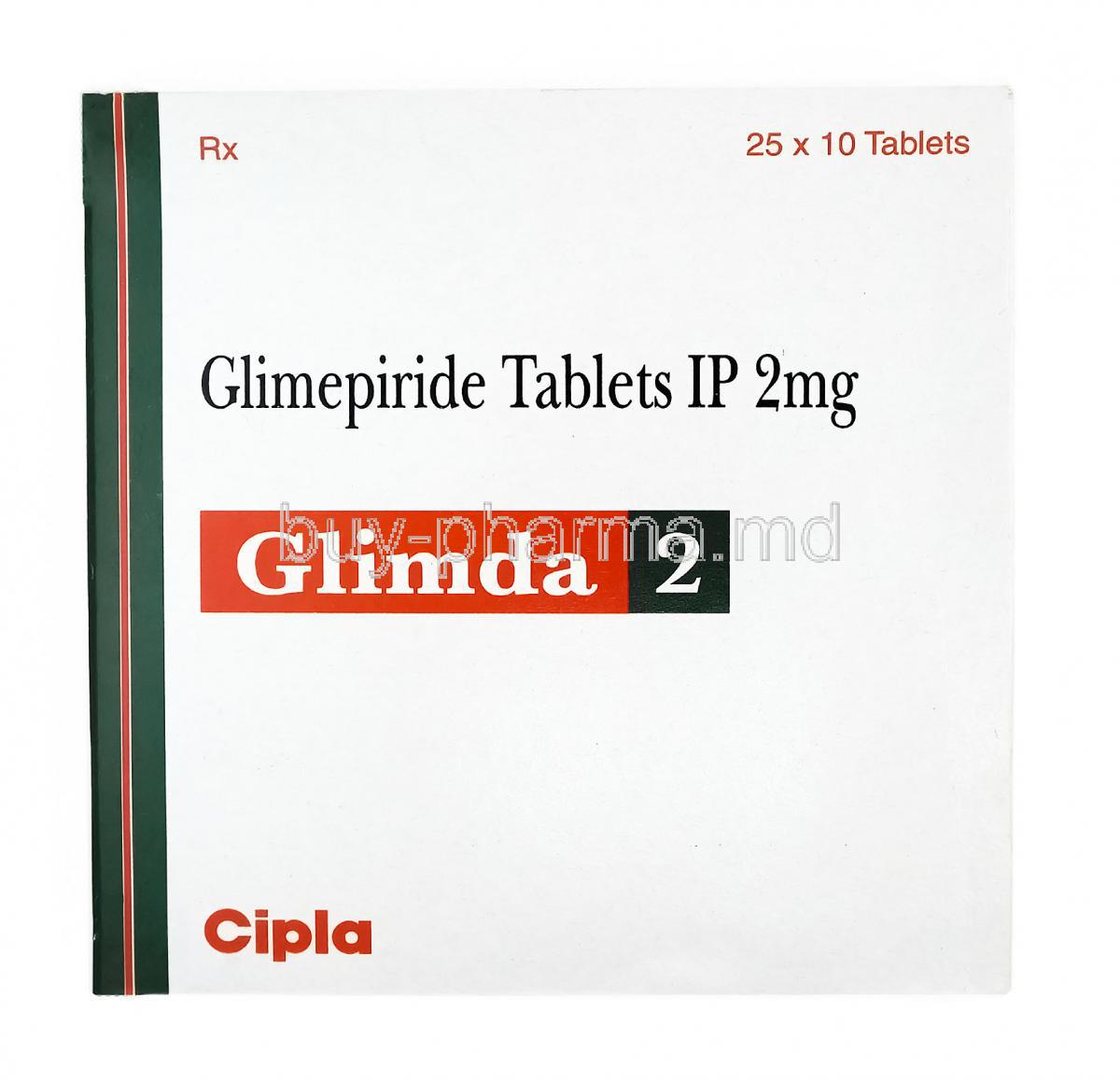
Glimda is a pharmaceutical preparation containing glimepiride, an oral antihyperglycemic agent designed to regulate blood glucose levels in individuals with type 2 diabetes mellitus. It is widely prescribed due to its potent efficacy and relatively prolonged duration of action. The formulation is intended for once-daily administration, enhancing patient adherence and therapeutic consistency.
1.2 Drug Class: Sulfonylurea Antidiabetic Agent
Glimepiride belongs to the sulfonylurea class, a group of insulin secretagogues. These agents act primarily on pancreatic beta cells. Unlike earlier sulfonylureas, glimepiride demonstrates a more refined receptor-binding profile, contributing to a lower incidence of severe hypoglycemia in some populations.
1.3 Brand vs Generic Overview
Glimda represents a branded or generic formulation of glimepiride. Both branded and generic variants contain the same active moiety and exhibit bioequivalence. Differences may exist in:
- Excipients and tablet appearance
- Manufacturing processes
- Pricing and accessibility
Therapeutic outcomes remain consistent when sourced from reputable manufacturers.
1.4 Indications in Modern Diabetes Management
In contemporary clinical practice, glimepiride is utilized for managing hyperglycemia in type 2 diabetes. It is often introduced when lifestyle interventions alone prove insufficient. Its adaptability allows integration into both early and advanced treatment algorithms.
1.5 Role in Glycemic Control Strategies
Glimepiride plays a pivotal role in comprehensive glycemic management. It is frequently combined with dietary modifications, physical activity, and adjunct pharmacotherapies. The goal is sustained euglycemia, minimizing long-term microvascular and macrovascular complications.
2. Composition and Formulation Details
2.1 Active Ingredient: Glimepiride
The primary active component is glimepiride, a third-generation sulfonylurea. It exhibits high potency at relatively low doses and a favorable pharmacokinetic profile.
2.2 Available Strengths and Dosage Forms
Glimda is typically available in oral tablet form. Common strengths include:
- 1 mg
- 2 mg
- 3 mg
- 4 mg
This range facilitates individualized dosing.
2.3 Excipients and Inactive Ingredients
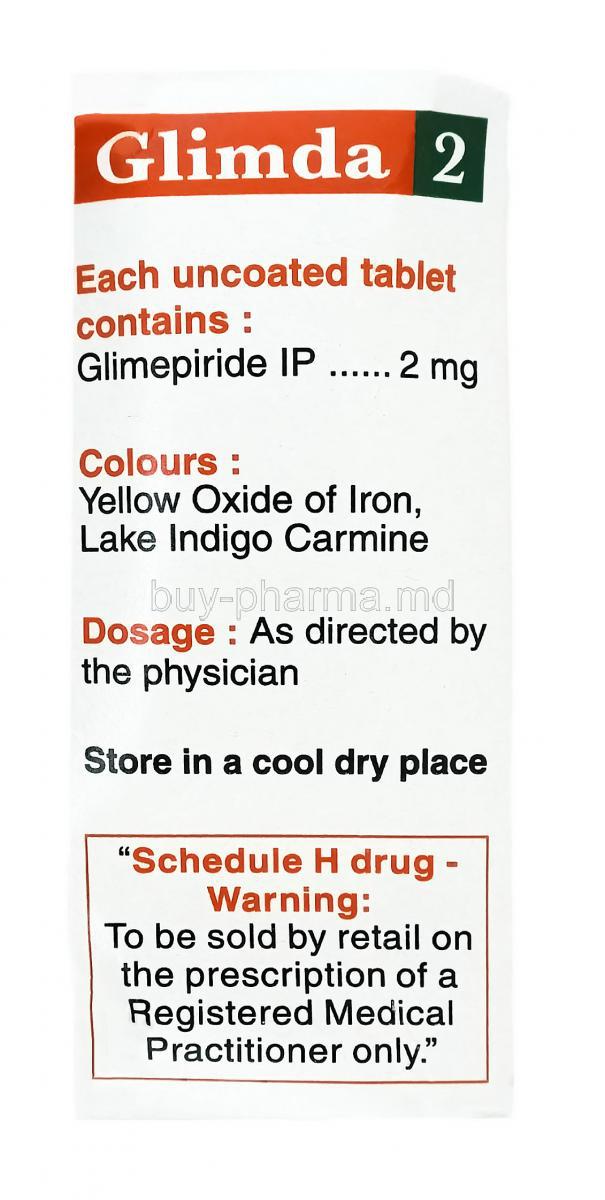
Inactive constituents may include lactose, microcrystalline cellulose, and magnesium stearate. These components support tablet stability, disintegration, and bioavailability without exerting pharmacologic effects.
2.4 Tablet Characteristics and Identification
Tablets are typically flat or slightly convex, color-coded according to strength, and imprinted for identification. Such features reduce dispensing errors and enhance patient safety.
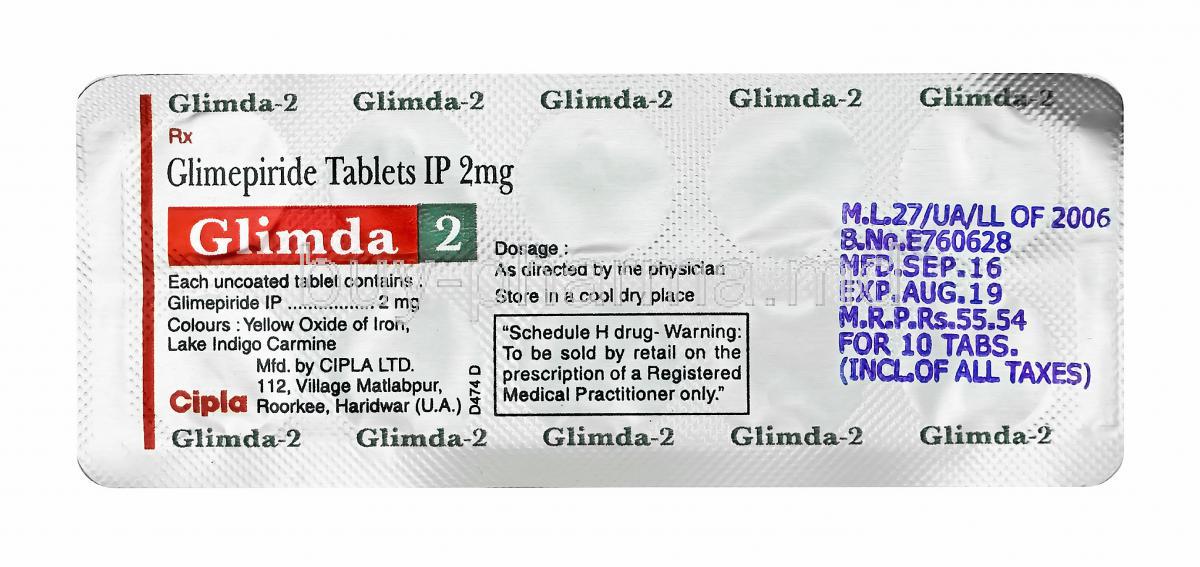
2.5 Packaging and Presentation
Glimda is supplied in blister packs or bottles, designed to protect against moisture and environmental degradation. Proper packaging ensures drug integrity throughout its shelf life.
3. Mechanism of Action: How Glimepiride Works
3.1 Stimulation of Pancreatic Beta Cells
Glimepiride binds to sulfonylurea receptors on pancreatic beta cells. This interaction triggers the closure of ATP-sensitive potassium channels. The result is membrane depolarization, leading to calcium influx and insulin secretion.
3.2 Enhancement of Insulin Secretion
The drug amplifies endogenous insulin release. This process is glucose-dependent to a degree, although hypoglycemia may occur if caloric intake is inadequate.
3.3 Peripheral Insulin Sensitization Effects
Beyond pancreatic activity, glimepiride enhances peripheral glucose uptake. It improves insulin sensitivity in muscle and adipose tissue, contributing to more efficient glucose utilization.
3.4 Impact on Hepatic Glucose Production
Glimepiride modestly suppresses hepatic gluconeogenesis. This effect complements its insulinotropic action, resulting in comprehensive glycemic control.
3.5 Comparison with Other Sulfonylureas
Compared with earlier agents, glimepiride exhibits:
- Lower dosing requirements
- Reduced risk of prolonged hypoglycemia
- Improved cardiovascular safety profile in some studies
3.6 Pharmacodynamic Profile and Duration of Action
Glimepiride demonstrates a rapid onset and sustained activity, allowing once-daily dosing. Its effects can persist for up to 24 hours, providing stable glycemic coverage.
4. Uses of Glimda (Glimepiride)
4.1 Primary Use: Type 2 Diabetes Mellitus Management
The principal indication is the management of type 2 diabetes mellitus. It lowers fasting and postprandial blood glucose levels effectively.
4.2 Use as Monotherapy in Early Diabetes
In newly diagnosed patients, glimepiride may be used alone when lifestyle measures are insufficient. It offers a straightforward, cost-effective approach.
4.3 Combination Therapy with Metformin
Glimepiride is frequently combined with metformin. This dual mechanism addresses both insulin resistance and insulin secretion deficiencies.
4.4 Combination with Insulin Therapy
In advanced cases, it may be used alongside insulin to enhance glycemic control while potentially reducing insulin dose requirements.
4.5 Role in Dual and Triple Oral Therapy Regimens
Glimepiride is commonly included in multi-drug regimens, particularly when monotherapy fails to achieve target HbA1c levels.
4.6 Use in Patients with Insulin Resistance
Patients exhibiting insulin resistance benefit from its combined pancreatic and peripheral actions.
4.7 Glycemic Control in Overweight and Obese Patients
While effective, caution is advised due to potential weight gain. Adjunct lifestyle interventions remain essential.
5. Off-Label Uses of Glimepiride
5.1 Prediabetes and Impaired Glucose Tolerance (Selective Cases)
In select scenarios, glimepiride may be considered to delay progression to overt diabetes, although lifestyle modification remains first-line.
5.2 Polycystic Ovary Syndrome (PCOS) and Insulin Resistance
It has been explored as an adjunct in PCOS to improve insulin sensitivity and metabolic parameters.
5.3 Steroid-Induced Hyperglycemia Management
Glimepiride may be utilized to counteract hyperglycemia induced by corticosteroid therapy.
5.4 Adjunct Use in Metabolic Syndrome
Its glucose-lowering effect can complement broader metabolic management strategies.
5.5 Combination in Resistant Type 2 Diabetes Cases
In refractory cases, it may be added to complex regimens for enhanced control.
5.6 Investigational Uses in Beta-Cell Preservation
Emerging research explores its potential role in preserving pancreatic beta-cell function.
6. Dosage and Administration Guidelines
6.1 Recommended Starting Dose
Initial dosing typically begins at 1 mg once daily. This conservative approach minimizes hypoglycemia risk.
6.2 Dose Titration Based on Blood Glucose Levels
Dose adjustments are made incrementally. Monitoring fasting glucose and HbA1c is essential.
6.3 Maximum Daily Dose Limits
The maximum recommended dose is generally 8 mg per day. Exceeding this threshold rarely yields additional benefit.
6.4 Administration Timing (Before or With Meals)
Glimepiride should be taken with the first main meal. This synchronizes insulin release with nutrient intake.
6.5 Switching from Other Antidiabetic Medications
Transition requires careful consideration to avoid overlapping hypoglycemic effects.
6.6 Missed Dose Instructions
If a dose is missed, it should not be doubled. The next scheduled dose should be taken as usual.
6.7 Duration of Therapy and Long-Term Use
Long-term therapy is common. Periodic reassessment ensures continued efficacy and safety.
7. Side Effects of Glimda (Glimepiride)
7.1 Overview of Adverse Reactions
Adverse effects range from mild to severe. Most are manageable with appropriate monitoring.
7.2 Frequency-Based Classification of Side Effects
Side effects are categorized as common, uncommon, or rare. This classification aids clinical decision-making.
7.3 Dose-Dependent vs Idiosyncratic Reactions
Some reactions correlate with dosage, while others occur unpredictably.
7.4 Reversible vs Persistent Side Effects
Many adverse effects resolve upon dose adjustment or discontinuation.
8. Common Side Effects of Glimepiride
8.1 Hypoglycemia (Low Blood Sugar)
The most notable side effect. Symptoms include sweating, tremors, and confusion.
8.2 Dizziness and Headache
These may occur transiently, particularly during therapy initiation.
8.3 Gastrointestinal Disturbances (Nausea, Dyspepsia)
Mild digestive discomfort may be observed in some patients.
8.4 Weight Gain and Appetite Changes
Weight gain can occur due to increased insulin activity.
8.5 Fatigue and Weakness
These symptoms may reflect fluctuations in blood glucose levels.
8.6 Mild Skin Reactions (Rash, Itching)
Cutaneous reactions are generally mild and self-limiting.
9. Serious and Rare Adverse Effects
9.1 Severe Hypoglycemia and Risk Factors
Severe episodes may lead to loss of consciousness. Risk factors include missed meals and excessive dosing.
9.2 Hematologic Effects (Leukopenia, Thrombocytopenia)
Rare blood dyscrasias have been reported. Monitoring is advised in symptomatic patients.
9.3 Hepatic Dysfunction and Elevated Liver Enzymes
Liver enzyme abnormalities may occur. Periodic evaluation is recommended.
9.4 Hypersensitivity Reactions and Anaphylaxis
Serious allergic reactions are rare but require immediate medical attention.
9.5 Cardiovascular Considerations
Cardiovascular effects remain an area of ongoing research and clinical scrutiny.
10. Drug Interactions with Glimepiride
10.1 Interactions with Other Antidiabetic Agents
Combination therapy increases hypoglycemia risk. Careful dose adjustment is required.
10.2 Drugs That Increase Hypoglycemic Risk
- Beta-blockers
- ACE inhibitors
- Salicylates
10.3 Drugs That Reduce Glimepiride Effectiveness
- Corticosteroids
- Diuretics
- Thyroid hormones
10.4 Interaction with Alcohol
Alcohol may potentiate hypoglycemia or cause unpredictable glycemic fluctuations.
10.5 Herbal Supplements and OTC Medications
Certain supplements may alter glucose metabolism. Disclosure of all products is essential.
10.6 CYP450 Enzyme Interactions
Glimepiride is metabolized via hepatic pathways. Enzyme inducers or inhibitors may affect drug levels.
11. Warnings and Safety Considerations
11.1 Risk of Hypoglycemia in Vulnerable Patients
Hypoglycemia remains the most clinically significant risk associated with glimepiride therapy. Vulnerable populations—particularly the elderly, malnourished individuals, and those with irregular dietary intake—are predisposed to precipitous declines in blood glucose levels. Symptoms may manifest abruptly. Subtle at first. Then rapidly progressive.
- Shakiness, diaphoresis, and palpitations
- Confusion, irritability, or somnolence
- Severe cases: seizures or loss of consciousness
Preventive vigilance is essential. Structured meal timing and dose optimization are paramount.
11.2 Cardiovascular Safety Concerns
While glimepiride is generally considered to have a favorable cardiovascular profile compared to earlier sulfonylureas, caution persists. Long-term cardiovascular outcomes remain an area of ongoing scrutiny. Patients with pre-existing ischemic heart disease or heart failure require individualized assessment.
Clinical prudence dictates careful titration. Close observation is indispensable.
11.3 Use in Patients with Renal Impairment
Renal insufficiency alters drug metabolism and clearance. This can amplify hypoglycemic risk. Even standard doses may become excessive under such conditions.
- Initiate therapy at the lowest effective dose
- Monitor renal parameters regularly
- Adjust dosing based on glomerular filtration rate (GFR)
11.4 Use in Hepatic Dysfunction
Hepatic impairment can disrupt gluconeogenesis and drug metabolism simultaneously. The result is an unpredictable glycemic response. Patients may oscillate between hyperglycemia and hypoglycemia.
Careful titration. Conservative dosing. Continuous monitoring.
11.5 Risk During Acute Illness or Surgery
Acute physiological stress—such as infection, trauma, or surgical intervention—can destabilize glucose homeostasis. Oral agents like glimepiride may become insufficient or inappropriate.
- Temporary transition to insulin therapy may be required
- Frequent glucose monitoring is critical
- Therapy should be reassessed post-recovery
11.6 Monitoring Requirements (HbA1c, Blood Glucose)
Meticulous monitoring underpins safe and effective therapy. Both short-term and long-term glycemic indicators must be evaluated.
- Fasting blood glucose for daily assessment
- Postprandial glucose for meal-related control
- HbA1c every 3–6 months for long-term efficacy
Data-driven adjustments ensure sustained therapeutic benefit.
12. Contraindications of Glimda (Glimepiride)
12.1 Hypersensitivity to Sulfonylureas or Sulfonamides
Patients with known hypersensitivity to sulfonylureas or structurally related sulfonamides must avoid glimepiride. Reactions may range from mild cutaneous eruptions to severe anaphylaxis.
12.2 Type 1 Diabetes Mellitus
Glimepiride is ineffective in type 1 diabetes, where endogenous insulin production is absent. Insulin therapy remains the cornerstone of treatment in such cases.
12.3 Diabetic Ketoacidosis (DKA)
DKA constitutes a medical emergency requiring rapid insulin administration and metabolic correction. Oral agents have no role in this acute setting.
12.4 Severe Renal or Hepatic Failure
Advanced organ dysfunction significantly impairs drug metabolism and excretion. The risk of prolonged hypoglycemia becomes unacceptable.
12.5 Pregnancy (When Insulin Preferred)
During pregnancy, insulin is generally preferred due to its established safety profile. Oral sulfonylureas are typically avoided unless clearly justified.
12.6 Severe Hypoglycemia History
Patients with recurrent or severe hypoglycemic episodes should not be treated with glimepiride. Alternative therapies with lower hypoglycemia risk are recommended.
13. Careful Administration (Use with Caution)
13.1 Elderly Patients with Irregular Eating Patterns
Elderly individuals often exhibit inconsistent dietary habits. This variability increases susceptibility to hypoglycemia. Dose individualization is crucial.
13.2 Patients with Renal or Hepatic Impairment
Even moderate impairment necessitates caution. Pharmacokinetic alterations can lead to drug accumulation and exaggerated effects.
13.3 Malnourished or Debilitated Individuals
Reduced caloric intake diminishes endogenous glucose reserves. In such patients, even low doses may precipitate hypoglycemia.
13.4 Patients with Endocrine Disorders (e.g., Thyroid Dysfunction)
Endocrine imbalances can interfere with glucose metabolism. Thyroid disorders, in particular, may modify insulin sensitivity and drug response.
13.5 Individuals with Alcohol Dependence
Alcohol exerts complex effects on glucose regulation. It may potentiate hypoglycemia or mask its symptoms, complicating clinical management.
14. Important Precautions for Safe Use
14.1 Importance of Regular Blood Glucose Monitoring
Routine monitoring provides immediate feedback on therapeutic efficacy. It enables early detection of deviations from target ranges.
14.2 Dietary Consistency and Meal Timing
Consistency is essential. Skipped or delayed meals can precipitate hypoglycemia when insulin secretion is pharmacologically enhanced.
14.3 Recognition and Management of Hypoglycemia
Patients must be educated to recognize early warning signs. Prompt intervention can avert severe complications.
- Consume fast-acting carbohydrates
- Recheck glucose levels
- Seek medical assistance if symptoms persist
14.4 Lifestyle Modifications (Diet and Exercise)
Pharmacotherapy alone is insufficient. Dietary optimization and physical activity amplify therapeutic outcomes and improve insulin sensitivity.
14.5 Avoiding Skipped Meals While on Therapy
Regular meal consumption aligns with the pharmacodynamics of glimepiride. Skipping meals introduces significant risk.
14.6 Driving and Operating Machinery Precautions
Hypoglycemia may impair cognitive and motor function. Patients should exercise caution when engaging in activities requiring alertness.
15. Administration to Elderly Patients
15.1 Dose Adjustment in Geriatric Population
Lower initial doses are recommended in elderly patients. Age-related physiological changes necessitate conservative titration.
15.2 Increased Sensitivity to Hypoglycemia
Elderly individuals often exhibit heightened sensitivity to hypoglycemia. Symptoms may be atypical or less pronounced.
15.3 Monitoring Renal Function in Aging Patients
Renal function declines with age. Periodic assessment is essential to prevent drug accumulation.
15.4 Fall Risk Due to Hypoglycemic Episodes
Hypoglycemia-induced dizziness or confusion may lead to falls. Preventive strategies should be implemented proactively.
16. Administration to Pregnant and Nursing Women
16.1 Safety Profile During Pregnancy
The safety of glimepiride during pregnancy is not fully established. Alternative therapies are generally preferred.
16.2 Placental Transfer and Fetal Risk
There is potential for placental transfer. This raises concerns regarding neonatal hypoglycemia and developmental effects.
16.3 Preferred Alternatives (e.g., Insulin)
Insulin remains the treatment of choice during pregnancy due to its predictable pharmacologic profile.
16.4 Use During Breastfeeding and Infant Exposure
Limited data exist regarding excretion into breast milk. Caution is advised, and alternative therapies may be considered.
16.5 Clinical Recommendations and Risk-Benefit Assessment
Therapeutic decisions should be individualized. The benefits of glycemic control must be weighed against potential risks to the fetus or infant.
17. Administration to Pediatric Patients
17.1 Limited Evidence in Children and Adolescents
Clinical data in pediatric populations are sparse. Routine use is not widely recommended.
17.2 Safety and Efficacy Considerations
The safety profile in children remains incompletely characterized. Careful supervision is required if used.
17.3 Alternative Therapies for Pediatric Diabetes
Insulin and other agents with established pediatric indications are typically preferred.
17.4 Specialist Supervision Requirements
Management should involve a pediatric endocrinologist. Close monitoring ensures optimal outcomes.
18. Overdosage and Emergency Management
18.1 Symptoms of Glimepiride Overdose
Overdose typically results in prolonged hypoglycemia. Symptoms may persist for extended durations.
- Confusion and altered consciousness
- Seizures
- Coma in severe cases
18.2 Severe Hypoglycemia Management Protocols
Immediate correction of blood glucose is critical. Oral glucose may suffice in mild cases, while severe cases require intravenous intervention.
18.3 Immediate First Aid Measures
Prompt administration of glucose or sugary beverages can stabilize the patient temporarily. Continuous observation is necessary.
18.4 Hospital-Based Treatment (Glucose Infusion)
Severe overdose requires hospitalization. Intravenous dextrose infusion and monitoring are standard interventions.
18.5 Monitoring After Overdose
Extended monitoring is essential due to the risk of recurrent hypoglycemia. Clinical vigilance must be sustained.
19. Storage Instructions
19.1 Recommended Storage Temperature
Store at controlled room temperature, typically between 20°C and 25°C. Avoid extremes of heat or cold.
19.2 Protection from Moisture and Light
Exposure to moisture or direct light may compromise drug stability. Keep tablets in original packaging.
19.3 Shelf Life and Expiry Considerations
Adhere strictly to expiry dates. Degraded medication may lose efficacy or become unsafe.
19.4 Safe Storage Away from Children
Medication should be stored securely, out of reach of children. Accidental ingestion poses serious risks.
20. Handling Precautions
20.1 Safe Handling of Tablets
Tablets should be handled with clean, dry hands. Avoid unnecessary exposure to environmental contaminants.
20.2 Avoiding Contamination and Degradation
Do not remove tablets from packaging until use. This preserves stability and potency.
20.3 Disposal of Unused or Expired Medication
Unused medication should be disposed of according to local regulations. Do not discard in household waste or wastewater without guidance.
20.4 Patient Counseling on Proper Use
Clear instructions enhance adherence and safety. Patients should be educated on dosing, storage, and recognition of adverse effects.
Popular Products
Similar Product