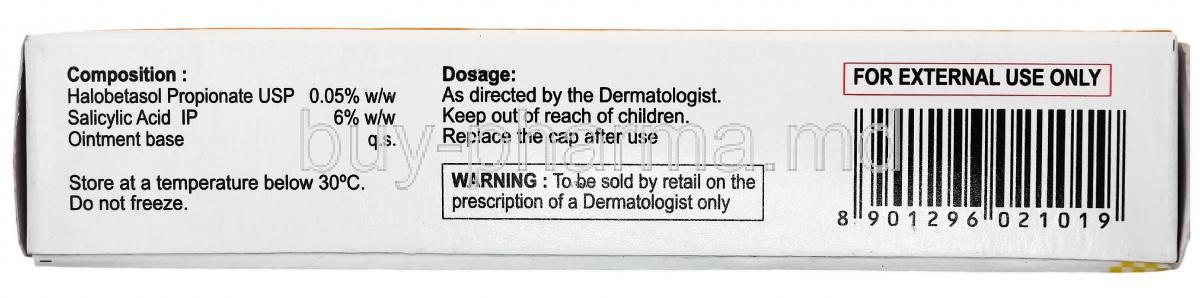
1. Introduction to Halox ES Ointment
1.1 What Halox ES Ointment Is
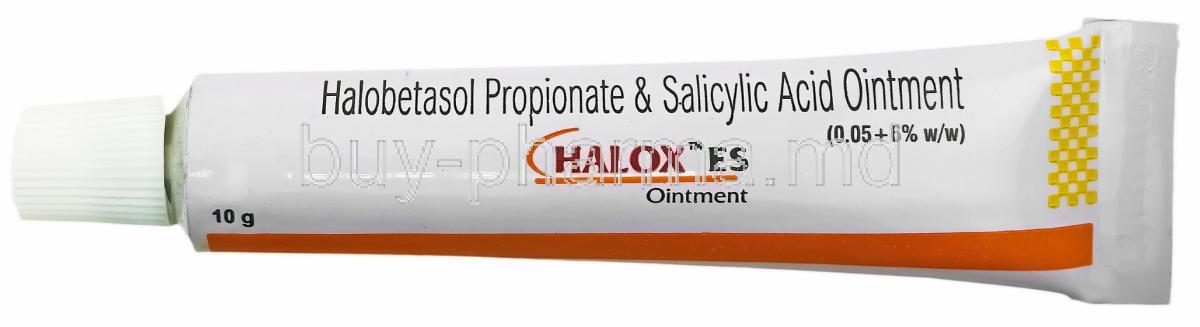
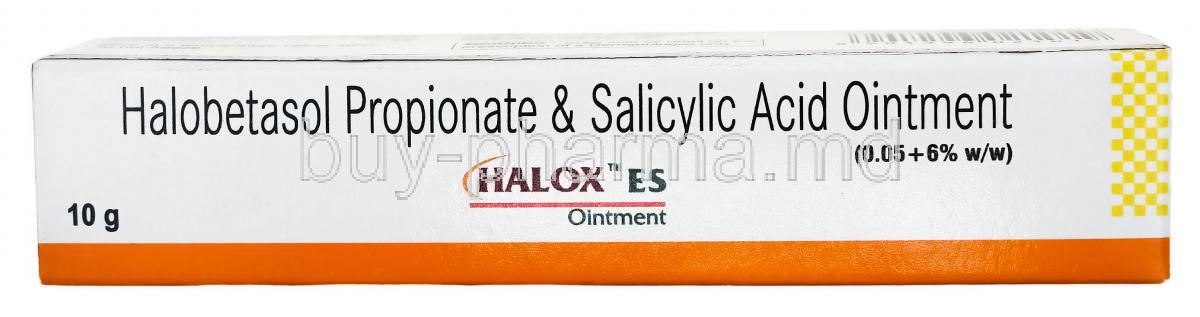
Halox ES Ointment is a topical dermatological medication formulated for the management of inflammatory and hyperkeratotic skin disorders. It combines a potent corticosteroid with a keratolytic compound. This dual-action formulation addresses both inflammation and excessive scaling of the skin.
Dermatologists frequently prescribe this ointment for conditions characterized by erythema, thick plaques, and persistent pruritus. The preparation is designed for external application only. Its pharmacological purpose is to reduce inflammation while simultaneously facilitating the removal of hardened skin layers.
- Topical anti-inflammatory therapy
- Keratolytic action to reduce scaling
- Used for steroid-responsive dermatoses
1.2 Therapeutic Classification and Drug Category
Halox ES Ointment belongs to the category of high-potency topical corticosteroid combinations. It is specifically formulated to treat dermatologic disorders that involve inflammation, epidermal hyperproliferation, and thickened skin plaques.
From a pharmacological perspective, the product contains two therapeutically distinct components:
- Halobetasol propionate – an ultra-potent topical corticosteroid
- Salicylic acid – a keratolytic agent belonging to the salicylate family
The integration of these compounds enables both anti-inflammatory and desquamative effects, making the medication suitable for stubborn dermatological lesions.
1.3 Overview of Halobetasol Propionate and Salicylic Acid Combination
Halobetasol propionate exerts strong anti-inflammatory activity through glucocorticoid receptor activation. Salicylic acid, on the other hand, softens and dissolves keratin accumulation within the epidermis.
This pharmacodynamic pairing enhances therapeutic efficacy. Salicylic acid removes scales and keratin debris. The corticosteroid penetrates more effectively into inflamed tissue. The result is improved symptom control and accelerated lesion resolution.
1.4 Role of Combination Therapy in Dermatological Conditions
Many dermatologic disorders exhibit both inflammatory and hyperkeratotic features. Thick plaques, fissures, and scaling commonly hinder medication absorption. Monotherapy may therefore be insufficient.
Combination therapy addresses these barriers through a multipronged mechanism:
- Reduction of inflammatory mediators
- Breakdown of hyperkeratotic skin layers
- Improved penetration of active compounds
- Enhanced therapeutic response in chronic skin disease
1.5 Indications for High-Potency Topical Corticosteroid Formulations
High-potency corticosteroids are typically reserved for resistant dermatologic conditions. These medications are particularly useful when mild or moderate topical therapies fail to produce adequate improvement.
Typical indications include:
- Severe inflammatory dermatoses
- Chronic plaque psoriasis
- Lichenified eczema
- Hyperkeratotic lesions resistant to treatment
2. Composition and Formulation
2.1 Active Ingredients: Halobetasol Propionate and Salicylic Acid
Halox ES Ointment contains two pharmacologically active compounds. Each contributes a distinct therapeutic role in the management of inflammatory skin disorders.
- Halobetasol propionate – powerful corticosteroid
- Salicylic acid – keratolytic compound
Together they target both inflammatory and structural aspects of skin disease.
2.2 Pharmacological Class of Each Component
Halobetasol propionate belongs to the super-potent class of topical glucocorticoids. These agents inhibit inflammatory pathways and suppress immune activity within the skin.
Salicylic acid is classified as a keratolytic agent. It promotes exfoliation of the stratum corneum, facilitating removal of dead skin cells and reducing hyperkeratosis.
2.3 Strength and Concentration of Active Ingredients
The ointment typically contains halobetasol propionate in a concentration of 0.05%, combined with salicylic acid at approximately 3%. This ratio is carefully selected to maximize therapeutic benefit while minimizing adverse effects.
Precise concentrations may vary slightly depending on manufacturer specifications and formulation standards.
2.4 Inactive Ingredients and Ointment Base
The ointment base consists of emollient carriers designed to enhance skin hydration and facilitate uniform drug distribution. These excipients help maintain product stability and improve dermal absorption.
Typical inactive ingredients may include:
- Petrolatum
- Paraffin derivatives
- Emollient oils
- Stabilizing agents
2.5 Role of Salicylic Acid as a Keratolytic Agent
Salicylic acid disrupts intercellular cohesion within the stratum corneum. It dissolves keratin plugs and promotes desquamation. This process reduces thickened skin layers and improves overall skin texture.
Additionally, keratolysis enhances the penetration of topical medications applied to affected areas.
2.6 Synergistic Effects of Corticosteroid and Keratolytic Components
The combination of halobetasol and salicylic acid produces a synergistic therapeutic effect. The keratolytic component removes scales that would otherwise impede drug absorption. Meanwhile, the corticosteroid suppresses inflammatory processes.
This dual mechanism significantly improves treatment outcomes in chronic dermatologic conditions.
3. Mechanism of Action: How Halox ES Ointment Works
3.1 Anti-Inflammatory Mechanism of Halobetasol Propionate
Halobetasol propionate binds to intracellular glucocorticoid receptors. This interaction alters gene transcription within epidermal cells. As a result, inflammatory pathways become suppressed.
The medication reduces redness, swelling, itching, and irritation associated with inflammatory dermatoses.
3.2 Suppression of Cytokines and Inflammatory Mediators
Corticosteroids inhibit the production of numerous inflammatory mediators including prostaglandins, leukotrienes, and cytokines. These biochemical signals normally promote immune activation and tissue inflammation.
By suppressing these molecules, halobetasol effectively dampens inflammatory cascades.
3.3 Vasoconstrictive Properties of Potent Corticosteroids
Halobetasol also exhibits vasoconstrictive activity. Small blood vessels within inflamed skin constrict, reducing erythema and edema. This effect contributes to the rapid visual improvement often observed during treatment.
3.4 Keratolytic Action of Salicylic Acid in Removing Scales
Salicylic acid breaks down the intercellular matrix that binds keratinocytes together. As these cellular bonds dissolve, accumulated scales detach from the skin surface.
This process softens thick plaques and allows the epidermis to regenerate more effectively.
3.5 Enhanced Penetration of Corticosteroid Through Keratolysis
By removing obstructive keratin layers, salicylic acid enhances the permeability of the skin barrier. This allows halobetasol to penetrate deeper into inflamed tissue.
Consequently, therapeutic effects become more pronounced and treatment response improves.
3.6 Effects on Hyperkeratosis and Epidermal Cell Turnover
Hyperkeratosis involves excessive proliferation of keratinocytes within the epidermis. Halox ES Ointment helps normalize this process through anti-inflammatory and keratolytic actions.
Over time the medication:
- Reduces epidermal thickening
- Improves skin texture
- Decreases scaling and plaque formation
4. Halox ES Ointment Uses
4.1 Treatment of Moderate to Severe Plaque Psoriasis
Plaque psoriasis is characterized by thick, erythematous lesions covered with silvery scales. Halox ES Ointment helps reduce inflammation while dissolving keratin accumulation.
4.2 Management of Chronic Eczema and Dermatitis
Chronic eczema often presents with intense itching and lichenified skin. The corticosteroid component suppresses inflammatory reactions while restoring skin comfort.
4.3 Treatment of Lichen Planus and Lichen Simplex Chronicus
These conditions involve persistent itching and thickened plaques caused by repeated scratching. High-potency corticosteroids can significantly reduce inflammation and pruritus.
4.4 Treatment of Hyperkeratotic Dermatoses
Certain skin disorders produce excessive keratin buildup. Salicylic acid softens these lesions, allowing corticosteroids to reach inflamed tissue beneath the surface.
4.5 Management of Seborrheic Dermatitis with Scaling
Seborrheic dermatitis can produce erythematous, flaky skin. Halox ES Ointment reduces inflammation and helps remove adherent scales.
4.6 Treatment of Thick Plaques and Scaly Skin Lesions
Stubborn plaques resistant to mild therapy may respond well to high-potency corticosteroid combinations. Reduction of scaling improves both appearance and patient comfort.
4.7 Use in Steroid-Responsive Dermatoses
Many inflammatory skin diseases respond to topical corticosteroids. Halox ES Ointment is particularly useful in severe cases where stronger anti-inflammatory activity is required.
5. Off-Label Uses of Halobetasol and Salicylic Acid Combination
5.1 Off-Label Use in Chronic Atopic Dermatitis
Although not always first-line therapy, potent corticosteroids may be used in refractory cases of atopic dermatitis where inflammation remains severe.
5.2 Treatment of Palmoplantar Psoriasis
Psoriasis affecting the palms and soles can produce painful fissures and thick plaques. Keratolytic therapy improves medication penetration in these areas.
5.3 Use in Keratoderma and Hyperkeratosis Disorders
Inherited or acquired keratoderma involves pronounced thickening of the skin. Salicylic acid helps remove keratin accumulation while corticosteroids reduce inflammation.
5.4 Adjunct Treatment for Discoid Lupus Erythematosus Skin Lesions
Topical corticosteroids may occasionally be used alongside systemic therapies to control localized inflammation in discoid lupus lesions.
5.5 Off-Label Use in Hypertrophic Lichen Planus
Hypertrophic lichen planus produces thick nodular plaques that respond poorly to mild treatments. High-potency corticosteroids can help control inflammation and itching.
5.6 Management of Chronic Pruritic Dermatoses with Scaling
Persistent itching associated with scaly dermatoses can significantly impair quality of life. Combination therapy may alleviate both inflammation and surface scaling.
6. Dosage and Administration Guidelines
6.1 Recommended Dosage for Adults
A thin layer of Halox ES Ointment is typically applied to affected skin areas once or twice daily. Excessive application should be avoided.
6.2 Frequency of Application and Duration of Therapy
Treatment duration depends on the severity of the skin condition. High-potency corticosteroids are generally used for short courses to minimize adverse effects.
6.3 Proper Method for Applying Halox ES Ointment
- Clean and dry the affected skin
- Apply a thin layer of ointment
- Gently massage into the lesion
- Wash hands after application
6.4 Application to Thick Plaques and Scaly Lesions
For heavily keratinized plaques, the medication may be applied more carefully to ensure adequate coverage of the affected area.
6.5 Use With Occlusive Dressings
Occlusive dressings may increase drug absorption. However, they should only be used under medical supervision due to the increased risk of systemic corticosteroid exposure.
6.6 Maximum Recommended Duration of Treatment
Continuous treatment with high-potency corticosteroids is typically limited to a few weeks. Prolonged use should be avoided unless directed by a healthcare professional.
6.7 Missed Dose and Application Timing
If a dose is missed, it should be applied as soon as remembered. However, doubling the next application is not recommended.
7. Important Precautions and Safety Considerations
7.1 Risk of Systemic Corticosteroid Absorption
Although applied topically, potent corticosteroids may be absorbed into the systemic circulation. This risk increases when large areas of skin are treated.
7.2 Skin Thinning and Atrophy Risk
Long-term corticosteroid therapy may lead to dermal atrophy. The skin becomes fragile, thin, and more susceptible to injury.
7.3 Risks Associated With Prolonged Use
Extended use of high-potency steroids may lead to complications including hormonal suppression and delayed wound healing.
7.4 Use on Sensitive Areas Such as Face and Groin
Skin in these regions is more delicate and prone to adverse effects. Potent corticosteroids should generally be avoided unless specifically recommended by a physician.
7.5 Avoiding Use on Broken or Infected Skin
Application to damaged skin may increase systemic absorption and worsen underlying infections.
7.6 Monitoring During Long-Term Therapy
Patients receiving extended treatment should undergo regular clinical monitoring to ensure safe and effective therapy.
8. Warnings Associated With Halox ES Ointment
8.1 Potential for Hypothalamic-Pituitary-Adrenal (HPA) Axis Suppression
Prolonged use of potent corticosteroids may suppress normal adrenal gland function. Careful monitoring is therefore recommended during therapy.
8.2 Increased Risk of Skin Infections
Corticosteroids suppress immune responses in the skin, which may predispose patients to secondary bacterial or fungal infections.
8.3 Steroid-Induced Rosacea and Perioral Dermatitis
Improper use of strong topical steroids may lead to rosacea-like eruptions or perioral dermatitis, particularly when applied to facial skin.
8.4 Risk of Salicylate Toxicity With Excessive Use
Large amounts of salicylic acid applied over extensive skin areas may lead to systemic salicylate absorption. Symptoms may include dizziness, nausea, and tinnitus.
8.5 Caution When Treating Large Surface Areas
Treating extensive body regions increases the likelihood of systemic absorption. Physicians typically limit the total treated area during therapy.
9. Contraindications
9.1 Hypersensitivity to Halobetasol or Salicylic Acid
Patients with known allergies to corticosteroids or salicylates should avoid using Halox ES Ointment.
9.2 Use in Viral Skin Infections Such as Herpes Simplex
Topical corticosteroids may worsen viral infections by suppressing immune defenses in the skin.
9.3 Contraindication in Untreated Bacterial or Fungal Skin Infections
Infections should be treated appropriately before initiating corticosteroid therapy.
9.4 Use in Rosacea and Acne Vulgaris
Corticosteroids may aggravate these conditions and are generally not recommended.
9.5 Contraindication in Perioral Dermatitis
Perioral dermatitis can worsen with topical corticosteroid exposure.
10. Careful Administration and Patient Monitoring
10.1 Monitoring for Signs of Steroid Overexposure
Symptoms of excessive corticosteroid exposure may include skin thinning, stretch marks, and hormonal disturbances. Regular clinical assessment is advisable.
10.2 Monitoring Skin Integrity During Treatment
Dermatologic examinations help identify early signs of irritation, infection, or adverse reactions.
10.3 Special Considerations in Patients With Chronic Skin Disease
Individuals with long-standing dermatologic disorders may require individualized treatment regimens. Medical supervision ensures safe therapeutic outcomes.
10.4 Adjusting Therapy in Sensitive Skin Areas
When treatment involves delicate skin regions, dosage adjustments or alternative therapies may be considered to reduce the risk of adverse effects.
11. Administration to Elderly Patients
11.1 Age-Related Skin Sensitivity Considerations
Older adults often exhibit physiologic alterations in the skin that make topical therapy more delicate and, at times, more precarious. The epidermis becomes thinner. Dermal collagen diminishes. Barrier recovery slows. These age-associated changes can increase the penetration of potent topical agents and magnify irritant responses.
When Halox ES Ointment is used in elderly patients, clinicians generally proceed with circumspection. Even a standard application may produce a more pronounced response in senescent skin than in younger skin. Areas commonly affected by fragility include the forearms, lower legs, and intertriginous regions. These zones merit special vigilance.
- Skin may bruise more easily
- Local irritation can appear sooner
- Barrier disruption may persist longer
- Healing after minor trauma may be delayed
Because of this heightened susceptibility, treatment objectives should remain precise, limited, and judiciously supervised.
11.2 Increased Risk of Skin Thinning in Older Adults
Potent topical corticosteroids are known to induce cutaneous atrophy, and this concern becomes more salient in elderly patients. Their skin already possesses diminished tensile resilience. The addition of a high-potency corticosteroid may accelerate thinning, accentuate translucency, and increase vulnerability to fissures or purpura.
This effect may be subtle at first. Then it becomes conspicuous. The skin can appear papery, fragile, and more vascular. In some patients, recurrent use over the same site may also precipitate telangiectatic changes and persistent dermal attenuation.
- Greater risk in thin-skinned areas
- Higher concern with prolonged or repeated courses
- Increased susceptibility under occlusion
- Potential for irreversible cosmetic changes
Accordingly, older adults should generally receive the lowest effective amount for the shortest clinically appropriate interval.
11.3 Dose Adjustment and Monitoring in Elderly Patients
Formal dose adjustment may not always be codified by age alone, yet pragmatic modification is often warranted in elderly individuals. Smaller treatment areas, lower frequency of application, and shorter durations are commonly favored. Prudence is essential.
Clinical monitoring should include periodic inspection of the treated skin and assessment for steroid-related complications. This is especially important in patients with chronic dermatoses who may require recurring therapy.
- Apply a thin film only
- Avoid unnecessary long-term use
- Reassess frequently for atrophy or irritation
- Consider alternative therapies for delicate areas
Where recurrent disease necessitates repeated treatment cycles, an intermittent regimen may sometimes be more suitable than continuous administration.
12. Administration to Pregnant Women and Nursing Mothers
12.1 Safety of Topical Corticosteroids During Pregnancy
The use of topical corticosteroids during pregnancy requires a careful benefit-risk appraisal. Although topical administration generally produces lower systemic exposure than oral or injectable corticosteroids, potent preparations still warrant circumspection, particularly when applied over large areas, under occlusion, or for extended periods.
Pregnancy introduces additional therapeutic restraint. The objective is not therapeutic nihilism, but precision. If treatment is necessary, it is usually preferable to employ the minimum effective quantity for the shortest feasible duration.
- Use only when clinically justified
- Avoid prolonged application over extensive surfaces
- Do not use more frequently than prescribed
- Reassess promptly if improvement is inadequate
A prescriber may consider disease severity, body surface area involved, previous treatment response, and the availability of alternative options before recommending a potent topical corticosteroid combination.
12.2 Risk Assessment for Halobetasol Exposure
Halobetasol propionate is an ultra-potent corticosteroid. That potency is therapeutically useful, yet it also heightens the need for restraint in pregnancy. Excessive exposure may increase systemic absorption, especially if the skin barrier is compromised or if large areas are treated.
Risk assessment should therefore consider several variables:
- Extent of application
- Duration of treatment
- Condition of the skin barrier
- Use of occlusive dressings
- Presence of repeated treatment cycles
Localized, short-term treatment may be appropriate in selected cases, whereas indiscriminate or prolonged use is generally inadvisable. Clinical judgment is paramount.
12.3 Considerations for Use During Breastfeeding
During lactation, topical corticosteroids may still be prescribed when necessary, but the application strategy should remain conservative. Systemic absorption from properly limited topical use is usually modest, yet unnecessary exposure should be avoided.
Special attention is required because accidental infant contact with treated skin is possible. This concern is practical, not merely theoretical. Residual ointment on the skin surface may be transferred during close contact if application practices are careless.
- Use the smallest effective amount
- Avoid applying immediately before nursing if there is any chance of infant contact
- Wash treated areas if contact is expected
- Seek reassessment if prolonged therapy seems necessary
The risk-benefit balance should always be individualized, especially in mothers requiring repeated or extensive dermatologic treatment.
12.4 Avoiding Application to Breast Area
Halox ES Ointment should not be applied to the breast or nipple area if an infant may ingest or contact the medication during feeding. This precaution is straightforward, critical, and non-negotiable.
Even small residues may be undesirable. The combination contains both a potent corticosteroid and salicylic acid, and inadvertent oral exposure by the nursing infant should be prevented.
- Do not apply to nipples before breastfeeding
- Avoid treatment on areas likely to contact the infant’s mouth
- Clean any unintentionally exposed area before nursing
13. Administration to Pediatric Patients
13.1 Safety Concerns in Infants and Children
Use of Halox ES Ointment in pediatric patients requires heightened caution. Children have a larger skin surface area relative to body weight, and this anatomic proportion can increase percutaneous absorption of topical medications. As a result, adverse systemic effects may develop more readily than in adults.
Infant skin is especially delicate. Young children are also more prone to occlusion from diapers, clothing, and skin folds, which can further intensify absorption. For these reasons, potent corticosteroid combinations are not automatically suitable for routine pediatric use.
- Children absorb topical drugs more efficiently
- Sensitive skin is more easily irritated
- Occlusion may amplify exposure
- Long-term use raises safety concerns
13.2 Risk of HPA Axis Suppression in Pediatric Patients
Pediatric patients are particularly vulnerable to hypothalamic-pituitary-adrenal axis suppression when exposed to potent topical corticosteroids. This occurs because absorbed corticosteroid may reduce endogenous adrenal hormone production. The risk is greater with higher potency formulations, larger treated areas, longer treatment duration, or occlusion.
This complication may not always be clinically obvious at first. That is why vigilance matters. Subtle signs can be overlooked unless treatment is carefully supervised.
- Risk increases with extensive application
- Occlusive conditions may worsen absorption
- Repeated courses can compound exposure
- Monitoring is important during extended use
13.3 Recommended Age Restrictions
Age restrictions vary according to product labeling, formulation-specific data, and jurisdictional guidance. In general, potent topical corticosteroids are used sparingly in children and are often avoided in very young patients unless a clinician determines that benefits clearly outweigh risks.
Use in infants is particularly restricted. In older children, therapy should still remain circumscribed and closely monitored. Empirical overuse is inadvisable.
- Do not use in children without medical guidance
- Infants require especially strict caution
- Treatment duration should remain short
- Apply only to clearly indicated areas
13.4 Monitoring for Growth Suppression
When potent corticosteroids are absorbed systemically over time, concerns may extend beyond local skin effects. In children, prolonged or excessive exposure may theoretically contribute to growth suppression or other endocrine disturbances.
This possibility underscores the importance of monitoring in pediatric patients receiving repeated or extended treatment courses. Growth parameters, general well-being, and signs of endocrine imbalance may warrant attention in higher-risk situations.
- Monitor carefully in recurrent or prolonged use
- Reassess necessity at regular intervals
- Discontinue promptly when therapeutic goals are met
14. Drug Interactions
14.1 Interactions With Other Topical Corticosteroids
Concurrent use of Halox ES Ointment with other topical corticosteroids may increase cumulative corticosteroid exposure. This can intensify both local adverse effects and the risk of systemic absorption. Potency stacking is not always obvious, but it is clinically meaningful.
Patients using multiple prescription or over-the-counter skin treatments should therefore review all products with a healthcare professional. Uncoordinated layering of steroid preparations may be unnecessary, duplicative, and potentially harmful.
- Greater risk of skin atrophy
- Higher chance of irritation or barrier damage
- Increased cumulative steroid burden
14.2 Use With Other Keratolytic Agents
Salicylic acid already provides keratolytic action within Halox ES Ointment. Combining it with other exfoliative or keratolytic agents, such as additional salicylic acid preparations, sulfur, urea at high concentrations, or certain peeling agents, may intensify irritation and compromise the skin barrier.
Excess keratolysis can transform therapeutic exfoliation into undue irritation. Erythema, burning, peeling, and tenderness may follow.
- Avoid overlapping strong exfoliants unless directed
- Monitor for excessive dryness or stinging
- Pause adjunct products if irritation develops
14.3 Interactions With Systemic Corticosteroid Therapy
Patients receiving systemic corticosteroids may have additive glucocorticoid exposure if a potent topical corticosteroid is used simultaneously. Although the contribution of a topical product may seem minor, it can become more consequential when large areas are treated or when therapy is prolonged.
This combined exposure may increase the risk of endocrine suppression, skin fragility, delayed wound healing, or immunosuppressive complications in susceptible patients.
- Use cautiously in patients already taking oral steroids
- Monitor more closely if large surface areas are treated
- Reassess total corticosteroid burden regularly
14.4 Potential Interactions With Retinoids and Immunosuppressants
Topical or systemic retinoids may increase skin sensitivity, dryness, and irritability. When used alongside Halox ES Ointment, the skin may become more reactive. Likewise, concomitant immunosuppressive therapy may compound the risk of infection or alter healing responses.
Not every combination is contraindicated. Still, the therapeutic plan should be deliberate. Dermatologic regimens involving retinoids, calcineurin inhibitors, biologics, or systemic immunosuppressants often require individualized scheduling and monitoring.
15. Side Effects of Halox ES Ointment
15.1 Local Skin Reactions
Local adverse reactions are among the most frequently encountered complications of topical corticosteroid and keratolytic therapy. These reactions may emerge early or after repeated use, depending on the patient’s skin sensitivity, the treated site, and the duration of therapy.
Common local reactions include discomfort, erythema, peeling, and altered texture of the skin. In some patients the reaction is mild. In others, it becomes clinically limiting.
- Application-site discomfort
- Localized redness
- Dryness or scaling
- Tenderness or heightened sensitivity
15.2 Burning, Stinging, and Irritation at Application Site
A transient burning or stinging sensation may occur after application, especially when the skin is excoriated, inflamed, or already barrier-impaired. Salicylic acid may contribute to this effect because of its keratolytic activity, while the corticosteroid component may not immediately mitigate early sensory irritation.
Mild discomfort may subside. Persistent irritation should not be ignored. If the treated skin becomes increasingly painful, inflamed, or intolerant, further assessment is advisable.
15.3 Skin Atrophy and Thinning
Skin atrophy is a classic complication of potent topical corticosteroids. The skin may become thinner, more fragile, and less resilient with repeated exposure. This is particularly likely when treatment is prolonged, used under occlusion, or applied to naturally delicate regions.
Atrophy can be both functional and cosmetic. It may predispose the skin to tearing, bruising, and persistent textural change.
15.4 Telangiectasia and Stretch Marks
Longer-term corticosteroid exposure may produce telangiectasia, which appears as fine visible blood vessels near the skin surface. Striae, or stretch marks, may also occur in susceptible areas, especially when potent steroids are used repeatedly on thin or flexural skin.
These changes are often difficult to reverse once established. Prevention therefore carries considerable importance.
- Higher risk in groin, axillae, and inner thighs
- More likely with prolonged or excessive use
- Can be cosmetically distressing
15.5 Allergic Contact Dermatitis
Although Halox ES Ointment is used to reduce inflammation, it can paradoxically provoke allergic contact dermatitis in rare cases, either to an active ingredient or to excipients within the formulation. Instead of improving, the rash may worsen. It may spread. It may become more pruritic or inflamed.
When a treated lesion fails to improve or appears aggravated, allergic sensitization should be considered, especially if irritation is disproportionate to the clinical expectation.
16. Common Side Effects
16.1 Mild Skin Irritation
Mild irritation is one of the most commonly reported effects of this type of topical therapy. It may manifest as a brief uncomfortable sensation, a faint erythematous halo, or a feeling of skin tightness after application.
In many cases, the irritation is temporary. Yet persistence warrants reassessment of dosing frequency, treatment area, or product suitability.
16.2 Dryness and Peeling
Because salicylic acid facilitates exfoliation, some degree of dryness or peeling may occur during treatment. This effect can be therapeutically useful in hyperkeratotic lesions, but excessive desquamation may indicate overtreatment or heightened skin sensitivity.
- More common on already dry skin
- May increase in cold or arid environments
- Can be aggravated by harsh cleansers
16.3 Redness and Itching
Localized redness and itching may occur as part of either the underlying condition or a treatment-related response. Distinguishing between disease activity and medication intolerance can sometimes be challenging. Clinical context matters.
If redness intensifies rather than subsides, or if itching becomes more diffuse or severe, treatment reassessment may be necessary.
16.4 Increased Skin Sensitivity
The treated skin may become more sensitive to friction, cleansing products, environmental irritants, or other topical agents. This heightened reactivity may be subtle, but it can influence tolerability and treatment adherence.
Patients should therefore avoid unnecessary cosmetic or medicated products on the treated area unless compatibility is clear.
17. Overdose and Excessive Use
17.1 Symptoms of Topical Corticosteroid Overdose
Topical corticosteroid overdose is usually related to chronic overuse rather than an acute single application. Excessive amounts, repeated treatment over large areas, or prolonged use under occlusion can produce signs of steroid excess.
Symptoms may include:
- Pronounced skin thinning
- Striae
- Persistent telangiectasia
- Delayed wound healing
- Suppression of normal adrenal function
17.2 Systemic Effects From Excess Absorption
If significant systemic absorption occurs, manifestations may extend beyond the skin. This is more likely in vulnerable patients, including children, older adults, and individuals with compromised skin barriers.
Potential systemic consequences may include features of hypercorticism or adrenal suppression. These are uncommon in appropriately supervised topical use, but they remain clinically relevant in cases of misuse or prolonged exposure.
17.3 Signs of Salicylate Toxicity
Because the formulation contains salicylic acid, excessive application over large areas or prolonged use on damaged skin may increase the risk of salicylate absorption. Although uncommon, toxicity can occur if exposure becomes substantial.
Possible signs include:
- Tinnitus
- Nausea
- Vomiting
- Dizziness
- Rapid breathing
- Mental confusion in severe cases
17.4 Recommended Management and Medical Intervention
If overdose or excessive exposure is suspected, the first step is usually discontinuation or careful tapering of the medication as clinically appropriate. Sudden management decisions may depend on severity, treatment history, and evidence of systemic involvement.
Medical evaluation may include assessment of skin changes, endocrine function, and symptoms suggestive of salicylate toxicity. Supportive care is often sufficient for mild cases. More serious systemic effects require prompt professional management.
18. Storage and Stability
18.1 Recommended Storage Temperature
Halox ES Ointment should generally be stored at controlled room temperature unless specific product labeling states otherwise. Extreme temperatures may compromise formulation stability, alter consistency, or affect performance.
A temperate storage environment is preferable. Excessive heat is undesirable. Freezing is likewise inappropriate unless explicitly allowed by the manufacturer.
18.2 Protecting the Ointment From Moisture and Heat
Moisture and heat can degrade topical preparations or change their physical properties. The ointment should therefore be kept in a dry place away from direct sunlight, hot vehicles, humid bathrooms, and other unstable environments.
- Keep the cap tightly closed
- Store away from radiators or windowsills
- Avoid high-humidity storage areas
18.3 Shelf Life and Expiry Considerations
Like other medicated topical products, Halox ES Ointment should not be used beyond its labeled expiry date. Over time, the chemical stability of active ingredients may decline, and product integrity may become uncertain.
Visual changes such as separation, discoloration, unusual odor, or altered texture may also indicate that the ointment should no longer be used, even if the expiry date has not yet passed.
18.4 Safe Storage Away From Children
This medication should always be stored out of the reach and sight of children. Accidental misuse is possible, and children may be particularly susceptible to harm from inappropriate topical or oral exposure.
Secure storage is a simple precaution. It matters.
19. Handling Precautions
19.1 Proper Handling and Hygiene During Application
Proper handling begins with clean hands and a clean treatment area. The ointment should be applied only to the affected skin in the prescribed amount. Over-application does not necessarily improve results. It may only magnify risk.
- Clean and dry the area before use
- Apply a thin film only
- Avoid contaminating the tube opening
- Do not share the medication with others
19.2 Avoiding Contact With Eyes and Mucous Membranes
Halox ES Ointment is intended for external dermatologic use and should not contact the eyes, mouth, nostrils, genital mucosa, or other mucous membranes unless specifically directed by a qualified clinician. Such contact may provoke irritation and, in some cases, significant discomfort.
If accidental exposure occurs, the area should generally be rinsed thoroughly with water and assessed if symptoms persist.
19.3 Washing Hands After Application
Hands should usually be washed after applying the ointment, unless the hands themselves are the treatment site. This simple measure helps prevent inadvertent transfer of medication to the face, eyes, mucosa, other skin areas, or other individuals.
It is a minor step. It has major practical value.
19.4 Disposal of Unused or Expired Ointment
Unused, contaminated, or expired ointment should be disposed of in accordance with local pharmaceutical disposal recommendations. It should not be kept indefinitely “just in case,” particularly if the product is outdated or its condition is uncertain.
Medication should not be poured into sinks or discarded carelessly where children or animals may access it.
20. Patient Counseling and Practical Advice
20.1 Educating Patients About Proper Application
Effective treatment depends not only on the formulation itself but also on correct use. Patients should be instructed to apply only a thin layer to the prescribed area, at the prescribed frequency, and for the prescribed duration. Precision is more important than abundance.
Counseling points often include:
- Use exactly as directed
- Do not apply to unaffected skin unnecessarily
- Avoid covering treated areas unless instructed
- Report persistent irritation or lack of improvement
20.2 Importance of Adhering to Prescribed Duration
High-potency topical corticosteroids are generally intended for short, carefully controlled treatment courses. Extending therapy beyond the prescribed duration may increase the risk of adverse effects without proportionate benefit.
Patients should understand that more treatment is not always better treatment. Therapeutic discipline helps preserve both efficacy and safety.
20.3 Recognizing Signs of Adverse Reactions
Patients should be advised to watch for signs that may indicate intolerance or excessive exposure. Early recognition allows for timely intervention and can prevent more serious complications.
- Worsening redness or swelling
- Persistent burning or pain
- Marked peeling or cracking
- Skin thinning or visible blood vessels
- Unexpected spread of rash
20.4 When to Seek Medical Advice During Treatment
Medical advice should be sought if symptoms worsen, fail to improve within the expected treatment period, or if signs of infection, allergy, or systemic effects emerge. Patients should also seek review if they believe the medication is being needed too often or for too long.
Timely reassessment is not a formality. It is part of safe care. In chronic dermatologic disease, follow-up can be just as important as the initial prescription.
Halox ES Ointment, Halobetasol/ Salicylic Acid FAQ
- What is Halox ES ointment used for?
- How long should I use Halox S ointment?
- What is Halox es used for?
- What are the side effects of Halox?
- How do I apply Halox ointment correctly?
- Is halox ointment a steroid?
- What should I avoid while using halox?
- Can Halox treat fungal infections?
- What are the benefits of Halox?
- How often should I apply Halox?
- How to apply Halox?
- What is halobetasol salicylic acid used for?
- Can I use salicylic acid ointment daily?
- Is halobetasol strong?
- Can I leave salicylic acid on overnight?
- What are the risks of using salicylic acid?
- What will happen if I use salicylic acid every day?
What is Halox ES ointment used for?
To soothe the redness, swelling, itching, and discomfort that come with skin conditions like eczema and psoriasis, Halox ES Ointment is a great solution.
How long should I use Halox S ointment?
No more than 2 weeks
What is Halox es used for?
Halox ES Ointment is used to treat the redness, swelling, itching, and discomfort of various skin conditions like eczema and psoriasis.
What are the side effects of Halox?
- Redness
- Itching
- Stretch marks
- Headache
How do I apply Halox ointment correctly?
- Rub a thin layer on the skin with your fingertips or cotton swab
Is halox ointment a steroid?
Yes
What should I avoid while using halox?
- Avoid contact with eyes or clothing.
- Do not eat this product
- Wear protection
Can Halox treat fungal infections?
Yes
What are the benefits of Halox?
It works by calming the chemicals in our bodies that make our skin turn red and inflamed.
How often should I apply Halox?
Twice a day
How to apply Halox?
Rub a thin layer on the skin with your fingertips or cotton swa
What is halobetasol salicylic acid used for?
Halobetasol is a corticosteroid that reduces skin inflammation and its symptoms. Salicylic acid enhances the activity of halobetasol and also helps to remove dead cells and soften the skin.
Can I use salicylic acid ointment daily?
Yes
Is halobetasol strong?
Yes
Can I leave salicylic acid on overnight?
Yes
What are the risks of using salicylic acid?
- Allergic reaction
- Redness
- Itching
- Peeling
What will happen if I use salicylic acid every day?
Can dry or irritate the skin
Popular Products
Similar Product