1. Introduction to Ibandronic Acid Injection
1.1 Overview of Ibandronic Acid as a Bisphosphonate
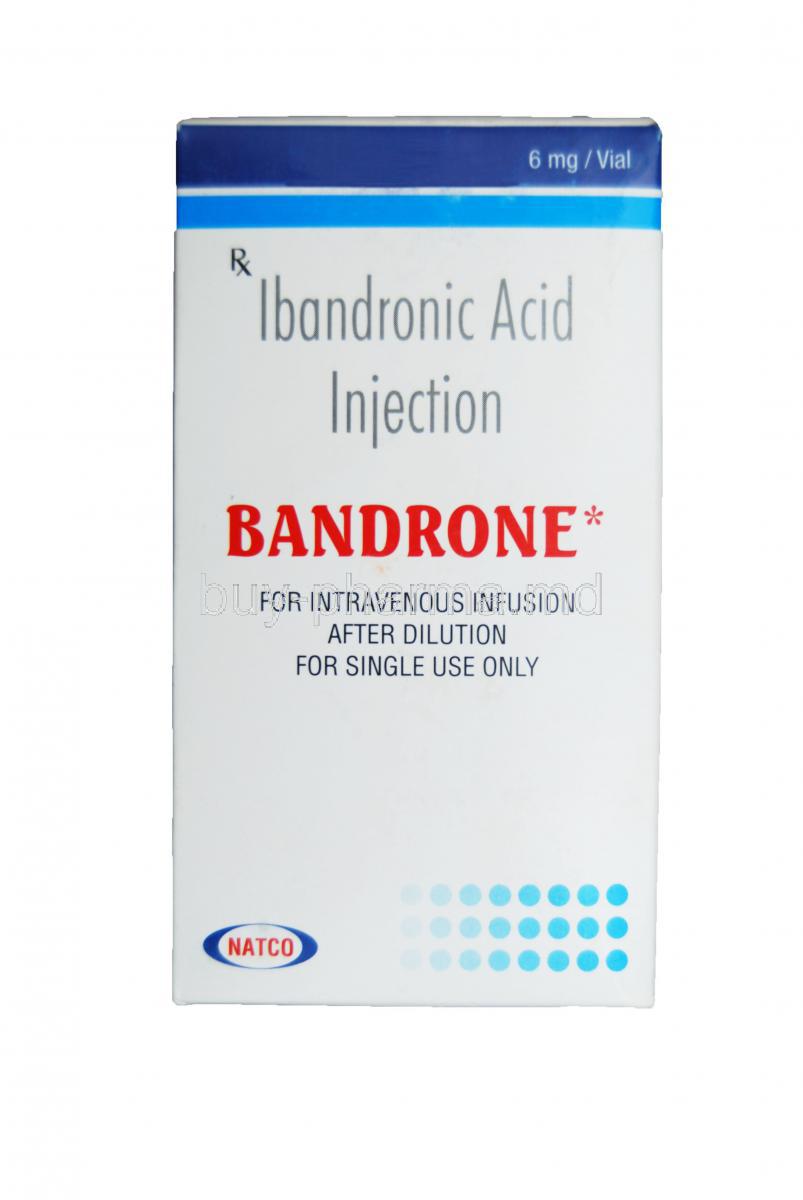
Ibandronic Acid Injection belongs to the bisphosphonate class, a group of agents recognized for their powerful ability to inhibit bone resorption. These compounds bind avidly to hydroxyapatite crystals within bone, creating a protective barrier against excessive breakdown. The injectable form delivers rapid, targeted pharmacologic activity, making it a preferred choice in patients requiring assured absorption.
1.2 Therapeutic Role in Bone Metabolism Disorders
The medication is widely used in disorders characterized by accelerated bone turnover. By mitigating osteoclast-driven degradation, it stabilizes mineralized bone, enhances structural integrity, and slows disease progression. This is especially beneficial for individuals with advanced osteoporosis or those at heightened risk for fragility fractures.
1.3 Comparison With Oral Bisphosphonates
Oral bisphosphonates remain common in clinical practice, yet gastrointestinal intolerance and reduced bioavailability often limit their utility. Injectable ibandronic acid bypasses digestive variability, offering consistent therapeutic exposure. Furthermore, intravenous delivery avoids the strict dosing rituals and posture requirements associated with oral formulations.
1.4 Benefits of Injectable Form Over Oral Formulations
The injectable form provides several advantages:
- More predictable systemic absorption
- Elimination of gastrointestinal irritation
- Less frequent dosing intervals
- Improved adherence in patients unable to tolerate oral medication
2. Pharmacological Profile and Composition
2.1 Active Ingredient: Ibandronic Acid
The active compound, ibandronic acid, is a nitrogen-containing bisphosphonate with high affinity for bone surfaces undergoing active remodeling. Its potent antiresorptive properties make it particularly effective in suppressing osteoclastic activity.
2.2 Mechanism of Action on Bone Resorption
Ibandronic acid disrupts osteoclast function by interfering with the mevalonate pathway, culminating in apoptosis of bone-resorbing cells. This inhibition slows bone turnover, allowing the formation of stronger, denser bone matrices.
2.3 Pharmacokinetics: Absorption, Distribution, Metabolism, and Excretion
When administered intravenously, absorption is immediate and complete. The drug distributes primarily to osseous tissue, where it binds strongly to mineral surfaces. It is not metabolized but is excreted unchanged by renal pathways. Its prolonged skeletal retention contributes to sustained therapeutic activity.
2.4 Formulation Strengths and Available Injection Types
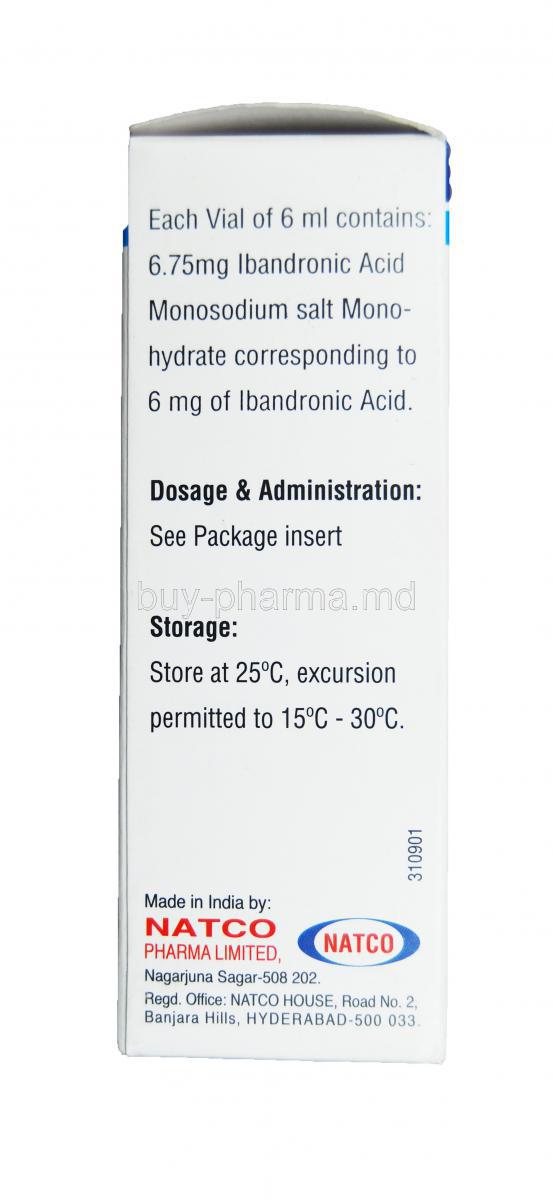
Ibandronic acid injection is typically available in prefilled syringes or vials with standardized strengths for monthly or quarterly administration. These formulations ensure accurate dosing and minimize preparation requirements.
2.5 Excipients and Their Clinical Importance
Excipients maintain solution stability, regulate pH, and preserve sterility. Though inactive, their quality is vital for ensuring patient safety and consistent therapeutic efficacy.
3. Approved Medical Uses of Ibandronic Acid Injection
3.1 Treatment of Postmenopausal Osteoporosis
Postmenopausal women experience accelerated bone loss due to hormonal decline. Ibandronic acid helps counteract this process, rebuilding mineral density and reducing fracture risk in the spine and other vulnerable areas.
3.2 Prevention of Osteoporosis-Related Fractures
Regular administration strengthens bone microarchitecture, markedly decreasing the incidence of vertebral fractures. This preventive benefit is critical for maintaining mobility and quality of life.
3.3 Use in Patients Intolerant to Oral Bisphosphonates
Patients experiencing gastrointestinal intolerance or absorption issues with oral medications often transition successfully to injectable therapy. Intravenous administration ensures reliable delivery without gastric irritation.
3.4 Role in Maintaining Bone Density in High-Risk Populations
Individuals with chronic steroid use, malabsorption syndromes, or significant family history of osteoporosis may benefit from proactive treatment to maintain skeletal resilience.
4. Off-Label Uses of Ibandronic Acid Injection
4.1 Management of Hypercalcemia of Malignancy
In oncology, ibandronic acid is sometimes used to rapidly correct elevated serum calcium caused by tumor activity. By inhibiting bone resorption, it restores mineral balance efficiently.
4.2 Treatment of Bone Metastases in Solid Tumors
The drug may reduce pain and skeletal complications in cancers that spread to bone. Its antiresorptive effects help stabilize affected regions, limiting tumor-induced degradation.
4.3 Reduction of Skeletal-Related Events in Oncology Patients
This includes fracture prevention, decreased need for radiation therapy, and reduced risk of spinal cord compression. Such benefits contribute to improved patient comfort and functional stability.
4.4 Use in Glucocorticoid-Induced Osteoporosis (GIOP)
Long-term steroid therapy accelerates bone loss. Ibandronic acid can counteract this effect by preserving bone quality in individuals receiving chronic corticosteroids.
4.5 Ongoing Research and Emerging Experimental Applications
Investigations continue into its role in metabolic bone illnesses, rare skeletal disorders, and adjunct cancer therapy. Early findings highlight its versatility and potential broader application.
5. How Ibandronic Acid Injection Works
5.1 Inhibition of Osteoclast-Mediated Bone Resorption
The primary mechanism involves suppressing osteoclast formation and reducing their resorptive function. This slows bone loss and promotes structural stability.
5.2 Cellular Mechanisms Affecting Bone Remodeling
By diminishing osteoclast activity, osteoblasts gain more opportunity to rebuild bone tissue, shifting the remodeling cycle toward net formation rather than degradation.
5.3 Impact on Calcium and Mineral Balance
Reduced bone resorption lowers calcium release into the bloodstream, promoting stable mineral homeostasis. This contributes to the drug’s utility in hypercalcemic states.
5.4 Long-Term Effects on Bone Strength and Microarchitecture
Prolonged treatment enhances trabecular connectivity, fortifies cortical bone, and improves resistance to mechanical stress.
6. Dosage and Administration Guidelines
6.1 Standard Dosing for Osteoporosis Treatment
Typical regimens include monthly or quarterly intravenous doses depending on clinical objectives. These schedules are designed to maintain steady antiresorptive action.
6.2 Recommended Injection Frequency and Duration of Therapy
Therapy duration varies, often spanning several years. Providers may implement periodic drug holidays to optimize long-term safety while preserving therapeutic benefit.
6.3 Intravenous Injection Technique and Healthcare Provider Instructions
Ibandronic acid should be administered via slow intravenous injection or infusion under professional supervision. Proper technique minimizes irritation and ensures safe delivery.
6.4 Dose Adjustments for Renal Impairment
Renal function significantly influences drug clearance. Reduced dosing or alternative therapies may be required for patients with compromised kidney function.
6.5 Missed Dose Protocols and Safe Rescheduling
If a dose is missed, the injection should be rescheduled promptly without doubling the dosage. Professional guidance ensures therapy continuity.
6.6 Monitoring Requirements During Treatment
Periodic evaluation may include:
- Serum calcium and renal function tests
- Bone mineral density assessments
- Dental evaluations to mitigate risk of jaw complications
7. Handling and Preparation Precautions
7.1 Safe Handling Procedures for Healthcare Professionals
Personnel should employ aseptic technique, protective gloves, and appropriate sterile materials to maintain product integrity.
7.2 Dilution and Reconstitution Requirements (If Applicable)
Certain formulations may require dilution prior to infusion. Proper preparation ensures accurate concentration and safe administration.
7.3 Avoiding Contamination and Ensuring Sterility
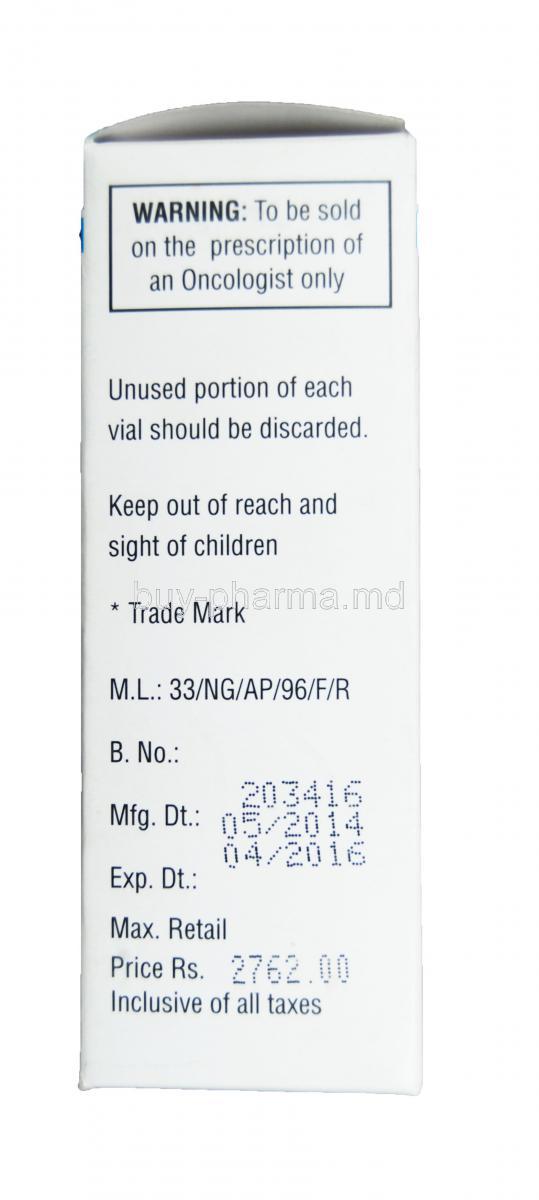
Single-use vials must not be reused. Any breach in sterility mandates immediate disposal of the product.
7.4 Safe Disposal of Syringes, Needles, and Vials
All sharps must be discarded in puncture-resistant containers following institutional and regulatory protocols.
8. Storage and Stability Information
8.1 Recommended Storage Temperature
Store at controlled room temperature unless otherwise specified. Extreme heat or cold can compromise product stability.
8.2 Protection From Light and Moisture
Exposure to direct light may degrade solution quality. Keep the product in its original packaging until time of use.
8.3 Shelf Life and Stability After Opening
Once opened, vials should be used promptly. Any unused solution must be discarded to prevent contamination.
8.4 Transport and Cold-Chain Considerations
Transport conditions should ensure consistent temperature and prevent vibration or impact that may compromise solution clarity.
9. Side Effects of Ibandronic Acid Injection
9.1 Overview of Adverse Reaction Profile
Most adverse reactions are mild and transient, though serious events may occur. Understanding the profile assists in early identification and mitigation.
9.2 Mechanistic Basis of Common and Serious Side Effects
Many reactions arise from transient immune activation or shifts in mineral metabolism. More serious events may relate to renal stress or impaired bone remodeling.
9.3 Frequency and Severity Patterns in Clinical Use
Side effects often occur after the first injection and decrease with subsequent doses. This pattern is common among intravenous bisphosphonates.
9.4 Dose-Dependent Risks
Higher cumulative exposure may increase the likelihood of renal impairment or jaw osteonecrosis, reinforcing the need for clinical monitoring.
10. Common Side Effects – Patient-Focused Overview
10.1 Flu-Like Symptoms (Fever, Fatigue, Muscle Pain)
These symptoms typically appear within 24–48 hours and resolve spontaneously. Adequate hydration and mild analgesics may provide relief.
10.2 Injection-Site Reactions
Redness, tenderness, or swelling may occur but usually remains limited and short-lived.
10.3 Headache or Dizziness
Some individuals experience transient neurological discomfort shortly after injection.
10.4 Gastrointestinal Discomfort
Nausea or abdominal unease may occur, though the injectable form generally avoids the irritation associated with oral doses.
10.5 Joint or Bone Pain
Mild to moderate musculoskeletal aches are possible as the body adjusts to altered bone turnover.
10.6 Mild Hypocalcemia
Transient decreases in blood calcium occur occasionally. Adequate vitamin D and calcium intake may reduce this risk.
11. Serious and Less Common Adverse Effects
11.1 Osteonecrosis of the Jaw (ONJ)
Osteonecrosis of the jaw is a rare but clinically significant complication marked by delayed healing, exposed bone, and localized necrosis. It often arises following dental extractions or invasive oral procedures. Patients may report jaw discomfort, swelling, or a feeling of heaviness in the mandibular region. Good dental hygiene and pre-treatment dental evaluations are essential preventive strategies.
11.2 Severe Musculoskeletal Pain
Some individuals experience intense bone, joint, or muscle pain after treatment. The discomfort may appear suddenly and can be debilitating in certain cases. Although reversible, this reaction may prompt therapeutic reassessment or temporary discontinuation.
11.3 Atypical Femur Fractures
Atypical femoral fractures are rare stress-related injuries occurring in the subtrochanteric or diaphyseal areas of the femur. Symptoms may include dull, persistent thigh or groin pain preceding the fracture. Long-term therapy warrants periodic evaluation of fracture risk.
11.4 Acute Renal Impairment
Ibandronic acid is renally excreted, and excessive concentrations may induce acute kidney injury. Sudden changes in urine output, edema, or elevations in serum creatinine warrant immediate medical attention. Slower infusion rates and adequate hydration can reduce the risk.
11.5 Hypocalcemia Requiring Medical Intervention
Severe hypocalcemia may manifest with neuromuscular irritability, muscle spasms, tetany, or cardiac rhythm disturbances. Patients with depleted vitamin D stores or underlying parathyroid dysfunction are particularly vulnerable. Prompt correction with intravenous calcium and supportive measures is often required.
11.6 Anaphylactic or Severe Allergic Reactions
Although infrequent, serious allergic responses may occur. Clinical features include bronchospasm, urticaria, hypotension, and facial swelling. Emergency management with epinephrine, antihistamines, and stabilized airway support is essential.
12. Drug Interactions
12.1 Interactions With Calcium Supplements and Antacids
Calcium supplements and antacids can attenuate the drug’s binding affinity when administered improperly. While not a concern with intravenous forms, patients should maintain balanced serum calcium levels to avoid treatment complications.
12.2 Interaction With Nephrotoxic Medications
Concurrent use of nephrotoxins—such as aminoglycosides or certain antiviral agents—may exacerbate renal strain. Monitoring renal biomarkers and adjusting dosages can minimize renal compromise.
12.3 Concurrent Use With Hormonal Treatments
Hormonal agents used in oncology may compound skeletal fragility. Coordinated therapy planning ensures that overlapping risks, particularly in bone metabolism, are properly managed.
12.4 Impact of NSAIDs on GI and Renal Safety
Non-steroidal anti-inflammatory drugs can intensify gastrointestinal and renal risks. Their combined use warrants caution, especially in dehydrated individuals or those with marginal renal reserve.
12.5 Recommended Monitoring When Used With Steroids
Chronic steroid therapy can accelerate bone turnover and potentiate hypocalcemia. Regular monitoring of bone density, electrolytes, and renal function helps maintain therapeutic safety.
13. Warnings and Important Precautions
13.1 Risks in Patients With Renal Disease
Patients with compromised renal function may accumulate the medication, increasing toxicity risk. Adjusted dosing or alternative treatment is often necessary in severe impairment.
13.2 Pre-Treatment Requirements: Dental Exams and Calcium Levels
A baseline dental evaluation reduces the likelihood of ONJ, especially in patients requiring prolonged therapy. Additionally, correcting low calcium or vitamin D levels before initiation enhances treatment safety.
13.3 Avoiding Dehydration Prior to Injection
Hydration status significantly influences renal handling of the drug. Adequate fluid intake before treatment reduces renal stress and supports safe clearance.
13.4 Precautions in Patients With GI Disorders
While intravenous administration bypasses the gastrointestinal tract, patients with inflammatory or erosive GI conditions may exhibit heightened sensitivity to systemic effects. Close observation is advisable.
13.5 Awareness of Osteonecrosis and Atypical Fractures
Patients and caregivers should recognize early warning signs, such as unresolved jaw pain or persistent thigh discomfort. Early detection prevents complications.
13.6 Guidelines for Long-Term Therapy and Drug Holidays
Prolonged bisphosphonate exposure may necessitate scheduled treatment breaks. These pauses allow for reassessment of fracture risk and mitigation of long-term complications.
14. Contraindications
14.1 Hypersensitivity to Ibandronic Acid or Bisphosphonates
Patients with documented allergic reactions to bisphosphonates should avoid this medication. Symptoms may include rash, swelling, or difficulty breathing.
14.2 Severe Renal Impairment Below Specified Creatinine Clearance
Severe renal dysfunction can lead to unsafe drug accumulation. Treatment should be avoided in individuals with creatinine clearance below established thresholds.
14.3 Hypocalcemia or Other Correctable Mineral Metabolism Disorders
Pre-existing electrolyte disturbances must be corrected before therapy, as ibandronic acid may exacerbate mineral imbalances.
14.4 Contraindicated Conditions in Oncology Patients
Certain tumor-related conditions may increase susceptibility to skeletal or electrolyte complications. Clinical judgment determines whether therapy is suitable.
14.5 Safety Restrictions for Certain Cardiovascular Conditions
Electrolyte abnormalities or renal stress may indirectly influence cardiac stability. Patients with arrhythmias or unstable cardiovascular disease require cautious assessment.
15. Careful Administration (Precautions for Specific Patients)
15.1 Patients With Pre-Existing Renal Impairment
Individuals with reduced kidney function require dose modification or extended dosing intervals. Frequent renal monitoring helps prevent complications.
15.2 Patients With Known Hypocalcemia
Active hypocalcemia must be corrected prior to injection. Supplementation with vitamin D and calcium is often required to stabilize baseline levels.
15.3 Patients With Vitamin D Deficiency
Low vitamin D levels reduce calcium absorption, increasing hypocalcemia risk. Screening and supplementation enhance treatment tolerance.
15.4 Patients Receiving Chemotherapy or Corticosteroids
These therapies increase bone turnover and may predispose patients to skeletal complications. Integrated care planning helps manage overlapping risks.
15.5 Patients With Dental Disease or Undergoing Oral Surgery
Dental pathology elevates ONJ risk. Elective dental procedures should be completed before initiating treatment when feasible.
16. Administration in Special Populations
16.1 Administration to Elderly Patients
16.1.1 Age-Related Changes in Kidney Function
Aging reduces renal filtration efficiency, increasing exposure to renally cleared medications. Dose adjustments may be required to maintain safety.
16.1.2 Increased Risk of ONJ and Fractures
Elderly individuals may have compromised bone health and slower healing rates. Heightened vigilance for skeletal complications is essential.
16.1.3 Dose Considerations in Older Adults
Dosing regimens may be tailored based on renal function, comorbidities, and overall frailty.
16.2 Administration to Pregnant Women
16.2.1 Safety Data and Potential Fetal Risks
Bisphosphonates cross the placenta and may disrupt fetal bone development. Use during pregnancy is generally discouraged.
16.2.2 Use Only if Clearly Needed
Therapy is reserved for situations where potential maternal benefit outweighs fetal risks.
16.3 Administration to Nursing Mothers
16.3.1 Presence in Breast Milk
Trace amounts may be excreted into breast milk. However, data remain limited, necessitating cautious clinical decision-making.
16.3.2 Potential Effects on Infant Bone Development
Alteration of mineral metabolism could theoretically affect infant skeletal growth. Alternative therapies may be preferred.
16.4 Administration to Children
16.4.1 Limited Safety and Efficacy Data
Pediatric studies are scarce, and long-term safety remains uncertain. Use is generally restricted to specialized indications.
16.4.2 Situations Where Pediatric Use May Be Considered
Certain rare metabolic bone disorders may warrant off-label use under expert supervision.
17. Overdosage and Emergency Management
17.1 Signs and Symptoms of Ibandronic Acid Overdose
Overdose may provoke profound hypocalcemia, gastrointestinal distress, or renal dysfunction. Symptoms include tingling, muscle cramps, and arrhythmias.
17.2 Management of Severe Hypocalcemia
Intravenous calcium gluconate and continuous cardiac monitoring are often required to restore normal electrolyte balance.
17.3 Recommended Immediate Clinical Interventions
Supportive measures include hydration, renal function monitoring, and discontinuation of the medication. Hospitalization may be necessary for severe presentations.
17.4 Long-Term Complications Following Overdose
Potential consequences include sustained renal impairment or alterations in bone remodeling. Follow-up assessments help detect ongoing issues.
18. Handling Precautions
18.1 Required Protective Equipment
Healthcare professionals should use gloves, protective eyewear, and sterile technique during preparation and administration.
18.2 Avoiding Accidental Exposure
Spills or splashes should be avoided. Contact with skin or mucous membranes requires immediate rinsing and evaluation.
18.3 Spill Management Procedures
Absorbent materials and proper disinfectants should be used to contain and remove spills. Disposal must follow hazardous waste protocols.
18.4 Occupational Safety Guidelines
Facilities should adhere to established safety policies for handling injectable agents, including staff training and equipment maintenance.
Popular Products

Similar Product