1. Introduction to Intamether (Artemether/Lumefantrine)
1.1 Overview of Artemisinin-Based Combination Therapies (ACTs)
Artemisinin-based combination therapies (ACTs) represent the cornerstone of modern antimalarial pharmacotherapy. They integrate a fast-acting artemisinin derivative with a longer-acting partner drug. This duality ensures both rapid parasite clearance and sustained suppression of residual parasitemia.
Key advantages include:
- Reduced risk of resistance development
- Rapid symptomatic relief
- Enhanced treatment efficacy in endemic regions
1.2 Brand Profile: Intamether Formulation and Indication Scope
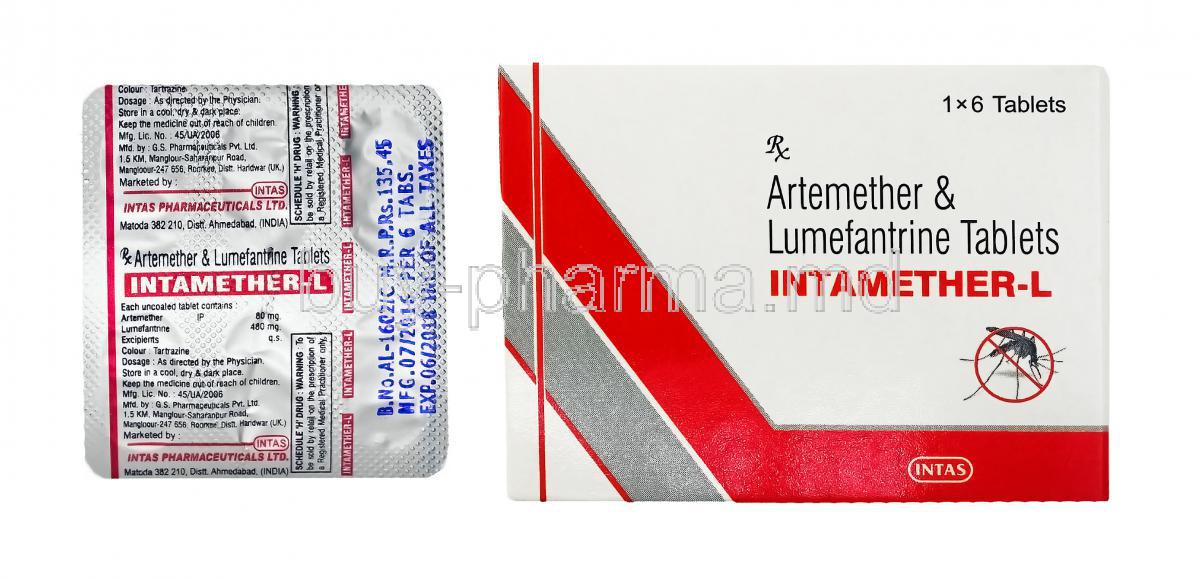
Intamether is a fixed-dose combination comprising artemether and lumefantrine. It is specifically formulated for oral administration, delivering a synergistic pharmacological effect. The product is widely utilized in the management of uncomplicated malaria, particularly infections caused by Plasmodium falciparum.
1.3 Global Burden of Malaria and Role of Combination Therapy
Malaria continues to impose a significant epidemiological burden across tropical and subtropical regions. Combination therapies such as Intamether are indispensable in mitigating morbidity and mortality. Monotherapy is no longer recommended due to escalating resistance patterns.
1.4 Target Patient Population and Clinical Relevance
Intamether is indicated for both pediatric and adult populations. It is particularly relevant for:
- Residents of malaria-endemic regions
- Travelers exposed to endemic zones
- Patients with confirmed uncomplicated malaria
2. Composition and Formulation Details
2.1 Active Ingredients: Artemether and Lumefantrine
The formulation contains two active components:
- Artemether: A semi-synthetic derivative of artemisinin
- Lumefantrine: A lipophilic antimalarial agent with prolonged activity
2.2 Pharmacological Class and Drug Category
Intamether belongs to the class of antimalarial agents, specifically categorized under artemisinin-based combination therapies. It exhibits both schizonticidal and parasiticidal properties.
2.3 Dosage Forms (Tablets, Dispersible Tablets)
Available formulations include:
- Film-coated tablets
- Dispersible tablets for pediatric use
These options facilitate ease of administration across diverse patient groups.
2.4 Excipients and Their Functional Role
Excipients enhance drug stability, bioavailability, and palatability. They may include binders, disintegrants, and coating agents designed to optimize pharmacokinetic performance.
2.5 Strength Variations and Packaging Configurations
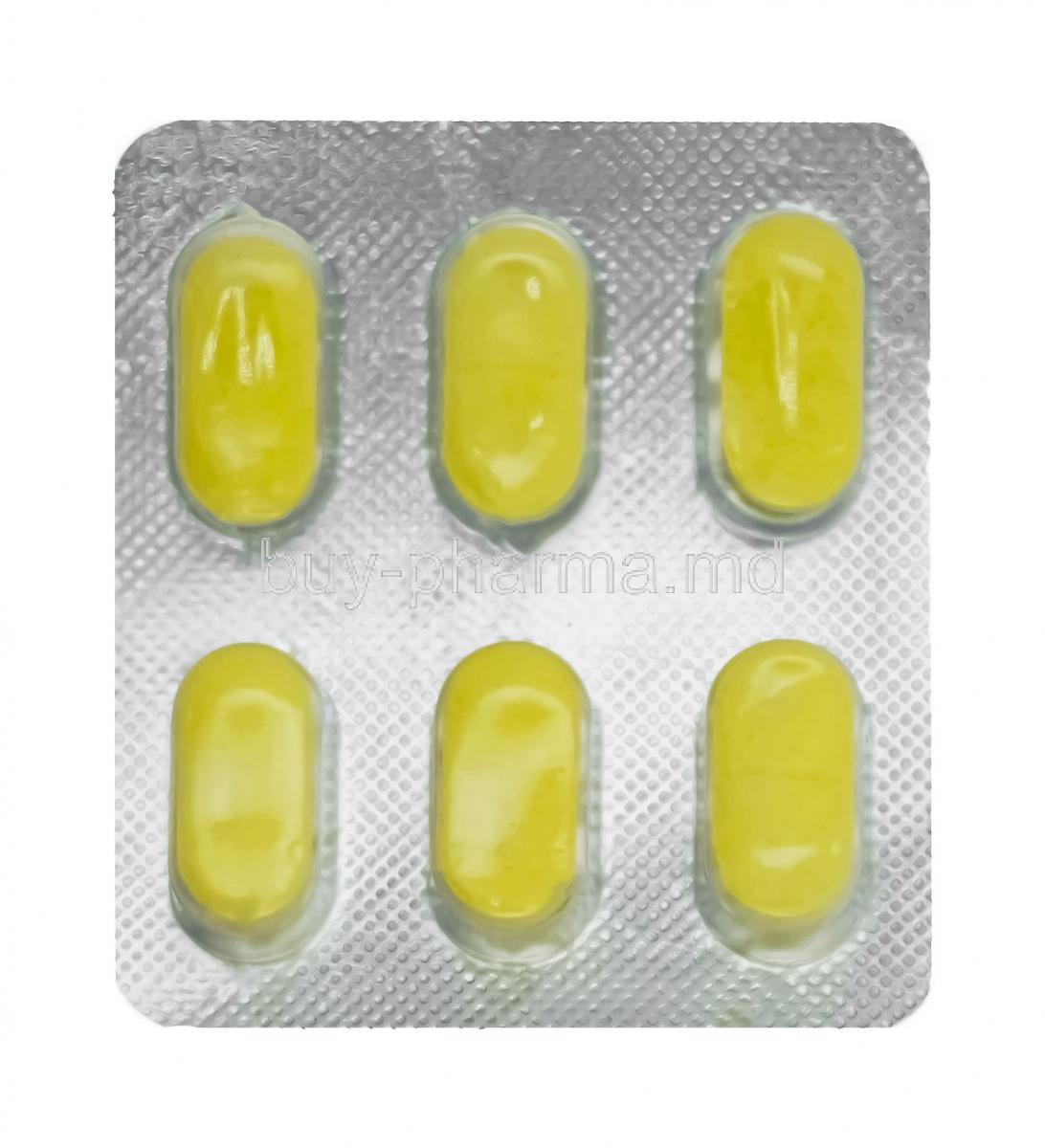
The medication is typically packaged in blister packs containing a full treatment course. Strength variations are calibrated to ensure accurate dosing across weight categories.
3. Mechanism of Action (How It Works)
3.1 Artemether: Rapid Parasite Clearance via Free Radical Formation
Artemether exerts its antimalarial effect through the generation of reactive oxygen species. These free radicals damage parasitic proteins and membranes, leading to rapid parasite destruction.
3.2 Lumefantrine: Inhibition of Heme Detoxification in Parasites
Lumefantrine interferes with the parasite’s ability to detoxify heme. Accumulation of toxic heme metabolites results in parasite death.
3.3 Synergistic Action in Combination Therapy
The combination ensures:
- Immediate reduction in parasite load (artemether)
- Sustained elimination of residual parasites (lumefantrine)
This synergy enhances therapeutic outcomes and minimizes recrudescence.
3.4 Activity Against Plasmodium falciparum and Resistant Strains
Intamether demonstrates potent activity against Plasmodium falciparum, including strains resistant to older antimalarial drugs. This makes it highly valuable in regions with multidrug resistance.
3.5 Pharmacodynamics and Parasite Lifecycle Interruption
The drug targets the erythrocytic stage of the parasite lifecycle. By disrupting intracellular development, it halts disease progression and prevents complications.
4. Clinical Uses of Intamether
4.1 Treatment of Acute Uncomplicated Malaria
Intamether is primarily indicated for acute uncomplicated malaria. It provides rapid symptom relief and high cure rates when administered correctly.
4.2 Management of Plasmodium falciparum Infections
It is especially effective against infections caused by Plasmodium falciparum, the most virulent malaria species.
4.3 Use in Mixed Malaria Infections
The combination may also be used in mixed infections involving multiple Plasmodium species, offering broad-spectrum efficacy.
4.4 Role in Areas with Drug-Resistant Malaria
In regions with high resistance rates, Intamether serves as a first-line therapy due to its robust efficacy profile.
4.5 Use in Pediatric and Adult Populations
The availability of weight-based dosing and dispersible tablets ensures safe and effective use in children and adults alike.
4.6 Use in Travelers Returning from Endemic Regions
Travelers presenting with malaria symptoms after visiting endemic areas may be treated with Intamether following diagnostic confirmation.
5. Off-Label Uses and Emerging Applications
5.1 Use in Severe Malaria (Adjunct Therapy Considerations)
Although not first-line for severe malaria, it may be used as follow-up therapy after parenteral treatment.
5.2 Empirical Treatment in Suspected Malaria Cases
In resource-limited settings, empirical therapy may be initiated when diagnostic facilities are unavailable.
5.3 Potential Role in Other Parasitic Infections
Emerging research suggests potential activity against certain protozoal infections, although evidence remains limited.
5.4 Investigational Use in Viral and Protozoal Diseases
Preliminary studies have explored antiviral and antiparasitic properties beyond malaria, though clinical application is not yet established.
5.5 Community-Based Malaria Control Programs
Intamether is often integrated into public health initiatives aimed at reducing malaria transmission at the community level.
6. Dosage and Administration Guidelines
6.1 Standard Adult Dosage Regimen (6-Dose Schedule)
The standard regimen consists of six doses administered over three days. Strict adherence is essential for therapeutic success.
6.2 Pediatric Dosage Based on Body Weight
Dosing in children is calculated according to body weight, ensuring precise and safe administration.
6.3 Administration with Food to Enhance Absorption
Co-administration with fatty food significantly enhances lumefantrine absorption, improving overall efficacy.
6.4 Missed Dose Management and Adherence Strategies
Missed doses should be taken as soon as possible. Consistent dosing intervals are critical to prevent treatment failure.
6.5 Duration of Therapy and Completion Importance
Completion of the full treatment course is imperative, even if symptoms resolve early.
6.6 Re-treatment Protocols and Resistance Considerations
Re-treatment may be necessary in cases of recrudescence, but alternative therapies may be considered to avoid resistance.
7. Pharmacokinetics Overview
7.1 Absorption and Bioavailability
Artemether is rapidly absorbed, while lumefantrine demonstrates enhanced bioavailability when taken with food.
7.2 Distribution and Protein Binding
Both components exhibit extensive protein binding, facilitating systemic distribution.
7.3 Metabolism via Hepatic Enzymes (CYP3A4)
Metabolism primarily occurs in the liver via CYP3A4 enzymes, highlighting the importance of drug interaction awareness.
7.4 Elimination Half-Life Differences Between Components
Artemether has a short half-life, whereas lumefantrine persists longer, ensuring sustained antimalarial activity.
7.5 Impact of Food and Patient Factors on Drug Levels
Nutritional status, gastrointestinal function, and co-administered substances can influence plasma drug concentrations.
8. Side Effects of Intamether
8.1 Overview of Adverse Reaction Profile
The medication is generally well tolerated. However, adverse effects may occur, particularly during initial treatment phases.
8.2 Common Side Effects
- Headache
- Dizziness
- Nausea and vomiting
- Loss of appetite
- Fatigue
8.3 Gastrointestinal Disturbances
Patients may experience abdominal discomfort, diarrhea, or dyspepsia. These effects are usually transient.
8.4 Neurological and Central Nervous System Effects
Mild neurological symptoms such as dizziness or somnolence may occur but are typically self-limiting.
8.5 Cardiovascular Effects (QT Interval Prolongation)
QT interval prolongation is a notable concern. Monitoring is recommended in high-risk individuals.
8.6 Rare but Serious Adverse Reactions
Rare complications may include severe hypersensitivity reactions or cardiac arrhythmias, necessitating immediate medical attention.
9. Drug Interactions
9.1 Interaction with CYP3A4 Inhibitors and Inducers
Co-administration with CYP3A4 modulators may alter drug metabolism, affecting efficacy and safety.
9.2 Concomitant Use with Antiretroviral Drugs
Interactions with antiretroviral therapy require careful monitoring due to overlapping metabolic pathways.
9.3 Interaction with Other Antimalarial Agents
Concurrent use with other antimalarials should be approached cautiously to avoid toxicity or reduced effectiveness.
9.4 QT-Prolonging Medications and Cardiac Risk
Combining with other QT-prolonging agents increases the risk of arrhythmias.
9.5 Food and Herbal Supplement Interactions
Herbal products and certain foods may influence drug absorption and metabolism, warranting caution.
10. Warnings and Safety Considerations
10.1 Risk of Cardiac Arrhythmias and QT Prolongation
Patients with predisposing factors should undergo careful evaluation prior to therapy initiation.
10.2 Use in Patients with Pre-existing Cardiac Conditions
Underlying cardiac disorders necessitate vigilant monitoring during treatment.
10.3 Monitoring in Hepatic or Renal Impairment
Dose adjustments or enhanced monitoring may be required in patients with organ dysfunction.
10.4 Risk of Treatment Failure and Resistance Development
Incomplete adherence may contribute to therapeutic failure and resistance emergence.
10.5 Caution in Patients with Electrolyte Imbalances
Electrolyte disturbances can exacerbate cardiac risks and should be corrected prior to treatment.
11. Contraindications
11.1 Hypersensitivity to Artemether or Lumefantrine
The use of this combination therapy is strictly contraindicated in individuals with known hypersensitivity to artemether, lumefantrine, or any excipient within the formulation. Even minimal exposure may provoke severe allergic manifestations.
Potential reactions include:
- Cutaneous eruptions such as rash or urticaria
- Angioedema affecting the face or airway
- Anaphylactic responses requiring urgent intervention
11.2 Severe Malaria Requiring Parenteral Therapy
This medication is not suitable for the treatment of severe or complicated malaria. In such cases, parenteral antimalarial agents are preferred due to their rapid systemic action and reliable bioavailability.
11.3 Concurrent Use with Strong CYP3A4 Inducers
Co-administration with potent CYP3A4 inducers can significantly reduce plasma concentrations of lumefantrine, thereby compromising therapeutic efficacy. This pharmacokinetic interaction may lead to treatment failure.
11.4 History of QT Prolongation or Cardiac Disorders
Patients with a known history of QT interval prolongation, ventricular arrhythmias, or other cardiac conduction abnormalities should avoid this therapy. The risk of exacerbating cardiac instability is clinically significant.
11.5 First Trimester Pregnancy (Clinical Considerations)
Use during the first trimester is generally avoided unless the potential benefits outweigh the risks. Early gestational exposure requires careful clinical deliberation due to limited safety data.
12. Careful Administration (Use with Caution)
12.1 Patients with Hepatic Dysfunction
Hepatic impairment may alter drug metabolism, particularly through CYP3A4 pathways. Dose adjustments or enhanced monitoring may be warranted to prevent accumulation and toxicity.
12.2 Individuals with Renal Impairment
Although renal elimination is not the primary pathway, impaired renal function may influence overall pharmacokinetics. Clinical vigilance is advised.
12.3 Patients with Cardiac Risk Factors
Individuals with predisposing cardiac conditions require close observation. Electrocardiographic monitoring may be considered in high-risk cases.
12.4 Malnourished or Immunocompromised Patients
Malnutrition and immunosuppression may affect drug absorption and immune response. These patients may exhibit altered therapeutic outcomes and require individualized care.
12.5 Individuals with Co-infections (e.g., HIV, Tuberculosis)
Concurrent infections often necessitate polypharmacy. This increases the likelihood of drug interactions and necessitates meticulous therapeutic planning.
13. Important Precautions for Safe Use
13.1 Ensuring Complete Treatment Course
Completion of the prescribed regimen is essential. Premature discontinuation can result in incomplete parasite clearance and disease recurrence.
13.2 Avoidance of Repeated Incomplete Therapy
Repeated partial treatment courses may contribute to resistance development. Adherence to the full dosing schedule is critical for sustained efficacy.
13.3 Monitoring for Recurrence of Symptoms
Patients should be monitored for signs of recrudescence. Persistent or returning symptoms warrant prompt medical evaluation.
13.4 Importance of Laboratory Confirmation of Malaria
Accurate diagnosis through laboratory testing ensures appropriate therapy. Empirical treatment should be limited to specific clinical scenarios.
13.5 Patient Counseling on Proper Drug Intake
Clear instructions should be provided regarding dosing, timing, and food intake. Proper counseling enhances compliance and therapeutic success.
14. Administration in Special Populations
14.1 Administration to Elderly Patients
Elderly individuals may exhibit altered pharmacokinetics and increased sensitivity to medications. Careful dose consideration is advised.
- Dose adjustments may be required based on clinical status
- Monitoring for adverse reactions is recommended
- Increased susceptibility to dizziness or cardiac effects may occur
14.2 Administration to Pregnant Women and Nursing Mothers
The use of this therapy during pregnancy necessitates a thorough risk-benefit assessment. While generally avoided in early pregnancy, it may be considered in later stages when clinically indicated.
- Use during second and third trimesters may be permissible under medical supervision
- Potential transfer into breast milk should be considered
- Close monitoring of both mother and infant is recommended
14.3 Administration to Pediatric Patients
Pediatric use is well established when appropriate weight-based dosing is applied. Formulations such as dispersible tablets enhance ease of administration.
- Dosing is calculated according to body weight
- Safety profile is generally favorable in children
- Suitable for infants and young children with proper supervision
15. Overdosage and Management
15.1 Symptoms of Overdose (Cardiac and Neurological Effects)
Overdose may manifest as:
- Cardiac arrhythmias and QT prolongation
- Dizziness or altered mental status
- Gastrointestinal disturbances
15.2 Emergency Management and Supportive Care
There is no specific antidote. Management is primarily supportive, focusing on stabilization of vital functions.
15.3 Monitoring Cardiac Function and Electrolytes
Continuous monitoring of cardiac rhythm and electrolyte balance is essential in overdose scenarios to prevent complications.
15.4 Role of Activated Charcoal and Hospitalization
Early administration of activated charcoal may reduce drug absorption. Hospitalization is often required for observation and advanced care.
16. Storage and Stability
16.1 Recommended Storage Conditions (Temperature and Humidity)
The medication should be stored at controlled room temperature, away from excessive heat and humidity to preserve stability.
16.2 Protection from Light and Moisture
Exposure to light and moisture can degrade active components. Original packaging should be maintained whenever possible.
16.3 Shelf Life and Expiry Considerations
Use of expired medication is discouraged due to potential loss of efficacy. Expiry dates should be strictly observed.
16.4 Safe Storage Away from Children
To prevent accidental ingestion, the product must be stored securely and out of reach of children.
17. Handling Precautions
17.1 Proper Handling and Dispensing Practices
Healthcare providers should adhere to standard dispensing protocols to ensure product integrity and patient safety.
17.2 Avoidance of Contamination or Improper Storage
Improper handling may compromise drug quality. Tablets should be kept in their original packaging until use.
17.3 Disposal of Unused or Expired Medication
Unused medication should be disposed of in accordance with local pharmaceutical waste regulations. Environmental contamination should be avoided.
17.4 Patient Instructions for Safe Handling at Home
Patients should be instructed to:
- Store the medication in a cool, dry place
- Avoid exposure to moisture
- Keep the product in its original packaging
18. Patient Education and Counseling Points
18.1 Importance of Adherence to Dosing Schedule
Strict adherence to the dosing regimen is essential for achieving optimal therapeutic outcomes. Skipping doses may compromise efficacy.
18.2 Recognizing Early Signs of Adverse Effects
Patients should be educated to identify early symptoms such as dizziness, palpitations, or gastrointestinal discomfort, and report them promptly.
18.3 Dietary Considerations During Treatment
Administration with food, particularly fatty meals, enhances drug absorption and improves treatment effectiveness.
18.4 When to Seek Medical Attention
Immediate medical attention is required if severe symptoms occur, including:
- Persistent vomiting
- Severe dizziness or fainting
- Signs of allergic reaction
18.5 Preventive Measures Against Malaria Reinfection
Preventive strategies are crucial in endemic regions:
- Use of insecticide-treated bed nets
- Application of mosquito repellents
- Avoidance of mosquito-prone environments during peak hours
Intamether, Artemether/ Lumefantrine FAQ
- What is the use of intamether tablet?
- What is the drug artemether used for?
- When is the best time to take artemether?
- What to avoid when taking artemether?
- How long does artemether last in the body?
- What is artemether used to treat?
- Who cannot take artemether?
- What is the benefit of artemether?
- Can I use artemether and Paracetamol together?
- How does artemether work in the body?
- When is the best time to take artemether?
- What are the side effects of artemether?
- How is artemether given?
- What are the contraindications of artemether?
- What drugs interact with artemether?
- What foods should you avoid when taking artemether-lumefantrine?
- How effective is artemether/lumefantrine?
- Can a stroke patient take artemether injection?
- What does artemether treat?
What is the use of intamether tablet?
Intamether L 80mg/480mg Tablet is a medicine that helps fight malaria. It works by killing the parasite that causes the infection and stopping it from spreading in the body. This helps to treat the disease and prevent it from getting worse.
What is the drug artemether used for?
Artemether is a powerful medicine that quickly fights malaria. It's often used with another drug called lumefantrine to treat malaria in both adults and children. This combination is especially useful when malaria is caused by a type of parasite that's resistant to other treatments like chloroquine. Artemether works by killing the malaria parasites in the blood. However, it's not typically used to prevent malaria from happening in the first place.
When is the best time to take artemether?
The treatment is given twice a day for three days. On the first day, the first dose is taken right away, and the second dose is taken 8 to 12 hours later. Then, on the second and third days, the treatment is taken twice a day, once in the morning and once in the evening.
What to avoid when taking artemether?
Grapefruits and grapefruit juice
How long does artemether last in the body?
2 hours
What is artemether used to treat?
Artemether is a medicine that helps treat malaria, a disease caused by parasites. It's often used with another medicine, lumefantrine, to treat malaria, especially when the parasites are resistant to other treatments.
Who cannot take artemether?
Allergic to the medicine
What is the benefit of artemether?
It is used in the treatment of acute, uncomplicated malaria infections due to Plasmodium falciparum in patients.
Can I use artemether and Paracetamol together?
Yes
How does artemether work in the body?
The drug works by inhibiting nucleic acid and protein synthesis, thereby killing the bacteria.
When is the best time to take artemether?
Morning and evening
What are the side effects of artemether?
- Tiredness
- Appetite loss
- Stomachache
- Headache
How is artemether given?
Injection
What are the contraindications of artemether?
Artemether/Lumefantrine tablet is contraindicated in patients who are hypersensitive to the drug.
What drugs interact with artemether?
What foods should you avoid when taking artemether-lumefantrine?
Grapefruit
How effective is artemether/lumefantrine?
95%
Can a stroke patient take artemether injection?
Yes
What does artemether treat?
Artemether is an antimalarial medication primarily used in combination with lumefantrine to treat acute, uncomplicated malaria caused by Plasmodium falciparum.
Popular Products
Similar Product