1. Introduction to Istavel (Sitagliptin)
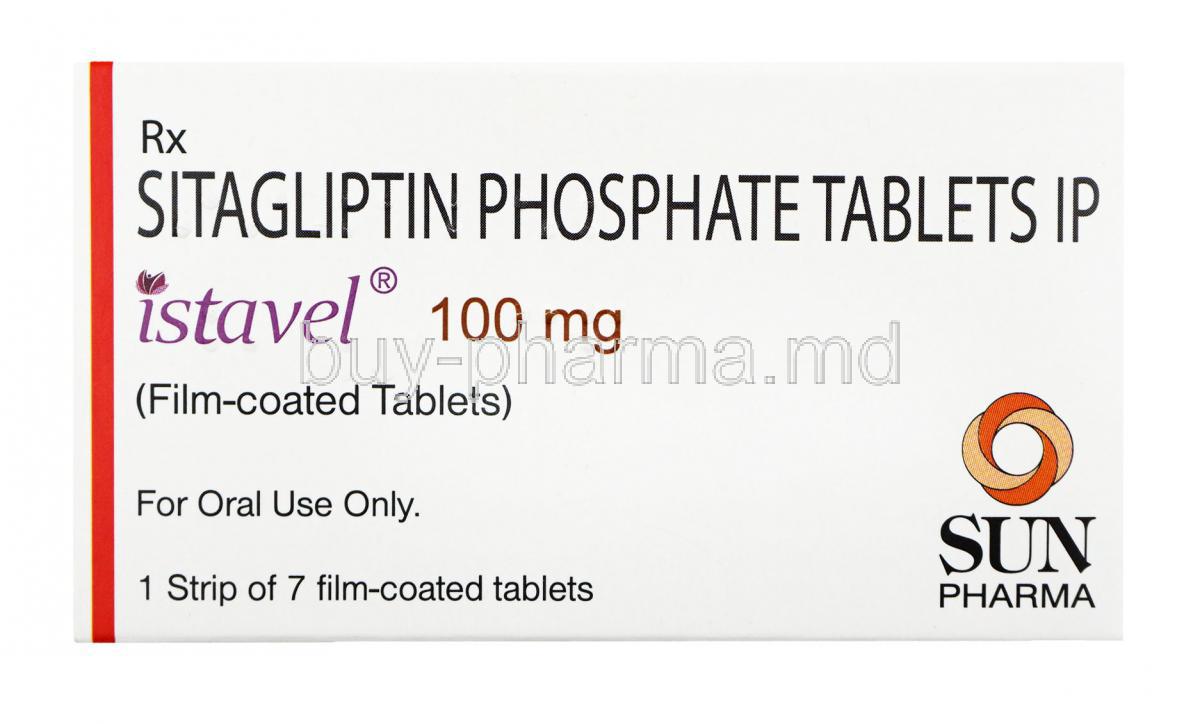
Istavel is an oral antidiabetic medication containing sitagliptin, a well-established dipeptidyl peptidase-4 (DPP-4) inhibitor. It is designed to support effective glycemic control in individuals with type 2 diabetes mellitus. By targeting incretin metabolism, Istavel offers a glucose-dependent mechanism that aligns with contemporary diabetes treatment strategies.
Clinically, sitagliptin occupies an important position among non-insulin therapies due to its favorable tolerability profile and low intrinsic risk of hypoglycemia. Its introduction marked a shift toward therapies that modulate endogenous hormonal pathways rather than forcing insulin release indiscriminately.
Since its regulatory approval in multiple regions, sitagliptin-based products have been widely integrated into treatment algorithms. They are particularly valued for long-term metabolic management and combination flexibility.
2. Composition and Pharmaceutical Profile
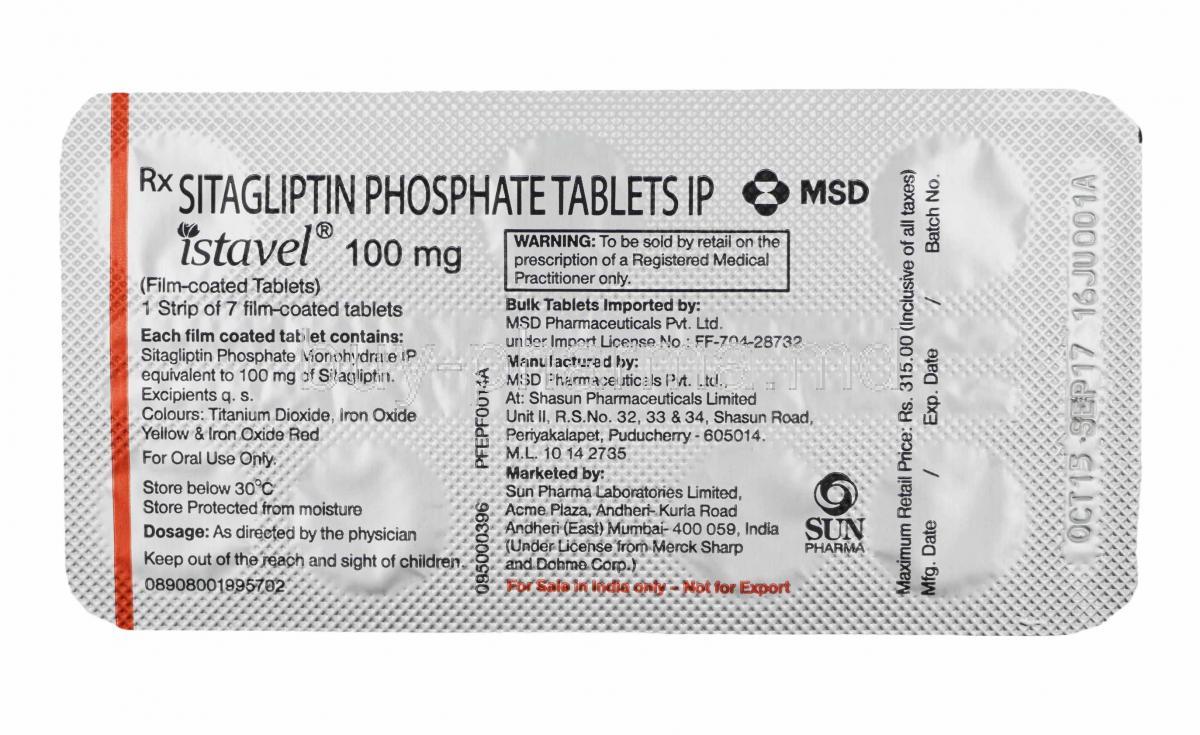
The active pharmaceutical ingredient in Istavel is sitagliptin phosphate monohydrate, a chemically stable salt form optimized for oral bioavailability. This compound ensures predictable absorption and consistent systemic exposure.
In addition to the active component, the formulation includes inactive excipients that facilitate tablet integrity, dissolution, and shelf stability. These excipients do not exert pharmacological activity but are essential for reliable dosing.
- Available in multiple strengths to support individualized therapy
- Oral solid dosage form for once-daily administration
- Designed to meet bioequivalence standards relative to reference products
Generic sitagliptin formulations, including Istavel, are developed to demonstrate therapeutic equivalence, ensuring comparable efficacy and safety when used as directed.
Sitagliptin and metformin
Sitagliptin and metformin is a combination prescription drug used with diet and exercise to treat Type 2 diabetes, working together to lower blood sugar by increasing insulin release (sitagliptin) and reducing glucose production/absorption (metformin). It helps control blood sugar, preventing complications like kidney damage, blindness, and nerve problems, but common side effects include diarrhea and headache, with serious risks like lactic acidosis possible.
Linagliptin vs sitagliptin
Linagliptin and sitagliptin are both effective DPP-4 inhibitors for Type 2 diabetes, offering similar A1c reduction and weight neutrality, but differ mainly in dosing adjustments: linagliptin requires no dose adjustment for kidney/liver issues, making it ideal for renal impairment, while sitagliptin often needs dose modification based on kidney function (eGFR) and has a shorter half-life. Linagliptin's unique structure also shows specific effects on endothelial cells not seen with sitagliptin.
3. How Sitagliptin Works
Istavel exerts its effect through selective inhibition of the DPP-4 enzyme, which is responsible for the rapid degradation of incretin hormones. By suppressing this enzymatic activity, endogenous incretin levels are prolonged.
Elevated levels of glucagon-like peptide-1 (GLP-1) and glucose-dependent insulinotropic polypeptide (GIP) enhance physiological insulin secretion. Importantly, this process is glucose-dependent, meaning insulin release increases primarily when blood glucose levels are elevated.
- Reduction of inappropriate glucagon secretion
- Improvement of fasting plasma glucose
- Attenuation of postprandial glucose excursions
This balanced endocrine modulation contributes to steady glycemic control without excessive metabolic stress.
4. Sitagliptin Uses
The primary indication for Istavel is the management of type 2 diabetes mellitus. It is prescribed as part of a comprehensive treatment plan that includes dietary regulation and physical activity.
Istavel may be used as monotherapy in patients who are unable to tolerate metformin or for whom metformin is contraindicated. It is also frequently employed in combination regimens to enhance glycemic outcomes.
- Combination with metformin for complementary mechanisms
- Adjunct use with sulfonylureas
- Co-administration with thiazolidinediones
- Use alongside insulin when additional control is required
Through these approaches, sitagliptin contributes to meaningful reductions in HbA1c levels. In clinical contexts, it may also be considered for patients with coexisting cardiovascular risk factors, where avoidance of hypoglycemia is especially important.
5. Off-Label and Investigational Uses
Beyond its primary indication, sitagliptin has been explored as an adjunct therapy in early type 2 diabetes, where preservation of beta-cell function is a therapeutic objective.
In patients with renal impairment, dose-adjusted sitagliptin regimens are sometimes considered due to its renal elimination profile. This flexibility distinguishes it from certain other antidiabetic agents.
- Potential influence on inflammatory and metabolic markers
- Investigation into beta-cell preservation
- Ongoing studies exploring broader metabolic applications
These investigational avenues continue to expand the clinical understanding of DPP-4 inhibition.
Sitagliptin weight loss
Sitagliptin is generally considered weight-neutral, but studies show it can lead to mild, modest weight loss, especially in overweight/obese Type 2 diabetics, often around 1-2 kg over 6-12 months, particularly when combined with metformin or used in obese patients, improving glucose and lipids alongside.
6. Silagpitin Dosage and Administration
Istavel is typically administered once daily, with dosing tailored to the patient’s renal function and therapeutic needs. Consistency in daily intake supports stable plasma concentrations.
The medication may be taken with or without food, offering flexibility and supporting adherence. In patients with renal impairment, dose reduction is required to prevent accumulation.
- Standard dosing for normal renal function
- Adjusted dosing for moderate to severe renal impairment
- Compatibility with combination antidiabetic regimens
If a dose is missed, it should be taken as soon as remembered unless it is close to the next scheduled dose. Long-term therapy is often necessary, reflecting the chronic nature of diabetes management.
Sitagliptin dose
Adult: As an adjunct to diet and exercise to improve glycaemic control: Monotherapy or in combination with other antidiabetic agents: 100 mg once daily.
7. Administration in Special Populations
7.1 Administration to Elderly Patients
In elderly patients, pharmacokinetic changes are largely influenced by renal function rather than age alone. Careful assessment of kidney function is therefore essential prior to initiation.
When appropriately dose-adjusted, sitagliptin demonstrates a favorable safety and tolerability profile in older adults, with minimal risk of drug-induced hypoglycemia.
7.2 Administration to Pregnant Women and Nursing Mothers
Data on sitagliptin use during pregnancy are limited. Treatment decisions require a careful benefit–risk evaluation, particularly when alternative therapies are available.
Sitagliptin has been shown to be excreted into breast milk in animal studies. Caution is advised during lactation, and clinical judgment should guide therapy.
7.3 Administration to Children and Adolescents
The use of sitagliptin in pediatric populations is restricted due to limited safety and efficacy data. It is not routinely indicated for children or adolescents.
Any consideration of use in this group should occur under specialist supervision within a controlled clinical context.
8. Sitagliptin Side Effects
Istavel is generally well tolerated, with most adverse reactions being mild to moderate in intensity. The overall side-effect profile reflects its glucose-dependent mechanism.
Adverse effects may be dose-related or idiosyncratic. Compared with certain other antidiabetic agents, sitagliptin is associated with a lower incidence of weight gain and hypoglycemia.
9. Common Side Effects
The most frequently reported side effects are typically non-serious and transient. They often resolve without intervention.
- Upper respiratory tract infections
- Headache or lightheadedness
- Mild gastrointestinal disturbances
- Nasopharyngitis
- Mild hypoglycemia, particularly when combined with insulin or sulfonylureas
Ongoing monitoring and patient education contribute to early identification and appropriate management of these effects.
10. Sitagliptin Adverse Effects
Although sitagliptin is generally well tolerated, certain serious and less common adverse effects have been reported. These events are infrequent but clinically significant, warranting heightened vigilance during therapy.
Pancreatitis Risk and Symptom Awareness
Acute pancreatitis has been observed in some patients receiving DPP-4 inhibitors. While causality remains under investigation, awareness of early symptoms is essential.
- Persistent, severe abdominal pain radiating to the back
- Nausea or vomiting unrelieved by routine measures
- Symptoms that may worsen after food intake
Severe Joint Pain
Rare cases of intense and disabling arthralgia have been reported. Symptoms may appear days to years after initiation and typically resolve upon discontinuation.
Hypersensitivity Reactions
Immunologically mediated reactions can occur and may manifest rapidly after exposure. These reactions require prompt medical attention.
Bullous Pemphigoid (Rare Dermatologic Reaction)
Bullous pemphigoid, a blistering autoimmune skin disorder, has been rarely associated with sitagliptin use. It presents with tense bullae and pruritus, particularly in elderly patients.
Renal Function Changes
Alterations in renal parameters have been reported, especially in patients with pre-existing kidney disease. Regular renal monitoring is therefore recommended.
11. Sitaglipitin Interactions
Sitagliptin exhibits a relatively low interaction burden; however, clinically relevant interactions may arise in specific therapeutic contexts.
Interaction with Insulin and Sulfonylureas
Concomitant use with insulin or sulfonylureas may increase the risk of hypoglycemia due to additive glucose-lowering effects.
Effects When Combined with Metformin
When used alongside metformin, sitagliptin provides complementary glycemic control without significant pharmacokinetic interference.
Minimal Food Interaction Profile
Food intake does not meaningfully affect the absorption or efficacy of sitagliptin, allowing flexible administration.
Considerations in Renal and Hepatic Disease
Renal impairment necessitates dose adjustment, while hepatic dysfunction generally does not require modification, though caution is advised.
Interaction with Other Incretin-Based Therapies
Concurrent use with GLP-1 receptor agonists is not routinely recommended due to overlapping mechanisms and limited added benefit.
12. Stagliptin Warnings and Safety Information
Several safety considerations should be addressed before and during sitagliptin therapy to minimize preventable risks.
Pancreatitis Warning
Patients should be counseled on recognizing symptoms suggestive of pancreatitis and advised to seek immediate evaluation if they occur.
Risk of Hypoglycemia in Combination Therapy
The likelihood of hypoglycemia increases when sitagliptin is combined with insulin or insulin secretagogues.
Renal Impairment Warnings
Baseline and periodic assessment of renal function is essential, particularly in patients with chronic kidney disease.
Hypersensitivity and Allergic Reaction Alerts
Any signs of angioedema, rash, or respiratory compromise necessitate immediate discontinuation and medical assessment.
Monitoring Requirements During Long-Term Use
Long-term therapy should include routine evaluation of glycemic control, renal parameters, and overall tolerability.
13. Sitagliptin Contraindications
Sitagliptin use is contraindicated in specific clinical scenarios where risks outweigh potential benefits.
- Known hypersensitivity to sitagliptin or formulation components
- History of severe allergic reactions to DPP-4 inhibitors
- Type 1 diabetes mellitus
- Diabetic ketoacidosis
Sitagliptin alternatives
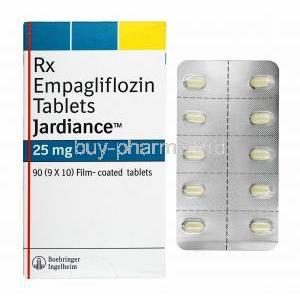
Sitagliptin (Januvia) alternatives for Type 2 Diabetes include other DPP-4 inhibitors (saxagliptin, linagliptin, alogliptin), different drug classes like SGLT2 inhibitors (Jardiance), GLP-1 agonists (Trulicity, Ozempic), sulfonylureas (glipizide), TZDs (Actos), or even metformin
14. Careful Administration and Important Precautions
Appropriate patient selection and ongoing assessment are critical for safe and effective use.
Baseline Renal Function Assessment
Renal function should be evaluated prior to initiation to determine appropriate dosing.
Periodic Monitoring During Therapy
Ongoing monitoring helps detect emerging adverse effects and ensures sustained efficacy.
Avoidance of Inappropriate Combination Use
Unnecessary duplication of incretin-based therapies should be avoided.
Patient Education on Symptom Recognition
Patients should be educated to recognize symptoms of hypoglycemia, pancreatitis, and allergic reactions.
Considerations During Acute Illness or Surgery
Temporary discontinuation may be warranted during periods of acute metabolic stress.
15. Overdosage Information
Sitagliptin overdose is uncommon, but awareness of potential manifestations remains important.
Expected Symptoms of Sitagliptin Overdose
Most reported cases are asymptomatic or associated with mild gastrointestinal or neurological symptoms.
Clinical Manifestations
Severe hypoglycemia is unlikely when taken alone but may occur in combination overdoses.
Recommended Supportive Management
Management is primarily supportive, focusing on monitoring and symptomatic treatment.
Importance of Medical Supervision
Medical evaluation is advised in all suspected overdose scenarios to ensure patient safety.
16. Storage and Stability
Proper storage preserves the integrity and therapeutic efficacy of sitagliptin tablets.
- Store at controlled room temperature
- Protect from excessive moisture and heat
- Observe labeled shelf life and expiration dates
Safe Disposal Practices
Unused or expired tablets should be disposed of in accordance with local pharmaceutical waste guidelines.
17. Handling Precautions
Careful handling minimizes the risk of dosing errors and accidental exposure.
Proper Handling by Patients and Caregivers
Tablets should be handled with clean, dry hands and taken exactly as prescribed.
Avoidance of Tablet Damage or Alteration
Crushing or splitting tablets is not recommended unless specifically directed.
Safe Storage Away from Children
Medication should be kept out of reach of children to prevent accidental ingestion.
Guidance for Healthcare Professionals and Pharmacists
Healthcare providers should ensure clear labeling, patient counseling, and appropriate dispensing practices.
Istavel, Sitagliptin FAQ
- What is istavel used for?
- Are istavel and sitagliptin the same?
- Is Istavel 50 mg a prescription drug?
- What should I avoid while taking Istavel 100?
- Does istavel 50 mg cause weight gain?
- What are the side effects of taking sitagliptin?
- What is the difference between metformin and sitagliptin?
- What is the best time to take sitagliptin?
- What is the most common side effect of sitagliptin?
- Is sitagliptin safe for kidneys?
- What to avoid when taking sitagliptin?
- Can you take sitagliptin long term?
- Is sitagliptin like Ozempic?
- Who cannot take sitagliptin?
- What are the benefits of taking sitagliptin?
- What drugs should not be taken with sitagliptin?
- What is the black box warning for sitagliptin?
- What is the alternative to sitagliptin?
- Does sitagliptin cause diarrhea?
What is istavel used for?
Istavel 100mg Tablet is a medicine used to treat type 2 diabetes mellitus.
Are istavel and sitagliptin the same?
Yes
Is Istavel 50 mg a prescription drug?
Yes
What should I avoid while taking Istavel 100?
Alcohol
Does istavel 50 mg cause weight gain?
No
What are the side effects of taking sitagliptin?
- Fever
- Nausea
- Vomiting
- Appetite loss
What is the difference between metformin and sitagliptin?
Metformin reduces liver sugar production/absorption and improves insulin sensitivity, while sitagliptin boosts insulin release after meals and reduces liver sugar
What is the best time to take sitagliptin?
Anytime as long as it is the same time daily
What is the most common side effect of sitagliptin?
Headache
Is sitagliptin safe for kidneys?
Yes
What to avoid when taking sitagliptin?
Alcohol
Can you take sitagliptin long term?
Yes
Is sitagliptin like Ozempic?
Yes
Who cannot take sitagliptin?
- Have allergic reaction
- Have pancreatitis
- Have gallstones
- Heavy drinker
What are the benefits of taking sitagliptin?
Sitagliptin helps to control blood sugar levels by increasing substances in the body that make the pancreas release more insulin.
What drugs should not be taken with sitagliptin?
- Diabetes medicine
- Ketoconazole
- Itraconazole
- Ritonavir
What is the black box warning for sitagliptin?
May cause acute pancreatitis
What is the alternative to sitagliptin?
Does sitagliptin cause diarrhea?
Yes
Popular Products



Similar Product