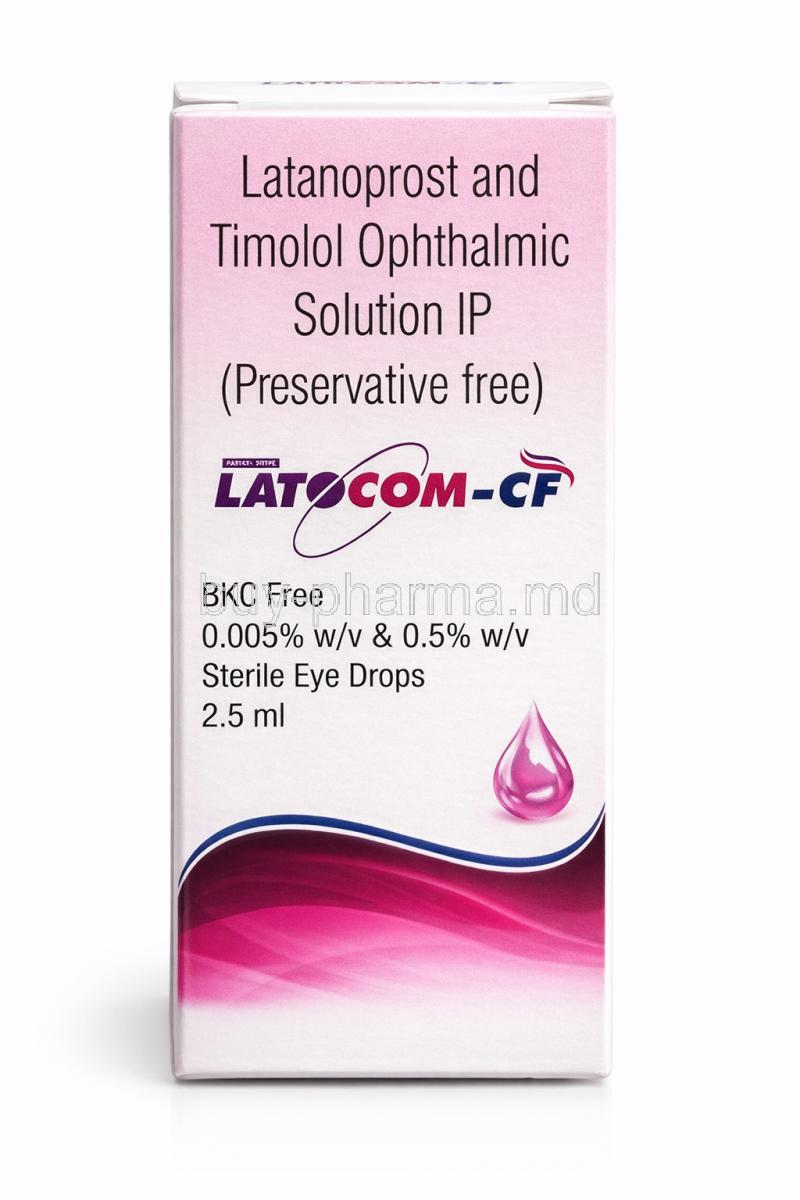
Introduction to Latocom CF Eye Drop (Latanoprost/Timolol)
What is Latocom CF Eye Drop?
Latocom CF Eye Drop is a preservative-free ophthalmic medication containing a combination of Latanoprost and Timolol. It is primarily prescribed for the management of elevated intraocular pressure associated with open-angle glaucoma and ocular hypertension. By combining two pharmacologically distinct agents, the formulation provides multidimensional pressure-lowering effects within the eye.
This ophthalmic preparation is often recommended for patients who require more potent pressure reduction than can be achieved with a single medication alone. The preservative-free characteristic may also improve tolerability in individuals with sensitive ocular surfaces or chronic dry eye symptoms.
- Dual-action anti-glaucoma therapy
- Preservative-free formulation
- Designed for chronic ophthalmic use
- Suitable for long-term intraocular pressure management
Overview of Latanoprost and Timolol Combination Therapy
The combination of Latanoprost and Timolol represents a synergistic therapeutic strategy in glaucoma care. Latanoprost belongs to the prostaglandin analog class, whereas Timolol is classified as a non-selective beta-adrenergic blocker. Together, they target aqueous humor dynamics through complementary mechanisms.
While Latanoprost enhances the drainage of aqueous fluid from the eye, Timolol suppresses its production. This bifurcated mechanism allows for superior intraocular pressure reduction compared with monotherapy in many patients.
Combination therapy may also simplify treatment regimens. Instead of administering multiple separate eye drops, patients can use a single formulation, potentially improving adherence and therapeutic consistency.
Preservative-Free (CF) Formulation Benefits
The “CF” designation refers to a preservative-free composition. Traditional ophthalmic products frequently contain benzalkonium chloride or similar preservatives, substances that may contribute to ocular irritation, corneal toxicity, and tear film instability when used chronically.
Preservative-free formulations are particularly advantageous for:
- Patients with dry eye syndrome
- Individuals requiring long-term glaucoma therapy
- People with corneal surface disorders
- Users sensitive to benzalkonium chloride
- Patients wearing contact lenses
Many ophthalmologists prefer preservative-free glaucoma therapies for patients experiencing conjunctival hyperemia, ocular discomfort, or epithelial compromise during prolonged treatment.
Therapeutic Classification of Latocom CF Eye Drop
Latocom CF Eye Drop is therapeutically classified as a combination anti-glaucoma medication. More specifically, it belongs to:
- Prostaglandin analog ophthalmic agents
- Beta-blocker ophthalmic agents
- Intraocular pressure-lowering medications
- Anti-glaucoma combination therapies
The medication is generally prescribed by ophthalmologists for chronic ocular conditions associated with optic nerve vulnerability and elevated intraocular pressure.
Importance of Intraocular Pressure Control in Eye Diseases
Elevated intraocular pressure is among the most significant modifiable risk factors for glaucomatous optic neuropathy. Persistent pressure elevation can progressively damage retinal ganglion cells and the optic nerve head, eventually resulting in irreversible visual field loss.
Without proper intervention, glaucoma may advance insidiously for years before noticeable symptoms emerge. Early pressure reduction is therefore critical.
Long-term pressure management may help:
- Reduce optic nerve deterioration
- Preserve peripheral vision
- Delay disease progression
- Lower the risk of blindness
- Maintain visual functionality and quality of life
Composition and Formulation of Latocom CF Eye Drop
Active Ingredients: Latanoprost and Timolol
Latocom CF Eye Drop contains two pharmacologically active components:
- Latanoprost
- Timolol
Latanoprost is a prostaglandin F2α analog that facilitates aqueous humor outflow through the uveoscleral pathway. Timolol, in contrast, reduces aqueous humor production by inhibiting beta-adrenergic receptors within the ciliary body.
The combination is intended to provide robust intraocular pressure reduction using complementary ocular pharmacodynamics.
Mechanism and Role of Each Component
Latanoprost primarily enhances fluid drainage from the eye. It modifies extracellular matrix remodeling in the ciliary muscle, thereby improving uveoscleral outflow.
Timolol exerts its action differently. It suppresses aqueous humor secretion by blocking beta receptors in ocular tissues responsible for fluid production.
This duality creates a comprehensive therapeutic approach:
- Enhanced drainage
- Reduced fluid formation
- Improved pressure stabilization
- Potential reduction in daily pressure fluctuations
Preservative-Free Ophthalmic Solution Advantages
Preservative-free ophthalmic preparations may improve long-term ocular tolerability. Chronic exposure to preservatives can disrupt tear film integrity and induce inflammatory changes on the ocular surface.
Advantages of preservative-free solutions include:
- Reduced ocular irritation
- Lower risk of epithelial toxicity
- Improved comfort during prolonged therapy
- Better compatibility with sensitive eyes
- Reduced conjunctival inflammation
These benefits may become increasingly important in elderly glaucoma patients requiring lifelong treatment.
Available Strength and Packaging
Latocom CF Eye Drop is commonly supplied in sterile ophthalmic dropper containers specifically designed for precise ocular administration. Packaging may vary depending on the manufacturer and regional pharmaceutical regulations.
The formulation is typically prepared in concentrations optimized for once-daily ophthalmic use, ensuring sustained therapeutic activity while minimizing excessive dosing.
Packaging features may include:
- Single-use preservative-free containers
- Multi-dose sterile systems
- Tamper-evident sealing
- Light-protective outer cartons
Excipients and Inactive Ingredients
In addition to the active pharmaceutical ingredients, Latocom CF Eye Drop contains carefully selected excipients that maintain sterility, stability, and isotonicity.
Inactive ingredients may include buffering agents, purified water, pH adjusters, and stabilizing compounds. These excipients are formulated to support ocular compatibility and maintain medication efficacy throughout the shelf life of the product.
How Latocom CF Eye Drop Works
Mechanism of Action of Latanoprost
Latanoprost acts as a prostaglandin analog that selectively targets prostanoid FP receptors within the eye. Activation of these receptors alters tissue permeability and extracellular matrix dynamics, facilitating enhanced aqueous humor drainage.
Unlike medications that merely reduce fluid production, Latanoprost focuses on improving physiologic outflow pathways.
Increasing Uveoscleral Outflow to Reduce Eye Pressure
The uveoscleral pathway is one of the principal routes through which aqueous humor exits the eye. Latanoprost enhances this drainage route, thereby decreasing intraocular pressure.
This mechanism is highly effective because it addresses fluid accumulation directly. Pressure reduction often becomes noticeable within several hours, though maximal therapeutic effects may require consistent administration over multiple weeks.
Mechanism of Action of Timolol
Timolol is a non-selective beta-adrenergic receptor antagonist. In ocular tissues, beta receptor blockade diminishes cyclic AMP-mediated aqueous humor secretion from the ciliary epithelium.
The result is reduced fluid production inside the eye, contributing to lower intraocular pressure.
Beta-Blocker Action and Reduction of Aqueous Humor Production
Timolol decreases aqueous humor formation without significantly affecting pupil size or accommodation. This characteristic makes it useful for chronic glaucoma management.
Its pressure-lowering effect may persist throughout the day, supporting stable intraocular pressure control.
Benefits of Timolol include:
- Reduction of aqueous humor secretion
- Sustained intraocular pressure reduction
- Complementary action with prostaglandin analogs
- Long-established clinical utility in glaucoma care
Dual Mechanism for Enhanced Intraocular Pressure Reduction
The combined actions of Latanoprost and Timolol create a more comprehensive pressure-lowering profile than either agent alone in many patients.
This multidimensional mechanism may provide:
- Greater intraocular pressure reduction
- Improved disease stabilization
- Reduced need for multiple separate medications
- Enhanced treatment adherence
Combination therapy is frequently considered when monotherapy fails to achieve target intraocular pressure goals.
Onset of Action and Duration of Effectiveness
Timolol generally begins reducing intraocular pressure within a relatively short period after administration. Latanoprost may demonstrate a more gradual onset but often provides prolonged therapeutic activity.
Maximum pressure-lowering effects can require several days to weeks of continuous treatment. The once-daily administration schedule is designed to maintain stable therapeutic concentrations throughout the dosing interval.
Pharmacodynamics and Ocular Penetration
Following ophthalmic administration, the active ingredients penetrate ocular tissues and exert localized pharmacologic effects. Although systemic absorption is limited, small quantities may enter systemic circulation through the nasolacrimal pathway.
Pharmacodynamic characteristics include:
- Selective ocular receptor activity
- Sustained intraocular pressure reduction
- Minimal influence on visual accommodation
- Localized ophthalmic action with limited systemic exposure
Uses of Latocom CF Eye Drop
Treatment of Open-Angle Glaucoma
Latocom CF Eye Drop is widely prescribed for open-angle glaucoma, the most common form of glaucoma worldwide. In this condition, impaired aqueous humor drainage gradually elevates intraocular pressure and damages the optic nerve.
Consistent treatment may help preserve visual fields and slow disease progression.
Management of Ocular Hypertension
Ocular hypertension refers to elevated intraocular pressure without definitive optic nerve damage or visual field loss. Individuals with untreated ocular hypertension may possess an increased risk of developing glaucoma over time.
Latocom CF Eye Drop may help reduce this risk by lowering intraocular pressure before substantial optic nerve injury occurs.
Reduction of Elevated Intraocular Pressure
The primary therapeutic objective of Latocom CF Eye Drop is sustained intraocular pressure reduction. Pressure stabilization is a cornerstone of glaucoma management and optic nerve preservation.
Regular use may help maintain safer ocular pressure ranges during daily physiologic fluctuations.
Long-Term Maintenance Therapy in Glaucoma Patients
Glaucoma is typically a chronic condition requiring continuous therapy. Latocom CF Eye Drop is often utilized as a long-term maintenance medication in patients requiring persistent pressure control.
Long-term therapy may reduce the likelihood of progressive visual deterioration and irreversible blindness.
Use in Patients Insufficiently Controlled With Monotherapy
Some patients fail to achieve adequate intraocular pressure reduction using a single medication. Combination formulations such as Latocom CF may provide superior pressure-lowering efficacy.
This approach can also simplify treatment regimens and reduce the burden of administering multiple separate eye drops daily.
Prevention of Progressive Optic Nerve Damage
Lowering intraocular pressure remains the most established method for slowing glaucomatous optic nerve injury. By reducing pressure-related stress on optic nerve fibers, Latocom CF may contribute to long-term visual preservation.
Adjunctive Therapy in Chronic Glaucoma Management
In certain complex glaucoma cases, Latocom CF Eye Drop may be incorporated into broader therapeutic strategies that include additional medications, laser interventions, or surgical procedures.
Adjunctive use may help optimize pressure control in refractory or advanced disease.
Off-Label Uses of Latocom CF Eye Drop
Off-Label Use in Normal-Tension Glaucoma
Normal-tension glaucoma can occur even when intraocular pressure falls within traditionally normal ranges. Some clinicians may prescribe pressure-lowering medications such as Latocom CF to further reduce ocular pressure and potentially decrease optic nerve stress.
Use in Secondary Glaucoma Conditions
Secondary glaucoma may arise due to trauma, inflammation, medications, or ocular structural abnormalities. In selected cases, Latocom CF Eye Drop may assist in pressure management alongside treatment of the underlying cause.
Ocular Pressure Control After Certain Eye Surgeries
Transient elevations in intraocular pressure may occur after certain ophthalmic surgical procedures. Physicians may occasionally use pressure-lowering medications temporarily to stabilize postoperative ocular pressure.
Temporary Use in Steroid-Induced Ocular Hypertension
Corticosteroid therapy can elevate intraocular pressure in susceptible individuals. Latocom CF may be utilized temporarily when steroid-induced ocular hypertension develops and pressure reduction becomes clinically necessary.
Combination Therapy in Difficult-to-Control Glaucoma
Advanced or refractory glaucoma may require multidrug treatment strategies. Latocom CF may serve as part of a combination regimen designed to achieve lower target intraocular pressures.
Use in Pseudoexfoliative Glaucoma
Pseudoexfoliative glaucoma is associated with abnormal extracellular material deposition within ocular structures. This condition may produce substantial intraocular pressure elevation and accelerated optic nerve damage.
Pressure-lowering combination therapies are frequently considered in affected patients.
Off-Label Ocular Pressure Reduction in Selected Cases
Some ophthalmologists may individualize therapy for complex ocular conditions requiring pressure modulation beyond standard indications. Clinical judgment and patient-specific considerations guide such off-label applications.
Investigational Use in Neuroprotective Glaucoma Strategies
Emerging glaucoma research continues exploring whether aggressive pressure control and certain pharmacologic approaches may contribute indirectly to neuroprotection.
Although intraocular pressure reduction remains the primary established mechanism, investigational strategies continue evolving within ophthalmic science.
Dosage and Administration of Latocom CF Eye Drop
Recommended Dosage for Adults
The usual adult dosage is one drop instilled into the affected eye or eyes once daily, typically in the evening unless otherwise directed by an ophthalmologist.
Excessive administration should generally be avoided, as overuse may paradoxically diminish the pressure-lowering effect of prostaglandin analogs.
Proper Technique for Eye Drop Administration
Correct instillation technique is essential for maximizing therapeutic benefit and minimizing contamination.
- Wash hands thoroughly before use
- Tilt the head backward gently
- Pull down the lower eyelid to create a small pocket
- Instill one drop without touching the eye
- Close the eyes gently afterward
- Apply nasolacrimal occlusion for 1–2 minutes if instructed
Nasolacrimal occlusion may reduce systemic absorption of Timolol and potentially minimize systemic adverse effects.
Best Time of Day to Use the Medication
Many clinicians recommend evening administration because prostaglandin analogs often demonstrate optimal efficacy with nighttime dosing.
Maintaining a consistent dosing schedule may improve therapeutic stability and adherence.
Steps to Avoid Contamination During Application
Contamination of ophthalmic solutions can increase the risk of ocular infection. Patients should avoid touching the dropper tip to:
- The eye surface
- Eyelids
- Fingers
- Countertops or external objects
The bottle should remain tightly closed when not in use.
Missed Dose Instructions
If a dose is missed, it should generally be administered as soon as remembered unless the next scheduled dose is approaching. Double dosing is typically discouraged.
Patients should return to their normal dosing schedule afterward.
Duration of Therapy and Treatment Monitoring
Latocom CF Eye Drop is commonly used as a long-term therapy for chronic glaucoma management. Regular ophthalmic examinations remain essential during treatment.
Monitoring may include:
- Intraocular pressure measurements
- Visual field testing
- Optic nerve evaluation
- Corneal health assessment
- Ocular surface examinations
Use With Other Ophthalmic Medications
When multiple ophthalmic medications are prescribed, appropriate administration intervals should be maintained to prevent dilution or washout of the medications.
Many clinicians recommend waiting at least 5–10 minutes between different eye drops.
Contact Lens Precautions During Administration
Patients wearing contact lenses should follow physician guidance regarding lens use during treatment. Although preservative-free formulations may reduce irritation risk, lenses are commonly removed before administration.
Contact lenses may usually be reinserted after an appropriate waiting interval, depending on ophthalmologic recommendations.
Common Side Effects of Latocom CF Eye Drop
Eye Redness and Conjunctival Hyperemia
Conjunctival hyperemia is among the most frequently reported ocular reactions associated with Latocom CF Eye Drop. Patients may notice visible redness of the sclera or conjunctival tissues shortly after administration.
This effect is often linked to the vasodilatory properties of prostaglandin analogs such as Latanoprost. In many cases, the redness is mild and transient, though some individuals may experience persistent ocular injection during long-term therapy.
- Mild pink discoloration of the eye
- Temporary vascular dilation
- More pronounced after initial treatment initiation
- Often improves with continued use
Mild Burning or Stinging Sensation
A transient burning or stinging sensation may occur immediately after instillation. This reaction is generally short-lived and resolves within several minutes.
Patients with pre-existing ocular surface disease or epithelial sensitivity may experience greater discomfort. Preservative-free formulations may reduce irritation compared with preserved ophthalmic preparations.
Eye Irritation and Discomfort
Some individuals may develop nonspecific ocular irritation characterized by itching, soreness, dryness, or a sensation of ocular heaviness. These symptoms can vary in intensity depending on ocular surface integrity and treatment duration.
Chronic glaucoma therapy occasionally contributes to cumulative ocular surface stress, particularly in elderly patients or those using multiple ophthalmic medications simultaneously.
Blurred Vision After Instillation
Temporary blurred vision can occur immediately after administration due to the liquid film created over the corneal surface. Vision usually clears spontaneously within a short period.
Patients should exercise caution when:
- Driving vehicles
- Operating machinery
- Performing visually demanding activities
- Walking in poorly illuminated environments
Increased Tear Production
Reflex tearing may develop as a physiologic response to topical ophthalmic administration. Some patients experience transient watery eyes after drop instillation.
Although usually benign, excessive lacrimation may occasionally interfere with medication retention and ocular comfort.
Dry Eyes and Foreign Body Sensation
Paradoxically, certain patients may experience ocular dryness despite increased tearing episodes. Tear film instability and subtle epithelial disruption can contribute to a gritty or foreign body sensation.
Symptoms may include:
- Dryness
- Scratchy ocular sensation
- Intermittent discomfort
- Eye fatigue during reading or screen use
Mild Headache or Eye Fatigue
Mild headache and periocular fatigue have been reported during glaucoma treatment. These symptoms are generally transient and may relate to changes in ocular pressure dynamics or visual strain.
Persistent or severe headaches should be medically evaluated to exclude complications or uncontrolled glaucoma progression.
Serious and Less Common Side Effects
Changes in Iris Pigmentation and Eye Color
Latanoprost may gradually increase brown pigmentation within the iris. This chromatic alteration occurs due to increased melanin content within melanocytes rather than cellular proliferation.
The pigmentation change typically develops slowly and may become permanent even after treatment discontinuation.
Patients with mixed-color irides may be more susceptible to visible color changes.
Eyelash Growth and Eyelid Skin Darkening
Prostaglandin analogs can influence hair follicles and periocular pigmentation. Some patients experience:
- Longer eyelashes
- Thicker eyelashes
- Increased eyelash pigmentation
- Darkening of eyelid skin
Although often considered cosmetic, asymmetrical use may produce noticeable differences between the eyes.
Corneal Disorders and Ocular Inflammation
Rare inflammatory ocular reactions may occur, including keratitis, uveitis, or corneal irritation. Individuals with pre-existing inflammatory eye disease may possess heightened susceptibility.
Symptoms requiring prompt ophthalmologic evaluation include:
- Severe ocular pain
- Photophobia
- Sudden visual deterioration
- Marked redness
- Corneal opacity
Bradycardia and Cardiovascular Effects
Timolol may undergo systemic absorption through the nasolacrimal pathway, producing systemic beta-blocker effects in susceptible individuals.
Potential cardiovascular effects include:
- Bradycardia
- Hypotension
- Cardiac conduction abnormalities
- Palpitations
- Fatigue related to reduced cardiac output
Patients with underlying cardiac disease require careful monitoring.
Breathing Difficulties in Susceptible Individuals
Non-selective beta-blockers such as Timolol may precipitate bronchospasm in susceptible patients. Individuals with asthma or chronic obstructive pulmonary disease are particularly vulnerable.
Respiratory symptoms may include:
- Wheezing
- Shortness of breath
- Chest tightness
- Respiratory distress
Allergic Reactions and Hypersensitivity
Hypersensitivity reactions may occur with either active ingredients or inactive formulation components. Reactions range from mild irritation to severe allergic responses.
Potential manifestations include:
- Rash
- Swelling
- Intense itching
- Conjunctival edema
- Difficulty breathing
Severe Hypotension and Syncope
Systemic absorption of Timolol may rarely produce significant hypotension, dizziness, or syncope, particularly in elderly individuals or patients using antihypertensive medications.
Episodes of fainting require immediate medical assessment.
Depression, Fatigue, and CNS Effects
Beta-blockers have occasionally been associated with central nervous system effects including:
- Fatigue
- Lethargy
- Sleep disturbances
- Mood changes
- Depressive symptoms
Although uncommon with ophthalmic administration, systemic absorption may contribute to these reactions in sensitive individuals.
Risk of Bronchospasm in Asthma Patients
Bronchospasm represents a potentially serious adverse reaction associated with non-selective beta-blockers. Even ophthalmic Timolol can provoke respiratory compromise in predisposed individuals.
Asthma patients should use the medication only under strict medical supervision when deemed clinically appropriate.
Warnings and Safety Considerations
Risk of Systemic Absorption of Timolol
Despite topical administration, Timolol may enter systemic circulation through conjunctival vessels and nasolacrimal drainage pathways. This systemic absorption can produce cardiovascular and respiratory effects resembling those observed with oral beta-blockers.
Nasolacrimal occlusion after administration may reduce systemic exposure.
Cardiovascular Monitoring During Treatment
Patients with cardiac disease should undergo careful monitoring during therapy. Heart rate and blood pressure evaluation may be necessary in susceptible populations.
Particular caution is warranted in individuals with:
- Heart block
- Arrhythmias
- Heart failure
- Coronary artery disease
Respiratory Risks in Asthmatic Patients
Timolol can exacerbate bronchospastic disease. Patients with asthma or severe chronic obstructive pulmonary disease may experience worsening respiratory symptoms.
Emergency medical attention is necessary if breathing difficulties develop.
Potential Permanent Changes in Eye Color
Gradual iris pigmentation changes associated with Latanoprost may become irreversible. Patients should be informed about this possibility before initiating therapy.
Color changes occur more commonly in eyes containing mixed pigmentation patterns such as green-brown or blue-brown irides.
Risk of Macular Edema in Predisposed Patients
Prostaglandin analogs may increase the risk of cystoid macular edema in susceptible individuals, especially:
- Aphakic patients
- Pseudophakic patients with torn posterior lens capsules
- Patients with diabetic retinopathy
- Individuals with retinal vascular disorders
Masking Symptoms of Hypoglycemia in Diabetics
Beta-blockers may obscure adrenergic warning signs of hypoglycemia such as tachycardia and tremor. Diabetic patients receiving insulin or oral hypoglycemic agents require careful monitoring.
Precautions Before Ocular Surgery
Patients scheduled for ophthalmic procedures should inform surgeons about ongoing Timolol therapy. Beta-blockers may interact with anesthetic agents and influence cardiovascular stability during surgery.
Importance of Regular Eye Pressure Monitoring
Routine ophthalmologic evaluation remains essential during glaucoma treatment. Intraocular pressure targets may change over time, requiring therapeutic adjustment.
Monitoring often includes:
- Tonometry
- Optic nerve assessment
- Visual field testing
- Corneal evaluation
Contraindications of Latocom CF Eye Drop
Hypersensitivity to Latanoprost, Timolol, or Formulation Components
The medication should not be used in patients with known hypersensitivity to any active or inactive ingredients within the formulation.
Allergic reactions may range from mild conjunctival irritation to severe systemic hypersensitivity responses.
Bronchial Asthma and Severe COPD
Timolol may induce bronchoconstriction in susceptible individuals. Patients with bronchial asthma or severe chronic obstructive pulmonary disease generally should not use this medication.
Sinus Bradycardia and Heart Block
Beta-blockers can suppress cardiac conduction and reduce heart rate. Patients with sinus bradycardia, second-degree heart block, or third-degree heart block face elevated risks of serious cardiac complications.
Cardiogenic Shock
Timolol is contraindicated in cardiogenic shock because beta-blockade may further compromise cardiac output and circulatory stability.
Severe Cardiac Failure
Patients with uncontrolled or severe heart failure may experience worsening cardiac performance with beta-blocker exposure.
Careful cardiologic evaluation is required before considering therapy in patients with cardiac dysfunction.
History of Serious Beta-Blocker Reactions
Individuals with prior severe adverse reactions to systemic or ophthalmic beta-blockers should generally avoid Timolol-containing ophthalmic medications.
Contraindicated Use in Certain Corneal Conditions
Some corneal disorders involving epithelial instability or severe surface compromise may require alternative therapies due to increased susceptibility to irritation or ocular complications.
Careful Administration (Use With Caution)
Patients With Cardiovascular Disorders
Individuals with cardiovascular disease require careful therapeutic supervision during treatment. Even limited systemic absorption of Timolol may influence cardiac physiology.
Individuals With Respiratory Diseases
Patients with mild-to-moderate respiratory disease should be monitored carefully for bronchospasm or respiratory deterioration.
Diabetic Patients Receiving Insulin or Antidiabetic Therapy
Beta-blockers may mask hypoglycemia symptoms and complicate glycemic monitoring. Diabetic patients should maintain careful blood glucose surveillance.
Patients With Hyperthyroidism
Timolol may obscure clinical signs of hyperthyroidism such as tachycardia. Abrupt discontinuation in hyperthyroid patients may precipitate exacerbation of symptoms.
Use in Patients With Ocular Inflammation
Active ocular inflammation may worsen during prostaglandin analog therapy in susceptible individuals. Careful ophthalmologic assessment is advised before initiation.
Individuals With History of Herpetic Keratitis
Prostaglandin analogs may potentially reactivate herpetic keratitis in predisposed patients. Prior ocular herpes infection should be disclosed to the prescribing physician.
Use in Patients Wearing Contact Lenses
Patients using contact lenses should follow ophthalmologist recommendations regarding timing of lens insertion and removal during treatment.
Proper lens hygiene remains important to reduce ocular irritation risk.
Patients With Renal or Hepatic Impairment
Although ophthalmic administration limits systemic exposure, patients with severe renal or hepatic impairment may require careful clinical observation during long-term therapy.
Drug Interactions and Potential Influences
Interaction With Systemic Beta-Blockers
Concurrent use of ophthalmic Timolol with oral beta-blockers may enhance systemic beta-adrenergic blockade.
This combination can increase the risk of:
- Bradycardia
- Hypotension
- Cardiac conduction abnormalities
- Respiratory complications
Additive Effects With Other Glaucoma Medications
Combination therapy with additional ocular hypotensive agents may produce enhanced pressure-lowering effects. Careful intraocular pressure monitoring is necessary to avoid excessive hypotony.
Interaction With Calcium Channel Blockers
Concomitant use with calcium channel blockers may potentiate cardiovascular suppression, particularly in patients predisposed to conduction abnormalities or hypotension.
Effects When Combined With Digoxin
Simultaneous administration with digoxin may increase the likelihood of bradycardia and atrioventricular conduction disturbances.
Interaction With Catecholamine-Depleting Drugs
Medications that deplete catecholamines may amplify the systemic effects of beta-blockers, contributing to hypotension or profound bradycardia.
CYP450-Related Interactions
Certain CYP450 inhibitors may alter systemic Timolol metabolism, potentially increasing systemic exposure and adverse effect risk.
Interaction With Antidiabetic Medications
Timolol may potentiate hypoglycemic effects while simultaneously masking warning symptoms of low blood glucose.
Ophthalmic Drug Administration Timing Considerations
When multiple ophthalmic medications are prescribed, appropriate spacing between administrations helps preserve therapeutic efficacy and reduce washout effects.
Many clinicians recommend waiting at least several minutes between eye drops.
Administration to Elderly Patients
Safety and Efficacy in Older Adults
Latocom CF Eye Drop is commonly prescribed in elderly glaucoma patients. Age-related physiologic changes, however, may influence drug tolerability and systemic sensitivity.
Increased Sensitivity to Beta-Blockers
Older adults may exhibit heightened sensitivity to beta-blocker effects including hypotension, fatigue, and bradycardia.
Monitoring Cardiovascular and Respiratory Function
Routine assessment of cardiovascular and respiratory status may be appropriate in elderly individuals receiving long-term therapy.
Considerations in Polypharmacy Patients
Many elderly patients receive multiple medications simultaneously. Potential drug interactions should be evaluated carefully to reduce adverse event risk.
Fall Risk Related to Hypotension or Dizziness
Dizziness, fatigue, or hypotension may increase fall risk in susceptible elderly individuals. Clinical vigilance is important during therapy initiation and dose adjustments.
Administration to Pregnant Women and Nursing Mothers
Use During Pregnancy and Potential Fetal Risks
The use of Latocom CF Eye Drop during pregnancy requires careful clinical evaluation. Systemic absorption of active ingredients, although limited, may potentially affect fetal physiology.
FDA Pregnancy Considerations for Latanoprost and Timolol
Animal studies involving prostaglandin analogs have demonstrated reproductive effects at certain exposure levels. Timolol may also affect fetal cardiovascular function if systemically absorbed.
Treatment during pregnancy should occur only when the anticipated benefits justify potential risks.
Use During Breastfeeding and Drug Excretion Into Milk
Timolol may be excreted into breast milk. Although ophthalmic exposure produces relatively low systemic concentrations, nursing infants may theoretically experience beta-blocker effects.
Risk-Benefit Assessment in Pregnant Women
Physicians must evaluate maternal glaucoma severity, optic nerve risk, and alternative treatment options when considering therapy during pregnancy.
Clinical Recommendations for Nursing Mothers
Nasolacrimal occlusion after administration may help reduce systemic absorption during breastfeeding.
Infants should be monitored for:
- Lethargy
- Feeding difficulties
- Respiratory symptoms
- Bradycardia
Administration to Children
Pediatric Safety and Efficacy Data
Pediatric experience with combination glaucoma therapies remains more limited than adult data. Treatment decisions should be individualized by pediatric ophthalmology specialists.
Use in Pediatric Glaucoma Cases
In selected pediatric glaucoma cases, pressure-lowering therapy may be necessary to preserve visual development and prevent optic nerve damage.
Monitoring Requirements in Children
Children receiving ophthalmic beta-blockers require careful monitoring due to increased susceptibility to systemic absorption relative to body size.
Potential Systemic Side Effects in Pediatric Patients
Potential systemic effects may include:
- Bradycardia
- Respiratory depression
- Lethargy
- Hypotension
- Fatigue
Specialist Supervision for Pediatric Administration
Pediatric glaucoma management should occur under specialist supervision with regular ophthalmologic evaluation and individualized therapeutic planning.
Overdose and Emergency Management
Symptoms of Ophthalmic Overdose
Excessive ophthalmic administration may increase systemic absorption of Timolol and elevate the risk of systemic adverse reactions.
Systemic Beta-Blocker Toxicity Signs
Signs of systemic beta-blocker toxicity may include:
- Marked bradycardia
- Hypotension
- Dizziness
- Bronchospasm
- Confusion
- Cardiac conduction disturbances
Severe Bradycardia and Respiratory Depression
Severe overdose may produce life-threatening cardiovascular or respiratory compromise requiring urgent medical intervention.
Immediate First Aid Measures
Patients experiencing suspected overdose should seek immediate medical attention. Emergency responders should be informed that the medication contains a beta-blocker.
Supportive and Symptomatic Treatment
Management generally focuses on supportive care, cardiovascular stabilization, respiratory support, and symptom-directed treatment.
When to Seek Emergency Medical Attention
Emergency evaluation is warranted if symptoms such as fainting, severe breathing difficulty, chest pain, or profound weakness occur after administration.
Storage Instructions for Latocom CF Eye Drop
Recommended Storage Temperature
The medication should be stored according to manufacturer recommendations, generally at controlled room temperature or refrigerated conditions depending on packaging specifications.
Protecting the Eye Drops From Light and Heat
Excessive heat and direct sunlight may compromise medication stability. The product should remain protected from environmental extremes.
Shelf Life and Expiry Information
The expiration date printed on the packaging should be carefully observed. Expired ophthalmic medications should not be used.
Storage After Opening the Container
Some preservative-free formulations possess limited usability after opening. Manufacturer instructions regarding discard timing should be followed precisely.
Keeping Medication Out of Reach of Children
All ophthalmic medications should be stored securely away from children and pets to reduce accidental exposure risk.
Handling Precautions
Hand Hygiene Before Administration
Thorough hand washing before ophthalmic administration helps minimize microbial contamination and ocular infection risk.
Avoiding Contact Between Dropper Tip and Surfaces
The dropper tip should never contact the eye, fingers, or surrounding surfaces, as contamination may compromise sterility.
Proper Disposal of Used Containers
Used or expired ophthalmic containers should be discarded according to local pharmaceutical disposal recommendations.
Preventing Cross-Contamination
Eye medications should not be shared between individuals, even among family members.
Safe Handling During Travel
During travel, the medication should remain securely sealed and protected from excessive temperature fluctuations.
Precautions for Shared Living Environments
In communal living settings, clear labeling and proper storage may help prevent accidental misuse or cross-contamination.
Important Precautions During Long-Term Use
Regular Eye Examinations and Intraocular Pressure Monitoring
Long-term glaucoma management requires ongoing ophthalmologic evaluation to ensure therapeutic efficacy and disease stabilization.
Monitoring for Iris and Eyelash Changes
Patients should be periodically assessed for progressive pigmentation changes and periocular cosmetic alterations associated with prostaglandin analog therapy.
Evaluation for Corneal Complications
Corneal health should be monitored carefully, particularly in patients with pre-existing ocular surface disease or chronic ophthalmic medication exposure.
Cardiovascular and Pulmonary Monitoring
Patients with cardiovascular or respiratory risk factors may require periodic assessment for systemic beta-blocker effects.
Adherence to Prescribed Dosage
Using the medication exactly as prescribed helps maintain stable intraocular pressure control while minimizing adverse effects.
Avoiding Abrupt Discontinuation Without Medical Advice
Sudden discontinuation may compromise intraocular pressure control and increase the risk of glaucoma progression. Treatment changes should occur only under medical supervision.
Popular Products
Similar Product