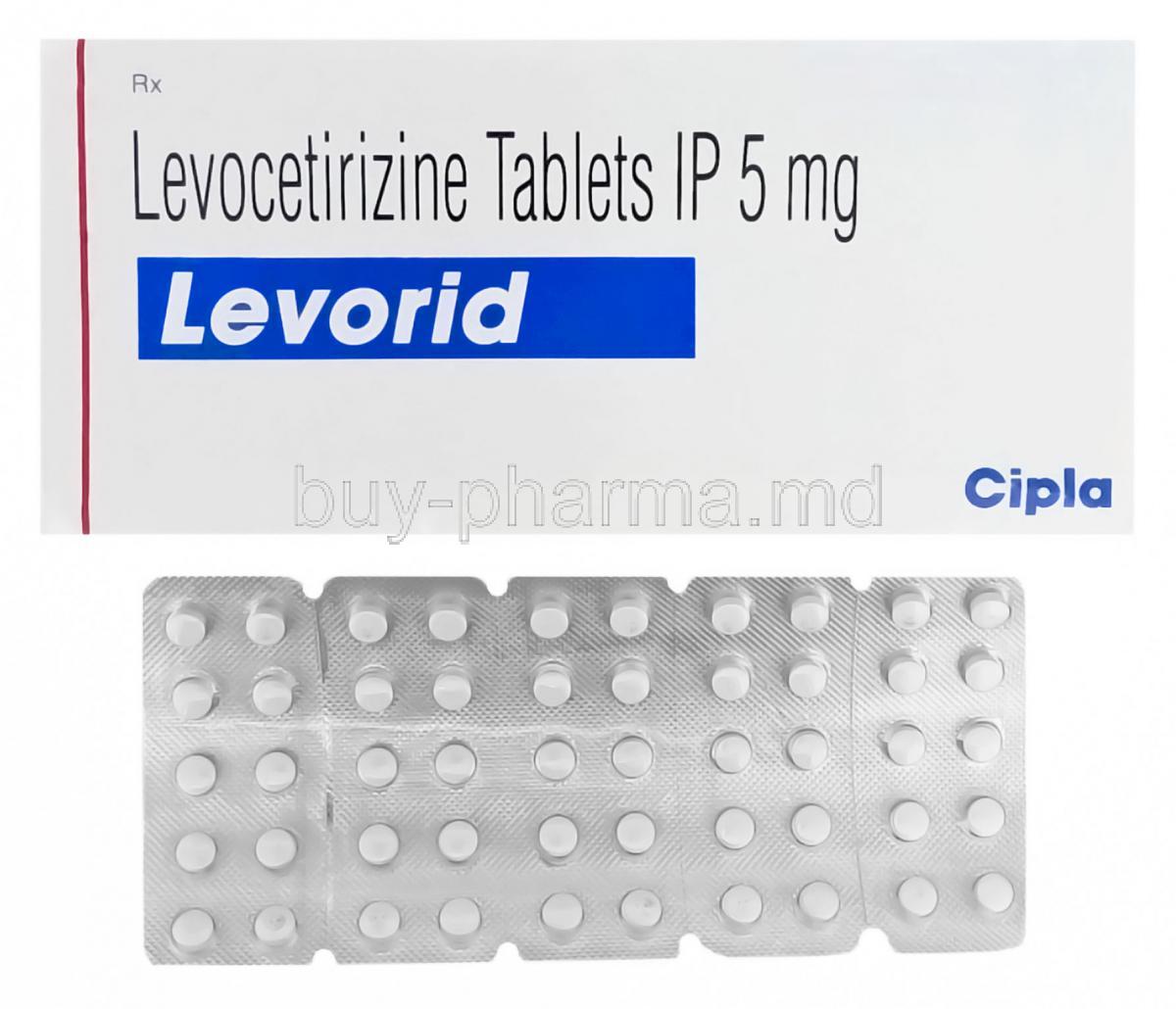

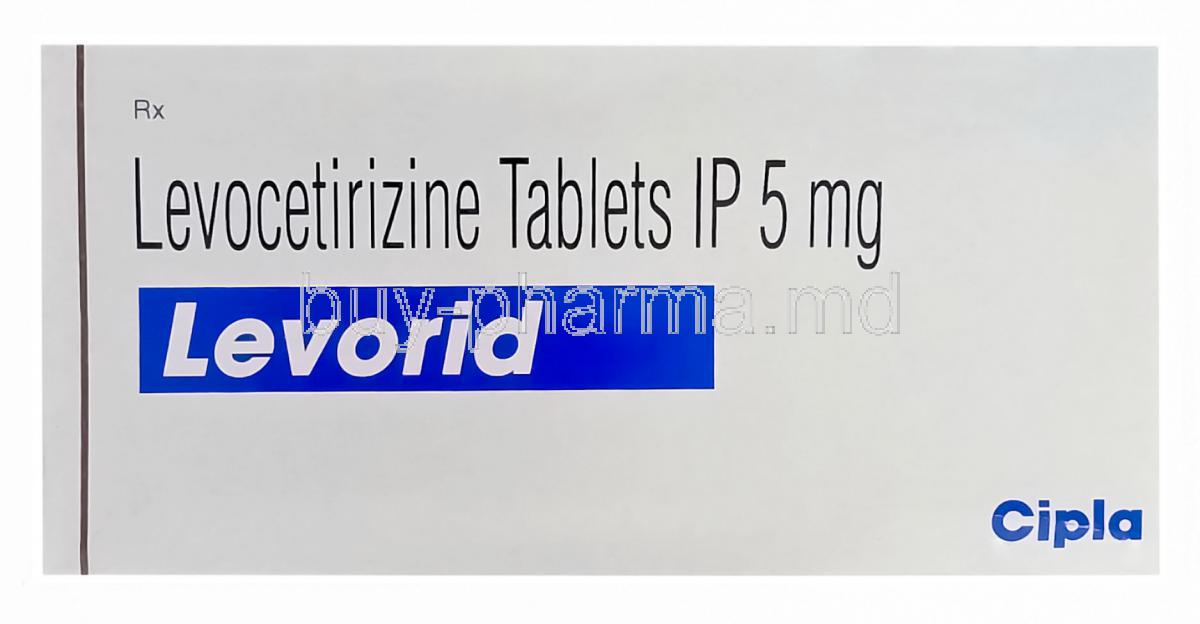
1. Introduction to Levorid
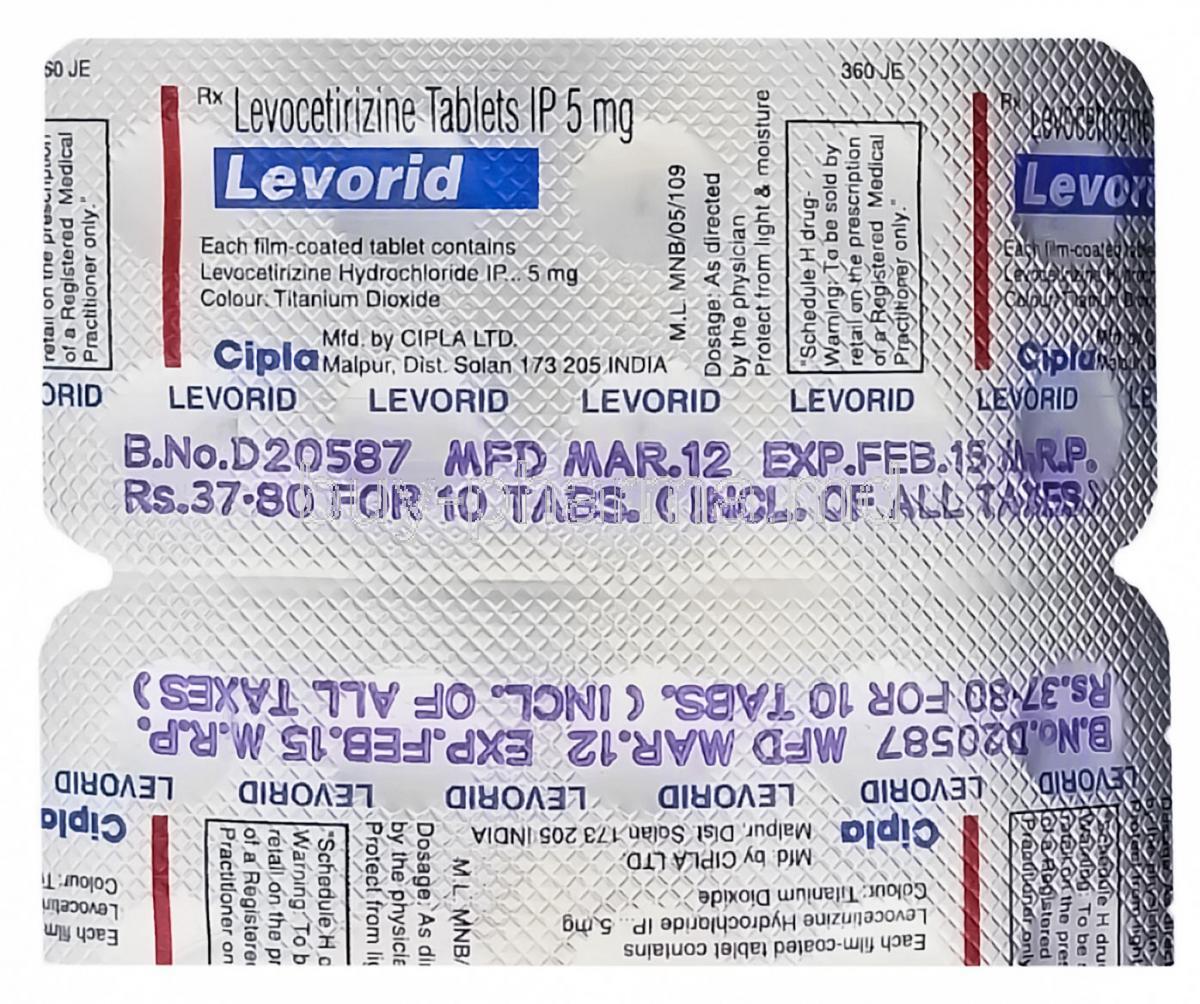
Levorid is a modern antihistaminic medication classified under the class of second-generation selective H1 receptor antagonists. It is widely prescribed for the prevention and treatment of allergic manifestations affecting the respiratory tract, skin, and eyes. The drug’s pharmacological precision allows for targeted relief of histamine-induced symptoms without causing substantial drowsiness.
The brand name Levorid corresponds to the generic compound Levocetirizine Dihydrochloride, a potent R-enantiomer of cetirizine. This configuration ensures higher receptor affinity and improved efficacy at lower doses compared to its predecessor.
Originally developed in the early 2000s, Levocetirizine gained regulatory approval after demonstrating superior tolerability and sustained efficacy in allergic rhinitis and chronic urticaria. In clinical practice today, Levorid stands as a cornerstone in long-term allergy management due to its rapid onset and prolonged duration of action.
2. Composition and Formulation
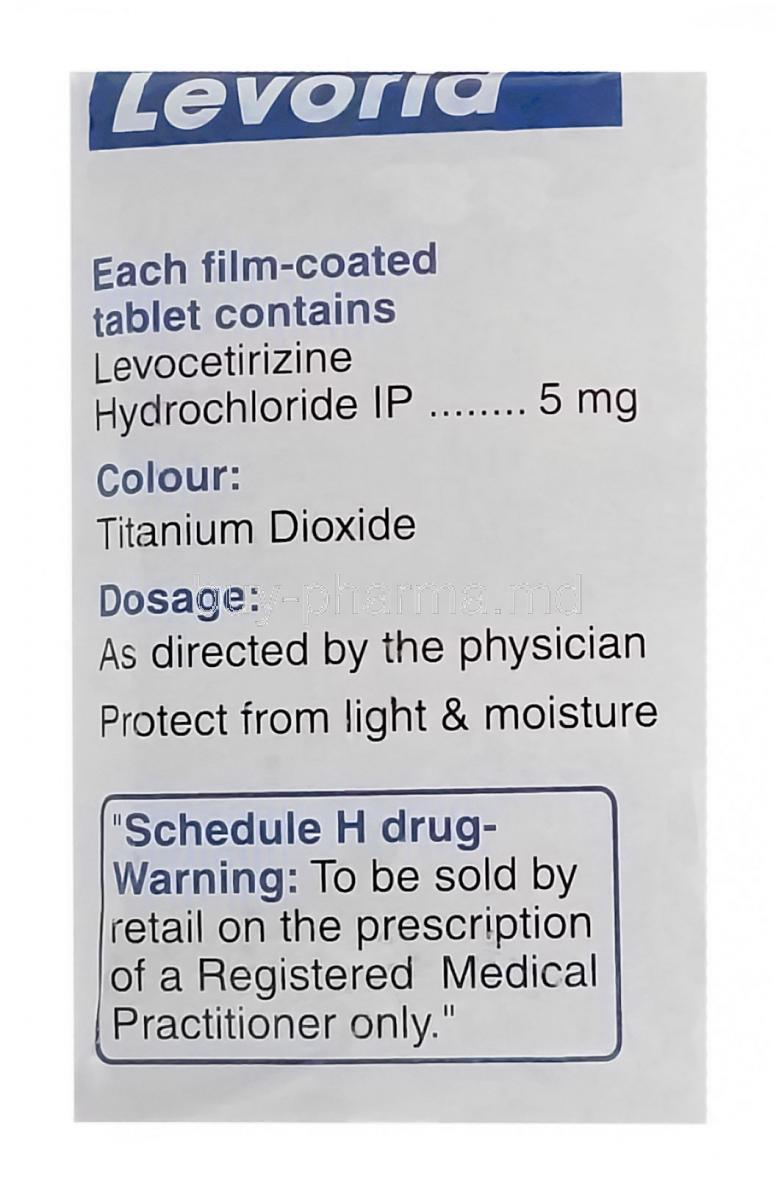
The principal active ingredient of Levorid is Levocetirizine Dihydrochloride. Chemically, it is an R-enantiomer derived from cetirizine, belonging to the piperazine class of antihistamines. This structural refinement contributes to its enhanced selectivity for peripheral H1 receptors, thereby reducing sedative effects.
- Available forms: Tablets, syrup, and oral solution.
- Strengths: Commonly available in 5 mg and 10 mg formulations.
In addition to the active compound, Levorid tablets include inert excipients such as lactose monohydrate, microcrystalline cellulose, magnesium stearate, and povidone. These components ensure uniform drug distribution, tablet stability, and consistent absorption profiles.
3. Mechanism of Action (How Levorid Works)
Levorid exerts its therapeutic activity by selectively blocking peripheral H1 histamine receptors. By doing so, it prevents histamine from binding to these receptors and triggering the cascade of allergic symptoms including itching, redness, sneezing, and swelling.
Its mechanism involves:
- Inhibition of histamine-mediated vasodilation and capillary permeability.
- Suppression of inflammatory mediators contributing to allergic tissue reactions.
- Reduction of sensory nerve stimulation, thereby minimizing itch perception.
Compared with first-generation antihistamines such as diphenhydramine, Levorid does not significantly cross the blood-brain barrier, minimizing central nervous system depression and sedation while maintaining potent antihistaminic efficacy.
4. Therapeutic Uses of Levorid
4.1. FDA-Approved Uses
- Allergic Rhinitis: Both seasonal and perennial forms, reducing nasal discharge, itching, and congestion.
- Chronic Idiopathic Urticaria: Alleviates persistent itching and wheals caused by allergic reactions.
- Allergic Conjunctivitis: Manages eye redness, tearing, and irritation associated with allergic triggers.
4.2. Symptomatic Relief Uses
- Relieves sneezing and nasal obstruction.
- Reduces pruritus and skin erythema associated with histamine release.
- Provides comfort in postnasal drip and sinus-related irritation.
4.3. Off-Label and Investigational Uses
- Adjunctive therapy for atopic dermatitis to control itching.
- Symptomatic management of food allergies and contact dermatitis.
- Reduction of allergic exacerbations in patients with asthma susceptibility.
- Relief from insect bite hypersensitivity and mild drug-induced allergic eruptions.
5. Dosage and Administration
Levorid should be administered under medical guidance, with dosage individualized based on age, renal function, and symptom severity.
- Adults: 5 mg once daily, preferably in the evening.
- Children (6–12 years): 2.5–5 mg once daily depending on weight.
- Renal impairment: Dose adjustment or alternate-day administration as advised by a physician.
The treatment duration varies from a few days for acute allergic rhinitis to several months in chronic urticaria. Evening dosing is preferred to align with peak histamine activity during nighttime. In case of a missed dose, it should be taken as soon as remembered, unless the next dose is imminent. Avoid doubling the dose. Overdose may result in somnolence, agitation, or confusion and requires immediate medical attention.
6. Side Effects of Levorid
6.1. Common Side Effects
- Drowsiness and fatigue
- Dryness of mouth or throat
- Mild dizziness or headache
- Nausea or slight gastrointestinal discomfort
6.2. Less Common and Serious Side Effects
- Severe hypersensitivity or angioedema
- Marked sedation impairing coordination
- Difficulty in urination or urinary retention
- Rare cardiovascular irregularities
These adverse effects are generally transient and resolve upon discontinuation. Persistent or severe symptoms necessitate prompt medical evaluation.
7. Drug Interactions
- Alcohol and CNS depressants: Potentiate sedative effects.
- Other antihistamines: May cause additive drowsiness.
- Sedatives and tranquilizers: Increase CNS suppression risk.
- Laboratory interference: Potential false-negative allergy test results.
Patients are advised to disclose all concurrent medications, including over-the-counter and herbal supplements, before starting therapy.
8. Warnings and Contraindications
8.1. Major Warnings
- May cause somnolence and reduced alertness—avoid driving or operating machinery.
- Long-term use should be monitored for renal health due to renal elimination of the drug.
- Alcohol consumption amplifies drowsiness.
8.2. Contraindications
- Hypersensitivity to Levocetirizine or cetirizine derivatives.
- Severe renal impairment with creatinine clearance below 10 mL/min.
- History of allergic or anaphylactoid reactions to antihistamines.
9. Careful Administration and Important Precautions
- Monitor renal function in patients with pre-existing kidney disorders.
- Exercise caution in individuals with spinal cord lesions or urinary retention.
- Maintain adequate hydration throughout treatment.
- Avoid alcohol or other sedating agents.
- Regular medical assessment is recommended for extended therapy.
Proper adherence to these precautions ensures maximal therapeutic benefit and minimizes the risk of unwanted effects during long-term antihistamine therapy.
10. Administration in Special Populations
10.1. Use in Elderly Patients
In elderly individuals, physiological transformations often alter the pharmacokinetic properties of medications. With advancing age, renal clearance declines and hepatic metabolism slows, leading to a prolonged elimination half-life of Levocetirizine Dihydrochloride. This necessitates vigilant dose calibration to prevent drug accumulation and toxicity.
For geriatric patients, the recommended approach involves:
- Starting with the lowest effective dose (typically 2.5 mg daily).
- Monitoring renal function periodically, especially in cases of polypharmacy.
- Assessing for sedative effects or dizziness that may increase fall risk.
Special attention should be given to hydration status and concurrent use of other CNS depressants. Even mild sedation can compromise balance and cognition in aging populations.
10.2. Use in Pregnant and Nursing Women
Animal studies have not demonstrated teratogenicity with Levocetirizine, but adequate and well-controlled studies in pregnant women remain insufficient. Therefore, its use during pregnancy should be reserved for cases where the therapeutic advantage outweighs potential fetal risks.
During lactation, the drug is known to be excreted into breast milk in small quantities. Although the concentration is typically minimal, caution is warranted as antihistamines may cause mild irritability or sedation in nursing infants.
- Use only if clearly necessary under physician supervision.
- Monitor the infant for unusual drowsiness or feeding difficulties.
- Consider alternative non-sedating antihistamines if available and appropriate.
10.3. Use in Children
Levorid is approved for pediatric use in children aged six years and older, with formulations specifically designed for accurate dosing. The syrup or oral solution allows fine-tuned administration based on body weight and age.
In children below six years, safety and efficacy data are limited. Use in this age group should be determined by a pediatrician with careful monitoring for paradoxical CNS stimulation, such as restlessness or excitability.
- Recommended pediatric dose: 2.5 mg once daily for children aged 6–12 years.
- Observe for atypical behavioral responses.
- Avoid concurrent sedating medications unless explicitly advised.
11. Overdosage and Management
Overdose of Levorid typically manifests as profound somnolence, agitation, or irritability, especially in children. In severe cases, symptoms may escalate to confusion, tachycardia, or respiratory depression.
- Immediate management: Induce gastric lavage if ingestion is recent.
- Activated charcoal: May be administered to reduce systemic absorption.
- Supportive therapy: Maintain airway, vital signs, and hydration status.
No specific antidote exists. Dialysis is generally ineffective due to the drug’s high protein binding. Patients should be observed for at least 24 hours to ensure full recovery and stability.
12. Handling and Storage Precautions
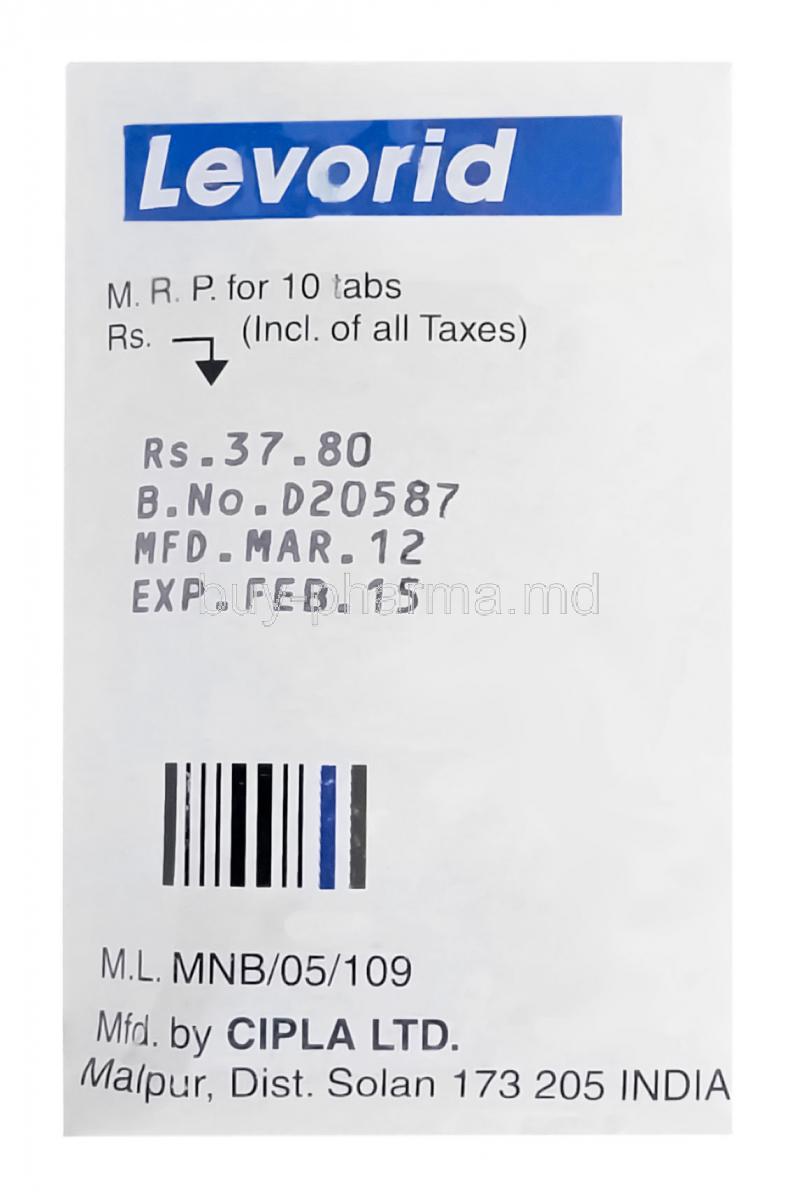
Levorid tablets should be stored under controlled room temperature, ideally between 15°C to 30°C, in a cool and dry environment. Protect the product from excessive humidity and direct sunlight to preserve potency and shelf life.
- Keep the medication in its original blister packaging until use.
- Store out of reach of children and pets.
- Dispose of expired or unused tablets through approved pharmaceutical waste systems—avoid flushing or discarding in household trash.
- Ensure containers are tightly sealed and child-resistant to prevent accidental ingestion.
13. Clinical Pharmacology
Absorption and Bioavailability: Levorid is rapidly absorbed from the gastrointestinal tract, achieving peak plasma concentrations within one hour post-ingestion. Food does not significantly affect absorption but may slightly delay onset.
Onset and Duration of Action: Clinical effects typically commence within 30–60 minutes and persist for approximately 24 hours, allowing once-daily administration.
Metabolism and Elimination: The drug undergoes limited hepatic metabolism and is primarily excreted unchanged via the kidneys. Its half-life averages 8–10 hours in adults but may extend in renal impairment.
Renal Function Impact: As renal clearance accounts for over 80% of drug elimination, impaired kidney function can result in elevated plasma concentrations, necessitating dose reduction or alternate-day administration.
14. Patient Counseling Information
Patients prescribed Levorid should receive practical guidance to optimize safety and therapeutic outcomes. Healthcare professionals should ensure comprehension of the following points:
- Avoid alcohol and sedatives: Co-administration enhances drowsiness and psychomotor impairment.
- Dosing schedule: Preferably taken at night to align with nocturnal allergy flare-ups and minimize daytime drowsiness.
- Consistency: Regular dosing is essential for chronic allergic conditions to sustain receptor blockade and symptom control.
- Warning signs: Seek immediate medical attention if experiencing facial swelling, difficulty breathing, or severe rash—these may indicate an allergic reaction.
By adhering to prescribed regimens, maintaining hydration, and avoiding unnecessary sedatives, patients can achieve optimal allergy relief while minimizing adverse outcomes.
Levorid, Levocetirizine Dihydrochloride Tablet FAQ
Customers also bought
Popular Products

Similar Product