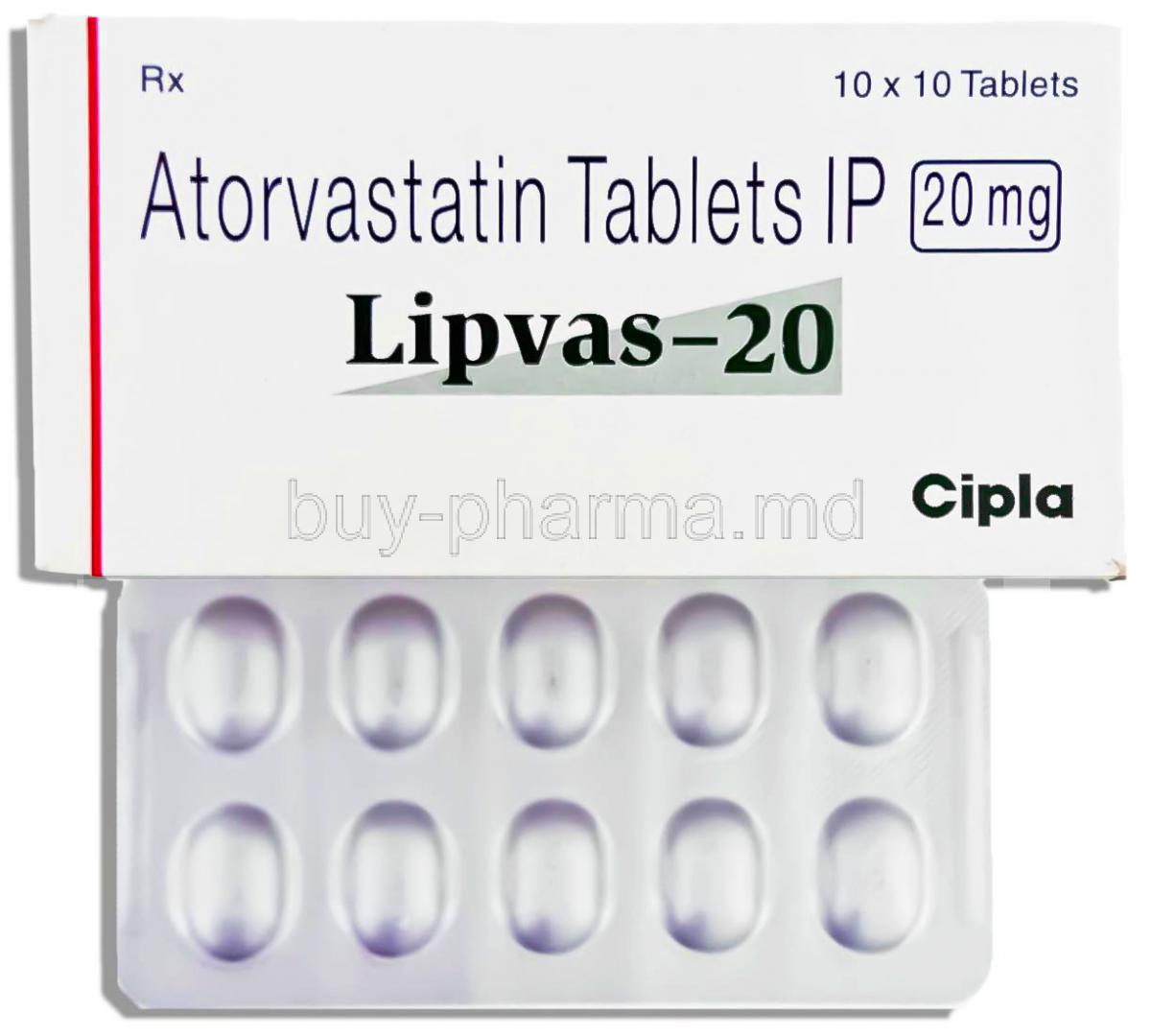
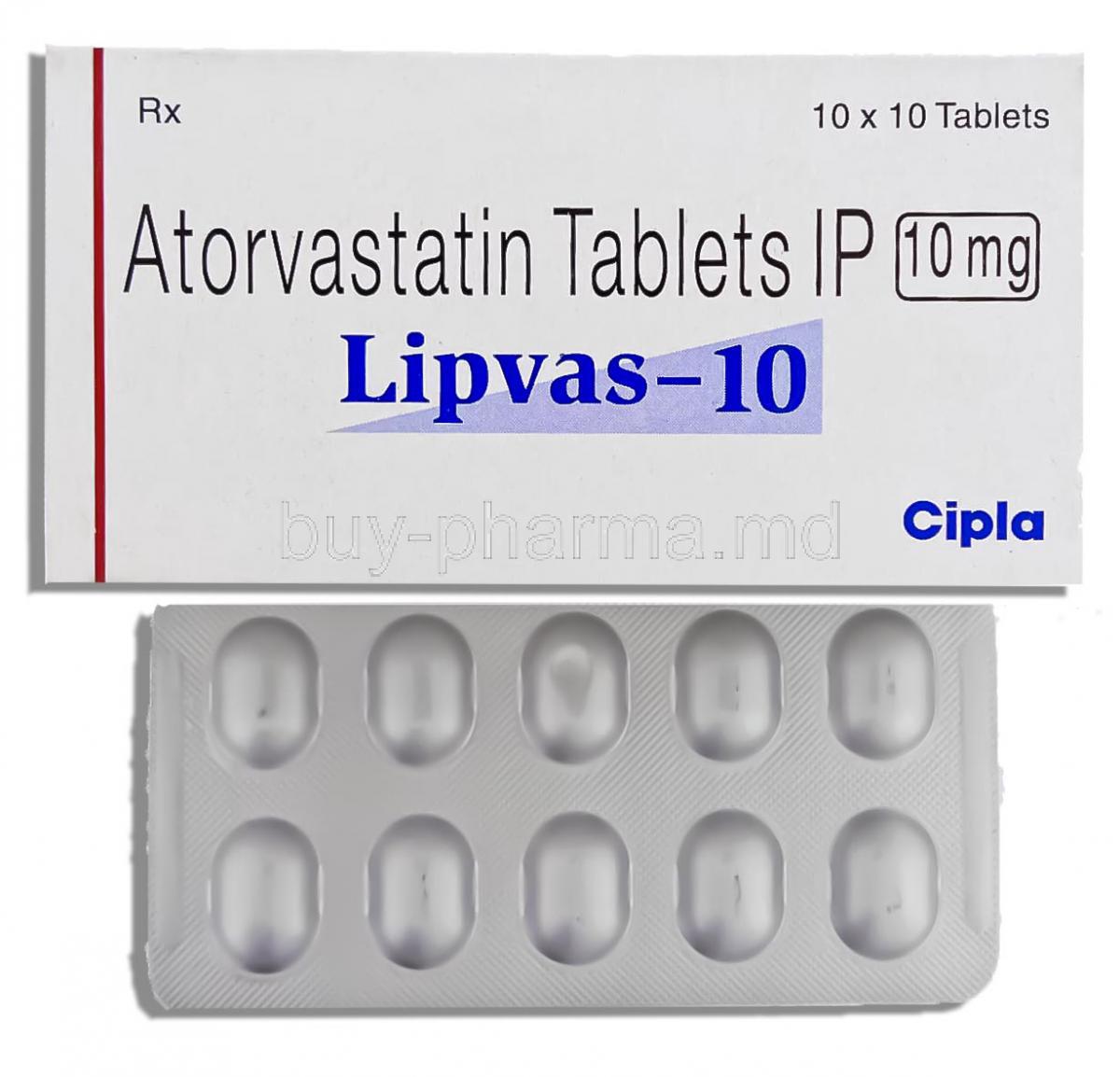
1. Introduction to Lipvas (Atorvastatin)
1.1 Overview of Lipvas as a Statin Medication
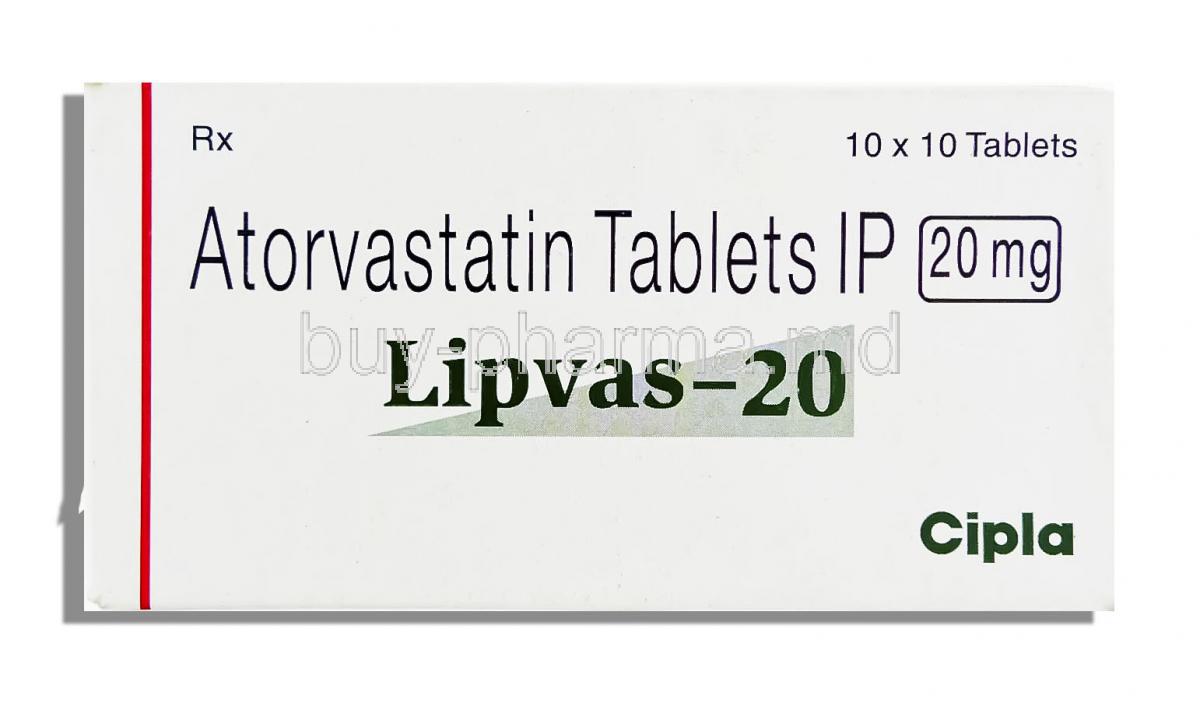
Lipvas, containing atorvastatin as its principal therapeutic agent, belongs to the statin class of lipid-lowering pharmaceuticals. This medication is widely utilized for the long-term management of dyslipidemia, offering a reliable mechanism to reduce harmful cholesterol fractions. Its clinical versatility makes it a cornerstone therapy in preventive cardiology.
1.2 Therapeutic Role in Lipid Management
Lipvas plays a crucial role in optimizing lipid profiles. By moderating cholesterol synthesis, it supports a favorable balance between low-density and high-density lipoproteins. This balance is indispensable for maintaining vascular integrity and mitigating atherosclerotic progression.
1.3 Classification and Pharmacotherapeutic Group
Atorvastatin is classified under HMG-CoA reductase inhibitors. These agents act directly within hepatic tissue, disrupting endogenous cholesterol production. Their pharmacotherapeutic relevance extends across preventive, adjunctive, and corrective lipid management strategies.
1.4 Key Benefits in Cardiovascular Risk Reduction
Lipvas delivers substantial cardioprotective benefits. These include reduced risk of myocardial infarction, stabilization of atherosclerotic plaques, and attenuation of inflammatory processes associated with cardiovascular disease. Long-term adherence can dramatically improve overall cardiovascular prognosis.
2. Composition and Formulation
2.1 Active Ingredient: Atorvastatin Calcium
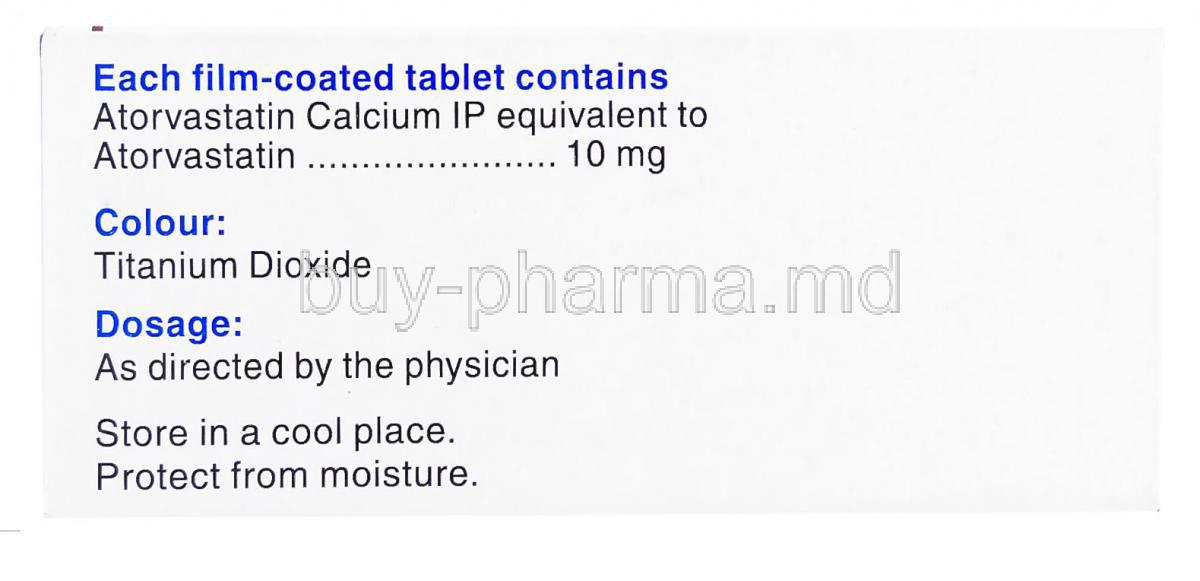
The primary active ingredient is atorvastatin calcium, a potent inhibitor of cholesterol biosynthesis. This compound is engineered for high bioavailability and predictable pharmacokinetics.
2.2 Available Strengths and Dosage Forms
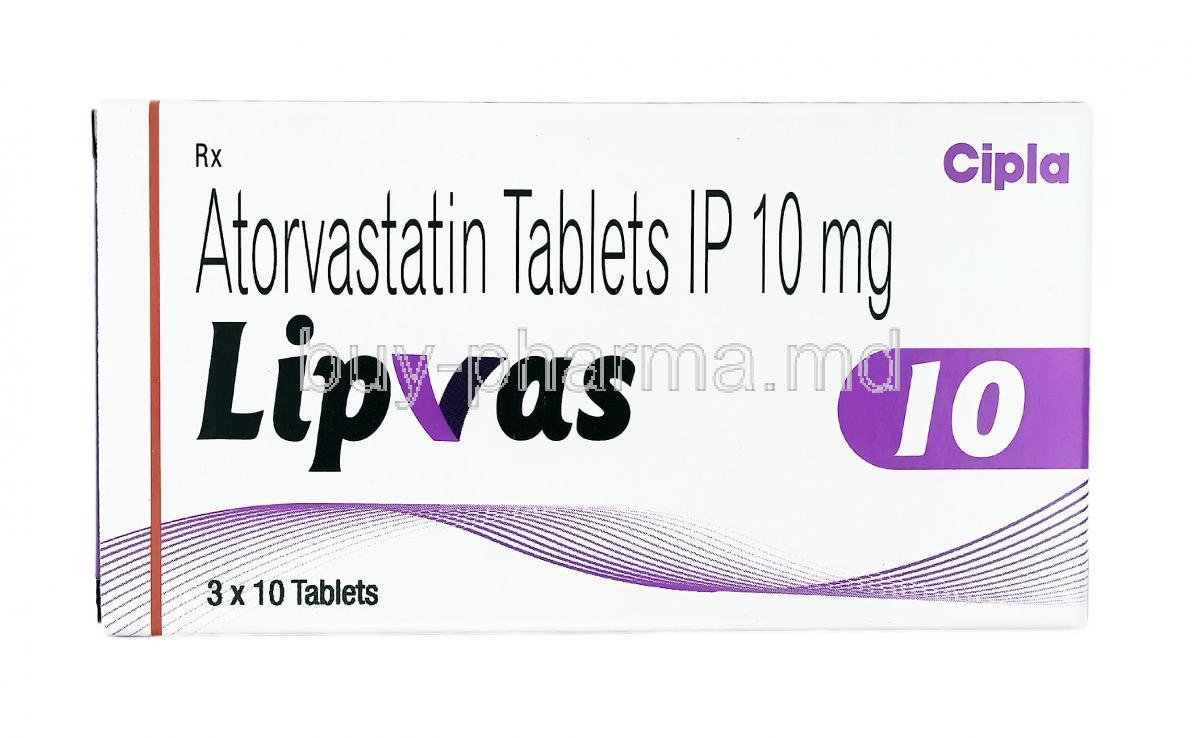
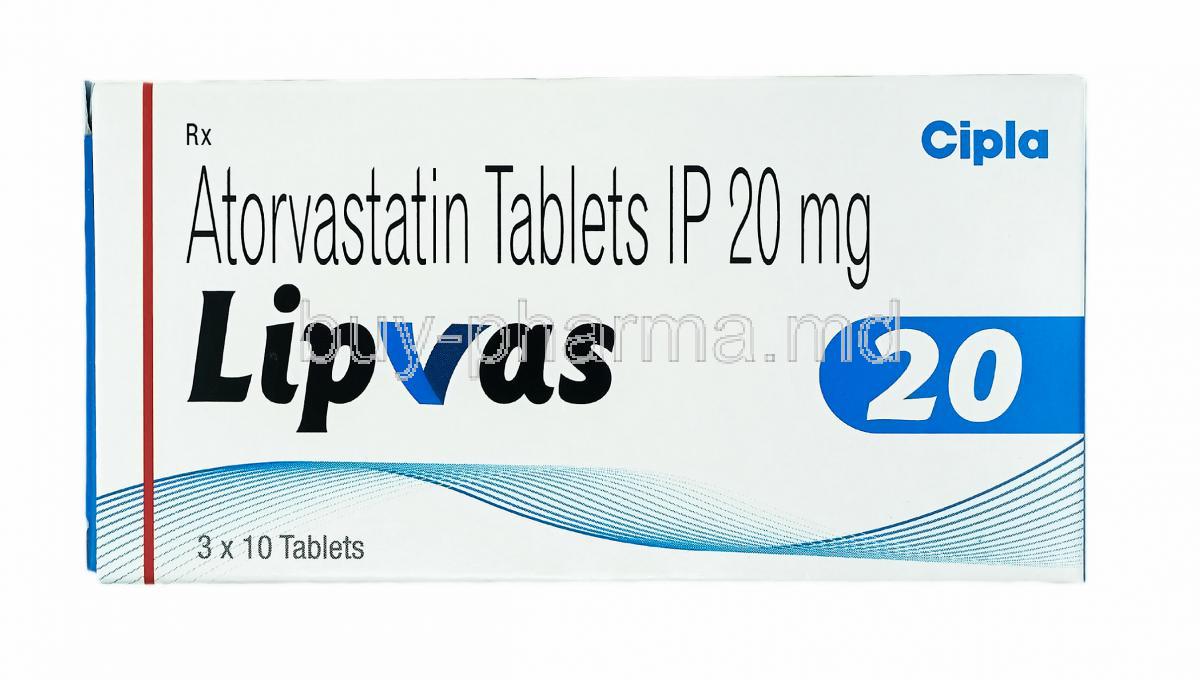
Lipvas is manufactured in multiple strengths—typically 10 mg, 20 mg, 40 mg, and 80 mg—allowing clinicians to precisely tailor therapy according to therapeutic goals. Tablets are film-coated to ensure stability and ease of swallowing.
2.3 Inactive Ingredients and Excipients
Formulations may include:
- Microcrystalline cellulose
- Lactose monohydrate
- Magnesium stearate
- Calcium carbonate
These excipients support tablet integrity, absorption, and stability during storage.
2.4 Manufacturer-Specific Formulation Characteristics
Manufacturers may incorporate proprietary coating technologies or bioavailability-enhancing excipients. These features are intended to optimize dissolution profiles and therapeutic consistency.
3. Mechanism of Action: How Lipvas Works
3.1 HMG-CoA Reductase Inhibition Explained
Lipvas functions by selectively inhibiting the enzyme HMG-CoA reductase, a pivotal catalyst in cholesterol synthesis. By interfering with this metabolic step, endogenous cholesterol production declines significantly.
3.2 Impact on LDL, HDL, and Triglyceride Levels
Atorvastatin reduces LDL cholesterol concentrations, modestly increases HDL levels, and lowers triglycerides. These changes collectively support vascular health and reduce the risk of lipid-driven pathology.
3.3 Effects on VLDL and ApoB Reduction
Lipvas also lowers very-low-density lipoproteins and apolipoprotein B, further contributing to decreased atherogenic particle formation.
3.4 Anti-Inflammatory and Plaque Stabilization Benefits
The medication exhibits ancillary anti-inflammatory effects. This activity leads to stabilization of vascular plaques and reduces the likelihood of rupture—a major cause of acute coronary syndromes.
3.5 Pharmacokinetics and Metabolism (CYP3A4 Pathway)
Atorvastatin is primarily metabolized via the CYP3A4 pathway. Understanding this metabolic route is essential for anticipating drug interactions and optimizing dosing.
4. Approved Uses of Lipvas (Atorvastatin)
4.1 Treatment of Primary Hypercholesterolemia
Lipvas is indicated for patients with elevated LDL cholesterol who require pharmacologic intervention beyond lifestyle modification.
4.2 Management of Mixed Dyslipidemia
It effectively addresses complex lipid disorders involving elevated LDL, triglycerides, and reduced HDL, offering a multifaceted therapeutic approach.
4.3 Management of Hypertriglyceridemia
By decreasing circulating triglycerides, Lipvas helps reduce the risk of pancreatitis and long-term cardiovascular complications.
4.4 Treatment of Homozygous Familial Hypercholesterolemia
This genetic condition requires aggressive lipid management. Lipvas can significantly reduce LDL levels even in refractory cases.
4.5 Prevention of Cardiovascular Events in High-Risk Patients
Patients with diabetes, hypertension, or established heart disease benefit from atorvastatin’s protective effects. Event reduction is a major clinical outcome.
4.6 Use in Type 2 Diabetes for Cardiovascular Risk Reduction
Diabetic patients often have accelerated atherosclerosis. Lipvas mitigates this risk by lowering atherogenic lipid levels.
5. Off-Label Uses of Atorvastatin
5.1 Adjunct in Prevention of Ischemic Stroke
Emerging data suggest a role for atorvastatin in reducing recurrent ischemic stroke risk.
5.2 Anti-Inflammatory and Endothelial Protective Uses
Its pleiotropic anti-inflammatory actions may benefit patients with endothelial dysfunction or chronic inflammatory disorders.
5.3 Potential Role in Atherosclerotic Plaque Regression
High-intensity dosing may promote reversal of plaque burden, enhancing arterial patency.
5.4 Use in Post-Myocardial Infarction Management
Atorvastatin is frequently employed following myocardial infarction to prevent future coronary events.
5.5 Evidence on Statins for Non-Alcoholic Fatty Liver Disease (NAFLD)
Preliminary research suggests potential benefits in mitigating hepatic lipid accumulation.
5.6 Emerging Research on Statins in Autoimmune Conditions
Investigations are ongoing regarding statins’ immunomodulatory properties and their effects on autoimmune disease progression.
6. Dosage and Administration
6.1 General Adult Dosing Guidelines
Initial dosages typically range from 10–20 mg daily, adjusted according to lipid targets.
6.2 Dose Titration Based on LDL Response
Titration may occur at intervals of 2–4 weeks based on cholesterol reduction goals.
6.3 Maximum Recommended Daily Dose
The maximum daily dose is 80 mg, reserved for patients requiring intensive lipid reduction.
6.4 Special Dosing Considerations in Renal Impairment
Renal impairment rarely necessitates dosage adjustment, though caution is advised in advanced disease.
6.5 Dietary and Lifestyle Requirements During Therapy
Continued adherence to a lipid-optimized diet enhances therapeutic outcomes. Regular exercise synergizes with pharmacologic intervention.
6.6 Missed Dose Instructions and Timing Considerations
If a dose is missed, it should be taken promptly unless the next scheduled dose is near. Doubling doses is discouraged.
7. Side Effects of Lipvas
7.1 Overview of Atorvastatin-Related Adverse Reactions
Adverse effects range from mild gastrointestinal disturbances to rare but serious muscle and liver complications.
7.2 Musculoskeletal Side Effects (Myalgia, Myopathy, Rhabdomyolysis)
Muscle-related complaints are among the most notable reactions. Severe cases can progress to rhabdomyolysis, a medical emergency.
7.3 Hepatic Side Effects (Elevated LFTs, Hepatotoxicity)
Periodic liver function monitoring is advised, as hepatotoxicity may occur in susceptible individuals.
7.4 Gastrointestinal Side Effects
Symptoms such as nausea, constipation, or abdominal bloating may occur but often resolve spontaneously.
7.5 Neurological and Cognitive Effects (Memory Issues, Confusion)
Rare cognitive disturbances have been reported, including transient memory lapses.
7.6 Endocrine and Metabolic Effects (Glucose Elevation)
Statins may cause mild elevations in blood glucose, particularly in predisposed individuals.
7.7 Hypersensitivity Reactions
Rashes, pruritus, or angioedema may develop, necessitating prompt clinical evaluation.
7.8 Rare but Severe Complications
Severe hepatic injury and rhabdomyolysis represent the most critical adverse outcomes.
8. Common Side Effects
8.1 Headache and Fatigue
These symptoms may present intermittently but typically diminish over time.
8.2 Mild Gastrointestinal Upset
Indigestion and mild discomfort are common but manageable.
8.3 Muscle Aches or Weakness
Musculoskeletal discomfort is frequent and often dose-dependent.
8.4 Joint Pain
Some individuals experience mild arthralgia that resolves with continued therapy.
8.5 Nasopharyngitis or Cold-Like Symptoms
Upper respiratory discomfort may occur, presenting as runny nose or sore throat.
8.6 Mild Elevation in Liver Enzymes
Small fluctuations in liver markers can occur and usually remain clinically insignificant.
9. Important Precautions
9.1 Monitoring of Liver Function During Therapy
Routine liver enzyme assessment helps identify early hepatic stress.
9.2 Signs of Muscle Toxicity to Watch For
Unusual weakness, dark urine, or persistent muscle pain should prompt immediate evaluation.
9.3 Avoiding Grapefruit and CYP3A4 Interacting Foods
Grapefruit products inhibit atorvastatin metabolism, increasing toxicity risk.
9.4 Alcohol Use and Hepatic Considerations
Excessive alcohol exacerbates hepatic burden and should be minimized.
9.5 Precautions in Patients With Endocrine Disorders
Patients with thyroid or metabolic disorders may require closer monitoring.
9.6 Precautions in Patients With Severe Respiratory or Renal Conditions
Underlying chronic illness may influence statin tolerance and warrants individualized assessment.
10. Warning and Safety Information
10.1 Risk of Myopathy and Rhabdomyolysis
High-dose therapy increases the likelihood of severe muscle pathology.
10.2 Serious Hepatotoxicity Warnings
Persistent liver enzyme elevation may indicate hepatocellular injury requiring drug discontinuation.
10.3 Warnings Regarding Alcohol Abuse
Coexisting alcohol misuse heightens the risk of hepatic injury.
10.4 Drug-Induced Diabetes Risk
Atorvastatin may precipitate mild glucose intolerance in susceptible individuals.
10.5 Warning for Patients With Pre-Existing Liver Disease
Individuals with chronic liver disease require stringent monitoring, as statins may aggravate underlying pathology.
10.6 Black-Box or Regulatory Warning Summary (If Applicable)
While atorvastatin does not carry a universal black-box warning, regulatory advisories emphasize vigilance regarding myopathy and liver injury.
11. Contraindications
11.1 Known Hypersensitivity to Atorvastatin
Individuals with a documented hypersensitivity to atorvastatin or any component of the formulation must avoid its use. Such reactions may present with:
- Urticarial eruptions
- Severe pruritus
- Angioedema or respiratory difficulty
Because hypersensitivity can escalate rapidly, strict avoidance is imperative.
11.2 Active Liver Disease or Unexplained Persistent LFT Elevation
Lipvas is contraindicated in patients with active hepatic disease, including chronic hepatitis, cirrhosis, or persistent liver enzyme elevation without identifiable cause. Statins may exacerbate hepatic stress and worsen underlying pathology.
11.3 Pregnancy Contraindication
Atorvastatin is contraindicated during pregnancy due to its impact on cholesterol biosynthesis, a pathway essential for fetal development. Prenatal exposure may interfere with embryogenesis and organ formation.
11.4 Lactation Contraindication
Lipvas is not recommended while breastfeeding. The potential passage of the drug into breast milk and unknown risks to infant lipid metabolism necessitate discontinuation during lactation.
11.5 Contraindication in Severe Renal Dysfunction (With Specific Risks)
Although atorvastatin is not primarily renally excreted, severe renal impairment increases susceptibility to muscle toxicity. In advanced renal disease, the risk of rhabdomyolysis becomes significantly greater.
12. Careful Administration
12.1 Patients With History of Muscle Disorders
Individuals with a prior history of myopathy or muscle-related adverse effects require careful dose selection and vigilant monitoring. Sudden onset weakness or tenderness warrants immediate evaluation.
12.2 Patients With Liver Impairment
Since atorvastatin undergoes extensive hepatic metabolism, even mild hepatic dysfunction may alter drug clearance. Reduced dosing and frequent liver function assessments are essential.
12.3 Patients With Renal Impairment
Although dose modification is rarely necessary, renal impairment heightens vulnerability to statin-induced myotoxicity. Monitoring creatinine kinase levels can preempt more severe complications.
12.4 Patients With Hypothyroidism
Untreated hypothyroidism increases the risk of statin-associated muscle symptoms. Stabilizing thyroid function before initiating therapy is recommended.
12.5 Patients on Concurrent Nephrotoxic Medications
Combining Lipvas with nephrotoxic agents may amplify renal stress. This combination should be undertaken cautiously, with routine renal performance assessments.
12.6 Patients With Metabolic Syndrome or Diabetes
Patients with insulin resistance or diabetes may experience slight elevations in glucose. Regular glycemic monitoring ensures appropriate metabolic management.
13. Drug Interactions
13.1 CYP3A4 Inhibitors and Their Impact
CYP3A4 inhibitors such as ketoconazole or clarithromycin can increase atorvastatin concentrations, elevating the risk of myopathy. Dose adjustments or temporary discontinuation may be required.
13.2 Interactions With Antifungals and Macrolide Antibiotics
Azole antifungals and macrolides significantly inhibit statin metabolism. Concomitant administration should be brief and monitored closely.
13.3 Interactions With Protease Inhibitors
Protease inhibitors used in antiviral therapy can dramatically elevate atorvastatin serum levels. Lower statin doses are recommended to avoid toxicity.
13.4 Interaction With Fibrates (Gemfibrozil, Fenofibrate)
Co-administration with fibrates increases the likelihood of severe muscle injury. Gemfibrozil, in particular, carries substantial myopathic risk.
13.5 Interaction With Warfarin and Effects on INR
Atorvastatin may potentiate warfarin effects, leading to elevated INR. Consistent INR monitoring is crucial when initiating or adjusting Lipvas therapy.
13.6 Interaction With Immunosuppressants (Cyclosporine)
Cyclosporine significantly heightens atorvastatin systemic exposure. Only very low doses of Lipvas are appropriate in these patients.
13.7 Interactions With Over-the-Counter Supplements
Supplements such as red yeast rice, niacin, or high-dose herbal products may amplify adverse effects. Patients should disclose all supplement use prior to starting therapy.
14. Administration to Special Populations
14.1 Administration to Elderly Patients
14.1.1 Increased Myopathy Risk
Elderly individuals face heightened susceptibility to muscle-related complications, partly due to reduced physiological reserves.
14.1.2 Considerations for Dose Reduction
Initiating therapy at the lowest effective dose is prudent. Elderly patients often achieve lipid goals with moderate dosing.
14.1.3 Monitoring Recommendations
Regular assessment of muscle function, renal status, and liver enzymes ensures early detection of adverse effects.
14.2 Administration to Pregnant Women
14.2.1 Foetal Risk and Teratogenicity
Atorvastatin may disrupt fetal cholesterol-dependent developmental pathways, posing risks to organogenesis.
14.2.2 Guidelines for Discontinuation Prior to Pregnancy
Women planning pregnancy should discontinue Lipvas several months beforehand to ensure complete drug clearance.
14.3 Administration to Nursing Mothers
14.3.1 Excretion Into Breast Milk
Limited data suggest potential excretion of atorvastatin into breast milk. The effects on infant lipid synthesis remain uncertain.
14.3.2 Risks to Breastfed Infants
Due to theoretical metabolic disruption, breastfeeding is contraindicated during therapy.
14.4 Administration to Children and Adolescents
14.4.1 Approved Pediatric Indications
Atorvastatin may be prescribed to children over 10 years of age for familial hypercholesterolemia.
14.4.2 Age-Based Dosing Guidelines
Pediatric dosing typically begins at 10 mg daily, adjusted cautiously based on lipid response.
14.4.3 Long-Term Safety Considerations
While effective, long-term data remain limited. Growth and development monitoring is advised throughout therapy.
15. Overdose Management
15.1 Expected Symptoms of Atorvastatin Overdose
Overdose may manifest as profound muscle weakness, confusion, gastrointestinal upset, or severe fatigue.
15.2 Immediate Medical Interventions
Initial management includes gastrointestinal decontamination and cardiovascular stabilization. Rapid clinical assessment is essential.
15.3 Supportive Care and Monitoring
Supportive interventions such as hydration, renal monitoring, and creatinine kinase assessment reduce the risk of severe complications.
15.4 Potential Complications Following Overdose
Sequelae may include rhabdomyolysis, hepatic injury, or acute renal failure. Early detection is crucial for favorable outcomes.
16. Storage and Handling Precautions
16.1 Recommended Storage Temperature and Conditions
Store Lipvas tablets at controlled room temperature, typically between 20–25°C, to preserve potency.
16.2 Protection From Light and Moisture
Exposure to excessive light or humidity can degrade atorvastatin. Tablets should remain in their original container until use.
16.3 Shelf Life and Stability Information
Shelf life varies by manufacturer but generally extends between 24–36 months when stored appropriately.
16.4 Handling Precautions for Caregivers
Caregivers handling tablets should avoid crushing or splitting them unnecessarily. Direct contact should be minimized if sensitivity is known.
16.5 Safe Disposal Guidelines
Unused or expired medication should be disposed of through designated pharmaceutical take-back programs. Flushing medications is discouraged due to environmental concerns.
Customers also bought
Popular Products
Similar Product