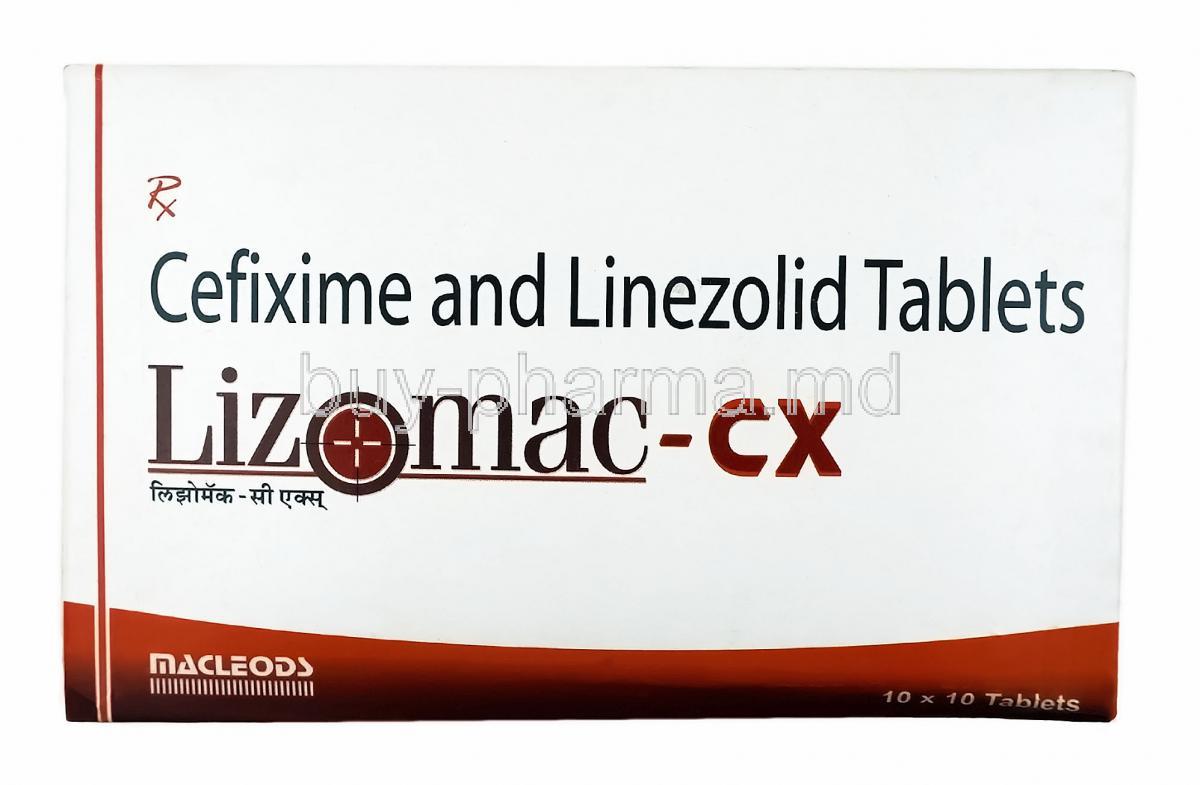
Introduction to Lizomac-CX (Cefixime / Linezolid)
Lizomac-CX is a combination antibiotic formulation designed to address complex bacterial infections that require broader antimicrobial coverage. By integrating two pharmacologically distinct agents, this therapy targets a wide spectrum of pathogens while mitigating therapeutic gaps commonly encountered with monotherapy.
The therapeutic rationale for combining Cefixime and Linezolid lies in their complementary mechanisms. One disrupts bacterial cell wall integrity, while the other impedes protein synthesis. Together, they offer a robust antibacterial strategy.
- Broad-spectrum antibacterial formulation
- Effective against Gram-positive and Gram-negative organisms
- Clinically positioned for moderate to severe infections
Composition and Pharmaceutical Profile
Active Ingredients
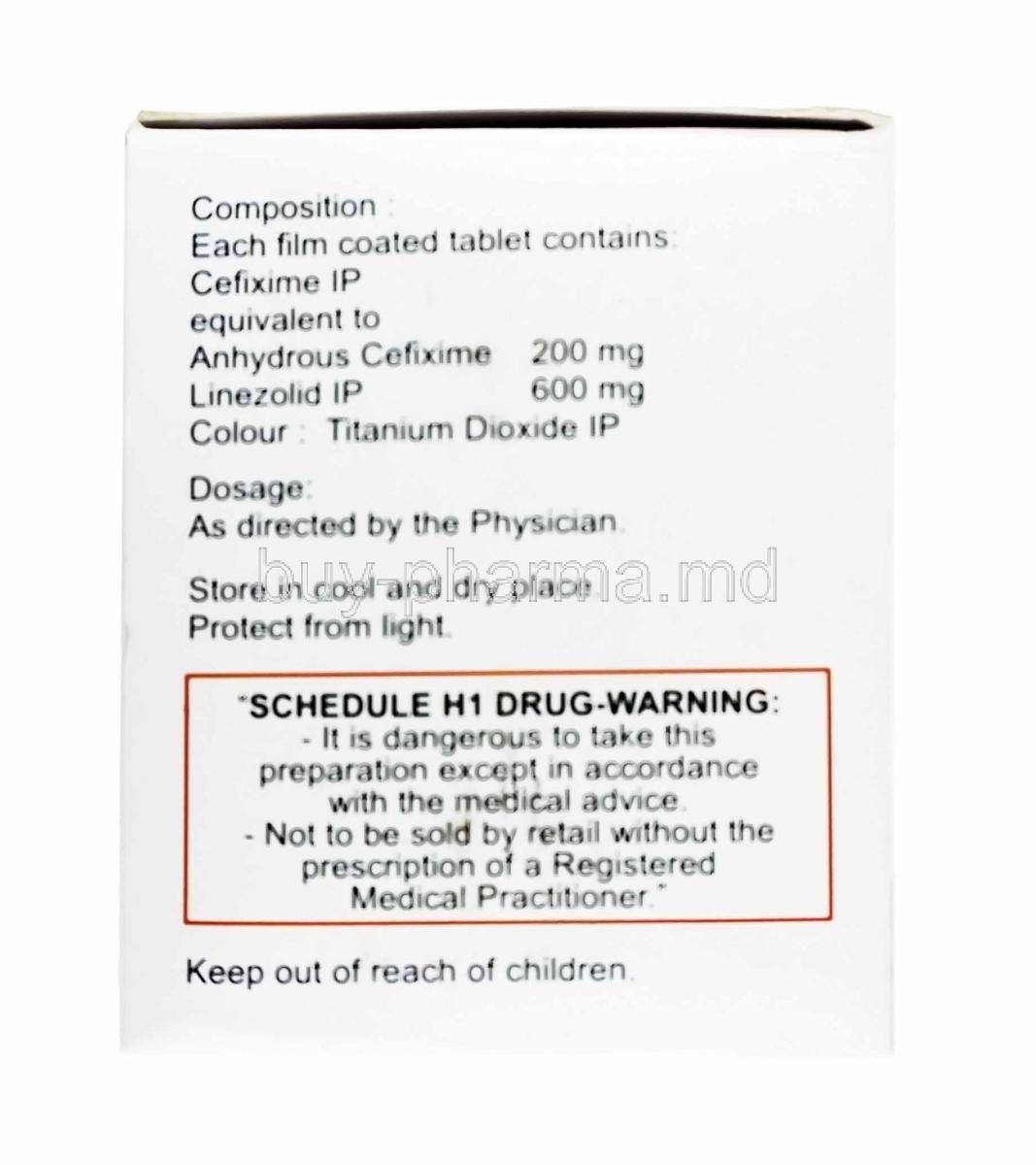
Lizomac-CX contains two well-established antibacterial agents, each contributing a distinct therapeutic function.
- Cefixime: A third-generation cephalosporin antibiotic with potent activity against Gram-negative bacteria.
- Linezolid: An oxazolidinone-class antibacterial agent effective against resistant Gram-positive organisms.
Dosage Form and Strength
The formulation is available in tablet or capsule form, enabling convenient oral administration. The ratio of Cefixime to Linezolid is optimized to maintain therapeutic plasma concentrations without compromising tolerability.
Bioavailability considerations ensure predictable absorption, even in patients with mild gastrointestinal disturbances.
Pharmacological Classification
- Beta-lactam antibiotic component
- Protein synthesis inhibitor component
Azithromycin and cefixime
Azithromycin and cefixime are two different antibiotics often used in combination to treat broad-spectrum bacterial infections, particularly when a stronger, dual-action approach is needed for respiratory, urinary tract, and sexual health issues (like gonorrhea). Cefixime stops cell wall synthesis, while azithromycin stops protein synthesis.
Cefixime vs cefdinir
Cefixime (Suprax) and cefdinir are both third-generation cephalosporin antibiotics used for bacterial infections, but they have different primary uses. Cefdinir is better for respiratory infections (pneumonia, sinusitis) and skin infections, while cefixime is often preferred for urinary tract infections (UTIs) and gonorrhea. Cefdinir is generally taken 1-2 times daily, whereas cefixime is typically once daily.
Linezolid vs vancomycin
Linezolid offers better tissue penetration (bone, lungs) and oral bioavailability (shorter stays, early discharge) but carries risks like thrombocytopenia, while Vancomycin has a longer history, excellent for bone infections (osteomyelitis), but may have issues with kidney toxicity (nephrotoxicity) and requires IV administration.
Daptomycin vs linezolid
Linezolid is used for pneumonia, skin infections, and vancomycin-resistant *Enterococcus faecium* (VRE) infections, whereas daptomycin is used for skin infections and bloodstream infections caused by *Staphylococcus aureus* (staph), but not for pneumonia.
Tedizolid vs linezolid
Tedizolid (Sivextro) and linezolid (Zyvox) are both oxazolidinone antibiotics used for gram-positive infections (e.g., MRSA). Tedizolid offers the advantage of once-daily dosing (200 mg) for 6 days compared to twice-daily linezolid (600 mg) for 10 days. Tedizolid generally has a superior safety profile with lower risks of gastrointestinal side effects and thrombocytopenia.
How Lizomac-CX Works (Mechanism of Action)
Mechanism of Action of Cefixime
Cefixime exerts its antibacterial effect by inhibiting bacterial cell wall synthesis. It binds to penicillin-binding proteins, leading to structural instability and eventual bacterial lysis.
This mechanism is particularly effective against Gram-negative pathogens commonly implicated in respiratory and urinary infections.
Mechanism of Action of Linezolid
Linezolid selectively inhibits bacterial protein synthesis by binding to the 50S ribosomal subunit. This action prevents the formation of the initiation complex required for translation.
Its activity against resistant Gram-positive organisms makes it a valuable component in combination therapy.
Synergistic Antibacterial Effect
- Expanded antimicrobial coverage
- Reduced risk of treatment failure in mixed infections
- Enhanced efficacy in empiric therapy
Cefixime and Linezolid tablets uses
Respiratory Tract Infections
Lizomac-CX is commonly prescribed for bacterial infections of the respiratory tract, where mixed flora may be involved.
- Community-acquired pneumonia
- Acute and chronic bronchitis
- Upper respiratory tract infections
Urinary Tract Infections
The formulation is effective in complicated and recurrent urinary tract infections, particularly when standard agents have failed.
Skin and Soft Tissue Infections
- Cellulitis
- Infected wounds and abscesses
ENT and Dental Infections
Lizomac-CX is utilized in infections involving the ear, nose, throat, and oral cavity.
- Tonsillitis and pharyngitis
- Sinus infections
- Odontogenic infections
Off-Label Uses of Lizomac-CX
Treatment of Multi-Drug Resistant Infections
In clinical practice, Lizomac-CX may be employed when resistant Gram-positive organisms are suspected, especially in severe infections requiring empirical coverage.
Bone and Joint Infections
Under specialist supervision, the formulation may be used as part of combination therapy for osteomyelitis and related conditions.
Hospital-Acquired and Post-Surgical Infections
As an adjunct therapy, Lizomac-CX may support infection control in complex hospital-acquired or post-operative infections.
Dosage and Administration
General Dosage Guidelines
Dosage is determined based on the severity of infection, patient condition, and clinical response. Typical adult dosing schedules involve fixed daily doses over a defined treatment period.
The duration of therapy should be sufficient to ensure complete eradication of the pathogen.
Route and Method of Administration
Lizomac-CX is administered orally. Consistent dosing intervals are essential to maintain therapeutic drug levels.
- Do not skip doses
- Complete the prescribed course
Dose Adjustments
Patients with renal or hepatic impairment may require dosage modifications. Clinical judgment and monitoring are essential in such cases.
Administration in Special Populations
Administration to Elderly Patients
Age-related decline in renal function may influence drug clearance. Elderly patients should be monitored closely for adverse reactions.
Administration to Pregnant Women
Use during pregnancy requires a careful risk–benefit assessment. Lizomac-CX should be prescribed only when clearly indicated.
Administration to Nursing Mothers
Linezolid may be excreted into breast milk. Temporary discontinuation of breastfeeding may be considered during therapy.
Administration to Children
Pediatric use is subject to safety limitations and should occur under strict physician supervision with appropriate dosing adjustments.
Side Effects of Lizomac-CX
Common Side Effects
- Nausea and vomiting
- Diarrhea
- Headache
- Mild skin rash
Less Common Side Effects
- Dizziness
- Abdominal discomfort
- Altered taste sensation
Serious and Rare Side Effects
Although uncommon, serious adverse reactions may occur, particularly with prolonged use.
- Bone marrow suppression
- Peripheral neuropathy
- Severe allergic reactions
- Antibiotic-associated colitis
Drug Interactions
Interaction with Other Antibiotics
Concomitant use with other antibacterial agents may result in additive or antagonistic effects, depending on the mechanism involved.
Interaction with Antidepressants and MAO Inhibitors
Linezolid may increase the risk of serotonin syndrome when combined with serotonergic antidepressants or MAO inhibitors.
Food and Alcohol Interactions
While food does not significantly affect absorption, dietary moderation is advisable. Alcohol consumption should be approached with caution during therapy.
Warnings and Safety Information
Lizomac-CX should be used with heightened vigilance, particularly when therapy extends beyond standard treatment durations. Prolonged exposure to combination antibiotics may alter normal microbial flora and precipitate unintended sequelae.
- Risk amplification with extended or repeated courses
- Potential for superinfection and dysbiosis
Linezolid serotonin syndrome
Linezolid is an oxazolidinone antibiotic that functions as a reversible, non-selective monoamine oxidase inhibitor (MAOI), which can cause serotonin syndrome—a potentially life-threatening condition—when combined with serotonergic medications (e.g., SSRIs, SNRIs). Symptoms include agitation, confusion, tremor, tachycardia, hyperthermia, and rigidity, usually appearing shortly after initiation.
The indiscriminate or prolonged use of broad-spectrum agents may contribute to the development of antimicrobial resistance. This phenomenon can compromise future treatment efficacy, not only for the individual patient but also at a population level.
During extended therapy, periodic monitoring of hematological parameters is advised. Blood counts may reveal early signs of drug-induced myelosuppression, allowing timely clinical intervention.
Contraindications
Lizomac-CX is contraindicated in patients with known hypersensitivity to Cefixime, Linezolid, or other cephalosporins. Even minimal exposure in sensitized individuals may provoke severe reactions.
- History of anaphylaxis or severe cutaneous adverse reactions to beta-lactam antibiotics
- Documented intolerance to oxazolidinone-class agents
Concurrent use with contraindicated serotonergic drugs is not recommended. Linezolid possesses monoamine oxidase inhibitory activity, which may precipitate serious interactions when combined with certain antidepressants.
Careful Administration and Important Precautions
Use in Patients with Renal or Hepatic Disease
Patients with impaired renal or hepatic function require individualized dosing and close clinical surveillance. Altered drug clearance may result in accumulation and heightened toxicity.
Regular assessment of renal markers and liver enzymes is prudent during therapy.
Use in Patients with Hematological Disorders
Caution is warranted in individuals with pre-existing hematological abnormalities. Linezolid, in particular, has been associated with reversible myelosuppression.
- Risk of anemia
- Risk of thrombocytopenia
- Risk of leukopenia
Baseline and follow-up complete blood counts are recommended when treatment exceeds short-term use.
Long-Term Use Precautions
Long-term administration should be reserved for situations where the anticipated clinical benefit clearly outweighs the risks. Routine laboratory monitoring becomes essential under such circumstances.
- Periodic hematological evaluation
- Assessment for neurological or gastrointestinal adverse effects
Therapy duration should be confined to medically necessary periods to minimize cumulative toxicity.
Overdosage
Symptoms of Overdose
Overdose may manifest as pronounced gastrointestinal disturbances or neurological symptoms. The severity of presentation often correlates with the quantity ingested and patient-specific factors.
- Severe nausea, vomiting, or diarrhea
- Dizziness, confusion, or headache
Management of Overdose
Management is primarily supportive and symptomatic. There is no specific antidote for Lizomac-CX overdose.
Immediate medical intervention is advised. Vital functions should be stabilized, and appropriate monitoring instituted until clinical recovery is achieved.
Storage and Stability
Lizomac-CX should be stored at the recommended room temperature, away from excessive heat. Environmental control helps preserve pharmaceutical integrity.
- Protect from moisture
- Avoid direct sunlight
Shelf-life considerations should be strictly observed. Use beyond the stated expiration date may compromise safety and efficacy.
Handling Precautions
Safe handling and dispensing practices reduce the risk of accidental exposure and dosing errors. Packaging should remain intact until use.
- Keep out of reach of children
- Do not share medication with others
Unused or expired medication should be disposed of in accordance with local pharmaceutical waste guidelines to prevent environmental contamination or unintended ingestion.
Lizomac-CX, Cefixime/ Linezolid FAQ
- What is the use of Lizomac CX Tablet?
- Are linezolid and cefixime the same?
- What kind of antibiotic is linezolid?
- Which antibiotic can be combined with linezolid?
- What antibiotic is similar to linezolid?
- What antibiotic is similar to cefixime?
- Is linezolid the strongest antibiotic?
- What to avoid when taking linezolid?
- Is linezolid a last resort antibiotic?
- Is linezolid a high risk medication?
- Can we give cefuroxime and linezolid together?
- What bacteria does linezolid not cover?
- What infections does linezolid treat?
- How fast does linezolid work?
- What is the most serious side effect of linezolid?
- What bacteria are resistant to linezolid?
- Is linezolid hard on the body?
- What is the success rate of linezolid?
- Is linezolid a powerful antibiotic?
- When to not use linezolid?
- How serious is linezolid?
What is the use of Lizomac CX Tablet?
Lizomac CX Tablet is mainly used to treat bacterial infections. This medication is effective in fighting various types of bacterial infections that can affect different parts of the body.
Are linezolid and cefixime the same?
Cefixime is used to treat infections of the urinary tract, skin, soft-tissue, ear, abdomen, genitals and lungs (pneumonia and bronchitis). Linezolid is used for the treatment of bacterial infections of lungs (pneumonia), and some infections in or under the skin.
What kind of antibiotic is linezolid?
Synthetic oxazolidinone antimicrobial drug
Which antibiotic can be combined with linezolid?
What antibiotic is similar to linezolid?
- Sutezolid
- Delpazolid
What antibiotic is similar to cefixime?
Is linezolid the strongest antibiotic?
No
What to avoid when taking linezolid?
- Cheese
- Cured meat
- Alcohol
Is linezolid a last resort antibiotic?
Yes
Is linezolid a high risk medication?
Yes
Can we give cefuroxime and linezolid together?
Yes
What bacteria does linezolid not cover?
- Pseudomonas
- Enterobacteriaceae
What infections does linezolid treat?
Pneumonia and Skin infections
How fast does linezolid work?
1-2 hours
What is the most serious side effect of linezolid?
- Clostridioides difficile-associated diarrhea
- Nerve damage
- Serotonin syndrome
What bacteria are resistant to linezolid?
- S. aureus
- CoNS
- Viridans group streptococci
- Enterococcus faecium
- E. faecalis
Is linezolid hard on the body?
It can lower your immune system
What is the success rate of linezolid?
89%
Is linezolid a powerful antibiotic?
Yes
When to not use linezolid?
If you have taken other monoamine oxidase inhibitors in the last 2 weeks.
How serious is linezolid?
It can lower sodium levels.
Popular Products
Similar Product