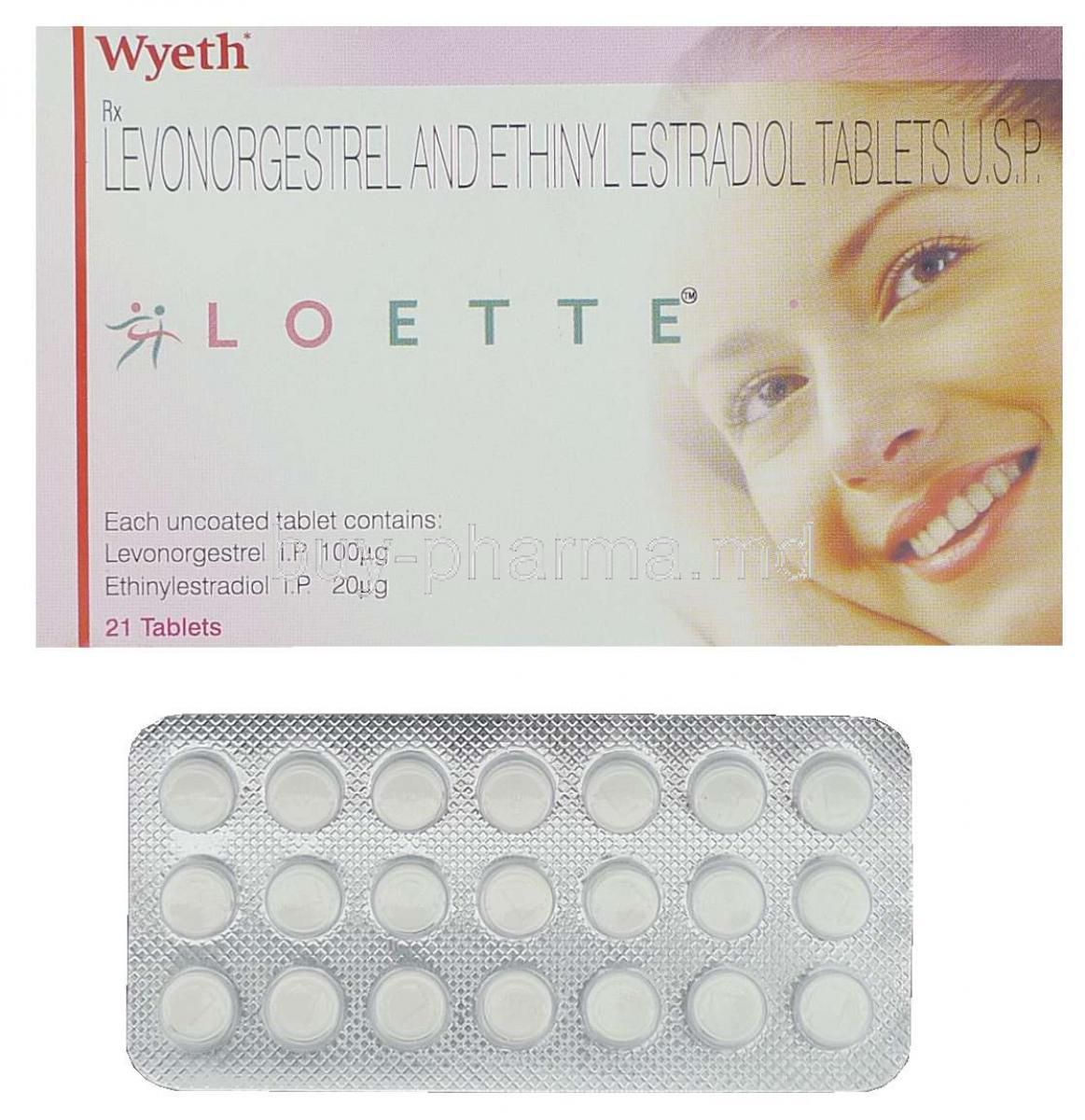


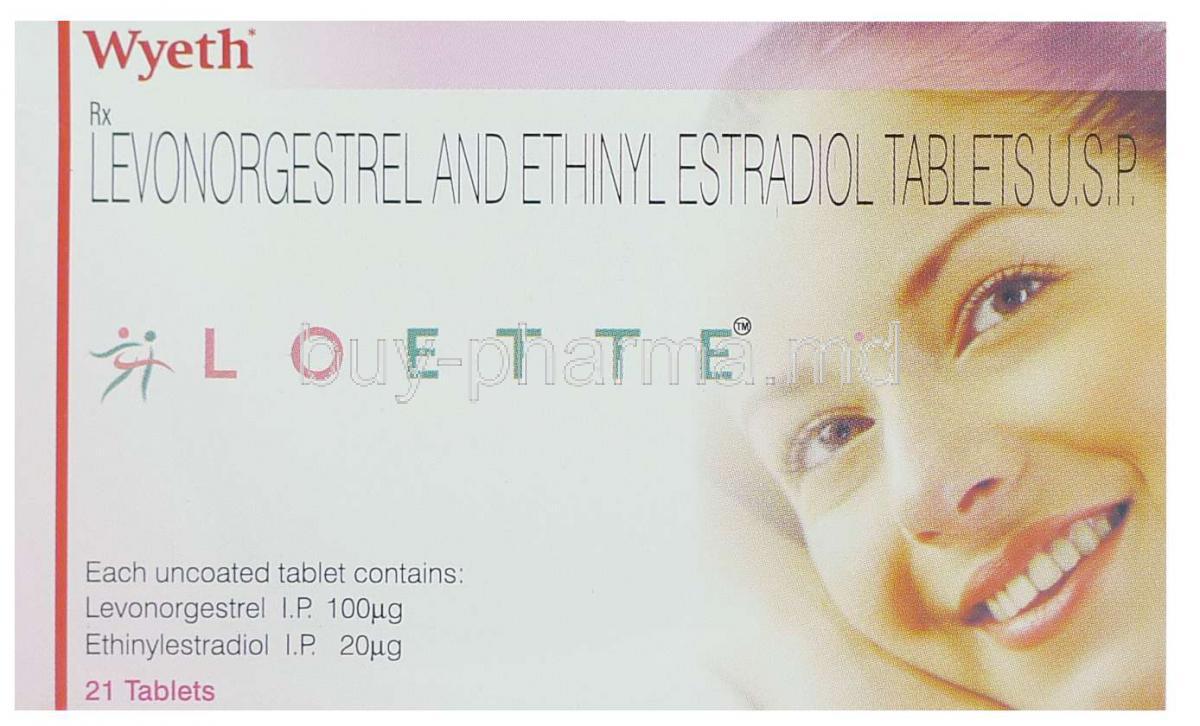
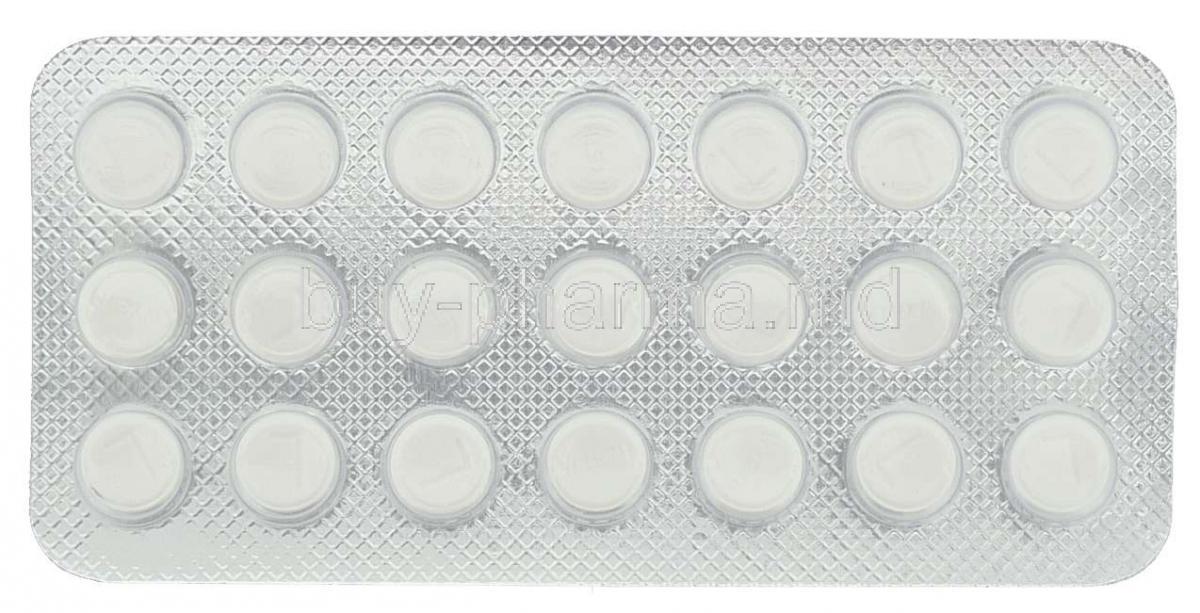
Introduction to Loette (Levonorgestrel / Ethinyl Estradiol)
Overview of Loette combined oral contraceptive
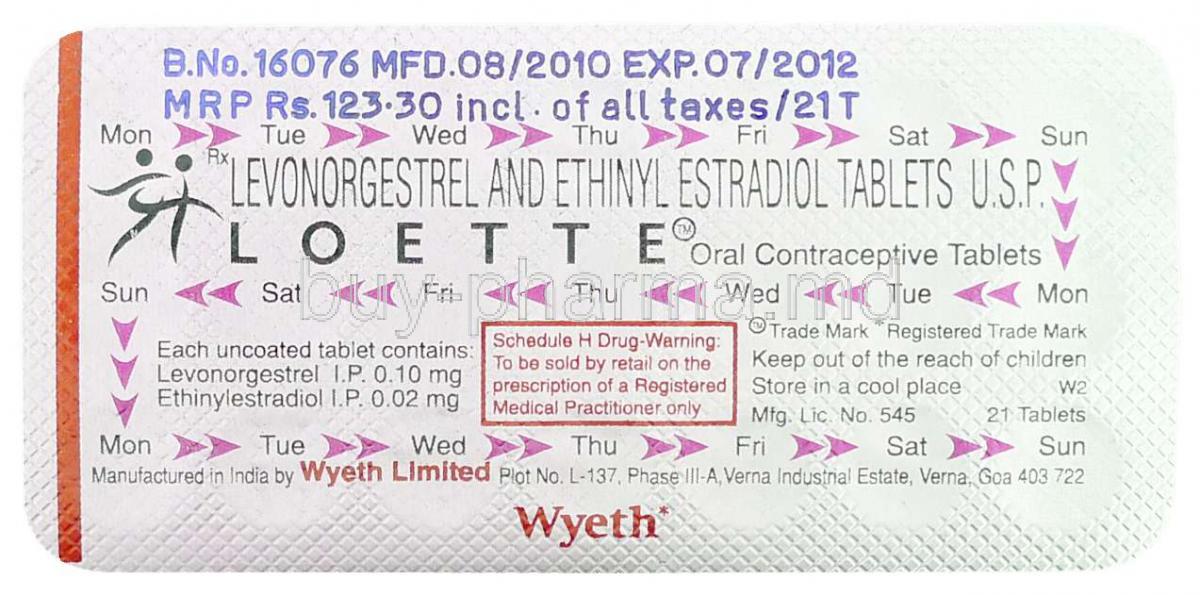
Loette is a low-dose, dual-hormone combined oral contraceptive. It is formulated to provide dependable pregnancy prevention while maintaining steady endocrine rhythm. Many individuals select this therapeutic product because it offers predictable menstrual control. The tablet is commonly dispensed in professional healthcare settings and is trusted globally by clinicians.
- Compact daily regimen
- Potent contraceptive efficacy
- Cycle harmonisation properties
Background of levonorgestrel and ethinyl estradiol as synthetic hormones
Levonorgestrel is a synthetic progestin analogue engineered to emulate progesterone. Ethinyl estradiol is a modified estrogen analogue with heightened oral bioavailability. These molecules complement one another synergistically, producing profound reproductive-system modulation with micro-dosage administration.
Therapeutic class and regulatory classification
Loette belongs to the therapeutic class of combined oral contraceptives (COCs). Regulatory agencies categorise this medicine as a prescription-only hormonal contraceptive. Its classification is grounded on endocrine modulation and suppression of ovulatory activity.
Clinical relevance and patient populations
Women seeking reliable reproductive control benefit substantially from this agent. It is particularly suitable for patients desiring light, consistent cycles, and smoother premenstrual stability. Healthcare practitioners frequently recommend this formulation to individuals requiring enhanced menstrual predictability.
Composition and Active Ingredients
Levonorgestrel pharmacological profile
Levonorgestrel exerts high affinity for progesterone receptors. It interferes with luteinising hormone surges, halting follicular rupture. The metabolic handling of levonorgestrel yields stable progestogenic activity for multiple hours post-ingestion.
Ethinyl estradiol pharmacological profile
Ethinyl estradiol engages estrogen receptors within the pituitary gland. It suppresses follicle-stimulating hormone release, simultaneously refining mucosal responsiveness. This compound is engineered to withstand hepatic enzymatic first-pass breakdown.
Excipients, coatings, and tablet formulation details
Inert excipients secure tablet cohesion, glaze films protect from oxidation, and colourants help tablet identification. These auxiliary components support shelf stability and consistent dissolution rates.
How Loette Works – Mechanism of Action
Ovulation suppression and hypothalamic-pituitary axis effect
By regulating gonadotropin pulses, Loette inhibits ovulation. The hypothalamic-pituitary axis becomes temporarily recalibrated, preventing the mid-cycle ovulatory surge.
Cervical mucus thickening to prevent sperm penetration
Cervical secretions become more viscous. This obstructs sperm motility and interrupts sperm penetration into the upper genital tract.
Endometrial lining modification and implantation prevention
The endometrium remains physiologically thin. Its receptivity is reduced, diminishing the likelihood of blastocyst implantation.
Pharmacokinetics and bioavailability
Rapid intestinal absorption occurs post-oral dosing. Plasma concentration peaks predictably, followed by hepatic metabolism and biliary excretion.
Approved Clinical Uses
Primary indication: routine contraception / birth control
The primary purpose is prevention of unintended pregnancy. Continual adherence provides >99% contraceptive reliability under ideal conditions.
Cycle regulation benefits
Loette can render menstrual cycles more synchronised and less erratic. Patients frequently report a high degree of temporal predictability.
Reduction of dysmenorrhea and menstrual discomfort
Prostaglandin synthesis becomes attenuated, often leading to diminished cramping and pelvic discomfort.
Off-Label Uses and Additional Benefits
Management of acne associated with hormonal imbalance
Some individuals experience an attenuation of sebaceous hyperactivity, which can moderate acneiform eruptions.
Polycystic Ovary Syndrome (PCOS) symptom control
Regulating cyclic hormone dynamics may mitigate androgen-dominant symptoms.
Menstrual cycle timing control (delaying periods)
Continuation of active tablets may be utilised to postpone bleeding intentionally.
Treatment of premenstrual syndrome (PMS) and PMDD-related symptoms
Hormonal stabilisation reduces cyclical irritability, breast congestion, and mood oscillations.
Dosage and Administration Guidance
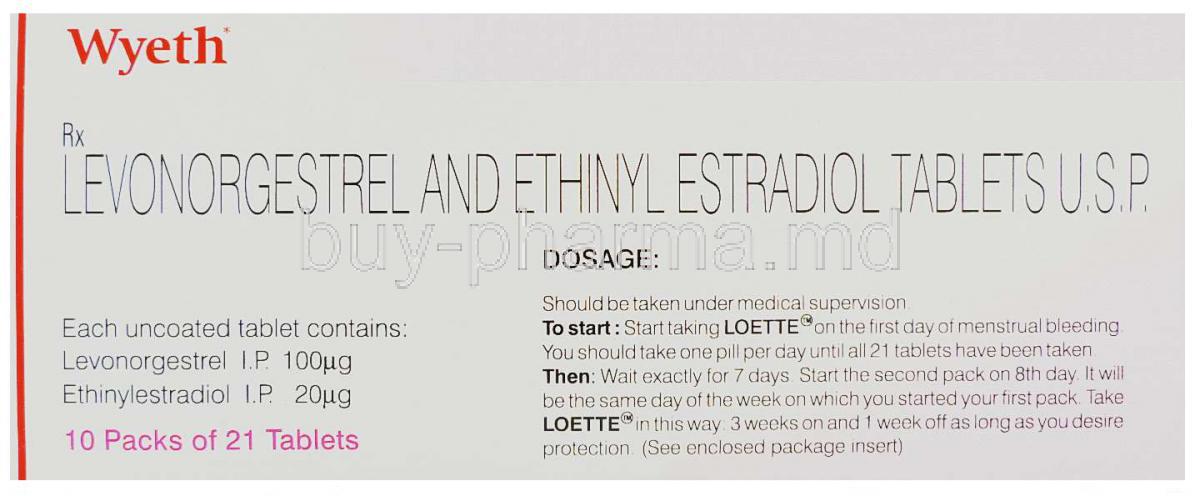
Standard daily dosing schedule for 21-day/28-day pack
The prescribed regimen generally involves one tablet per day at a consistent time. Continuous routine is critical.
When to start first pack (first cycle start guidance)
Initiation typically occurs on day one of menstrual bleeding or within the first five days of the cycle.
Missed pill instructions
A missed dose may necessitate immediate catch-up dosing and short-term auxiliary contraception.
Dose adjustment in special situations (time-zone travel, vomiting, diarrhea)
Gastrointestinal events may impair absorption. In such events supplemental precautions are recommended.
Side Effects and Safety Profile
Mechanism-based adverse reactions
Endocrine interference may induce systemic modulations such as transient nausea.
Hormonal balance shift related complaints
Short-lived fluctuations may generate breast fullness or fluctuating mood states.
Frequency and time course of side effect onset
Most effects arise during initial cycles and diminish with continued use.
Common Side Effects
- Nausea, bloating, breast tenderness
- Headache, mood swings, mild spotting or breakthrough bleeding
- Weight fluctuations and skin changes
Serious Adverse Reactions That Require Medical Attention
Venous thromboembolism risk
Thrombogenic events, although uncommon, can be clinically significant. Abrupt leg swelling or chest pain warrants urgent evaluation.
Hypertension and cardiovascular complications
Systolic blood pressure elevations may occur, necessitating routine monitoring.
Migraine with aura
Individuals developing visual aura should discontinue the medication pending medical review.
Liver dysfunction red flags
Upper abdominal pain, cholestatic jaundice, or darkened urine should prompt immediate clinical contact.
```html
Contraindications
History of thromboembolic disorders
Individuals with documented thromboembolic disease must not use this hormonal agent. Even minute increments in coagulative activity may trigger an acute event. The mechanism of estrogen-driven procoagulant shift makes this category absolutely contraindicated.
Uncontrolled hypertension
Unregulated high blood pressure increases vascular shear stress. When circulating estrogen is introduced, microvascular strain intensifies. This may precipitate severe cardiovascular sequelae.
Active liver disease or hepatic tumors
Active hepatic impairment alters metabolic clearance. Hormonal agents undergo first-pass transformation in the liver. Patients with hepatic neoplasia or cholestatic disease are excluded from therapy.
Known or suspected estrogen-dependent malignancies
Estrogen-responsive tumor tissue may proliferate more rapidly when exposed to synthetic estrogen signals. A personal history of breast carcinoma or related malignancy prohibits administration.
Known pregnancy
Contraceptive agents offer no clinical merit during pregnancy. They should not be administered in confirmed gestation.
Careful Administration and Important Precautions
Smoking and age-related clot risk
Smoking synergistically elevates thrombotic probability. Risk escalates dramatically in patients over 35 years old.
- Consider cessation programs
- Avoid heavy nicotine exposure
- Discuss risk modifiers proactively
Migraine history considerations
New-onset migraine with neurological aura requires immediate cessation. Estrogen fluctuation can alter cerebral vasoreactivity.
Intermittent monitoring of blood pressure
Scheduled sphygmomanometry is recommended. Hypertensive patterns may develop gradually over weeks.
When to discontinue prior to surgery or immobilization events
If prolonged immobilization is anticipated, temporary discontinuation is advised. Venous stasis amplifies clot formation.
Drug and Substance Interactions
Antibiotics and hepatic enzyme-inducing antiepileptics
CYP3A4 induction can accelerate hormone clearance. This reduces therapeutic contraceptive concentration.
Interactions with antiretrovirals
Some antiviral regimens diminish estrogen stability. Contraceptive reliability becomes inconsistent.
Herbal products (example: St. John’s Wort)
Herbal substances may substantially increase hepatic metabolic turnover. Phytochemical compounds can alter cytochrome enzyme pathways.
Reduced effectiveness risk and backup contraception guidance
Barrier methods may be required temporally. Backup contraception is essential when metabolic interference is expected.
Special Population Use Guidelines
Administration to Elderly
Use is not intended post-menopause. At advanced age, thrombogenic predisposition intensifies. Risk-benefit ratio becomes unfavorable.
Administration to Pregnant Women
Contraceptive hormones should not be used in pregnancy. If pregnancy is suspected, immediate evaluation is prudent.
Administration to Nursing Mothers
Some hormonal agents attenuate lactation volume. Trace amounts may enter breast milk and be ingested by the infant.
Administration to Children and Adolescents
Indicated for post-menarchal adolescent patients. Clinical oversight ensures appropriate development is not perturbed.
Overdosage Management
Expected symptoms in overdose
Excessive ingestion may produce nausea, mild emesis, or breakthrough bleeding. Systemic toxicity is rare.
Clinical management steps
Supportive care is ordinarily adequate. No specific antidote is required.
When to seek emergency treatment
Severe symptoms, syncope, or unremitting emesis necessitate urgent medical attention.
Handling and Storage Requirements
Ideal storage temperature and humidity
Maintain in a cool, dry environment. Avoid exposure to high humidity or excessive heat.
Packaging protection (blister protection and light exposure)
Each tablet remains shielded by blister foil, preventing photochemical breakdown.
Shelf life information
Observe the manufacturer’s printed expiry date. Degraded hormones provide suboptimal contraceptive efficacy.
Handling Precautions
Keep out of reach of children
Tablets should be stored securely. Children must not handle hormonal medication.
Do not share medication with others
Pharmacological regimens are individualized. Sharing may create unmonitored endocrine exposure.
Proper disposal guidance for unused tablets
Expired products should be discarded responsibly. Do not dispose into drainage systems.
```html
Loette, Levonorgestrel / Ethinyl Estradiol FAQ
Popular Products


Similar Product