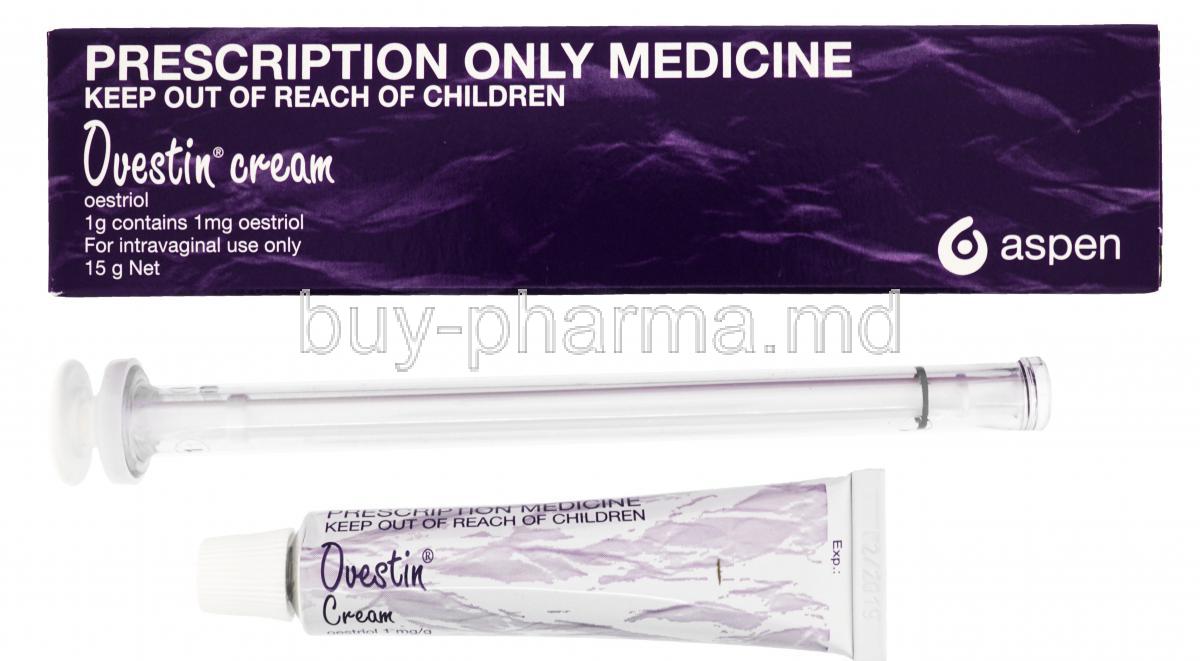
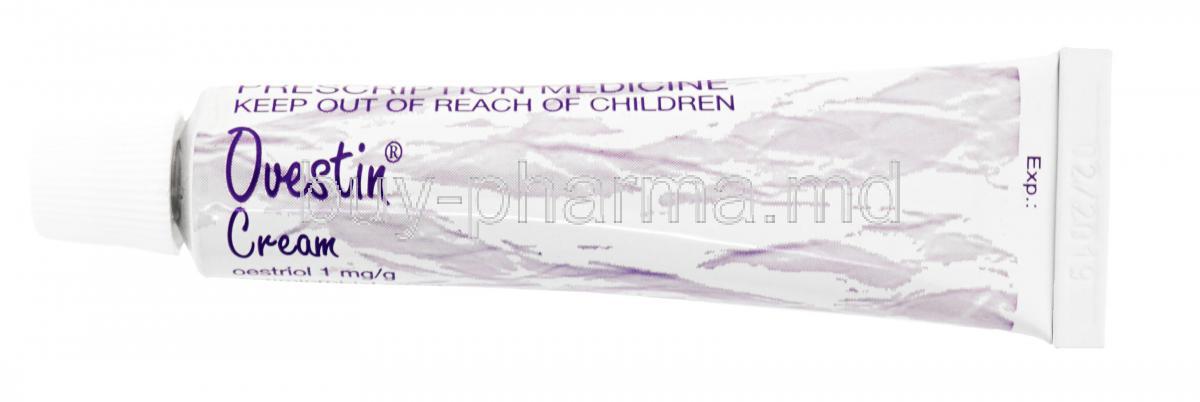
1. Introduction to Ovestin Vaginal Cream
Ovestin Vaginal Cream is a locally administered estrogen preparation designed to address symptoms arising from estrogen deficiency within the vaginal and lower urinary tract tissues. It is widely utilized in gynecological practice for its targeted action and favorable safety profile when used as directed.
From a therapeutic standpoint, Ovestin belongs to the class of topical estrogen therapies, specifically formulated for intravaginal use. Unlike systemic hormone treatments, it is intended to exert its effects primarily at the site of application.
Local estrogen therapy plays a pivotal role in modern gynecological care. It offers symptom relief while minimizing systemic hormone exposure, a balance that is particularly important for postmenopausal patients.
- Vaginal estrogen therapy focuses on localized tissue restoration
- Systemic hormone replacement therapy (HRT) affects multiple organ systems
- Local therapy is often preferred when symptoms are confined to the urogenital tract
2. Composition and Pharmaceutical Characteristics
The primary active ingredient in Ovestin Vaginal Cream is estriol, a naturally occurring estrogen with comparatively mild biological activity. This characteristic underpins its suitability for localized therapy.
The cream is formulated at a low estrogen concentration, optimized to achieve therapeutic efficacy without unnecessary hormonal burden. Inactive ingredients and excipients serve multiple purposes, including:
- Stabilizing the formulation
- Enhancing spreadability
- Facilitating uniform mucosal contact
The vaginal cream base ensures gradual absorption through the mucosal surface. Estriol’s hormonal potency is lower than that of estradiol or estrone, which contributes to reduced systemic effects and a more predictable local response.
3. How Ovestin Vaginal Cream Works (Mechanism of Action)
Estriol binds selectively to estrogen receptors located within the vaginal epithelium. Upon receptor activation, a cascade of cellular events is initiated, promoting tissue regeneration and functional normalization.
Local estrogenic effects include restoration of epithelial thickness, increased glycogen content, and improved vascularization. These changes favor the re-establishment of a healthy vaginal environment.
Additional benefits include normalization of vaginal pH and support of the physiological microbiome. Together, these effects enhance mucosal resilience, elasticity, and lubrication.
Systemic absorption remains minimal, which is clinically significant. It allows symptom control without materially altering circulating estrogen levels in most patients.
4. Uses of Ovestin Vaginal Cream (Approved Indications)
Ovestin Vaginal Cream is primarily indicated for conditions associated with estrogen deficiency after menopause. Its approved uses focus on alleviating both structural and symptomatic changes.
- Treatment of postmenopausal vaginal atrophy
- Management of genitourinary syndrome of menopause (GSM)
- Relief of vaginal dryness, itching, and burning sensations
- Improvement of dyspareunia related to estrogen loss
- Prevention of recurrent urogenital discomfort due to hypoestrogenism
5. Expanded Uses and Off-Label Applications
Beyond approved indications, Ovestin Vaginal Cream is sometimes employed in broader clinical contexts where localized estrogen support is deemed beneficial.
Off-label and adjunctive uses may include:
- Supportive therapy for recurrent urinary tract infections in postmenopausal women
- Adjunct management of urinary urgency and frequency
- Enhancement of vaginal epithelial recovery following gynecological surgery
- Management of vaginal atrophy induced by anti-estrogen treatments
- Short-term use in perimenopausal estrogen deficiency
- Pre-procedural vaginal preparation for selected gynecologic interventions
6. Dosage and Administration Guidelines
Dosing regimens typically begin with an initial phase aimed at tissue restoration, followed by a reduced maintenance schedule. This staged approach balances efficacy with long-term tolerability.
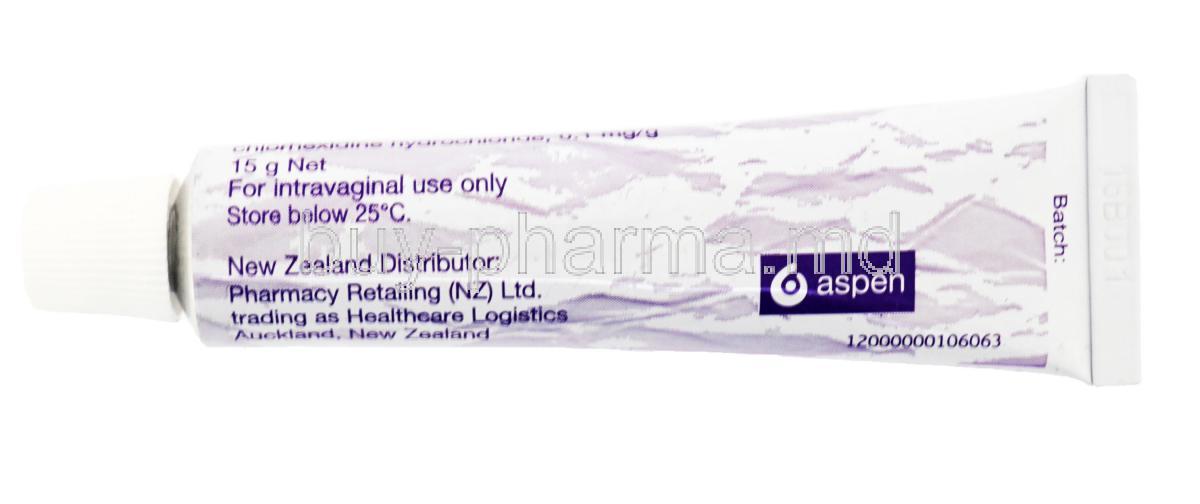
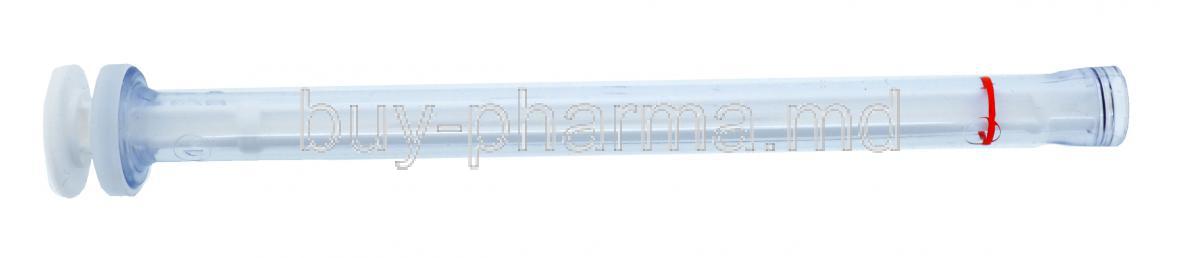
Administration involves intravaginal application using the provided applicator. Attention to hygiene is essential, both before and after use.
- Initial therapy often involves daily application for a limited period
- Maintenance dosing is usually reduced to a few applications per week
Periodic reassessment is recommended to confirm continued need. If a dose is missed, application should resume according to the established schedule without doubling.
7. Administration in Special Populations
7.1 Administration to Elderly Patients
Age-related vaginal changes often respond favorably to estriol therapy. In elderly patients, lower maintenance doses are frequently sufficient.
Monitoring should focus on symptom resolution and vigilance for unexpected systemic effects, even though such events are uncommon.
7.2 Administration to Pregnant Women and Nursing Mothers
Use during pregnancy is generally contraindicated due to potential hormonal effects on the developing fetus. Estriol exposure during lactation may influence milk composition.
Clinical recommendations typically advise against use in these populations unless explicitly directed by a specialist.
7.3 Administration to Children and Adolescents
There is no established indication for Ovestin Vaginal Cream in pediatric or adolescent patients. Safety and efficacy data in these groups are lacking.
8. Side Effects of Ovestin Vaginal Cream
Most adverse effects are localized and mild in nature. The distinction between local and systemic side effects is clinically important.
Frequency and severity are generally low when used at recommended doses.
8.1 Common Side Effects
- Transient vaginal irritation or burning
- Localized itching or discomfort
- Increased vaginal discharge
- Mild spotting or breakthrough bleeding
8.2 Less Common and Rare Side Effects
- Breast tenderness
- Pelvic discomfort
- Rare systemic estrogen-related symptoms
9. Drug Interactions and Compatibility
Due to its localized action, Ovestin Vaginal Cream exhibits limited interaction potential. Nevertheless, concurrent use with systemic hormone therapies should be evaluated to avoid cumulative estrogen exposure.
Compatibility with vaginal antifungals or antimicrobials is generally acceptable, although spacing applications may be advisable.
Interactions with enzyme-inducing medications are considered clinically insignificant in most cases, reflecting the minimal systemic absorption associated with vaginal estriol therapy.
10. Warnings and Safety Information
Although Ovestin Vaginal Cream is formulated for localized action, estrogen-related risks remain clinically relevant and must be contextualized within individual patient profiles. Estriol exhibits lower systemic potency than other estrogens; however, vigilance is still warranted.
Long-term use requires deliberate consideration. Prolonged exposure, even at low doses, may incrementally influence estrogen-responsive tissues. Accordingly, therapy should be individualized and periodically reassessed.
- Heightened caution in patients with estrogen-sensitive conditions
- Judicious duration aligned with therapeutic necessity
- Preference for the lowest effective maintenance dose
During extended therapy, monitoring recommendations include routine gynecological evaluations and prompt investigation of any new or atypical symptoms, particularly abnormal bleeding.
11. Contraindications
Ovestin Vaginal Cream is contraindicated in specific clinical scenarios where estrogen exposure poses unacceptable risk. A thorough medical history is essential prior to initiation.
- Known hypersensitivity to estriol or any excipients in the formulation
- Confirmed or suspected estrogen-dependent malignancies, including certain breast and endometrial cancers
- Undiagnosed abnormal vaginal bleeding pending clinical evaluation
- Active or historical thromboembolic disorders
- Severe hepatic impairment affecting estrogen metabolism
12. Careful Administration and Monitoring
Careful administration begins with a comprehensive baseline gynecological assessment. This establishes a reference point for subsequent evaluations and informs treatment suitability.
Periodic clinical reviews are recommended to confirm ongoing benefit and detect early signs of adverse effects. These reviews should be systematic rather than incidental.
- Monitoring for unexpected or persistent vaginal bleeding
- Assessment of symptom resolution and mucosal response
- Routine breast and pelvic health surveillance as clinically indicated
Any deviation from expected therapeutic response warrants timely investigation.
13. Important Precautions Before and During Use
An individualized risk–benefit evaluation should precede therapy initiation. This assessment integrates symptom severity, patient preferences, and relevant comorbidities.
In patients with cardiovascular risk factors, localized estrogen therapy may still be appropriate, yet cautious oversight is advised. Historical or active endometriosis also necessitates careful consideration, as estrogen exposure may influence residual disease.
- Reassess necessity at regular intervals
- Avoid escalation beyond recommended dosing
- Discontinue if risks outweigh benefits
Unnecessary prolonged use should be avoided to minimize cumulative hormonal exposure.
14. Overdose Information
Overdose with vaginal administration is uncommon due to the localized delivery and low systemic absorption of estriol. Accidental excessive use is more likely to result in local symptoms than systemic toxicity.
Potential manifestations of excessive estrogen exposure may include:
- Breast tenderness
- Nausea
- Unexpected vaginal bleeding
Management is primarily supportive. Discontinuation or temporary suspension of therapy is typically sufficient, with medical evaluation advised if symptoms persist.
15. Storage and Stability
Proper storage is essential to preserve the stability and efficacy of Ovestin Vaginal Cream. The product should be stored at recommended temperatures, away from extremes.
- Store at room temperature unless otherwise specified
- Protect from direct heat and excessive light
- Observe shelf life guidelines after first opening
Safe storage away from children is imperative to prevent accidental exposure.
16. Handling Precautions and Patient Guidance
Correct handling of the tube and applicator ensures accurate dosing and reduces contamination risk. Hands should be washed thoroughly before and after application.
Applicators, if reusable, should be cleaned according to manufacturer guidance and allowed to dry completely.
- Do not share applicators
- Dispose of unused or expired product responsibly
- Follow prescribed application technique consistently
Patient education remains central to safe and effective use, reinforcing adherence, hygiene, and timely reporting of unusual symptoms.
 Verified Purchase
Great Service and Price
I'm ordering this for my Mom overseas. I oredered few times and got it on time. Great service and great price
Verified Purchase
Great service! Got it as described
I'm very pleased with my order, thank you!
Verified Purchase
Same exact cream as Estrace that I cannot afford in the USA.
Without access to be able to purchase Ovestin, I would have chronic UTI's as I did for several years before discovering this cream. Thank you so much for making it affordable and available from buypharma.com.
Verified Purchase
Same exact cream as Estrace that I cannot afford in the USA.
This company not only offers safe, fresh medication but also great customer service. Thank you from the bottom of my heart.
Customers also bought

Popular Products
Similar Product