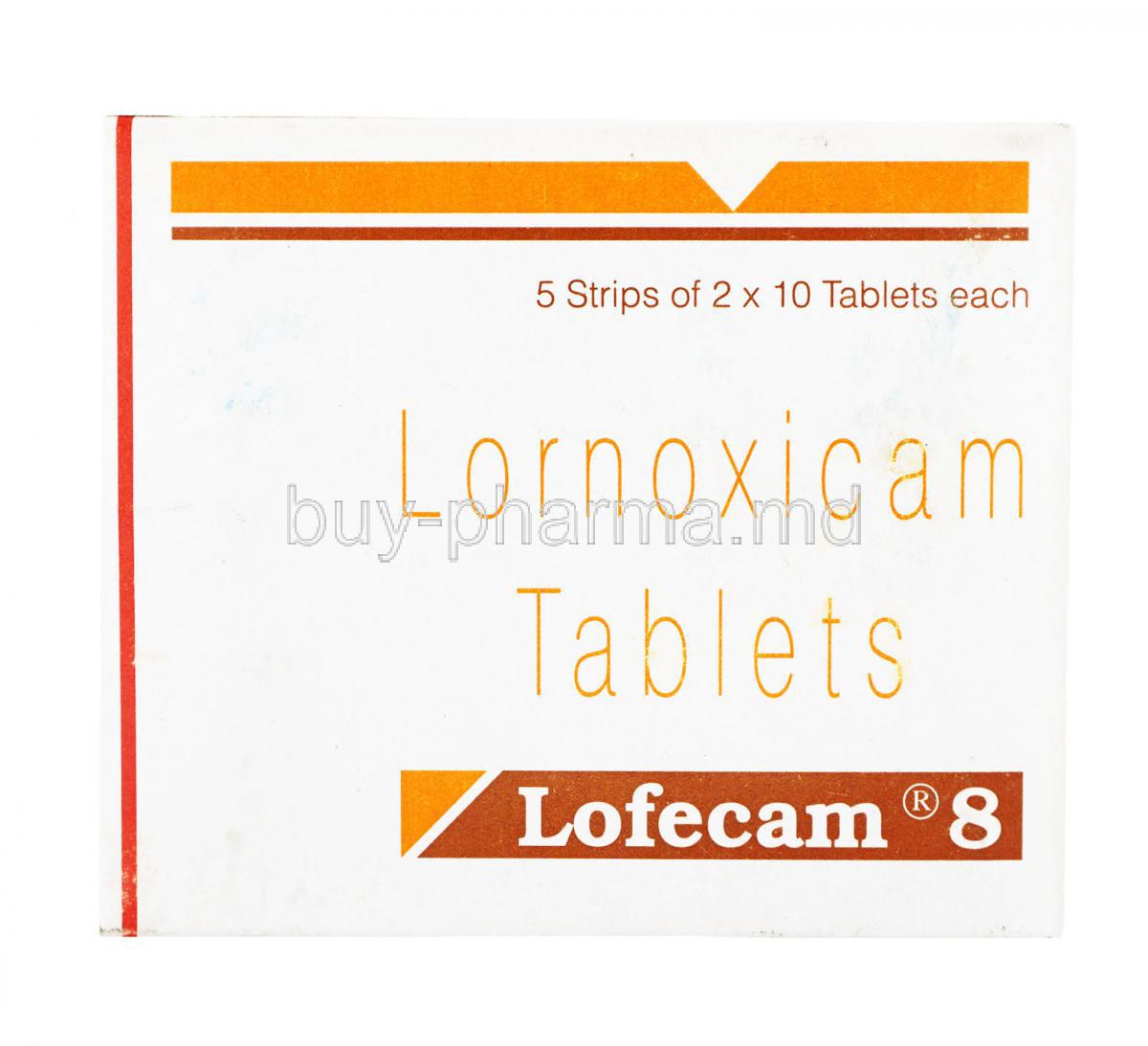


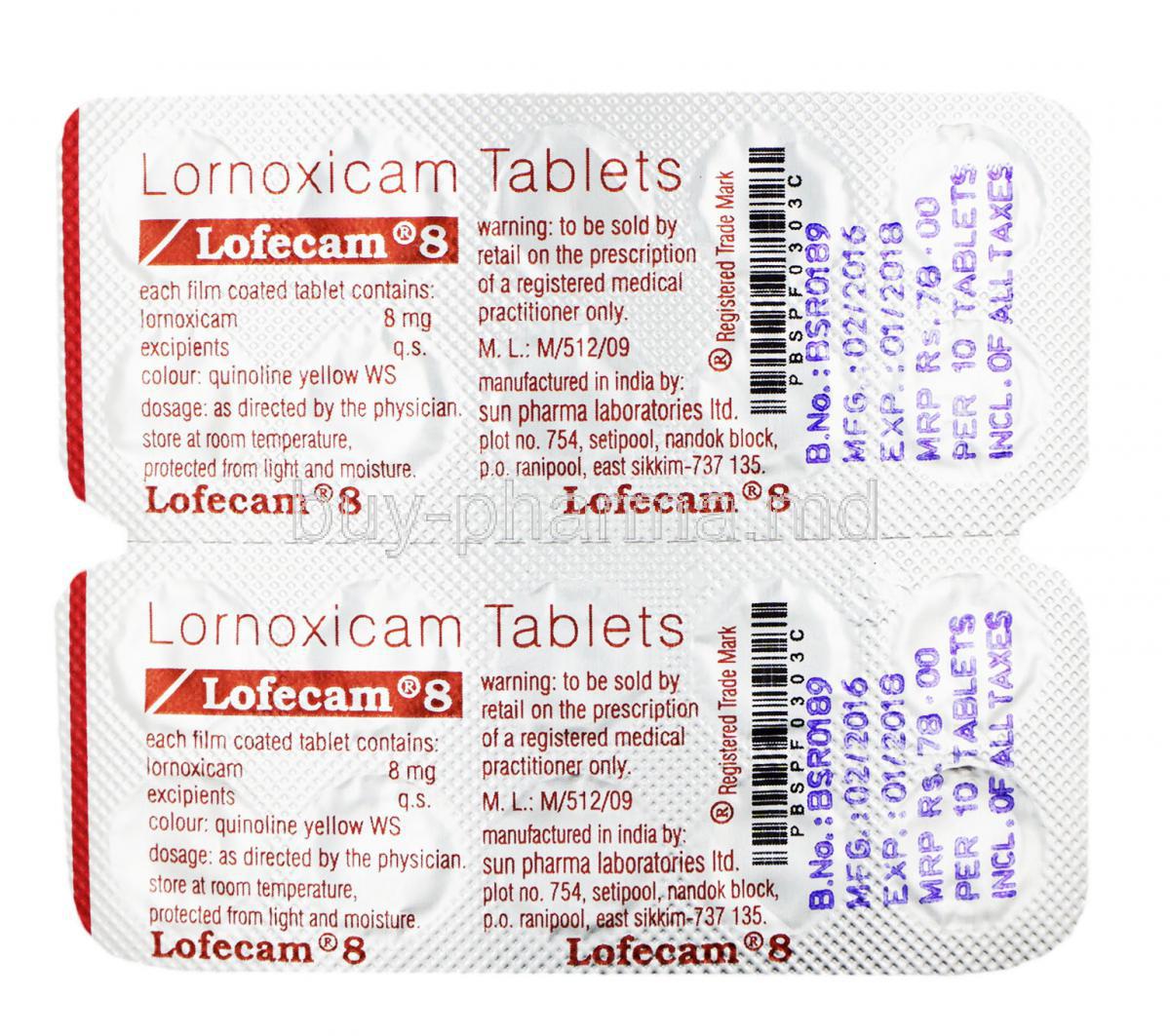
1. Introduction to Lofecam (Lornoxicam)
Lofecam is a potent nonsteroidal anti-inflammatory drug (NSAID) widely employed for the management of pain and inflammatory disorders. It is formulated to deliver rapid and reliable symptomatic relief while maintaining a relatively short elimination half-life compared with other agents in its class.
From a therapeutic standpoint, Lofecam holds clinical relevance in both acute and chronic pain settings. It is frequently selected when swift analgesia is required, yet prolonged tissue accumulation is undesirable.
Lornoxicam belongs to the oxicam subclass of NSAIDs, a group known for robust anti-inflammatory efficacy. Unlike some traditional oxicams, Lornoxicam demonstrates a balanced pharmacokinetic profile that supports flexible dosing strategies.
- Analgesic action for pain reduction
- Anti-inflammatory activity for swelling and stiffness
- Antipyretic effect for fever control
2. Composition and Pharmaceutical Profile
The primary active ingredient in Lofecam is Lornoxicam, a chemically synthesized oxicam derivative designed to inhibit inflammatory mediators at their source.
Chemically, Lornoxicam exhibits a heterocyclic structure with strong affinity for cyclooxygenase enzymes. This molecular configuration underpins its potent pharmacological activity even at relatively low doses.
Lofecam is available in multiple pharmaceutical forms to accommodate diverse clinical scenarios:
- Oral tablets for routine pain management
- Injectable formulations for acute or postoperative pain
- Rapid-acting preparations for fast onset of action
Strength variations allow clinicians to tailor therapy based on pain intensity, duration of treatment, and patient-specific factors.
3. How Lofecam (Lornoxicam) Works
Lornoxicam exerts its therapeutic effects primarily through inhibition of cyclooxygenase (COX) enzymes, specifically COX-1 and COX-2. These enzymes are pivotal in the biosynthesis of prostaglandins.
By suppressing prostaglandin synthesis, Lofecam reduces peripheral and central sensitization to pain stimuli. Inflammation subsides. Fever diminishes.
This mechanism translates into measurable clinical benefits:
- Attenuation of pain signaling pathways
- Reduction of inflammatory edema and erythema
- Normalization of elevated body temperature
Compared with other NSAIDs, Lornoxicam offers a rapid onset and predictable response, making it advantageous in acute pain management.
4. Uses of Lofecam (Approved Indications)
Lofecam is approved for the management of a variety of pain-related conditions. Its versatility stems from its combined analgesic and anti-inflammatory properties.
- Acute pain conditions such as trauma-related pain
- Musculoskeletal pain and soft tissue injuries
- Osteoarthritis-associated joint pain and stiffness
- Rheumatoid arthritis with active inflammation
- Postoperative pain following surgical procedures
- Acute low back pain and sciatica
5. Off-Label and Extended Uses of Lornoxicam
Beyond approved indications, Lornoxicam is sometimes utilized in off-label contexts where its pharmacological profile offers potential benefit.
- Acute migraine and severe headache episodes
- Dental pain and post-extraction inflammation
- Dysmenorrhea and severe menstrual cramps
- Adjunctive management of cancer-related pain
- Short-term therapy in inflammatory orthopedic conditions
Such uses typically rely on clinical judgment and individualized risk–benefit assessment.
6. Dosage and Administration Guidelines
Standard adult dosing of Lofecam is determined by pain severity and route of administration. Lower doses may suffice for mild pain, while acute conditions often require higher initial dosing.
Key administration considerations include:
- Higher doses for acute pain, limited to short durations
- Lower maintenance doses for chronic inflammatory disorders
- Oral administration for convenience and long-term use
- Injectable administration for rapid analgesia
Dose adjustments may be necessary in patients with comorbid conditions or increased susceptibility to adverse effects.
7. Administration in Special Populations
7.1 Administration to Elderly Patients
In elderly individuals, age-related changes in pharmacokinetics can influence drug exposure. Reduced renal clearance and altered gastrointestinal tolerance are common considerations.
There is an elevated risk of gastrointestinal bleeding and renal impairment in this population. Therefore:
- Lower initial doses are often recommended
- Regular monitoring of renal function is advised
- Prolonged use should be approached cautiously
7.2 Administration to Pregnant Women and Nursing Mothers
The use of Lornoxicam during pregnancy requires careful evaluation. NSAIDs are generally discouraged, particularly during the third trimester, due to potential fetal cardiovascular risks.
During breastfeeding, small amounts of the drug may be excreted into breast milk. Clinical discretion is advised, weighing maternal benefit against potential infant exposure.
7.3 Administration to Children
Lornoxicam is not routinely recommended for pediatric use. Approved age restrictions vary by region, and safety data in children remain limited.
The restricted use is primarily due to:
- Insufficient pediatric safety data
- Higher sensitivity to NSAID-related adverse effects
- Availability of alternative analgesics with established pediatric profiles
8. Side Effects of Lofecam (Lornoxicam)
Lofecam is generally well tolerated when used as directed. However, like all NSAIDs, it carries a defined adverse effect profile.
Most side effects are dose-dependent and reversible upon discontinuation. Compared with other NSAIDs, its short half-life may reduce prolonged systemic exposure.
8.1 Common Side Effects
- Gastrointestinal discomfort, including nausea and dyspepsia
- Abdominal pain or mild diarrhea
- Headache and transient dizziness
- Mild cutaneous reactions
8.2 Less Common and Serious Side Effects
Although infrequent, serious adverse reactions may occur, particularly with prolonged or high-dose use:
- Gastrointestinal bleeding or ulcer formation
- Renal function deterioration
- Increased cardiovascular risk with long-term therapy
- Hypersensitivity reactions, including bronchospasm
9. Drug Interactions
Lornoxicam may interact with several commonly prescribed medications, necessitating careful review of concurrent therapies.
- Enhanced bleeding risk when combined with anticoagulants or antiplatelet agents
- Increased gastrointestinal toxicity with other NSAIDs or corticosteroids
- Reduced antihypertensive efficacy of certain blood pressure medications
- Altered plasma levels of lithium and methotrexate
Clinical monitoring and dosage adjustments are recommended when Lofecam is used alongside interacting drugs.
10. Warnings and Safety Information
Lornoxicam is associated with well-documented safety considerations typical of nonsteroidal anti-inflammatory drugs. These warnings are clinically significant and should be carefully evaluated prior to and during therapy.
- Gastrointestinal bleeding risk: Use may increase the likelihood of gastric or duodenal ulceration, hemorrhage, and perforation, particularly with prolonged treatment or in patients with prior gastrointestinal disease.
- Cardiovascular risk considerations: Long-term or high-dose administration may elevate the risk of thrombotic cardiovascular events, including myocardial infarction and cerebrovascular accidents.
- Renal and hepatic impairment warnings: Reduced renal perfusion and hepatocellular injury have been reported, especially in predisposed individuals or those receiving concomitant nephrotoxic agents.
- Masking of infection-related symptoms: Anti-inflammatory and antipyretic effects may obscure fever and pain, potentially delaying the diagnosis of underlying infections.
11. Contraindications
Lornoxicam should not be administered in clinical scenarios where the risk of adverse outcomes outweighs therapeutic benefit. Absolute contraindications must be strictly observed.
- Known hypersensitivity to Lornoxicam or other oxicam-derived NSAIDs
- Active peptic ulcer disease or ongoing gastrointestinal bleeding
- Severe hepatic insufficiency or advanced renal dysfunction
- History of NSAID-induced asthma, urticaria, or severe allergic reactions
12. Careful Administration and Important Precautions
Prudent administration of Lornoxicam is essential to minimize toxicity while preserving therapeutic efficacy. Individualized dosing strategies are strongly advised.
- Employ the lowest effective dose for the shortest possible duration to achieve symptom control.
- Conduct periodic monitoring of renal function, hepatic enzymes, and hematological parameters during long-term therapy.
- Avoid use in dehydrated or volume-depleted patients, as compromised renal perfusion may precipitate acute kidney injury.
- Exercise caution with alcohol consumption, which may potentiate gastrointestinal mucosal damage and bleeding risk.
13. Overdosage Information
Acute overdose of Lornoxicam can result in a spectrum of clinical manifestations, ranging from mild discomfort to severe systemic effects.
Common signs and symptoms may include:
- Nausea, vomiting, and epigastric pain
- Dizziness, somnolence, or confusion
- Headache and transient visual disturbances
Management is primarily supportive and symptomatic. There is no specific antidote.
- Gastric decontamination may be considered if ingestion is recent
- Maintenance of adequate hydration and electrolyte balance
- Close monitoring of renal and neurological status
Immediate medical attention should be sought if severe gastrointestinal bleeding, altered consciousness, or persistent neurological symptoms occur.
14. Storage Conditions
Appropriate storage is essential to maintain the stability and efficacy of Lornoxicam formulations.
- Store at the recommended room temperature, as specified by the manufacturer
- Protect from excessive moisture, direct heat, and light exposure
- Observe shelf-life limitations and avoid use beyond the expiration date
- Ensure secure storage in locations inaccessible to children
15. Handling Precautions
Correct handling practices reduce the risk of contamination, dosing errors, and accidental exposure.
- Handle oral and injectable formulations according to standard pharmaceutical hygiene protocols
- Dispose of unused or expired medication in accordance with local pharmaceutical waste regulations
- Healthcare professionals should employ appropriate protective measures during preparation and administration of injectable forms.
- Patients should be counseled on proper dosing, adherence, and the importance of reporting adverse effects promptly.
Lofecam, Lornoxicam FAQ
Popular Products
Similar Product