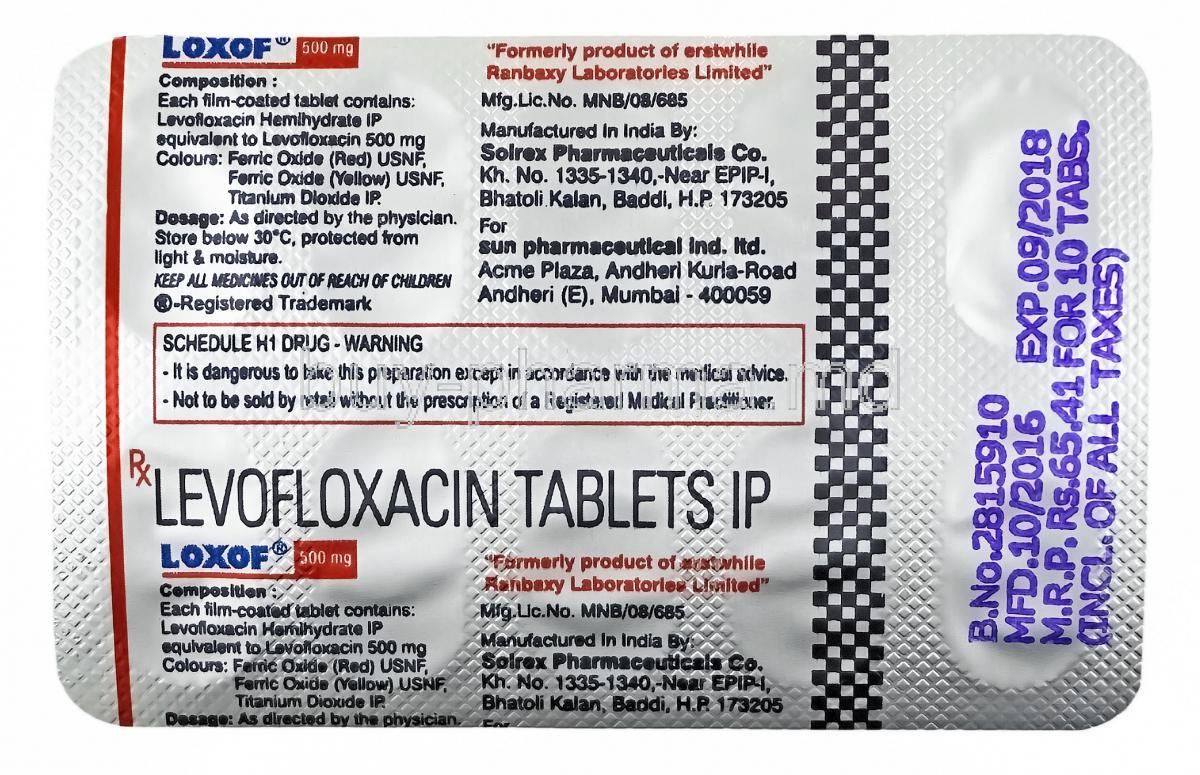
1. Introduction to Loxof (Levofloxacin)
1.1 What Is Loxof?
Loxof is a pharmaceutical preparation containing levofloxacin, a potent broad-spectrum antibacterial agent. It is prescribed for the management of diverse bacterial infections affecting the respiratory tract, urinary system, skin, and other anatomical sites. The compound exerts bactericidal activity rather than merely inhibiting microbial proliferation. This distinction is clinically consequential. It eradicates susceptible pathogens, thereby shortening disease duration and mitigating complications.
1.2 Generic Name and Brand Variations
The generic name is levofloxacin, the optically active L-isomer of ofloxacin. It is marketed globally under numerous brand names in addition to Loxof. Variations may differ in excipient profile, packaging configuration, or regional regulatory labeling. However, the active moiety remains pharmacologically identical.
1.3 Therapeutic Classification: Fluoroquinolone Antibiotic
Levofloxacin belongs to the fluoroquinolone class. These agents are characterized by:
- Broad antimicrobial coverage
- High oral bioavailability
- Concentration-dependent bactericidal kinetics
Fluoroquinolones are often reserved for moderate to severe infections or cases where alternative therapies are unsuitable. Their utility is substantial, yet judicious use is essential to curb resistance.
1.4 Historical Development and Clinical Significance
Levofloxacin emerged as an advancement over earlier quinolones. By isolating the active enantiomer, pharmacodynamic precision was enhanced while adverse reactions were comparatively moderated. Over decades, it has become integral in hospital and outpatient settings alike. Its role in serious respiratory infections remains particularly notable.
1.5 Spectrum of Antibacterial Activity
The antimicrobial spectrum encompasses:
- Gram-positive organisms such as Streptococcus pneumoniae
- Gram-negative bacilli including Escherichia coli
- Atypical pathogens such as Mycoplasma pneumoniae
This expansive coverage renders Loxof versatile in empiric therapy. Nevertheless, susceptibility patterns must guide definitive treatment.
2. Composition and Pharmaceutical Formulations
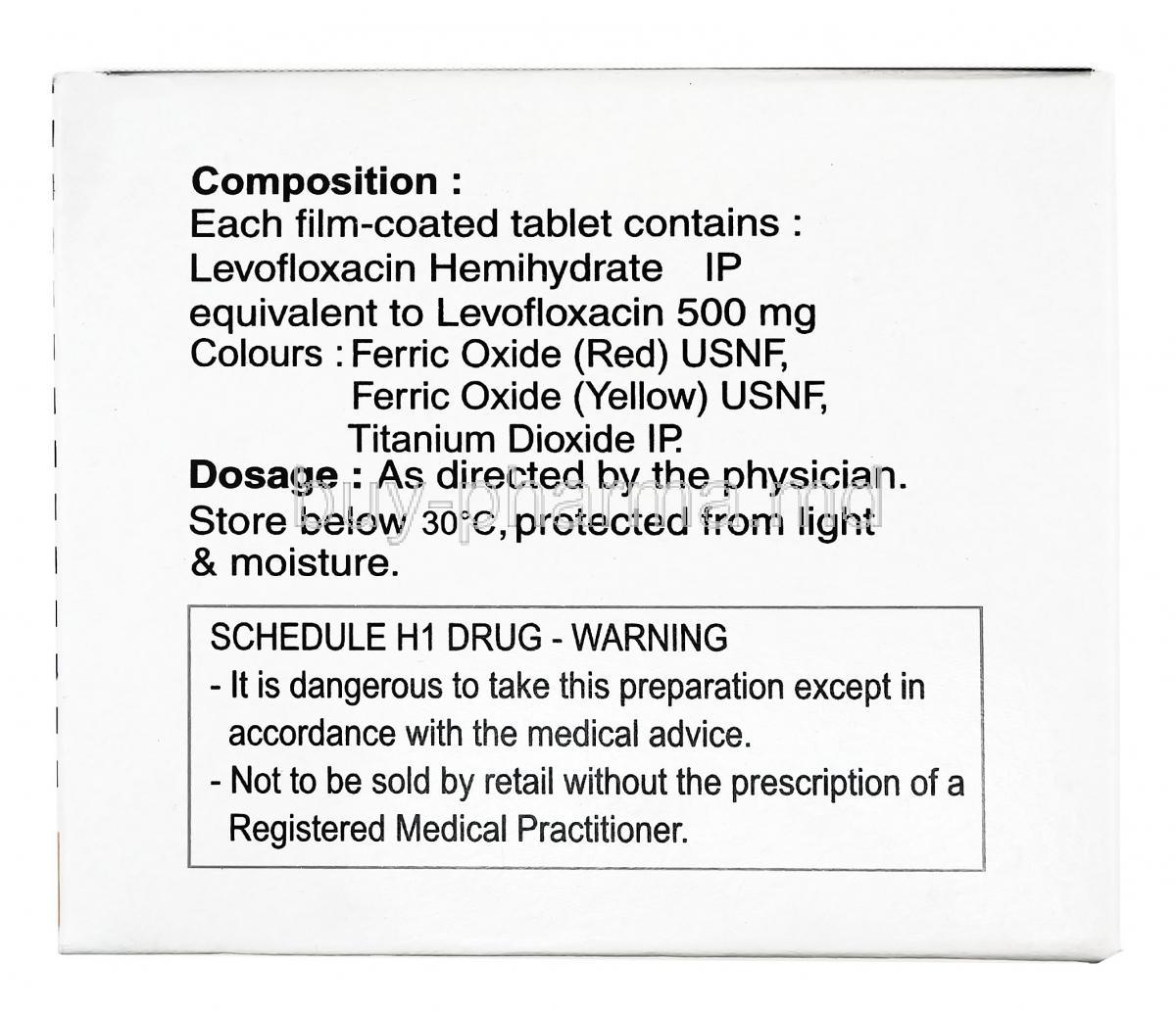
2.1 Active Ingredient: Levofloxacin Hemihydrate
The active pharmaceutical ingredient is levofloxacin hemihydrate. It is chemically stable, water-soluble, and rapidly absorbed following oral administration. The hemihydrate form ensures optimal bioavailability and consistent therapeutic plasma concentrations.
2.2 Available Dosage Forms (Tablets, Oral Solution, IV Infusion)
Loxof is available in multiple formulations:
- Film-coated tablets
- Oral solution
- Intravenous infusion
This versatility permits seamless transition from inpatient intravenous therapy to outpatient oral continuation.
2.3 Strength Variations (250 mg, 500 mg, 750 mg)
Common strengths include 250 mg, 500 mg, and 750 mg. Higher doses are often prescribed for severe infections. Lower strengths may suffice for uncomplicated cases. Dose selection is infection-specific and renal-function dependent.
2.4 Inactive Ingredients and Excipients
Excipients may include microcrystalline cellulose, magnesium stearate, and hypromellose. These inert substances facilitate stability, tablet integrity, and controlled dissolution. They do not confer antibacterial activity.
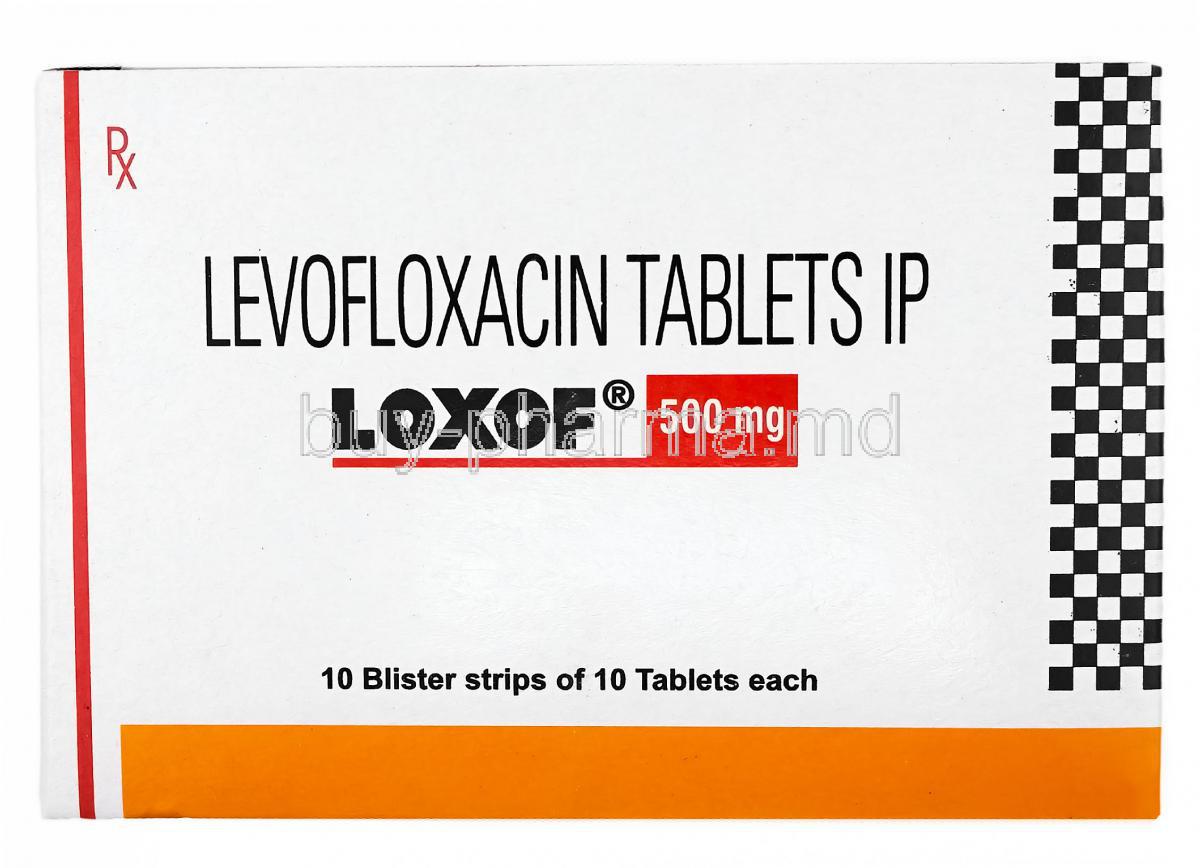
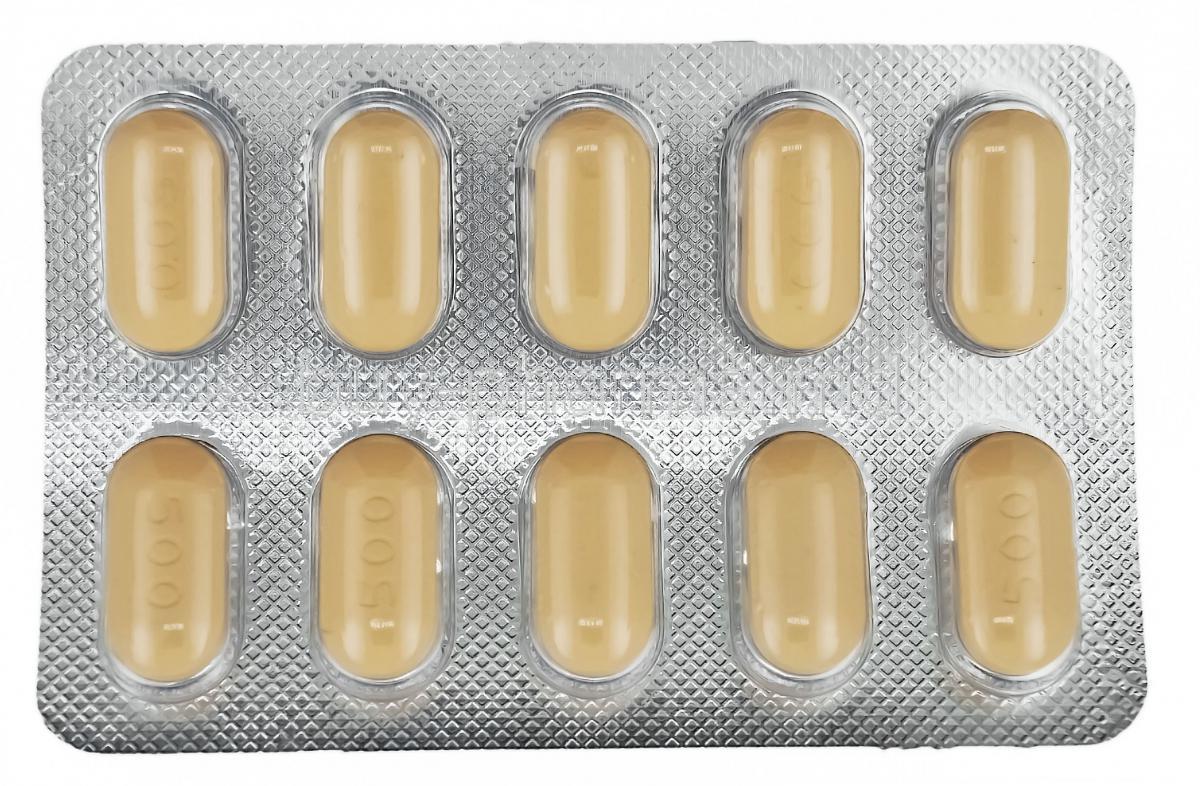
2.5 Packaging and Labeling Information
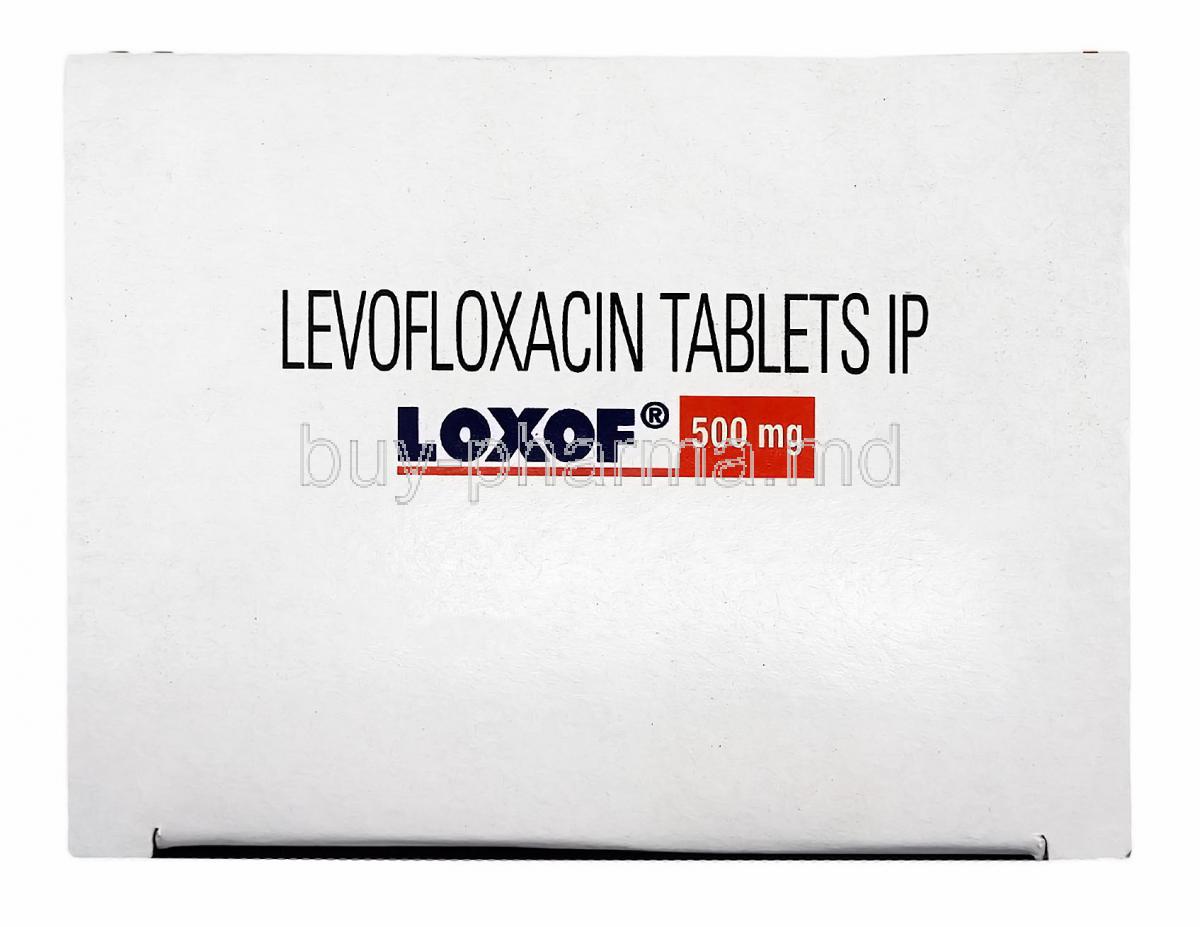
Packaging typically includes blister strips or bottles with clear labeling. Information provided covers dosage strength, batch number, and expiration date. Proper labeling safeguards patient compliance and pharmacovigilance.
3. Mechanism of Action: How Levofloxacin Works
3.1 Inhibition of Bacterial DNA Gyrase and Topoisomerase IV
Levofloxacin inhibits DNA gyrase and topoisomerase IV. These enzymes are indispensable for bacterial DNA replication. By disrupting supercoiling and chromosomal segregation, the drug induces lethal genomic instability.
3.2 Bactericidal Activity Explained
Unlike bacteriostatic agents, levofloxacin directly eradicates bacteria. Cellular death ensues rapidly once DNA integrity is compromised. This mechanism contributes to clinical efficacy in acute infections.
3.3 Pharmacodynamics and Concentration-Dependent Killing
Levofloxacin demonstrates concentration-dependent killing. Higher drug concentrations correlate with enhanced microbial eradication. Achieving optimal peak-to-MIC ratios is therefore therapeutically advantageous.
3.4 Resistance Mechanisms and Clinical Implications
Resistance may arise through:
- Target enzyme mutations
- Efflux pump overexpression
- Reduced membrane permeability
These mechanisms necessitate antimicrobial stewardship to preserve efficacy.
3.5 Pharmacokinetics: Absorption, Distribution, Metabolism, and Excretion
Oral absorption is nearly complete. Distribution extends to pulmonary tissue, urine, and prostate. Metabolism is limited. Renal excretion predominates, which underscores the importance of dose adjustments in renal impairment.
4. Approved Medical Uses of Loxof (Levofloxacin)
4.1 Treatment of Community-Acquired Pneumonia (CAP)
Loxof is widely used in CAP. It targets typical and atypical respiratory pathogens. Clinical improvement is often observed within days.
4.2 Acute Bacterial Sinusitis
It may be prescribed when first-line therapies are unsuitable. The agent reduces sinus inflammation and eradicates causative bacteria.
4.3 Acute Exacerbation of Chronic Bronchitis
In patients with chronic obstructive pulmonary disease, bacterial exacerbations can be debilitating. Levofloxacin mitigates symptom intensity and shortens recovery.
4.4 Complicated and Uncomplicated Urinary Tract Infections (UTIs)
Loxof penetrates urinary tissues efficiently. It is effective in both simple cystitis and complicated UTIs.
4.5 Acute Pyelonephritis
Renal parenchymal infections demand potent therapy. Levofloxacin’s high urinary concentration supports its use in pyelonephritis.
4.6 Chronic Bacterial Prostatitis
Its ability to penetrate prostatic tissue makes it suitable for prolonged therapy in chronic prostatitis.
4.7 Skin and Soft Tissue Infections
Levofloxacin may be employed for cellulitis and wound infections when indicated by susceptibility data.
4.8 Inhalational Anthrax (Post-Exposure Prophylaxis)
It is approved for anthrax exposure. Early administration reduces systemic dissemination.
4.9 Plague Treatment and Prophylaxis
Levofloxacin is indicated for plague management, reflecting its broad antimicrobial potency.
5. Off-Label Uses of Levofloxacin
5.1 Tuberculosis (Multidrug-Resistant TB Regimens)
In multidrug-resistant tuberculosis, levofloxacin may be incorporated into combination regimens. Its inclusion is guided by susceptibility profiles.
5.2 Pelvic Inflammatory Disease (PID)
When first-line agents are contraindicated, it may be considered in select PID cases.
5.3 Intra-Abdominal Infections (Combination Therapy)
Often combined with metronidazole, it broadens anaerobic and aerobic coverage.
5.4 Osteomyelitis and Bone Infections
Bone penetration is adequate. Prolonged therapy may be required.
5.5 Traveler’s Diarrhea
In regions with susceptible pathogens, short-course therapy may reduce symptom duration.
5.6 Bacterial Meningitis (Adjunctive Use)
Its role is limited and typically adjunctive, depending on pathogen susceptibility.
5.7 Endocarditis (Selective Clinical Use)
Rarely, it may be integrated into multidrug regimens for endocarditis when alternatives are unsuitable.
6. Dosage and Administration Guidelines
6.1 Standard Adult Dosage by Indication
Dosing ranges from 250 mg to 750 mg once daily. Indication and severity determine the exact regimen.
6.2 Once-Daily Dosing Benefits
Once-daily administration enhances adherence. It simplifies therapeutic schedules.
6.3 Duration of Therapy for Different Infections
Treatment may last 3 to 14 days. Chronic conditions may require extended courses.
6.4 Dose Adjustments in Renal Impairment
Renal dysfunction necessitates dosage modification. Accumulation increases toxicity risk.
6.5 Intravenous to Oral Switch Therapy
High oral bioavailability permits early switch from IV to oral therapy. Hospital stays may be shortened.
6.6 Administration Instructions (With or Without Food)
It may be taken with or without food. However, antacids containing magnesium or aluminum should be separated by several hours.
6.7 Missed Dose Management
If a dose is missed, it should be taken promptly unless near the next scheduled dose. Doubling doses is discouraged.
7. Side Effects of Loxof (Levofloxacin)
7.1 Common Side Effects
- Nausea and gastrointestinal disturbances
- Diarrhea
- Headache
- Dizziness
- Insomnia
These reactions are typically mild and transient.
7.2 Less Common but Serious Side Effects
- Tendinitis and tendon rupture
- Peripheral neuropathy
- Central nervous system effects
- QT interval prolongation
- Hypersensitivity reactions
Immediate medical evaluation is warranted if these occur.
7.3 Rare and Severe Adverse Reactions
- Aortic aneurysm risk
- Hepatotoxicity
- Clostridioides difficile-associated diarrhea
- Stevens-Johnson syndrome
Though infrequent, these events are potentially life-threatening.
8. Drug Interactions
8.1 Interaction with Antacids and Mineral Supplements
Cations such as magnesium and iron chelate levofloxacin. Absorption is reduced.
8.2 Concomitant Use with NSAIDs
Concurrent use may heighten CNS stimulation. Caution is advisable.
8.3 Corticosteroids and Tendon Injury Risk
The combination increases tendon rupture risk, particularly in elderly patients.
8.4 Warfarin and Anticoagulants
Co-administration may enhance anticoagulant effects. INR monitoring is recommended.
8.5 Antiarrhythmic Agents and QT Prolongation
Additive QT prolongation can precipitate arrhythmias.
8.6 Hypoglycemic Agents and Blood Sugar Alterations
Both hypo- and hyperglycemia have been reported. Glucose monitoring is prudent.
8.7 Theophylline and Other CNS-Active Drugs
Neuroexcitatory interactions may occur. Clinical vigilance is essential.
9. Warnings and Important Safety Information
9.1 Boxed Warnings for Fluoroquinolones
Fluoroquinolones carry boxed warnings regarding tendon rupture, neuropathy, and CNS effects. Use is reserved for appropriate indications.
9.2 Risk of Tendon Disorders
Tendon inflammation may precede rupture. Achilles tendon involvement is common.
9.3 Peripheral Neuropathy Risk
Symptoms include paresthesia and sensory disturbances. These may be irreversible.
9.4 Central Nervous System Effects
Seizures and psychiatric reactions have been reported. Patients with seizure disorders require caution.
9.5 Exacerbation of Myasthenia Gravis
Neuromuscular weakness may intensify. Avoidance is recommended in such patients.
9.6 Risk of Dysglycemia
Blood glucose fluctuations can occur, particularly in diabetic individuals.
9.7 Photosensitivity Precautions
Exposure to intense sunlight may provoke phototoxic reactions. Protective measures are advisable.
10. Contraindications
10.1 Hypersensitivity to Levofloxacin or Other Fluoroquinolones
Patients with prior allergic reactions should not receive the drug.
10.2 History of Tendon Disorders Related to Fluoroquinolones
Recurrence risk is significant. Alternative therapy should be selected.
10.3 Known QT Prolongation Conditions
Individuals with congenital or acquired QT prolongation require avoidance.
10.4 Patients with Myasthenia Gravis
Due to potential exacerbation of muscular weakness, use is contraindicated.
11. Careful Administration and Important Precautions
11.1 Patients with Renal Impairment
Levofloxacin is predominantly eliminated through renal excretion. Impaired kidney function alters its pharmacokinetic trajectory. Accumulation may occur. Plasma concentrations may rise beyond therapeutic thresholds, increasing the probability of adverse reactions.
Dose adjustment is therefore indispensable in patients with reduced creatinine clearance. Clinical prudence includes:
- Baseline renal function assessment
- Periodic monitoring of serum creatinine
- Adjustment of dosing interval or strength
Failure to individualize dosing can precipitate neurotoxicity or tendinopathy. Vigilance is not optional; it is foundational.
11.2 Cardiovascular Risk Assessment
Levofloxacin has the potential to prolong the QT interval. This electrophysiological perturbation may predispose susceptible individuals to torsades de pointes, a potentially fatal ventricular arrhythmia. Patients with structural heart disease, electrolyte imbalances, or concomitant QT-prolonging medications require meticulous evaluation.
Risk stratification should include:
- Electrocardiographic review when indicated
- Correction of hypokalemia or hypomagnesemia
- Assessment of concurrent antiarrhythmic therapy
A circumspect approach mitigates preventable cardiac complications.
11.3 Seizure Disorders and CNS Conditions
Central nervous system stimulation is a recognized effect of fluoroquinolones. In predisposed individuals, this may culminate in seizures, agitation, or delirium. Even subtle neurological instability warrants attention.
Patients with epilepsy, prior cerebrovascular events, or intracranial pathology should be evaluated carefully. Dose optimization and avoidance of interacting medications, such as certain nonsteroidal anti-inflammatory drugs, are prudent strategies.
11.4 Diabetic Patients and Blood Glucose Monitoring
Levofloxacin has been associated with dysglycemia, encompassing both hypoglycemia and hyperglycemia. The mechanisms are not entirely elucidated, yet the clinical implications are tangible. Diabetic patients, especially those receiving insulin or sulfonylureas, should undertake vigilant glucose monitoring.
- Frequent capillary glucose assessments
- Recognition of early hypoglycemic symptoms
- Prompt therapeutic adjustment if instability occurs
Metabolic equilibrium must be preserved to avert serious sequelae.
11.5 Risk of Clostridioides difficile Infection
Broad-spectrum antibiotics can disrupt normal gastrointestinal microbiota. This dysbiosis may facilitate proliferation of Clostridioides difficile. Resultant colitis ranges from mild diarrhea to fulminant pseudomembranous inflammation.
Persistent diarrhea during or after therapy demands evaluation. Early identification curtails complications and reduces transmission risk.
11.6 Avoidance of Excess Sun Exposure
Photosensitivity reactions may occur. Even brief exposure to ultraviolet radiation can provoke erythema or phototoxic dermatitis in susceptible individuals. Patients should:
- Limit direct sun exposure
- Utilize broad-spectrum sunscreen
- Wear protective clothing
Preventive measures reduce dermatologic morbidity.
12. Administration in Special Populations
12.1 Administration to Elderly Patients
Increased Risk of Tendon Rupture
Advanced age is an independent risk factor for fluoroquinolone-associated tendon injury. The Achilles tendon is frequently implicated. Concomitant corticosteroid therapy amplifies susceptibility.
Patients should be counseled to report tendon pain promptly. Discontinuation at the first sign of inflammation may prevent rupture.
Renal Function Monitoring
Age-related decline in glomerular filtration rate necessitates careful dosing. Even in the absence of overt renal disease, pharmacokinetic alterations are common. Periodic renal evaluation enhances safety.
12.2 Administration to Pregnant Women
Risk-Benefit Assessment
Use during pregnancy requires a stringent evaluation of maternal benefit versus potential fetal risk. Alternative agents are often preferred when clinically appropriate. Nonetheless, in certain severe infections, therapeutic necessity may prevail.
Animal Study Data Overview
Animal studies have demonstrated cartilage toxicity in juvenile specimens. Although human data are limited, caution is advised. Decisions must be individualized and evidence-informed.
12.3 Administration to Nursing Mothers
Excretion in Breast Milk
Levofloxacin is excreted in breast milk. While concentrations are typically low, theoretical concerns regarding musculoskeletal development in infants persist.
Clinical Considerations
Clinical judgment should guide continuation or temporary cessation of breastfeeding. Monitoring the infant for gastrointestinal disturbances or candidiasis may be appropriate.
12.4 Administration to Children and Adolescents
Restricted Indications
Routine use in pediatric populations is generally limited. Concerns regarding cartilage and tendon toxicity underpin these restrictions.
Risk of Musculoskeletal Disorders
Musculoskeletal adverse events, though infrequent, have been reported. These may include arthralgia and tendon discomfort.
Approved Pediatric Uses (Anthrax, Plague)
Despite restrictions, levofloxacin is approved for specific serious infections in children, including:
- Inhalational anthrax (post-exposure)
- Plague
In such contexts, the therapeutic imperative outweighs potential risks.
13. Overdose and Toxicity Management
13.1 Symptoms of Levofloxacin Overdose
Overdose manifestations may involve:
- Confusion and agitation
- Seizures
- Cardiac arrhythmias
- Gastrointestinal distress
Severity varies with dose and patient comorbidities.
13.2 Emergency Management Protocols
Immediate medical evaluation is essential. Management focuses on stabilization:
- Airway protection
- Cardiac monitoring
- Neurological assessment
There is no specific antidote.
13.3 Role of Supportive Care
Supportive therapy constitutes the cornerstone of management. Intravenous fluids, seizure control, and correction of electrolyte abnormalities may be required. Continuous monitoring ensures early detection of complications.
13.4 Hemodialysis Effectiveness
Hemodialysis removes only a limited fraction of levofloxacin. Consequently, it is not considered an efficient means of drug elimination in overdose scenarios.
14. Storage and Stability Information
14.1 Recommended Storage Conditions
Loxof should be stored at controlled room temperature, typically between 20°C and 25°C. Extreme thermal conditions may compromise chemical stability.
14.2 Protection from Light and Moisture
Exposure to excessive moisture or direct sunlight may degrade the formulation. Tablets should remain in their original packaging until use.
14.3 Shelf Life and Expiration Considerations
The expiration date reflects validated stability data. Use beyond this date is discouraged, as potency may diminish unpredictably.
14.4 Storage of IV Solutions
Intravenous solutions require specific handling. They should be inspected visually for particulate matter or discoloration prior to administration. Improper storage can impair sterility.
15. Handling Precautions
15.1 Safe Handling of Oral and IV Formulations
Healthcare professionals should adhere to standard precautions when handling intravenous formulations. Aseptic technique is mandatory. Oral tablets should not be crushed unless clinically indicated.
15.2 Disposal of Unused Medication
Unused or expired medication should be disposed of in accordance with local pharmaceutical waste regulations. Flushing into wastewater systems is discouraged.
15.3 Infection Control and Antimicrobial Stewardship
Prudent prescribing preserves antimicrobial efficacy. Overuse fosters resistance. Stewardship principles include:
- Culture-guided therapy when feasible
- Limiting duration to necessary periods
- Avoiding use for viral infections
Responsible utilization safeguards public health.
15.4 Patient Counseling Points for Safe Use
Patients should be informed about:
- Completing the full course of therapy
- Recognizing early signs of adverse effects
- Avoiding concurrent mineral supplements without spacing doses
Clear communication enhances adherence and therapeutic success. Informed patients are empowered patients.
Loxof, Levofloxacin FAQ
- What is Loxof used for?
- Is Loxof 500 a strong antibiotic?
- Are loxof and Levofloxacin the same?
- What is the most common side effect of Levofloxacin?
- Is loxof healthy to eat?
- What are the side effects of loxof 250 mg?
- What is loxof 500mg used for?
- Is loxof 500 a steroid?
- How does Loxof 250 work?
- Is loxof the same as levofloxacin?
- What are the side effects of Loxof 500mg?
- What are the benefits of Loxof?
- How to take Loxof 500?
- What is levofloxacin antibiotic used for?
- What should I avoid while taking levofloxacin?
- What bacteria are killed by levofloxacin?
- Is levofloxacin used for UTI?
- Is levofloxacin a heavy antibiotic?
- What is the best time to take levofloxacin?
- What is Loxof used for?
- Is Loxof 500 a strong antibiotic?
- Are loxof and Levofloxacin the same?
- What is the most common side effect of Levofloxacin?
- Is loxof healthy to eat?
- What are the side effects of loxof 250 mg?
- What is loxof 500mg used for?
- Is loxof 500 a steroid?
- Is loxof the same as levofloxacin?
- What is levofloxacin antibiotic used for?
- Is levofloxacin a heavy antibiotic?
What is Loxof used for?
Loxof 500mg Tablet is a type of antibiotic that helps fight bacterial infections. It's often prescribed to treat infections in various parts of the body, such as the urinary tract, nose, throat, skin, and lungs. The way it works is by stopping the bacteria from growing and multiplying, which ultimately helps clear up the infection.
Is Loxof 500 a strong antibiotic?
Yes
Are loxof and Levofloxacin the same?
Yes
What is the most common side effect of Levofloxacin?
- Nausea
- Vomiting
- Stomach ache
- Heartburn
- Vaginal itching
Is loxof healthy to eat?
Yes
What are the side effects of loxof 250 mg?
- Stomach ache
- Nausea
- Vomiting
- Diarrhea
What is loxof 500mg used for?
Loxof 500mg Tablet is an antibiotic medication used to treat various bacterial infections. It effectively targets infections in the ear, nose, throat, lungs, urinary tract, skin, and soft tissues by killing and preventing bacterial growth.
Is loxof 500 a steroid?
No
How does Loxof 250 work?
Loxof 250 MG Tablet works by killing the bacteria that are causing an infection
Is loxof the same as levofloxacin?
Yes
What are the side effects of Loxof 500mg?
- Diarrhea
- Stomachache
- Weakness
- Nausea
- Vomiting
What are the benefits of Loxof?
Loxof 500mg Tablet is an antibiotic that can help treat various bacterial infections. It's used for infections in the ear, nose, throat, lungs, and urinary tract, as well as skin and soft tissue infections. This medicine works by fighting the bacteria that cause these infections, helping to clear them up and get you feeling better. It's often prescribed for people with infections like pneumonia, sinusitis, or skin infections, and it can be effective in treating a range of bacterial infections.
How to take Loxof 500?
Swallow the tablet whole with water.
What is levofloxacin antibiotic used for?
Levofloxacin is a strong medicine that helps fight off bad bacteria in our bodies. It's used to treat serious infections in the lungs, like pneumonia and bronchitis, as well as infections in the urinary tract, skin, and prostate. It can even be used to treat anthrax and plague.
What should I avoid while taking levofloxacin?
- Antacids
- Iron
- Zinc
- Sucralfate
- Dairy
What bacteria are killed by levofloxacin?
Streptococcus pneumoniae, Haemophilus influenzae, Moraxella catarrhalis, Legionella, Mycoplasma, and Chlamydophila pneumoniae, as well as Gram-negative bacteria like E. coli, Klebsiella pneumoniae, and Pseudomonas aeruginosa, and some Gram-positive bacteria such as Staphylococcus aureus
Is levofloxacin used for UTI?
Yes
Is levofloxacin a heavy antibiotic?
Yes
What is the best time to take levofloxacin?
1 hour before eating or 2 hours after eating
What is Loxof used for?
Loxof 500mg Tablet is an antibiotic that helps fight bacterial infections. It's often used to treat infections in different parts of the body, like the urinary tract, nose, throat, skin, and lungs - including pneumonia. The way it works is by stopping the bacteria that cause the infection from multiplying further, which ultimately helps cure it.
Is Loxof 500 a strong antibiotic?
Yes
Are loxof and Levofloxacin the same?
Yes
What is the most common side effect of Levofloxacin?
- Nausea
- Vomiting
- Diarrhea
- Stomach pain
- Constipation
Is loxof healthy to eat?
Yes
What are the side effects of loxof 250 mg?
- Diarrhea
- Nausea
- Stomachache
What is loxof 500mg used for?
Loxof 500mg Tablet is an antibiotic medication used to treat various bacterial infections. It effectively targets infections in the ear, nose, throat, lungs, urinary tract, skin, and soft tissues by killing and preventing bacterial growth.
Is loxof 500 a steroid?
No
Is loxof the same as levofloxacin?
Yes
What is levofloxacin antibiotic used for?
Levofloxacin is a powerful antibiotic (fluoroquinolone) used to treat serious bacterial infections in the lungs (pneumonia, bronchitis), urinary tract (kidney, UTI), skin, and prostate, as well as anthrax and plague
Is levofloxacin a heavy antibiotic?
Yes
Customers also bought
Popular Products
Similar Product