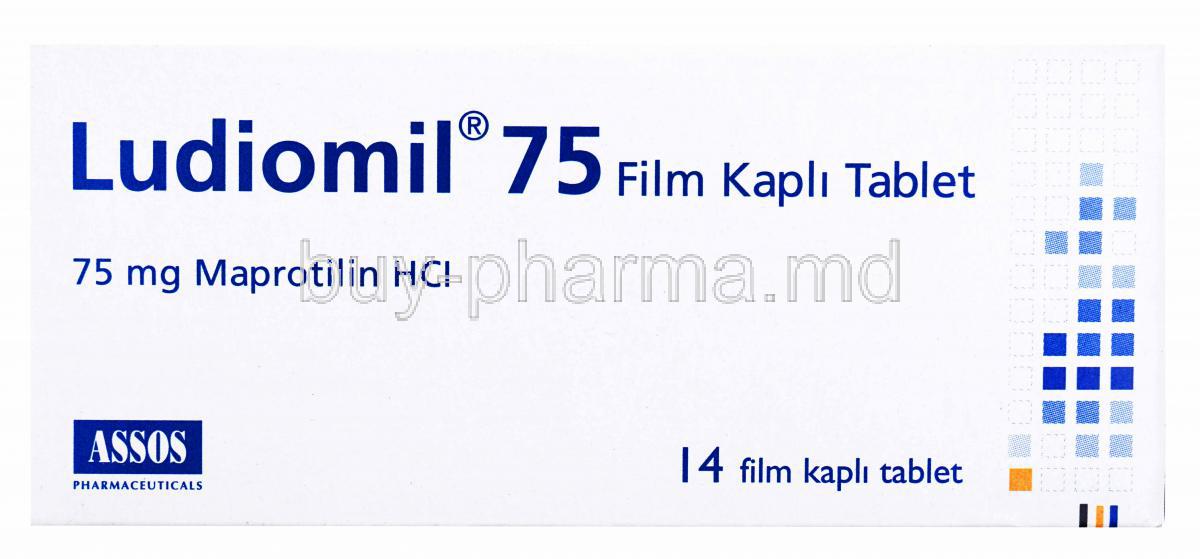

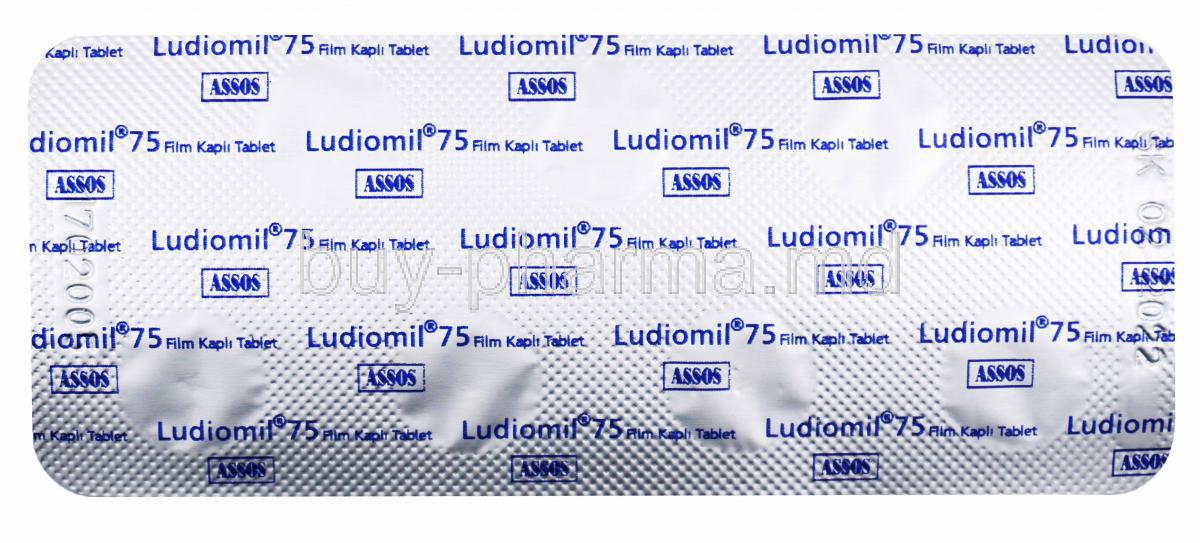
1. Introduction to Ludiomil (Maprotiline)
1.1 What is Ludiomil (Maprotiline)?
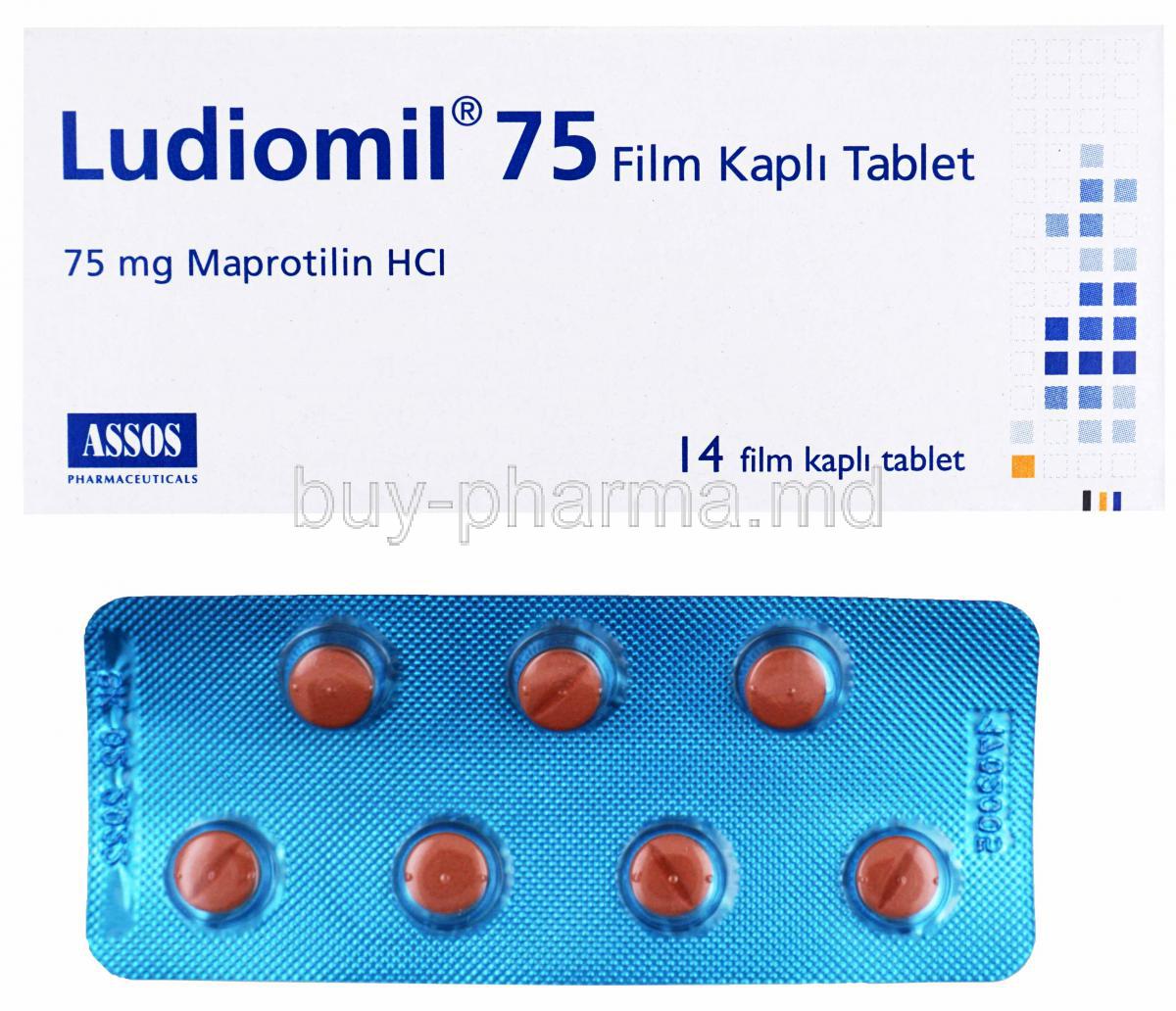
Ludiomil, containing maprotiline hydrochloride, is a centrally acting antidepressant characterized by its distinctive tetracyclic structure. It is primarily prescribed for depressive disorders, particularly those accompanied by anxiety or psychomotor retardation. The compound exerts a pronounced effect on mood stabilization, often producing a calming yet therapeutic response.
1.2 Drug Classification: Tetracyclic Antidepressant Overview
Maprotiline belongs to the tetracyclic antidepressant class, a subgroup that shares pharmacodynamic similarities with tricyclic antidepressants yet demonstrates a more selective neurochemical profile. Its mechanism predominantly targets norepinephrine pathways, distinguishing it from serotonergic-dominant agents.
1.3 Historical Development and Clinical Use
Developed in the mid-20th century, maprotiline emerged as a refinement of earlier antidepressant therapies. It was designed to enhance tolerability while maintaining efficacy. Over time, its clinical use has been refined, often reserved for specific depressive phenotypes.
1.4 Brand Names and Generic Availability
Marketed under the brand name Ludiomil, maprotiline is also widely available in generic formulations. This ensures broader accessibility while maintaining pharmacological equivalence.
1.5 Indications Approved by Regulatory Authorities
Regulatory approvals primarily encompass depressive disorders, especially those with anxiety components. In some jurisdictions, additional indications may be recognized depending on clinical evidence and regulatory discretion.
2. Composition and Formulation
2.1 Active Ingredient: Maprotiline Hydrochloride
The therapeutic efficacy of Ludiomil is attributed to maprotiline hydrochloride, a lipophilic compound that readily crosses the blood-brain barrier, enabling central nervous system activity.
2.2 Available Dosage Forms (Tablets, Strength Variants)
Ludiomil is commonly available in oral tablet formulations, including varying strengths to facilitate individualized dosing strategies. Typical strengths allow titration based on therapeutic response.
2.3 Excipients and Inactive Ingredients
Inactive components may include binding agents, fillers, and stabilizers. These excipients contribute to tablet integrity, bioavailability, and shelf stability without exerting pharmacological effects.
2.4 Pharmacological Class and Chemical Structure
Structurally, maprotiline exhibits a tetracyclic ring system, conferring its classification. This architecture influences receptor affinity and pharmacokinetic behavior.
3. Mechanism of Action (How Ludiomil Works)
3.1 Selective Norepinephrine Reuptake Inhibition
Maprotiline selectively inhibits the reuptake of norepinephrine at presynaptic terminals, thereby increasing synaptic concentrations. This augmentation enhances noradrenergic neurotransmission.
3.2 Effects on Central Nervous System Neurotransmitters
Beyond norepinephrine, the drug exerts modest effects on other neurotransmitters, including serotonin. However, its selectivity remains a defining feature.
3.3 Sedative and Anxiolytic Properties
The compound possesses intrinsic sedative qualities. These are mediated through antihistaminic activity, contributing to its anxiolytic profile.
- Reduction in agitation
- Improved sleep patterns
- Diminished autonomic hyperarousal
3.4 Comparison with Tricyclic and SSRI Antidepressants
Compared to tricyclic antidepressants, maprotiline offers a more targeted noradrenergic effect. In contrast to SSRIs, it lacks strong serotonergic modulation, resulting in a different side effect spectrum.
3.5 Impact on Mood Regulation and Anxiety Symptoms
By modulating catecholaminergic pathways, Ludiomil stabilizes mood, alleviates depressive ideation, and mitigates anxiety symptoms.
4. Uses of Ludiomil (Maprotiline)
4.1 Primary Indication: Major Depressive Disorder (MDD)
The principal indication is major depressive disorder, particularly when characterized by lethargy and psychomotor slowing.
4.2 Treatment of Depression with Anxiety Features
Ludiomil is effective in depressive states accompanied by pronounced anxiety, offering dual therapeutic benefits.
4.3 Management of Endogenous Depression
Endogenous depression, often biologically driven, responds favorably to noradrenergic modulation.
4.4 Use in Chronic Depressive States
In persistent depressive disorders, maprotiline may provide sustained symptom control.
4.5 Role in Treatment-Resistant Depression
For patients unresponsive to first-line therapies, Ludiomil may serve as an alternative option.
5. Off-Label Uses of Maprotiline
5.1 Generalized Anxiety Disorder (GAD)
Maprotiline may attenuate chronic anxiety through its sedative and noradrenergic effects.
5.2 Panic Disorder and Anxiety Spectrum Disorders
In selected cases, it contributes to the reduction of panic episodes.
5.3 Neuropathic Pain Management
Its influence on central pain modulation pathways allows use in neuropathic pain syndromes.
5.4 Insomnia Associated with Depression
Its sedative properties can improve sleep latency and maintenance.
5.5 Somatic Symptom Disorders
Patients with psychosomatic manifestations may experience symptom relief.
5.6 Post-Traumatic Stress Disorder (PTSD)
Though not first-line, it may be considered in refractory PTSD cases.
5.7 Obsessive-Compulsive Symptoms (Limited Evidence)
Evidence remains limited, yet occasional clinical benefit has been observed.
6. Dosage and Administration Guidelines
6.1 Recommended Starting Dose in Adults
Initial dosing typically begins at a low level to minimize adverse effects and allow physiological adaptation.
6.2 Dose Titration and Maintenance Therapy
Gradual titration is essential. Maintenance doses are determined by clinical response and tolerability.
6.3 Maximum Daily Dose Limits
Exceeding recommended maximum doses increases the risk of serious adverse reactions, including seizures.
6.4 Administration Timing (Day vs Night Dosing)
Due to its sedative properties, nighttime administration is often preferred.
6.5 Duration of Treatment and Discontinuation Strategy
Therapy duration varies. Abrupt discontinuation should be avoided to prevent withdrawal phenomena.
6.6 Dose Adjustments in Special Populations
Adjustments may be required in elderly patients or those with organ impairment.
7. Administration in Special Populations
7.1 Administration to Elderly Patients (Dose Reduction and Risks)
Elderly individuals are more susceptible to anticholinergic and cardiovascular effects, necessitating lower doses.
7.2 Administration to Pregnant Women (Risk-Benefit Consideration)
Use during pregnancy requires careful evaluation of potential risks versus therapeutic benefits.
7.3 Use During Breastfeeding and Lactation Safety
Maprotiline may be excreted in breast milk; caution is advised.
7.4 Pediatric Use and Safety Concerns
Safety in pediatric populations is not well established.
7.5 Use in Patients with Renal or Hepatic Impairment
Impaired metabolism or excretion necessitates cautious dosing and monitoring.
8. Side Effects of Ludiomil
8.1 Overview of Adverse Reactions
Adverse reactions range from mild discomfort to severe systemic complications. Vigilance is essential.
8.2 Common Side Effects (Mild to Moderate)
- Dry mouth
- Drowsiness
- Constipation
- Weight gain
- Dizziness
8.3 Serious Side Effects and Risks
- Seizures
- Cardiac arrhythmias
- Severe hypotension
- Suicidal ideation
8.4 Rare but Severe Reactions
Rare reactions may include hypersensitivity, hepatic dysfunction, and hematological abnormalities.
8.5 Long-Term Side Effects
Prolonged use may lead to metabolic changes, weight gain, and persistent sedation.
9. Drug Interactions
9.1 Interaction with MAO Inhibitors (Contraindicated Combination)
Concurrent use with MAO inhibitors can precipitate life-threatening reactions and is strictly contraindicated.
9.2 Interaction with SSRIs, SNRIs, and Other Antidepressants
Combination therapy increases the risk of serotonin imbalance and adverse effects.
9.3 Alcohol and CNS Depressants Interaction
Alcohol potentiates sedation and impairs cognitive function.
9.4 Interaction with Antihypertensives and Cardiac Drugs
Maprotiline may alter cardiovascular responses, necessitating monitoring.
9.5 Cytochrome P450 Enzyme Interactions
Metabolism via hepatic enzymes introduces the potential for pharmacokinetic interactions.
9.6 Interaction with Anticholinergic Medications
Combined anticholinergic effects may exacerbate side effects such as dry mouth and urinary retention.
10. Warnings and Safety Considerations
10.1 Risk of Seizures and Neurological Effects
Maprotiline is associated with a heightened seizure risk, particularly at elevated doses.
10.2 Increased Risk of Suicidal Thoughts in Young Adults
Close monitoring is required during treatment initiation, especially in younger populations.
10.3 Cardiovascular Risk and ECG Monitoring
Cardiac monitoring may be necessary in patients with pre-existing conditions.
10.4 Risk of Orthostatic Hypotension
Patients may experience dizziness upon standing due to blood pressure fluctuations.
10.5 Sedation and Impaired Cognitive Function
Sedative effects can impair daily functioning and psychomotor performance.
10.6 Withdrawal Symptoms and Discontinuation Syndrome
Gradual tapering is essential to avoid withdrawal symptoms such as irritability, insomnia, and malaise.
11. Contraindications
11.1 Hypersensitivity to Maprotiline or Related Compounds
Ludiomil must not be administered in individuals with known hypersensitivity to maprotiline or structurally related compounds. Allergic reactions may manifest abruptly and escalate rapidly, ranging from mild dermatologic eruptions to severe anaphylactoid responses.
11.2 History of Seizure Disorders
Patients with a prior history of seizures are at significantly increased risk. Maprotiline is known to lower the seizure threshold, rendering this population particularly vulnerable to convulsive episodes.
11.3 Recent Myocardial Infarction
Recent myocardial infarction constitutes a strict contraindication. The drug’s potential to influence cardiac conduction and autonomic tone may exacerbate myocardial instability during recovery.
11.4 Severe Cardiac Conduction Disorders
Individuals with advanced conduction abnormalities, such as atrioventricular block or bundle branch defects, should avoid maprotiline. The risk of arrhythmogenic events is heightened.
11.5 Concomitant Use with MAO Inhibitors
Simultaneous administration with monoamine oxidase inhibitors is contraindicated due to the risk of severe pharmacodynamic interactions. These may include hypertensive crises, hyperpyrexia, and neurotoxicity.
11.6 Acute Alcohol or Sedative Intoxication
Use in the setting of acute intoxication with alcohol or central nervous system depressants is inadvisable. Additive sedative effects may culminate in profound respiratory and neurological depression.
12. Careful Administration (Use with Caution)
12.1 Patients with Epilepsy or Lowered Seizure Threshold
Even in the absence of overt seizure disorders, caution is warranted in patients predisposed to seizures. This includes those with head trauma, metabolic disturbances, or concomitant medications that reduce seizure threshold.
12.2 Individuals with Cardiovascular Disease
Cardiovascular comorbidities necessitate vigilant monitoring. Subtle hemodynamic changes may precipitate clinically significant complications.
- Potential for arrhythmias
- Fluctuations in blood pressure
- Exacerbation of ischemic symptoms
12.3 Patients with Glaucoma or Urinary Retention
Anticholinergic effects may aggravate narrow-angle glaucoma or urinary retention. Careful assessment is essential prior to initiation.
12.4 Thyroid Disorders and Hormonal Imbalance
Thyroid dysfunction can alter the pharmacodynamic response to antidepressants. Patients with hyperthyroidism or hypothyroidism require tailored management.
12.5 Patients with History of Substance Abuse
Individuals with a history of substance misuse should be monitored closely. Although not inherently addictive, the sedative properties may lead to misuse in susceptible populations.
13. Important Precautions
13.1 Monitoring Mental Health and Behavioral Changes
Close observation is imperative, particularly during the early phases of therapy. Behavioral alterations may be subtle. They may also be abrupt.
- Emergence of suicidal ideation
- Agitation or irritability
- Uncharacteristic mood fluctuations
13.2 Avoidance of Abrupt Discontinuation
Sudden cessation can precipitate withdrawal phenomena. A gradual tapering strategy is recommended to mitigate discontinuation symptoms.
13.3 Driving and Operating Machinery Precautions
Psychomotor impairment is a notable concern. Patients should be advised to avoid activities requiring heightened alertness until individual response is known.
13.4 Alcohol Consumption Restrictions
Alcohol potentiates central nervous system depression. Concurrent use should be minimized or avoided altogether.
13.5 Regular Medical Follow-Up and Dose Review
Periodic evaluation ensures therapeutic efficacy while minimizing adverse effects. Dose adjustments may be necessary based on clinical progression.
14. Overdosage and Emergency Management
14.1 Symptoms of Maprotiline Overdose
Overdose presents a constellation of severe manifestations. These may develop rapidly and require urgent intervention.
- Severe central nervous system depression
- Convulsions
- Cardiac toxicity, including arrhythmias
14.2 Immediate Medical Response and Treatment
Prompt medical attention is critical. Stabilization of airway, breathing, and circulation forms the cornerstone of initial management.
14.3 Gastric Decontamination and Supportive Care
Interventions may include gastric lavage or activated charcoal administration, depending on the timing of ingestion. Supportive care remains the primary therapeutic approach.
14.4 Prognosis and Recovery Timeline
Prognosis varies according to dose and timeliness of treatment. With appropriate care, recovery is often achievable, though complications may prolong hospitalization.
15. Storage and Handling Precautions
15.1 Recommended Storage Conditions (Temperature, Light, Moisture)
Ludiomil should be stored in a controlled environment, away from excessive heat, light, and humidity. Stability is contingent upon proper storage conditions.
15.2 Shelf Life and Expiry Considerations
Adherence to expiry dates ensures pharmacological integrity. Degraded compounds may exhibit reduced efficacy or altered safety profiles.
15.3 Safe Handling and Disposal Guidelines
Unused or expired medication should be disposed of in accordance with local regulations. Improper disposal may pose environmental risks.
15.4 Keeping Out of Reach of Children
Accidental ingestion can have serious consequences. Secure storage is essential to prevent pediatric exposure.
16. Patient Counseling and Practical Guidance
16.1 How to Take Ludiomil Correctly
Medication should be taken consistently, preferably at the same time each day. Adherence to prescribed dosing enhances therapeutic outcomes.
16.2 What to Do If a Dose is Missed
If a dose is missed, it should be taken as soon as remembered unless it is close to the next scheduled dose. Doubling doses is discouraged.
16.3 Expected Onset of Action and Treatment Timeline
Clinical improvement may not be immediate. Therapeutic effects typically emerge over several weeks, necessitating patience and persistence.
16.4 Adherence Importance and Compliance Tips
Consistency is paramount. Strategies to improve adherence include:
- Setting daily reminders
- Integrating dosing into routine activities
- Maintaining open communication with healthcare providers
16.5 When to Seek Medical Attention
Medical advice should be sought if severe side effects occur or if symptoms worsen. Early intervention can prevent complications.
17. Summary of Key Clinical Points
17.1 Benefits and Therapeutic Role
Ludiomil offers a targeted approach to depressive disorders, particularly those with significant anxiety components. Its noradrenergic action provides a unique therapeutic niche.
17.2 Risks and Safety Profile
While effective, the medication carries notable risks, including seizures and cardiovascular effects. Careful patient selection is essential.
17.3 Best Practices for Safe and Effective Use
Optimal outcomes are achieved through judicious prescribing, patient education, and ongoing monitoring. A balanced approach ensures both efficacy and safety.
Customers also bought

Popular Products
Similar Product