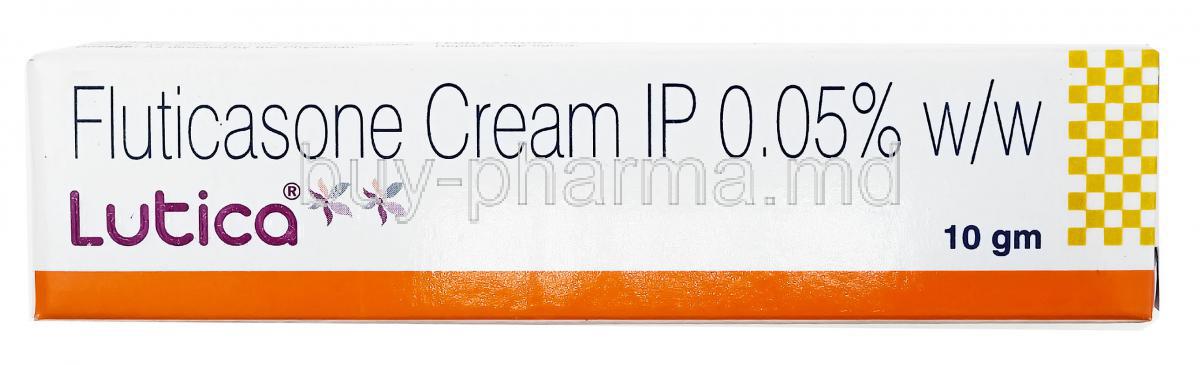
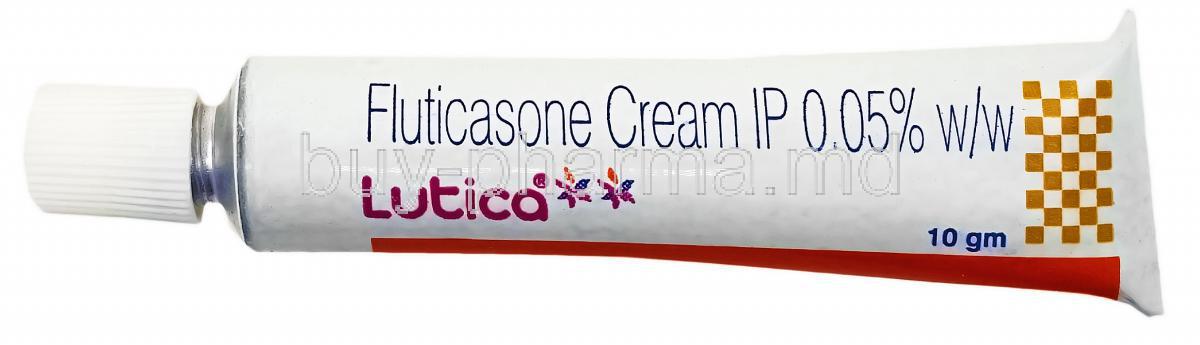
1. Introduction to Lutica Cream (Fluticasone)
1.1 Overview of Lutica Cream
Lutica Cream is a topical dermatological medication formulated with fluticasone, a synthetic corticosteroid recognized for its potent anti-inflammatory properties. It is commonly prescribed to relieve inflammatory skin conditions that produce redness, swelling, itching, and irritation. By addressing the inflammatory cascade directly at the site of application, the cream provides targeted symptomatic relief.
Patients experiencing dermatologic discomfort may benefit from its localized therapeutic action. The cream is particularly valued because it acts directly on affected skin tissue while minimizing systemic exposure when used correctly.
- Reduces inflammation and irritation
- Relieves itching and redness
- Helps restore normal skin function
- Supports recovery from inflammatory skin disorders
1.2 What Is Fluticasone and Its Therapeutic Class
Fluticasone propionate belongs to the pharmacological class known as corticosteroids. These compounds mimic naturally occurring hormones produced by the adrenal cortex and exert strong anti-inflammatory and immunosuppressive effects.
When applied topically, fluticasone primarily acts within the epidermis and dermis. It modulates inflammatory pathways, diminishes immune cell activity, and alleviates dermatologic symptoms that arise from immune-mediated reactions.
- Therapeutic class: topical corticosteroid
- Primary function: anti-inflammatory agent
- Secondary effect: antipruritic activity
1.3 Topical Corticosteroids in Dermatological Treatment
Topical corticosteroids represent a cornerstone of dermatological therapy. These medications are frequently prescribed to manage inflammatory dermatoses, allergic reactions, and immune-mediated skin conditions. Their localized action provides rapid symptom control while limiting systemic effects.
Dermatologists rely on corticosteroid creams because they can suppress inflammatory responses, stabilize cellular membranes, and reduce capillary dilation within affected skin tissues.
- Widely used for inflammatory dermatoses
- Effective in controlling allergic skin reactions
- Useful in reducing swelling and erythema
1.4 Indications for Prescription and Clinical Relevance
Lutica Cream is generally prescribed when patients present with inflammatory skin conditions that do not respond adequately to simple moisturizers or mild topical therapies. Physicians evaluate symptom severity, anatomical location, and patient age before recommending corticosteroid treatment.
Clinical relevance lies in its ability to rapidly reduce symptoms such as pruritus, erythema, and localized swelling. Early intervention with topical corticosteroids can also prevent worsening of inflammatory lesions.
1.5 Forms and Availability of Fluticasone-Based Topical Treatments
Fluticasone-containing dermatological products are available in several formulations to accommodate different skin conditions and anatomical regions. The choice of formulation depends on factors such as lesion location, moisture level of the skin, and severity of inflammation.
- Creams for moderately inflamed or moist skin
- Ointments for dry, thickened lesions
- Lotions for large surface areas or scalp use
2. Composition and Active Ingredients of Lutica Cream
2.1 Active Ingredient: Fluticasone Propionate
The primary therapeutic component of Lutica Cream is fluticasone propionate. This synthetic glucocorticoid possesses strong anti-inflammatory potency and high receptor affinity. It works by modulating inflammatory mediators within skin tissues.
Its pharmacodynamic profile enables effective suppression of inflammatory responses while maintaining relatively low systemic absorption when applied appropriately.
2.2 Pharmacological Classification as a Potent Topical Corticosteroid
Fluticasone propionate is categorized as a medium-to-potent topical corticosteroid depending on formulation and concentration. It is designed to provide strong anti-inflammatory activity while maintaining an acceptable safety profile when used for recommended durations.
This classification makes it suitable for managing moderate inflammatory dermatoses that require more robust intervention than low-potency corticosteroids.
2.3 Inactive Ingredients and Their Functional Roles
In addition to the active pharmaceutical ingredient, Lutica Cream contains several inactive compounds that stabilize the formulation and enhance topical delivery. These excipients do not exert direct pharmacological effects but play important roles in product performance.
- Emollients that maintain moisture balance
- Preservatives that protect product integrity
- Stabilizers that ensure chemical consistency
- Emulsifiers that maintain smooth texture
2.4 Role of Cream Base in Skin Absorption
The cream base is carefully engineered to facilitate effective drug delivery. It enhances the penetration of fluticasone into the epidermis while maintaining comfort during application.
A well-balanced vehicle promotes even distribution across the skin surface. This allows the medication to reach inflamed tissues more efficiently.
2.5 Stability and Formulation Characteristics
Pharmaceutical stability is essential for maintaining therapeutic potency. The formulation of Lutica Cream is designed to preserve the chemical integrity of fluticasone propionate during storage and normal use.
Proper formulation also ensures:
- Consistent drug concentration
- Uniform spreadability
- Controlled absorption into skin tissue
3. How Lutica Cream (Fluticasone) Works
3.1 Mechanism of Action of Fluticasone in Skin Inflammation
Fluticasone exerts its therapeutic effects by binding to intracellular glucocorticoid receptors within skin cells. Once activated, these receptors influence gene transcription, leading to reduced production of inflammatory mediators.
This process effectively suppresses inflammatory pathways that contribute to swelling, redness, and itching.
3.2 Anti-Inflammatory Effects on Immune Mediators
The medication interferes with several components of the immune response. It decreases the migration of inflammatory cells to affected tissues and reduces the release of mediators that promote tissue irritation.
- Inhibition of leukocyte infiltration
- Suppression of inflammatory signaling pathways
- Reduction of edema and erythema
3.3 Suppression of Cytokine and Prostaglandin Production
Cytokines and prostaglandins are chemical mediators that amplify inflammatory responses. Fluticasone significantly reduces the synthesis of these molecules, thereby limiting tissue damage and alleviating symptoms.
Through this biochemical modulation, the medication helps restore equilibrium within inflamed skin tissue.
3.4 Vasoconstrictive Effects in Inflamed Skin
Another important pharmacological property of topical corticosteroids is vasoconstriction. Fluticasone causes localized narrowing of blood vessels, which reduces redness and visible inflammation.
This effect contributes to the rapid visual improvement of inflamed skin lesions.
3.5 Reduction of Itching, Redness, and Swelling
By simultaneously targeting multiple inflammatory pathways, Lutica Cream provides comprehensive symptomatic relief. Patients often notice improvements in itching and redness within a relatively short period after application.
- Reduction of pruritus
- Decrease in skin swelling
- Improvement in overall skin comfort
4. Medical Uses of Lutica Cream (Fluticasone)
4.1 Treatment of Atopic Dermatitis (Eczema)
Atopic dermatitis is a chronic inflammatory condition characterized by itching, dryness, and skin irritation. Lutica Cream helps reduce inflammation and soothe irritated skin, allowing lesions to heal more efficiently.
4.2 Management of Allergic Contact Dermatitis
Allergic contact dermatitis occurs when the immune system reacts to substances such as cosmetics, metals, or fragrances. Fluticasone alleviates inflammation and helps control the allergic response.
4.3 Relief of Irritant Contact Dermatitis
Irritant dermatitis results from exposure to harsh chemicals or environmental factors. Application of Lutica Cream can reduce inflammation and accelerate skin recovery.
4.4 Treatment of Seborrheic Dermatitis
Seborrheic dermatitis commonly affects areas rich in sebaceous glands, including the scalp and face. The anti-inflammatory properties of fluticasone can help control redness and scaling.
4.5 Management of Inflammatory Skin Conditions
Many dermatologic disorders involve inflammatory components. Lutica Cream can be prescribed to alleviate symptoms associated with various inflammatory dermatoses.
4.6 Treatment of Psoriasis (Localized Plaque Psoriasis)
Psoriasis involves accelerated skin cell turnover and chronic inflammation. Fluticasone helps reduce redness, scaling, and irritation in localized lesions.
4.7 Treatment of Lichen Planus and Lichen Simplex Chronicus
These conditions involve thickened, inflamed skin accompanied by intense itching. Corticosteroid therapy reduces inflammation and interrupts the itch-scratch cycle.
4.8 Relief of Insect Bite Reactions
Insect bites may produce localized inflammatory reactions. Topical corticosteroids can reduce swelling and itching associated with these reactions.
4.9 Treatment of Pruritic Skin Disorders
Pruritic dermatoses often cause persistent itching that disrupts daily activities. Fluticasone helps relieve itching by controlling inflammatory processes within the skin.
4.10 Reduction of Skin Inflammation Due to Allergic Reactions
Localized allergic skin reactions can result from environmental triggers, medications, or chemicals. Lutica Cream may be used to reduce inflammation and restore normal skin appearance.
5. Off-Label Uses of Fluticasone Cream
5.1 Off-Label Use in Mild to Moderate Psoriasis
Although not always the first-line treatment, fluticasone may be used in certain cases of psoriasis to control localized inflammation.
5.2 Treatment of Chronic Hand Dermatitis
Chronic hand dermatitis may arise from occupational exposures or repeated irritation. Topical corticosteroids help reduce inflammation and restore skin barrier function.
5.3 Management of Intertrigo and Inflammatory Skin Folds
Inflammation within skin folds may produce redness and discomfort. Short-term corticosteroid therapy can reduce irritation and improve symptoms.
5.4 Use in Cutaneous Lupus Erythematosus (Localized Lesions)
Localized lupus lesions can benefit from anti-inflammatory therapy. Topical corticosteroids may help reduce inflammatory activity in affected areas.
5.5 Treatment of Prurigo Nodularis
Prurigo nodularis involves intensely itchy nodules on the skin. Corticosteroids may help reduce inflammation and alleviate itching.
5.6 Use for Symptomatic Relief in Radiation Dermatitis
Patients undergoing radiation therapy may experience inflammatory skin reactions. Fluticasone cream may provide symptomatic relief in certain cases.
5.7 Management of Skin Reactions from Cosmetic Products
Irritation from cosmetic ingredients can produce redness and itching. Short-term use of topical corticosteroids may calm these inflammatory reactions.
6. Dosage and Administration Guidelines
6.1 Recommended Application Frequency
Lutica Cream is typically applied once or twice daily depending on physician recommendations. Frequency may vary based on symptom severity and clinical response.
6.2 Proper Method for Applying Lutica Cream
The affected skin area should be gently cleaned and dried before application. A small amount of cream is then applied and spread evenly across the lesion.
- Wash hands before and after application
- Apply only to affected areas
- Avoid contact with eyes
6.3 Amount of Cream to Apply (Thin Layer Guidance)
A thin layer is generally sufficient. Excessive application does not improve efficacy and may increase the risk of adverse effects.
6.4 Duration of Treatment and Monitoring
Treatment duration depends on clinical response. Physicians may reassess therapy after several days or weeks to ensure optimal outcomes and prevent unnecessary exposure.
6.5 Use Under Occlusive Dressings
Occlusive dressings can enhance absorption of topical corticosteroids. However, they should only be used when specifically recommended by a healthcare professional.
6.6 Application to Sensitive Skin Areas (Face, Groin, Axillae)
Sensitive regions require cautious application because these areas absorb corticosteroids more readily. Treatment duration in such regions is usually limited.
7. Common Side Effects of Lutica Cream
7.1 Mild Skin Irritation
Some individuals may experience mild irritation at the application site. Symptoms usually resolve after continued use or treatment adjustment.
7.2 Burning or Stinging Sensation at Application Site
A transient burning sensation may occur immediately after application. This effect is generally mild and short-lived.
7.3 Dryness or Peeling of Skin
Occasional dryness or peeling may develop, particularly when the medication is used on already compromised skin.
7.4 Redness or Mild Rash
In certain cases, localized redness or rash may occur. Persistent symptoms should be evaluated by a healthcare professional.
7.5 Temporary Skin Sensitivity
Some patients may experience heightened sensitivity in treated areas. Monitoring skin response during therapy is advisable.
8. Less Common and Serious Side Effects
8.1 Skin Thinning (Cutaneous Atrophy)
Prolonged use of topical corticosteroids may cause thinning of the skin. This condition is more likely when high-potency formulations are used for extended periods.
8.2 Stretch Marks (Striae) Formation
Striae may develop when corticosteroids are applied repeatedly to areas prone to stretching. Prevention involves limiting treatment duration.
8.3 Telangiectasia and Visible Blood Vessels
Long-term corticosteroid therapy may result in visible dilation of superficial blood vessels within the skin.
8.4 Secondary Skin Infections
Corticosteroids can sometimes mask symptoms of infection. Careful monitoring is necessary when treating inflamed skin lesions.
8.5 Allergic Contact Dermatitis
Rarely, patients may develop hypersensitivity reactions to the medication or formulation components.
8.6 Hypopigmentation or Hyperpigmentation
Changes in skin pigmentation may occasionally occur with prolonged topical corticosteroid use.
9. Drug and Product Interactions
9.1 Interaction With Other Topical Corticosteroids
Concurrent use of multiple corticosteroid preparations may increase the risk of systemic absorption and adverse effects.
9.2 Concurrent Use With Topical Antifungal or Antibiotic Agents
Combination therapy may sometimes be prescribed when inflammatory skin disorders coexist with infections.
9.3 Interaction With Immunosuppressive Therapies
Patients receiving systemic immunosuppressive therapy should use topical corticosteroids cautiously due to additive immunosuppressive effects.
9.4 Use With Cosmetic Products and Skin Care Treatments
Certain cosmetic products may irritate treated skin. Mild cleansers and non-irritating moisturizers are generally recommended during treatment.
9.5 Interaction With Occlusive Dressings and Enhanced Absorption
Occlusive dressings significantly increase corticosteroid absorption. This practice should be undertaken only with medical guidance.
10. Warnings Associated With Lutica Cream
10.1 Risk of Systemic Corticosteroid Absorption
Although designed for topical use, excessive application or prolonged therapy may lead to systemic absorption of corticosteroids.
10.2 Risk of Hypothalamic-Pituitary-Adrenal (HPA) Axis Suppression
In rare cases, high levels of systemic corticosteroids may suppress adrenal function. Monitoring is recommended when large areas are treated.
10.3 Risk of Skin Thinning With Prolonged Use
Extended use increases the likelihood of cutaneous atrophy. Limiting therapy duration helps reduce this risk.
10.4 Increased Absorption in Damaged or Inflamed Skin
Inflamed or damaged skin may absorb corticosteroids more readily. Careful dosing and monitoring are recommended.
10.5 Avoiding Application on Open Wounds or Ulcers
The cream should not be applied to open wounds or ulcerated areas unless specifically directed by a healthcare professional.
11. Contraindications
11.1 Hypersensitivity to Fluticasone or Formulation Components
Lutica Cream should not be used by individuals who have demonstrated hypersensitivity to fluticasone propionate or any component of the formulation. Allergic reactions may manifest as redness, itching, swelling, or dermatitis at the application site. In rare circumstances, more pronounced hypersensitivity responses may occur.
Patients with a documented allergy to corticosteroids or topical pharmaceutical excipients should consult a healthcare professional before initiating therapy. Careful review of ingredient lists is essential to prevent adverse reactions.
- History of allergic reaction to corticosteroids
- Sensitivity to preservatives or emulsifying agents
- Prior dermatologic intolerance to topical steroid preparations
11.2 Untreated Bacterial Skin Infections
Topical corticosteroids can suppress immune responses in the skin. Consequently, the application of Lutica Cream on untreated bacterial infections may exacerbate the infection or obscure clinical symptoms.
Common bacterial conditions that require appropriate antimicrobial treatment before corticosteroid use include impetigo and cellulitis. In certain cases, combination therapy with antibacterial agents may be considered under medical supervision.
11.3 Viral Skin Infections (Herpes Simplex, Varicella)
Viral dermatological infections such as herpes simplex and varicella (chickenpox) represent important contraindications. Corticosteroids can diminish the skin’s immune defense mechanisms, potentially facilitating viral replication and lesion progression.
Patients with active viral skin lesions should avoid applying corticosteroid creams unless specifically directed by a physician.
11.4 Fungal Skin Infections Without Antifungal Therapy
Fungal infections including dermatophytosis, candidiasis, and tinea infections should not be treated with corticosteroids alone. Topical steroids may mask symptoms while allowing fungal organisms to proliferate.
When fungal infections are present, antifungal therapy should be initiated first or combined appropriately with corticosteroid treatment if medically indicated.
11.5 Tuberculous or Syphilitic Skin Lesions
Skin manifestations associated with tuberculosis or syphilis require specialized medical management. The immunosuppressive properties of corticosteroids may worsen these conditions or delay appropriate diagnosis.
Use of Lutica Cream on such lesions is therefore contraindicated unless a healthcare professional determines otherwise.
12. Careful Administration and Important Precautions
12.1 Monitoring During Long-Term Therapy
Long-term application of topical corticosteroids requires periodic monitoring to ensure therapeutic safety. Extended use may lead to undesirable dermatologic changes, including thinning of the skin or altered pigmentation.
Healthcare professionals may evaluate treatment progress through visual examination and symptom assessment. Adjustments to dosage or treatment duration may be recommended when necessary.
12.2 Avoiding Excessive or Prolonged Use
Excessive application does not enhance therapeutic efficacy and may increase the likelihood of adverse effects. Applying more medication than recommended may result in unnecessary systemic absorption.
- Use only the prescribed quantity
- Avoid repeated application beyond medical guidance
- Follow recommended treatment duration
12.3 Use on Thin or Sensitive Skin Areas
Certain anatomical regions, including the face, groin, and underarm areas, possess thinner skin that absorbs medications more readily. When corticosteroids are applied to these areas, increased absorption may occur.
For this reason, treatment in such regions is usually limited to short durations and carefully supervised by healthcare professionals.
12.4 Prevention of Accidental Eye Contact
Topical corticosteroids should not come into contact with the eyes. Accidental exposure may lead to irritation or ocular complications if repeated exposure occurs.
Patients should wash their hands thoroughly after application and avoid touching the eye area during treatment.
12.5 Risk of Secondary Infection During Treatment
While corticosteroids reduce inflammation, they may also suppress local immune responses. This suppression can increase susceptibility to secondary infections in some cases.
If signs of infection develop during treatment, medical evaluation is recommended to determine appropriate management.
13. Administration in Elderly Patients
13.1 Age-Related Skin Sensitivity
The aging process often results in thinner, more fragile skin. Elderly patients may therefore exhibit heightened sensitivity to topical corticosteroids.
Careful application and reduced treatment durations may help minimize potential adverse effects in this population.
13.2 Monitoring for Skin Atrophy
Skin atrophy, characterized by thinning and reduced elasticity, may occur with prolonged corticosteroid use. Elderly individuals are particularly susceptible to this condition due to natural age-related skin changes.
- Regular examination of treated areas
- Monitoring for changes in skin texture
- Prompt discontinuation if atrophy develops
13.3 Adjustments in Treatment Duration
Physicians may recommend shorter treatment courses for elderly patients. Individualized therapy ensures that therapeutic benefits are achieved while minimizing potential risks.
14. Administration to Pregnant Women and Nursing Mothers
14.1 Safety Profile During Pregnancy
Topical corticosteroids are generally considered safe when used appropriately during pregnancy. However, excessive or prolonged use may increase systemic absorption.
Healthcare providers typically recommend the lowest effective dose for the shortest duration necessary.
14.2 Risk-Benefit Assessment Before Use
Before initiating therapy during pregnancy, clinicians evaluate the potential benefits of treatment against possible risks. Inflammatory skin conditions that significantly affect quality of life may justify cautious corticosteroid use.
14.3 Potential Fetal Exposure Through Systemic Absorption
Although systemic absorption from topical application is usually minimal, large surface area treatment or prolonged use may increase exposure. Careful adherence to recommended guidelines helps minimize this possibility.
14.4 Guidelines for Use During Breastfeeding
Breastfeeding mothers may use topical corticosteroids under medical guidance. To prevent accidental infant exposure, medication should not be applied directly to areas that may come into contact with the infant’s mouth.
14.5 Avoiding Application Near the Breast Area
Application of corticosteroid creams near the breast area should be avoided immediately before nursing. This precaution helps prevent inadvertent ingestion by the infant.
15. Administration to Pediatric Patients
15.1 Safety and Effectiveness in Children
Children may be prescribed Lutica Cream for specific inflammatory skin conditions. However, pediatric patients require cautious dosing due to differences in skin physiology and absorption patterns.
15.2 Increased Risk of Systemic Absorption in Children
Children possess a higher skin surface area relative to body weight. This anatomical characteristic increases the potential for systemic absorption when topical medications are applied.
- Use minimal effective amounts
- Avoid prolonged treatment durations
- Monitor treatment response carefully
15.3 Monitoring for Growth Suppression
Excessive corticosteroid exposure may theoretically influence growth in pediatric patients. Although uncommon with appropriate topical use, monitoring remains an important precaution during extended therapy.
15.4 Guidelines for Pediatric Dosage and Duration
Healthcare professionals typically recommend shorter treatment courses and careful observation in pediatric populations. Individual treatment plans are often tailored to the severity of the skin condition.
16. Overdosage and Excessive Use
16.1 Symptoms of Topical Corticosteroid Overuse
Excessive or prolonged application of corticosteroid creams may lead to local adverse effects. These symptoms often develop gradually and may include visible changes in skin texture or appearance.
- Skin thinning
- Stretch marks
- Persistent redness
- Delayed wound healing
16.2 Signs of Systemic Corticosteroid Effects
Although rare, systemic effects may occur if large quantities are used over extended periods. Potential symptoms may resemble those associated with systemic corticosteroid exposure.
16.3 Management of Chronic Overexposure
If overexposure is suspected, gradual reduction of corticosteroid use may be recommended. Medical evaluation helps determine appropriate management strategies.
16.4 When to Seek Medical Assistance
Medical consultation should be sought if unusual symptoms develop during treatment. Persistent irritation, signs of infection, or unexpected systemic effects warrant professional evaluation.
17. Storage Recommendations
17.1 Ideal Storage Temperature and Conditions
Lutica Cream should be stored at controlled room temperature. Maintaining stable environmental conditions helps preserve the integrity of the formulation.
17.2 Protection From Heat and Direct Sunlight
Excessive heat or direct sunlight may degrade pharmaceutical compounds. Keeping the medication in a cool, shaded environment helps maintain potency.
17.3 Keeping the Medication Away From Moisture
Moisture exposure may compromise product stability. Storing the cream in a dry location ensures optimal preservation of its formulation.
17.4 Safe Storage Out of Reach of Children
Medications should always be stored in locations inaccessible to children. Proper storage practices help prevent accidental exposure.
18. Handling Precautions and Patient Safety
18.1 Hygienic Application Practices
Maintaining proper hygiene during application is essential to prevent contamination and infection. Hands should be washed thoroughly before and after using the cream.
18.2 Avoiding Contamination of the Cream Tube
The nozzle or opening of the tube should not come into contact with skin or external surfaces. This practice helps maintain the sterility and quality of the medication.
18.3 Proper Disposal of Expired Medication
Expired pharmaceutical products should be disposed of responsibly. Many pharmacies provide medication disposal programs that ensure environmentally safe handling.
18.4 Safe Handling During Daily Dermatological Treatment
Consistent adherence to safe handling practices supports effective treatment outcomes. Patients should follow medical guidance carefully and report any unusual symptoms during therapy.
Lutica Cream, Fluticasone FAQ
Popular Products
Similar Product