
1. Introduction
1.1 Overview of Madopar
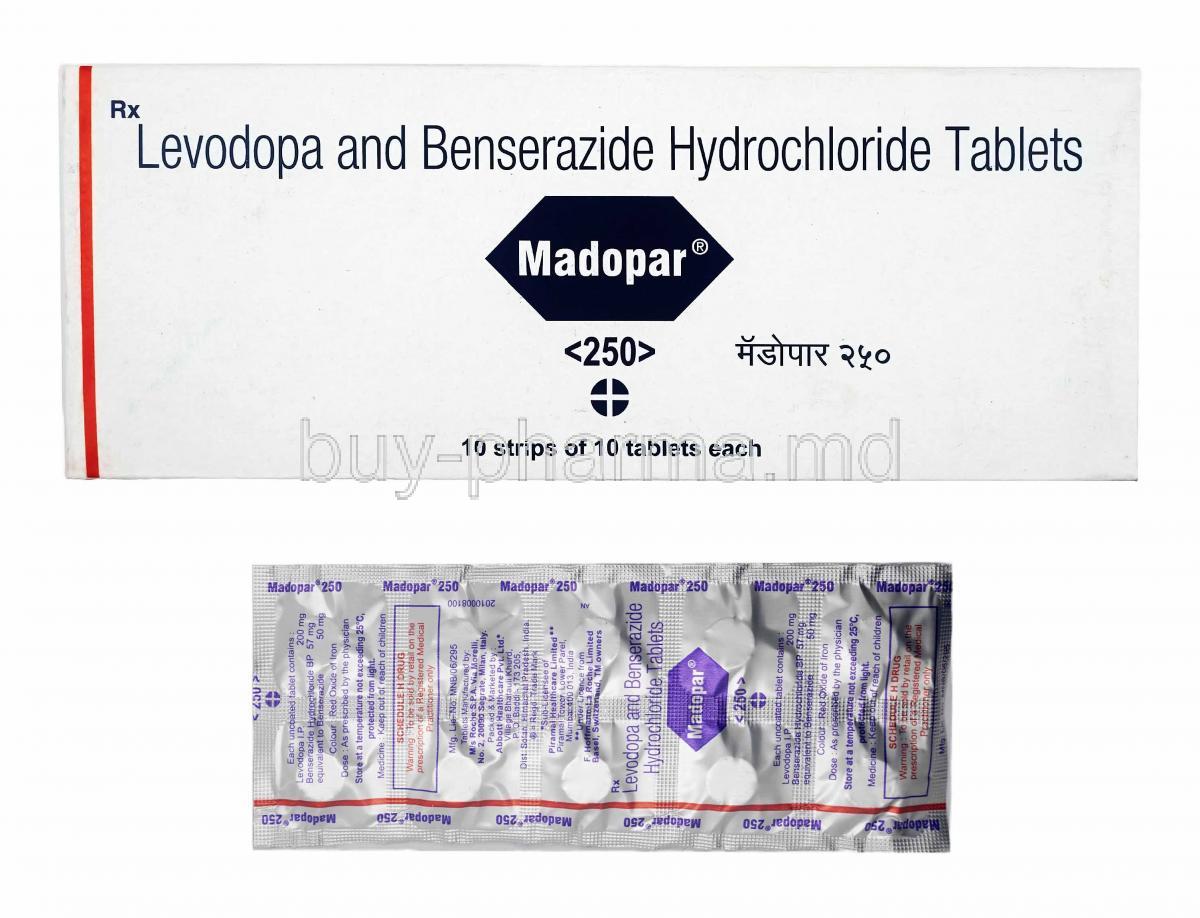
Madopar is a synergistic pharmaceutical combination designed to replenish dopamine levels in individuals living with Parkinson’s disease. It blends levodopa, a dopamine precursor, with benserazide, a decarboxylase inhibitor, to enhance therapeutic efficiency. The medication aims to improve mobility, reduce muscular stiffness, and ease tremors—features that define the hallmark presentation of Parkinsonism.
1.2 Therapeutic Classification of Levodopa/Benserazide
This combination belongs to the class of dopaminergic antiparkinson agents. It directly supports dopamine synthesis within the central nervous system. Its dual mechanism ensures that levodopa reaches the brain without excessive peripheral breakdown.
1.3 History and Development of Combination Therapy
Levodopa has been a cornerstone in Parkinson’s therapy for decades. However, early monotherapy often caused significant systemic side effects. The introduction of benserazide revolutionized treatment by minimizing peripheral metabolism. This combination allowed:
- Lower levodopa doses
- A reduction in gastrointestinal discomfort
- Enhanced central nervous system availability
1.4 Differences Between Madopar and Other Dopaminergic Treatments
While multiple dopaminergic agents exist, Madopar distinguishes itself through its rapid onset and consistent absorption profile. Unlike dopamine agonists, it directly converts to dopamine. Compared with carbidopa-levodopa, patients may find benserazide-containing formulations more tolerable, depending on metabolic response.
1.5 When Madopar Is Preferred Over Other Parkinson’s Medications
Madopar may be favored when individuals experience fluctuating motor symptoms or insufficient response to alternative dopaminergic therapies. It is also beneficial during early treatment phases where precise dose titration is essential.
2. Composition
2.1 Active Ingredients: Levodopa and Benserazide
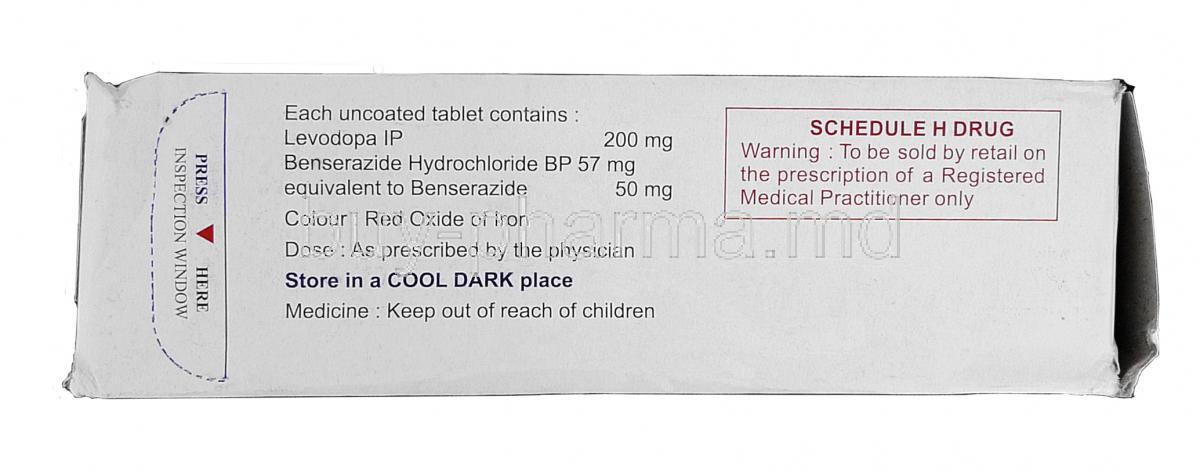
The formulation combines levodopa with benserazide in a fixed ratio to optimize dopamine replacement while minimizing systemic metabolic effects.
2.2 Role of Levodopa as a Dopamine Precursor
Levodopa transforms into dopamine within the brain, compensating for diminished dopaminergic neurons that characterize Parkinson’s pathology.
2.3 Role of Benserazide as a Peripheral Decarboxylase Inhibitor
Benserazide restricts premature conversion of levodopa outside the brain. This prevents peripheral side effects such as nausea and cardiovascular disturbances.
2.4 Available Formulations
Madopar is accessible in various dosage forms, including:
- Capsules
- Standard tablets
- Dispersible tablets for rapid absorption
- HBS (Hydrodynamically Balanced System) prolonged-release capsules
2.5 Strength Variations and Bioavailability Considerations
Multiple strengths enable precise dose adjustments. Bioavailability differs slightly between formulations, with dispersible tablets offering faster systemic uptake.
3. Uses
3.1 Primary Indication: Parkinson’s Disease Symptom Management
Madopar is primarily indicated to address hallmark symptoms such as tremor, rigidity, and bradykinesia, helping improve daily functioning and mobility.
3.2 Treatment of Parkinsonism From Various Etiologies
It is employed in idiopathic Parkinson’s disease, post-encephalitic Parkinsonism, and certain toxin-induced movement disorders.
3.3 Management of Motor Symptoms
The medication helps:
- Enhance voluntary movement
- Reduce muscular rigidity
- Improve gait and coordination
3.4 Prevention of Levodopa Peripheral Conversion
Benserazide protects levodopa from being prematurely converted, ensuring enhanced brain uptake and stronger symptom relief.
3.5 Use in Advanced Parkinson’s Disease With Motor Fluctuations
In later disease stages, Madopar assists individuals experiencing “on-off” fluctuations or wear-off phenomena, helping balance symptom control.
4. Off-Label Uses
4.1 Restless Legs Syndrome (RLS)
Levodopa-containing regimens may help alleviate uncomfortable leg sensations and nocturnal restlessness.
4.2 Dopamine-Responsive Dystonia
Some forms of dystonia respond remarkably well to low-dose levodopa therapy.
4.3 Drug-Induced Parkinsonism
Though used with caution, it may improve symptoms arising from certain antipsychotic or antiemetic medications.
4.4 Parkinsonism-Plus Syndromes
Evidence is limited, but it may provide partial benefit in conditions such as multiple system atrophy.
4.5 Experimental Uses
Emerging studies explore dopaminergic therapy for various movement disorders where dopamine pathways may be implicated.
5. How Madopar Works
5.1 Mechanism of Action of Levodopa
Levodopa acts as a direct precursor to dopamine, replenishing neurotransmitter deficits within the basal ganglia.
5.2 Prevention of Peripheral Breakdown
Benserazide blocks the enzyme responsible for premature levodopa conversion, prolonging its systemic availability.
5.3 Central Nervous System Availability
The combination ensures a higher proportion of the active compound reaches the brain, amplifying motor improvements.
5.4 Impact on Motor Function
Madopar enhances muscle coordination, smooths movement execution, and reduces rigidity.
5.5 Pharmacokinetics and Pharmacodynamics
Absorption is rapid, particularly with dispersible forms. Plasma peaks occur swiftly, resulting in prompt symptom relief.
5.6 Onset of Action and Duration of Effect
Most patients observe improvement within minutes to an hour. Duration varies depending on formulation.
6. Dosage and Administration
6.1 General Dosing Guidelines
Therapy typically begins with low doses, gradually increasing to achieve optimal symptom control.
6.2 Titration Schedules
Dose adjustments should be slow and methodical to minimize side effects.
6.3 Switching From Other Levodopa Formulations
Transition should be gradual, often requiring recalibration of dose ratios.
6.4 Adjustments for Advanced Parkinson’s Disease
Patients with unpredictable motor fluctuations may require prolonged-release formulations or fractional dosing.
6.5 Administration Instructions for Dispersible Tablets
These tablets dissolve in water and are useful for individuals with swallowing difficulties or those needing rapid onset therapy.
6.6 Food Interactions and Timing
High-protein meals may interfere with levodopa absorption. Taking doses on an empty stomach often improves effectiveness.
6.7 Missed Dose Management
If a dose is missed, it should be taken promptly unless the next dose is near. Doubling doses is generally discouraged.
6.8 Considerations for Renal or Hepatic Impairment
Careful assessment is required in patients with organ impairment, as metabolism and excretion may be altered.
7. Side Effects
7.1 Overview of Possible Adverse Reactions
Adverse effects range from mild gastrointestinal discomfort to more complex neurological reactions.
7.2 Gastrointestinal Side Effects
Nausea, vomiting, and appetite fluctuations are relatively common.
7.3 Cardiovascular Reactions
Blood pressure changes, palpitations, and orthostatic hypotension may occur.
7.4 Neuropsychiatric Effects
Some individuals may experience hallucinations, mood alterations, or confusion.
7.5 Motor Complications
Dyskinesias—including involuntary or choreiform movements—are often dose-related.
7.6 Long-Term Complications
Chronic use may lead to wearing-off, dose unpredictability, or exaggerated motor fluctuations.
8. Common Side Effects
8.1 Nausea, Vomiting, and Appetite Loss
These usually occur early in treatment and often improve as the body adapts.
8.2 Dizziness and Orthostatic Hypotension
Sudden drops in blood pressure may cause lightheadedness or fainting.
8.3 Sleep Disturbances and Daytime Sleepiness
Fatigue, vivid dreams, and sleep attacks may interfere with daily activities.
8.4 Dyskinesia and Involuntary Movements
Involuntary movements can emerge with long-term therapy or higher doses.
8.5 Mood Changes and Mild Confusion
Irritability or slight cognitive slowing may occur.
8.6 Dry Mouth and Headaches
These are generally mild but may persist in some individuals.
9. Serious Side Effects and Warning Signs
9.1 Severe Hallucinations, Agitation, and Psychosis
Intense behavioral changes require immediate medical evaluation.
9.2 Impulse Control Disorders
Some patients may develop compulsive behaviors, such as gambling or binge eating.
9.3 Sudden Onset of Sleep Episodes
These unpredictable episodes can occur during routine activities and pose safety risks.
9.4 Neuroleptic Malignant Syndrome-Like Symptoms
Abrupt discontinuation may trigger severe rigidity, fever, or altered consciousness.
9.5 Severe Dyskinesia
Excessive involuntary movement may necessitate dose adjustments.
9.6 Cardiac Irregularities or Arrhythmias
Palpitations or rhythm disturbances require urgent review.
10. Contraindications
10.1 Absolute Contraindications
Non-selective MAOIs must not be used concurrently due to risk of hypertensive crisis.
10.2 Hypersensitivity to Levodopa or Benserazide
Individuals with known allergies to these components should avoid this medication.
10.3 Narrow-Angle Glaucoma
Increased intraocular pressure may worsen with dopaminergic therapy.
10.4 Severe Heart, Liver, or Kidney Disease
Compromised organ function may heighten risk of adverse reactions.
10.5 History of Melanoma or Suspicious Skin Lesions
Levodopa may influence melanin synthesis, necessitating careful screening.
10.6 Psychiatric Conditions Worsened by Dopaminergic Therapy
Conditions such as bipolar disorder or psychosis may exacerbate with treatment.
```html
11. Careful Administration
11.1 Patients with Cardiovascular Disease
Individuals with underlying cardiovascular pathology require prudence when initiating Madopar therapy. The medication may induce fluctuations in blood pressure or heart rate. These changes, although often transient, can become clinically significant in patients with arrhythmias, ischemic heart disease, or congestive cardiac impairment.
- Regular monitoring of blood pressure
- Assessment of heart rhythm abnormalities
- Gradual dose escalation to limit hemodynamic stress
11.2 Patients with Psychiatric or Mood Disorders
Psychiatric stability is essential when prescribing dopaminergic agents. Madopar may precipitate or worsen hallucinations, agitation, or mood fluctuations in susceptible patients. Individuals with bipolar disorder, psychosis, or severe anxiety require intensified surveillance.
- Close psychiatric follow-up
- Caution with concomitant psychoactive agents
- Adjustment of dosage upon emergence of behavioral changes
11.3 Patients with Peptic Ulcer Disease
Gastrointestinal irritation may occur with levodopa-based treatments. Those with active or historical peptic ulcers may experience exacerbation of gastric discomfort or bleeding risk.
- Use of gastric protective agents when appropriate
- Avoidance of NSAIDs that compound mucosal injury
11.4 Patients with Endocrine Disorders
Madopar may influence hormonal balance due to its dopaminergic mechanism. Conditions such as hyperthyroidism or adrenal dysfunction may require tailored dosing strategies and endocrine evaluation.
11.5 Patients with Respiratory Impairment
Respiratory conditions like chronic obstructive pulmonary disease (COPD) may complicate treatment. Levodopa may occasionally impact respiratory drive or muscle coordination. Monitoring for breathing irregularities is recommended.
11.6 Patients with Orthostatic Hypotension Risk
Postural blood pressure drops are a recognized risk with dopaminergic therapy. Patients who are predisposed—due to age, dehydration, or concomitant medications—should adopt deliberate positional changes.
- Slowly rising from seated or lying positions
- Adequate hydration
- Regular cardiovascular assessment
11.7 Patients Taking Antihypertensive or Sedative Medications
Co-administration with antihypertensives or sedatives may potentiate hypotension or sedation. Dose adjustments or intensified monitoring may be necessary to maintain therapeutic safety.
12. Important Precautions
12.1 Risk of Sudden Sleep Attacks
Madopar may cause abrupt episodes of overwhelming sleepiness. These can occur without warning, even during engaging activities. Patients must be vigilant, particularly during the early stages of therapy.
12.2 Avoiding Abrupt Discontinuation
Sudden withdrawal can provoke severe complications, including neuroleptic malignant syndrome-like reactions. Tapering is always recommended.
12.3 Monitoring for Impulse Control Behaviors
Compulsive behaviors—gambling, overeating, shopping—may arise during dopaminergic therapy. Early recognition is crucial to prevent personal or financial harm.
12.4 Regular Skin Checks for Melanoma Risk
Because levodopa participates in melanin synthesis pathways, routine dermatologic evaluations are advised to detect concerning skin changes.
12.5 Avoiding Alcohol and CNS Depressants
Concurrent use may intensify sedation, impair coordination, or worsen cognitive effects. Alcohol should be minimized or avoided entirely.
12.6 Dietary Protein Interactions with Levodopa Absorption
Large protein loads compete with levodopa for intestinal transport. Prescription timing and dietary adjustments can enhance medication effectiveness.
12.7 Driving and Machinery Operation Warnings
Due to risks of dizziness, sleep attacks, and psychomotor impairment, caution is advised before engaging in activities requiring high alertness.
13. Drug Interactions
13.1 Interactions with MAO Inhibitors (MAOI-A and MAOI-B)
Non-selective MAOIs pose significant risk by elevating blood pressure to dangerous levels when combined with levodopa. Selective MAO-B inhibitors require dosage adjustments but may be permissible under supervision.
13.2 Antipsychotics that Antagonize Dopamine Receptors
Typical and some atypical antipsychotics may counteract the therapeutic effect of levodopa, leading to worsened motor symptoms.
13.3 Antihypertensive Agents and Risk of Hypotension
Combined therapy can cause profound drops in blood pressure. Titration and blood pressure monitoring are advisable.
13.4 Iron Supplements Reducing Levodopa Absorption
Iron compounds can bind levodopa in the gastrointestinal tract, reducing its bioavailability. Separation of dose timing is recommended.
13.5 High-Protein Diet Affecting Drug Efficacy
A protein-rich diet competes with levodopa for amino acid transporters. Adjusting dietary intake or re-timing medication can improve response.
13.6 Interactions with Antidepressants (TCAs, SSRIs)
Certain antidepressants may potentiate side effects such as hypertension or serotonin imbalance. Clinical judgment is essential.
13.7 Interactions with Anesthetic Agents
Anesthetic drugs may interact unpredictably with dopaminergic therapy. Temporary adjustments before surgical procedures may be necessary.
14. Administration in Special Populations
14.1 Administration to Elderly Patients
Elderly individuals often exhibit heightened sensitivity to neuropsychiatric effects such as confusion or hallucinations. Careful titration ensures optimal tolerability.
- Dose reductions may be appropriate
- Frequent reassessment of cognitive status
14.2 Administration to Pregnant Women
Safety during pregnancy remains uncertain. Animal studies indicate potential teratogenic risks. Use during labor and delivery is generally avoided unless benefits justify risks.
14.3 Administration to Nursing Mothers
Levodopa is excreted into breast milk. Infants may experience adverse effects, necessitating avoidance or cessation of breastfeeding during therapy.
14.4 Administration to Children
Safety data for pediatric use is limited. Treatment may only be considered in highly specialized cases such as dopamine-responsive dystonia.
15. Overdosage
15.1 Symptoms of Levodopa/Benserazide Overdose
Overdose symptoms include severe nausea, arrhythmias, agitation, excessive movements, or profound hypotension.
15.2 Cardiovascular and Neurological Toxicity
Toxicity may manifest as irregular heartbeat, hallucinations, or extreme drowsiness. Early recognition is crucial.
15.3 Emergency Medical Management
Immediate medical attention is essential. Gastric decontamination may be considered depending on timing.
15.4 Supportive Care and Monitoring
Management typically includes:
- Cardiac monitoring
- Fluid support
- Symptomatic treatments for agitation or arrhythmia
15.5 Long-Term Consequences After Overdose
Most individuals recover fully with appropriate care, though prolonged neurological disturbances may rarely persist.
16. Storage
16.1 Recommended Storage Temperature
Madopar should be stored at controlled room temperature, away from excessive heat.
16.2 Protecting from Moisture and Light
Exposure to humidity or direct sunlight may compromise tablet stability. Containers should remain tightly sealed.
16.3 Safe Storage Away from Children and Pets
Accidental ingestion poses serious risks, making secure storage essential.
16.4 Shelf Life and Expiration Information
Products should not be used beyond the printed expiration date, as potency and safety cannot be guaranteed.
17. Handling Precautions
17.1 Safe Handling for Caregivers
Caregivers should wash hands after handling tablets and avoid direct contact with broken or crushed medication.
17.2 Crushing or Splitting Warnings
Not all formulations are suitable for splitting. Prolonged-release capsules should never be crushed.
17.3 Disposal Instructions for Unused Medication
Unused medication should be disposed of according to local pharmaceutical waste regulations, avoiding household trash when possible.
17.4 Transport Considerations for Patients Traveling
Tablets should remain in original packaging when traveling. Patients are encouraged to carry medical identification indicating levodopa therapy.
```html
 Verified Purchase
Had medication my uncle needed in stock when no one else did.
My uncle needed Madopar 250 for his Parkinson's disease. He's from the EU, and Madopar 250 has been on backorder for months at all pharmacies in his country. He came here to the U.S. looking for help, but Madopar has never been available here.
I reached out to buy-pharma.md and not only did they have the medication in stock, but the price was better than what my uncle paid back home.
Placed my order, paid, and was contacted by Robert who kept me up to date on everything. Shipped quickly, no issues with U.S. customs, and arrived to my mail box in time for my uncle to get it before he had to head back to Germany.
Thank you Robert for making me a new repeat customer.
Popular Products




Similar Product