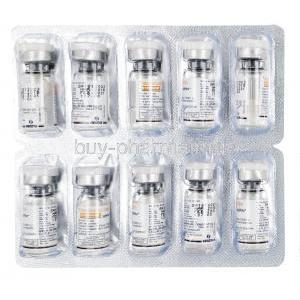

Introduction to Magnilek (Gadopentetic Injection)
Magnilek is a gadolinium-based contrast agent (GBCA) formulated for use in magnetic resonance imaging. It is administered intravenously to enhance tissue contrast, thereby improving the clarity and diagnostic value of MRI scans. As a paramagnetic compound, Magnilek plays a pivotal role in modern radiological diagnostics, particularly in the detection and characterization of pathological lesions.
From a therapeutic classification standpoint, Magnilek belongs to the group of extracellular MRI contrast media. Its clinical relevance lies in its ability to transiently alter local magnetic properties without exerting a pharmacologic effect on tissues. Globally, gadopentetic acid–based agents have been widely adopted in routine and advanced imaging protocols, subject to regulatory oversight that emphasizes patient safety and appropriate use.
Composition and Pharmaceutical Characteristics
The active ingredient in Magnilek is gadopentetic acid, formulated as gadopentetate dimeglumine. This chelated gadolinium complex is engineered to maintain stability in vivo while allowing effective magnetic interaction during imaging.
- High hydrophilicity and extracellular distribution
- Defined osmolality to support intravenous administration
- Clear, aqueous solution designed for parenteral use
The formulation includes excipients that support solubility, stability, and sterility. Magnilek is typically supplied in standardized strengths suitable for weight-based dosing, ensuring flexibility across diagnostic indications and patient populations.
Mechanism of Action: How Magnilek Works
Gadolinium possesses strong paramagnetic properties. When administered as gadopentetic acid, it shortens the T1 relaxation time of nearby hydrogen protons. This effect leads to increased signal intensity on T1-weighted MRI sequences.
After intravenous injection, Magnilek distributes rapidly within the extracellular fluid space. It does not cross intact blood–brain barriers but accumulates in areas where vascular permeability is altered. Consequently, pathological tissues such as tumors, inflammatory lesions, or areas of breakdown become conspicuously enhanced compared to surrounding normal structures.
Approved Diagnostic Uses of Magnilek
Magnilek is approved for contrast-enhanced MRI of the central nervous system, including the brain and spinal cord. It assists in the detection, localization, and characterization of intracranial lesions such as primary tumors, metastases, and inflammatory processes.
Beyond neuroimaging, Magnilek is employed in contrast-enhanced MRI of the body. This includes visualization of:
- Liver and biliary structures
- Kidneys and urinary tract
- Pancreas and retroperitoneal tissues
- Soft tissue masses
It also provides supportive enhancement in vascular imaging applications that do not require dedicated angiographic protocols.
Expanded and Off-Label Uses
In clinical practice, Magnilek may be utilized beyond its primary indications. Magnetic resonance angiography is one such application, where vascular structures are highlighted to assess patency and anatomy.
Additional off-label uses include cardiac MRI enhancement, musculoskeletal imaging for inflammatory or neoplastic conditions, and advanced oncologic protocols evaluating tumor perfusion and vascularity. In select cases, it is used in pediatric neuroimaging when enhanced visualization is deemed essential.
Dosage and Administration Guidelines
Magnilek is administered via intravenous injection. Standard dosing is calculated based on body weight, allowing tailored contrast delivery for optimal imaging results.
- Single bolus injection under controlled conditions
- Injection rate adjusted to imaging protocol requirements
- Careful consideration of repeat dosing and cumulative exposure
Imaging is typically performed shortly after administration to coincide with peak tissue enhancement. Dose adjustments may be necessary in patients with altered renal function or other risk factors.
Use in Special Populations
Administration to Elderly Patients
Elderly individuals may exhibit age-related reductions in renal function. Dose selection should therefore be conservative, with renal parameters assessed prior to administration. Increased vigilance is warranted due to a higher susceptibility to adverse reactions.
Administration to Pregnant Women
Gadopentetic acid can cross the placental barrier. Use during pregnancy requires a careful risk–benefit assessment, and administration is generally reserved for situations where diagnostic information is critical and alternative modalities are inadequate.
Administration to Nursing Mothers
Small amounts of gadolinium-based contrast agents may be excreted into breast milk. Temporary interruption of breastfeeding may be considered, guided by clinical judgment and local recommendations.
Administration to Children
Pediatric dosing is strictly weight-based. While Magnilek has been used in children, including infants, careful monitoring is essential, particularly in neonates with immature renal function.
Side Effects Profile
Adverse reactions associated with Magnilek range from mild, transient effects to rare but serious complications. Reactions may occur immediately or be delayed, influenced by dose, renal function, and individual sensitivity.
Common Side Effects
- Nausea or vomiting
- Headache
- Dizziness
- Injection site discomfort
- Transient sensations of warmth or cold
Less Common and Serious Adverse Effects
Serious reactions are uncommon but clinically significant. These include hypersensitivity responses, cardiovascular or respiratory symptoms, and the rare development of nephrogenic systemic fibrosis in patients with severe renal impairment. Long-term gadolinium retention has also been a subject of ongoing clinical evaluation.
Warnings and Safety Information
The most critical safety concern associated with Magnilek is the risk of nephrogenic systemic fibrosis in susceptible patients. Renal function assessment prior to administration is essential.
Additional warnings include the potential for hypersensitivity or anaphylactoid reactions, particularly in patients with a history of contrast allergies. Cumulative gadolinium exposure should be minimized, and standard MRI safety protocols must always be observed.
Contraindications
Magnilek is contraindicated in individuals with known hypersensitivity to gadopentetic acid or any formulation components. It should not be used in patients with severe renal impairment or a documented history of gadolinium-related nephrogenic systemic fibrosis. In such cases, alternative imaging strategies should be considered.
Drug Interactions
Magnilek may interact with certain medicinal products and diagnostic agents, primarily through effects on renal function and contrast elimination. Although it does not undergo metabolic transformation, concomitant therapies can influence its safety profile.
Interaction with Nephrotoxic Agents
Concurrent use of nephrotoxic medications may potentiate renal stress and delay elimination of gadopentetic acid. Agents requiring particular caution include:
- Aminoglycoside antibiotics
- Nonsteroidal anti-inflammatory drugs used at high doses
- Certain chemotherapeutic agents
In such settings, renal function should be evaluated carefully, and alternative imaging strategies considered when appropriate.
Impact of Concurrent Contrast Agents
Administration of multiple contrast agents within a short interval may increase cumulative renal burden. Sequential use of gadolinium-based agents or combination with iodinated contrast media warrants spacing between procedures and reassessment of renal parameters.
Considerations with Diuretics and Renal Medications
Diuretics may exacerbate dehydration, indirectly affecting renal clearance of Magnilek. Likewise, medications that alter renal hemodynamics can influence contrast elimination. Adequate hydration and individualized risk assessment remain essential.
Laboratory Test Interference
Transient interference with certain laboratory assays has been reported following gadolinium administration. Serum calcium measurements, in particular, may yield spurious results if testing is performed shortly after imaging.
Careful Administration and Important Precautions
The safe use of Magnilek relies on meticulous patient evaluation and adherence to precautionary measures before, during, and after administration.
Pre-imaging Renal Function Assessment
Assessment of renal function is fundamental prior to contrast administration. Estimated glomerular filtration rate provides critical insight into elimination capacity and risk stratification.
Patient Hydration Recommendations
Adequate hydration before and after imaging supports renal clearance of gadopentetic acid. Patients should be encouraged to maintain sufficient fluid intake unless contraindicated.
Emergency Preparedness for Allergic Reactions
Although rare, hypersensitivity reactions may occur. Imaging facilities should maintain immediate access to resuscitation equipment and emergency medications to manage acute reactions effectively.
Monitoring During and After Administration
Patients should be observed during injection and for a period thereafter. Early recognition of adverse responses allows prompt intervention and mitigation of complications.
Risk Minimization Strategies
Strategies to reduce risk include:
- Using the lowest effective dose
- Avoiding unnecessary repeat examinations
- Careful selection of patients based on clinical necessity
Overdosage Information
Accidental overdose with Magnilek is uncommon due to controlled administration in clinical settings. Nevertheless, understanding potential consequences remains important.
Expected Symptoms of Overdose
Excessive exposure may intensify known adverse effects, including gastrointestinal discomfort, cardiovascular changes, or altered renal parameters.
Acute Toxicity Profile
Acute toxicity is primarily related to osmotic load and renal handling rather than direct pharmacologic toxicity. Severe reactions are rare but warrant immediate medical attention.
Supportive and Symptomatic Management
Management focuses on supportive care, monitoring of vital signs, and maintenance of renal function. No specific antidote exists for gadopentetic acid.
Role of Hemodialysis in Overdose Scenarios
Hemodialysis can facilitate removal of gadolinium-based contrast agents from circulation, particularly in patients with compromised renal function. Its use should be guided by clinical judgment.
Importance of Medical Supervision
All suspected overdose situations require close medical supervision to ensure timely intervention and prevention of secondary complications.
Storage and Stability
Proper storage conditions are essential to preserve the integrity and effectiveness of Magnilek.
Recommended Storage Temperature
Magnilek should be stored at controlled room temperature, in accordance with manufacturer specifications.
Protection from Light and Freezing
Exposure to excessive light or freezing temperatures may compromise product stability. Containers should be kept in their original packaging until use.
Shelf-life Considerations
The product should not be used beyond its labeled expiration date. Visual inspection for particulate matter or discoloration is advised prior to administration.
Handling of Opened Vials
Opened vials are intended for single use. Any unused portion should be discarded to prevent contamination.
Handling and Disposal Precautions
Safe handling practices protect both healthcare professionals and the environment from unnecessary exposure.
Safe Handling Practices for Healthcare Professionals
Standard precautions should be observed during preparation and administration, including the use of gloves and appropriate protective equipment.
Aseptic Preparation Guidelines
Aseptic technique is mandatory to maintain sterility. Syringes and infusion systems should be prepared immediately before use.
Disposal of Unused Product
Unused Magnilek and contaminated materials should be disposed of in accordance with institutional protocols and local regulations.
Environmental Considerations for Gadolinium-Based Agents
Given growing awareness of environmental gadolinium residues, responsible disposal practices are encouraged to minimize ecological impact.
Magnilek, Gadopentetic Injection FAQ
Popular Products