
1. Introduction
1.1 Overview of Medrol and its classification as a corticosteroid
Medrol, containing the active compound methylprednisolone, is a potent synthetic corticosteroid widely used for its anti-inflammatory and immunosuppressive properties. Classified under glucocorticoids, it mimics natural hormones produced by the adrenal cortex, helping to regulate inflammation, metabolism, and immune responses.
1.2 Historical development and medical significance of methylprednisolone
Introduced in the mid-20th century, methylprednisolone marked a pivotal advancement in corticosteroid pharmacology. It offered clinicians a more refined tool for managing autoimmune and inflammatory diseases with fewer mineralocorticoid effects compared to earlier steroids such as cortisone. Its broad therapeutic index solidified its role in both acute and chronic treatment regimens across multiple medical disciplines.
1.3 Difference between Medrol and other corticosteroids such as Prednisone and Dexamethasone
Medrol differs from Prednisone and Dexamethasone in both potency and pharmacokinetic profile. It demonstrates:
- Higher glucocorticoid activity than Prednisone, offering stronger anti-inflammatory action.
- Lower mineralocorticoid effect, reducing the risk of fluid retention and hypertension.
- Intermediate duration of action—longer than Hydrocortisone but shorter than Dexamethasone—allowing for flexible dosing schedules.
1.4 Therapeutic benefits and general mechanism overview
Medrol alleviates inflammation and suppresses immune overactivity by altering gene transcription within immune cells. It reduces cytokine production, stabilizes lysosomal membranes, and decreases vascular permeability. These actions collectively alleviate swelling, pain, and allergic reactions across a range of disorders. ---
2. Composition and Formulation
2.1 Active ingredient: Methylprednisolone and its chemical structure
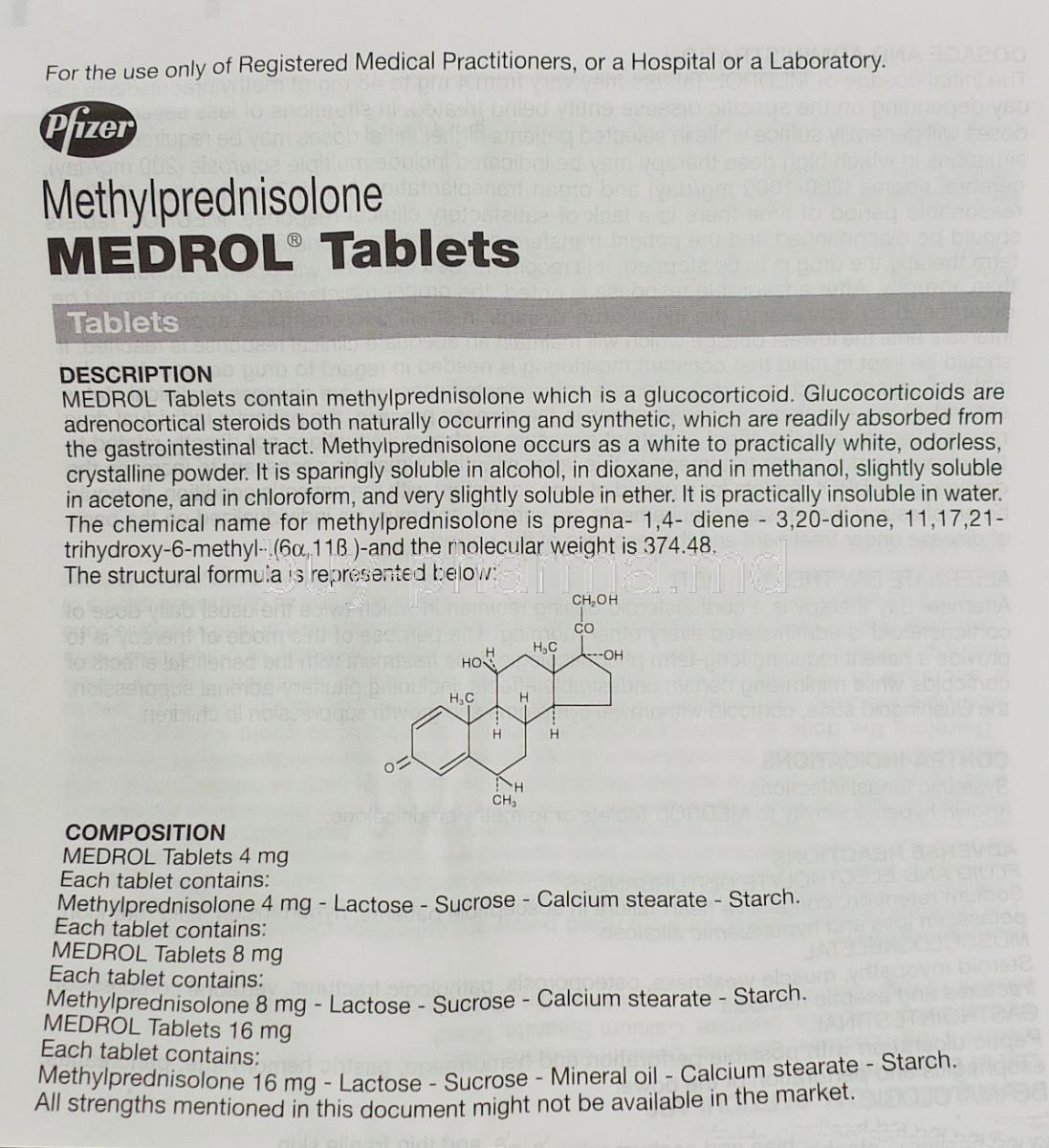
The active pharmaceutical ingredient is methylprednisolone, a synthetic glucocorticoid with the chemical formula C22H30O5. Structurally, it is a derivative of prednisolone with a methyl group at the 6α position, enhancing its anti-inflammatory potency.
2.2 Available strengths and dosage forms (tablet, injection, dose packs)
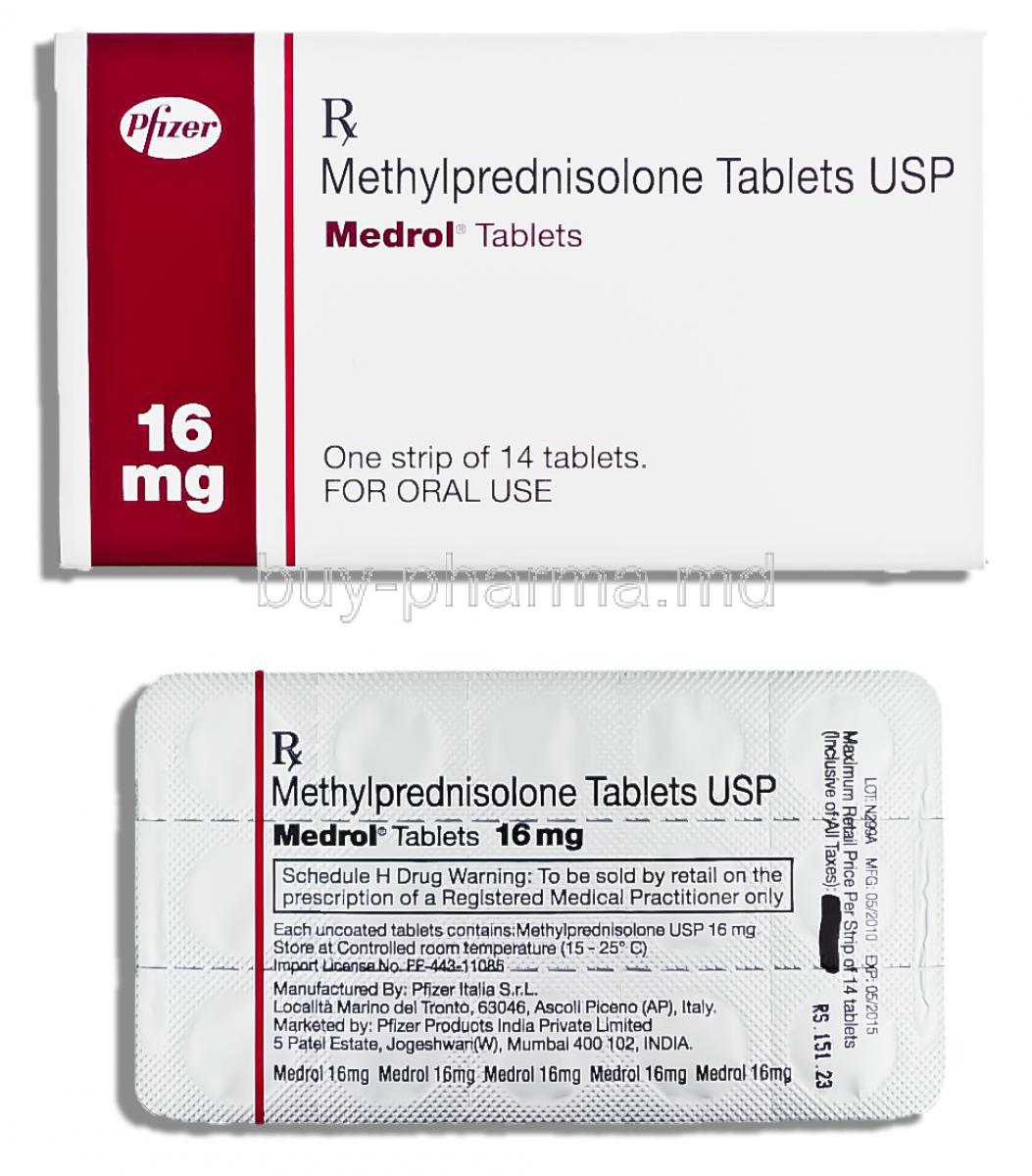
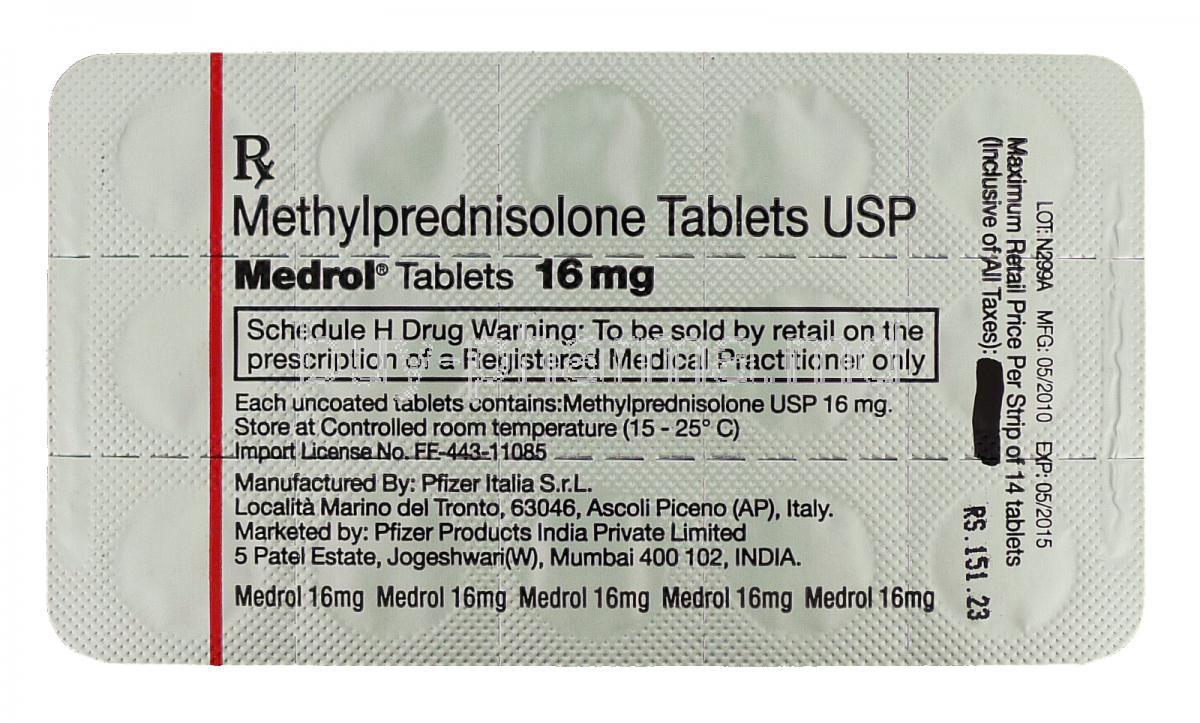
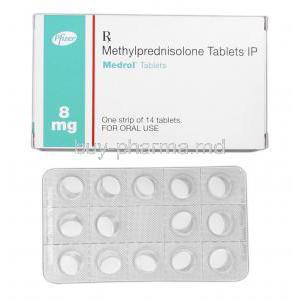
Medrol is available in multiple oral tablet strengths such as 4 mg, 8 mg, 16 mg, and 32 mg. It is also supplied as an injectable solution and in Medrol Dose Packs for short-term tapering regimens.
2.3 Inactive ingredients and formulation stability
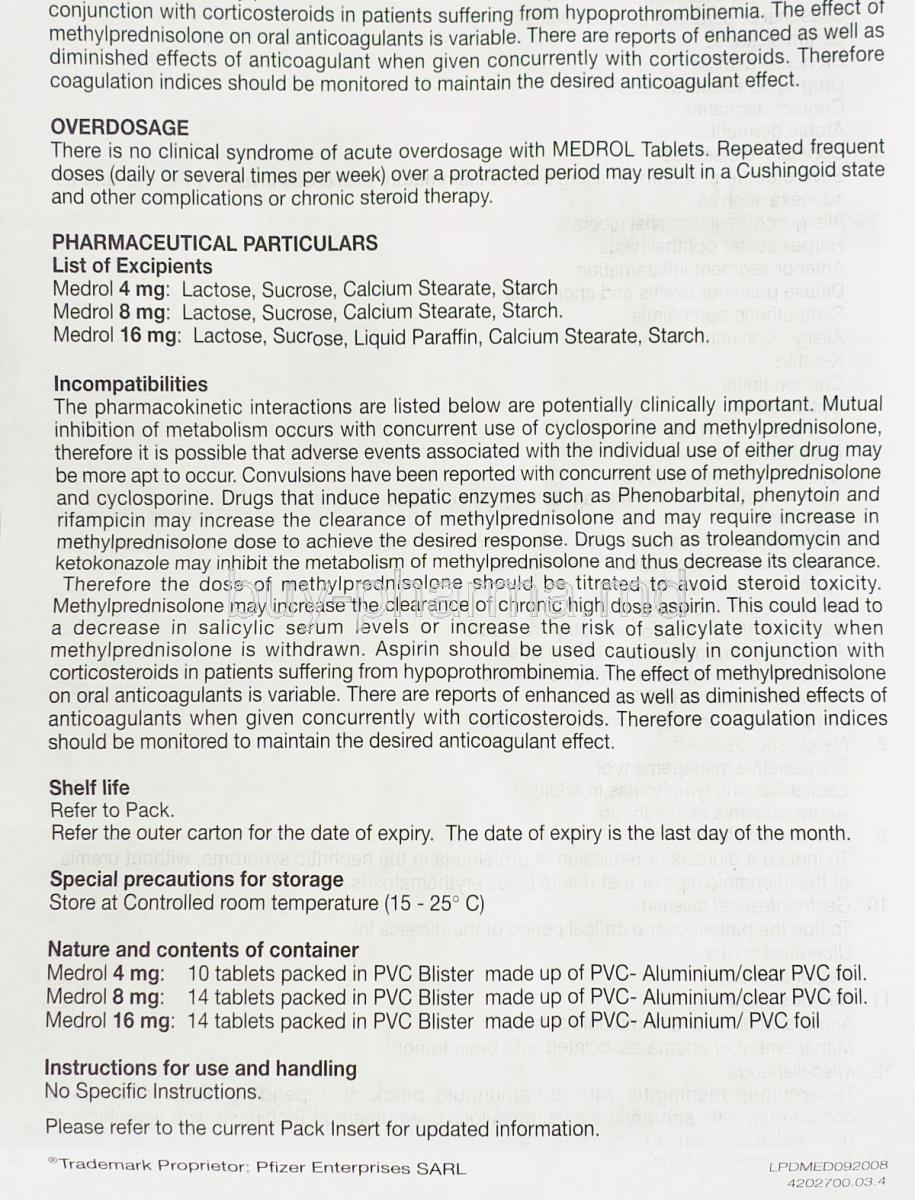
Inactive constituents include lactose monohydrate, magnesium stearate, and starch. These excipients ensure stability and uniform dispersion of the active drug within each tablet. The formulation maintains potency over extended storage when kept under controlled conditions.
2.4 Manufacturer information and brand equivalents
Manufactured by Pfizer, Medrol is one of the most recognized brands of methylprednisolone. Equivalent generics are available globally under various trade names, ensuring therapeutic interchangeability. ---
3. How Medrol (Methylprednisolone) Works
3.1 Mechanism of action at the cellular and molecular level
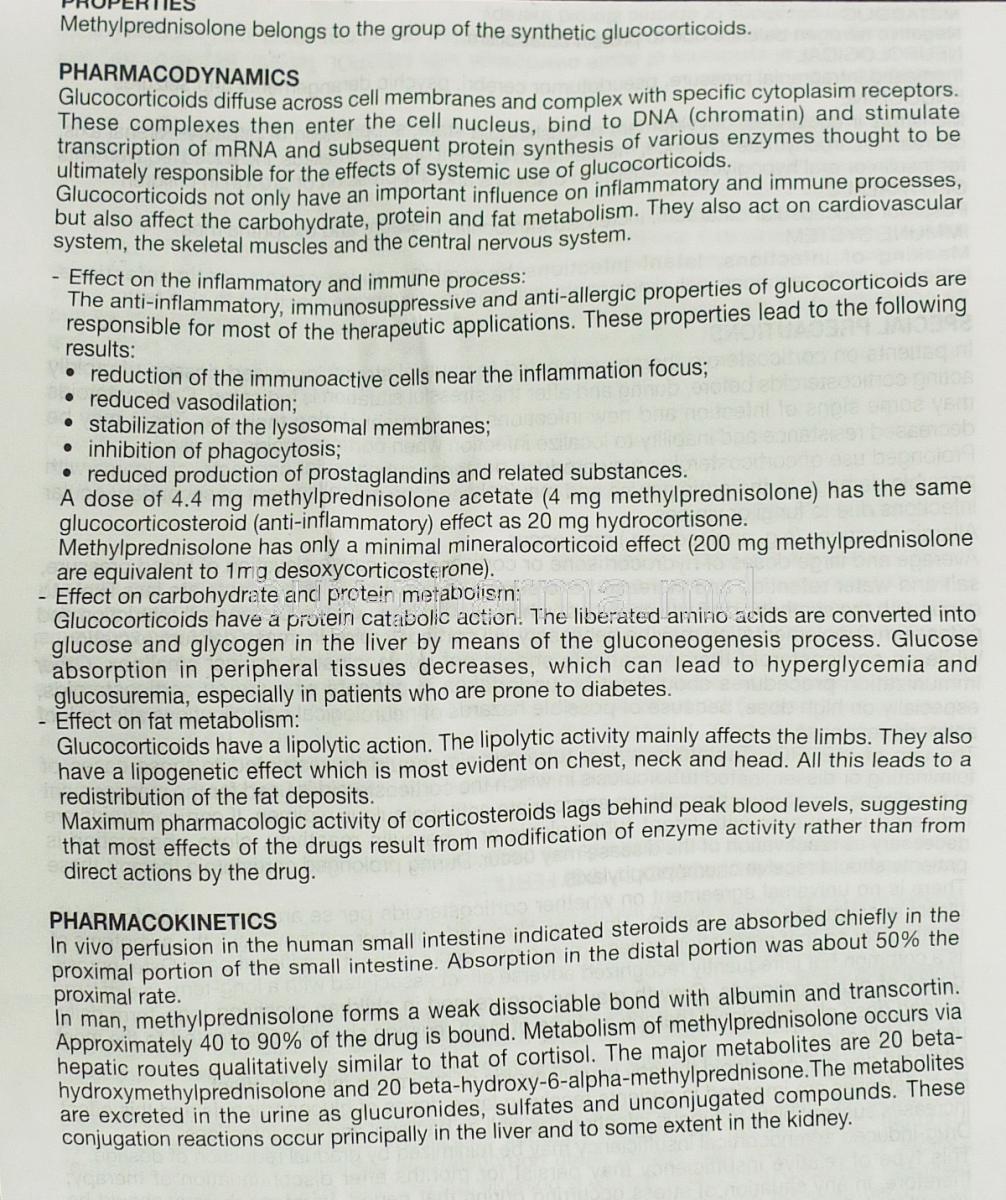
Methylprednisolone binds to intracellular glucocorticoid receptors, forming a receptor-ligand complex that translocates into the nucleus. It modulates DNA transcription, leading to the suppression of pro-inflammatory genes and the upregulation of anti-inflammatory proteins such as lipocortin-1.
3.2 Effects on inflammation, immune suppression, and metabolism
The drug decreases leukocyte migration, reduces prostaglandin and histamine release, and limits capillary permeability. It also influences glucose metabolism by promoting gluconeogenesis, occasionally raising blood sugar levels in susceptible individuals.
3.3 Comparison of glucocorticoid versus mineralocorticoid activity
Medrol exhibits strong glucocorticoid action and negligible mineralocorticoid activity. This distinction minimizes sodium retention and potassium loss, making it safer for patients at risk of cardiovascular complications.
3.4 Onset and duration of pharmacologic effects
The onset of action typically occurs within 1–2 hours after oral administration, with effects persisting for up to 36 hours depending on dosage. Sustained benefits are achieved with scheduled dosing or taper regimens. ---
4. Therapeutic Uses of Medrol
4.1 Treatment of inflammatory and autoimmune disorders
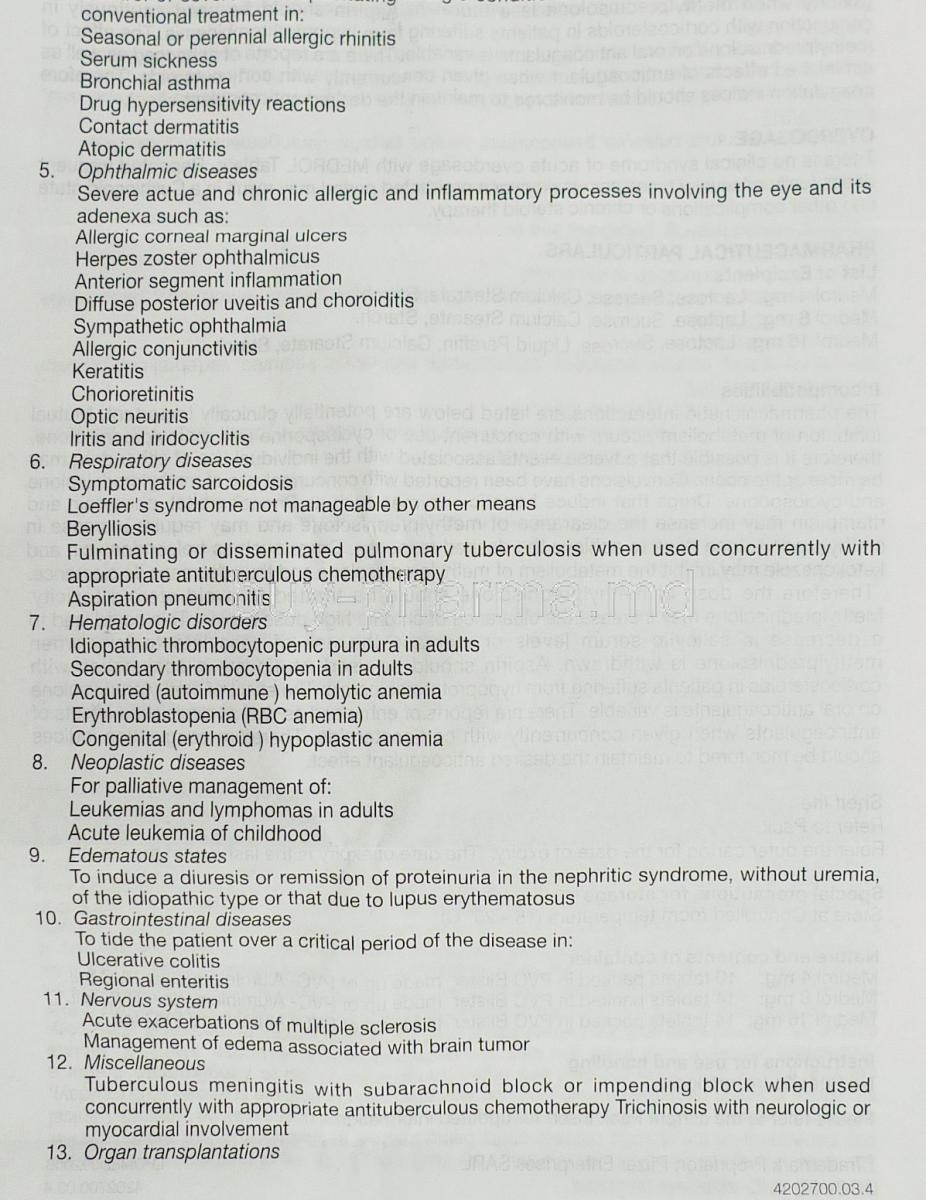
Medrol is indispensable in managing autoimmune and inflammatory diseases such as systemic lupus erythematosus, rheumatoid arthritis, and vasculitis.
4.2 Respiratory and allergic conditions
It alleviates severe asthma attacks, allergic rhinitis, and anaphylactic reactions when combined with emergency therapy.
4.3 Rheumatologic and musculoskeletal disorders
Used for arthritis, bursitis, and polymyalgia rheumatica, Medrol relieves joint inflammation and improves mobility.
4.4 Dermatologic applications
The drug mitigates eczema, psoriasis, and dermatitis flare-ups by suppressing local immune hyperactivity.
4.5 Endocrine disorders
Medrol replaces deficient cortisol in adrenal insufficiency and helps control congenital adrenal hyperplasia.
4.6 Neurological conditions
It is effective in acute multiple sclerosis exacerbations and cerebral edema caused by trauma or tumor.
4.7 Gastrointestinal disorders
Methylprednisolone helps control inflammation in ulcerative colitis and Crohn’s disease, reducing mucosal damage.
4.8 Hematologic and oncologic conditions
In hematologic malignancies like leukemia and lymphoma, Medrol exerts cytotoxic and anti-inflammatory effects. ---
5. Off-Label Uses of Medrol
5.1 Treatment of severe COVID-19–related inflammation and ARDS
During the COVID-19 pandemic, methylprednisolone was used to mitigate cytokine storm and acute respiratory distress syndrome.
5.2 Management of COPD exacerbations
Medrol shortens recovery time and decreases relapse frequency in chronic obstructive pulmonary disease flare-ups.
5.3 Acute spinal cord injury and trauma-related inflammation
It reduces post-traumatic edema, limiting neurological damage in spinal cord injury cases.
5.4 Prevention of transplant rejection
Used in organ transplantation protocols, Medrol suppresses immune reactions that can lead to graft rejection.
5.5 Adjunctive therapy for severe infections with immune-mediated complications
When infection leads to excessive inflammation, low-dose Medrol may help balance the immune response without worsening infection control. ---
6. Dosage and Administration
6.1 Recommended dosage range based on condition severity
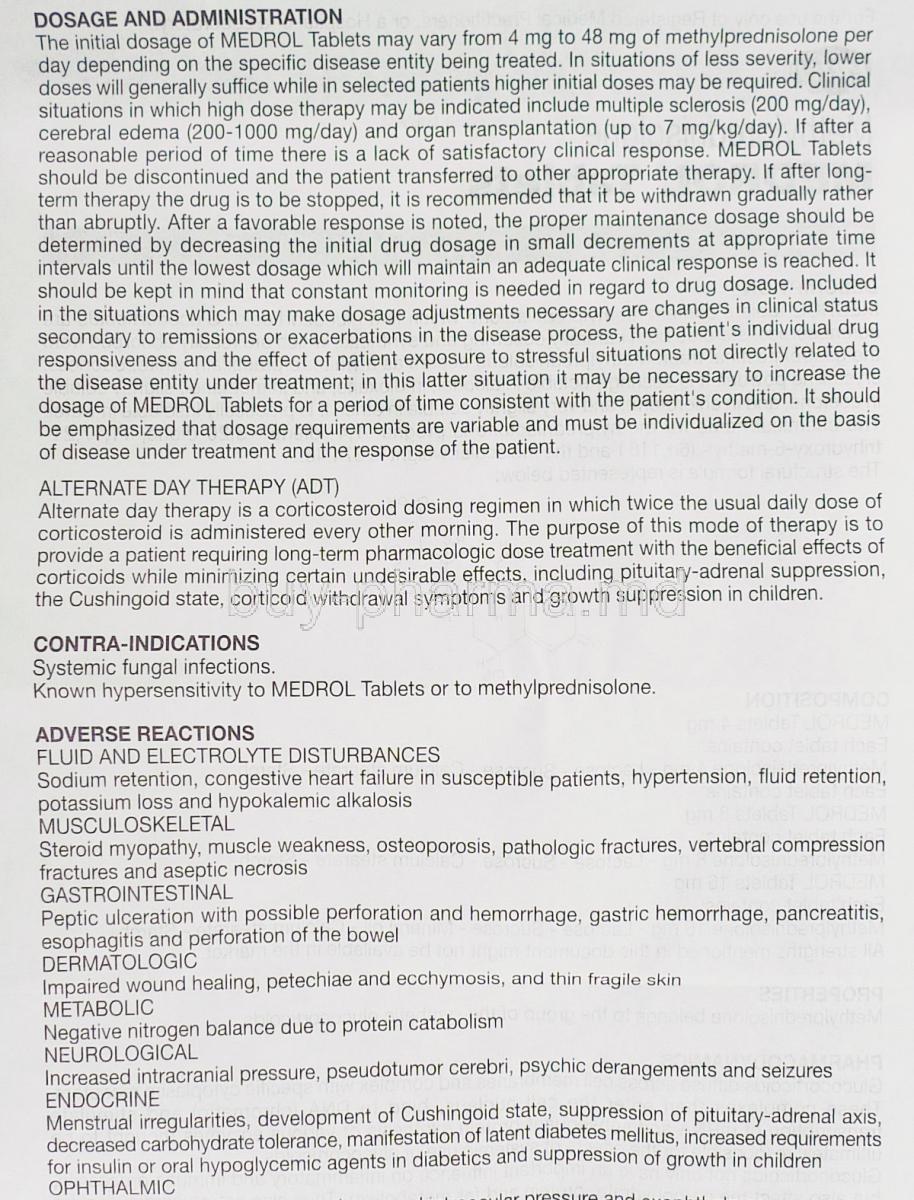
Typical adult doses range from 4 mg to 48 mg daily, tailored to disease severity and patient response.
6.2 Standard dosing schedules and tapering protocols
Treatment often begins with a high initial dose, gradually reduced to prevent adrenal suppression. Medrol Dose Packs provide a pre-arranged taper for convenience.
6.3 Conversion between oral and parenteral formulations
Oral and injectable forms are interchangeable, with 4 mg of oral Medrol roughly equivalent to 5 mg of oral Prednisone.
6.4 Importance of gradual withdrawal to prevent adrenal insufficiency
Abrupt cessation can cause adrenal crisis due to suppression of endogenous cortisol production; tapering is mandatory.
6.5 Administration timing and food interactions
Tablets should be taken with food or milk to reduce gastric irritation. Morning dosing aligns with the body’s natural cortisol rhythm.
6.6 Missed dose and overdose management
If a dose is missed, it should be taken promptly unless near the next scheduled dose. Overdose may cause hypercortisolism, requiring symptomatic management. ---
7. Side Effects of Medrol
7.1 Overview of short-term and long-term adverse effects
Short-term effects include mood changes, increased appetite, and fluid retention. Long-term therapy may lead to osteoporosis, metabolic changes, or cataracts.
7.2 Systemic effects on different organ systems
- Immune: Reduced resistance to infection.
- Gastrointestinal: Gastric irritation and ulcer risk.
- Endocrine: Suppressed adrenal function and glucose intolerance.
- CNS: Insomnia, euphoria, or depression.
- Cardiovascular: Hypertension and sodium retention.
7.3 Dose-dependent risk factors and cumulative toxicity
Higher doses and prolonged use amplify adverse reactions. Close monitoring of dosage duration helps prevent irreversible complications. ---
8. Common Side Effects
8.1 Weight gain, fluid retention, and swelling
Increased sodium retention and appetite can cause transient weight gain and peripheral edema.
8.2 Mood swings, anxiety, or sleep disturbances
Corticosteroids influence neurotransmitter balance, occasionally leading to agitation or insomnia.
8.3 Increased blood pressure and blood sugar
Medrol may elevate glucose and blood pressure levels, especially in patients with preexisting conditions.
8.4 Stomach irritation, nausea, and indigestion
Gastric discomfort can occur, necessitating co-administration with food or antacids.
8.5 Acne, thinning skin, and delayed wound healing
Chronic use impairs collagen synthesis, resulting in fragile skin and slow tissue repair. ---
9. Warnings and Important Precautions
9.1 Risk of adrenal suppression with prolonged use
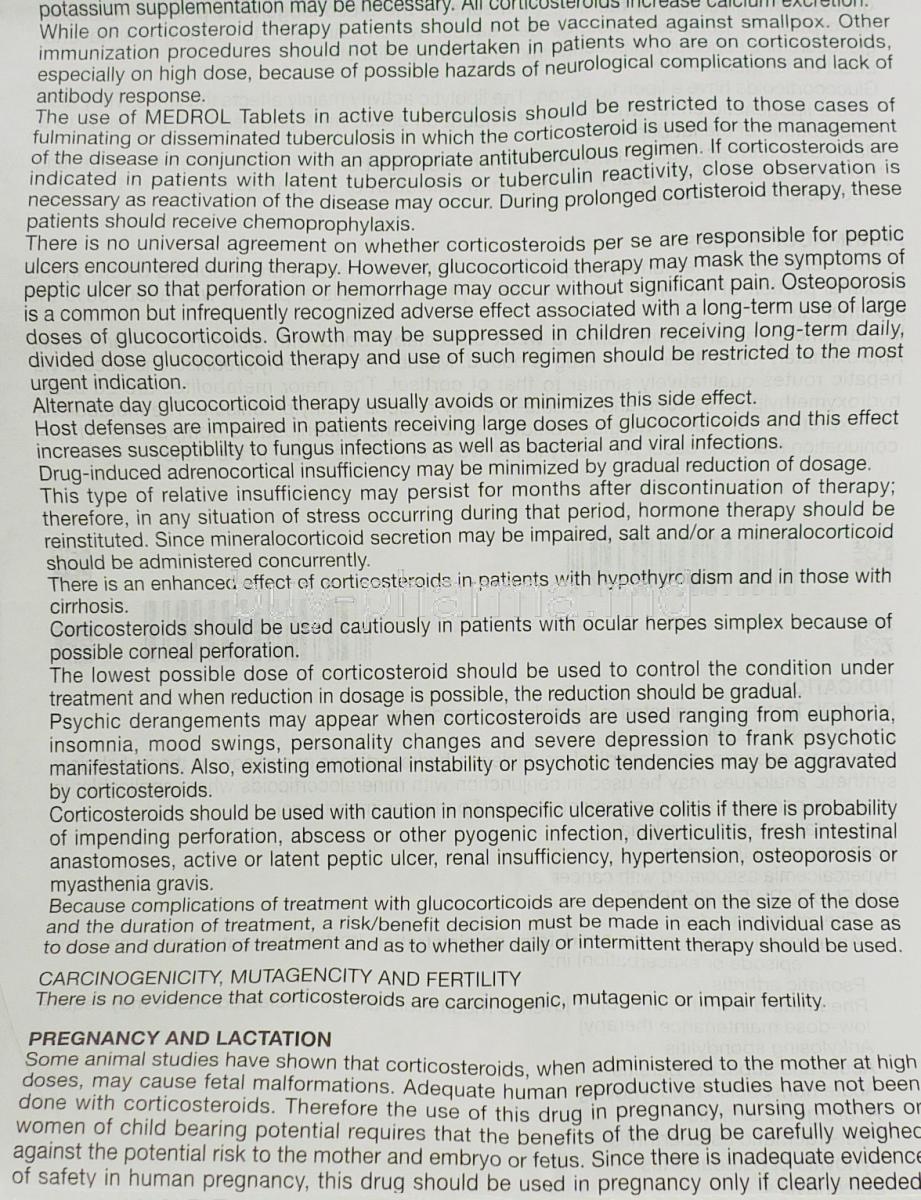
Chronic exposure inhibits hypothalamic-pituitary-adrenal axis function, requiring careful dose tapering.
9.2 Immune suppression and increased susceptibility to infection
Even mild infections may progress rapidly under corticosteroid therapy; vigilant medical supervision is essential.
9.3 Bone loss, osteoporosis, and muscle weakness
Prolonged therapy may reduce bone density and muscle mass due to altered protein metabolism.
9.4 Cautions in psychiatric disorders and seizure history
Mood disorders, psychosis, or seizures may be exacerbated by glucocorticoid exposure.
9.5 Monitoring of blood glucose, blood pressure, and electrolytes
Periodic laboratory monitoring ensures early detection of metabolic imbalances.
9.6 Avoiding abrupt discontinuation
Stopping therapy suddenly can cause adrenal insufficiency and withdrawal symptoms; gradual tapering is mandatory. ---
10. Contraindications
10.1 Systemic fungal infections and viral diseases
Medrol (methylprednisolone) must not be administered in the presence of active systemic fungal infections or uncontrolled viral diseases. The suppression of the immune system by corticosteroids can lead to unchecked microbial proliferation, worsening the underlying infection and delaying recovery. Conditions such as candidemia, disseminated herpes, or systemic mycoses warrant absolute avoidance unless corticosteroid therapy is deemed life-saving.
10.2 Known hypersensitivity to methylprednisolone or excipients
Patients with documented hypersensitivity to methylprednisolone or any formulation excipients should not use Medrol. Hypersensitivity may manifest as skin rash, angioedema, urticaria, or severe anaphylactic reactions. Even minor allergic tendencies may escalate under corticosteroid exposure, requiring alternative anti-inflammatory management.
10.3 Administration with live vaccines in immunocompromised patients
Concurrent administration of Medrol with live or live-attenuated vaccines (such as measles, mumps, rubella, or varicella) is contraindicated in immunocompromised individuals. The immunosuppressive action of corticosteroids may prevent adequate antibody response and increase susceptibility to vaccine-induced infection.
10.4 Untreated tuberculosis and certain parasitic infections
Medrol is contraindicated in active, untreated tuberculosis and parasitic infestations such as strongyloidiasis. Corticosteroid therapy may activate latent infections or exacerbate dormant pathogens, resulting in disseminated disease. Prophylactic antimicrobials should precede corticosteroid use when latent infection is suspected. ---
11. Drug Interactions
11.1 Interaction with antifungals (ketoconazole), antibiotics, and antivirals
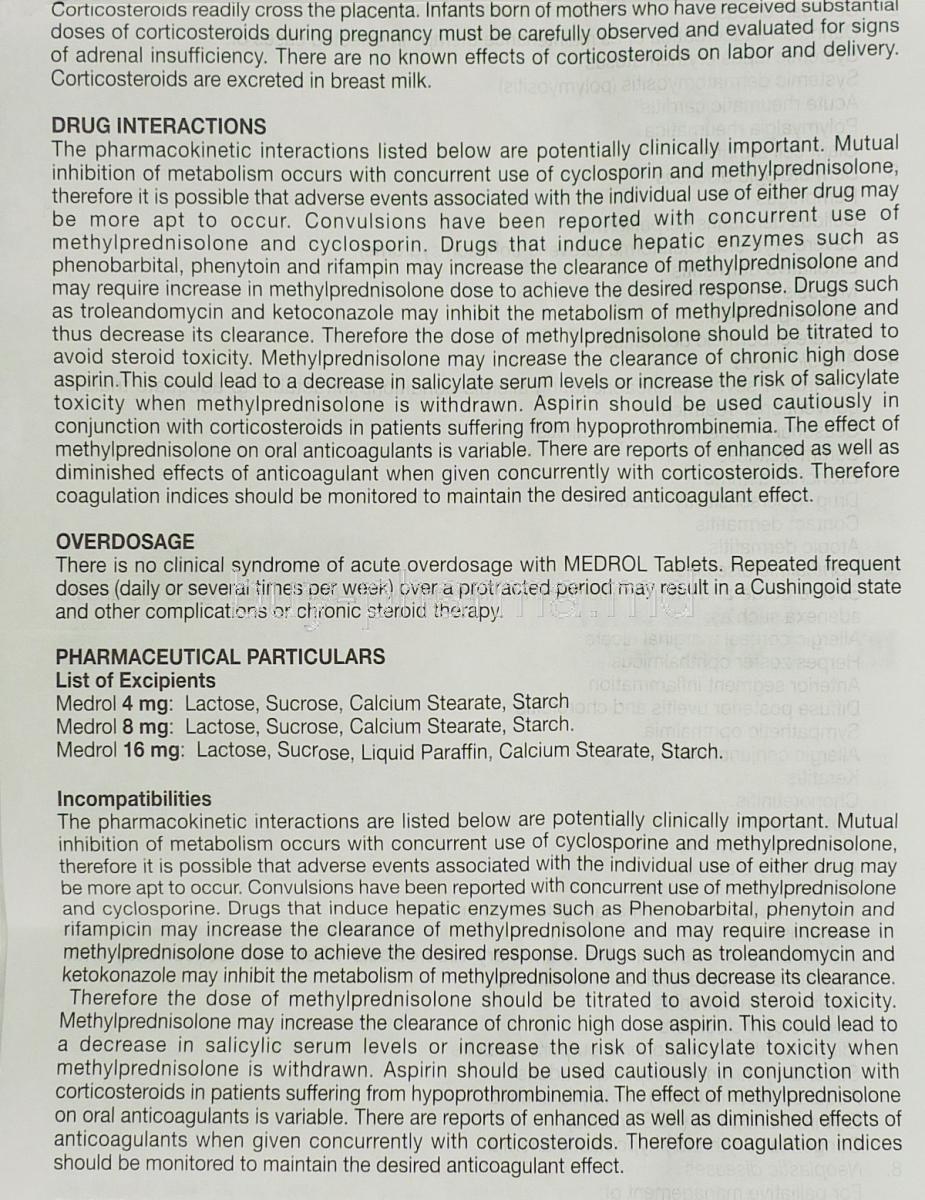
Ketoconazole inhibits CYP3A4-mediated metabolism, leading to elevated plasma concentrations of methylprednisolone. Prolonged co-administration may intensify systemic corticosteroid effects. Certain macrolide antibiotics and antivirals like ritonavir may similarly alter drug clearance.
11.2 Interaction with antidiabetic agents and anticoagulants
Methylprednisolone can antagonize the effects of oral hypoglycemics and insulin, elevating blood glucose levels. It may also enhance or diminish the effects of warfarin and related anticoagulants, necessitating close monitoring of coagulation parameters such as INR.
11.3 NSAIDs and increased risk of GI bleeding
Co-administration with nonsteroidal anti-inflammatory drugs amplifies the risk of gastric ulceration, gastrointestinal hemorrhage, and mucosal perforation. Patients should avoid excessive use of over-the-counter NSAIDs during corticosteroid therapy.
11.4 Immunosuppressants and vaccine response reduction
Concurrent use with other immunosuppressants such as cyclosporine or tacrolimus may increase the risk of infection and toxic effects due to mutual metabolic inhibition. Corticosteroids can blunt vaccine efficacy by suppressing antibody production.
11.5 CYP3A4 inducers and inhibitors impact on drug metabolism
CYP3A4 inducers such as rifampicin and phenytoin accelerate Medrol clearance, reducing its therapeutic effect. Conversely, inhibitors like erythromycin or itraconazole elevate systemic corticosteroid levels, heightening toxicity risk. ---
12. Careful Administration and Monitoring
12.1 Caution in patients with diabetes or hypertension
In patients with diabetes mellitus, Medrol may precipitate hyperglycemia by inducing hepatic gluconeogenesis. Regular glucose monitoring is mandatory. Those with hypertension may experience sodium retention and elevated blood pressure; sodium restriction and antihypertensive adjustments are advised.
12.2 Considerations in patients with liver or kidney dysfunction
Hepatic impairment slows methylprednisolone metabolism, leading to prolonged systemic exposure. In renal insufficiency, water retention and electrolyte imbalance may occur. Dose modification or extended dosing intervals may be warranted.
12.3 Cardiac and gastrointestinal risk assessment
Corticosteroids may exacerbate congestive heart failure due to fluid retention. In individuals with a history of peptic ulcer disease, co-prescription with gastroprotective agents is prudent to prevent mucosal injury.
12.4 Ophthalmologic evaluation for long-term users
Chronic corticosteroid use is linked to cataract formation, elevated intraocular pressure, and secondary glaucoma. Periodic ophthalmologic assessment is recommended for patients on long-term therapy. ---
13. Administration in Special Populations
13.1 Administration to Elderly
Elderly patients exhibit heightened pharmacodynamic sensitivity to corticosteroids due to altered body composition and reduced renal clearance.
- Increased risk of osteoporosis, vertebral fractures, and muscle atrophy.
- Heightened susceptibility to hypertension and glucose intolerance.
- Lower starting doses and gradual titration are recommended to minimize systemic burden.
13.2 Administration to Pregnant Women and Nursing Mothers
Use during pregnancy should be reserved for critical indications where benefits outweigh fetal risk.
- Prolonged exposure may cause fetal growth suppression or cleft palate formation.
- Methylprednisolone is excreted in breast milk; infants may exhibit adrenal suppression or delayed growth.
- If treatment is essential, infants should be closely monitored for developmental and adrenal function.
13.3 Administration to Children
Children are more susceptible to corticosteroid-induced growth retardation.
- Regular monitoring of height and weight is imperative during prolonged therapy.
- Dosing should follow the principle of minimal effective dose for the shortest possible duration.
- Intermittent dosing schedules can help mitigate endocrine disruption.
---
14. Overdosage
14.1 Symptoms and signs of methylprednisolone overdose
Excessive dosing may lead to acute hypercortisolism characterized by hypertension, hyperglycemia, facial puffiness, muscle weakness, and mood alterations. Severe cases may manifest electrolyte imbalances and cardiac arrhythmias.
14.2 Emergency management and supportive treatment
No specific antidote exists. Treatment is primarily supportive:
- Gradual dose reduction to physiological levels.
- Correction of electrolyte disturbances with intravenous fluids.
- Monitoring of blood pressure and glucose parameters.
14.3 Long-term complications of chronic overdose
Chronic excessive exposure may cause iatrogenic Cushing’s syndrome, osteoporosis, skin atrophy, and adrenal suppression. Slow withdrawal is essential to allow hypothalamic-pituitary-adrenal axis recovery. ---
15. Storage and Handling Precautions
15.1 Recommended temperature and humidity conditions
Store Medrol tablets below 25°C in a dry environment. Excess humidity or heat can degrade the active compound, reducing therapeutic efficacy.
15.2 Protection from light, moisture, and contamination
Keep tablets in their original blister packaging until use. Exposure to sunlight or moisture accelerates oxidation and may compromise stability.
15.3 Safe disposal of expired or unused tablets
Unused or expired Medrol should be disposed of through approved pharmaceutical waste programs. Do not discard in household trash or wastewater systems to prevent environmental contamination.
15.4 Handling guidance for healthcare professionals
Healthcare personnel should minimize direct contact with tablets and follow standard hygienic practices. Always verify packaging integrity before dispensing to ensure product authenticity and quality.
 Verified Purchase
Good quality
Right size and well protected
Medrol, Methylprednisolone Tablet FAQ
Customers also bought
Popular Products
Similar Product