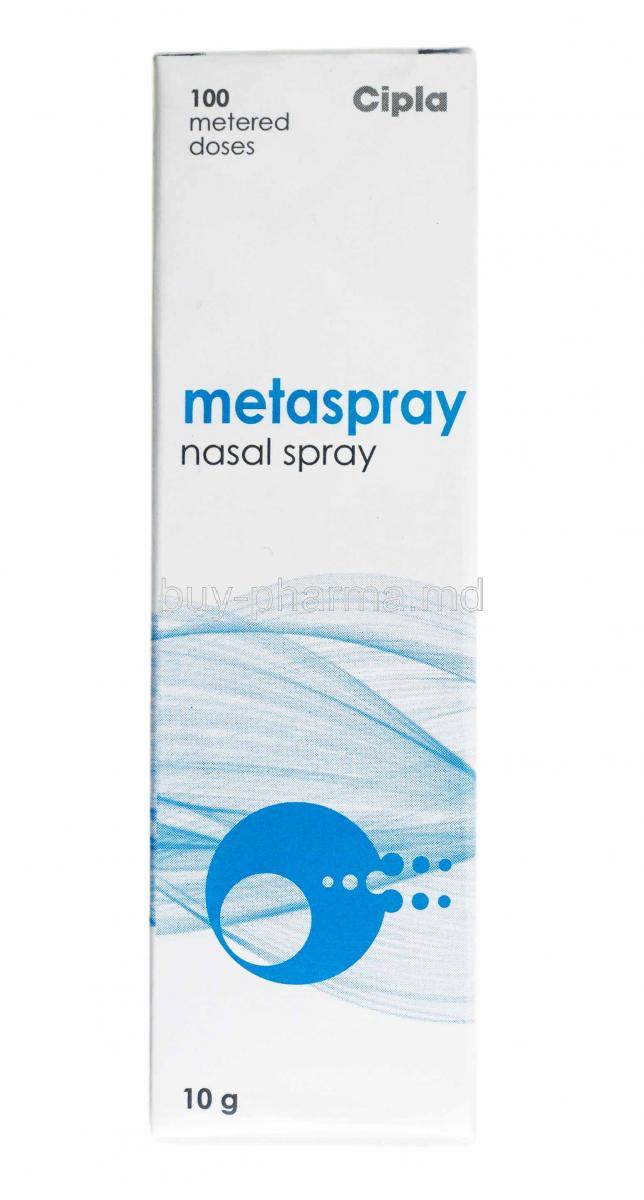
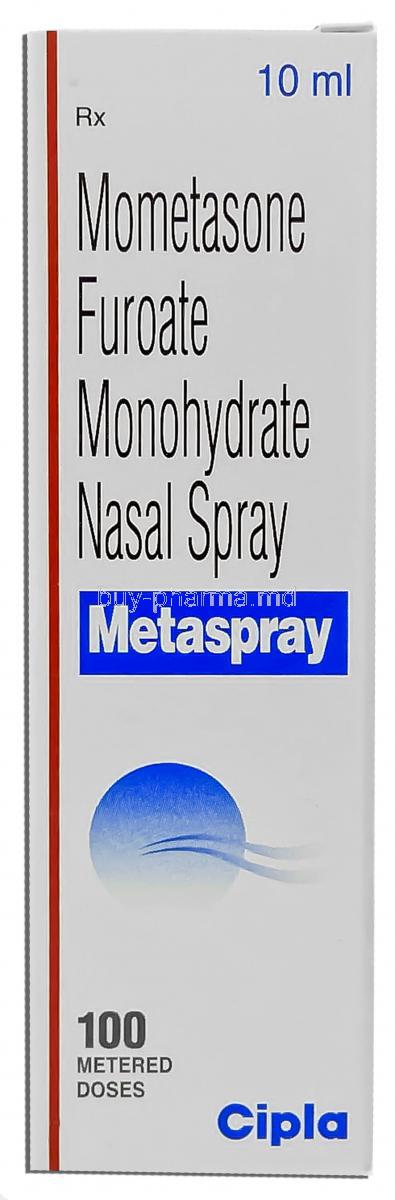
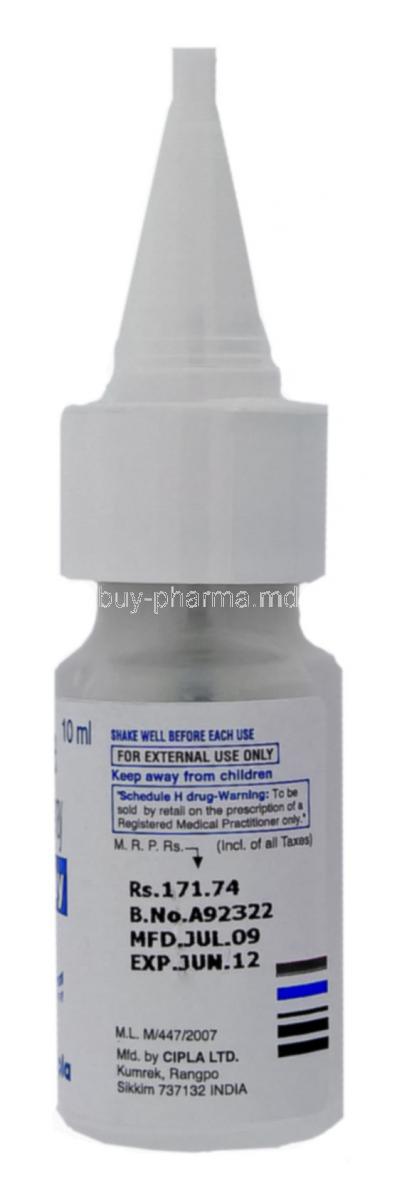
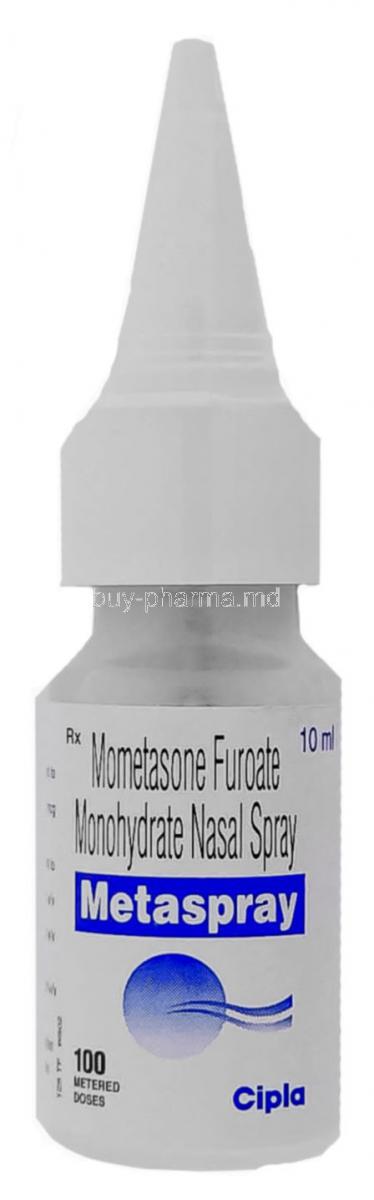
1. Introduction to Metaspray (Mometasone Furoate Nasal Spray)
1.1 Overview of Metaspray as a Corticosteroid Nasal Spray
Metaspray is a clinically refined corticosteroid nasal spray engineered to alleviate inflammatory nasal symptoms. It delivers targeted anti-inflammatory activity directly to the nasal mucosa, enabling swift relief with minimal systemic exposure. Its formulation offers a potent yet controlled approach to managing chronic and seasonal nasal conditions.
1.2 Therapeutic Relevance in Allergic and Inflammatory Nasal Conditions
This spray is indispensable in the management of allergic rhinitis, non-allergic nasal inflammation, and congestion-driven respiratory discomfort. By diminishing mucosal edema and regulating inflammatory processes, it restores nasal patency and improves breathing quality.
- Reduces mucosal swelling
- Controls rhinorrhea and sneezing
- Improves overall nasal airflow
1.3 Comparison With Other Intranasal Corticosteroids
Compared with conventional intranasal steroids, Metaspray features enhanced receptor affinity and superior local bioactivity. Its optimized particle size promotes deeper mucosal penetration, setting it apart from older agents such as fluticasone or beclomethasone.
1.4 Key Benefits and Unique Formulation Characteristics
The formulation ensures:
- High topical potency with reduced systemic uptake
- Once-daily convenience for most indications
- Minimal sensory disturbance (smell/taste)
- Stabilized suspension for consistent dose delivery
2. Composition and Formulation Details
2.1 Active Ingredient: Mometasone Furoate Monohydrate
The spray contains mometasone furoate monohydrate, a synthetic corticosteroid recognized for its powerful anti-inflammatory and antipruritic effects. Even at low doses, it exhibits pronounced efficacy.
2.2 Strength and Available Spray Volumes
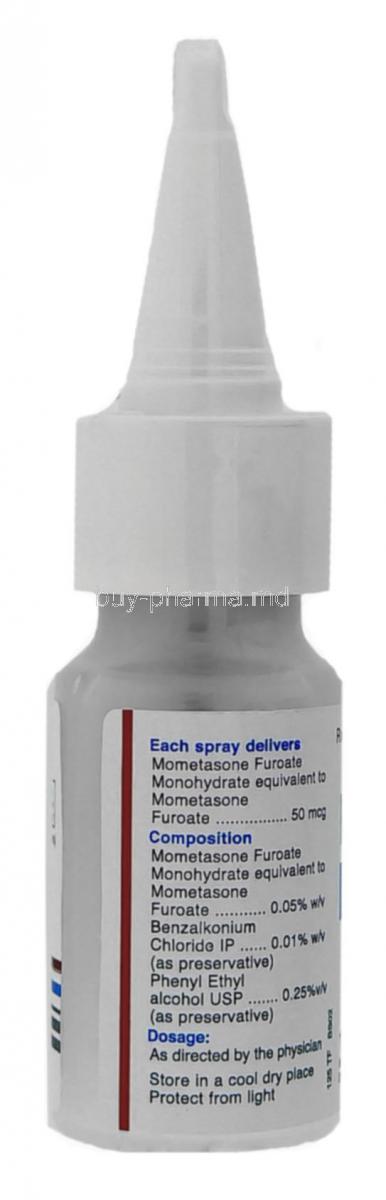
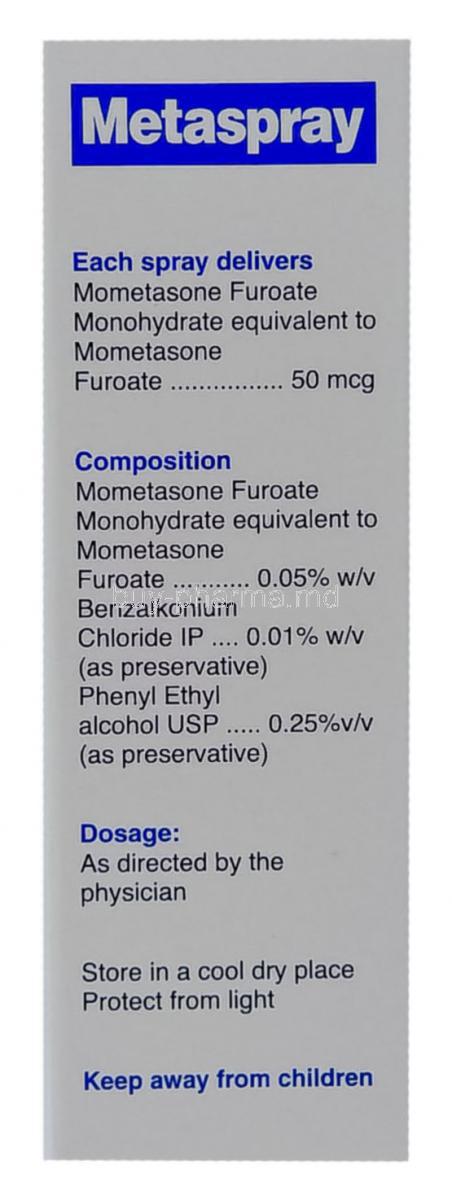
Each actuation typically delivers 50 micrograms of mometasone furoate. Bottles are commonly available in volumes ranging from 60 to 120 metered doses, ensuring sustained usage.
2.3 Inactive Ingredients and Preservatives
Formulated with stabilizers, dispersing agents, and purified water, the spray ensures a uniform suspension. Preservatives maintain sterility and prevent microbial contamination.
2.4 Mechanism of Aerosol Delivery and Absorption
The metered pump dispenses a fine mist, optimized for mucosal adherence. This facilitates rapid absorption through epithelial layers, ensuring targeted action without systemic overload.
3. How Metaspray Works (Mechanism of Action)
3.1 Anti-Inflammatory Properties of Mometasone
Mometasone exerts profound anti-inflammatory activity by modulating cellular responses and stabilizing immune pathways. It curtails swelling, itching, and excessive mucus secretion.
3.2 Suppression of Inflammatory Mediators and Cytokines
It inhibits the release of histamines, leukotrienes, and a spectrum of cytokines responsible for allergic cascades. This central suppression diminishes both acute and chronic inflammation.
3.3 Reduction of Eosinophils, Mast Cells, and Neutrophils
The drug downregulates recruitment of eosinophils, mast cells, and neutrophils. These cells, when uncontrolled, heighten nasal inflammation. By limiting their presence, Metaspray restores mucosal harmony.
3.4 Localized Nasal Bioavailability and Minimized Systemic Exposure
Its localized distribution ensures potent therapeutic effects where needed while maintaining extremely low systemic absorption, thereby reducing systemic corticosteroid risks.
4. Therapeutic Uses of Metaspray
4.1 Treatment of Allergic Rhinitis (Seasonal and Perennial)
Effective against pollen-driven symptoms and year-round allergens, Metaspray alleviates congestion, itching, and sneezing. Relief often emerges within 12–24 hours.
4.2 Management of Nasal Congestion, Sneezing, and Runny Nose
By reducing inflammatory mediators, it eases excess mucus production and restores normal airflow.
4.3 Treatment of Nasal Polyps in Adults
The spray helps shrink nasal polyps and reduces recurrence. It supports long-term management of chronic polyp formation.
4.4 Prevention of Seasonal Allergy Symptoms
Regular use before allergen exposure can preempt symptom development. This preventive benefit makes it valuable during peak pollen periods.
5. Off-Label Uses of Metaspray
5.1 Use in Chronic Rhinosinusitis Without Polyps
Clinicians may utilize Metaspray as part of long-term management to reduce sinus inflammation and improve drainage.
5.2 Adjunct Therapy in Deviated Septum-Related Congestion
Although structural problems persist, inflammation-driven symptoms can be reduced.
5.3 Use in ENT Postoperative Care (Sinus Surgery)
It supports healing by minimizing postoperative edema and reducing scarring tendencies.
5.4 Off-Label Use for Adenoid Hypertrophy in Children
The corticosteroid effect may reduce adenoidal tissue bulk, improving airflow and sleep quality.
5.5 Preventive Use in Non-Allergic Rhinitis
Non-allergic triggers such as temperature or irritants may respond to its broad anti-inflammatory capabilities.
6. Dosage and Administration Guidelines
6.1 Standard Adult Dosage for Allergic Rhinitis
Most adults require two sprays in each nostril once daily. Symptoms often improve rapidly.
6.2 Dosage Adjustments for Nasal Polyps
Adults with nasal polyps may begin with two sprays per nostril twice daily, followed by dose tapering.
6.3 Pediatric Dosing Recommendations
Children typically use one spray in each nostril daily, depending on age and clinical response.
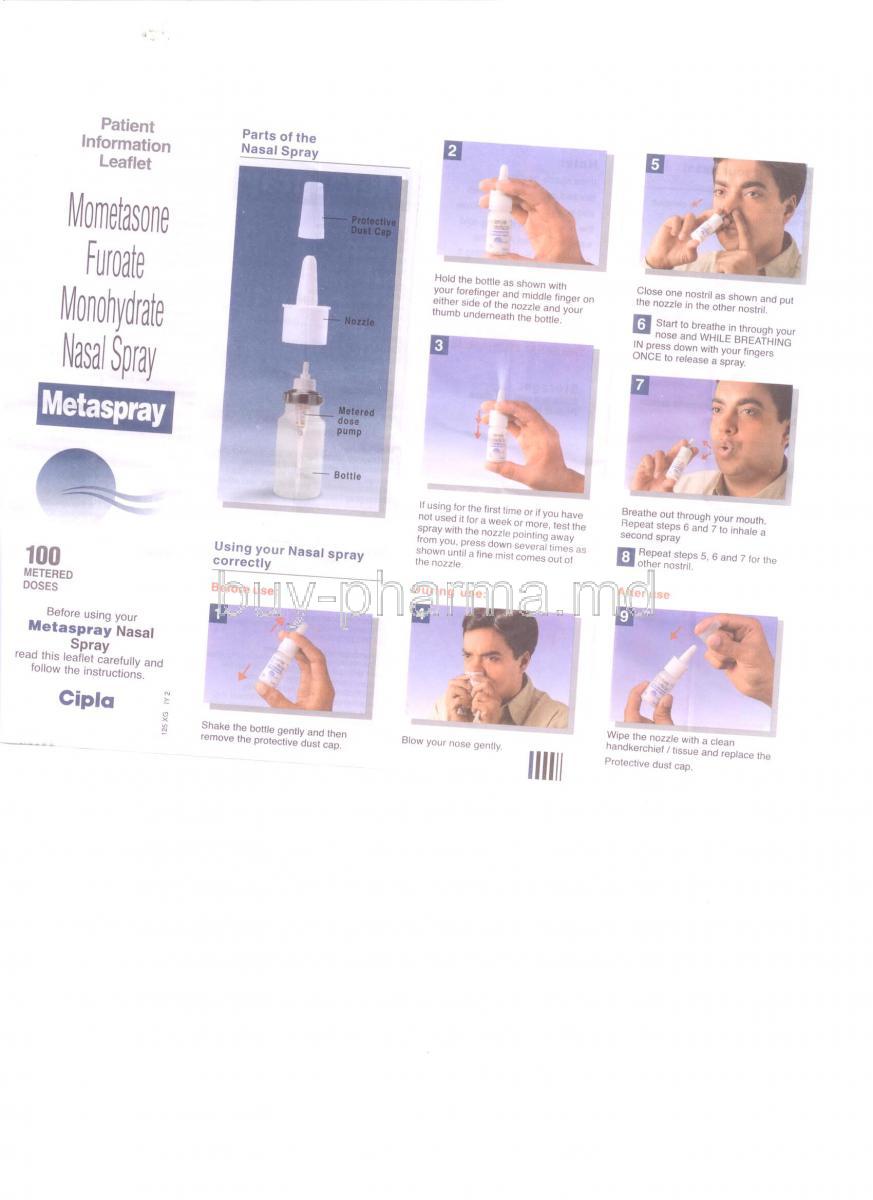
6.4 Proper Spraying Technique and Priming Instructions
- Shake the bottle gently.
- Prime the pump before first use.
- Insert the nozzle slightly upward and outward.
- Inhale gently while spraying.
- Wipe the nozzle after each use.
6.5 Missed Dose Guidance and Frequency Limits
If a dose is missed, administer it when remembered. Avoid double dosing to compensate.
6.6 Duration of Therapy for Chronic and Acute Symptoms
Acute symptoms may require short-term use, while chronic conditions may need continuous therapy under medical supervision.
7. Common Side Effects
7.1 Local Irritation, Nasal Burning, Dryness, and Soreness
Mild dryness, tingling, or burning sensations may occur, especially during initial use.
7.2 Headache and Throat Irritation
Some individuals report headaches or a scratchy throat, typically transient and minor.
7.3 Nosebleeds (Epistaxis)
Occasional nosebleeds may result from mucosal thinning. Using the spray correctly reduces this risk.
7.4 Cough or Upper Respiratory Discomfort
Coughing or mild upper airway irritation may manifest, often resolving without intervention.
7.5 Unpleasant Taste or Smell
A brief alteration in taste or smell sensation may occur after administration.
8. Complete Side Effects and Adverse Reactions
8.1 Serious but Rare Side Effects: Nasal Septum Perforation
Excessive or incorrect application may predispose to septal injury. Severe symptoms warrant prompt evaluation.
8.2 Risk of Candida Infection (Nasal or Throat)
Corticosteroid exposure may increase susceptibility to fungal infections.
8.3 Immunosuppression-Related Complications
Long-term use may slightly reduce immune resilience, raising susceptibility to infections.
8.4 Vision Changes, Glaucoma, and Cataract Risk
Prolonged corticosteroid therapy may influence ocular pressure or lens integrity.
8.5 Hypersensitivity and Anaphylactic Reactions
Rare but severe allergic reactions can occur, presenting with swelling, rash, or respiratory difficulty.
8.6 Systemic Corticosteroid Effects With Prolonged Use
Although rare, systemic effects like adrenal suppression may arise when used excessively or improperly.
9. Important Precautions
9.1 Avoiding Contact With Eyes and Oral Cavity
The spray is intended solely for intranasal use. Contact with eyes or mouth should be avoided.
9.2 Monitoring for Nasal Mucosal Changes During Long-Term Use
Periodic examinations ensure the nasal tissue remains healthy and intact.
9.3 Risk During Active Infections (Tuberculosis, Fungal, Viral)
Use should be cautious or postponed if active infections are present.
9.4 Precautions in Patients With Ocular Pressure Disorders
Glaucoma or cataract patients require routine monitoring due to potential corticosteroid effects.
9.5 Avoiding Overuse and Steroid Dependency
Excessive usage offers no additional benefit and can increase adverse risks.
9.6 Need for Routine ENT Assessment for Chronic Users
Long-term users benefit from periodic assessments to ensure safe ongoing treatment.
10. Warnings
10.1 Warning About Adrenal Suppression in Prolonged High-Dose Use
High-dose or extended duration may suppress normal adrenal function, necessitating medical supervision.
10.2 Delayed Wound Healing in Nasal Surgery Patients
Corticosteroids may slow healing; postoperative users should follow specialized guidance.
10.3 Warning for Patients Exposed to Measles or Chickenpox
Immunosuppressed individuals may have increased vulnerability to viral complications.
10.4 Caution Regarding Immunosuppression and Infection Risks
Even minimal systemic absorption can influence immune response, especially during prolonged therapy.
11. Contraindications
11.1 Known Hypersensitivity to Mometasone Furoate
Individuals exhibiting hypersensitivity to mometasone furoate or any component of the formulation should avoid using the spray entirely. Allergic manifestations may range from mild irritation to severe systemic reactions. When such responses arise, discontinuation is mandatory.
11.2 Nasal Wounds, Ulcers, or Recent Nasal Surgery
Active nasal wounds, ulcerations, or a recent history of nasal surgical intervention can significantly impair mucosal healing. Using corticosteroids in such conditions may delay epithelial repair. Patients must allow sufficient recovery time before resuming therapy.
11.3 Active Untreated Infections of the Nasal Mucosa
The spray should not be used in the presence of untreated bacterial, fungal, or viral infections within the nasal cavity. Suppressing local immunity during active infection may worsen the condition, increasing the risk of complications.
11.4 Contraindication in Acute Herpes Simplex Infection Involving the Nose
Herpes simplex outbreaks affecting the nose or surrounding tissues represent a strict contraindication. Corticosteroid exposure can exacerbate viral replication and intensify clinical severity.
12. Drug Interactions
12.1 Interaction with CYP3A4 Inhibitors
Potent CYP3A4 inhibitors—such as ketoconazole, ritonavir, or itraconazole—may elevate systemic corticosteroid levels by reducing metabolic clearance. This interaction increases the potential for systemic adverse effects.
12.2 Concomitant Use with Systemic Corticosteroids
Using intranasal mometasone concurrently with oral or injectable corticosteroids may cumulatively enhance steroid burden. Patients may experience amplified immunosuppressive effects or adrenal suppression.
12.3 Potential Interaction with Immunosuppressive Medications
Concurrent treatment with immunosuppressants can exacerbate susceptibility to infections. The combined effect may depress immune function beyond intended therapeutic levels.
12.4 Drug-Induced Reduction in Immune Response
Prolonged corticosteroid exposure may attenuate immune responses to vaccines or infectious agents. Individuals may exhibit delayed recovery from common respiratory infections.
13. Careful Administration
13.1 Patients with Recurrent Sinus Infections
Chronic or recurrent sinusitis may necessitate cautious usage. Although inflammation may be reduced, underlying infections require targeted antimicrobial therapy.
13.2 Patients with Thyroid, Liver, or Endocrine Disorders
Metabolic or endocrine imbalances may alter drug metabolism. Patients with these conditions should be monitored to prevent unexpected systemic exposure.
13.3 Those with a History of Nasal Septal Perforation
Individuals with previous septal perforation may experience heightened vulnerability to mucosal irritation. Direct spray contact with the septum should be avoided.
13.4 Caution in Long-Term Use Requiring Periodic Evaluation
Long-term therapy should include periodic ENT assessments. These evaluations help detect early signs of mucosal atrophy, infection, or ocular complications.
14. Administration in Special Populations
14.1 Administration to Elderly
14.1.1 Dosing Considerations for Older Adults
Standard adult dosing is typically appropriate; however, frail or sensitive individuals may require dose minimization. Age-related changes in nasal structure may influence delivery efficiency.
14.1.2 Monitoring for Ocular or Mucosal Complications
Older adults are more susceptible to ocular pressure variations and mucosal thinning. Regular monitoring ensures prompt detection of adverse outcomes.
14.1.3 Systemic Absorption Concerns in Frail Patients
Frail individuals may demonstrate slightly higher systemic absorption. Although rare, systemic corticosteroid effects should be carefully observed.
14.2 Administration to Pregnant Women and Nursing Mothers
14.2.1 Safety Data in Pregnancy (Category C)
Animal studies suggest possible risks, though human data remain limited. Use during pregnancy should be reserved for situations where therapeutic benefits clearly outweigh potential risks.
14.2.2 Use During Breastfeeding and Infant Exposure
Systemic absorption is minimal, but trace transfer into breast milk cannot be fully excluded. Nursing mothers should use the spray under clinical supervision.
14.2.3 Risk–Benefit Assessment Before Prescribing
A personalized evaluation helps determine whether nasal corticosteroid therapy is justified during pregnancy or lactation.
14.3 Administration to Children
14.3.1 Age-Specific Dosing Guidelines
Dosing varies according to age groups, with younger children often requiring reduced exposure. Pediatric dosing must strictly follow professional recommendations.
14.3.2 Growth Suppression Concerns with Long-Term Corticosteroid Use
Chronic corticosteroid use may slightly affect growth velocity. Pediatric patients should undergo regular growth monitoring.
14.3.3 Safety Profile for Adenoid Hypertrophy and Allergies
Mometasone is widely used in managing adenoidal hypertrophy and allergic rhinitis. When used correctly, it demonstrates a favorable safety profile for these conditions.
15. Overdosage Management
15.1 Symptoms of Excessive Intranasal Corticosteroid Exposure
Symptoms include persistent nasal dryness, irritation, headache, or unusual fatigue. Excessive dosing may also precipitate mild systemic steroid effects.
15.2 Risk of Systemic Corticosteroid Effects
Prolonged or excessive use may lead to adrenal suppression, altered glucose tolerance, or immune impairment. These manifestations warrant immediate assessment.
15.3 Recommended Actions for Accidental Ingestion
Accidental ingestion typically results in low systemic absorption but may cause temporary gastrointestinal discomfort. Medical advice is recommended when larger amounts are consumed.
15.4 Medical Intervention Requirements
Serious symptoms require professional care, including evaluation of adrenal function and supportive therapy. Monitoring ensures stability and prevents complications.
16. Handling and Storage Instructions
16.1 Recommended Storage Temperature Range
The bottle should be stored at controlled room temperature, typically between 15°C and 30°C. Extreme cold or heat may affect spray uniformity.
16.2 Protecting the Bottle from Light and Heat
Exposure to direct sunlight or excessive heat may destabilize the formulation. Keeping the bottle within its protective packaging is advisable.
16.3 Shelf Life and Expiration Guidance
Users should observe the labeled expiration date and avoid using expired product. Over time, efficacy and sterility may diminish.
16.4 Proper Disposal of Used or Expired Nasal Spray
Expired or depleted bottles should be discarded according to local waste regulations. Avoid flushing contents into drainage systems.
17. Handling Precautions
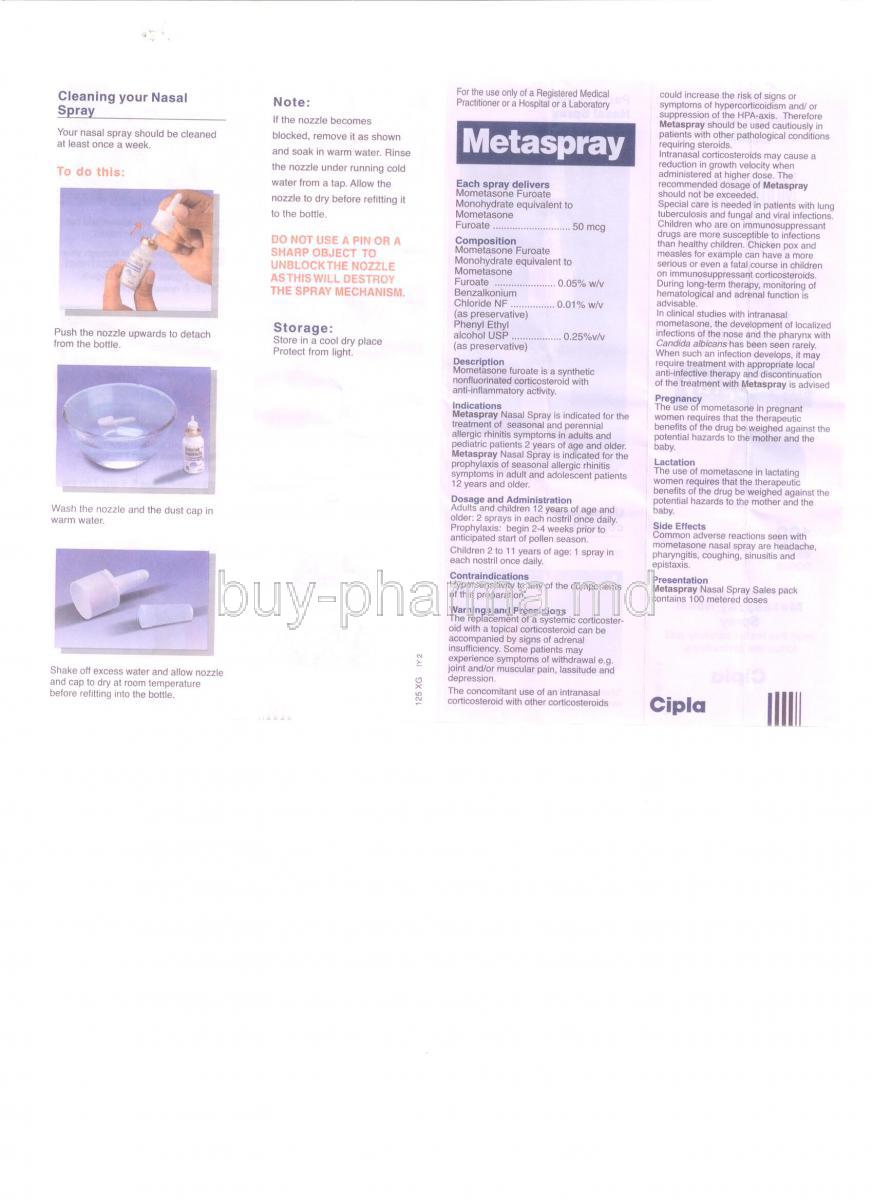
17.1 Cleaning the Spray Nozzle to Prevent Contamination
Routine cleaning prevents buildup of residue and microbial contamination. The nozzle should be wiped with a clean, dry tissue after each use.
17.2 Avoiding Shared Use of Nasal Devices
Sharing nasal applicators increases the risk of cross-contamination. Each spray bottle should be used by only one individual.
17.3 Proper Priming Before First Use or After Inactivity
Priming ensures accurate dosing. If unused for several days, the pump should be re-primed according to manufacturer instructions.
17.4 Hygiene Precautions to Reduce Infection Risk
Hands should be washed before and after administration. Maintaining good nasal hygiene supports safer and more effective therapy.

Customers also bought
Popular Products
Similar Product