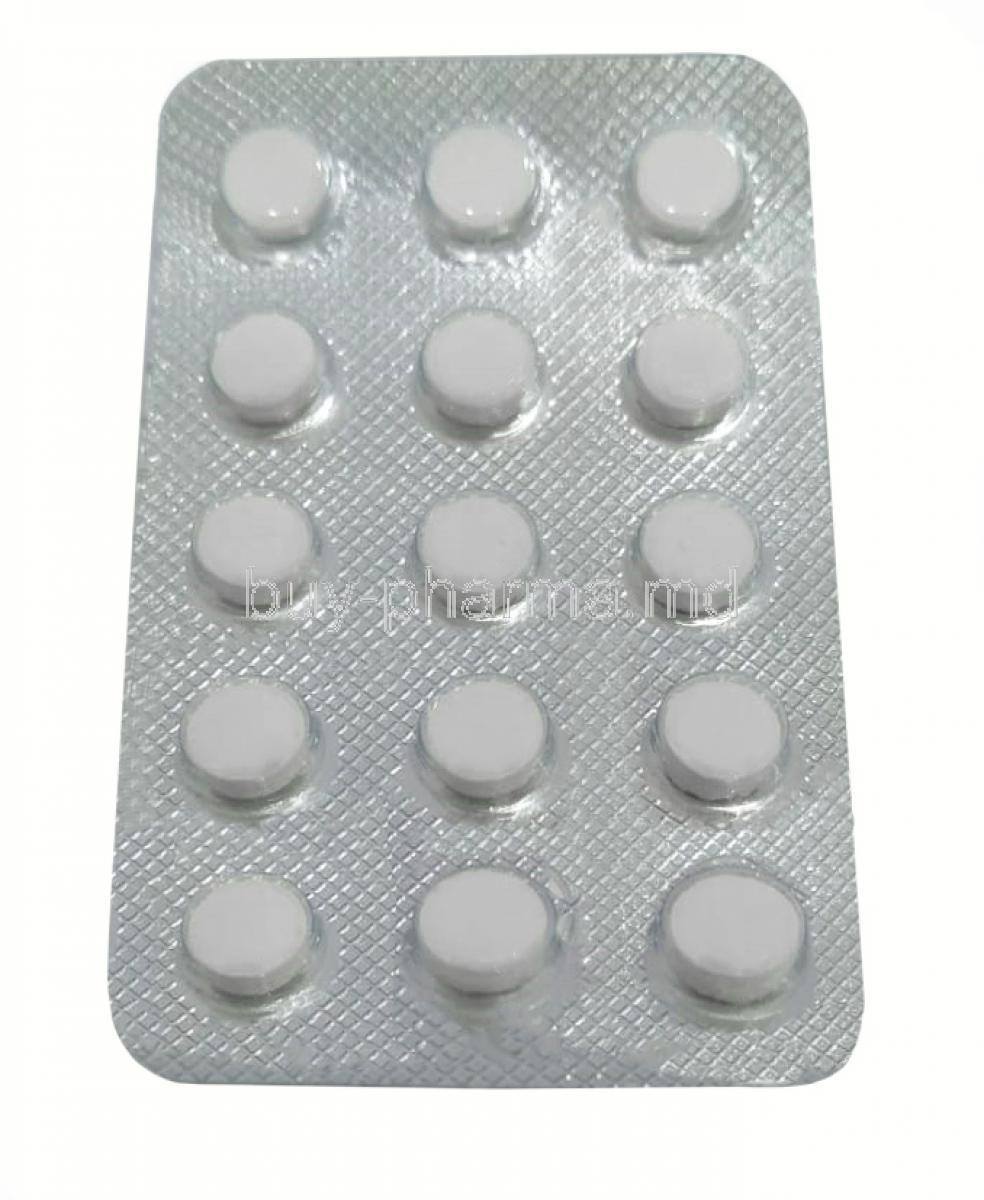
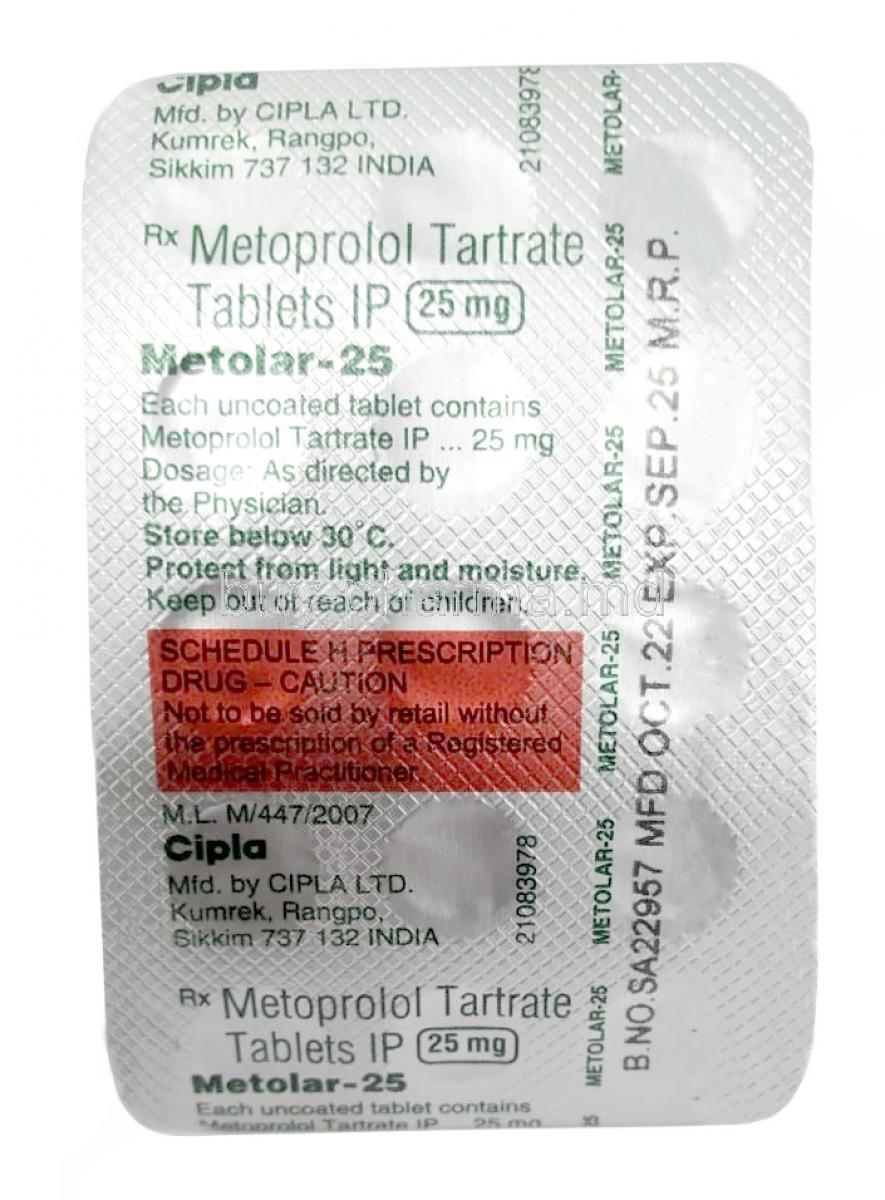
1. Introduction to Metolar (Metoprolol)
1.1 Overview of Metolar as a Beta-Blocker Medication
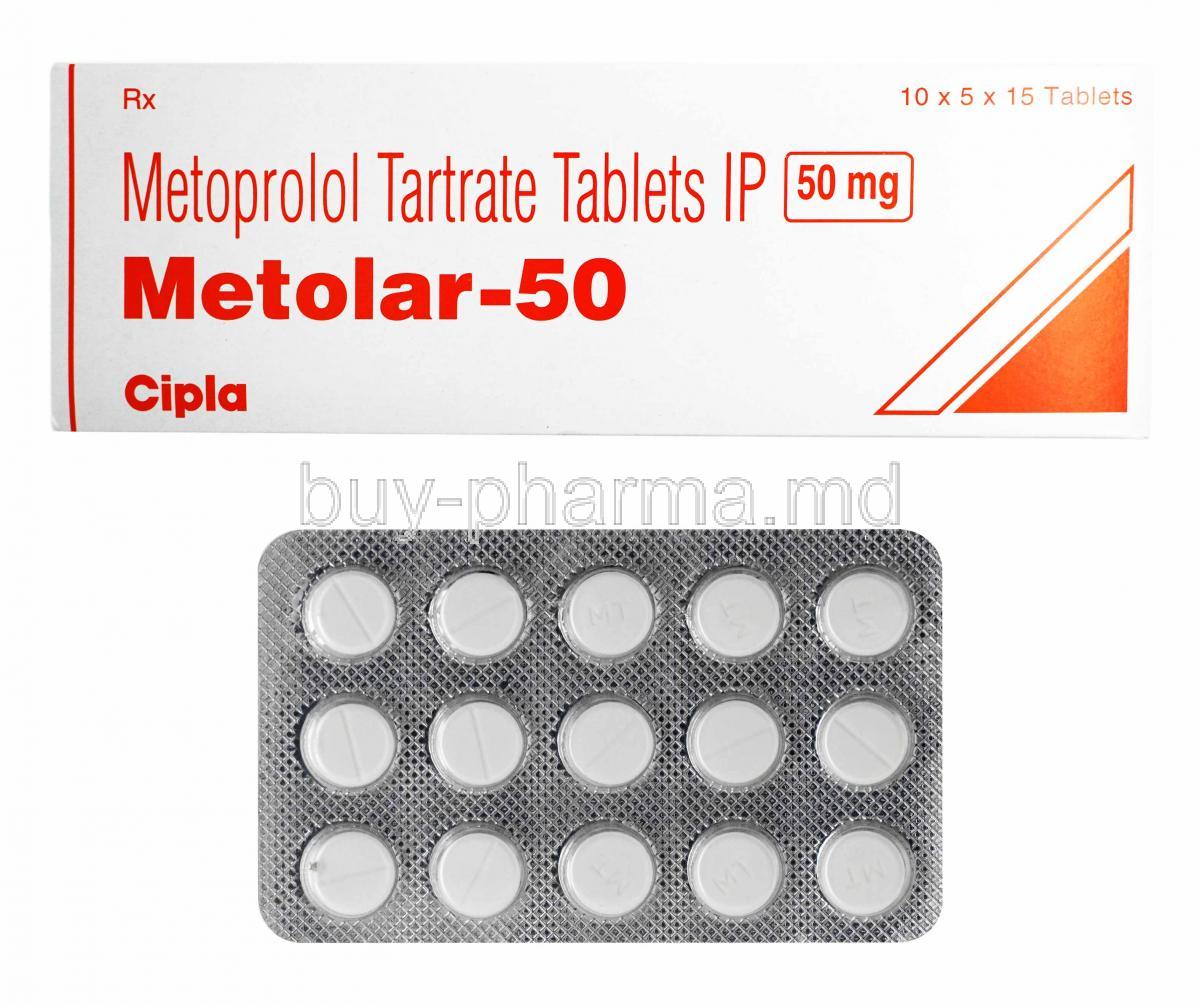
Metolar, containing the active substance metoprolol, is a cardioselective beta-blocker widely prescribed for cardiovascular disorders. It decreases the workload of the heart by reducing heart rate and myocardial oxygen demand. This pharmacologic effect helps stabilize circulation and alleviates symptoms associated with cardiac overstimulation.
1.2 History and Medical Development of Metoprolol
Metoprolol was introduced in the 1970s during the rise of beta-adrenergic receptor research. Its selective affinity for beta-1 receptors marked a milestone in cardiology, offering safer therapy for patients sensitive to non-selective beta-blockers. Over decades, it has become a cornerstone therapy worldwide.
1.3 Therapeutic Classification and Pharmacological Profile
Metoprolol belongs to the class of selective beta-1 adrenergic receptor antagonists. It modulates the effects of catecholamines such as adrenaline, thereby controlling cardiac rhythm, reducing blood pressure, and regulating cardiac output. Its therapeutic profile makes it suitable for both acute emergencies and long-term chronic disease management.
1.4 Global Availability, Brands, and Formulation Variants
Metoprolol is available globally under multiple brand names, including Metolar, Lopressor, and Toprol XL. It is formulated in immediate-release tablets, extended-release tablets, and injectable preparations, enabling diverse clinical use in hospitals and outpatient care.
1.5 Importance of Metoprolol in Cardiovascular Disease Management
Metoprolol is integral in treating conditions such as hypertension, angina, arrhythmias, and heart failure. Its predictable safety profile and evidence-supported outcomes make it a primary choice for clinicians aiming to reduce cardiovascular morbidity and mortality.
2. Composition and Formulation
2.1 Active Ingredient: Metoprolol Tartrate vs Metoprolol Succinate
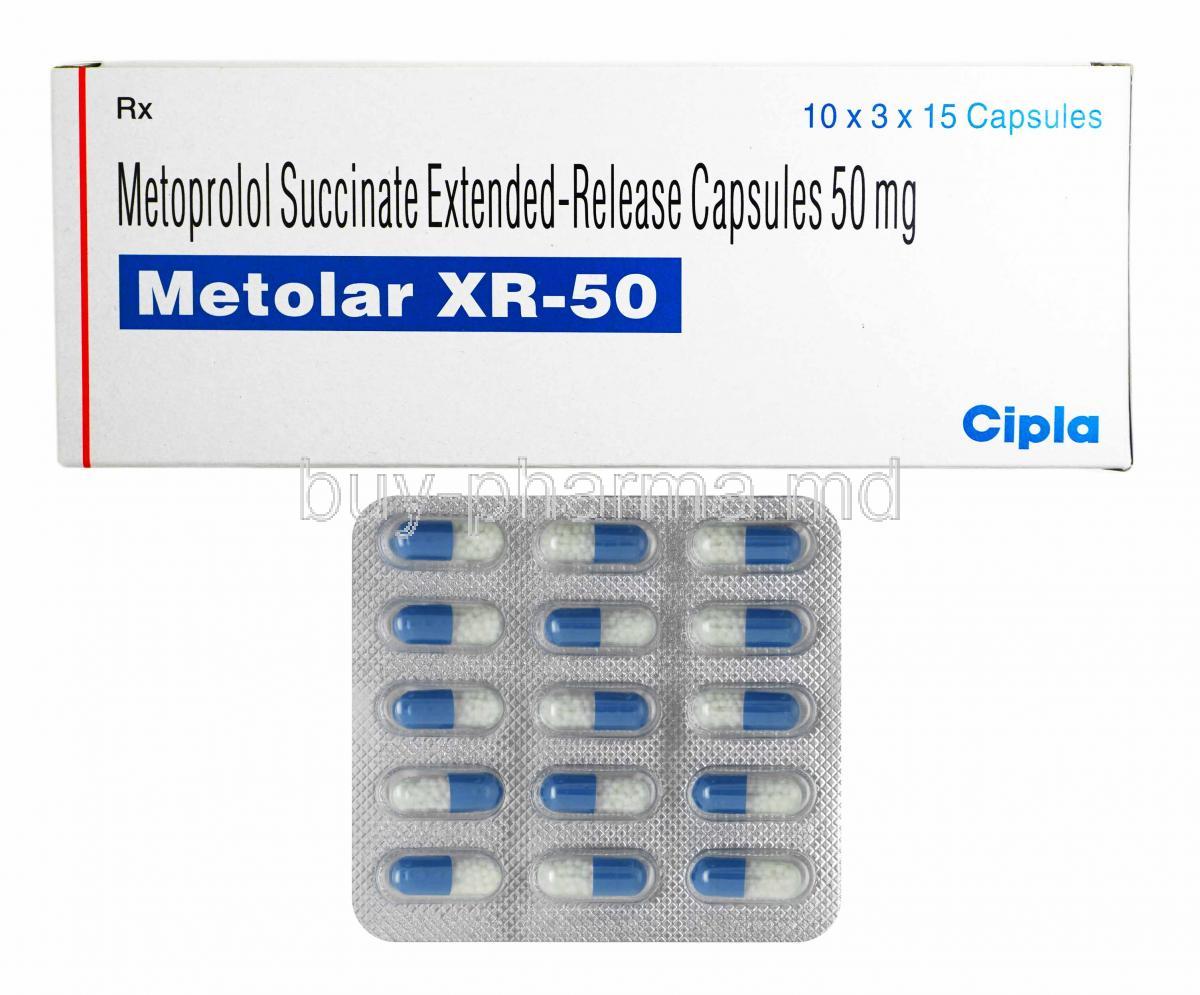
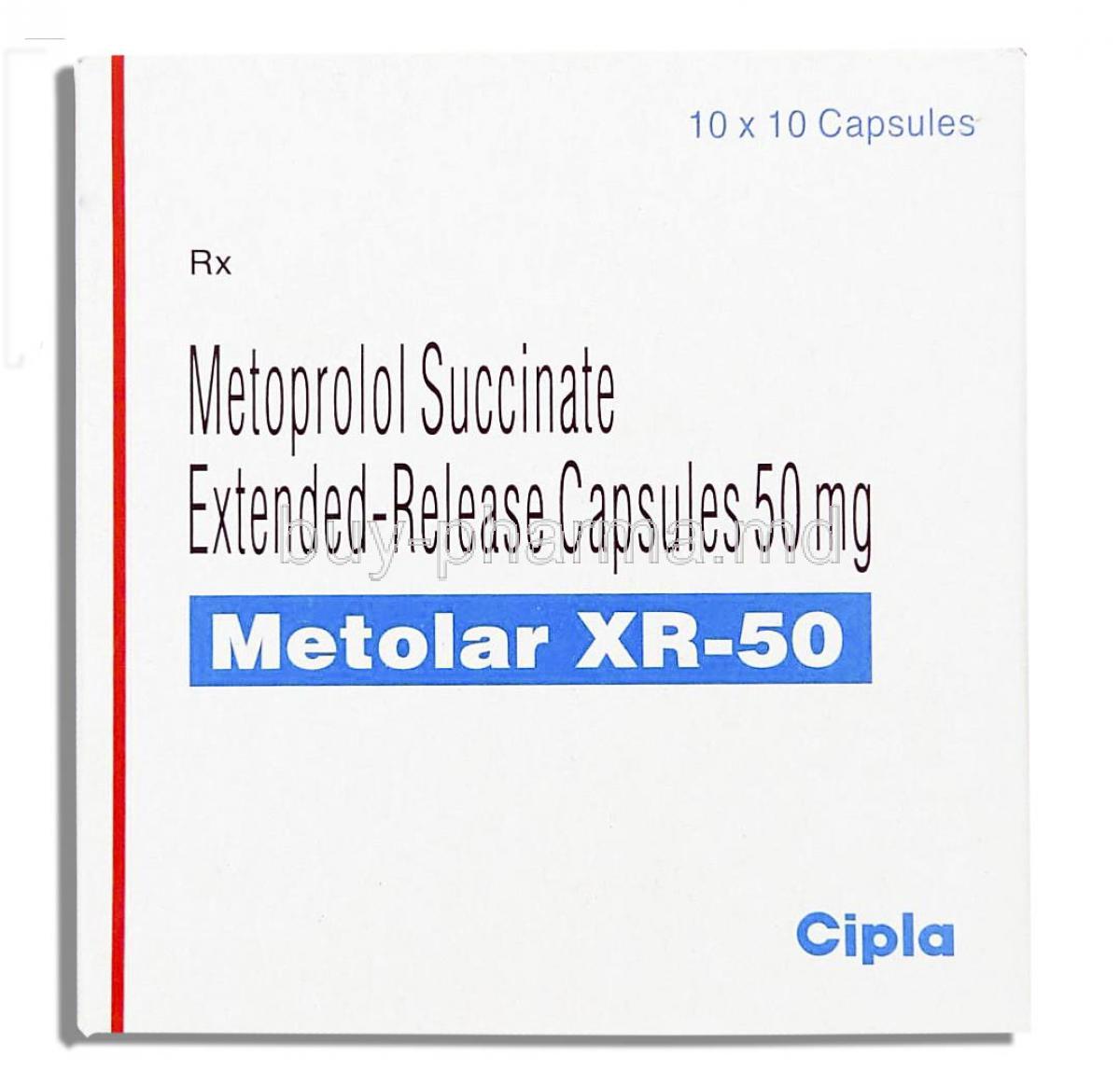
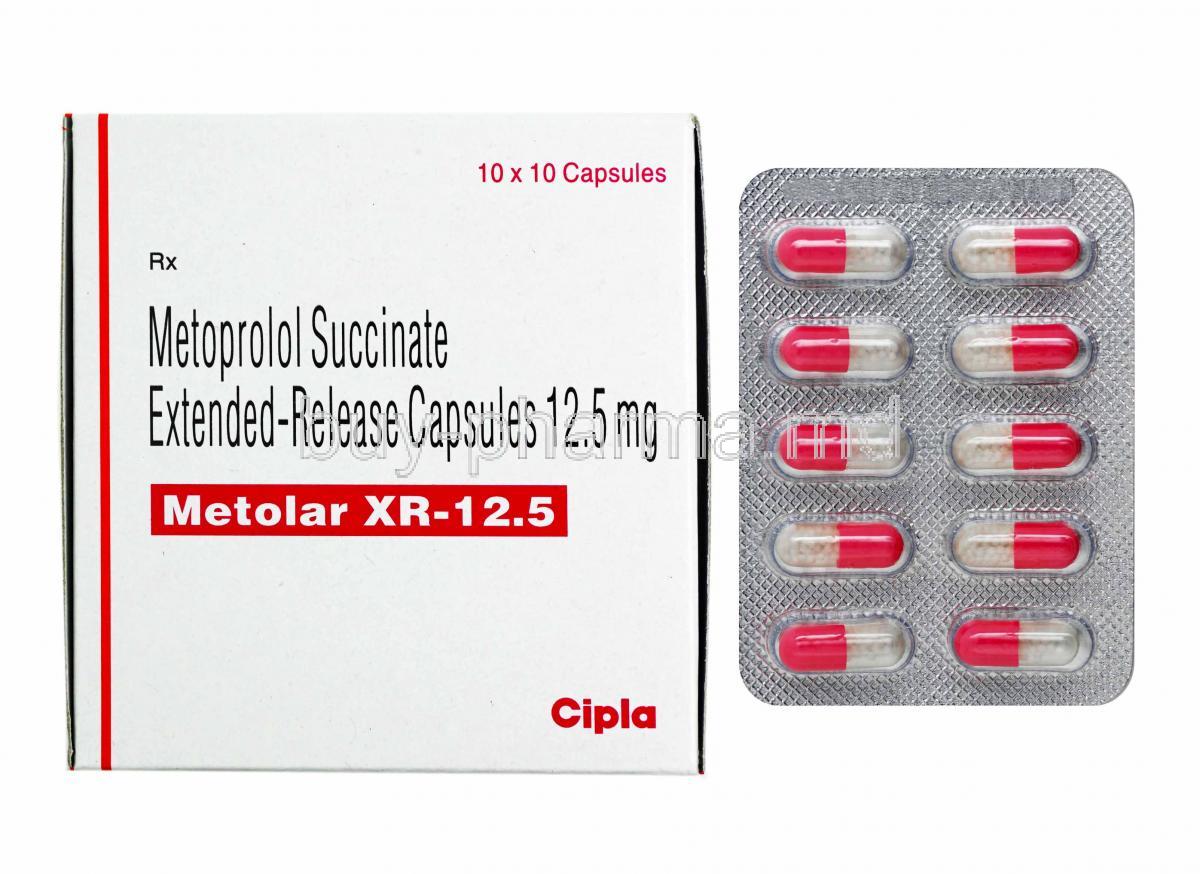
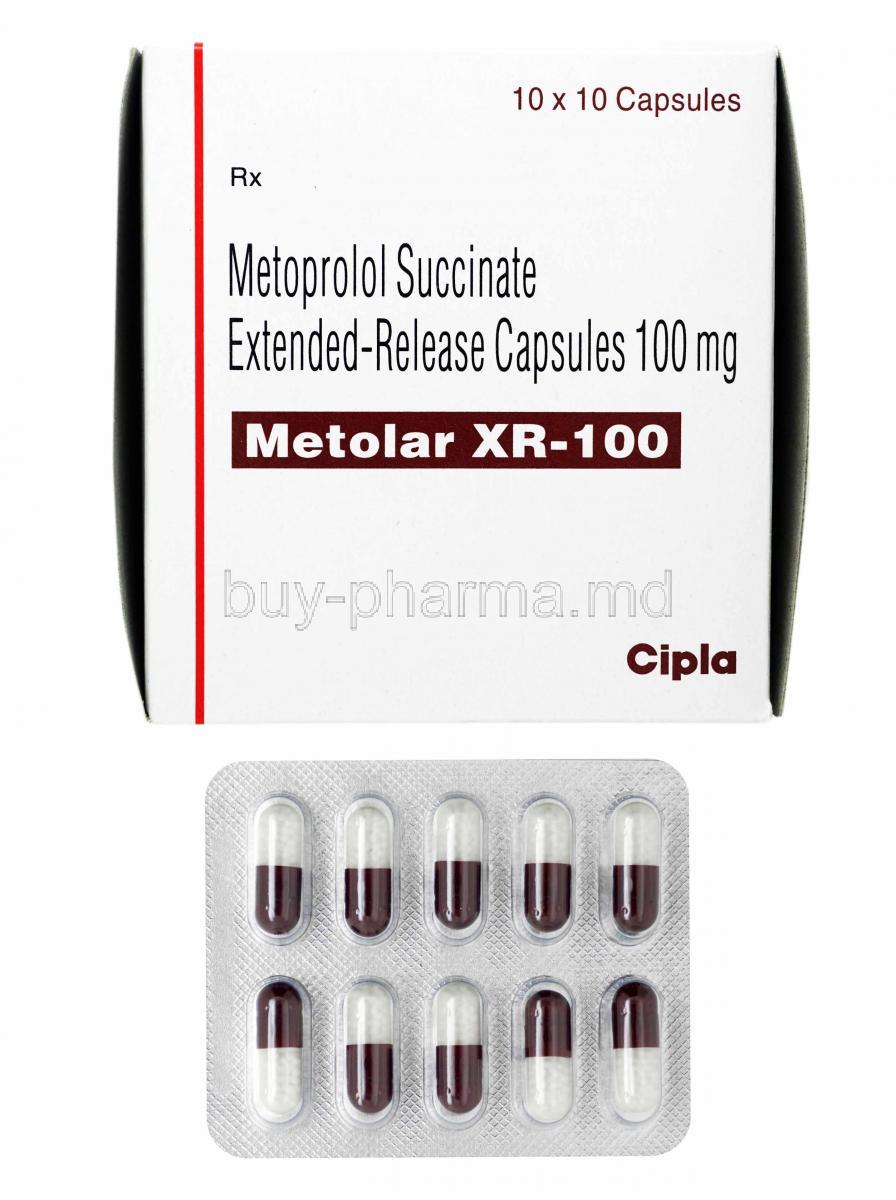
Metolar may contain either metoprolol tartrate or metoprolol succinate. Tartrate is an immediate-release form designed for shorter action, while succinate is an extended-release form used for consistent 24-hour control, especially in heart failure therapy.
2.2 Available Strengths and Pharmaceutical Forms
Metoprolol is manufactured in various strengths to meet individualized needs.
- Immediate-release tablets: typically taken multiple times per day.
- Extended-release tablets: provide steady medication levels through the day.
- Injectable formulations: used in hospital settings for acute cardiac conditions.
2.3 Excipients and Their Functional Role
Excipients such as microcrystalline cellulose, lactose monohydrate, and magnesium stearate ensure stability, proper tablet disintegration, and uniform drug distribution. These supporting ingredients enhance bioavailability and medication integrity.
2.4 Pharmacokinetic Distinctions Between Tartrate and Succinate
The tartrate form is rapidly absorbed with a short half-life, requiring multiple daily doses. Succinate is engineered for controlled release, achieving smoother plasma concentration curves and improved adherence through once-daily dosing.
3. Mechanism of Action: How Metolar (Metoprolol) Works
3.1 Beta-1 Adrenergic Receptor Selectivity
Metoprolol selectively blocks beta-1 receptors predominantly found in cardiac tissue. This minimizes respiratory side effects and makes it safer for patients with mild airway disease compared to non-selective beta-blockers.
3.2 Reduction of Heart Rate, Blood Pressure, and Cardiac Output
The medication reduces heart rate and myocardial contractility, lowering blood pressure and cardiac output. This action mitigates excessive cardiovascular strain, especially during stress or physical exertion.
3.3 Effects on Sympathetic Nervous System Activity
Metoprolol inhibits sympathetic overactivity, stabilizing heart rhythm and reducing norepinephrine-driven cardiac stimulation. This modulation helps prevent arrhythmias and reduces tremors associated with hyperadrenergic states.
3.4 Anti-anginal, Anti-arrhythmic, and Antihypertensive Mechanisms
Its multi-pronged mechanisms ensure:
- Reduced chest pain due to improved oxygen balance.
- Controlled arrhythmias by stabilizing electrical activity.
- Lower blood pressure by decreasing cardiac workload.
3.5 Onset of Action, Peak Levels, and Duration
Immediate-release forms begin acting within one hour, while extended-release options provide a steady therapeutic effect lasting 24 hours. This makes dosing flexible and patient-friendly.
4. Approved Uses of Metolar (Metoprolol)
4.1 Hypertension Management
Metoprolol lowers elevated blood pressure through heart rate modulation and decreased peripheral resistance, offering long-term cardiovascular protection.
4.2 Angina Pectoris and Chronic Chest Pain
By reducing myocardial oxygen demand, the medication alleviates recurrent chest discomfort and improves exercise tolerance.
4.3 Heart Failure (HFrEF) – Metoprolol Succinate
Extended-release metoprolol succinate is clinically proven to reduce hospitalization and mortality in patients with heart failure with reduced ejection fraction.
4.4 Arrhythmias and Tachycardia
Metoprolol stabilizes rapid or irregular heartbeats, especially supraventricular tachycardia and premature contractions.
4.5 Secondary Prevention After Myocardial Infarction
Post-heart attack patients benefit from reduced reinfarction risk and improved survival through long-term metoprolol therapy.
4.6 Hyperthyroidism-related Symptoms
The medication helps control tachycardia, tremors, and excessive adrenergic activity caused by thyroid hormone excess.
4.7 Migraine Prophylaxis
In certain regions, metoprolol is approved for migraine prevention, reducing frequency and severity through modulation of vascular and neurological pathways.
5. Off-Label Uses of Metoprolol
5.1 Anxiety and Performance Anxiety
Metoprolol helps control rapid heartbeat and physical anxiety symptoms, improving calmness during stressful situations.
5.2 Atrial Fibrillation Rate Control
Used to maintain controlled ventricular rates in non-urgent atrial fibrillation cases.
5.3 POTS (Postural Orthostatic Tachycardia Syndrome)
Patients with POTS may experience reduced standing heart rate and improved tolerance with metoprolol therapy.
5.4 Alcohol or Drug Withdrawal-Related Tachycardia
By calming sympathetic overdrive, metoprolol helps manage withdrawal-related cardiovascular symptoms.
5.5 PTSD-Related Hyperarousal Symptoms
The medication may alleviate exaggerated startle responses and autonomic hyperactivity.
5.6 Management of Palpitations in Hyperadrenergic States
Conditions such as panic disorder or medication-induced palpitations may benefit from metoprolol's heart-rate modulation.
6. Dosage and Administration
6.1 General Dosing Principles for Metoprolol
Dosing is individualized based on indication, patient tolerance, and clinical response. Therapy usually begins with lower doses and is titrated upward.
6.2 Dosage for Hypertension
Typical dosing ranges from 50–100 mg daily in divided doses for immediate-release forms or once-daily extended-release formulations.
6.3 Dosage for Angina and Arrhythmias
Higher doses are often required, with adjustments based on symptoms, ECG findings, and exercise tolerance.
6.4 Dosage for Heart Failure (Succinate Extended-Release)
Initiation starts at very low doses with gradual increases at regular intervals under strict medical supervision.
6.5 Dosing in Acute Myocardial Infarction
Injectable metoprolol may be used for early stabilization, followed by oral maintenance therapy.
6.6 Switching Between Tartrate and Succinate Forms
Conversion requires careful dose equivalence to prevent under- or overdosing, as release rates differ significantly.
6.7 Missed Dose Instructions
If a dose is missed, it should be taken promptly unless it is near the next scheduled dose. Doubling doses is avoided.
6.8 How to Take: With Food vs Without Food
Metoprolol is often taken with food to enhance absorption and reduce gastrointestinal discomfort.
6.9 Titration Guidelines and Monitoring
Gradual adjustments help optimize therapeutic response while minimizing the risk of bradycardia or hypotension.
7. Important Precautions and Handling Instructions
7.1 Risk of Abrupt Discontinuation – Rebound Tachycardia
Sudden withdrawal can cause rapid heartbeat, angina, or exacerbation of hypertension. Tapering is essential.
7.2 Monitoring Blood Pressure, Heart Rate, and ECG
Regular monitoring ensures safe dose adjustments and early detection of adverse cardiac effects.
7.3 Activities Requiring Alertness
Dizziness or fatigue may impair the ability to operate machinery or drive safely.
7.4 Managing Exercise Tolerance and Fatigue
Patients may experience reduced exercise capacity; gradual activity adjustments are advised.
7.5 Caution in Hot Weather or Heavy Sweating
Heat exposure can amplify blood pressure-lowering effects; adequate hydration is recommended.
8. Contraindications
8.1 Severe Bradycardia
Extremely low heart rates preclude safe administration due to risk of cardiac arrest.
8.2 Heart Block (2nd and 3rd Degree)
Avoided in conduction abnormalities unless a pacemaker is present.
8.3 Decompensated Heart Failure
In unstable conditions, beta-blockers may worsen symptoms and require temporary discontinuation.
8.4 Cardiogenic Shock
Suppression of cardiac output during shock is life-threatening and contraindicated.
8.5 Severe Peripheral Arterial Circulation Disorders
Metoprolol may exacerbate reduced limb blood flow.
8.6 Hypersensitivity to Metoprolol or Other Beta-Blockers
Avoid use in known allergy to the drug or related compounds.
9. Careful Administration (Use with Caution)
9.1 Patients with Asthma or COPD
Bronchospasm risk is increased, even with cardioselective agents, requiring cautious dosing.
9.2 Diabetes and Risk of Masked Hypoglycemia
Metoprolol may obscure early hypoglycemia signs such as rapid heartbeat, necessitating closer glucose monitoring.
9.3 Thyroid Disorders
Thyroid imbalance affects sympathetic activity, warranting adjusted dosing.
9.4 Patients with Severe Allergies or Anaphylaxis Risk
Beta-blockers may reduce the effectiveness of adrenaline used in anaphylaxis treatment.
9.5 Renal and Hepatic Impairment
Dose reduction or modified schedules may be required due to reduced drug clearance.
9.6 Concurrent Use of Other Cardiac Medications
Combination with calcium channel blockers or antiarrhythmics intensifies bradycardic or hypotensive effects.
9.7 Patients with Depression or Sleep Disorders
Metoprolol may influence mood or sleep architecture, requiring clinical oversight.
10. Side Effects of Metolar (Metoprolol)
10.1 Overview of Adverse Reactions
Side effects of Metolar (metoprolol) may manifest due to its influence on cardiac rhythm, nervous system regulation, and metabolic pathways. Although many reactions are mild and transient, some individuals may experience more pronounced effects requiring medical evaluation. The intensity of adverse symptoms often depends on dosage, patient sensitivity, and concurrent medical conditions.
10.2 Cardiovascular Effects (bradycardia, hypotension)
Cardiovascular reactions are among the most common. Metoprolol slows heart rate and lowers blood pressure. In some individuals, these effects may become excessive.
- Bradycardia, which can cause faintness or reduced exercise tolerance.
- Hypotension, leading to dizziness or weakness.
- Worsening symptoms in patients with pre-existing conduction disorders.
10.3 Neurological Effects (dizziness, fatigue, headache)
Metoprolol can affect central nervous system activity, triggering symptoms such as:
- Persistent fatigue or low energy levels.
- Headaches, often mild but occasionally persistent.
- Dizziness or vertigo, especially during initial therapy.
10.4 Respiratory Effects (shortness of breath in sensitive patients)
Although cardioselective, Metoprolol may still influence respiratory pathways. Sensitive individuals may notice:
- Shortness of breath during exertion.
- Mild airway constriction.
- Worsening symptoms in people with underlying asthma or COPD.
10.5 Metabolic Effects (blood sugar changes)
The medication can mask early signs of hypoglycemia, especially in people with diabetes. Blood glucose fluctuations may occur due to altered sympathetic responses, requiring careful monitoring for those on antidiabetic regimens.
10.6 Gastrointestinal Effects (nausea, diarrhea, constipation)
Gastrointestinal discomfort is possible. Symptoms may include:
- Nausea or upset stomach.
- Mild diarrhea or, conversely, constipation.
- Loss of appetite in some cases.
10.7 Skin, Sleep, and Mood-Related Effects
Skin reactions such as rash or itching may occur. Sleep patterns may also change, with some individuals experiencing vivid dreams or mild insomnia. Mood alterations, including mild depressive tendencies, may rarely appear during long-term therapy.
11. Common Side Effects
11.1 Fatigue and Drowsiness
Feelings of tiredness are frequently reported due to reduced cardiac workload and sympathetic tone. These symptoms often improve as the body adapts.
11.2 Dizziness and Light-headedness
Blood pressure reduction may cause transient dizziness, especially when standing quickly.
11.3 Slow Heart Rate
A lower resting heart rate is expected, though excessive slowing may produce noticeable lethargy or faintness.
11.4 Cold Hands and Feet
Peripheral circulation may decrease, resulting in cooler extremities.
11.5 Mild Gastrointestinal Upset
Digestive discomfort, including nausea or mild cramps, may occur early in therapy.
11.6 Sleep Disturbances or Vivid Dreams
Changes in sleep architecture may cause vivid or unusual dreams, occasional restlessness, or nighttime awakenings.
12. Drug Interactions
12.1 Interactions with Other Antihypertensive Agents
Combining Metoprolol with additional blood pressure medications may intensify hypotensive effects. Careful dose coordination is essential.
12.2 Interactions with Antiarrhythmics (amiodarone, verapamil)
Drugs that affect cardiac conduction can synergistically increase bradycardic or conduction-slowing effects.
12.3 Interactions with Antidepressants (SSRIs, MAO inhibitors)
Certain antidepressants may elevate metoprolol plasma levels, increasing side-effect risk. MAO inhibitors may also potentiate its cardiovascular effects.
12.4 Interaction with Diabetes Medications
Metoprolol may mask hypoglycemia symptoms and alter glucose control, requiring adjustment of insulin or oral antidiabetic drugs.
12.5 Interaction with NSAIDs and Reduced Effectiveness
NSAIDs may blunt the antihypertensive effect of Metoprolol through renal prostaglandin inhibition, leading to elevated blood pressure.
12.6 Alcohol and CNS Depressants
Alcohol and sedatives amplify drowsiness, dizziness, and blood pressure lowering. Co-ingestion encourages caution.
13. Administration in Special Populations
13.1 Administration to Elderly Patients
Elderly individuals are more sensitive to the effects of Metoprolol, requiring tailored management.
- Increased sensitivity to blood pressure reduction and heart rate slowing.
- Higher risk of falls due to orthostatic hypotension.
- Frequent need for slow titration and careful dose escalation.
13.2 Administration to Pregnant Women
Metoprolol may pose potential risks during pregnancy.
- Possible fetal growth restriction due to reduced placental perfusion.
- Risk of neonatal bradycardia and hypoglycemia following delivery.
- Use only when benefits clearly outweigh risks, based on clinical judgment.
13.3 Administration to Nursing Mothers
Small amounts of metoprolol pass into breast milk.
- Most infants tolerate this exposure well.
- Monitoring for unusual sleepiness, cold extremities, or poor feeding is recommended.
13.4 Administration to Children
Use in children depends on regional regulatory approval.
- Pediatric indications vary; some regions approve use for hypertension or arrhythmias.
- Dosing must be precisely calculated by weight to avoid adverse effects.
- Monitoring of growth, heart rate, and blood pressure is essential.
14. Overdosage
14.1 Symptoms of Metoprolol Overdose
Excessive intake can produce severe and life-threatening symptoms.
- Profound bradycardia.
- Severe hypotension.
- Circulatory shock.
- Bronchospasm, especially in asthmatics.
- Neurological effects such as seizures.
14.2 Emergency Treatment Protocol
Immediate medical intervention is crucial. Standard procedures include:
- Administration of activated charcoal to limit absorption.
- Use of atropine or glucagon to counteract bradycardia and support heart function.
- Advanced supportive care involving fluids, vasopressors, and cardiac monitoring.
14.3 Monitoring and Recovery Expectations
Patients require continuous cardiac and respiratory observation. Recovery depends on dosage, medical intervention speed, and co-existing conditions. In most cases, improvement occurs gradually as drug levels decline.
15. Storage and Handling Precautions
15.1 Recommended Storage Temperature
Store Metolar at controlled room temperature, typically between 20°C and 25°C, unless specified otherwise on the packaging.
15.2 Light and Moisture Protection
Keep tablets in their original packaging to protect them from humidity and direct light, preventing degradation.
15.3 Safe Storage Away from Children
Medication should be kept out of reach of children to avoid accidental ingestion.
15.4 Handling Extended-Release Tablets
Extended-release tablets must not be crushed or chewed. Altering their structure disrupts controlled drug release.
15.5 Expiration, Disposal, and Environmental Safety
Expired medication should be disposed of safely through pharmacy take-back programs. Avoid discarding in household waste or water systems to protect the environment.
Metolar, Metoprolol FAQ
- What is MetoLAR used for?
- Is metoprolol and MetoLAR the same thing?
- Is MetoLAR a blood thinner?
- Is Metolar safe for long-term use?
- Can you drink coffee with metoprolol?
- Can metoprolol affect sleep?
- What are the common side effects of MetoLAR?
- Is it better to take metoprolol in the morning or at night?
- Can I stop taking MetoLAR 25 suddenly?
- Does metolar reduce BP?
- What is the main use of metoprolol?
- What is the best time to take metoprolol?
- What are the major side effects of metoprolol?
- What to avoid when taking metoprolol?
- Can you take metoprolol with losartan?
- Can metoprolol make you tired?
- Can metoprolol affect sleep?
- Do you gain weight on metoprolol?
- What happens when you stop taking metoprolol?
- What are the positive effects of metoprolol?
- Does metoprolol affect memory?
- What happens if you take metoprolol on an empty stomach?
- Can you take amlodipine and metoprolol together?
- Can I eat one banana with metoprolol?
- Is 25mg of metoprolol a lot?
- Can you go to sleep after taking metoprolol?
- What are the mental side effects of metoprolol?
- Can you exercise while taking metoprolol?
- Can metoprolol cause hair loss?
- What are the risks of taking metoprolol?
- Does metoprolol make you puffy?
- Can I drink alcohol with metoprolol?
- What is the difference between losartan and metoprolol?
- Is lisinopril better than metoprolol?
What is MetoLAR used for?
It is used to treat high blood pressure (hypertension), angina (heart-related chest pain), and irregular heart rhythms (arrhythmia). It also helps prevent future heart attacks, strokes, and migraines.
Is metoprolol and MetoLAR the same thing?
Yes
Is MetoLAR a blood thinner?
No
Is Metolar safe for long-term use?
Yes
Can you drink coffee with metoprolol?
No
Can metoprolol affect sleep?
Yes
What are the common side effects of MetoLAR?
- Diarrhea
- Dizziness
- Fatigue
Is it better to take metoprolol in the morning or at night?
Nightime
Can I stop taking MetoLAR 25 suddenly?
No
Does metolar reduce BP?
Yes
What is the main use of metoprolol?
Metoprolol is used alone or in combination with other medications to treat high blood pressure. It is also used to treat chronic (long-term) angina (chest pain). Metoprolol is also used to improve survival after a heart attack. Metoprolol is also used in combination with other medications to treat heart failure.
What is the best time to take metoprolol?
Night
What are the major side effects of metoprolol?
- Vision changes
- Chest pain
- Dizziness
- Lightheadedness
- Arrythmia
What to avoid when taking metoprolol?
NSAIDs, certain blood pressure medications, and MAOIs
Can you take metoprolol with losartan?
Yes
Can metoprolol make you tired?
Yes
Can metoprolol affect sleep?
Yes
Do you gain weight on metoprolol?
Yes
What happens when you stop taking metoprolol?
Sudden discontinuation of metoprolol may lead to a withdrawal syndrome that can worsen chest pain and arrhythmias, hypertension, and increase the risk of a heart attack.
What are the positive effects of metoprolol?
It slows down your heart rate and makes it easier for your heart to pump blood around your body.
Does metoprolol affect memory?
Rarely
What happens if you take metoprolol on an empty stomach?
It may increase effects of the drug
Can you take amlodipine and metoprolol together?
Yes
Can I eat one banana with metoprolol?
No
Is 25mg of metoprolol a lot?
The usual initial dosage of Metoprolol succinate is 25 to 100 mg daily.
Can you go to sleep after taking metoprolol?
Yes
What are the mental side effects of metoprolol?
Deppression and High burnout symptoms
Can you exercise while taking metoprolol?
Yes
Can metoprolol cause hair loss?
Yes
What are the risks of taking metoprolol?
Allergic reactions and heart failure
Does metoprolol make you puffy?
Yes
Can I drink alcohol with metoprolol?
No
What is the difference between losartan and metoprolol?
Metoprolol is a beta-blocker (beta-adrenergic blocking agent) and losartan is an angiotensin receptor blocker (ARB).
Is lisinopril better than metoprolol?
Lisinopril was associated with a more significant reduction in cardiovascular-related events compared to metoprolol
Customers also bought
Popular Products
Similar Product