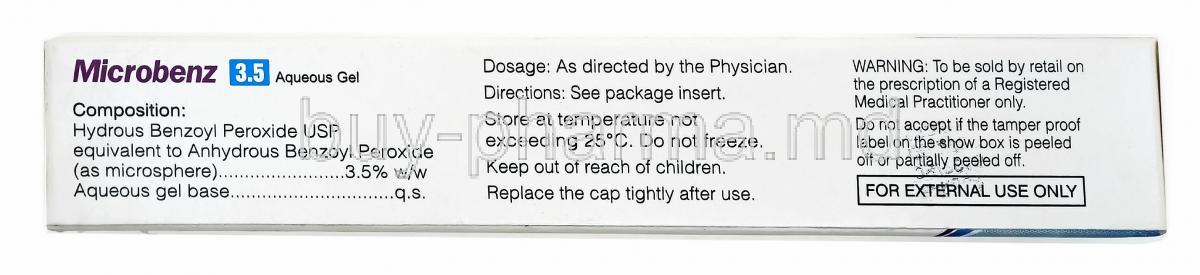

1. Introduction to Microbenz Gel (Benzoyl Peroxide)
1.1 What Is Microbenz Gel?
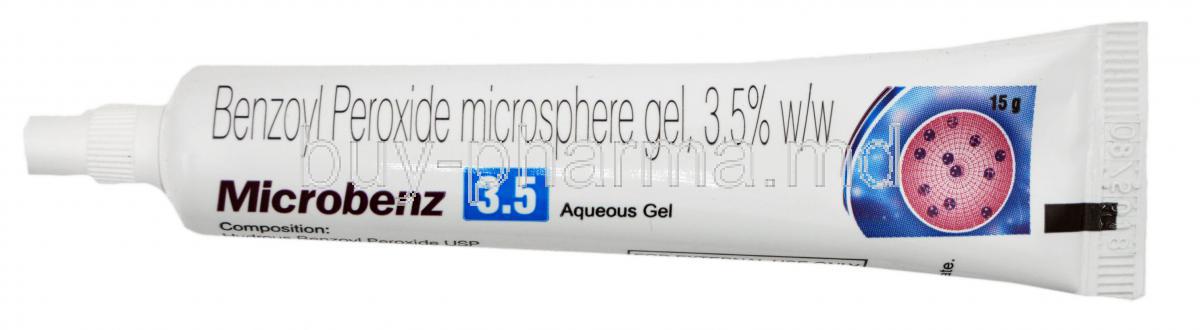
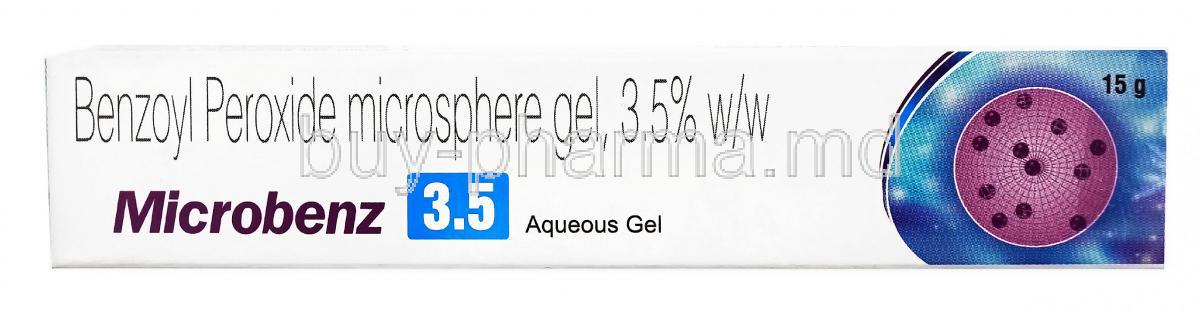
Microbenz Gel is a topical dermatologic preparation formulated for the management of acne-prone skin. It is applied directly to affected areas, where it exerts localized therapeutic effects with minimal systemic absorption. The gel matrix facilitates even dispersion across the epidermis, ensuring uniform contact with pilosebaceous units.
Designed for routine dermatologic care, Microbenz Gel is commonly integrated into structured acne treatment regimens. Its texture is lightweight, rapidly absorbed, and generally non-occlusive. Patients value its practicality. Clinicians appreciate its predictable pharmacodynamic profile.
1.2 Active Ingredient: Benzoyl Peroxide
The principal active component is benzoyl peroxide, a well-established topical antimicrobial and keratolytic agent. Upon application, it decomposes to release oxygen free radicals. These reactive species create an inhospitable microenvironment for acne-associated bacteria.
- Potent antibacterial activity
- Mild exfoliative properties
- Low risk of systemic toxicity
Its dual functionality—antimicrobial and comedolytic—makes it a cornerstone in acne therapeutics.
1.3 Drug Class and Therapeutic Category
Benzoyl peroxide belongs to the class of topical oxidizing agents with keratolytic properties. Therapeutically, it is categorized as an anti-acne medication. It is not an antibiotic, though it exhibits robust antibacterial activity. This distinction is clinically significant.
1.4 Available Strengths and Formulations
Microbenz Gel is typically available in concentrations such as:
- 2.5%
- 5%
- 10%
Lower concentrations are often preferred for sensitive skin, whereas higher strengths may be reserved for more resilient dermal types. Formulations may include gels, creams, or washes, each tailored to specific skin phenotypes.
1.5 Prescription vs. Over-the-Counter Availability
Certain benzoyl peroxide formulations are available without prescription, particularly at lower concentrations. Higher strengths or combination therapies may require medical authorization. Accessibility varies by jurisdiction and regulatory framework.
2. Composition and Pharmaceutical Characteristics
2.1 Active Ingredient: Benzoyl Peroxide Concentration
The concentration determines both efficacy and tolerability. A 2.5% formulation often achieves comparable clinical outcomes to higher strengths with reduced irritation. Conversely, 10% preparations may provide enhanced antimicrobial intensity for resistant cases.
2.2 Inactive Ingredients and Excipients
Excipients may include stabilizers, humectants, and viscosity-modifying agents. These components:
- Enhance product stability
- Improve spreadability
- Support dermal comfort
Though pharmacologically inert, they significantly influence patient adherence.
2.3 Gel Base and Dermatological Compatibility
The gel base is typically water-based and non-comedogenic. It minimizes pore occlusion while allowing rapid evaporation after application. This characteristic reduces residual greasiness and improves daytime usability.
2.4 Packaging, Shelf Life, and Stability
Microbenz Gel is packaged in opaque tubes to limit photodegradation. Benzoyl peroxide is chemically labile and sensitive to heat. Proper storage extends shelf life and preserves potency.
2.5 pH and Skin Tolerance Considerations
Formulations are calibrated to maintain a skin-compatible pH. Excessive deviation may compromise barrier integrity. A balanced pH supports optimal tolerance, especially during prolonged therapy.
3. Mechanism of Action: How Benzoyl Peroxide Works
3.1 Antibacterial Activity Against Cutibacterium acnes
Benzoyl peroxide exerts bactericidal activity against Cutibacterium acnes. It penetrates follicles and releases oxygen radicals that disrupt bacterial cell membranes. The effect is swift and direct.
3.2 Keratolytic and Comedolytic Effects
It promotes desquamation of the stratum corneum. By facilitating exfoliation, it prevents microcomedone formation. This action reduces obstruction within sebaceous follicles.
3.3 Reduction of Inflammation in Acne Lesions
By diminishing bacterial proliferation, inflammatory mediators are reduced. Erythema subsides. Papules regress. The inflammatory cascade is attenuated.
3.4 Oxygen-Releasing Properties and Bacterial Resistance Prevention
Unlike antibiotics, benzoyl peroxide’s oxidative mechanism does not foster microbial resistance. Oxygen radicals indiscriminately damage bacterial structures. Resistance development remains exceedingly rare.
3.5 Role in Preventing Antibiotic Resistance
When combined with topical antibiotics, benzoyl peroxide mitigates resistance selection pressure. This synergistic approach preserves long-term antibiotic efficacy.
4. Approved Uses of Microbenz Gel (Benzoyl Peroxide)
4.1 Treatment of Mild to Moderate Acne Vulgaris
Microbenz Gel is primarily indicated for mild to moderate acne vulgaris. It addresses both inflammatory and non-inflammatory lesions. Regular use improves overall cutaneous clarity.
4.2 Management of Inflammatory Acne Lesions
Inflammatory papules and pustules respond favorably. Antibacterial action curtails lesion progression. Swelling diminishes over time.
4.3 Treatment of Non-Inflammatory Comedonal Acne
Open and closed comedones are reduced through keratolytic activity. Follicular debris is cleared. Sebum flow becomes less obstructed.
4.4 Use in Combination Acne Therapy Regimens
Microbenz Gel is frequently co-administered with:
- Topical retinoids
- Topical antibiotics
- Systemic acne therapies
Such regimens optimize outcomes through multimodal mechanisms.
4.5 Maintenance Therapy to Prevent Acne Recurrence
After initial control, continued low-frequency application may prevent relapse. Maintenance therapy stabilizes follicular turnover and microbial balance.
5. Off-Label Uses of Benzoyl Peroxide
5.1 Folliculitis Treatment
Its antimicrobial properties make it useful in superficial folliculitis. It reduces bacterial colonization around hair follicles.
5.2 Perioral Dermatitis (Adjunct Therapy)
In select cases, it may be employed cautiously as adjunct therapy. Professional supervision is essential.
5.3 Rosacea (Selected Cases Under Supervision)
Certain inflammatory variants may benefit. However, irritation risk necessitates careful titration.
5.4 Hidradenitis Suppurativa (Adjunctive Management)
As part of combination therapy, benzoyl peroxide may reduce secondary bacterial load in affected areas.
5.5 Keratosis Pilaris Supportive Treatment
Mild keratolytic activity can improve texture irregularities. Results vary.
5.6 Prevention of Secondary Bacterial Skin Infections
By limiting bacterial proliferation, it may reduce risk of superficial secondary infection in acne-prone skin.
6. Dosage and Administration Guidelines
6.1 Recommended Concentrations (2.5%, 5%, 10%)
Initiation often begins with 2.5% to evaluate tolerance. Escalation depends on clinical response and dermal resilience.
6.2 How to Apply Microbenz Gel Correctly
Apply a thin layer to clean, dry skin. Avoid excessive quantity. A pea-sized amount may suffice for the entire face.
6.3 Frequency of Application (Once vs. Twice Daily)
Once-daily application is common initially. Twice-daily regimens may be implemented if tolerated.
6.4 Duration of Treatment for Acne Control
Clinical improvement may emerge within several weeks. Sustained therapy for 8–12 weeks is typical for meaningful results.
6.5 Gradual Introduction to Minimize Irritation
Intermittent application during the first week can mitigate irritation. Gradual escalation supports dermal adaptation.
6.6 Use in Combination With Topical Retinoids or Antibiotics
Sequential application—benzoyl peroxide in the morning, retinoid at night—is often recommended to optimize compatibility.
7. Important Precautions Before Using Microbenz Gel
7.1 Skin Sensitivity and Allergy Testing
A patch test is prudent prior to full application. Hypersensitivity reactions, though uncommon, can occur.
7.2 Avoidance of Broken or Inflamed Skin
Application to abraded skin may intensify irritation. Intact epidermis is preferred.
7.3 Sun Sensitivity and Photoprotection Measures
Benzoyl peroxide may increase photosensitivity. Sunscreen use is advisable. Protective clothing enhances safety.
7.4 Avoiding Contact With Eyes, Lips, and Mucous Membranes
Accidental contact may cause pronounced irritation. Immediate rinsing with water is recommended.
7.5 Fabric Bleaching and Staining Precautions
The compound may bleach textiles and hair. Careful handwashing after application prevents unintended discoloration.
8. Warnings and Safety Considerations
8.1 Risk of Severe Allergic Reactions
Rare but serious hypersensitivity reactions may manifest as swelling or urticaria. Immediate discontinuation is required.
8.2 Skin Irritation and Chemical Burns
Excessive use can lead to erythema, peeling, or dermatitis. Conservative dosing minimizes risk.
8.3 Interaction With Other Topical Acne Medications
Concurrent use with other irritants—such as salicylic acid—may amplify dryness. Staggered application may improve tolerability.
8.4 Risk of Excessive Dryness and Peeling
Common early effects include:
- Flaking
- Desquamation
- Tightness
Adjunct moisturizers can alleviate symptoms.
8.5 When to Discontinue Treatment
Persistent severe irritation warrants cessation. Medical evaluation should follow.
9. Contraindications
9.1 Hypersensitivity to Benzoyl Peroxide
Individuals with known hypersensitivity must avoid use.
9.2 Severe Eczema or Compromised Skin Barrier
In patients with significant barrier dysfunction, irritation risk is heightened.
9.3 Known Allergy to Formulation Components
Allergic responses to excipients also constitute contraindications.
10. Common Side Effects of Benzoyl Peroxide Gel
10.1 Dryness and Peeling
Mild xerosis and superficial peeling are frequent, particularly during initial weeks.
10.2 Mild Redness and Irritation
Transient erythema may occur. It typically subsides with continued use.
10.3 Burning or Stinging Sensation
A brief stinging sensation can follow application. It is usually self-limited.
10.4 Itching and Tightness of Skin
Pruritus and tightness reflect barrier adaptation. Appropriate moisturization often mitigates discomfort.
11. Serious and Less Common Side Effects
11.1 Severe Dermatitis
Although most individuals tolerate benzoyl peroxide well, severe dermatitis may occasionally occur. This manifestation extends beyond mild erythema. It may involve intense inflammation, marked edema, and pronounced desquamation.
Clinical features can include:
- Diffuse redness with sharp demarcation
- Persistent burning sensation
- Cutaneous fissuring or oozing
Such reactions often arise from excessive application or heightened cutaneous sensitivity. Immediate discontinuation is warranted. Dermatologic evaluation should follow without delay.
11.2 Swelling of Face or Lips
Angioedematous reactions, though rare, represent a more serious hypersensitivity response. Swelling may involve the lips, periorbital region, or entire face. The onset can be abrupt. The progression may be rapid.
Associated symptoms may include:
- Tingling of the skin
- Pruritus
- Difficulty breathing in extreme cases
These signs necessitate urgent medical attention. Benzoyl peroxide should not be reintroduced in individuals who experience such reactions.
11.3 Blistering or Crusting of Skin
Vesiculation or crust formation indicates significant epidermal irritation. The skin barrier may become compromised, allowing transepidermal water loss to accelerate. This can exacerbate dryness and discomfort.
Blistering is not typical of routine therapy. When present, it signals excessive cutaneous stress. Reduction in frequency—or complete cessation—should be considered.
11.4 Persistent Hyperpigmentation or Hypopigmentation
Alterations in skin pigmentation are uncommon but possible. Post-inflammatory hyperpigmentation may occur following severe irritation. Conversely, transient hypopigmentation can develop in susceptible individuals.
While these changes are often reversible, prolonged discoloration warrants dermatologic consultation. Careful titration of therapy helps minimize this risk.
12. Drug and Product Interactions
12.1 Interaction With Topical Retinoids (Tretinoin, Adapalene)
Concurrent use with topical retinoids requires strategic scheduling. Benzoyl peroxide may oxidize certain retinoids, particularly tretinoin, potentially reducing efficacy. Sequential application is therefore recommended.
A common approach includes:
- Benzoyl peroxide in the morning
- Retinoid application at night
This temporal separation optimizes therapeutic synergy while preserving molecular stability.
12.2 Combination With Topical Antibiotics (Clindamycin, Erythromycin)
Benzoyl peroxide is frequently combined with topical antibiotics to enhance antimicrobial coverage. This combination reduces the risk of antibiotic resistance development. The oxidative mechanism complements the bacteriostatic action of antibiotics.
Such regimens are often prescribed in fixed-dose combinations for convenience and adherence.
12.3 Use With Salicylic Acid Products
Simultaneous use with salicylic acid may amplify keratolytic effects. While this can improve comedonal clearance, it may also increase irritation. Careful monitoring is advised.
Patients should be instructed to:
- Introduce products gradually
- Avoid over-application
- Use supportive moisturizers
12.4 Interaction With Alcohol-Based Skincare Products
Alcohol-containing toners and astringents can intensify cutaneous dryness. Combined use may provoke erythema, scaling, and discomfort. Minimizing exposure to harsh formulations preserves epidermal integrity.
12.5 Cosmetic and Skincare Compatibility
Non-comedogenic cosmetics are preferred during therapy. Heavy occlusive products may counteract treatment goals. Gentle cleansers and emollients help maintain balance.
Compatibility considerations include:
- Avoidance of abrasive scrubs
- Selection of fragrance-free products
- Routine photoprotection
13. Administration in Special Populations
13.1 Use in Elderly Patients
13.1.1 Increased Skin Sensitivity in Aging Skin
Aging skin demonstrates reduced barrier function and diminished sebaceous activity. As a result, irritation may occur more readily. Even lower concentrations can produce noticeable dryness.
13.1.2 Dose Adjustment Considerations
Initiating therapy at reduced frequency is prudent. Application every other day may suffice initially. Gradual escalation can be considered based on tolerance.
13.2 Use in Pregnant Women
13.2.1 Safety Data and Risk Assessment
Systemic absorption of topical benzoyl peroxide is minimal. Available data do not suggest significant teratogenic risk. However, comprehensive controlled studies in pregnancy are limited.
13.2.2 Clinical Recommendations During Pregnancy
Use should be guided by clinical judgment. Application to limited areas and avoidance of excessive use are prudent precautions. Consultation with a healthcare professional is advisable.
13.3 Use in Nursing Mothers
13.3.1 Systemic Absorption and Breastfeeding Safety
Minimal systemic penetration reduces the likelihood of significant transfer into breast milk. Nevertheless, direct contact between treated skin and the infant should be avoided.
13.3.2 Avoidance of Application on Chest Area
Application to the chest region should be avoided to prevent inadvertent ingestion by the infant. Careful hygiene following use further reduces exposure risk.
13.4 Use in Children and Adolescents
13.4.1 Recommended Age for Acne Treatment
Benzoyl peroxide is commonly used in adolescents with acne vulgaris. It is generally considered appropriate for individuals aged 12 years and older, depending on clinical assessment.
13.4.2 Safety and Efficacy in Pediatric Use
Clinical experience supports its efficacy in this population. Monitoring for irritation remains essential. Pediatric skin may exhibit heightened reactivity.
14. Careful Administration and Monitoring
14.1 Gradual Dose Escalation Strategy
Commencing therapy with lower concentrations or reduced frequency mitigates irritation. Incremental increases allow the epidermis to adapt. Patience enhances outcomes.
14.2 Monitoring for Irritation and Allergic Reactions
Regular assessment of skin response is recommended. Indicators of concern include:
- Persistent erythema
- Excessive peeling
- Severe pruritus
Early detection permits timely adjustment.
14.3 Adjusting Frequency Based on Skin Response
If dryness becomes excessive, application frequency may be reduced. Conversely, stable tolerance may permit escalation. Treatment should remain individualized.
14.4 Long-Term Use Considerations
Prolonged therapy is often necessary for sustained acne control. Long-term use is generally safe when appropriately monitored. Maintenance regimens should emphasize balance between efficacy and tolerability.
15. Overdose and Accidental Misuse
15.1 Excessive Topical Application
Applying excessive quantities does not enhance efficacy. It increases irritation risk. More is not better.
15.2 Symptoms of Overuse
Overuse may result in:
- Intense erythema
- Marked peeling
- Dermal discomfort
These effects typically resolve upon discontinuation.
15.3 Management of Severe Skin Irritation
Immediate cessation is advised in cases of severe irritation. Supportive measures include gentle cleansing and emollient application. Medical evaluation may be necessary for persistent symptoms.
15.4 Accidental Ingestion Protocol
Accidental ingestion is uncommon but possible. Oral exposure may cause gastrointestinal discomfort. Prompt consultation with a healthcare professional or poison control center is recommended.
16. Storage and Stability Guidelines
16.1 Recommended Storage Temperature
Store at controlled room temperature. Excessive heat may degrade active components. Stability is contingent upon proper storage.
16.2 Protecting From Heat and Direct Sunlight
Keep the product in its original container. Avoid prolonged exposure to sunlight. Photodegradation can reduce potency.
16.3 Shelf Life After Opening
Observe expiration dates carefully. Once opened, product stability may gradually decline. Discard if texture or odor changes noticeably.
16.4 Disposal of Expired Product
Expired medication should not be used. Dispose of according to local pharmaceutical waste guidelines. Do not flush unless specifically instructed.
17. Handling Precautions
17.1 Proper Handwashing Before and After Application
Hands should be cleansed prior to application to reduce contamination. Post-application washing prevents unintended transfer to other areas.
17.2 Preventing Cross-Contamination
Avoid sharing the product with others. Do not allow the tube opening to contact the skin directly. Maintain hygienic dispensing practices.
17.3 Safe Handling in Clinical and Home Settings
Store out of reach of children. Ensure cap closure after each use. Vigilant handling preserves product integrity.
17.4 Avoiding Contact With Colored Fabrics and Hair
Benzoyl peroxide possesses bleaching properties. Contact with colored textiles or hair may result in discoloration. Allow treated skin to dry fully before dressing.
Microbenz Gel, Benzoyl Peroxide FAQ
- What is benzoyl peroxide gel used for?
- Can I use benzoyl peroxide gel daily?
- Does benzoyl peroxide gel actually work?
- Can I leave benzoyl peroxide overnight?
- Is benzoyl peroxide remove dark spots?
- What to avoid when using benzoyl peroxide?
- Can I apply moisturizer after benzoyl peroxide gel?
- How to know if benzoyl peroxide is working?
- What are the disadvantages of benzoyl peroxide?
- Do I need to refrigerate benzoyl peroxide?
- Why is my face dark after using benzoyl peroxide?
- Who should avoid benzoyl peroxide?
- Can benzoyl peroxide lighten my face?
- How long should I wait to apply moisturizer after benzoyl peroxide gel?
- Is benzoyl peroxide an antibiotic?
- Can I put sunscreen on top of benzoyl peroxide?
- What to put on skin after benzoyl peroxide?
- How many months does benzoyl peroxide take to work?
- Who cannot use benzoyl peroxide?
- What is benzoyl peroxide gel used for?
- Can I use benzoyl peroxide gel daily?
- Does benzoyl peroxide gel actually work?
- Can I leave benzoyl peroxide overnight?
- Is benzoyl peroxide remove dark spots?
- Can I apply moisturizer after benzoyl peroxide gel?
- How to know if benzoyl peroxide is working?
- Do I need to refrigerate benzoyl peroxide?
- Can benzoyl peroxide lighten my face?
What is benzoyl peroxide gel used for?
Benzoyl peroxide topical is used to treat acne and may be used for other skin conditions as determined by your doctor.
Can I use benzoyl peroxide gel daily?
1-2 times daily
Does benzoyl peroxide gel actually work?
Yes
Can I leave benzoyl peroxide overnight?
Yes
Is benzoyl peroxide remove dark spots?
Yes
What to avoid when using benzoyl peroxide?
Alcohol-based products
Can I apply moisturizer after benzoyl peroxide gel?
Yes
How to know if benzoyl peroxide is working?
1 month
What are the disadvantages of benzoyl peroxide?
Bleaching
Do I need to refrigerate benzoyl peroxide?
Yes
Why is my face dark after using benzoyl peroxide?
Contact dermatitis
Who should avoid benzoyl peroxide?
Patients allergic to its ingredients
Can benzoyl peroxide lighten my face?
No
How long should I wait to apply moisturizer after benzoyl peroxide gel?
1-2 minutes
Is benzoyl peroxide an antibiotic?
No
Can I put sunscreen on top of benzoyl peroxide?
Yes
What to put on skin after benzoyl peroxide?
Gentle moisturizer
How many months does benzoyl peroxide take to work?
2-4 months
Who cannot use benzoyl peroxide?
- Sensitive skin
- Eczema
- Rosacea
What is benzoyl peroxide gel used for?
Benzoyl peroxide is a topical treatment that's really good at fighting acne. It can also be used for other skin problems, but that's something your doctor would decide.
Can I use benzoyl peroxide gel daily?
1-2 times daily
Does benzoyl peroxide gel actually work?
Yes
Can I leave benzoyl peroxide overnight?
Yes
Is benzoyl peroxide remove dark spots?
Yes
Can I apply moisturizer after benzoyl peroxide gel?
Yes
How to know if benzoyl peroxide is working?
1 month
Do I need to refrigerate benzoyl peroxide?
Yes
Can benzoyl peroxide lighten my face?
No
Popular Products
Similar Product