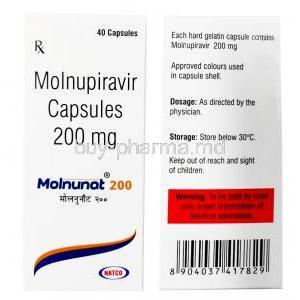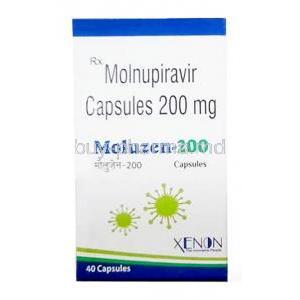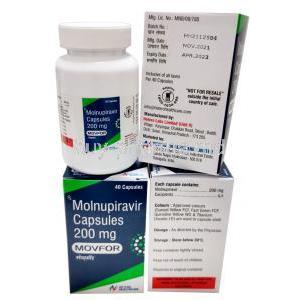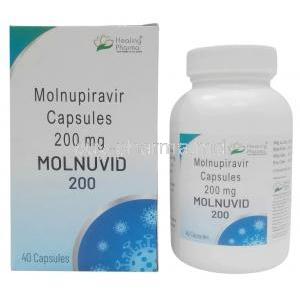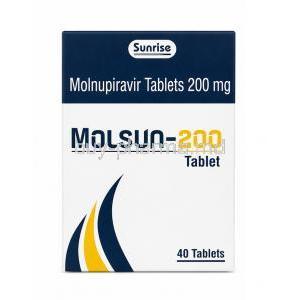
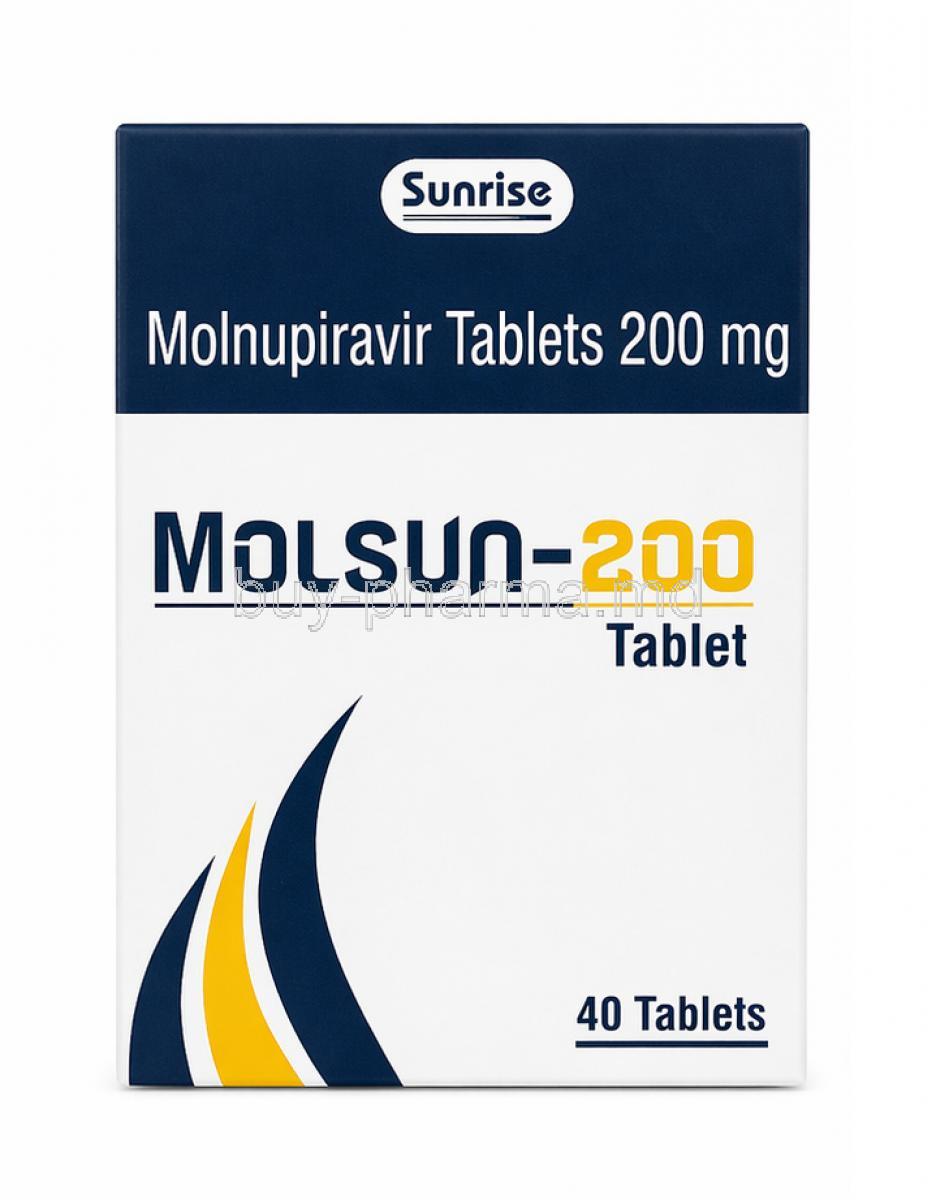
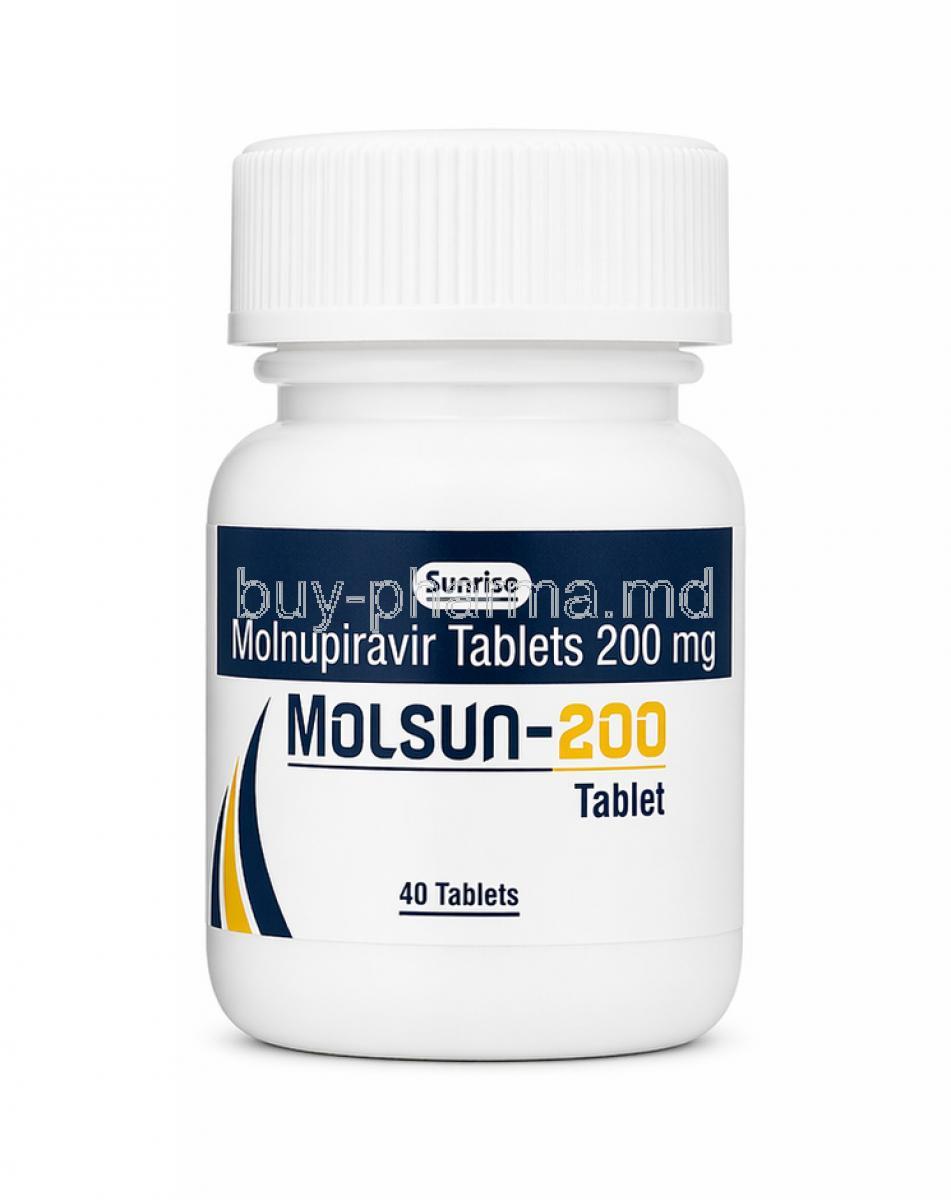
Introduction to Molsun (Molnupiravir)
Molsun, containing the active antiviral agent Molnupiravir, represents a modern therapeutic intervention designed to combat RNA viral infections, particularly COVID-19. Classified as a nucleoside analogue antiviral, it operates through a distinctive mechanism that disrupts viral replication at the molecular level. Its emergence reflects the pharmaceutical industry's rapid innovation during global health exigencies.
Positioned as an oral outpatient treatment, Molsun offers a pragmatic alternative to hospital-based therapies. It is especially advantageous in early-stage infection, where timely intervention can attenuate disease progression. Its convenience, coupled with clinical efficacy, has positioned it as a pivotal option in antiviral pharmacotherapy.
- Oral antiviral agent for early COVID-19 management
- Designed for non-hospitalized, high-risk patients
- Supports reduction in disease severity and hospitalization risk
Composition and Formulation Details
The principal component of Molsun is Molnupiravir, a prodrug metabolized into N-hydroxycytidine (NHC) upon administration. This active metabolite integrates into viral RNA, inducing replication errors. The formulation is typically presented in capsule form, engineered for optimal bioavailability and stability.
Excipients are incorporated to enhance pharmacokinetic performance and maintain chemical integrity. Packaging is designed to preserve potency under recommended storage conditions, often including blister packs or sealed containers to mitigate environmental exposure.
- Active ingredient: Molnupiravir (prodrug)
- Common dosage form: Oral capsules
- Stability supported by protective packaging
Mechanism of Action (How It Works)
Molnupiravir exerts its antiviral effect through a process termed lethal mutagenesis. Once metabolized, it mimics cytidine and uridine nucleosides, becoming incorporated into viral RNA during replication. This leads to an accumulation of mutations—often referred to as “error catastrophe”—rendering the virus nonviable.
The drug selectively targets viral RNA-dependent RNA polymerase, sparing host cellular mechanisms to a significant extent. This selectivity contributes to its therapeutic index, although ongoing studies continue to evaluate long-term implications.
- Induces viral replication errors
- Targets RNA polymerase of viruses
- Reduces viral load and transmissibility
Approved Uses of Molsun (Molnupiravir)
Molsun is primarily indicated for the treatment of mild to moderate COVID-19 in adults who are at increased risk of progressing to severe disease. Its use is most effective when initiated promptly after symptom onset, ideally within the first few days.
Clinical protocols emphasize its role in outpatient settings, reducing the burden on healthcare systems. Regulatory approvals and emergency use authorizations have supported its deployment in various regions under defined criteria.
- Treatment of early-stage COVID-19
- Reduction of hospitalization risk
- Use in high-risk, non-hospitalized patients
Expanded and Off-Label Uses
Beyond its approved indication, Molnupiravir has been investigated for broader antiviral applications. Preliminary studies explore its potential efficacy against other RNA viruses, including influenza and emerging pathogens. These uses remain investigational and are not yet standard practice.
In immunocompromised individuals, off-label considerations may arise, particularly where alternative treatments are limited. Additionally, research into prophylactic or post-exposure applications continues to evolve.
- Investigational use in other viral infections
- Potential role in outbreak containment
- Not yet established for routine off-label use
Dosage and Administration Guidelines
The standard regimen for Molsun typically involves a fixed-dose oral administration over a short treatment course, often spanning five days. Initiation should occur as early as possible following diagnosis or symptom onset to maximize therapeutic benefit.
The medication may be taken with or without food, providing flexibility in adherence. In cases of missed doses, patients are advised to follow structured guidance rather than doubling doses.
- Short-course therapy (commonly 5 days)
- Early initiation is critical
- Flexible administration with respect to meals
Special Population Dosing Considerations
Dose adjustments for renal or hepatic impairment are generally limited, though clinical discretion remains essential. In elderly populations, polypharmacy and comorbidities necessitate careful evaluation.
Pediatric use remains restricted due to insufficient safety data, and administration in younger populations is typically not recommended outside clinical trials.
- Minimal dose adjustment requirements
- Caution in elderly and comorbid patients
- Not routinely used in pediatric populations
Side Effects of Molsun (Molnupiravir)
Molsun is generally well tolerated, with a manageable adverse effect profile. Side effects arise primarily from systemic exposure and immune responses to viral clearance.
Clinical trials have documented relatively low incidence rates, supporting its safety in indicated populations. Nevertheless, vigilance is warranted during therapy.
Common Side Effects
Frequently reported adverse effects are typically mild and transient, resolving without intervention.
- Nausea and gastrointestinal discomfort
- Headache and mild dizziness
- Fatigue or malaise
- Temporary laboratory value fluctuations
Serious and Rare Adverse Effects
Although uncommon, serious reactions may occur and require immediate medical attention. Hypersensitivity reactions and theoretical concerns regarding mutagenicity have been subjects of scientific scrutiny.
- Allergic or hypersensitivity reactions
- Potential long-term genetic safety considerations
- Need for monitoring in high-risk individuals
Drug Interactions and Compatibility
Molnupiravir demonstrates a relatively low potential for drug-drug interactions due to its metabolic pathway. However, concurrent administration with other antivirals or supportive therapies should be evaluated for additive or synergistic effects.
Food intake does not significantly alter its pharmacokinetics, and no substantial interactions with alcohol or dietary supplements have been definitively established.
- Low interaction profile
- Compatible with most supportive treatments
- Minimal food-related effects
Warnings and Safety Considerations
Molsun has been deployed under emergency or conditional approval frameworks in many jurisdictions. As such, its use necessitates careful consideration of the benefit-risk ratio, particularly in vulnerable populations.
Concerns regarding viral resistance and reproductive safety underscore the importance of adhering to prescribing guidelines. Ongoing pharmacovigilance continues to refine its safety profile.
- Use guided by regulatory frameworks
- Consideration of reproductive risks
- Monitoring for resistance patterns
Contraindications
The use of Molnupiravir-containing products such as Molsun is contraindicated in individuals with known hypersensitivity to the active compound or any of its excipients. Such reactions, although infrequent, may manifest as dermatologic eruptions, angioedema, or other immunologically mediated responses.
Regulatory authorities have delineated specific populations in whom use is discouraged or contraindicated. These restrictions are informed by evolving safety data and pharmacological considerations. In certain clinical scenarios, alternative antiviral therapies with more established safety profiles may be preferentially selected.
- History of allergic reaction to Molnupiravir or formulation components
- Contraindicated in populations specified by local regulatory agencies
- Preference for alternative agents in high-risk or uncertain safety contexts
Careful Administration (Use with Caution)
Caution is warranted when administering Molsun to patients with underlying chronic conditions. These may include cardiovascular disorders, metabolic syndromes, or chronic respiratory diseases. While the drug is generally well tolerated, the interplay between systemic illness and antiviral pharmacodynamics requires judicious oversight.
In immunocompromised individuals, therapeutic responses may be altered. Continuous monitoring during the treatment course is therefore advisable. Risk mitigation strategies—such as close clinical follow-up and symptom tracking—enhance treatment safety.
- Evaluate baseline health status before initiation
- Monitor clinical response in immunocompromised patients
- Implement structured follow-up protocols
Important Precautions
Early initiation of therapy remains a cornerstone of Molnupiravir efficacy. Delayed administration may attenuate its antiviral impact. Adherence to the prescribed duration is equally critical; premature discontinuation may compromise therapeutic outcomes.
Misuse or overuse should be strictly avoided. Patients should be counseled on infection control practices to reduce transmission risk, including isolation measures and hygiene protocols.
- Initiate treatment promptly after symptom onset
- Complete the full course as prescribed
- Reinforce public health measures during treatment
Administration in Elderly Patients
In geriatric populations, Molsun demonstrates a generally favorable safety profile. However, physiological changes associated with aging—such as altered pharmacokinetics and organ function—necessitate individualized assessment.
Polypharmacy is a common concern in this demographic. Potential interactions, though limited, should be reviewed. Enhanced sensitivity to adverse effects may occur, warranting vigilant monitoring.
- Assess renal and hepatic function where applicable
- Review concomitant medications
- Monitor for atypical adverse reactions
Administration in Pregnant and Nursing Women
Current recommendations advise against the use of Molnupiravir during pregnancy due to potential risks to fetal development. Preclinical data have raised concerns regarding embryofetal toxicity, necessitating a cautious approach.
Breastfeeding considerations remain complex. Temporary discontinuation of breastfeeding or avoidance of the drug may be advised depending on clinical necessity. Alternative therapeutic options with established safety profiles should be considered where feasible.
- Avoid use during pregnancy unless clearly justified
- Evaluate risks versus benefits in lactating women
- Consider safer alternatives when available
Administration in Pediatric Patients
The safety and efficacy of Molnupiravir in pediatric populations have not been conclusively established. As a result, its use is generally restricted to adult patients.
Ongoing clinical trials aim to elucidate its role in younger cohorts. Until robust data are available, regulatory limitations remain in place.
- Not routinely recommended for children
- Use limited to clinical research settings
- Await further evidence from pediatric studies
Overdosage and Management
Data on Molnupiravir overdose are limited. Symptoms, if they occur, are likely to be an extension of known adverse effects, including gastrointestinal or neurological manifestations.
Management is primarily supportive. No specific antidote exists, and treatment focuses on symptomatic relief and monitoring of vital parameters.
- Provide supportive and symptomatic care
- Monitor for worsening clinical signs
- Seek emergency medical assistance if necessary
Storage and Stability Requirements
Proper storage is essential to պահպան the pharmacological integrity of Molsun. The medication should be kept within recommended temperature ranges, typically at controlled room temperature, and protected from excessive moisture and light.
Shelf life is determined by manufacturer specifications and should be strictly observed. Use of expired medication is discouraged due to potential loss of efficacy.
- Store in a cool, dry environment
- Avoid exposure to heat and humidity
- Observe expiration dates carefully
Handling Precautions
Safe handling practices minimize the risk of contamination and ensure proper therapeutic outcomes. Patients and caregivers should follow instructions provided with the medication.
Unused or expired capsules should be disposed of responsibly, in accordance with local regulations. Environmental considerations are increasingly emphasized in pharmaceutical waste management.
- Do not crush or alter capsule form unless directed
- Dispose of medication through approved channels
- Prevent accidental ingestion or misuse
Summary and Clinical Relevance
Molsun (Molnupiravir) occupies a significant niche in contemporary antiviral therapy, particularly in the early management of COVID-19. Its oral administration, coupled with a unique mechanism of action, provides a practical and effective intervention for high-risk patients.
Within current treatment paradigms, it serves as a valuable adjunct to preventive and supportive measures. Ongoing research continues to refine its clinical applications and safety profile, suggesting a dynamic future for this therapeutic agent.
- Effective early-stage antiviral therapy
- Supports reduction in severe disease progression
- Subject to ongoing clinical investigation and optimization
Molsun, Molnupiravir FAQ
- What is Molsun used for?
- What is molnupiravir 200 mg used for?
- Is it worth taking molnupiravir?
- Molnupiravir, what does it do?
- What is molnupiravir used to treat?
- What is molnupiravir 200 mg?
- What is molnupiravir made of?
- What is molnupiravir prescribed for?
- What is molnupiravir used for in cats?
- How molnupiravir works?
- Molnupiravir: how to take?
- Molnupiravir, how many days?
- How is molnupiravir administered?
- How effective is molnupiravir?
- Can molnupiravir be crushed?
- Can molnupiravir capsules be opened?
- Can molnupiravir be opened?
- Can you drink alcohol with molnupiravir?
- Can you take molnupiravir after 5 days?
- Can molnupiravir treat influenza?
- Can molnupiravir prevent long COVID?
What is Molsun used for?
Molnupiravir is used to treat mild to moderate coronavirus disease 2019 (COVID-19) in non-hospitalized patients.
What is molnupiravir 200 mg used for?
Molnupiravir is used to treat mild-to-moderate COVID-19 in high-risk adults (18+) to prevent hospitalization or death.
Is it worth taking molnupiravir?
Yes
Molnupiravir, what does it do?
Molnupiravir is used to treat adults who have mild to moderate COVID-19, but are at a high risk of their condition becoming severe. T
What is molnupiravir used to treat?
COVID-19
What is molnupiravir 200 mg?
Molnupiravir 200 mg is an oral antiviral medication to treat COVID-19.
What is molnupiravir made of?
Synthetic ribonucleoside analog called -D--hydroxycytidine (NHC) paired with an isopropyl ester group.
What is molnupiravir prescribed for?
COVID-19
What is molnupiravir used for in cats?
Feline infectious peritonitis (FIP)
How molnupiravir works?
Molnupiravir works by inducing "lethal mutagenesis"—it acts as a ribonucleoside analog that fools the SARS-CoV-2 virus into incorporating errors into its RNA during replication.
Molnupiravir: how to take?
Orally every 12 hours for 5 days
Molnupiravir, how many days?
5 days
How is molnupiravir administered?
Orally
How effective is molnupiravir?
38-65%
Can molnupiravir be crushed?
No
Can molnupiravir capsules be opened?
No
Can molnupiravir be opened?
No
Can you drink alcohol with molnupiravir?
No
Can you take molnupiravir after 5 days?
No
Can molnupiravir treat influenza?
Yes
Can molnupiravir prevent long COVID?
Yes
Customers also bought


Popular Products
Similar Product