
1. Introduction to Montair (Montelukast Sodium)
1.1 Overview of Montair
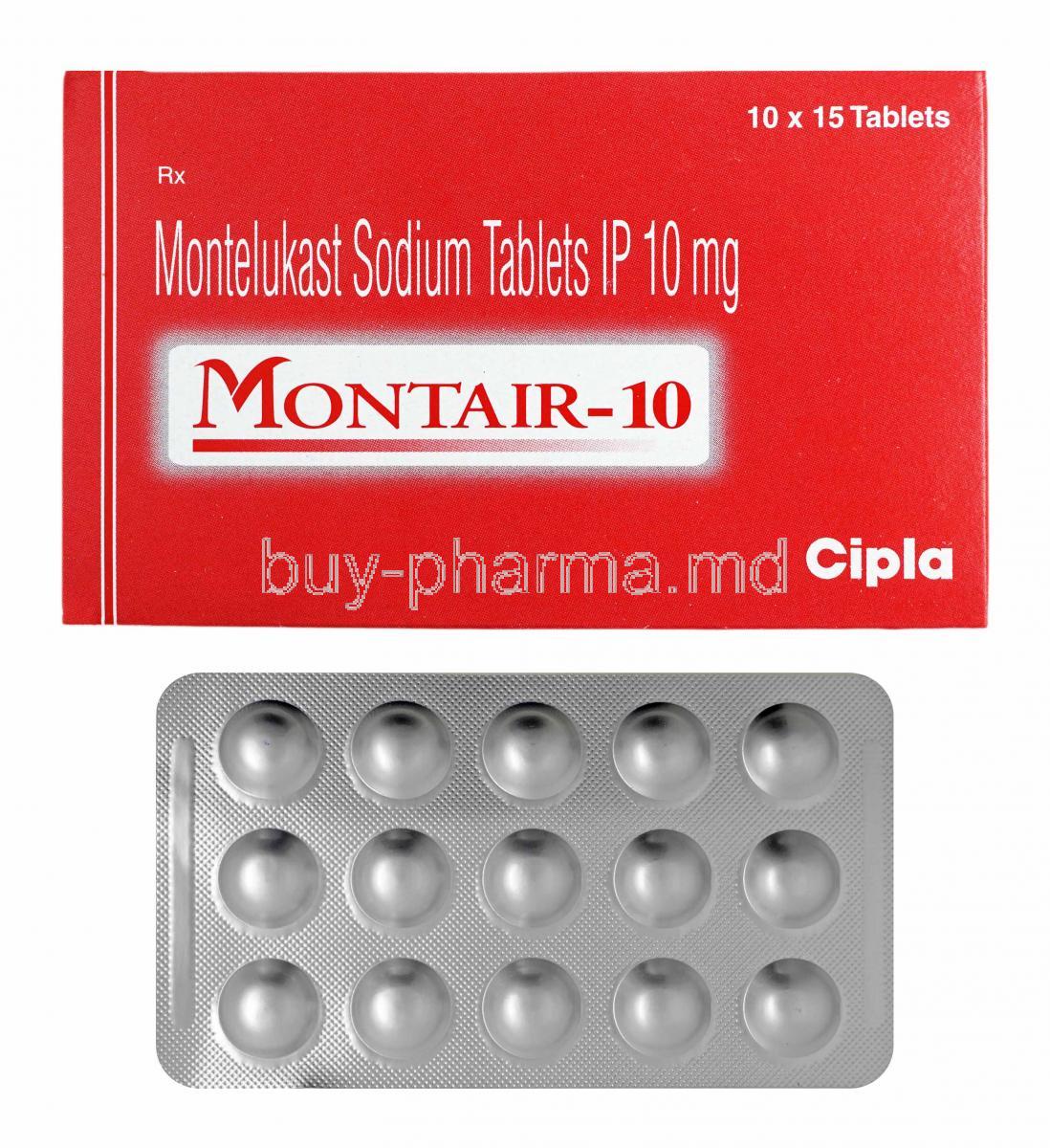
Montair, formulated with montelukast sodium, is a widely utilized medication designed to counteract allergic inflammation and chronic respiratory disturbances. Its therapeutic influence spans both acute and persistent symptoms, offering relief through targeted biochemical modulation. Patients frequently rely on it as a long-term adjunctive agent to maintain respiratory equilibrium and reduce symptom recurrence.
1.2 Therapeutic Classification: Leukotriene Receptor Antagonist
This medication belongs to the pharmacological class known as leukotriene receptor antagonists. By blocking the biochemical signaling pathways controlled by leukotrienes—potent mediators involved in airway constriction and mucosal inflammation—Montair asserts a stabilizing effect on hypersensitive respiratory tissues.
1.3 Role in Respiratory and Allergic Disorders
Montair serves a pivotal role in managing conditions such as asthma, seasonal allergies, and chronic nasal inflammation. Its mechanism allows patients to experience smoother breathing, diminished nasal congestion, and improved daily functioning.
- Reduces airway reactivity
- Improves nocturnal breathing patterns
- Decreases allergic triggers and inflammatory burden
1.4 Key Benefits for Long-Term Symptom Control
The medication’s ability to suppress persistent inflammatory signals contributes to its long-term advantages. Many individuals benefit from its consistent use, experiencing fewer exacerbations and heightened control over chronic allergies and asthma manifestations.
2. Composition and Formulations
2.1 Active Ingredient: Montelukast Sodium
The primary component, montelukast sodium, operates through specific receptor inhibition to neutralize leukotriene activity. This active compound is responsible for the drug’s respiratory and anti-inflammatory effects.
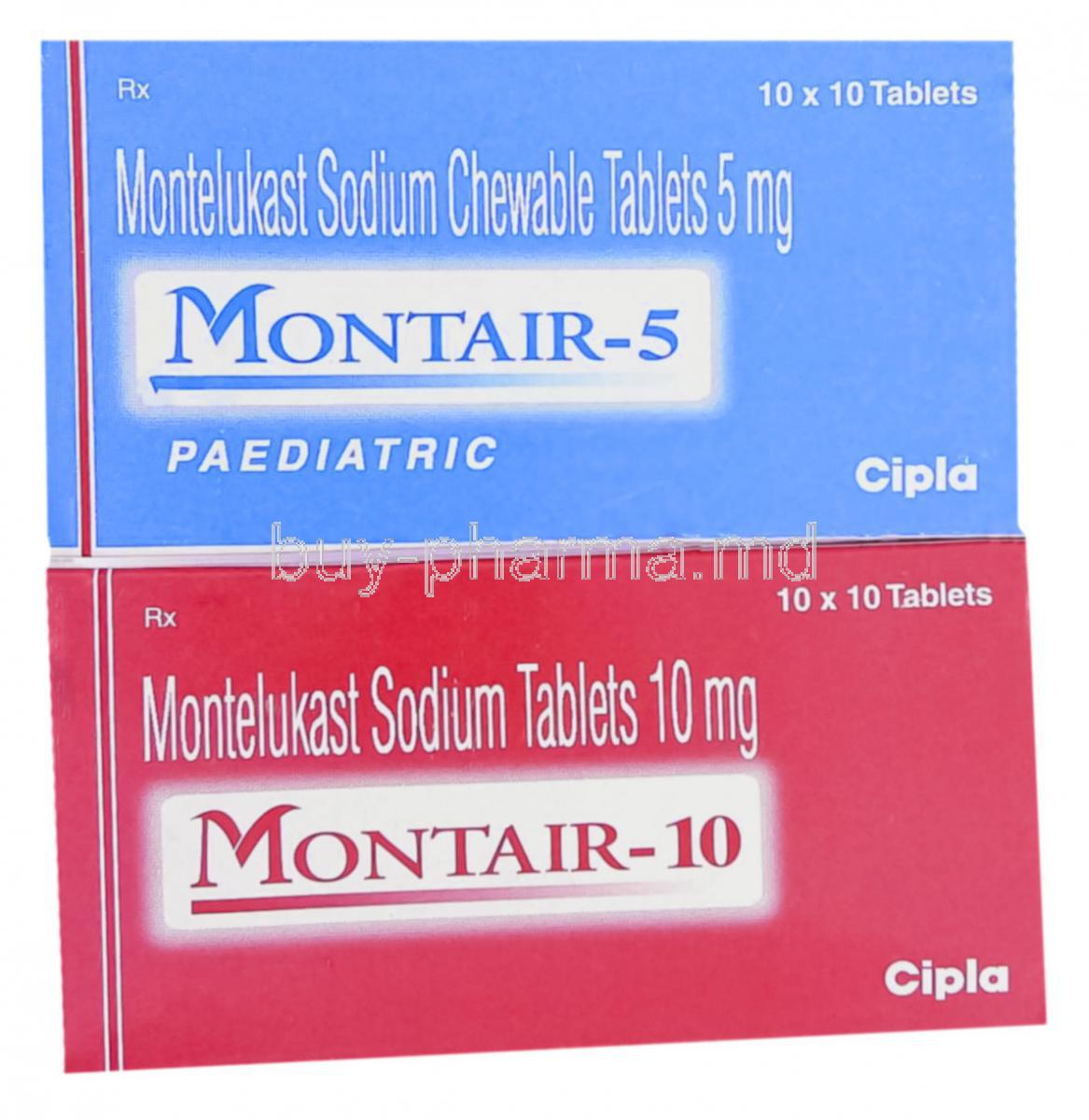
2.2 Available Strengths (4 mg, 5 mg, 10 mg, chewable, granules)
Montair is available in various formats to accommodate patients of different age groups and treatment requirements, including:
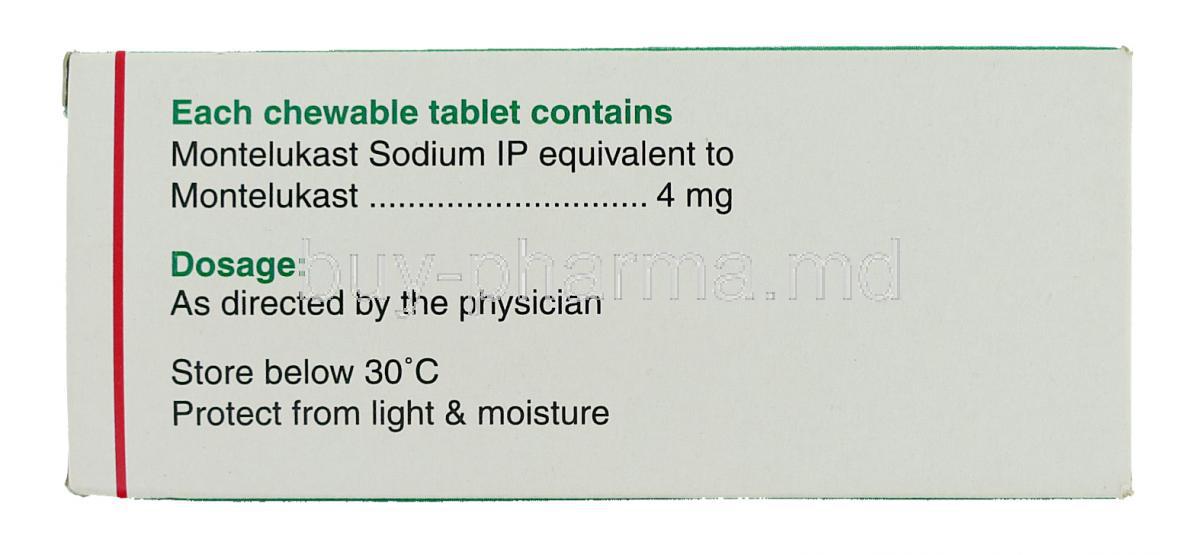
- 4 mg chewable tablets for younger children
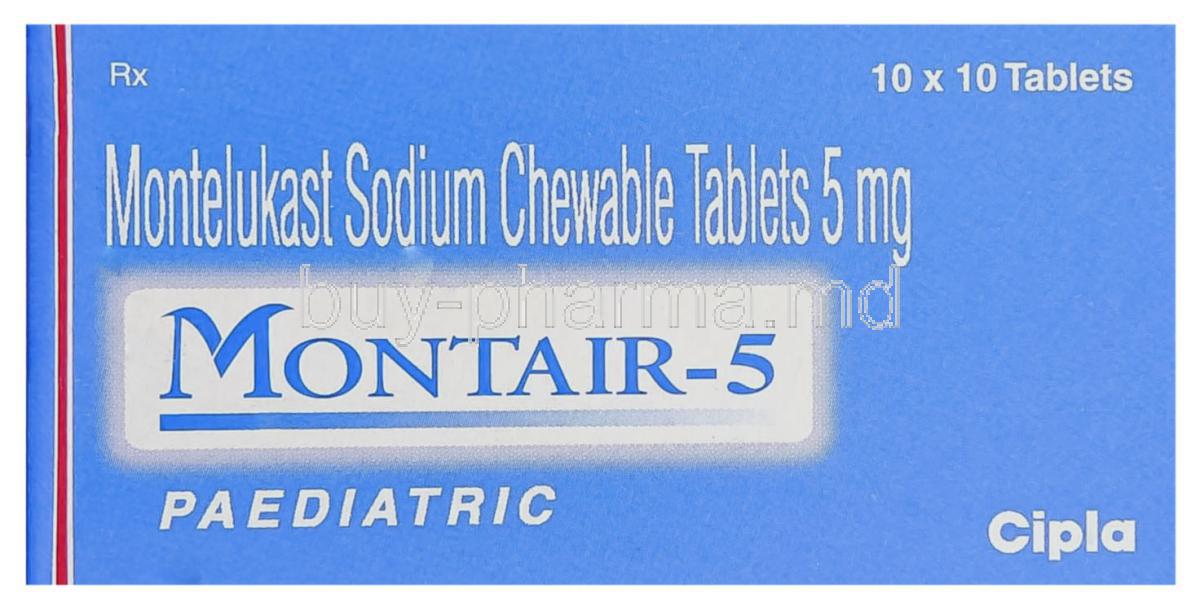
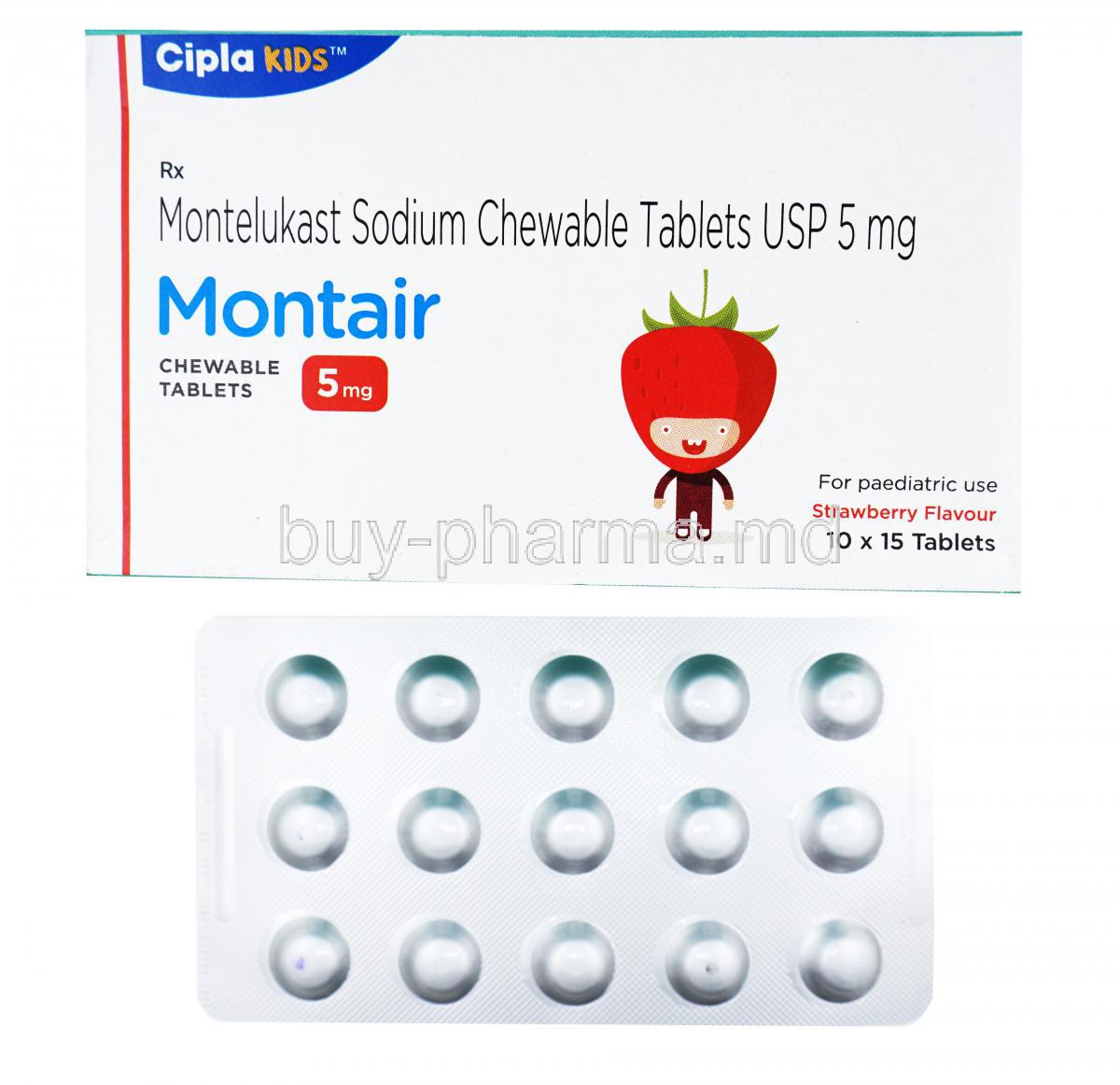
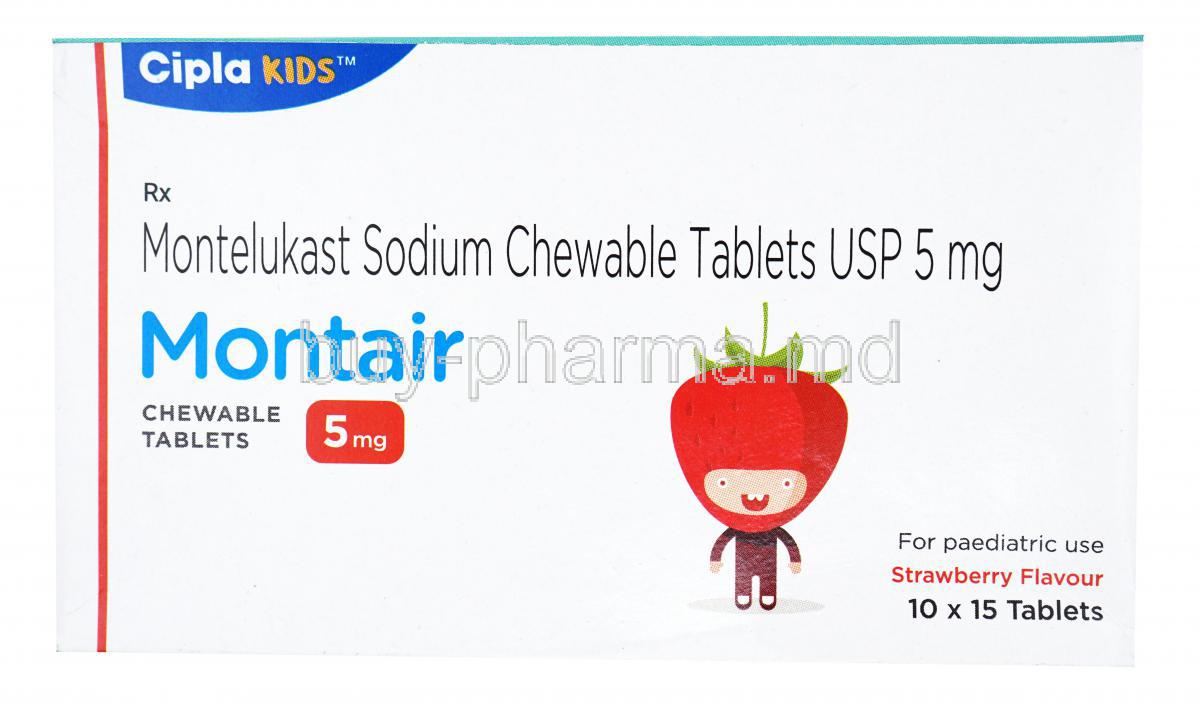
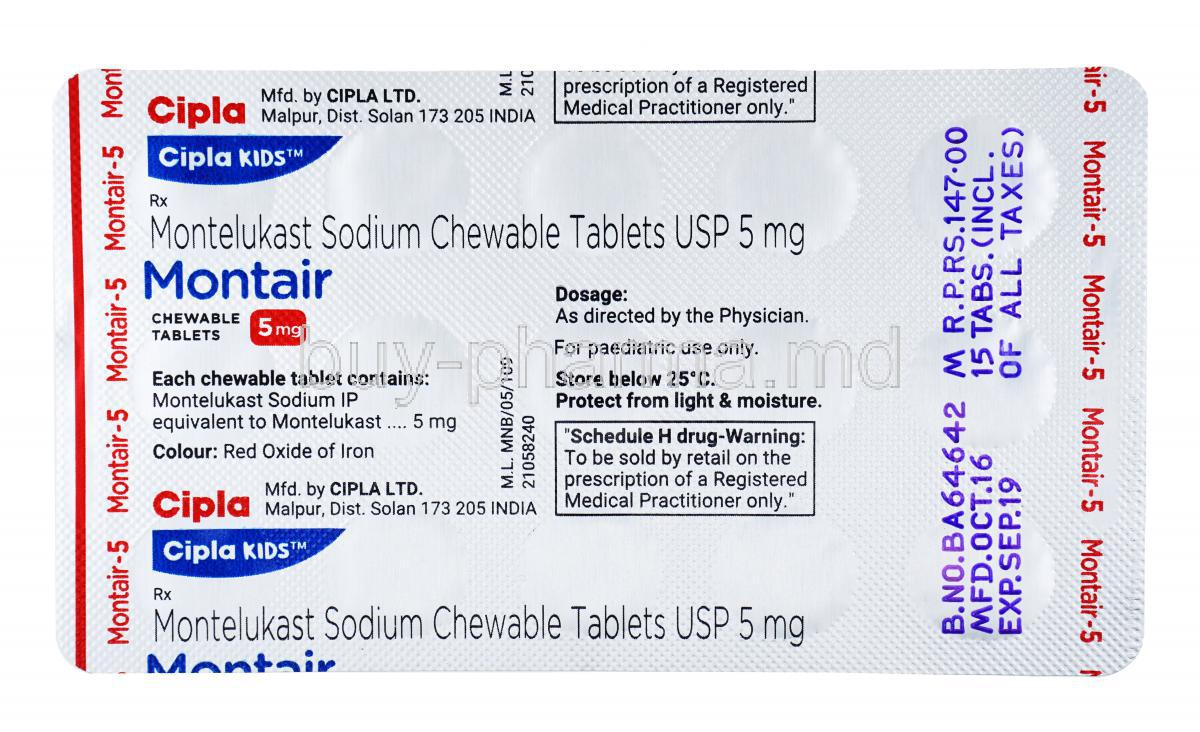
- 5 mg chewable tablets for older pediatric patients
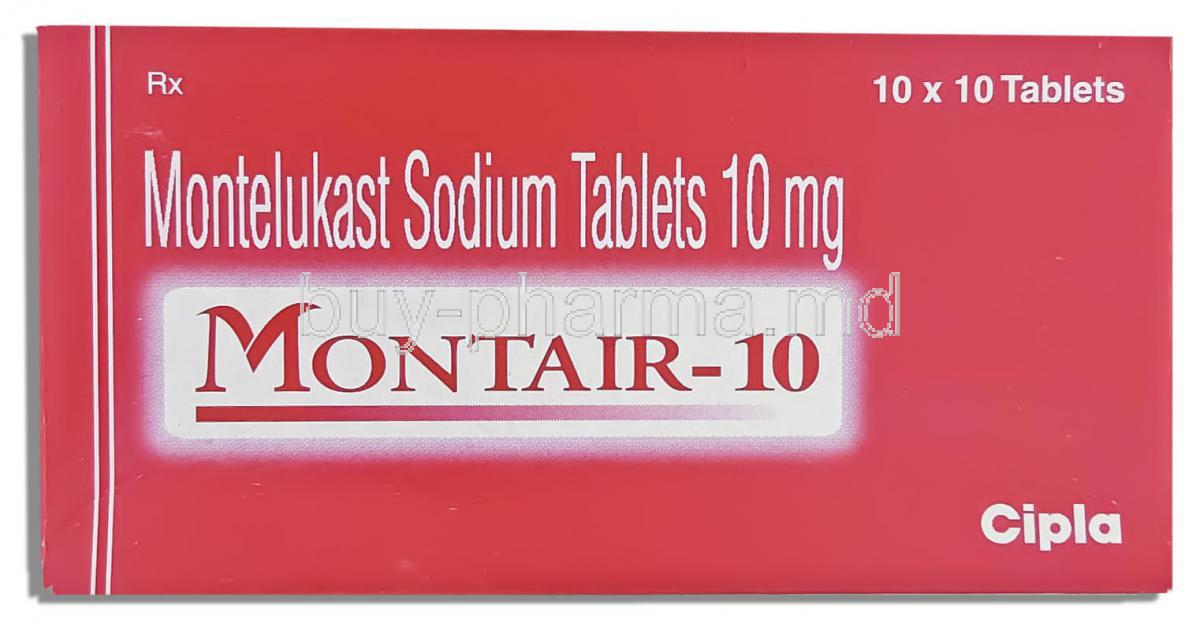
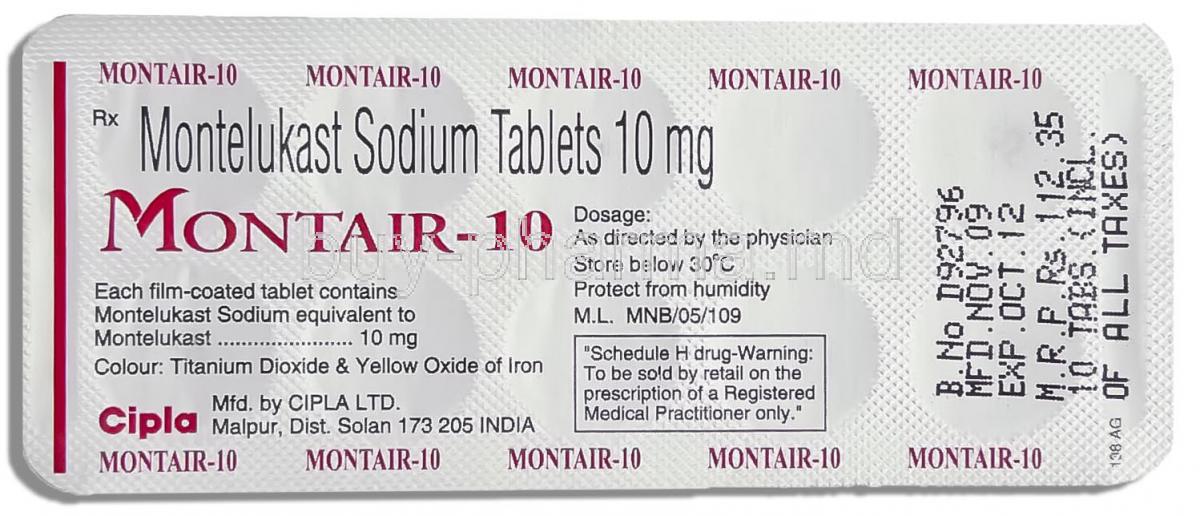
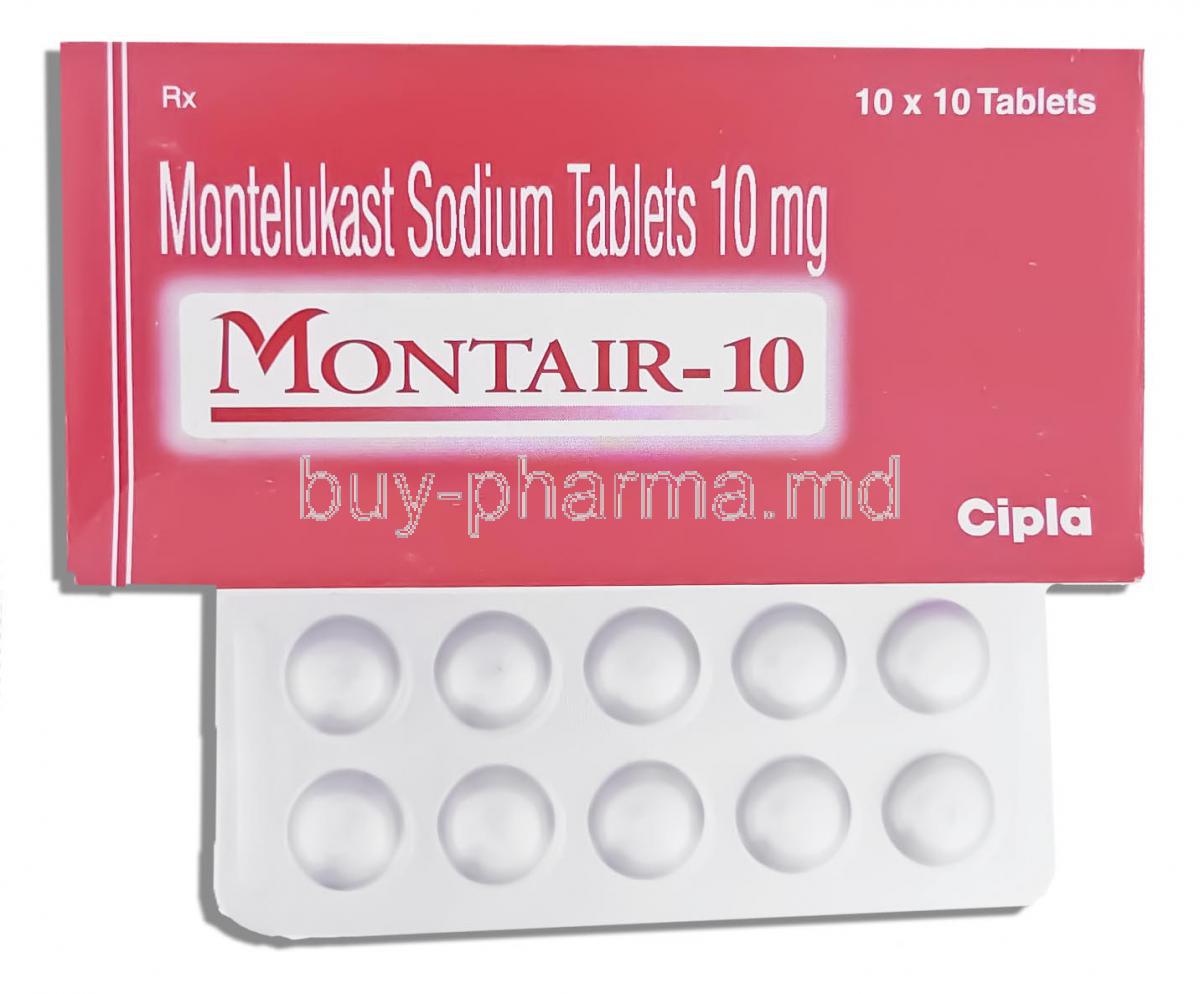
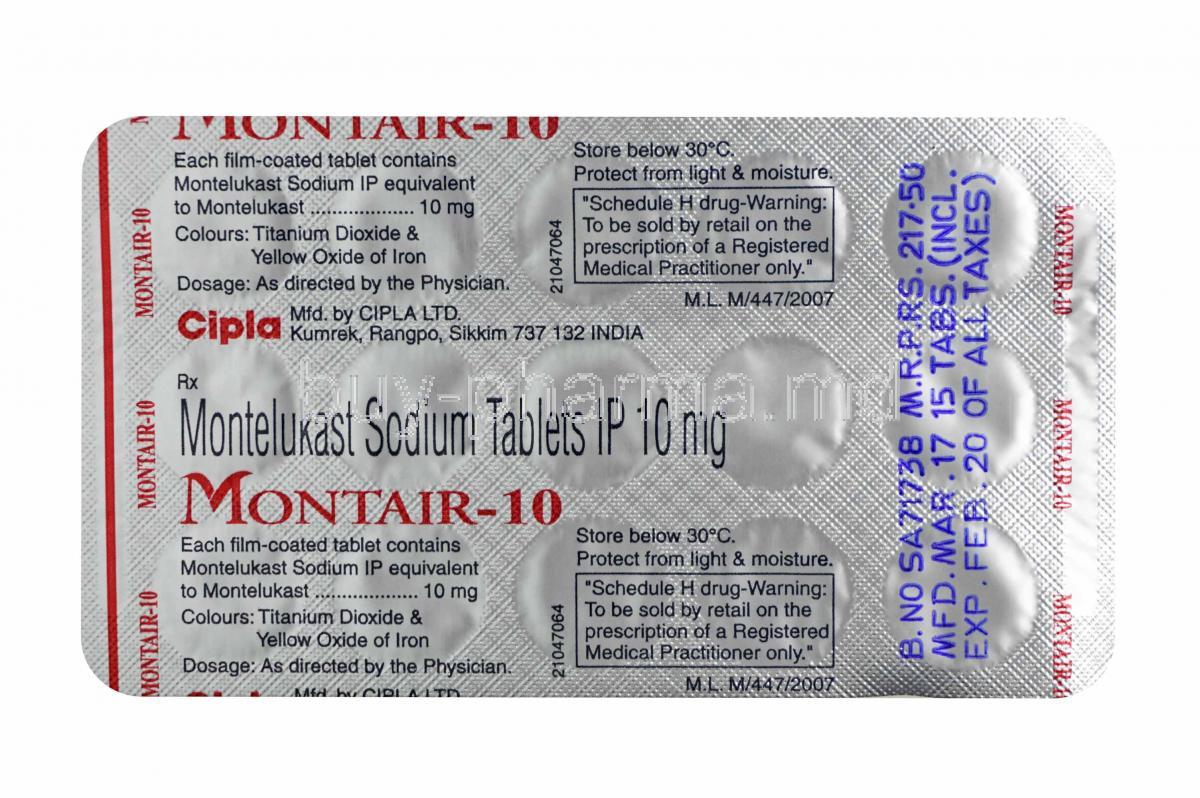
- 10 mg film-coated tablets for adults
- Granule formulations for infants and toddlers
2.3 Inactive Ingredients and Excipients
Excipients such as lactose, microcrystalline cellulose, and flavoring agents (in chewable varieties) support tablet stability, palatability, and absorption consistency.
2.4 Brand Variants and Generic Availability
Numerous generics and branded alternatives exist globally, providing flexibility in affordability and accessibility. These options maintain therapeutic equivalence.
3. Uses of Montair
3.1 Treatment of Asthma in Adults and Children
Montair is prescribed as a preventive asthma medication to reduce inflammation, protect airway patency, and mitigate wheezing episodes. It complements inhaled therapies.
3.2 Prevention of Exercise-Induced Bronchoconstriction
For individuals whose airways constrict during strenuous exertion, Montair helps diminish susceptibility to breathing difficulties triggered by exercise.
3.3 Relief of Seasonal Allergic Rhinitis (Hay Fever)
Montair alleviates symptoms such as sneezing, nasal discharge, itching, and ocular irritation during peak pollen seasons.
3.4 Management of Perennial Allergic Rhinitis
Patients exposed to year-round allergens—dust mites, mold spores, pet dander—benefit from Montair’s continuous anti-inflammatory effects.
3.5 Use in Chronic Allergic Conditions
Montair provides adjunctive support for persistent allergy manifestations that resist conventional antihistamines.
3.6 Role in Aspirin-Sensitive Asthma
In individuals with aspirin-exacerbated respiratory disease (AERD), Montair can reduce inflammatory cascades triggered by NSAID ingestion.
4. Off-Label Uses
4.1 Chronic Urticaria (Hives) Adjunct Treatment
Montair is sometimes added to antihistamine regimens to manage persistent or refractory urticaria.
4.2 Atopic Dermatitis-Related Itching
Some clinicians employ Montair to mitigate inflammatory itching in atopic dermatitis when standard therapies fall short.
4.3 Allergic Conjunctivitis Supportive Therapy
In certain cases, the medication provides supplementary relief for ocular itching and redness by modulating systemic allergic pathways.
4.4 Eosinophilic Respiratory Disorders
Conditions involving eosinophilic predominance may respond to Montair due to its dampening effect on leukotriene activity.
4.5 Sleep-Disordered Breathing and Snoring (Pediatric)
In children with mild obstructive sleep symptoms associated with adenoidal hypertrophy, Montair may contribute to improved nocturnal airflow.
4.6 Nasal Polyposis Supplementary Therapy
Montair can support patients undergoing treatment for nasal polyps by reducing tissue inflammation and recurrence risk.
5. How Montair Works
5.1 Mechanism of Action: Leukotriene Receptor Blockade
Montelukast binds to cysteinyl leukotriene receptors, preventing leukotrienes from inducing bronchospasm, mucus generation, and mucosal swelling.
5.2 Impact on Airway Inflammation and Bronchoconstriction
By impeding inflammatory mediators, Montair helps maintain bronchodilation and reduces airway hypersensitivity.
5.3 Reduction of Mucus Production and Airway Sensitivity
The drug attenuates excessive mucus secretion and lowers reactivity to common allergens, pollutants, and physical triggers.
5.4 Timeline for Therapeutic Onset
Although some individuals sense improvements within hours, full therapeutic effects typically manifest after several days of consistent dosing.
6. Dosage and Administration
6.1 Standard Adult Dosing Guidelines
Adults generally take one 10 mg tablet daily, preferably in the evening. Consistency is essential for optimal symptom control.
6.2 Pediatric Dosing (Infants, Children, Adolescents)
- 4 mg granules or chewable tablets for children aged 2–5 years
- 5 mg chewable tablets for ages 6–14
- 10 mg tablets for adolescents 15 and older
6.3 Dosing for Seasonal and Perennial Allergies
A once-daily regimen, customized to symptom intensity and duration, is often sufficient for allergic rhinitis relief.
6.4 Exercise-Induced Bronchoconstriction Dosing
Montair is taken at least two hours before physical exertion to ensure peak protective effects.
6.5 Administration Instructions for Chewable Tablets and Granules
Chewable tablets should be thoroughly chewed before swallowing. Granules may be mixed with soft food but must be consumed immediately after preparation.
6.6 Missed Dose Instructions
If a dose is missed, it should be taken promptly unless the next scheduled dose is near. Double dosing is discouraged.
6.7 Dose Adjustment in Special Populations
Patients with hepatic impairment or unique metabolic profiles may require modified dosing under medical supervision.
7. Side Effects of Montair
7.1 Overview of Adverse Reaction Profile
The majority of patients tolerate Montair well, yet some may experience mild to moderate adverse effects related to neurological or gastrointestinal processes.
7.2 Neurological and Psychiatric Side Effects
Reports include dizziness, agitation, irritability, nightmares, or mood disturbances. Such symptoms necessitate monitoring.
7.3 Respiratory, Dermatologic, and Gastrointestinal Effects
Some individuals may encounter cough, rash, abdominal discomfort, or digestive irregularities.
7.4 Rare but Serious Adverse Events
Severe reactions, though uncommon, may include:
- Anaphylaxis
- Eosinophilic systemic syndromes
- Severe skin eruptions
8. Common Side Effects
8.1 Headache
Headache remains one of the most frequently reported side effects and is usually transient.
8.2 Abdominal Pain or Indigestion
Mild gastrointestinal discomfort may arise, particularly shortly after dosing.
8.3 Fatigue or Sleep Disturbance
Some patients notice altered sleep patterns or brief episodes of fatigue.
8.4 Upper Respiratory Tract Symptoms
Cold-like symptoms, including cough or sore throat, occasionally accompany treatment.
8.5 Nausea or Diarrhea
Digestive upset may manifest as nausea, loose stools, or decreased appetite.
8.6 Mild Skin Rash or Sensitivity
Occasional dermatologic reactions are typically mild and self-limiting.
9. Drug Interactions
9.1 Interactions with CYP450-Modifying Agents
Medications that induce or inhibit cytochrome P450 enzymes may alter Montair’s metabolism.
9.2 Anticonvulsants (Phenytoin, Carbamazepine)
These agents can reduce the drug’s effectiveness by accelerating hepatic breakdown.
9.3 Phenobarbital and Rifampicin
Strong enzyme inducers like rifampicin significantly decrease montelukast plasma levels.
9.4 Herbal Supplements Affecting Metabolism
Herbal substances such as St. John's Wort may influence Montair’s pharmacokinetics.
9.5 Interaction with Other Allergy or Asthma Medications
Montair can be safely combined with most antihistamines and inhaled steroids, though monitoring is advisable.
10. Important Warnings
10.1 Neuropsychiatric Events (Anxiety, Nightmares, Mood Changes)
Behavioral changes warrant cautious evaluation, especially in younger patients.
10.2 Risk of Severe Allergic Reactions
Swelling, breathing difficulty, or widespread rash may signal an emergent hypersensitivity reaction.
10.3 Not a Rescue Medication for Acute Asthma Attacks
Montair does not provide immediate bronchodilation and must not replace fast-acting inhalers.
10.4 Hepatic Impairment Considerations
Liver dysfunction may affect drug clearance, necessitating medical oversight.
10.5 Churg–Strauss Syndrome Risk
Although exceptionally rare, eosinophilic vasculitis has been reported, often in conjunction with corticosteroid dose reduction.
11. Contraindications
11.1 Known Hypersensitivity to Montelukast
Montelukast must not be used in individuals with a documented hypersensitivity to the drug or any of its excipients. Even minimal exposure can provoke allergic reactions such as rash, swelling, or respiratory distress. In rare cases, severe manifestations including anaphylaxis may ensue, necessitating immediate medical intervention.
11.2 Contraindications in Severe Liver Dysfunction
Patients with advanced hepatic impairment should avoid Montelukast due to its primary metabolism in the liver. Reduced enzymatic clearance may lead to elevated drug concentrations and exaggerated systemic effects. Severe liver disease dramatically alters pharmacokinetics, making the therapy unsafe.
11.3 Past Reactions Leading to Eosinophilic Conditions
Individuals who have previously developed eosinophilic disorders—such as eosinophilic vasculitis or pulmonary infiltrates—while using leukotriene modifiers should not resume Montelukast. Re-exposure may aggravate inflammatory pathways, potentially triggering life-threatening complications.
12. Careful Administration
12.1 Patients with Pre-existing Psychiatric Disorders
Montelukast has been associated with neuropsychiatric effects in susceptible individuals. Patients with anxiety, depression, irritability, or sleep disturbances require heightened vigilance. Sudden behavioral changes, hallucinations, or mood alterations should prompt immediate evaluation.
12.2 Individuals with Chronic Respiratory Instability
Caution is warranted in those with unstable asthma or severe respiratory compromise. These patients may require more intensive monitoring, as Montelukast does not substitute for fast-acting bronchodilators.
12.3 Use in Individuals with Known Drug Sensitivities
Patients sensitive to multiple medications, dyes, or excipients should be evaluated carefully before initiating Montelukast. Cross-reactivity, while uncommon, may precipitate cutaneous or systemic hypersensitivity reactions.
12.4 Monitoring During Long-Term Treatment
Long-term use necessitates periodic assessment of symptom control, liver function, and neuropsychiatric status. This ensures therapeutic safety and helps clinicians detect insidious adverse effects early.
13. Important Precautions
13.1 Avoiding Use as Emergency Bronchodilator
Montelukast offers no acute bronchodilatory effect and must not replace rescue inhalers. During sudden breathlessness, relying on Montelukast may delay essential rapid-acting therapy.
13.2 Monitoring Allergic and Respiratory Symptoms
Patients should remain attentive to any escalation in wheezing, nasal congestion, or skin reactions. Early recognition of deteriorating symptoms helps prevent exacerbations.
- Unexpected shortness of breath
- Worsening night-time asthma
- Unusual skin eruptions
13.3 Gradual Adjustment of Concurrent Corticosteroids
Corticosteroid tapering must be performed conservatively. Rapid reduction may precipitate systemic eosinophilia, adrenal insufficiency, or flare-ups of underlying respiratory disease.
13.4 Travel and Physical Activity Precautions for Asthma Patients
Asthma patients using Montelukast should prepare for environmental changes during travel. Elevation shifts, pollen exposure, and temperature variations may alter symptom stability. Carrying rescue medication remains essential.
14. Administration to Elderly
14.1 Pharmacokinetics in Older Adults
Pharmacokinetic changes, such as slowed metabolism and reduced hepatic clearance, may influence drug exposure in elderly patients. Although Montelukast is generally safe, individual tolerance varies.
14.2 Safety Profile and Adverse Event Monitoring
Elderly individuals may be more susceptible to headaches, dizziness, or neuropsychiatric effects. Routine evaluation ensures early detection of adverse trends.
14.3 Considerations for Polypharmacy in Seniors
Medication interactions are more likely among seniors due to concurrent treatments. A comprehensive medication review helps minimize metabolic interference and treatment complications.
15. Administration to Pregnant Women and Nursing Mothers
15.1 Safety in Pregnancy (FDA Category B)
Montelukast is classified as FDA Category B. Available data suggest no significant fetal harm in most cases; however, clinical judgment is essential.
15.2 Evidence from Animal and Human Studies
Animal studies show no teratogenic effects, and human observational data indicate low risk. Even so, decisions should be individualized based on maternal health status.
15.3 Breastfeeding Considerations and Milk Excretion
Montelukast is expected to pass into breast milk in small amounts. Though adverse effects in infants are rare, monitoring is prudent, especially in premature or medically fragile infants.
15.4 Risk–Benefit Assessment for Maternal Respiratory Care
Proper respiratory control during pregnancy is vital for maternal and fetal well-being. When symptomatic relief outweighs potential risks, Montelukast may be considered appropriate under supervision.
16. Administration to Children
16.1 Approved Pediatric Indications
Montelukast is approved for pediatric asthma, exercise-related bronchoconstriction, and allergic rhinitis. Its safety profile supports use across several pediatric age groups.
16.2 Age-Specific Dosing Forms (Granules, Chewables)
Children may receive granules for easy administration or chewable tablets with age-appropriate strengths. These formulations enhance compliance.
16.3 Monitoring Behavioral Changes in Children
Children may exhibit irritability, nightmares, or unusual agitation. Parents and caregivers should observe behavior closely and report deviations promptly.
16.4 Long-Term Safety Data in Pediatric Patients
Long-term studies show generally favorable tolerance, with no significant impact on growth or systemic development when used appropriately.
17. Overdosage
17.1 Symptoms of Accidental or Intentional Overdose
Overdose may cause abdominal pain, drowsiness, thirst, headache, vomiting, or hyperactivity. Severe cases may involve psychomotor disturbances.
17.2 Recommended Emergency Response Measures
Immediate medical attention is essential. Gastric decontamination, hydration, and symptomatic management may be employed depending on severity.
17.3 Potential Organ-Specific Toxicity
Excessive levels may overwhelm hepatic metabolism, potentially stressing liver function. Neuropsychiatric toxicity is also possible in vulnerable individuals.
17.4 Monitoring After Overdose
Patients require careful observation for 24–48 hours, with ongoing assessment of vital signs, mental status, and respiratory stability.
18. Storage and Handling Precautions
18.1 Optimal Storage Temperature and Humidity
Montelukast should be stored at controlled room temperature, ideally between 20°C and 25°C. Elevated humidity may degrade tablet integrity.
18.2 Protecting from Moisture, Heat, and Direct Sunlight
Blister packs must remain sealed until use. Exposure to light or heat can compromise pharmaceutical quality and reduce potency.
18.3 Safe Storage Away from Children
All formulations should be kept out of reach of children. The chewable tablets, due to their flavor, may be mistaken for candy.
18.4 Shelf Life and Packaging Integrity
Products with damaged packaging or expired lot numbers should not be consumed. Packaging integrity ensures stability and contamination prevention.
18.5 Disposal of Expired or Damaged Medication
Unused or expired tablets should be discarded through pharmacy take-back systems when available. Improper disposal may pose environmental hazards.


Customers also bought

Popular Products
Similar Product