Mox CV, Amoxicillin/ Clavulanic Acid
- 1. Introduction to Mox CV (Amoxicillin/Clavulanic Acid)
- 2. Composition and Formulation Details
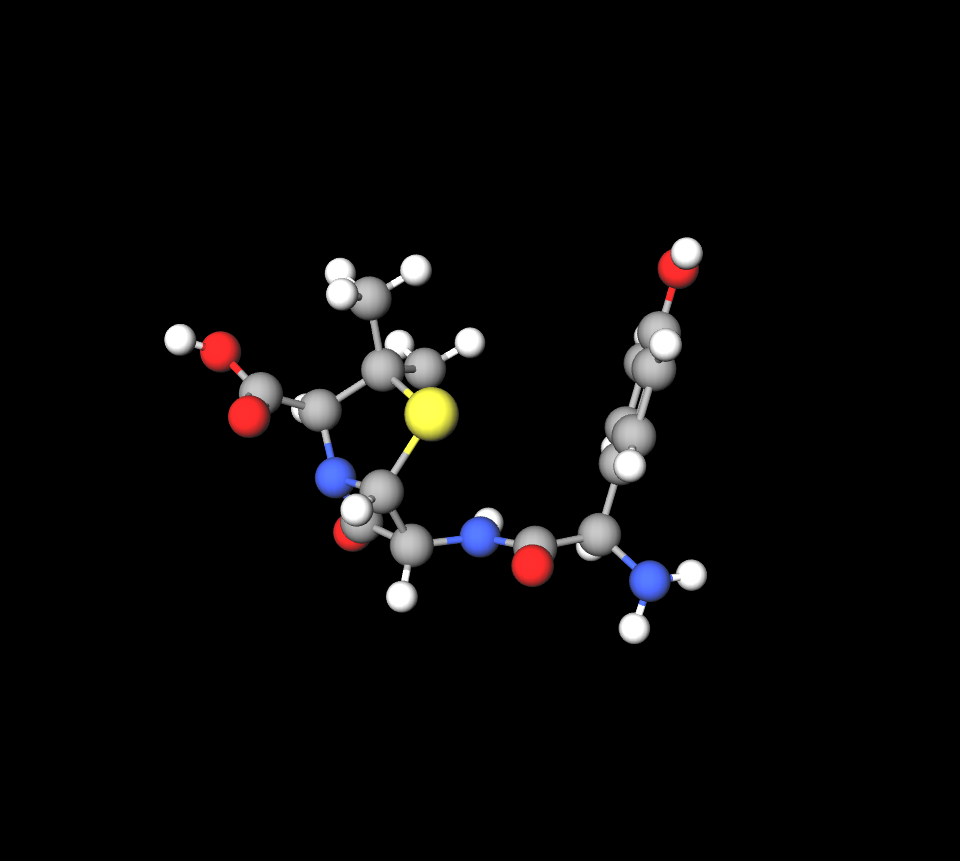
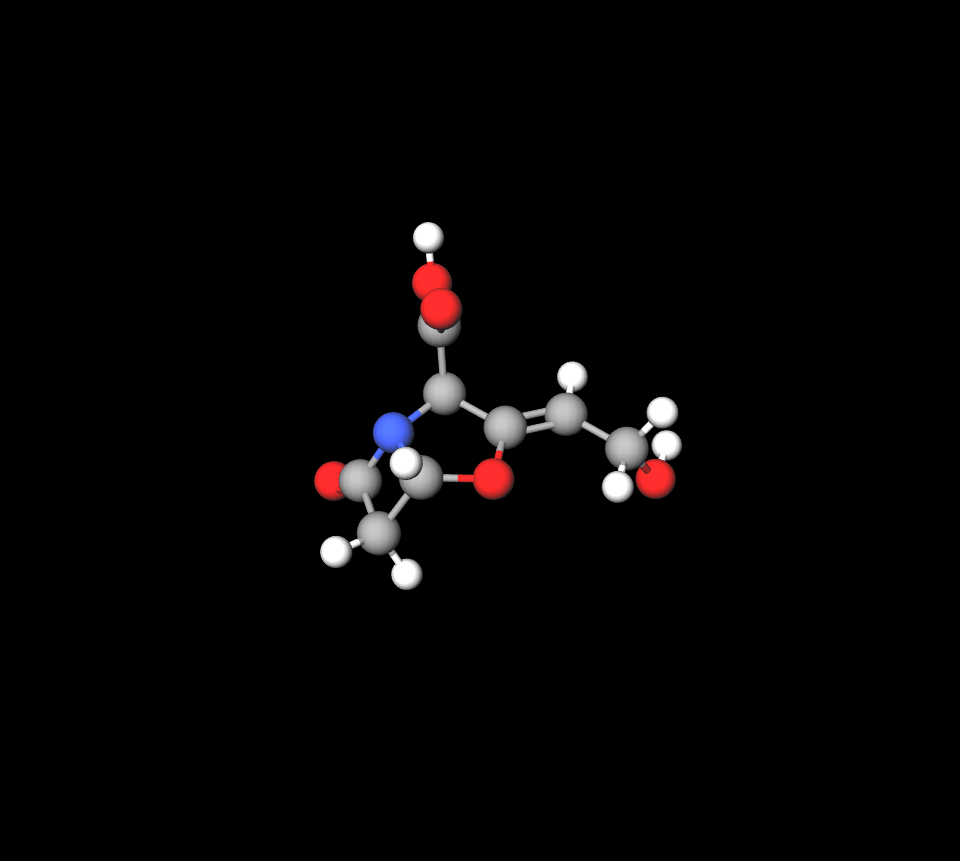
- 3. Mechanism of Action: How Mox CV Works
- 4. Approved Medical Uses of Mox CV
- 5. Off-Label Uses of Amoxicillin/Clavulanic Acid
- 6. Amoxicillin / clavulanic acid Dosage and Administration Guidelines
- 7. Amoxicillin / Clavulanic acid Side Effects
- 8. Amoxicillin / clavulanic acid Interactions
- 9. Warnings and Important Safety Information
- 10. Contraindications
- 11. Careful Administration and Important Precautions
- 12. Use in Special Populations
- 13. Overdose Management
- 14. Storage and Stability Requirements
- 15. Handling Precautions and Patient Counseling
- 16. Antimicrobial Resistance and Responsible Use
1. Introduction to Mox CV (Amoxicillin/Clavulanic Acid)
Mox CV is a broad-spectrum antibacterial combination designed to treat a wide range of bacterial infections. It integrates two pharmacologically complementary agents to enhance antimicrobial performance and overcome resistance mechanisms. The formulation is widely prescribed in both community and clinical settings due to its reliability, versatility, and established safety profile.
Therapeutically, Mox CV belongs to the beta-lactam class of antibiotics combined with a beta-lactamase inhibitor. This dual-action strategy allows the medication to remain effective even against bacteria capable of neutralizing standard penicillin antibiotics.
Combination therapy is preferred over amoxicillin alone because many pathogenic bacteria produce beta-lactamase enzymes that render single-agent therapy ineffective. Clavulanic acid neutralizes these enzymes, restoring the antibacterial potency of amoxicillin.
- Available in multiple strengths such as 250/125 mg, 500/125 mg, and 875/125 mg
- Formulated as tablets, oral suspension, and pediatric drops
- Suitable for adults, children, and elderly patients under medical guidance
This combination plays a critical role in the management of resistant bacterial infections, particularly those involving mixed flora or recurrent disease.

2. Composition and Formulation Details
Mox CV contains two active pharmaceutical ingredients that function synergistically to provide enhanced antimicrobial coverage.
- Amoxicillin: A semi-synthetic penicillin with bactericidal properties
- Clavulanic acid: A beta-lactamase inhibitor that protects amoxicillin from enzymatic degradation
Common strength ratios include:
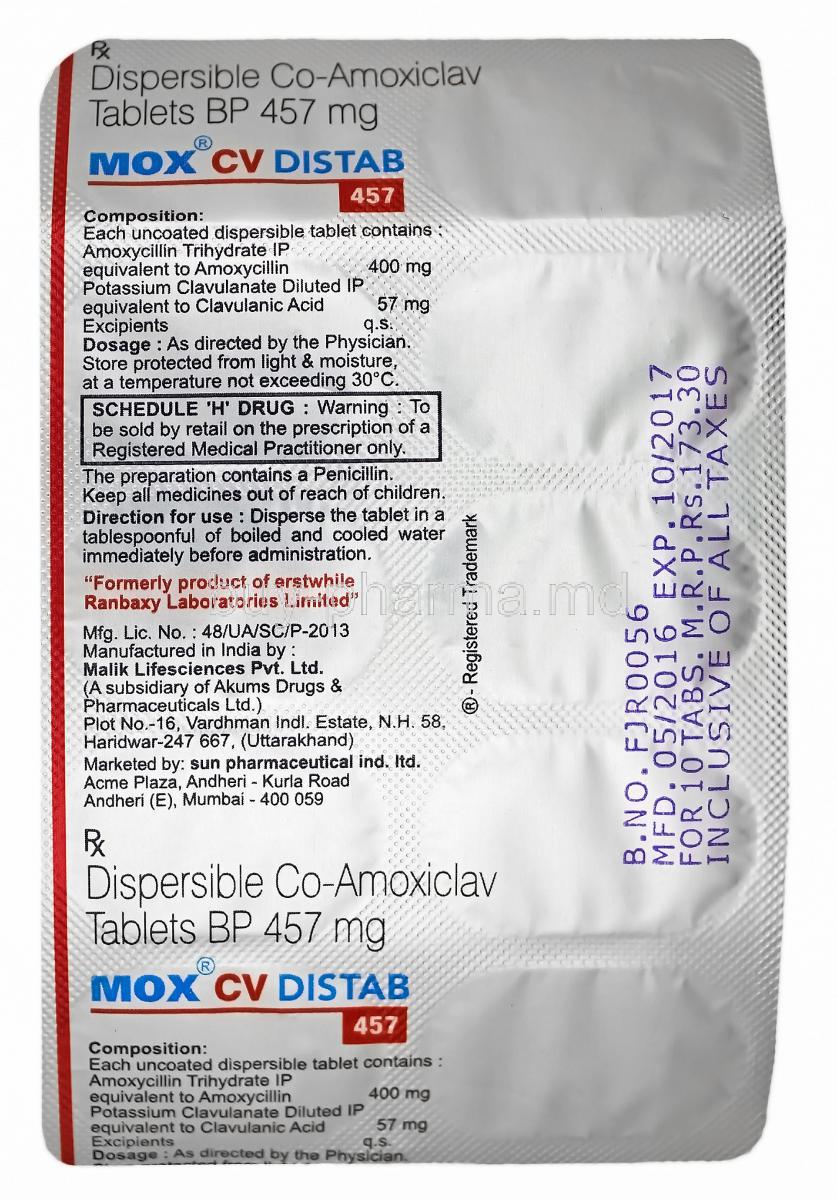
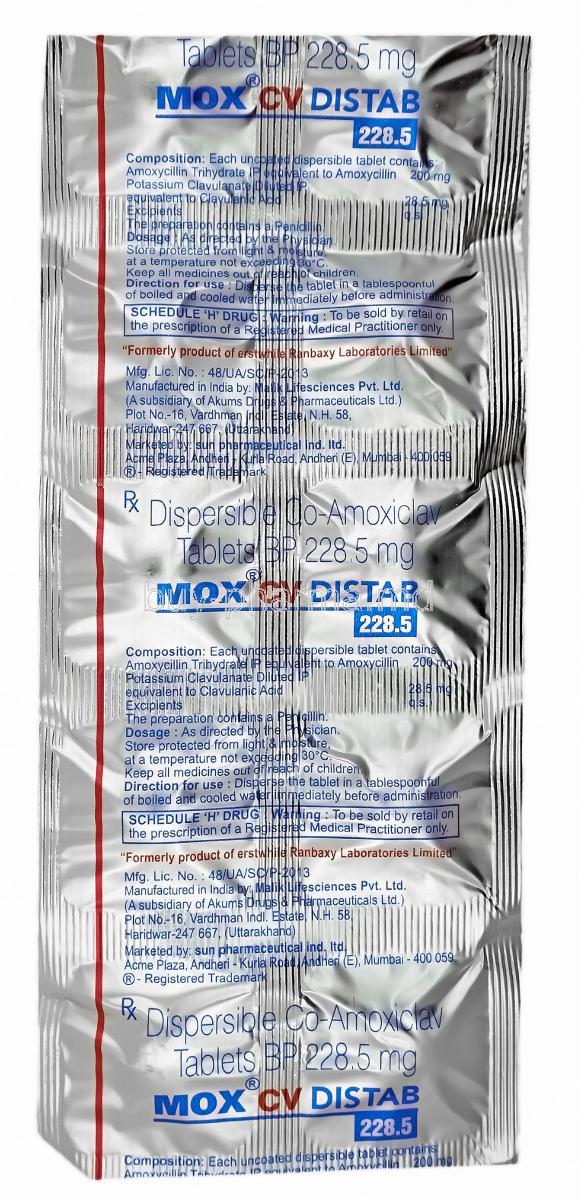
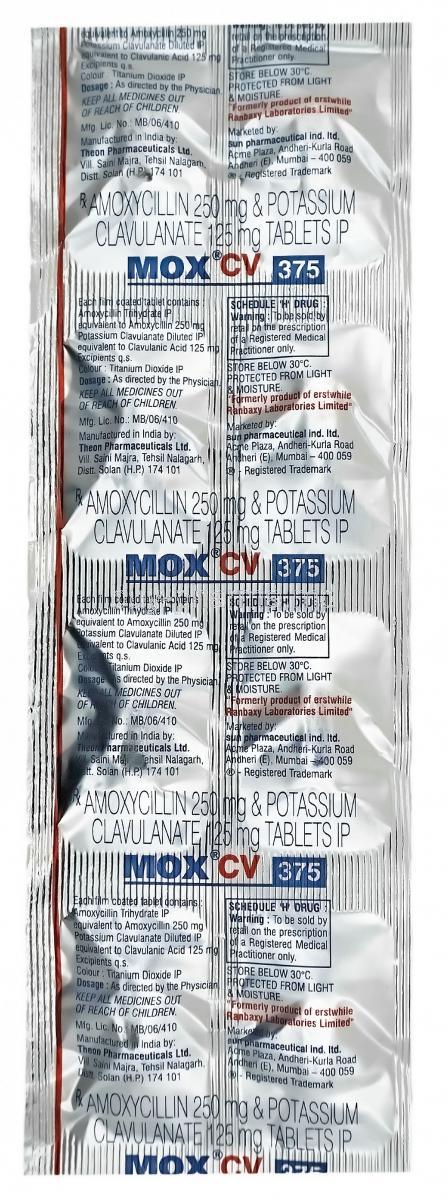
- 250 mg amoxicillin / 125 mg clavulanic acid
- 500 mg / 125 mg
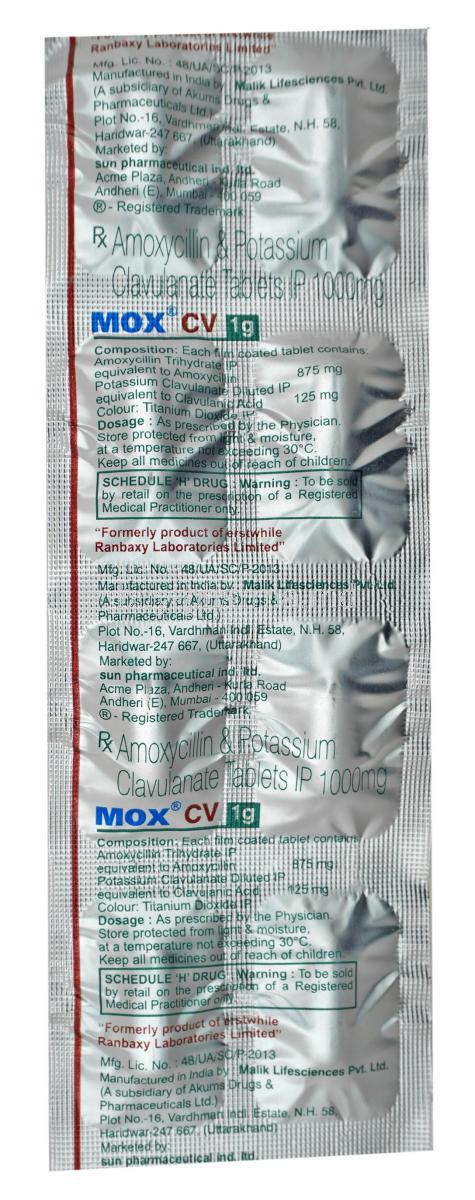
- 875 mg / 125 mg
- Pediatric suspensions with weight-adjusted dosing
Inactive components such as stabilizers, flavoring agents (in suspensions), and tablet excipients ensure stability, palatability, and consistent drug delivery.
Available pharmaceutical forms include:
- Film-coated tablets for adult use
- Dry syrup for oral suspension
- Pediatric drop formulations for infants
The ratio of amoxicillin to clavulanate is carefully calibrated. Excess clavulanate may increase gastrointestinal intolerance, whereas insufficient amounts reduce resistance protection. Optimal balance ensures both efficacy and tolerability.
3. Mechanism of Action: How Mox CV Works
However, many bacteria produce beta-lactamase enzymes that deactivate amoxicillin. Clavulanic acid acts as a suicide inhibitor, irreversibly binding to these enzymes and preventing antibiotic degradation.
This dual mechanism expands the antibacterial spectrum to include:
- Beta-lactamase producing Gram-positive organisms
- Gram-negative pathogens
- Certain anaerobic bacteria
Clinically, this makes Mox CV particularly valuable for polymicrobial infections, recurrent infections, and conditions where resistance is suspected.

4. Approved Medical Uses of Mox CV
4.1 Respiratory Tract Infections
Mox CV is widely used in respiratory medicine due to its broad coverage against common pathogens.
- Acute bacterial sinusitis
- Acute otitis media
- Pharyngitis and tonsillitis
- Community-acquired pneumonia
- Acute exacerbations of chronic bronchitis

4.2 Urinary Tract Infections (UTIs)
- Uncomplicated cystitis
- Complicated urinary tract infections
- Mild to moderate pyelonephritis

4.3 Skin and Soft Tissue Infections
- Cellulitis
- Infected wounds
- Cutaneous abscesses
- Animal and human bite injuries

4.4 Dental and Oral Infections
- Dental abscess
- Periodontal infections
- Post-procedural infection prevention

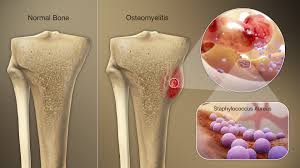
4.5 Bone and Joint Infections
- Osteomyelitis (as part of combination therapy)
- Selected cases of septic arthritis
4.6 Intra-abdominal and Gynecological Infections
- Mixed aerobic and anaerobic intra-abdominal infections
- Selected cases of pelvic inflammatory disease
5. Off-Label Uses of Amoxicillin/Clavulanic Acid
In clinical practice, Mox CV may be used beyond standard indications when supported by microbiological rationale.
- Prophylaxis for high-risk bite wounds
- Management of diabetic foot infections
- Alternative regimens for Helicobacter pylori eradication
- Post-surgical infection prevention in selected procedures
- Chronic or recurrent sinusitis
- Mild aspiration pneumonia
- Infected cysts, boils, or carbuncles
- Recurrent pediatric respiratory infections

6. Amoxicillin / clavulanic acid Dosage and Administration Guidelines
Dosing depends on infection severity, patient age, renal function, and formulation strength.
- Adults: Typically administered every 8-12 hours depending on severity
- Children: Weight-based dosing using suspension formulations
- Renal impairment: Dose adjustment or extended dosing interval may be required
The duration of therapy usually ranges from 5 to 14 days, depending on clinical response.
Preparation instructions for suspension:
- Add water to the marked level
- Shake thoroughly before each dose
- Use a calibrated measuring device
Administration with food is recommended to minimize gastrointestinal discomfort. Completing the full course is essential to prevent relapse and resistance.
7. Amoxicillin / Clavulanic acid Side Effects
7.1 Common Side Effects
- Diarrhea
- Nausea and vomiting
- Abdominal discomfort
- Mild skin rash
- Headache

7.2 Less Common but Important Adverse Effects
- Clostridioides difficile-associated colitis
- Elevated liver enzymes
- Cholestatic jaundice or hepatitis
- Hypersensitivity reactions

7.3 Serious Allergic Reactions (Medical Emergency)
- Anaphylaxis
- Stevens-Johnson syndrome
- Angioedema
8. Amoxicillin / clavulanic acid Interactions
Several medications may alter the pharmacological behavior of Mox CV.
- Warfarin: Increased bleeding risk due to altered gut flora
- Oral contraceptives: Possible reduction in effectiveness (theoretical)
- Allopurinol: Increased risk of rash
- Methotrexate: Reduced clearance and potential toxicity
- Probenecid: Increased amoxicillin blood levels
Alcohol does not directly interact but may exacerbate gastrointestinal side effects and delay recovery.
9. Warnings and Important Safety Information
- Use with extreme caution in patients with penicillin allergy
- Monitor liver function during prolonged therapy
- Risk of secondary fungal or resistant bacterial infections with extended use
- Renal or hepatic impairment requires careful monitoring
- Avoid unnecessary use to reduce antimicrobial resistance
Amoxicillin clavulanic acid and alcohol
While there is no direct, severe interaction between amoxicillin-clavulanic acid (Augmentin) and alcohol, it is strongly advised to avoid or limit alcohol consumption during treatment. Alcohol can increase side effects like nausea, vomiting, stomach upset, dizziness, and headache, while hindering your body's ability to recover from the infection.
10. Contraindications
- Known hypersensitivity to penicillins, cephalosporins, or beta-lactam antibiotics
- History of cholestatic jaundice or hepatic dysfunction associated with amoxicillin/clavulanate
- Previous severe allergic reaction to related antibiotics
11. Careful Administration and Important Precautions
Prudent use of Mox CV is essential to maximize therapeutic benefit while minimizing adverse outcomes. Antibiotic stewardship begins with precision. The medication should be prescribed at the lowest effective dose and for the shortest duration necessary to eradicate the infection. Excessive or prolonged exposure increases the risk of adverse effects, microbial resistance, and disruption of normal flora.
In patients requiring extended therapy, periodic monitoring of hepatic function is advisable. Elevations in liver enzymes, although uncommon, may occur with prolonged administration.
- Assess liver function tests during long-term use
- Discontinue therapy if signs of hepatic dysfunction appear
Caution is warranted in individuals with infectious mononucleosis. Administration of amoxicillin-containing products in such patients is associated with a markedly increased incidence of maculopapular rash. This reaction is typically non-allergic but may complicate clinical assessment.
Adequate hydration is recommended throughout therapy. Proper fluid intake helps reduce the risk of crystalluria, a rare condition in which drug crystals precipitate in the urinary tract.
Before initiating treatment, clinicians should consider regional antimicrobial resistance patterns. Empirical therapy should align with local susceptibility data to ensure optimal effectiveness and reduce unnecessary antibiotic exposure.
12. Use in Special Populations
12.1 Administration to Elderly Patients
Geriatric patients may exhibit altered pharmacokinetics due to age-related physiological changes. Renal clearance often declines with advancing age, necessitating careful dose adjustment based on creatinine clearance.
- Evaluate renal function prior to initiation
- Adjust dosing interval in cases of reduced renal capacity
Elderly individuals may also have an increased susceptibility to hepatic adverse effects. Gastrointestinal intolerance, including diarrhea and nausea, may occur more frequently. Close clinical observation is therefore recommended.
12.2 Administration During Pregnancy
Amoxicillin/clavulanic acid has been studied in pregnancy and is generally considered to have a favorable safety profile when used appropriately. However, pharmacotherapy during pregnancy should never be routine. It must be deliberate.
- Use only when clearly indicated
- Evaluate maternal benefit versus potential fetal risk
- Prescribe the minimal effective dose
Clinical judgment remains paramount, particularly in early gestation or when alternative therapies are available.
12.3 Use During Breastfeeding
Both amoxicillin and clavulanic acid are excreted into breast milk in small quantities. While generally well tolerated, exposure may produce mild effects in nursing infants.
- Possible infant reactions include diarrhea, candidiasis, or mild gastrointestinal disturbance
- Monitor for rash or feeding intolerance
Continuation of breastfeeding is typically acceptable, provided the infant remains asymptomatic.
12.4 Administration to Children
Pediatric use is well established. Dosing should be calculated based on body weight to ensure therapeutic adequacy while minimizing adverse effects.
- Weight-based dosing according to clinical guidelines
- Preference for oral suspension or pediatric drop formulations
- Careful measurement using calibrated devices
Mox CV is generally well tolerated in children. Gastrointestinal symptoms are the most frequently observed effects, but serious reactions remain uncommon.
13. Overdose Management
Overdose with amoxicillin/clavulanic acid is rare but may lead to clinically significant symptoms. Most cases involve excessive gastrointestinal exposure rather than systemic toxicity.
Potential manifestations include:
- Nausea, vomiting, and severe diarrhea
- Electrolyte imbalance due to fluid loss
- Abdominal pain or discomfort
High concentrations of amoxicillin may precipitate in urine, increasing the risk of crystalluria and, in severe cases, renal impairment. Maintaining adequate hydration is critical in overdose situations.
Management is primarily supportive:
- Ensure fluid and electrolyte balance
- Monitor renal function
- Provide symptomatic treatment
In cases of significant toxicity or renal compromise, hemodialysis may facilitate removal of the drug from circulation.
14. Storage and Stability Requirements
Proper storage preserves drug potency and ensures therapeutic reliability. Tablets and dry powder formulations should be stored under controlled room temperature conditions, typically below 25°C (77°F), unless otherwise specified by the manufacturer.
Key storage recommendations include:
- Keep tablets in original packaging to protect from moisture
- Store in a cool, dry place away from direct sunlight
- Avoid exposure to excessive heat or humidity
For dry syrup formulations:
- Reconstitute with the recommended volume of water
- Shake thoroughly to achieve uniform dispersion
- Use within the specified period, usually 7â10 days
- Refrigeration may be required depending on product instructions
Improper storage may compromise stability, reduce efficacy, and increase the risk of treatment failure.
15. Handling Precautions and Patient Counseling
Effective treatment depends not only on prescription accuracy but also on correct handling and patient adherence. Clear counseling enhances therapeutic success.
For suspension formulations:
- Shake well before each dose
- Measure using a calibrated oral syringe or dosing spoon
- Avoid household teaspoons, which are inaccurate
Administration with meals is recommended to reduce gastrointestinal discomfort and improve tolerability.
Patients should be advised:
- Do not skip doses or stop therapy prematurely
- Never share antibiotics with others
- Avoid self-medication for future illnesses
Immediate medical attention should be sought if any of the following occur:
- Signs of allergic reaction (rash, swelling, difficulty breathing)
- Severe or persistent diarrhea
- Jaundice or unusual fatigue
16. Antimicrobial Resistance and Responsible Use
- Not effective against viral infections such as the common cold or influenza
- Avoid unnecessary or prolonged use
- Follow evidence-based treatment durations
Misuse accelerates the development of resistant organisms, rendering standard therapies ineffective. Patient adherence also plays a critical role. Incomplete courses promote survival of partially resistant bacteria, increasing the risk of relapse and transmission.
Appropriate prescribing, patient education, and adherence collectively support both individual recovery and broader public health protection.
 Verified Purchase
Mox CV, Amoxicillin/ Clavulanic Acid
Worked well and easy to take.
Mox CV, Amoxicillin/ Clavulanic Acid FAQ
- What is Mox CV used for?
- What is CV in amoxicillin?
- How many times a day should I take Mox CV 625?
- Is mox cv 625 used for cough?
- Is mox cv an antibiotic?
- How long does it take for a mox CV to work?
- What are the side effects of MOX CV 1g?
- Is amoxicillin CV better than amoxicillin?
- How does mox cv 625 fight infection?
- Is mox a painkiller?
- Is moxclav a strong antibiotic?
- Is Mox CV 625 the same as amoxicillin?
- What is the function of MOX CV?
- Is mox good for throat infection?
- Is mox cv 625 good for fever?
- Can I take mox without food?
- What is amoxycillin clavulanic acid used for?
- Is Amoxicillin-clavulanate a strong antibiotic?
- What is the main side effect of Amoxicillin-clavulanate?
- What to avoid when taking amoxicillin Clav?
- How long does it take for amoxicillin clavulanate to work?
- What are the side effects of amoxicillin clavulanic acid 1000 mg?
- How long can you take amoxicillin Clav for?
What is Mox CV used for?
Mox Cv is an antibiotic medicine used to treat infection in different parts of the body such as the lungs, urinary tract, reproductive tract, stomach-intestine, soft tissues, joints and dental
What is CV in amoxicillin?
clavulanic acid
How many times a day should I take Mox CV 625?
Once every 8 hours
Is mox cv 625 used for cough?
Yes
Is mox cv an antibiotic?
Yes
How long does it take for a mox CV to work?
3 days
What are the side effects of MOX CV 1g?
- Vomiting
- Nausea
- Diarrhea
Is amoxicillin CV better than amoxicillin?
Yes
How does mox cv 625 fight infection?
It prevents bacterial cell wall formation, making the bacteria susceptible to attacks.
Is mox a painkiller?
No
Is moxclav a strong antibiotic?
Yes
Is Mox CV 625 the same as amoxicillin?
It is a combination of amoxicillin and clavulanic acid
What is the function of MOX CV?
It helps fight bacterial infection.
Is mox good for throat infection?
Yes
Is mox cv 625 good for fever?
No
Can I take mox without food?
Yes
What is amoxycillin clavulanic acid used for?
The combination of amoxicillin and clavulanic acid is used to treat certain infections caused by bacteria, including infections of the ears, lungs, sinus, skin, and urinary tract
Is Amoxicillin-clavulanate a strong antibiotic?
Yes
What is the main side effect of Amoxicillin-clavulanate?
- Fever
- Flu-like symptoms
What to avoid when taking amoxicillin Clav?
- anticoagulants (warfarin)
- methotrexate
- allopurinol
- alcohol
How long does it take for amoxicillin clavulanate to work?
24 to 72 hours
What are the side effects of amoxicillin clavulanic acid 1000 mg?
- Pain
- Stomachache
- Constipation
- Nausea
- Vomiting
How long can you take amoxicillin Clav for?
5-14 days
Popular Products
Similar Product