1. Introduction
1.1 Overview of Moxicip Eye Drops
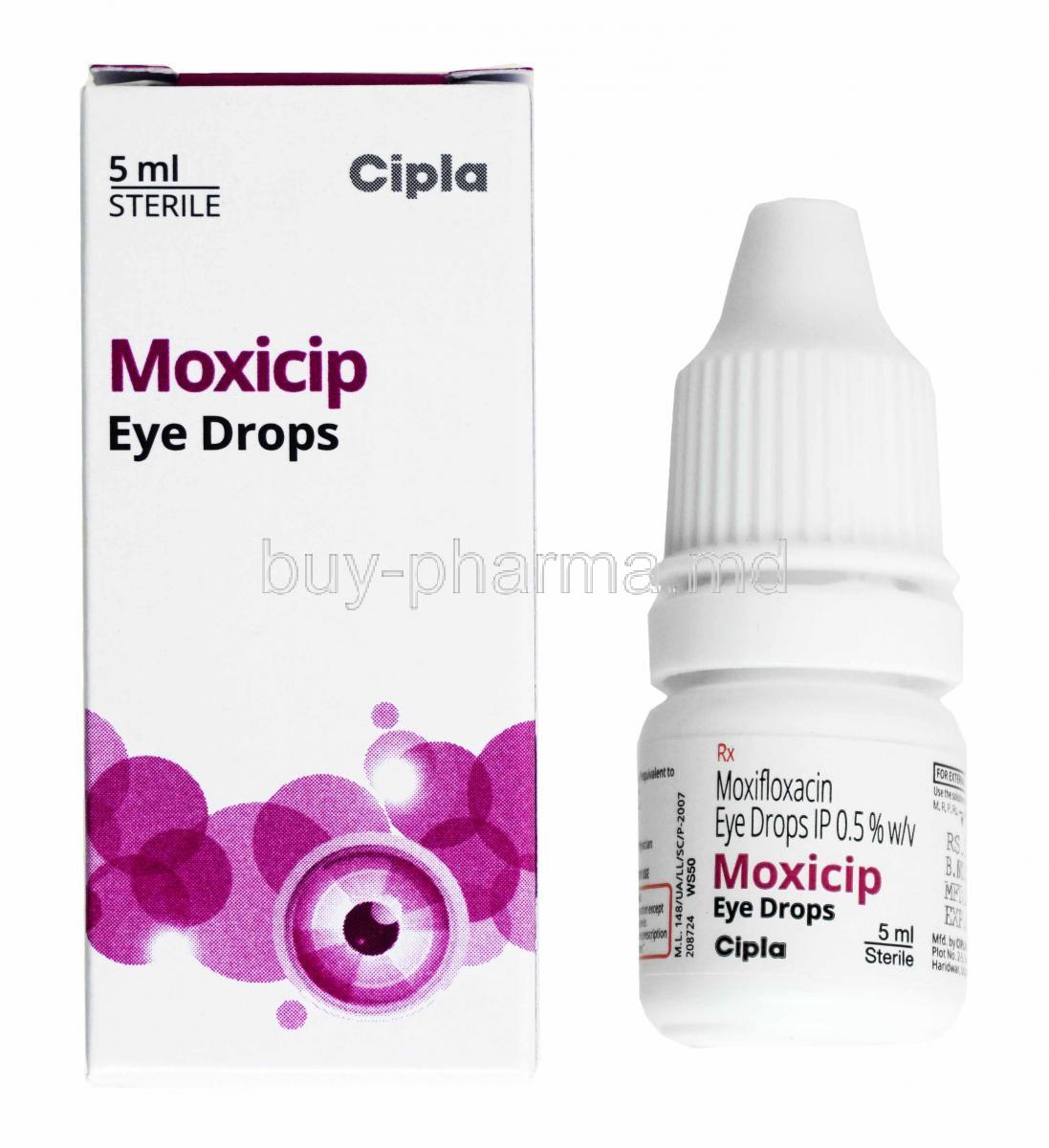
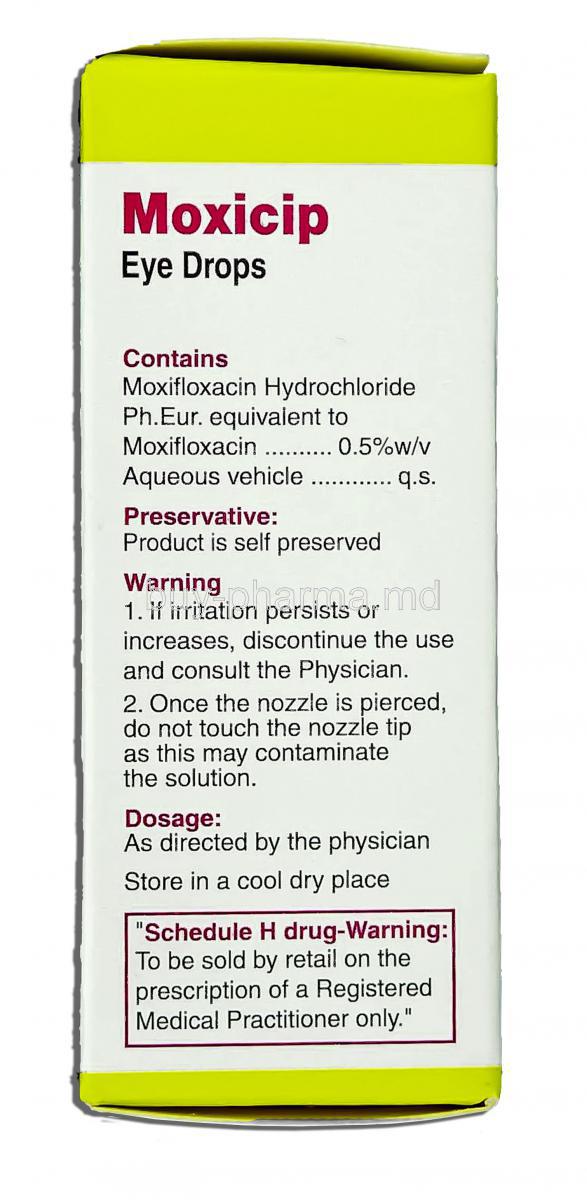
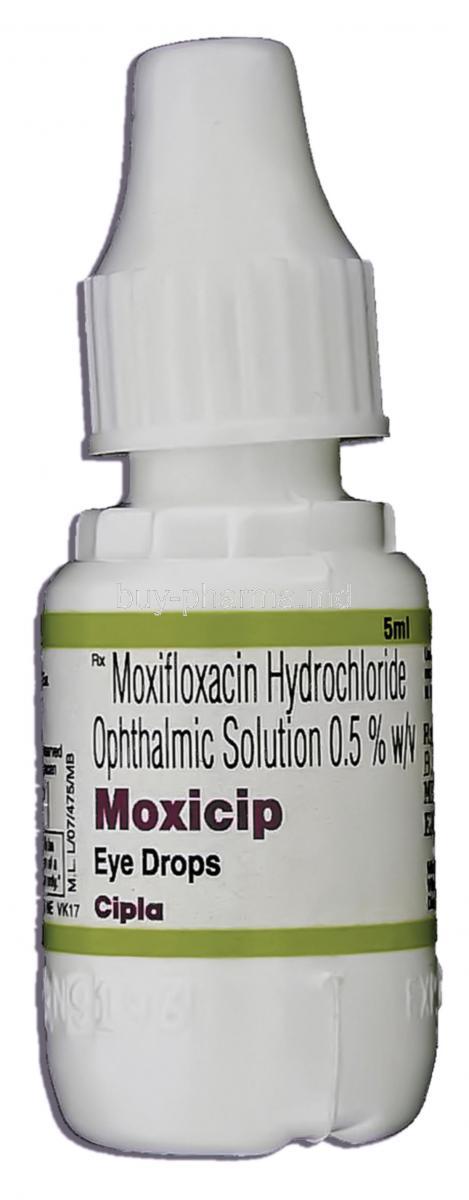
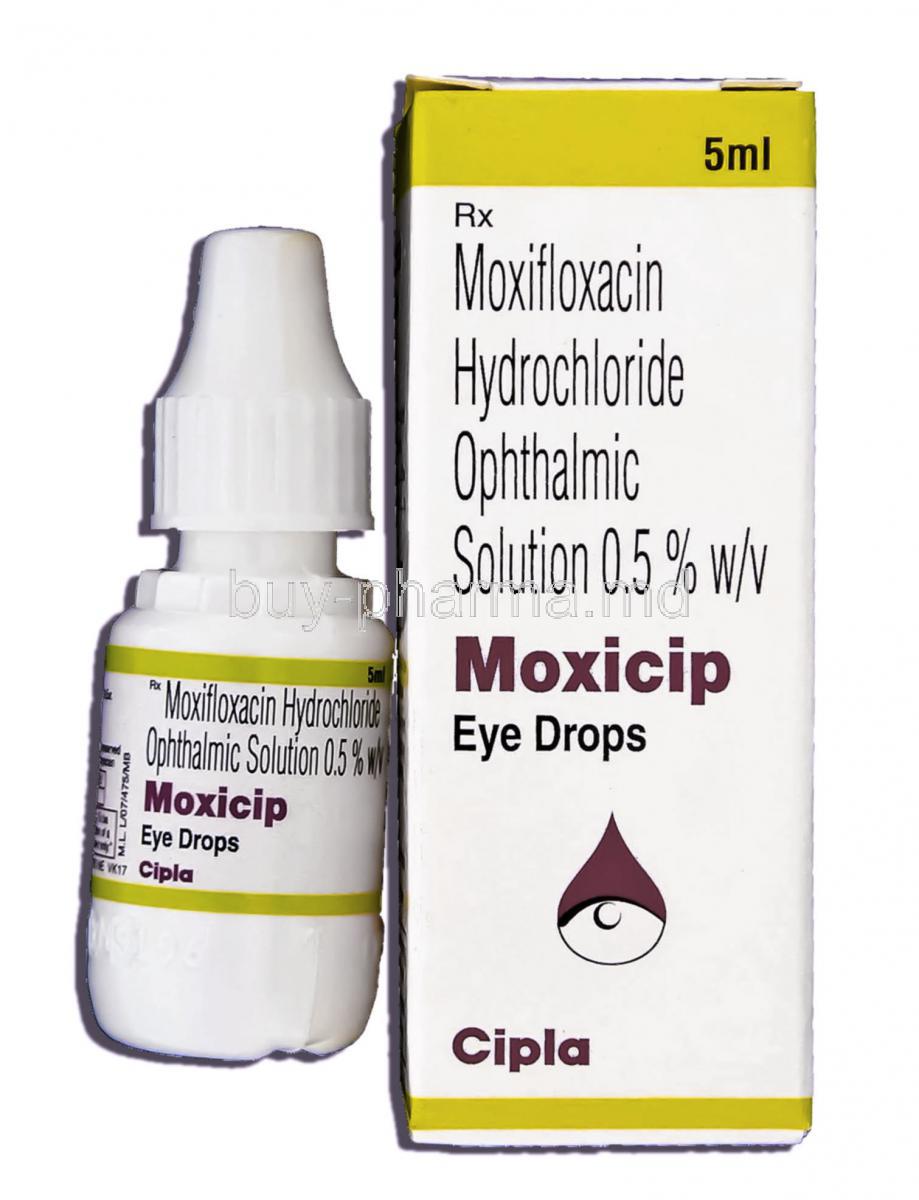
Moxicip Eye Drops are advanced ophthalmic antibacterial drops designed to combat a wide array of bacterial eye infections. These sterile, fast-acting drops deliver targeted antimicrobial activity with exceptional precision. Suitable for both acute and recurrent infections, the formulation provides dependable relief from redness, pain, and purulent discharge.
1.2 What Moxifloxacin Is and Its Pharmacological Class
Moxifloxacin is a fourth-generation fluoroquinolone antibiotic. It demonstrates superior potency by interrupting essential bacterial enzymatic pathways. Its refined molecular structure grants it enhanced penetration into ocular tissues, allowing for rapid therapeutic action.
1.3 Key Benefits and Clinical Importance in Ophthalmology
The formulation is widely favored due to:
- Broad-spectrum eradication of bacterial pathogens
- Rapid symptom improvement within a short treatment window
- Convenience of dosing with high ocular bioavailability
- Reliable safety profile for short-term use
Clinically, Moxicip is indispensable for managing ocular infections that require swift antimicrobial intervention.
1.4 Differences Between Moxicip and Other Fluoroquinolone Eye Drops
Moxicip distinguishes itself through improved tissue absorption, reduced dosing frequency, and enhanced activity against resistant bacterial strains. The absence of preservatives in some formulations makes it a preferred choice for sensitive individuals.
2. Composition
2.1 Active Ingredient: Moxifloxacin 0.5%
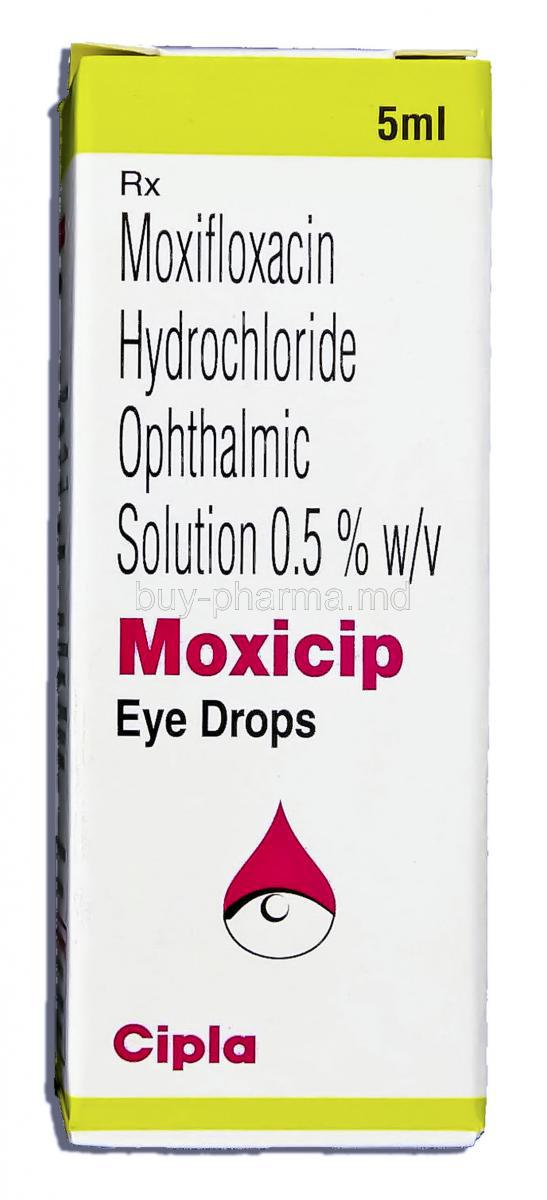
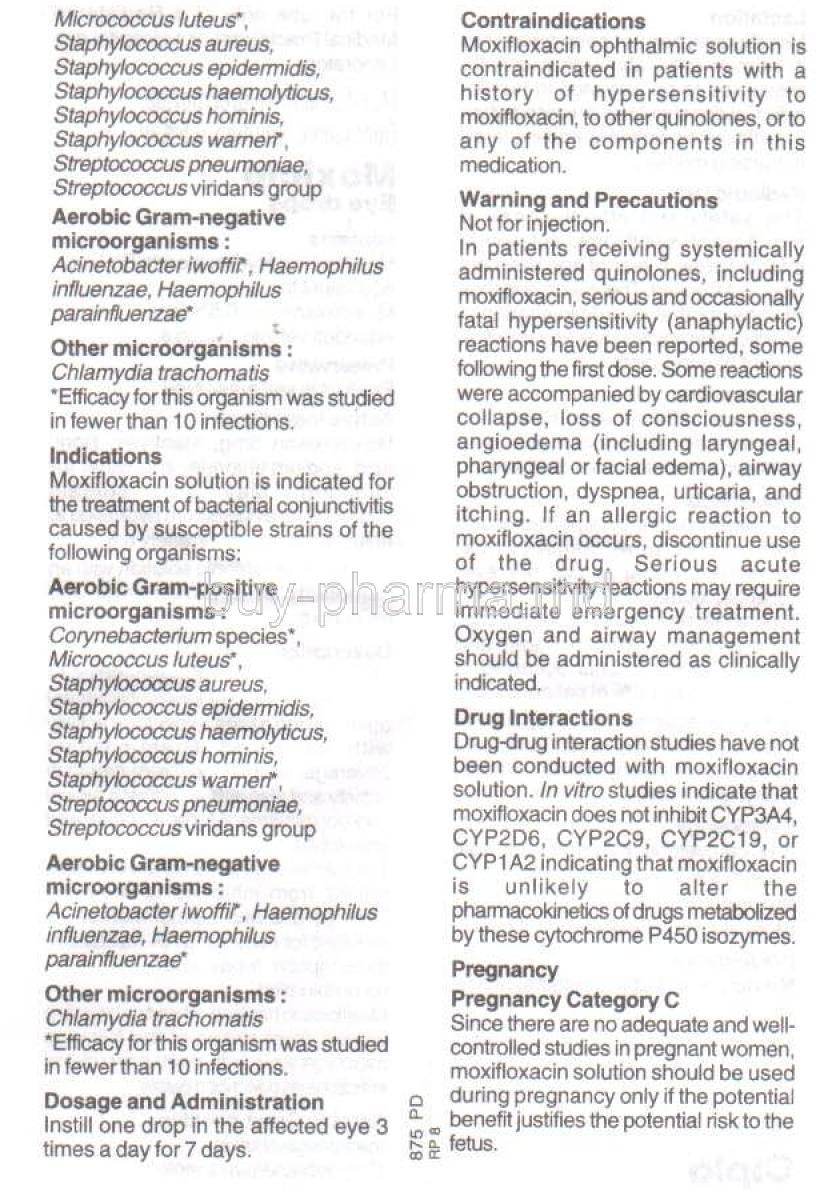
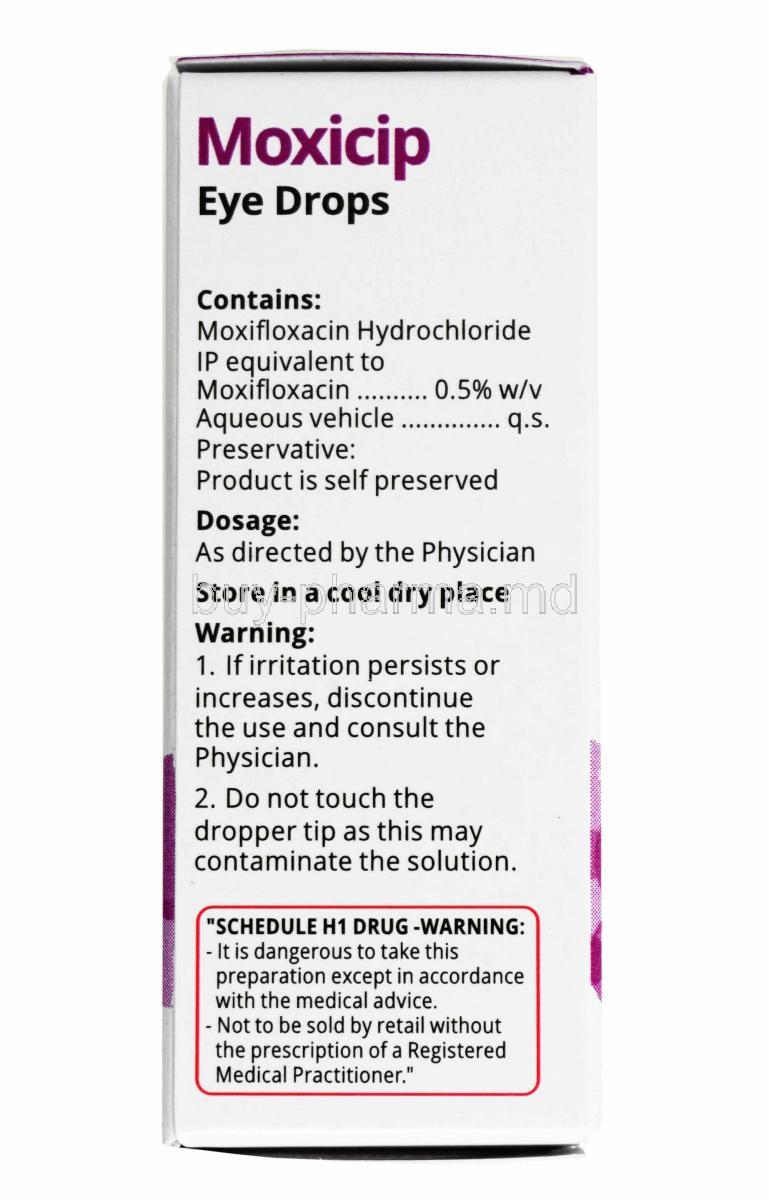
Each milliliter contains 0.5% moxifloxacin hydrochloride, a potent antimicrobial agent with high affinity for bacterial DNA-replicating enzymes.
2.2 Inactive/Supporting Ingredients
Additional excipients may include:
- Sodium chloride
- Purified water
- Non-preserved stabilizing agents
These components maintain isotonicity and stability for optimal ocular comfort.
2.3 Formulation Characteristics (Sterility, pH, Preservation)
The drops are sterile, pH-balanced, and engineered to minimize irritation. Depending on packaging, they may be preservative-free or contain minimal stabilizers to ensure longevity.
3. Uses of Moxicip Eye Drops
3.1 Primary Indications
Moxicip Eye Drops are indicated for various bacterial ocular infections, including:
- Bacterial Conjunctivitis: Redness, discharge, and mucopurulent inflammation.
- Blepharitis: Infection of the eyelid margins with swelling and crusting.
- Keratitis: Corneal infection requiring prompt antibiotic action.
3.2 Treatment of Post-operative Ocular Infections
After ocular procedures such as cataract extraction or LASIK, Moxicip helps prevent postoperative infections by eliminating pathogenic bacteria.
3.3 Prevention of Infection After Eye Surgery (Prophylactic Use)
Moxicip may be administered prophylactically to reduce the microbial load and ensure safe recovery following surgical intervention.
3.4 Broad Spectrum Coverage Against Common Ocular Pathogens
The drops exhibit strong activity against:
- Staphylococcus aureus
- Pseudomonas aeruginosa
- Streptococcus species
This expansive coverage enhances treatment reliability.
4. Off-Label Uses
4.1 Use in Corneal Ulcers
Clinicians may employ Moxicip for bacterial corneal ulcers that require strong, targeted antimicrobial therapy.
4.2 Management of Contact Lens–Related Eye Infections
Contact lens wearers are prone to infections caused by opportunistic pathogens; Moxicip is often used due to its deep corneal penetration.
4.3 Use in Traumatic Eye Injuries at Risk of Infection
Superficial and penetrating injuries may benefit from prophylactic administration to prevent secondary bacterial invasion.
4.4 Off-Label Pediatric Use Considerations
Pediatric usage may be considered in select cases requiring broad-spectrum antibiotics, though clinical discretion is essential.
4.5 Use in Chronic Ocular Surface Diseases with Secondary Infection
Conditions such as chronic blepharitis or dry eye syndrome may develop infectious flare-ups that respond well to moxifloxacin treatment.
5. How Moxifloxacin Works
5.1 Mechanism of Action: Inhibition of DNA Gyrase and Topoisomerase IV
Moxifloxacin disrupts bacterial DNA replication by inhibiting two key enzymes: DNA gyrase and topoisomerase IV. This dual inhibition halts bacterial reproduction instantly.
5.2 Rapid Bactericidal Activity Explained
The antibiotic acts swiftly, leading to expedited bacterial cell death and accelerated symptom relief.
5.3 Spectrum of Activity Against Gram-Positive and Gram-Negative Bacteria
Its efficacy extends across gram-positive cocci and gram-negative bacilli, providing broad therapeutic value.
5.4 Pharmacokinetics and Local Penetration in Ocular Tissues
High corneal and aqueous humor penetration ensures therapeutic concentrations reach infected tissues quickly.
6. Dosage and Administration
6.1 Standard Adult Dosage for Bacterial Conjunctivitis
The typical dosage is one drop instilled into the affected eye three times daily, unless otherwise directed by a clinician.
6.2 Dosage for Severe or Resistant Infections
More frequent dosing may be recommended in cases of aggressive or resistant bacterial infections.
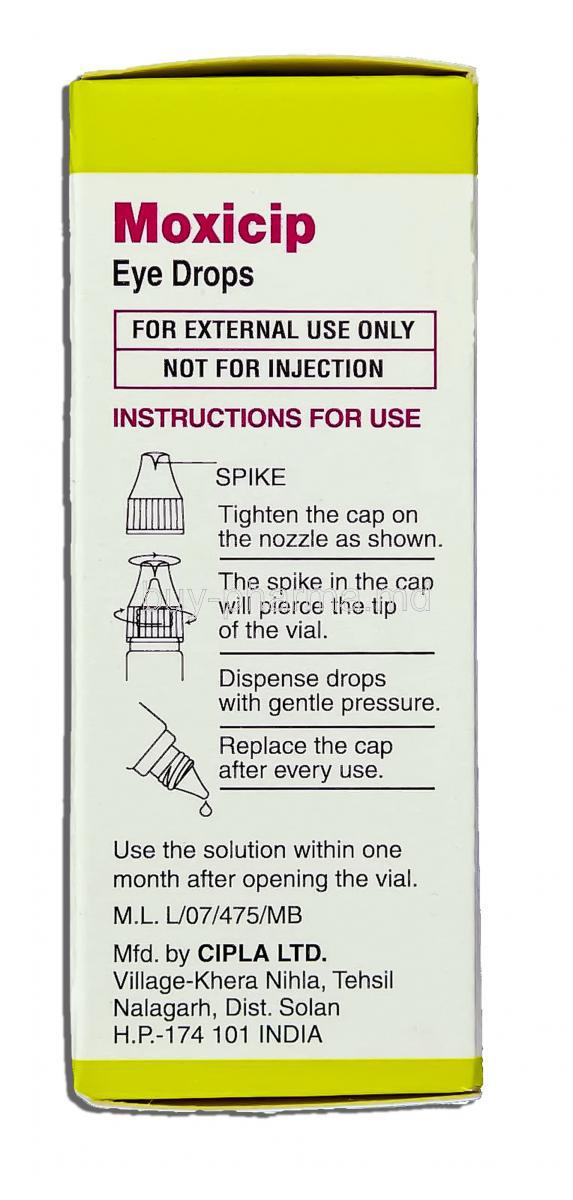
6.3 Directions for Proper Instillation Technique
For optimal effectiveness:
- Wash hands thoroughly
- Tilt head back and gently pull the lower eyelid
- Instill a single drop without contacting the eyedropper tip
6.4 Duration of Therapy and Treatment Guidelines
Treatment generally lasts 5–7 days; however, symptom resolution may occur earlier. Completing the full course is essential.
6.5 Missed Dose Instructions
If a dose is missed, apply it as soon as possible. Skip the missed dose if it is near the next scheduled administration.
6.6 Dosage Adjustments in Special Populations
Most patients do not require adjustments due to minimal systemic absorption.
7. Important Precautions
7.1 Avoiding Contamination of the Dropper Tip
The dropper must not touch any surface, including the eye, to prevent bacterial contamination.
7.2 Preventing Cross-Infection in Household Use
The medication should not be shared, as this may facilitate spread of infection.
7.3 Restrictions for Contact Lens Wearers During Treatment
Contact lenses should be avoided during active infection and treatment to prevent irritation and reinfection.
7.4 Signs of Worsening Infection Requiring Immediate Care
Severe pain, vision deterioration, or persistent discharge warrants urgent medical evaluation.
7.5 Avoiding Long-Term or Unnecessary Use
Prolonged use may lead to microbial resistance or superinfection.
8. Warnings
8.1 Risk of Hypersensitivity Reactions
Allergic responses may manifest as swelling, redness, or intense itching.
8.2 Possibility of Developing Antibiotic Resistance
Inappropriate or incomplete use may contribute to bacterial resistance patterns.
8.3 Severe Ocular Irritation or Pain
Intense burning or pain should prompt immediate discontinuation.
8.4 Not Suitable for Viral or Fungal Eye Infections
Moxifloxacin exhibits no activity against viruses or fungi, including herpetic infections.
8.5 Caution in Patients with Known Fluoroquinolone Allergy
Individuals with hypersensitivity to quinolones should avoid using the product.
9. Contraindications
9.1 Known Allergy to Moxifloxacin or Other Quinolones
A documented allergy mandates strict avoidance of the medication.
9.2 History of Severe Hypersensitivity to Topical Antibiotics
Those who previously experienced severe reactions to ophthalmic antibiotics should not use this formulation.
9.3 Contraindication in Certain Ocular Conditions (e.g., Herpetic Keratitis)
Viral corneal infections may worsen with antibiotic misuse.
10. Careful Administration
10.1 Patients with a History of Eye Surgery
Post-surgical eyes may exhibit heightened sensitivity, requiring cautious use.
10.2 Patients with Chronic Ocular Surface Disorders
Conditions like dry eye syndrome or meibomian gland dysfunction may alter drug absorption.
10.3 Use in Individuals with Autoimmune Eye Diseases
Autoimmune inflammation may complicate treatment, necessitating monitored therapy.
10.4 Patients with Contact Lens–Induced Keratitis
Proper management includes discontinuing lenses and adhering to strict hygiene practices.
10.5 Those Using Multiple Topical Ophthalmic Medications
Separate administration by at least 5–10 minutes to prevent dilution or interaction between products.
11. Side Effects
11.1 Overview of Possible Adverse Effects
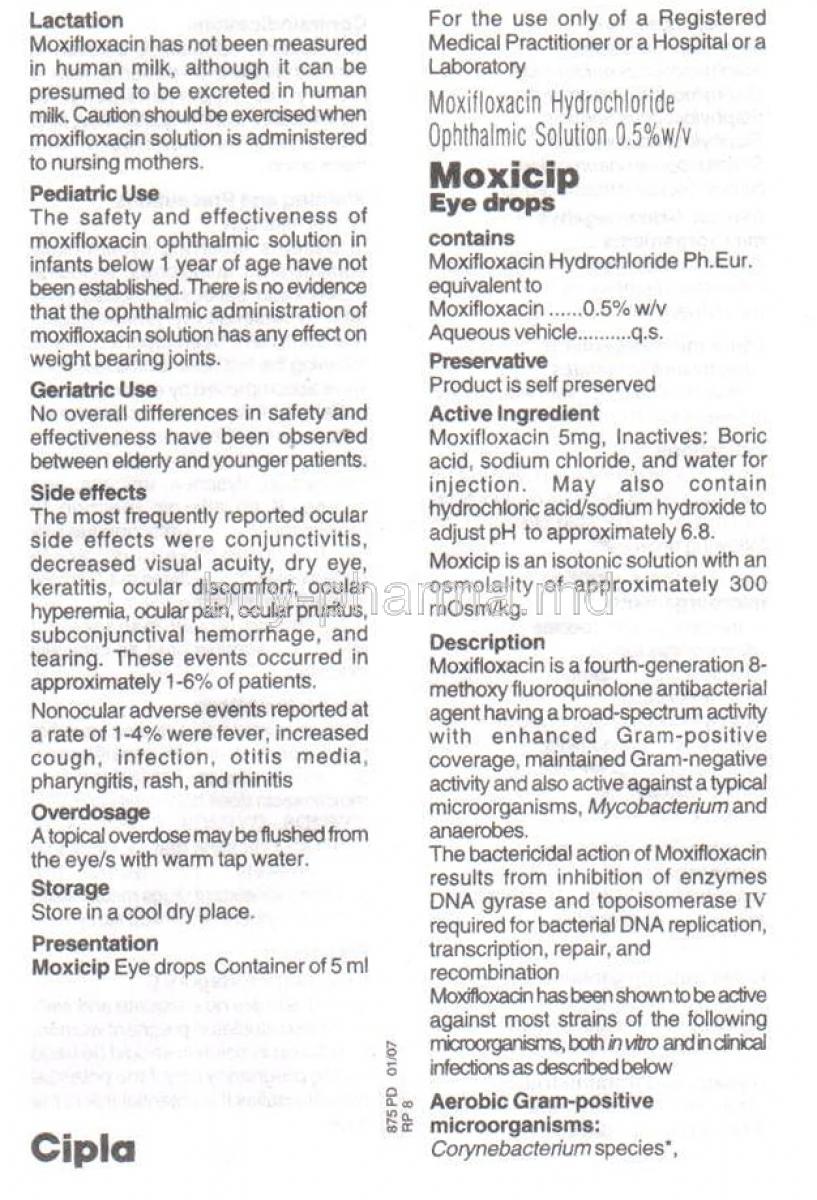
Moxifloxacin ophthalmic solutions may trigger a spectrum of adverse reactions, ranging from mild and fleeting discomfort to rare but clinically significant complications. Most effects are localized to the eye and resolve spontaneously. However, heightened sensitivity or prolonged symptoms may require professional attention.
- Transient irritation
- Inflammatory reactions
- Rare hypersensitivity responses
11.2 Local Reactions
Localized ocular reactions are the most frequently reported effects. These sensations typically emerge immediately after instillation.
- Burning or Stinging: A momentary warmth or sharp tingle is common as the drop disperses across the ocular surface.
- Redness: Vascular dilation may lead to temporary conjunctival redness.
- Dryness: Some individuals experience reduced tear moisture, producing a gritty sensation.
- Itching: Mild pruritus can occur as the eye adjusts to the medication.
11.3 Serious but Rare Side Effects
Serious reactions are uncommon but warrant immediate clinical assessment due to the potential for structural or functional ocular compromise.
- Corneal Damage: Ulceration or epithelial breakdown may occur in severe or untreated infections.
- Severe Allergic Reactions: Symptoms may include intense swelling, rash, or anaphylactoid responses.
- Visual Disturbances: Sudden changes in visual clarity, halos, or persistent blurring can indicate deeper complications.
11.4 Long-Term or Repeated Use Effects
Extended or unnecessary use may encourage microbial resistance, ocular surface imbalance, or secondary infections. Chronic exposure may alter the ocular microbiome and reduce natural defensive flora.
12. Common Side Effects
12.1 Mild Eye Irritation
Mild irritation is among the most frequently observed effects, often described as a fleeting scratchy sensation.
12.2 Temporary Blurred Vision
Vision may momentarily cloud after instillation as the drop coats the cornea, typically resolving within minutes.
12.3 Watery Eyes
Reflex tearing may occur as the eye responds to the introduction of a foreign solution.
12.4 Eye Discomfort After Instillation
Minor discomfort can develop as the medication distributes itself, especially in sensitive individuals.
12.5 Light Sensitivity
Photophobia may occur briefly due to mild irritation or inflammation of ocular tissues.
13. Drug Interactions
13.1 Interaction With Other Ophthalmic Antibiotics
When used alongside other antibiotic drops, timing is essential to prevent dilution and ensure adequate therapeutic levels.
13.2 Interaction With Steroid Eye Drops
Concurrent use with corticosteroid drops may alter local immunity, potentially increasing susceptibility to secondary infection.
13.3 Use With Lubricating Eye Drops and Proper Timing
Artificial tears should be used at least 5–10 minutes apart to maintain medication potency.
13.4 Systemic Drug Interaction Considerations (Minimal Absorption)
Systemic interactions are rare due to minimal absorption, but caution remains prudent in individuals using multiple topical agents.
14. Administration to Specific Populations
14.1 Administration to Elderly
Safety Profile: Generally well tolerated in older adults with minimal systemic impact.
Need for Dose Adjustment: No dosage changes are typically required, though underlying ocular conditions may influence therapy.
14.2 Administration to Pregnant Women
Safety Category: Classified with caution due to limited human data.
Evidence in Animal and Human Studies: Animal studies show low risk, but human data remain insufficient; therefore, treatment is reserved for essential use.
14.3 Administration to Nursing Mothers
Systemic Absorption and Breastfeeding Considerations: Minimal systemic uptake suggests low transfer into breast milk, but clinical discretion is recommended.
14.4 Administration to Children
Approved Age Groups: Approved for use in certain pediatric age ranges depending on regional guidelines.
Off-Label Pediatric Usage: Utilized cautiously in younger children for specific infections requiring strong antimicrobial action.
Safety and Efficacy Data: Short-term studies suggest favorable outcomes, though long-term data are limited.
15. Overdosage
15.1 Symptoms of Accidental Overuse
Excessive application may lead to heightened irritation, excessive tearing, or ocular redness.
15.2 Management of Local Overdose
Rinsing the eye with sterile saline or clean water typically alleviates symptoms.
15.3 Ingestion Accident Management
If swallowed, the medication is unlikely to cause serious harm due to low concentration, but gastrointestinal discomfort may occur.
15.4 When to Seek Medical Attention
Persistent pain, swelling, or visual impairment after overuse requires prompt evaluation.
16. Storage
16.1 Recommended Storage Temperature
Store at controlled room temperature, typically between 15°C and 25°C.
16.2 Protecting From Light and Heat
Direct sunlight and high temperatures can degrade the solution, diminishing potency.
16.3 Safe Storage After Opening
The bottle should be kept tightly sealed and stored upright to maintain sterility.
16.4 Shelf Life and Expiration Guidelines
Expired drops should not be used, as their sterility and effectiveness may be compromised.
17. Handling Precautions
17.1 Maintaining Sterility of the Bottle
The dropper tip must remain uncontaminated; avoid touching any surface, including the eye.
17.2 Safe Disposal of Used or Contaminated Medication
Dispose of expired or contaminated bottles safely, ideally following local pharmaceutical disposal guidelines.
17.3 Precautions During Travel
Keep the bottle protected within a clean pouch and avoid extreme temperature fluctuations during transit.
17.4 Avoiding Use of Cloudy or Discolored Solution
Any change in clarity or color may indicate contamination or degradation; such bottles must be discarded immediately.
Moxicip Eye Drops, Moxifloxacin FAQ
- Is Moxicip a strong antibiotic?
- What should I avoid while using Moxicip?
- Why use moxicip eye drops?
- Can moxicip cause blurred vision?
- What is moxifloxacin used to treat?
- What not to do while taking moxifloxacin?
- Is moxifloxacin a good antibiotic?
- Is moxifloxacin stronger than amoxicillin?
- What bacteria is moxifloxacin effective against?
- Is moxifloxacin safe for kidneys?
- Can I take moxifloxacin at night?
- What bacteria does moxifloxacin treat?
- How long does moxifloxacin stay in your body?
Is Moxicip a strong antibiotic?
Yes
What should I avoid while using Moxicip?
aluminum or magnesium-containing antacids, iron supplements, multivitamins, didanosine (Videx®), sucralfate (Carafate®), or zinc
Why use moxicip eye drops?
It helps relieve symptoms such as pain, redness, itching or soreness caused due to eye infections
Can moxicip cause blurred vision?
Yes
What is moxifloxacin used to treat?
Moxifloxacin is used to treat certain infections caused by bacteria such as pneumonia, and skin, and abdominal (stomach area) infections. Moxifloxacin is also used to prevent and treat plague (a serious infection that may be spread on purpose as part of a bioterror attack.
What not to do while taking moxifloxacin?
Do not take dairy products, antacids or vitamins containing iron, magnesium, calcium or zinc, within 2 hours before or after taking this medicine.
Is moxifloxacin a good antibiotic?
Yes
Is moxifloxacin stronger than amoxicillin?
Clinical failure rates in patients with bacteria isolated at baseline were significantly lower in moxifloxacin versus amoxicillin/clavulanic acid-treated patients,
What bacteria is moxifloxacin effective against?
Gram-positive and Gram-negative bacteria
Is moxifloxacin safe for kidneys?
Yes
Can I take moxifloxacin at night?
Yes
What bacteria does moxifloxacin treat?
f Acute Bacterial Exacerbation of Chronic Bronchitis caused by Streptococcus pneumoniae, Haemophilus influenzae, Haemophilus parainfluenzae, Klebsiella pneumoniae, methicillin-susceptible Staphylococcus aureus, or Moraxella catarrhalis
How long does moxifloxacin stay in your body?
11.5 to 15.6 hours
Customers also bought
Popular Products
Similar Product